
Disclosure: This article contains affiliate links. We may earn a commission from purchases at no extra cost to you, which helps our travel content.
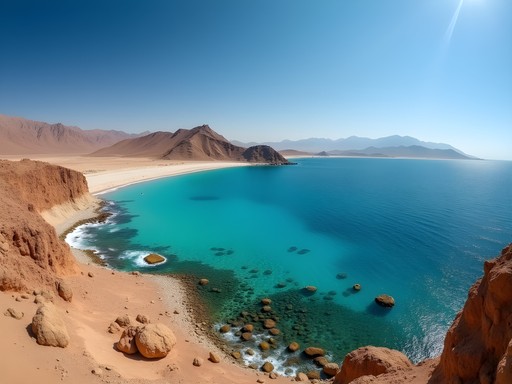
The turquoise waters of Sharm El Sheikh first drew me here as a marine biologist, but it was the golden sands beyond the resort boundaries that captured my heart. After years of studying coral ecosystems by day and retreating to tourist havens by night, I finally ventured into the Sinai Desert to meet the Bedouin people who have navigated this harsh yet beautiful landscape for centuries. What I discovered was a cultural ecosystem as rich and complex as any coral reef—and equally deserving of our attention and protection.

Finding Authenticity: Beyond the Tourist Trap Bedouin Experiences
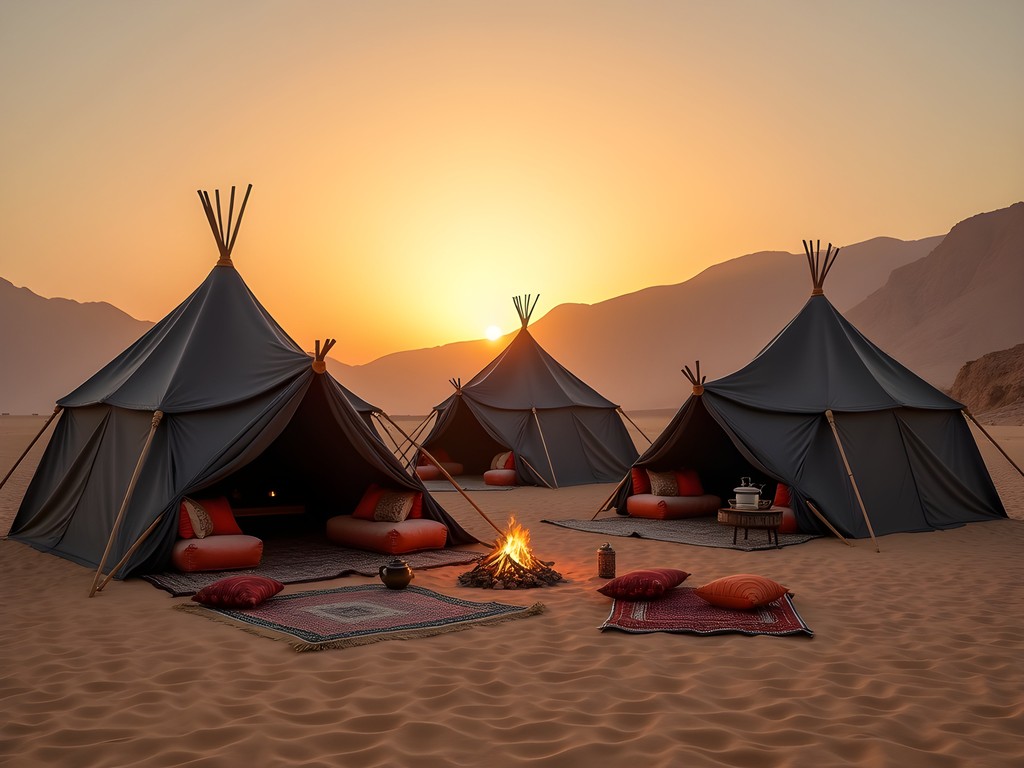
Let's address the elephant in the room: many 'Bedouin experiences' marketed in Sharm El Sheikh are about as authentic as the plastic palm trees adorning hotel lobbies. I've watched countless tourists herded into commercial camps where performers in traditional garb serve up a diluted version of Bedouin culture alongside BBQ chicken and belly dancing—neither of which are traditionally Bedouin.
After three research trips to the region, I've learned to distinguish between the theatrical and the genuine. The most authentic experiences begin with small, family-run operations that limit group sizes and prioritize cultural exchange over entertainment. I recommend booking through local guides with direct Bedouin connections rather than hotel tour desks.
For transportation into the desert, I've found that a reliable headlamp is essential for evening activities, as authentic Bedouin camps often have minimal lighting to preserve the spectacular night sky. This rechargeable model has served me well through numerous desert excursions, providing just enough light without destroying the natural ambiance.
💡 Pro Tips
- Avoid tours that promise 'shows' or 'performances' as these tend to be less authentic
- Look for experiences limited to 10-15 people maximum
- Ask if your guide is actually Bedouin or just an operator
Desert Ecology Through Bedouin Eyes
As a marine biologist, I'm naturally drawn to ecosystems and how humans adapt to them. The Bedouin relationship with the desert parallels coastal communities' connection to the ocean—both have developed sophisticated knowledge systems to survive in challenging environments.
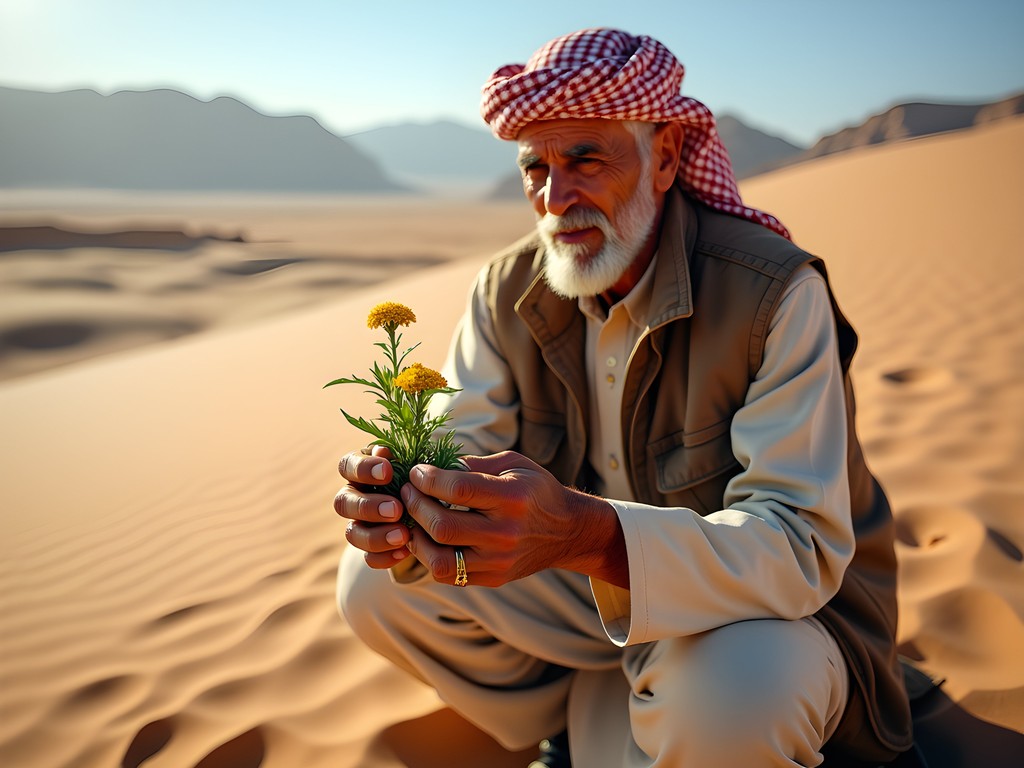
During a three-day trek with Mohammed, a Bedouin guide from the Muzeina tribe, I learned more about desert plant adaptations than in any academic paper I've read. Mohammed showed my friends and me how to identify medicinal plants like desert basil (habak) and wild sage, explaining their uses with the precision of a pharmacist. What impressed me most was his ability to find water in seemingly barren landscapes—knowledge passed down through generations.
The Bedouin understand microhabitats within the desert in ways that mirror marine species' adaptations to different reef zones. Their traditional ecological knowledge deserves recognition alongside formal scientific classifications.
For these desert excursions, I always carry my binoculars which have proven invaluable for spotting desert wildlife and examining distant geological formations. Their durability in sandy conditions has been impressive, and the clarity allows me to appreciate details I'd otherwise miss.
💡 Pro Tips
- Request guides who specialize in natural history if you're interested in desert ecology
- Bring a small notebook to record plant names and uses
- Early morning and late afternoon offer the best wildlife viewing opportunities
Family-Friendly Cultural Immersion
While I traveled solo on my first Bedouin experience, I've since returned with friends who brought their children, ages 8-14. Contrary to what many resort-bound families believe, authentic Bedouin experiences can be wonderfully enriching for children when properly arranged.
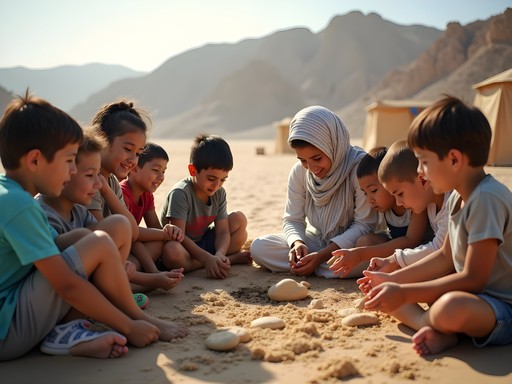
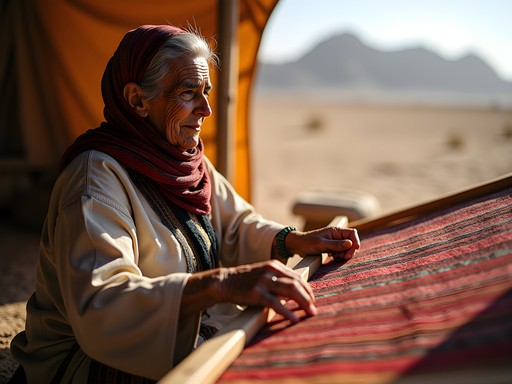
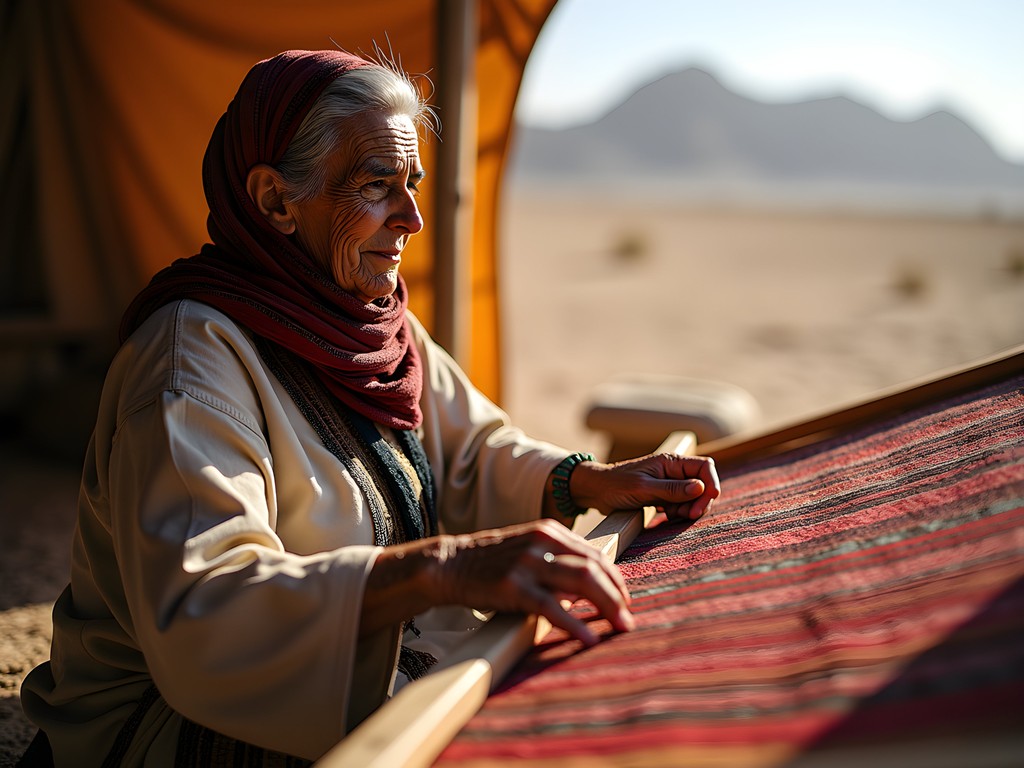
The key is finding the right balance between comfort and authenticity. A half-day visit to a Bedouin home in the settlements near Dahab or an overnight stay at a family camp provides enough immersion without overwhelming younger travelers. Children are naturally drawn to the hands-on activities: learning to bake bread in the sand, trying simple weaving techniques, or helping prepare traditional tea.
What struck me was how quickly the initial shyness between Bedouin and visiting children dissolved. Despite language barriers, they found common ground through games, music, and curiosity about each other's lives. These interactions often become the highlight of the trip—far more memorable than another day at the resort pool.
For families, I recommend bringing a polaroid camera to capture and share photos with your Bedouin hosts. Being able to leave printed photos with families who rarely have visitors is a meaningful gesture that creates lasting connections. Plus, watching the images develop seems magical to children from both cultures.

💡 Pro Tips
- Choose half-day experiences for families with children under 10
- Bring small, thoughtful gifts like colored pencils or solar-powered lights
- Learn a few Arabic greetings before your visit—children especially will appreciate your effort

Stargazing and Night Ecology in the Sinai
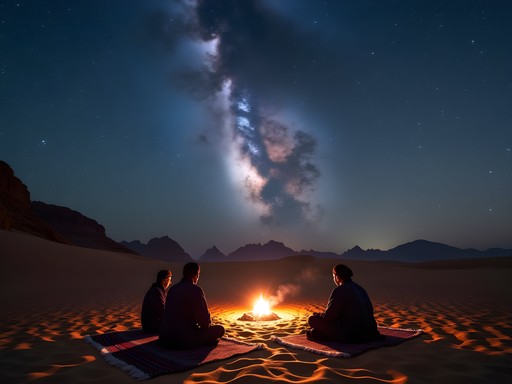
Growing up in light-polluted San Bernardino, I never truly saw the night sky until my first overnight in the Sinai Desert. The celestial display rivals any marine bioluminescence I've documented—a reminder that wonder exists in all environments, not just underwater.
For families and science enthusiasts alike, I highly recommend including a stargazing component in your Bedouin experience. The Sinai Desert offers some of the clearest night skies I've encountered, with visibility that astounds even experienced travelers. What makes stargazing here special isn't just the clarity but the cultural context—Bedouin guides share navigation techniques and star stories that blend astronomy with oral tradition.
During cooler months (October-April), temperatures drop significantly at night, making a insulated jacket essential for comfortable stargazing. I've found this packable layer perfect for desert evenings when temperatures can drop by 20°F after sunset.
Beyond stars, night walks reveal a desert transformed—nocturnal creatures emerge, plants release different scents, and the landscape takes on an ethereal quality. My background in biology helps me appreciate how desert species have evolved remarkable adaptations to function in this extreme environment, much like specialized deep-sea organisms.

💡 Pro Tips
- Plan your visit around the new moon for optimal star visibility
- Allow your eyes at least 20 minutes to fully adjust to darkness
- Bring a star chart specific to the region or download a stargazing app you can use offline
Responsible Tourism: Supporting Authentic Bedouin Culture
My scientific training has taught me to observe without disturbing natural systems. The same principle applies when engaging with traditional cultures. The Bedouin way of life faces numerous challenges—from political marginalization to climate change impacts on their pastoral lifestyle. Tourism can either exacerbate these pressures or help preserve cultural practices through economic support and respectful exchange.
After multiple visits to the region, I've identified operators who prioritize ethical engagement with Bedouin communities. The best experiences involve fair compensation, cultural preservation efforts, and minimal environmental impact. I specifically seek out programs where Bedouin people maintain ownership and decision-making power rather than serving as employees of outside companies.
Photographing these experiences requires sensitivity. I always use my travel camera with a silent shooting mode to capture moments unobtrusively. Its compact size doesn't create the barrier that larger cameras do, allowing for more natural interactions while still producing professional-quality images that help me share these experiences authentically.
Before booking, ask pointed questions: What percentage of your fee goes directly to Bedouin families? Are traditional practices being modified for tourist comfort? How do you minimize environmental impact? The answers reveal much about the operator's approach to cultural responsibility.
💡 Pro Tips
- Always ask permission before photographing people
- Purchase handicrafts directly from artisans rather than souvenir shops
- Consider carbon offsetting for your desert transportation
Final Thoughts
As a marine biologist, I've spent decades studying how organisms adapt to their environments. The Bedouin people of the Sinai represent one of humanity's most remarkable adaptations—a sustainable lifestyle in one of Earth's most challenging landscapes. Their knowledge systems, hospitality traditions, and cultural resilience deserve not just our tourist dollars but our genuine respect and protection.
When you venture beyond Sharm El Sheikh's resort boundaries, you'll discover that the true luxury of travel isn't found in five-star accommodations but in authentic human connections and environmental wisdom. My scientific background helps me appreciate the sophisticated ecological knowledge embedded in Bedouin traditions, while my traveler's heart treasures the moments of cross-cultural understanding that occur around a desert campfire.
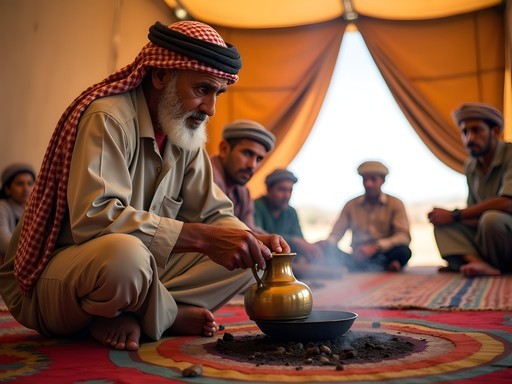
I encourage you to approach your Sinai journey with both curiosity and responsibility. The memories you'll create—stargazing while sipping bitter Bedouin coffee, learning traditional crafts alongside local children, or simply walking silently through ancient wadis—will far outlast any standard resort experience. The desert, like the ocean, reveals its secrets only to those patient enough to look beyond the surface.
✨ Key Takeaways
- Choose small-group experiences run by actual Bedouin families for authenticity
- Plan at least one overnight stay to experience the desert's transformation from day to night
- Bring thoughtful items to enhance your experience: good binoculars, a headlamp, and layers for temperature changes
- Ask questions about sustainability practices before booking with any operator
- Prepare children in advance by explaining cultural differences and expectations
📋 Practical Information
Best Time to Visit
October to April (fall through spring)
Budget Estimate
$50-150 per person per day depending on experience type
Recommended Duration
3-7 days including resort stay
Difficulty Level
Moderate

Comments
familytravels4
How suitable would you say these experiences are for kids under 10? My 7 and 9 year olds get bored easily but I'd love them to experience the cultural side.
Natalie Mason
Great question! I saw several families with younger children during my visits. The bread-making and camel rides were big hits with the kids. I'd recommend the half-day experiences rather than full-day for that age group, and make sure to bring plenty of water and sun protection!
coolhero
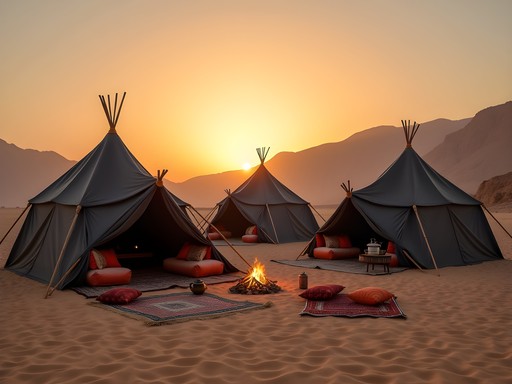
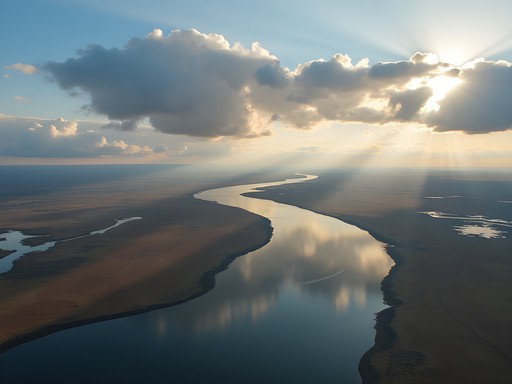
The sunset photo is incredible! Really captures the magic of the desert. We did something similar in Morocco and your post is making me want to go back to that part of the world.
wildtime
Pro tip - if you do the overnight desert experience, bring a good headlamp. The stargazing is unreal but you need hands-free light for getting around camp. I used my headlamp and it was perfect for not disturbing others while still being able to see.
Mason Ferrari
Excellent breakdown of the ecosystem connection, Natalie. I've been analyzing tourism patterns in the Sinai for a research project, and what you've described represents sustainable tourism at its best. The economic benefit flows directly to local communities rather than international resort chains. One data point worth noting: Bedouin-led experiences have 3x higher guest satisfaction ratings compared to packaged desert tours. The authenticity factor is quantifiable. Did you notice any tension between traditional practices and modern tourism demands during your time there?
coffeevibes
Love this perspective!
moonhero
Going there in March with my family - is this suitable for kids? My daughter is 8 and son is 11. Also how hot does it get in the desert during spring?
coolhero
March is perfect! Not too hot yet. We took our 9yo last spring and he loved the camel ride and sleeping under the stars. Just bring layers for nighttime - gets chilly!
moonhero
Thanks! That's really helpful
Gabriella Tanaka
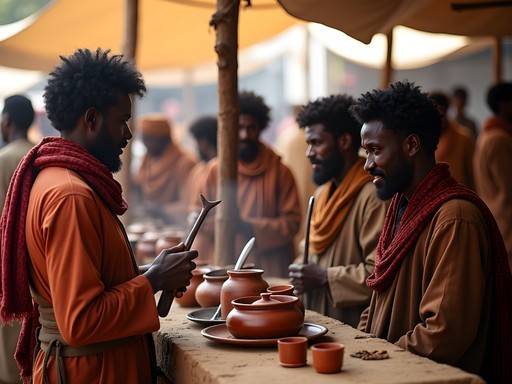
Natalie, your perspective as a marine biologist brings such depth to this piece. I visited Sinai three years ago and stayed with a Bedouin family near St. Catherine's Monastery. What struck me most was the tea ceremony - the way they prepare it becomes a meditation, a pause in time. I learned more about hospitality in those three days than in decades of travel. The grandmother taught me to read weather patterns in the sand. These are the moments that transform us, aren't they?
moonmood9741
The tea ceremony sounds beautiful!
hikinglover
Did a similar experience in Wadi Rum and it was life-changing. The Bedouin guides know every rock and plant - their knowledge is incredible. How did you find your guide in Sharm? Was it through a tour company or word of mouth? Always looking for authentic experiences vs the touristy stuff.
wildtime
Wadi Rum is on my list! How many days did you spend there?
hikinglover
We did 2 nights in the desert. Perfect amount of time imo
moonmood9741
This looks amazing!! Adding to my bucket list 🌟
desert_wanderer
Those stargazing photos are incredible! What camera settings did you use to capture the stars so clearly?
Venture X
Premium card with 2X miles, $300 travel credit, Priority Pass