
Disclosure: This article contains affiliate links. We may earn a commission from purchases at no extra cost to you, which helps our travel content.
The moment I stepped into Saint Paul, I felt the city's geometric heartbeat—a perfect grid of streets that unfolds like sheet music, with cultural landmarks positioned like notes in a symphony. Minnesota's capital isn't just Minneapolis's quieter twin; it's a nexus of art, history, and architecture that speaks in patterns both visible and invisible. As someone who finds sacred geometry in unexpected places, Saint Paul revealed itself to me as a palimpsest of cultural expressions waiting to be decoded.

Cathedral Hill: Where Sacred Geometry Meets Architecture
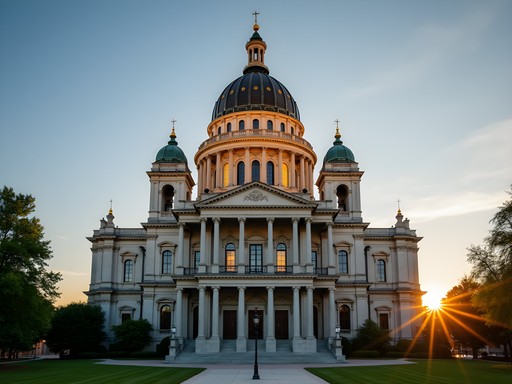
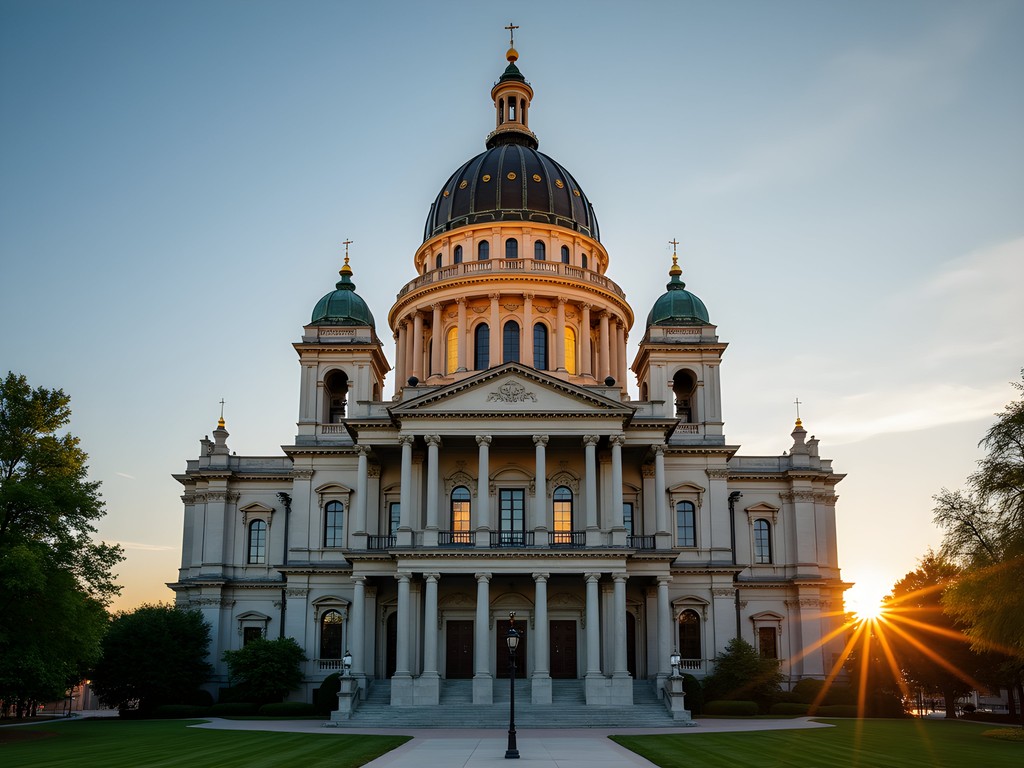
My exploration began in Cathedral Hill, where the magnificent Cathedral of Saint Paul commands the skyline with its classical Renaissance revival design. The building's dome follows the divine proportion, creating that sense of cosmic harmony I've encountered in sacred spaces across continents. The proportional relationships between height and width—the same mathematical constants that appear in nature's spirals and ancient Greek architecture—are evident in its construction.
Nearby, Summit Avenue unfolds like a perfectly composed sonnet, hosting the largest collection of Victorian homes in America. Walking this historic boulevard, I traced the rhythmic patterns of gables, turrets, and ornate woodwork that speak to the sacred geometry principles that Victorian architects often incorporated. James J. Hill House particularly captivated me—its imposing stone façade concealing intricate interior woodwork that follows mathematical patterns similar to those I'd documented in Moroccan riads.
I recorded audio notes about the architectural patterns using my handheld recorder, which has become indispensable for capturing my observations when I'm too entranced to stop and write.
💡 Pro Tips
- Visit the Cathedral of Saint Paul during late afternoon when the light illuminates the interior dome most dramatically
- Take the guided tour of James J. Hill House to access rooms not open to self-guided visitors
- Summit Avenue is perfect for a slow, mindful walk—wear comfortable shoes and allow at least 2 hours
The Science Museum: Where Pattern Meets Perception
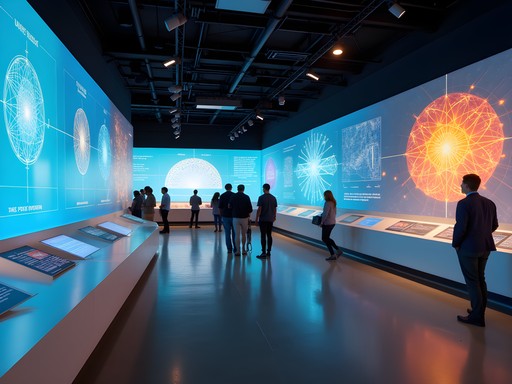
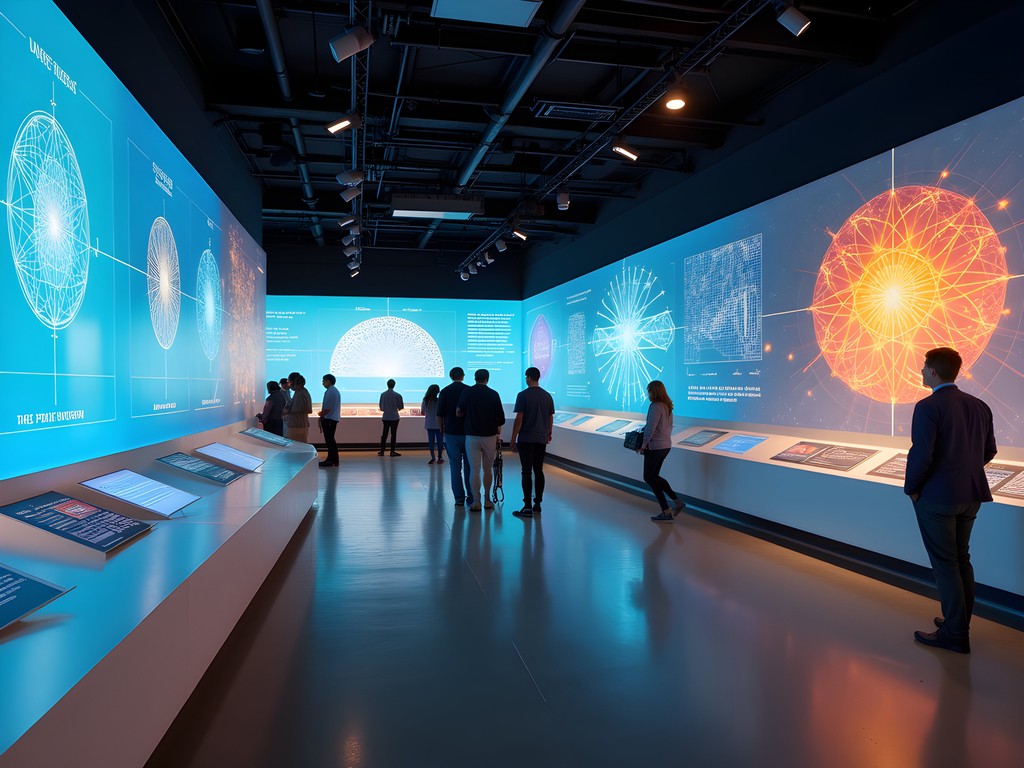
The Science Museum of Minnesota became my unexpected sanctuary in Saint Paul. While most visitors flock to the dinosaur exhibits, I spent hours in the Math Moves! gallery, where interactive displays demonstrate how mathematical patterns underpin our physical world. The museum sits along the Mississippi River, and I couldn't help but notice how the building's architecture frames views of the river's natural meanders—another example of Fibonacci sequences appearing in both natural and designed environments.
The Experiment Gallery provided a surprising connection between sound waves and visual patterns—something I've been exploring in my TikTok content. Using the sound visualization tools I brought along, I captured how certain frequencies create specific geometric patterns when visualized, a phenomenon known as cymatics that links directly to ancient understanding of sacred sound.
The museum's Indigenous Peoples exhibition offered profound insights into how Native cultures incorporated astronomical observations and mathematical understanding into their art and daily life—patterns that echo across cultures I've studied from Peru to Japan.
💡 Pro Tips
- Purchase tickets online to avoid lines, especially on weekends
- The Omnitheater shows are worth the extra cost—the dome screen creates an immersive geometric experience
- Visit on Thursday evenings when the museum hosts adults-only events with special programming
The Minnesota History Center: Patterns Through Time
The Minnesota History Center sits atop a hill overlooking the State Capitol, its architecture creating a dialogue between past and present. Inside, the exhibits weave a narrative tapestry that reveals how cultural patterns evolve yet maintain core structures—much like how sacred geometry principles appear across diverse architectural traditions.
The 'Minnesota's Greatest Generation' exhibit particularly moved me, as it revealed how global patterns of migration, war, and economic shifts manifested in individual lives. I found myself sketching the recurring motifs in my travel journal using my favorite calligraphy pens, noting how certain cultural symbols persisted across generations despite massive social changes.
The Weather Permitting exhibit—exploring Minnesota's relationship with its extreme climate—reminded me of how environmental patterns shape cultural adaptations, something I've documented across climate zones from Iceland to Thailand. The interactive elements allowed me to see how weather patterns create both physical and cultural rhythms in communities—another manifestation of the mathematical underpinnings of our lived experience.
💡 Pro Tips
- Tuesday afternoons tend to be quietest for contemplative exploration
- Don't miss the open-air observation deck for geometric views of the Capitol and Cathedral
- Check the schedule for cultural demonstrations that showcase traditional crafts and their inherent mathematical patterns

The Ordway Center: Where Music Meets Mathematical Harmony
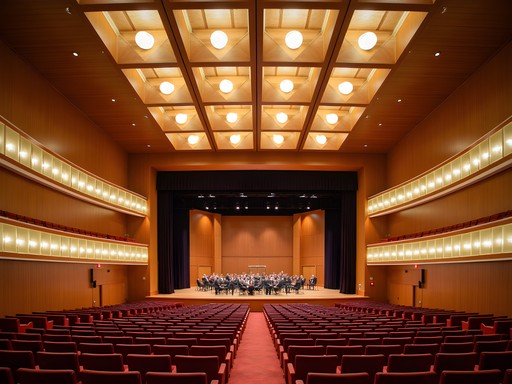
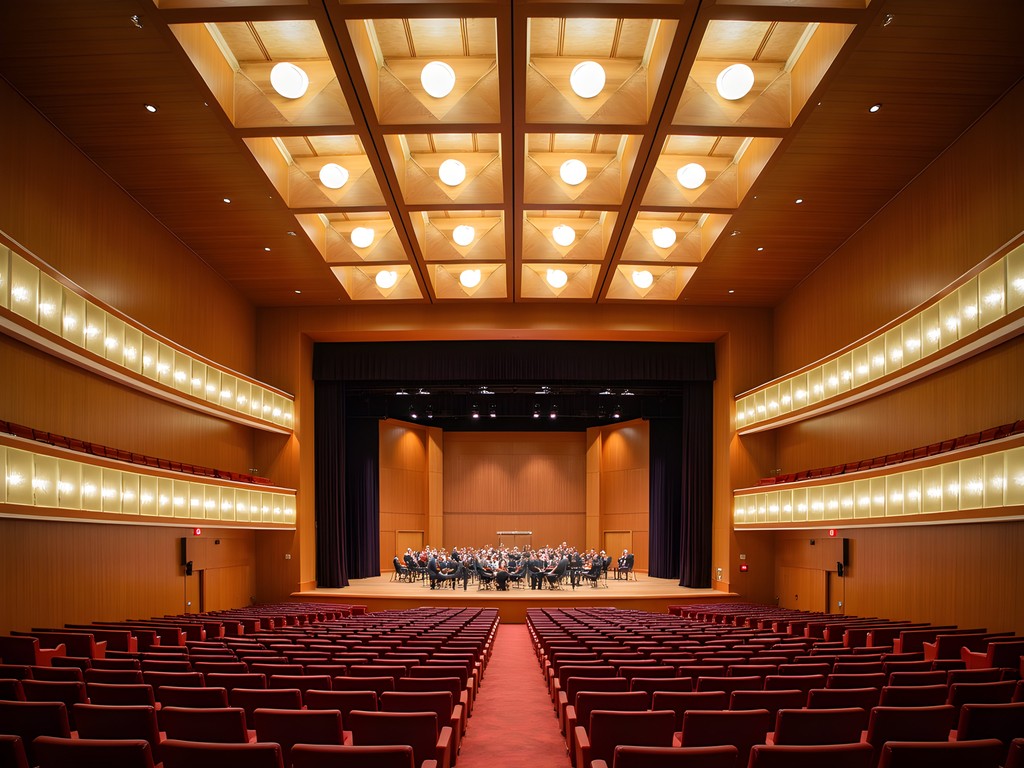
My evenings in Saint Paul were spent at the Ordway Center for the Performing Arts, where the acoustics demonstrate perfect mathematical principles. The concert hall's design follows the same proportional relationships found in ancient Greek amphitheaters—a reminder that the mathematics of sound hasn't changed across millennia.
During my visit, the Saint Paul Chamber Orchestra was performing a program that included Bach's Brandenburg Concertos. Bach's mathematical precision in composition creates auditory sacred geometry—patterns you feel rather than see. I used my noise-canceling headphones before the performance to center myself, then surrendered completely to the mathematical perfection of the music in that acoustically sublime space.
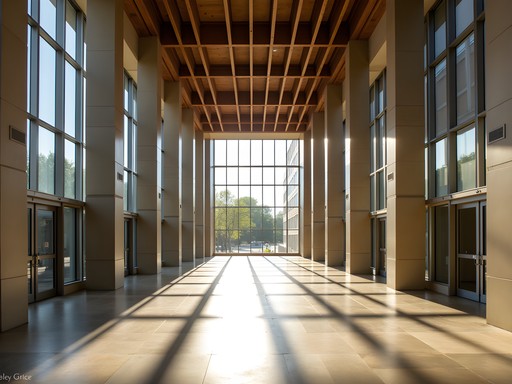
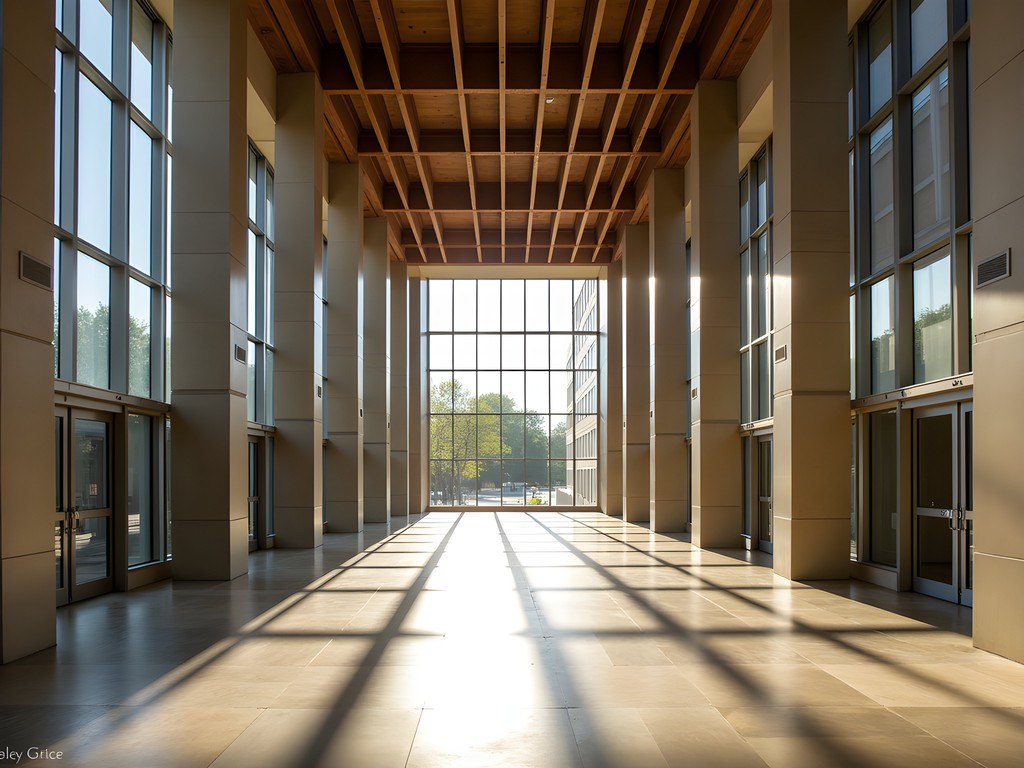
The Ordway's architecture itself embodies geometric principles, with its glass façade creating patterns of light that shift throughout the day. I arrived early to watch this light choreography, noting how the building becomes a sundial of sorts, marking time through shifting geometric shadows—a modern interpretation of ancient observatory design.
💡 Pro Tips
- Book tickets for the Saint Paul Chamber Orchestra well in advance—their precision makes them popular
- Explore the Landmark Center across Rice Park before evening performances for a perfect architectural contrast
- The Ordway offers rush tickets for students and young professionals—check their website for details
Lowertown: Where Industrial Geometry Transforms
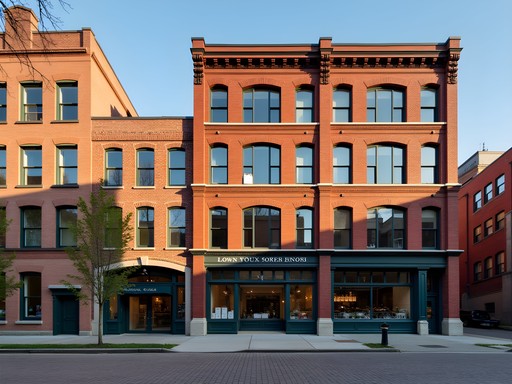
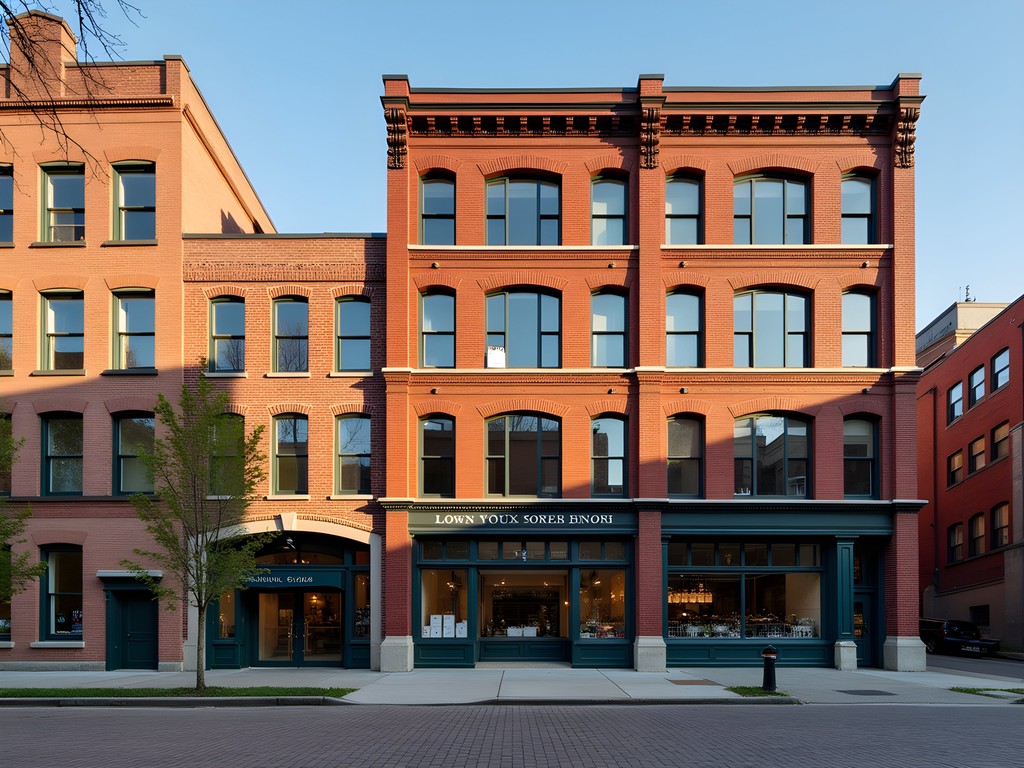
My final day in Saint Paul led me to Lowertown, the warehouse district transformed into an arts hub. The neighborhood's industrial architecture presents a different kind of sacred geometry—the mathematical precision of early 20th-century engineering now repurposed for creative expression. The rectilinear brick buildings with their rhythmic window patterns create a visual cadence as you walk the streets.
The Saint Paul Farmers' Market epitomizes this transformation, with local vendors arranged in a perfect grid within the historic market space. I found myself drawn to the mathematical patterns in nature's own designs—the Fibonacci spirals in cauliflower heads, the hexagonal efficiency of honeycomb, the logarithmic spiral of shell jewelry at an artisan's stall. I captured these patterns using my clip-on smartphone lens, which allows me to document minute details for my sacred geometry research.
Nearby Union Depot, with its neoclassical proportions, anchors the neighborhood with the same mathematical principles that informed ancient Greek temples. The grand hall's coffered ceiling creates a grid of perfect squares that draws the eye upward—a technique used in sacred spaces across cultures to elevate consciousness.
💡 Pro Tips
- Visit the Farmers' Market early Saturday morning for the best selection and fewer crowds
- Several Lowertown buildings offer open studio events—check the Saint Paul Art Crawl schedule
- The Union Depot hosts free architectural tours that highlight the mathematical principles in its design
Final Thoughts
Saint Paul revealed itself to me not as Minneapolis's quieter sibling but as a city with its own mathematical heartbeat—a place where cultural expressions follow patterns that connect to universal principles I've documented across continents. From the divine proportions of Cathedral Hill to the industrial geometry of Lowertown, the city offers couples a weekend of exploration that engages both analytical and aesthetic sensibilities.
What fascinates me most about Saint Paul is how accessible these cultural treasures are—within a compact, walkable area, you can trace architectural evolution spanning centuries, each building a different expression of the same mathematical principles. As you plan your own geometric journey through Saint Paul, remember that the patterns are layered—historical, architectural, cultural, and natural—all waiting to be decoded by the curious traveler.
I left with my journal filled with sketches of architectural details, my recorder loaded with ambient sounds from historic spaces, and a deeper understanding of how Minnesota's capital city fits into the global pattern language I've been documenting. In Saint Paul, the sacred geometry isn't hidden in esoteric texts—it's written boldly across the skyline, waiting for you to read it.
✨ Key Takeaways
- Saint Paul offers an accessible concentration of cultural sites perfect for a weekend exploration
- The city's architecture spans multiple eras but consistently demonstrates mathematical principles found across global design traditions
- Visiting midweek provides more intimate experiences at museums and historic sites
📋 Practical Information
Best Time to Visit
year-round, though spring and fall offer comfortable temperatures for walking tours
Budget Estimate
$150-250 per day for a couple including accommodations, museum entries, and dining
Recommended Duration
2-3 days
Difficulty Level
Easy





Comments
luckyphotographer
Your photos of the Ordway Center are STUNNING!!! 😍 The lighting captures the architectural details perfectly. Did you catch any performances while you were there? Heading to Saint Paul in March and trying to decide what shows to see!
Kinsley Price
Thank you! I saw the Saint Paul Chamber Orchestra - highly recommend checking their schedule. The acoustics in that space are incredible!
luckyphotographer
Will do! Can't wait to experience it myself.
Jean Wells
I appreciate your mathematical perspective on Saint Paul's cultural landscape. During my visit last summer, I found the Minnesota History Center particularly compelling for its thoughtful presentation of indigenous patterns and storytelling traditions. I'd also recommend the smaller but fascinating Museum of American Art for anyone interested in how geometric principles influence American visual culture. I documented my visit with my travel camera which handled the challenging museum lighting beautifully. The grid layout of Saint Paul does indeed create a unique rhythm to exploration that differs markedly from more organically developed cities.
redmood
Thanks for mentioning the Museum of American Art! Hadn't heard of that one before.
beachrider
Great post! Never thought of Saint Paul as a cultural destination before.
luckyphotographer
Same! Always focused on Minneapolis when visiting Minnesota. Need to reconsider!
smartfan
Just visited Cathedral Hill last month and was blown away by the architecture! The Cathedral of Saint Paul is stunning - those geometric patterns you mentioned are even more impressive in person. We spent hours just wandering around the neighborhood. Didn't make it to the History Center though - saving that for next time!
redmood
Love how you described Saint Paul as having its own 'mathematical heartbeat'! Is the Science Museum good for kids? Planning a family trip in February.
Kinsley Price
Absolutely! The Science Museum has tons of interactive exhibits that my niece and nephew (ages 8 and 10) were obsessed with. The pattern-based exhibits I mentioned are super engaging for kids.
redmood
Perfect, thanks! Adding it to our itinerary.
Savannah Torres
This post brought back wonderful memories! We took our kids (8 and 10) to Saint Paul last summer, and the Science Museum was definitely the highlight for them. The mathematical patterns became a game - they started spotting geometric shapes everywhere we went afterward! For families visiting, I'd add Harriet Island to your itinerary - the riverside parks give kids space to run while adults appreciate the city skyline. And don't miss Mickey's Dining Car for a classic meal - my kids were fascinated by this historic diner that looks like a train car, and the mathematical precision of how they fit so much cooking into such a tiny space is impressive!
sunnystar
Great post! I'm planning to visit Saint Paul in April. Is Cathedral Hill walkable from downtown hotels or should I plan to drive? Also, how much time should I allocate for the Science Museum if I have kids aged 8 and 10?
roamqueen
Not the author but we walked from our downtown hotel to Cathedral Hill and it was fine! Maybe 15-20 minutes. For the Science Museum, we spent about 4 hours with our kids and could have stayed longer!
Kinsley Price
Hi sunnystar! roamqueen is spot on. Cathedral Hill is definitely walkable from downtown - it's a pleasant stroll if weather permits. For the Science Museum with kids that age, I'd recommend at least 4 hours, but you could easily spend a full day there. The Experiment Gallery and dinosaur exhibits are particularly popular with that age group. Hope you have a wonderful trip!
sunnystar
Thanks both! This is super helpful for planning. Can't wait to check it all out!
winterdiver373
First-timer planning a visit to Saint Paul. Is it better to stay in Saint Paul or Minneapolis if I want to explore these cultural spots?
Mason Sullivan
I'd recommend staying in downtown Saint Paul if culture is your priority. You'll be walking distance to the Ordway, History Center, and Cathedral Hill. Minneapolis has more nightlife options, but the light rail makes it easy to go back and forth.
summermaster
is it better to visit in summer or winter? coming from Texas so kinda nervous about the cold lol
Kinsley Price
Ha! Summer is gorgeous but winter has its own magic - the museums are perfect for cold days. Just bundle up! The skyway system downtown connects a lot of places so you can stay warm.
redseeker
Love this! Saint Paul doesn't get enough credit
Venture X
Premium card with 2X miles, $300 travel credit, Priority Pass