


Disclosure: This article contains affiliate links. We may earn a commission from purchases at no extra cost to you, which helps our travel content.
When I traded the sleek skyscrapers of Seoul for the saguaro-studded skyline of Phoenix last autumn, I wasn't expecting to find such profound parallels between Korean artistic traditions and the indigenous heritage of the American Southwest. As someone who has spent the last five years immersed in Asian calligraphy and traditional crafts, Phoenix revealed itself as a masterclass in cultural preservation amid modernization—something I've been documenting across Asia since reducing my legal caseload. This desert metropolis offers a remarkable juxtaposition: ancient petroglyphs etched into sun-baked rocks alongside cutting-edge contemporary galleries; traditional basket weaving demonstrations happening just miles from international art installations. For couples seeking a culturally immersive escape that balances indigenous wisdom with contemporary creativity, Phoenix in fall delivers an experience that resonates long after the desert sunset fades.

Heard Museum: Where Indigenous Stories Come Alive
The Heard Museum stands as Phoenix's crown jewel for understanding the rich tapestry of Native American cultures. Unlike many institutions that present indigenous art through a colonial lens, the Heard offers something profoundly different—Native voices telling Native stories. As someone who has spent countless hours studying traditional Korean craftsmanship, I was immediately struck by the parallels in how artisans across continents communicate cultural values through handwork.
The museum's signature exhibition, HOME: Native People in the Southwest, provides an essential foundation for understanding the region's indigenous heritage. I spent nearly three hours absorbing the intricate basketry, pottery, and textiles—each piece telling stories of adaptation and resilience in the harsh desert environment. What particularly moved me was the acclaimed Remembering Our Indian School Days exhibition documenting the boarding school era—a powerful reminder of cultural preservation against systematic erasure.
During my visit, I was fortunate to witness a live pottery demonstration by a Hopi artist whose hands seemed to possess ancestral memory as they transformed clay into vessels. The museum's gift shop offers ethically sourced indigenous art, where I purchased a small Zuni fetish carving that now sits beside my Korean celadon collection in Seoul—a tangible connection between my adopted home and ancestral American landscapes.
I highly recommend investing in the audio guide to fully appreciate the contextual significance of the collections. The guided tour provides cultural insights that written placards simply cannot convey.

💡 Pro Tips
- Visit on a weekday morning for the most contemplative experience with fewer crowds
- Check the museum calendar for artist demonstrations scheduled during your visit
- Allow at least 3 hours to properly experience the collections and exhibitions
Immersive Learning at the Pueblo Grande Museum
While the Heard Museum provides a broad overview of indigenous cultures, the Pueblo Grande Museum Archaeological Park offers something equally valuable—a direct connection to the Hohokam people who engineered sophisticated canal systems in the Phoenix basin nearly 2,000 years ago. As someone who has documented traditional farming practices across Asia, I found the parallels between ancient Korean irrigation systems and Hohokam water management techniques absolutely fascinating.
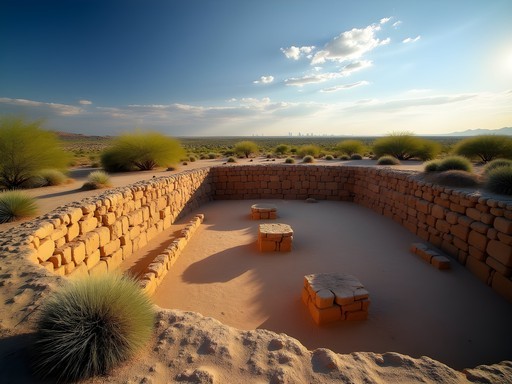
The museum is built around an actual archaeological site featuring a partially excavated ball court and platform mound. The 2/3-mile trail winds through preserved ruins and reconstructions that vividly illustrate how the Hohokam not merely survived but thrived in this demanding desert environment. What makes this experience particularly special is the juxtaposition of ancient engineering against the backdrop of modern Phoenix—a powerful reminder of the city's deep cultural roots.
I visited during one of their monthly Traditional Games days, where I attempted (rather unsuccessfully, I must admit) to master the ancient game of toka alongside local families. My legal training may have prepared me for precision, but these traditional games require a different kind of embodied knowledge entirely!
The museum's small but excellent gift shop offers locally made crafts, where I found a beautiful field guide that helped me identify native plants throughout the remainder of my Phoenix explorations. This compact guide proved invaluable during hikes at nearby South Mountain Park, where I later discovered petroglyphs etched into the desert varnish.

💡 Pro Tips
- Visit early morning or late afternoon to avoid the midday heat on the outdoor trail
- Wear closed-toe walking shoes and bring water for the archaeological trail
- Check their calendar for special events like Traditional Games days or Native artisan demonstrations
Phoenix Art Museum: Where Desert Modernism Shines
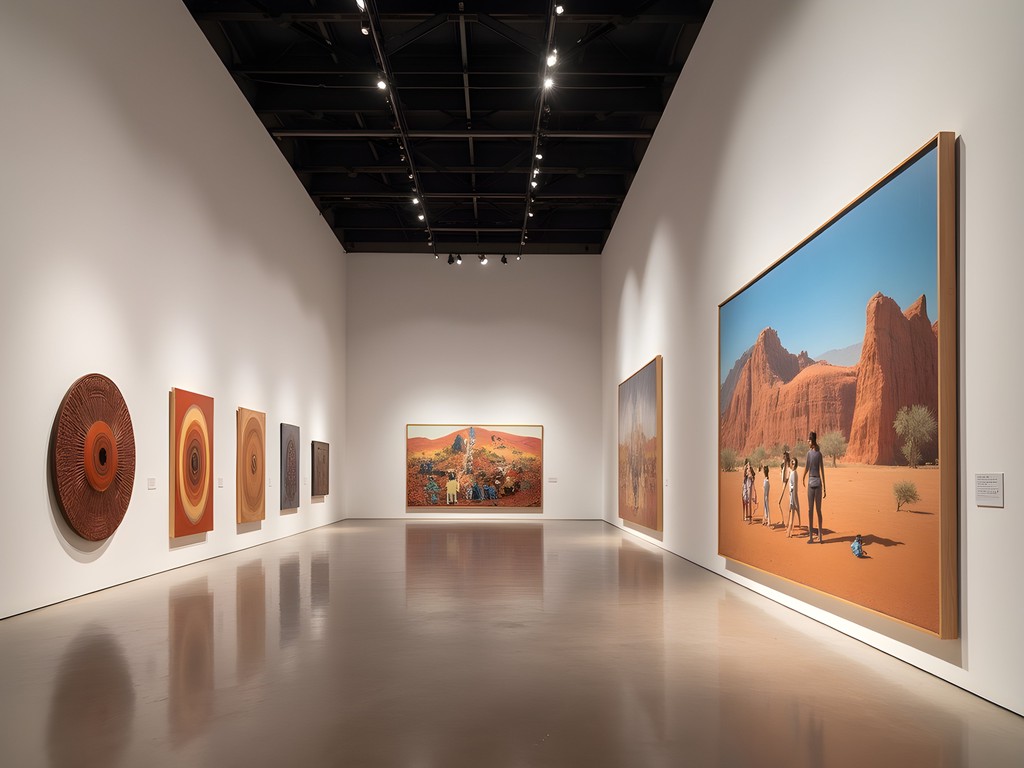
After immersing myself in indigenous heritage, I sought balance by exploring Phoenix's contemporary art scene. The Phoenix Art Museum offers an impressive collection spanning global art movements while maintaining a strong focus on Western American and Latin American perspectives. Having visited countless museums across Asia, I was pleasantly surprised by both the breadth of the collection and the thoughtfully designed exhibition spaces.
The museum's contemporary art wing particularly resonated with me, especially works exploring cultural identity and displacement—themes that speak directly to my experience as an American expatriate in Korea. I was especially moved by the museum's collection of modern Native American artists who blend traditional techniques with contemporary expression, creating powerful dialogues between past and present.
The Fashion Design Gallery was an unexpected highlight, featuring rotating exhibitions that examine cultural identity through textile arts—something that immediately connected to my passion for Korean textile traditions. During my visit, an exhibition on adaptive clothing design demonstrated how contemporary creators are addressing accessibility while honoring traditional craftsmanship.
I recommend timing your visit to coincide with one of their First Friday events, when the museum stays open late with special programming and local artists. I attended a fascinating panel discussion featuring indigenous artists working in digital media that completely transformed my understanding of how traditional knowledge systems can inform cutting-edge creative practices.
The museum café offers a perfect respite after hours of art appreciation. I enjoyed a refreshing prickly pear lemonade while reviewing the exhibition catalog I purchased—now a treasured addition to my growing collection of art books from around the world.
💡 Pro Tips
- Take advantage of the free docent-led tours offered several times daily
- Visit on Wednesday evenings for reduced admission prices
- Check their calendar for special exhibitions that might align with your visit

Roosevelt Row Arts District: Phoenix's Creative Pulse
No cultural exploration of Phoenix would be complete without experiencing Roosevelt Row, the vibrant arts district that has transformed downtown Phoenix into a canvas for creative expression. As someone who has documented urban renewal through arts initiatives across Asian cities, I was immediately drawn to this neighborhood's energy and authentic community spirit.
First Friday Art Walks are the district's signature experience, when galleries open their doors late into the evening and streets fill with pop-up exhibitions, performance art, and food vendors. The atmosphere reminds me of Seoul's Hongdae district—creative, slightly chaotic, and utterly authentic. I spent hours wandering between galleries, chatting with local artists about their processes and inspirations.
What particularly impressed me were the massive murals adorning buildings throughout the district—many depicting themes of indigenous heritage, environmental consciousness, and cultural identity. Having studied traditional Korean calligraphy for years, I found myself drawn to works incorporating text and symbolic imagery that bridge ancient communication systems with contemporary visual language.
MonOrchid gallery stands as an anchor in the district, housed in a repurposed warehouse with soaring ceilings and industrial character. During my visit, they featured an exhibition of contemporary indigenous photographers documenting environmental challenges facing tribal lands—powerful storytelling that connects traditional knowledge with urgent contemporary issues.
For the full Roosevelt Row experience, I recommend bringing a portable water bottle to stay hydrated while exploring the district on foot. Phoenix's dry climate demands constant hydration, especially when you're spending hours walking between galleries and outdoor installations. This insulated bottle kept my water cold throughout the afternoon heat and into the evening gallery crawl.

💡 Pro Tips
- Visit during First Friday Art Walk (monthly) for the most vibrant experience
- Look beyond the main street—many excellent galleries are tucked away on side streets
- Support local artists by purchasing small works or prints as meaningful souvenirs
Artisan Workshops: Hands-On Cultural Immersion
After years documenting traditional crafts across Asia, I've learned that true cultural understanding comes through participation, not just observation. Phoenix offers numerous opportunities for hands-on learning with indigenous artisans and contemporary creators who bridge traditional techniques with modern applications.
At the Heard Museum, I attended a silversmithing workshop led by a Navajo artist who patiently guided participants through creating simple stamped designs. The meditative quality of metalwork reminded me of the Korean traditional craft of bangjja, or bronze hammering, that I've studied in Seoul. Both traditions require presence, patience, and respect for materials—values that transcend cultural boundaries.
The Phoenix Center for the Arts offers an impressive range of classes connecting traditional and contemporary techniques. I participated in a weekend workshop on gourd art, learning how indigenous artists transform these humble natural vessels into objects of profound beauty through carving, painting, and inlay techniques. My modest creation now sits proudly beside Korean celadon pieces in my Seoul apartment—a tangible reminder of creative connections across continents.
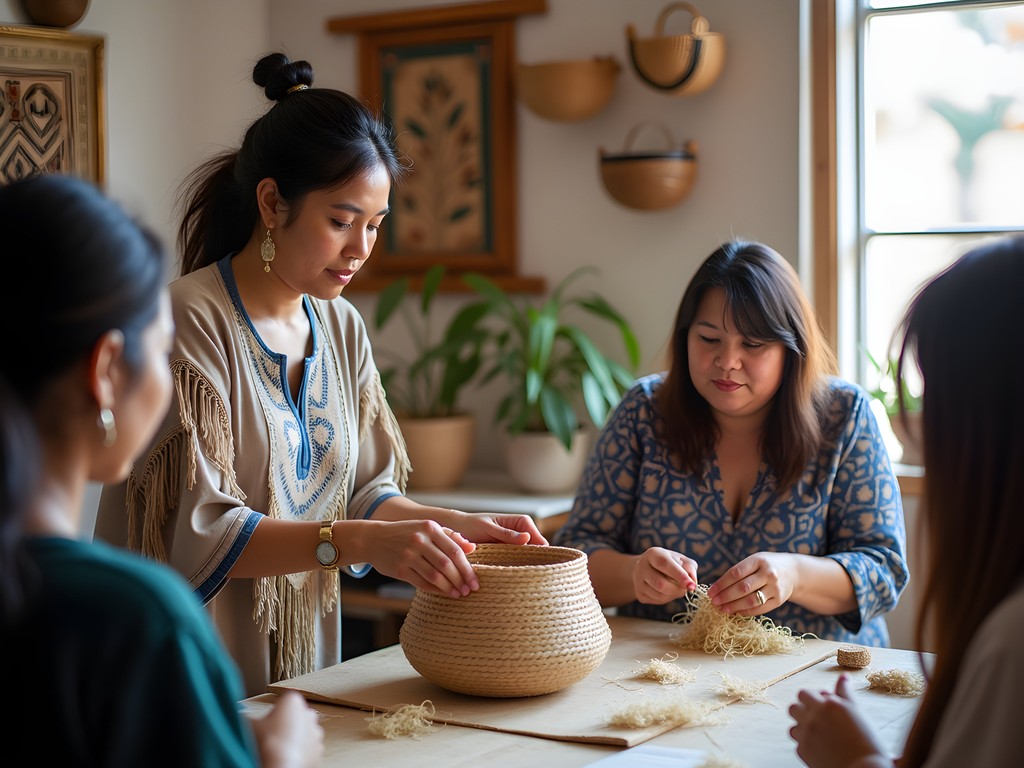
For couples seeking a meaningful shared experience, I highly recommend booking a private workshop at the Cattle Track Arts Compound in nearby Scottsdale. This historic artists' community has preserved traditional crafts alongside contemporary practice since the 1930s. I spent a memorable afternoon learning traditional basketry techniques using native desert plants, gaining new appreciation for how indigenous knowledge systems encode sustainable relationships with local environments.
Before attempting any fiber arts workshops, I recommend investing in a quality hand cream to protect your hands from the extremely dry desert climate. Working with natural fibers and clay can be particularly drying, and this rich cream kept my hands comfortable throughout multiple workshop sessions.
💡 Pro Tips
- Book workshops well in advance as many fill quickly, especially during peak season
- Consider your skill level—many venues offer both beginner and advanced options
- Look for workshops led by indigenous artisans for the most authentic cultural context
Final Thoughts
Phoenix offers a remarkable cultural journey that balances reverence for indigenous heritage with celebration of contemporary creative expression. As I returned to Seoul, my suitcase heavier with art books and handcrafted treasures, I found myself reflecting on how desert peoples—like traditional Korean artisans—have transformed environmental constraints into catalysts for profound artistic innovation. For couples seeking connection through cultural immersion, Phoenix provides fertile ground for shared discovery and meaningful dialogue about preservation, adaptation, and creative resilience. Whether you're studying ancient pottery techniques at the Heard Museum or discussing environmental art at Roosevelt Row galleries, Phoenix invites you to engage with culture as active participants rather than passive observers. I encourage you to approach this desert city with open hands and curious hearts—you'll leave with not just souvenirs, but a deeper understanding of how art and heritage shape our collective human story.
✨ Key Takeaways
- Phoenix's cultural scene balances indigenous heritage with contemporary expression
- Hands-on workshops provide deeper cultural understanding than observation alone
- Fall offers ideal weather for exploring both indoor museums and outdoor installations
- The juxtaposition of ancient and modern creates unique perspective on cultural preservation
📋 Practical Information
Best Time to Visit
October through November
Budget Estimate
$150-250 per day for accommodations, meals, and activities
Recommended Duration
5-7 days
Difficulty Level
Moderate
Comments
oceanclimber
Did you rent a car or is public transport decent in Phoenix? Trying to figure out logistics for visiting these museums.
Amy Ward
I used a mix - the light rail connects downtown pretty well and goes near the Heard Museum. But honestly, a car makes things easier for Pueblo Grande and getting around generally. Phoenix is quite spread out.
globechamp
How much time should we budget for the Heard Museum? Going in March and trying to plan our days.
smartfan9434
i spent like 3 hours there and could have stayed longer tbh
Amy Ward
I'd say 2-3 hours minimum if you want to really absorb everything. The katsina doll collection alone is worth an hour!
Kimberly Murphy
Amy, I absolutely loved reading this! The connection you drew between Korean and indigenous artistic traditions is fascinating. I visited Phoenix two years ago and only made it to the Heard Museum - gutted I missed Roosevelt Row! The way you've described the contemporary art scene there has me planning a return trip already. Did you find the galleries in Roosevelt Row were walkable between each other, or did you need to drive? Also, what time of year would you recommend for visiting? I imagine autumn was perfect for avoiding the scorching summer heat!
Amy Ward
Thanks Kimberly! Yes, Roosevelt Row is totally walkable - most galleries are within a few blocks. Autumn (Oct-Nov) was perfect, around 25-28°C. Avoid June-August unless you love extreme heat!
Kimberly Murphy
Brilliant, thank you! October it is then.
smartfan9434
The Heard Museum is amazing! Totally worth it.
smartguy
Just got back from Phoenix and followed a lot of Amy's recommendations - the Heard Museum was incredible! Pro tip: they have free guided tours at 11am and 1pm daily that add so much context to the exhibits. Also, if you're visiting Pueblo Grande Museum, go early morning or late afternoon - the outdoor archaeological site gets brutally hot midday. I used my pocket guidebook which had some great background info on the petroglyphs. Roosevelt Row has changed so much since this post - even more murals and at least 5 new galleries opened this year!
cityphotographer
How were the crowds at Heard? Planning to bring my camera next month.
smartguy
@cityphotographer It wasn't too crowded on weekdays. Plenty of space to set up shots. Just FYI - some exhibits don't allow photography, but most do. The contemporary art section had amazing lighting!
cityphotographer
Great shots of the Pueblo Grande ruins! The lighting is perfect.
wanderclimber
This is so cool! I'm heading to Phoenix next month for a climbing trip but definitely want to check out some of these cultural spots. Is Roosevelt Row walkable or should I rent a car? And is it safe at night? The art scene looks amazing!
smartguy
Roosevelt Row is totally walkable! We spent a whole evening there last spring during First Friday (happens monthly). Tons of galleries open late, street food, and live music. Felt very safe with all the people around. The murals look even better at night when they're lit up!
wanderclimber
Thanks @smartguy! First Friday sounds perfect - I'll check if I'm there on the right weekend!
Ahmed Palmer
Amy, your parallel between Korean artistic traditions and indigenous Southwest art is quite insightful. I spent three weeks in Phoenix last year documenting the cultural revival happening in Roosevelt Row. The juxtaposition of ancient petroglyphs and contemporary murals creates a fascinating dialogue across centuries. The Heard Museum's exhibition on boarding schools was particularly moving - a necessary confrontation with history that many museums shy away from. Did you happen to visit the smaller Scottsdale Museum of Contemporary Art? Their desert-inspired installations provide another interesting perspective on how the landscape shapes artistic expression.
wanderclimber
Ahmed, I've been wanting to visit the Heard Museum! Was it easy to navigate as someone new to indigenous art? Any specific exhibits you'd recommend not missing?
Ahmed Palmer
Absolutely @wanderclimber! The Heard is quite accessible even for beginners. Start with the "HOME" exhibition - it provides excellent context. The katsina doll collection is remarkable, and do catch a guided tour if possible - the docents share stories that aren't on the placards. Plan for at least 3 hours if you want to absorb it properly.
DesertDreamer
Beautiful photos of the Heard Museum! The lighting in that building is so unique.
TravelWithJen
Don't miss the Native Art Market if you're visiting in winter! Local artists sell their work directly and you can often chat with them about their techniques. It usually happens on weekends near the Heard Museum.
sunnymood
Oh that sounds amazing! When exactly does this happen? I'm visiting in February!
TravelWithJen
Perfect timing! It's usually the second weekend of February, but check the Heard Museum website for exact dates. Totally worth planning around!
Venture X
Premium card with 2X miles, $300 travel credit, Priority Pass