Disclosure: This article contains affiliate links. We may earn a commission from purchases at no extra cost to you, which helps our travel content.
Walking through Peshawar's Old City feels like stepping into a living archive of human connection. As someone who studies how environments shape our mental landscapes, I found this ancient Silk Road crossroads offered something rare: a place where centuries of cultural exchange have created a remarkably resilient community psychology. The narrow bazaars, Pashtun hospitality, and layered history provide solo travelers with an opportunity to witness how shared spaces foster collective wellbeing—a lesson our modern world desperately needs.

The Psychology of Place: Understanding Peshawar's Emotional Landscape
Before arriving in Peshawar last October, I'll admit I carried the same apprehensions many Western travelers do about Pakistan's northwest frontier. But here's what I've learned in my psychiatric practice: anxiety often stems from information gaps, not actual danger. Peshawar's Old City operates on principles of mehmani (hospitality) so deeply embedded that strangers become temporary family members within hours.
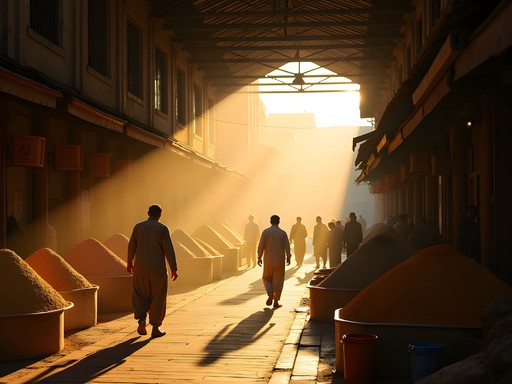
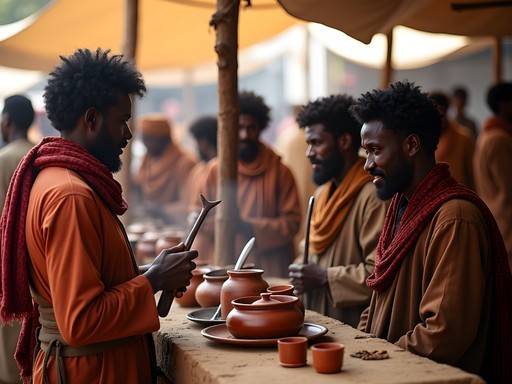
The city's architecture itself promotes mental wellness through what I call 'transitional spaces'—the covered bazaars provide shade and social interaction, the mosque courtyards offer contemplative quiet, and the chai khanas (tea houses) function as informal community mental health centers where men gather to process daily stresses. This isn't romanticization; it's observation of functional social infrastructure that many Western cities have lost.
For solo travelers, especially those managing the psychological weight of constant navigation in unfamiliar territory, Peshawar offers something unexpected: you're never truly alone, yet personal boundaries are respected. It's a delicate balance I rarely encounter elsewhere.
💡 Pro Tips
- Arrive with genuine curiosity rather than preconceptions—locals immediately sense the difference
- Learn basic Pashto greetings (Sta saray na shay? for 'How are you?')—the effort creates instant rapport
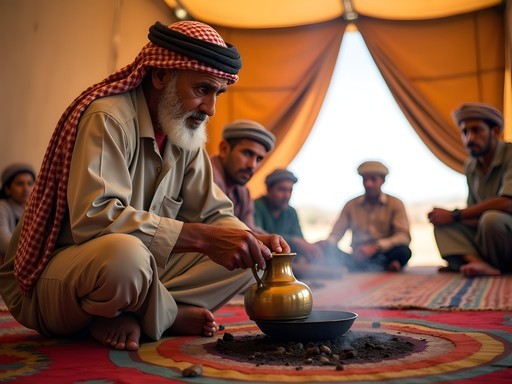
- Accept tea invitations in the bazaar; these informal exchanges provide authentic cultural insights
Homestay Immersion: Living Within Peshawar's Social Fabric
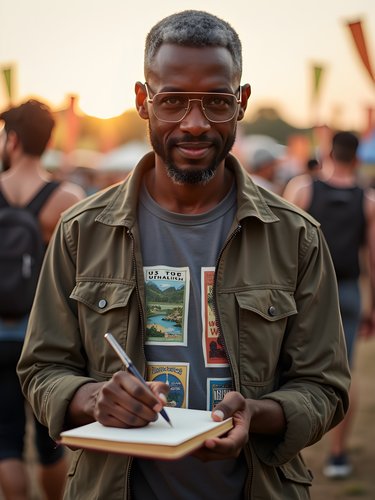
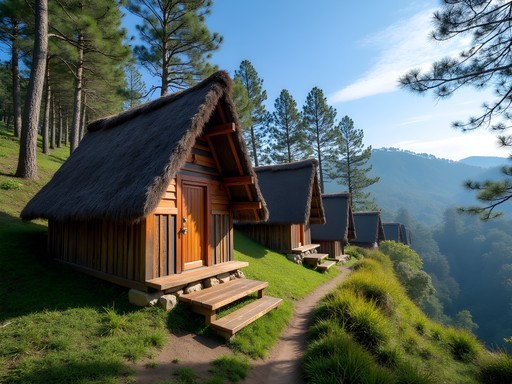
I've stayed in hundreds of accommodations across five continents, but homestays in Peshawar's Old City remain among my most psychologically restorative experiences. I arranged mine through a local contact at a coworking space (more on that later), staying with the Afridi family in their traditional haveli near Gor Khatri.
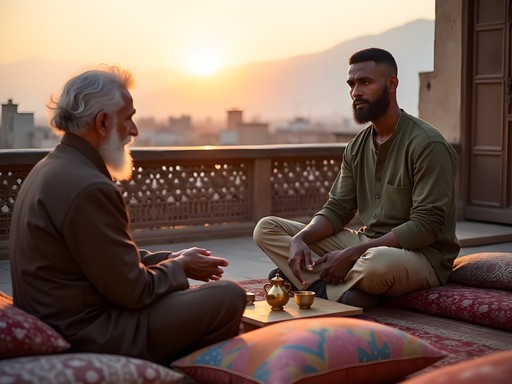
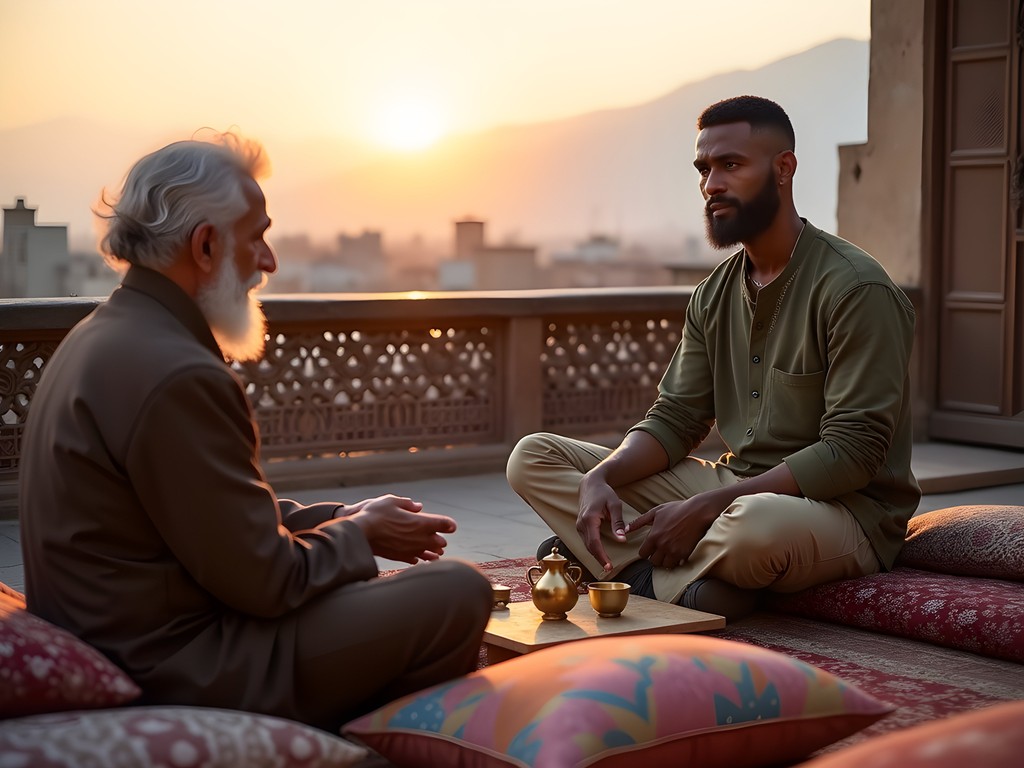
The experience taught me about hujra—the Pashtun tradition of maintaining a guest room that's always prepared for visitors. This isn't hospitality as transaction; it's hospitality as identity. My host, Zahir, was a retired schoolteacher who treated my presence as an opportunity for cultural exchange rather than income generation. We spent evenings on the rooftop discussing everything from Sufi poetry to the psychological impact of prolonged conflict on community resilience.
Practically speaking, homestays here cost 1,500-2,500 PKR per night (roughly $5-9 USD), including meals that showcase Pashtun cuisine—chapli kebabs, kahwa (green tea with cardamom), and the best naan I've encountered anywhere. Beyond economics, you gain access to social networks that transform your experience from tourist to temporary community member. When Zahir introduced me at the neighborhood mosque, doors opened that no guidebook could unlock.
One essential item I recommend bringing: a quality universal adapter with multiple USB ports. Pakistani outlets vary, and you'll want to keep devices charged for translation apps and staying connected with your host family.
💡 Pro Tips
- Arrange homestays through verified local organizations or coworking spaces rather than online platforms—personal referrals ensure quality and safety
- Bring small gifts from your home country (nothing expensive—postcards, local snacks, or books work perfectly)
- Respect prayer times and household rhythms; observe before asking questions about religious practices
Coworking in the Crossroads: Maintaining Professional Life While Traveling
As a psychiatrist who maintains a remote practice, finding functional workspace while traveling is non-negotiable. Peshawar surprised me with its emerging coworking scene—a reflection of Pakistan's growing tech sector and the city's historical role as a trade hub.
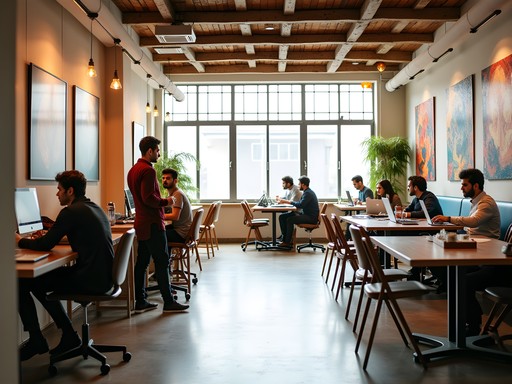
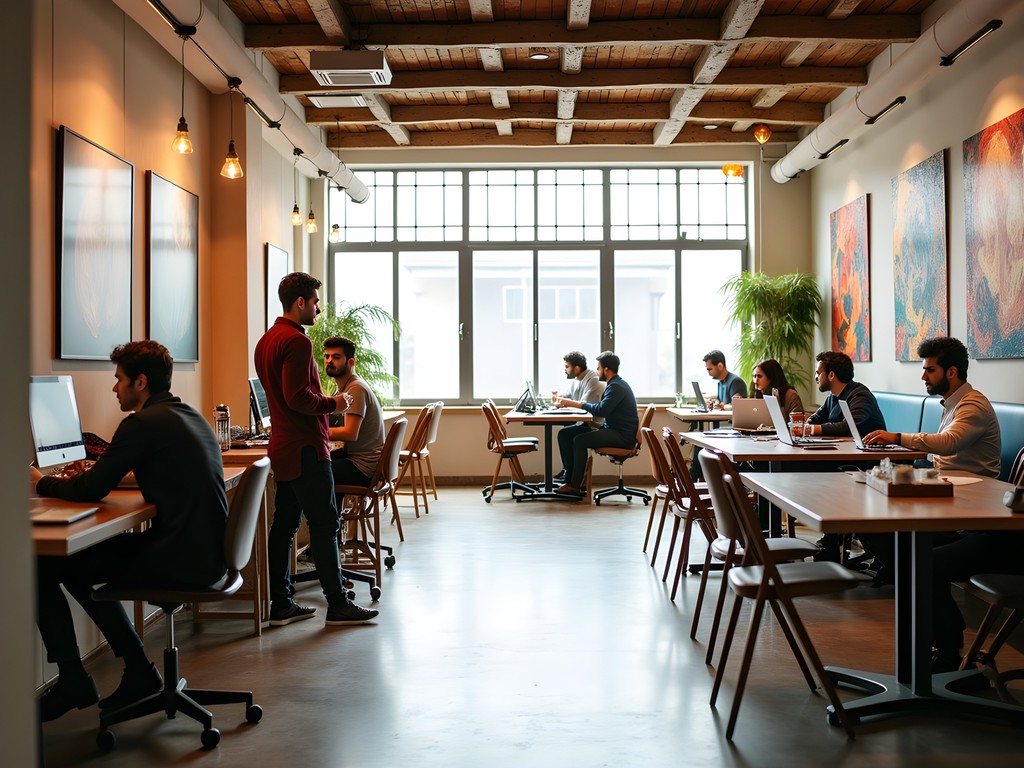
I worked primarily from Daftarkhwan Peshawar, a well-equipped space near Saddar with reliable high-speed internet (crucial for video consultations), private phone booths, and a community of Pakistani entrepreneurs and digital nomads. Daily rates run about 800 PKR ($3 USD), with monthly memberships around 15,000 PKR ($50 USD)—extraordinary value compared to Western coworking spaces.
What struck me most was how these spaces function as modern caravanserais, continuing Peshawar's tradition of providing infrastructure for travelers conducting business. The community manager, Ayesha, connected me with local mental health professionals, leading to fascinating discussions about trauma-informed care in post-conflict regions. These weren't networking events—they were genuine knowledge exchanges that enriched both my professional understanding and travel experience.
For maintaining focus during work sessions, I rely on my noise-canceling headphones. The open-plan layout and energetic atmosphere are wonderful for breaks, but when I need to conduct patient sessions, these create the acoustic privacy necessary for confidential work.
💡 Pro Tips
- Book coworking day passes in advance via email—spaces fill quickly during business hours
- Bring a VPN service for secure connections when handling sensitive patient information
- Schedule your most demanding work during morning hours when internet speeds are fastest and power outages less common

Stadium Culture: Community Identity at Peshawar Sports Complex
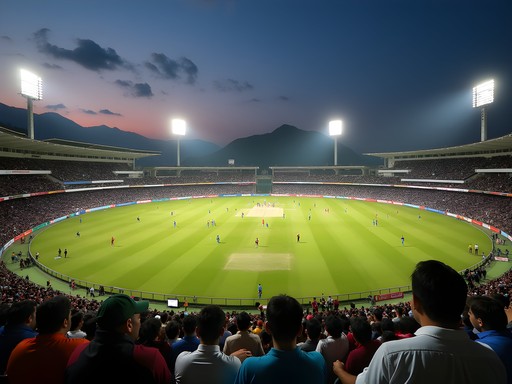
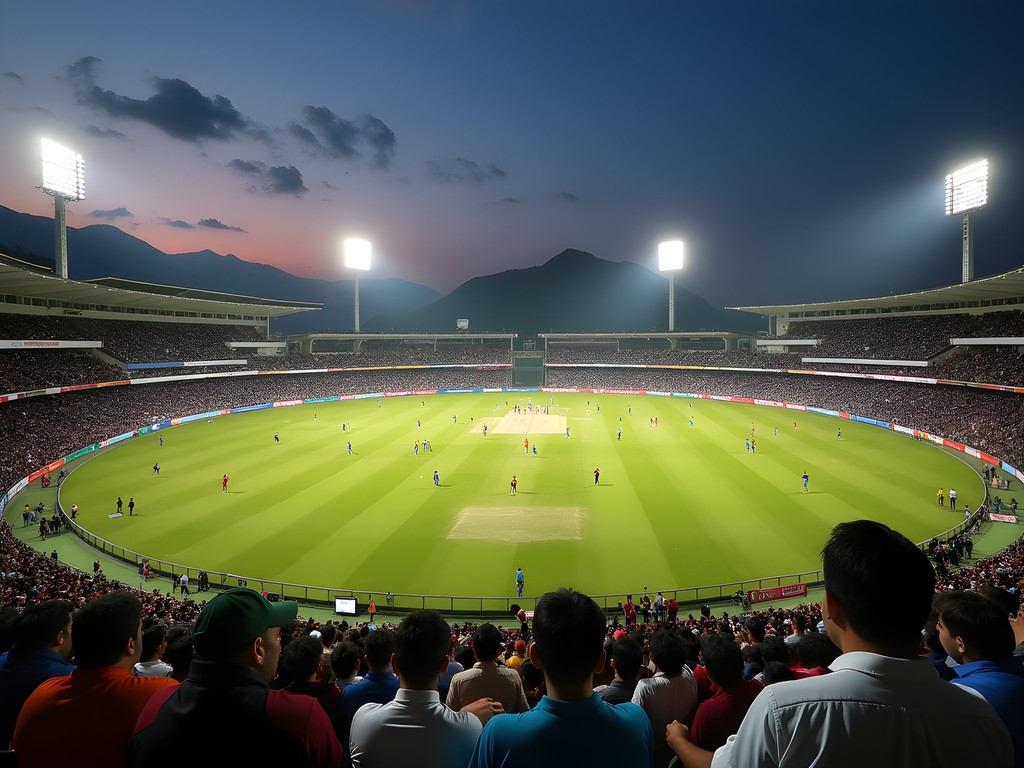
My fascination with stadiums as community gathering points led me to Arbab Niaz Stadium, home to the Peshawar Zalmi cricket team. In my research on collective psychology, I've found that sports venues reveal a culture's values around competition, celebration, and shared identity—and Peshawar's cricket obsession offers profound insights.
I attended a Pakistan Super League match on a crisp October evening, and the atmosphere was electric yet remarkably family-oriented. Unlike the alcohol-fueled aggression common at Western sporting events, this was multigenerational celebration—grandfathers explaining game strategy to children, women in family sections cheering as passionately as men, vendors selling samosas and jalebis instead of beer.
What fascinated me from a psychological perspective was how cricket functions as collective therapy for a city that's endured decades of instability. The stadium becomes a space where normal life asserts itself, where shared joy temporarily overrides individual anxieties. When Peshawar Zalmi scored, the eruption wasn't just about cricket—it was about civic pride, resilience, and the human need for communal celebration.
Tickets range from 500-3,000 PKR ($2-11 USD) depending on seating. Even if you're not a cricket enthusiast, I recommend attending a match as cultural anthropology. Bring a portable phone charger because you'll want to capture the atmosphere, and outlets are scarce in the stadium seating areas.
💡 Pro Tips
- Arrive early to soak in pre-game atmosphere and navigate security checkpoints without stress
- Sit in general admission sections for the most authentic experience and spontaneous cultural exchanges
- Learn basic cricket rules beforehand—locals love explaining nuances to interested foreigners
Navigating the Old City: A Walker's Guide to Psychological Geography
Peshawar's Old City rewards those who embrace what I call 'therapeutic wandering'—moving through space without rigid agenda, allowing curiosity and serendipity to guide you. This approach reduces the performance anxiety many solo travelers experience around 'seeing everything' and instead cultivates present-moment awareness.
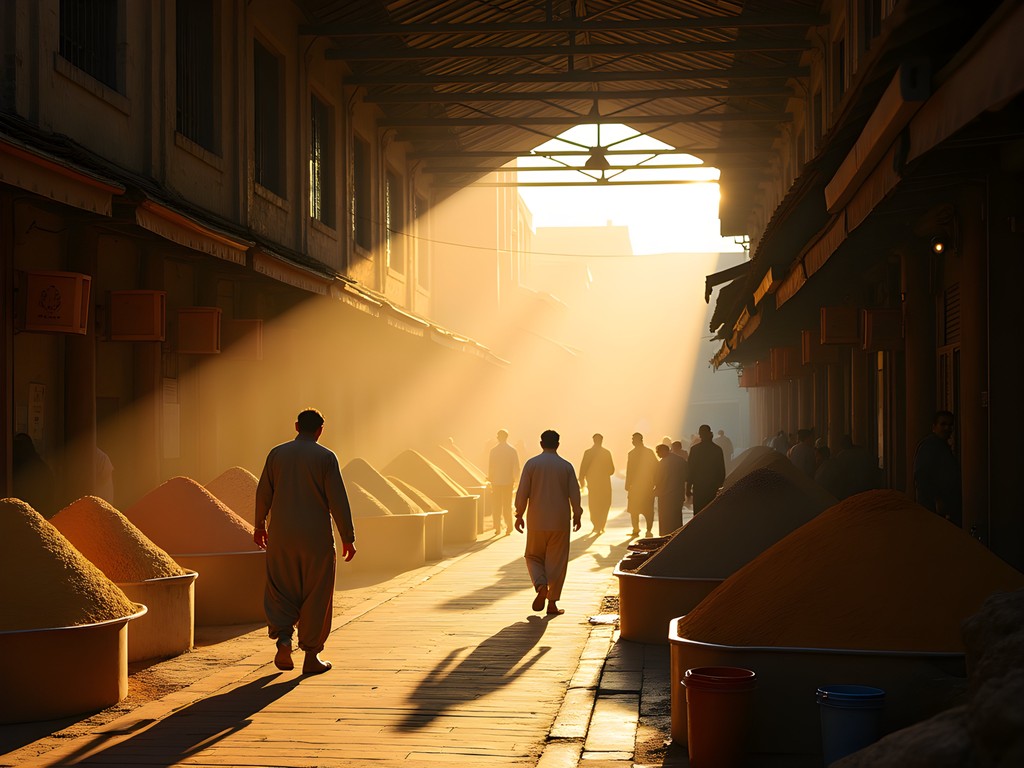
Start at Gor Khatri, the archaeological complex that reveals Peshawar's layers—Buddhist monastery foundations, Mughal-era caravanserai, and contemporary museum. From there, lose yourself in Qissa Khwani Bazaar (Storytellers' Market), where the narrow lanes create what environmental psychologists call 'prospect-refuge' spaces—simultaneously open enough to observe and enclosed enough to feel secure.
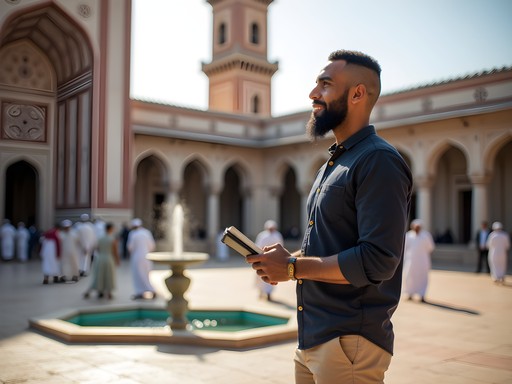
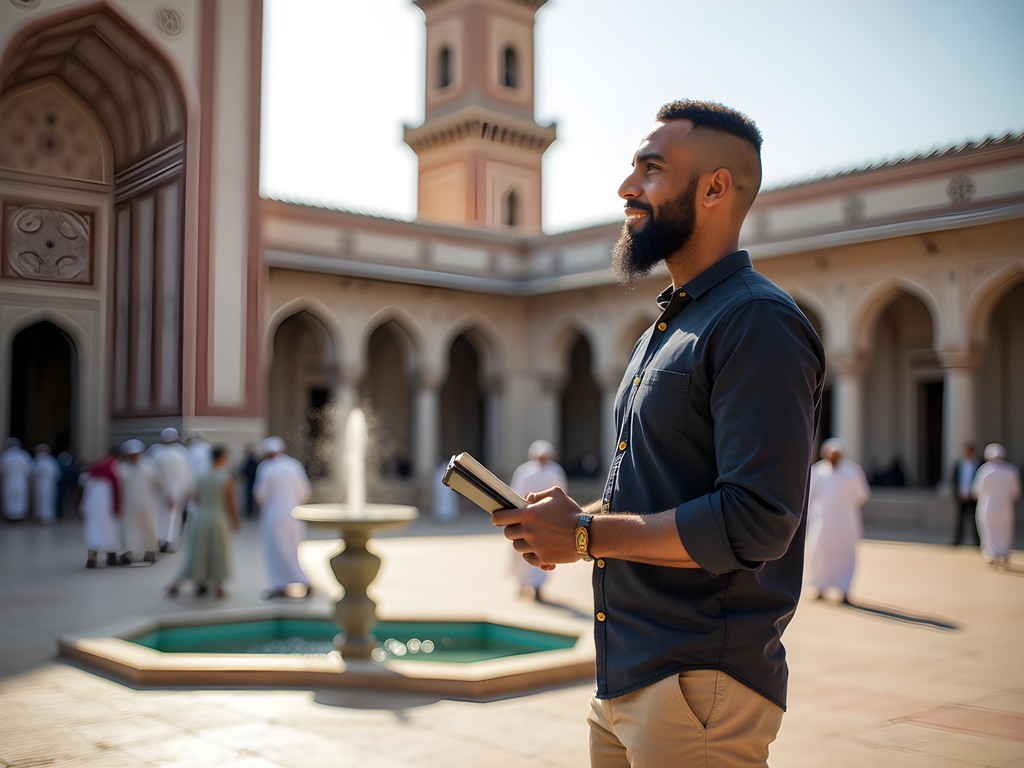
The Mahabat Khan Mosque (1630 CE) offers architectural beauty and a lesson in religious tolerance—non-Muslims are welcome outside prayer times, and the caretaker, Haji Sahib, provides impromptu history lessons that rival any guidebook. The Sethi House Museum showcases wealthy merchant architecture, demonstrating how Peshawar's trading wealth created cosmopolitan culture.
For navigating these spaces, comfortable footwear is essential. I wore my trail shoes daily—the old city's uneven cobblestones and extended walking demand supportive, breathable shoes. Also pack a quick-dry towel; you'll want to wash up before entering mosques, and public facilities rarely provide towels.
💡 Pro Tips
- Hire a local guide for your first day to establish orientation and cultural context—rates are 2,000-3,000 PKR for half-day tours
- Dress conservatively (long pants, covered shoulders) to show respect and avoid unwanted attention
- Keep small bills (20 and 50 PKR notes) for chai, snacks, and small purchases—vendors often lack change
Final Thoughts
Peshawar challenged every assumption I brought and confirmed what I've long suspected: meaningful travel isn't about comfort zones—it's about expanding our capacity for human connection across difference. This ancient crossroads taught me that hospitality isn't a service industry concept but a profound psychological practice that creates resilience, both individual and collective.
For solo travelers willing to engage authentically, Peshawar offers something increasingly rare: a place where your presence matters, where strangers invest in your experience without expectation of return, where history isn't preserved behind glass but lived daily in bazaar conversations and shared meals. The city won't coddle you with familiar comforts, but it will challenge you to become a better, more open version of yourself.
As I write this back in Rochester, reviewing notes and photographs, I'm struck by how Peshawar's lessons apply to my psychiatric practice. We're all seeking the same things these ancient trade routes provided: safe passage, genuine welcome, and spaces where our stories can be heard. Peshawar still offers all three—you just need to show up with an open heart and respectful curiosity.
✨ Key Takeaways
- Peshawar's homestays and community spaces offer unparalleled cultural immersion at budget-friendly rates that make extended stays feasible
- The city's coworking infrastructure allows digital nomads to maintain professional commitments while experiencing authentic local life
- Solo travelers benefit from Pashtun hospitality traditions that provide social connection while respecting personal boundaries
📋 Practical Information
Best Time to Visit
October-November or February-March (fall and early spring offer comfortable temperatures and clear skies)
Budget Estimate
$20-35 per day including homestay accommodation, meals, local transport, and coworking space access
Recommended Duration
7-10 days to properly experience Old City culture, establish local connections, and balance work with exploration
Difficulty Level
Intermediate (Requires Cultural Sensitivity, Flexibility With Infrastructure Limitations, And Comfort With Being Highly Visible As A Foreigner)
Comments
Bryce Diaz
Henry, your psychological perspective on place really resonates with my own solo travel philosophy. I spent three weeks in Lahore last year and had similar revelations about how these ancient spaces hold emotional memory. The way you described the stadium culture particularly struck me - I found the same thing at cricket matches there, this incredible sense of collective identity that we've lost in so many Western spaces. Pakistan gets such unfair coverage in Western media. Posts like this are crucial for shifting that narrative. The Silk Road cities have this energy that's impossible to replicate anywhere else.
redace
What's the visa situation like for US passport holders?
exploremate
If anyone goes definitely try the chapli kebab in the old city. Also the Qissa Khwani Bazaar is incredible for just wandering and people watching. Peshawar Museum is worth a morning too if you're into Gandhara art.
sunnylover
adding this to my list thank you!!
redguide6499
the stadium culture part was really interesting!
Sarah Powell
Henry, I really appreciate the psychological angle you brought to this piece. The 'Psychology of Place' section resonated deeply - I've been thinking about how we process unfamiliar environments but never articulated it this way. The homestay experience sounds transformative. Did you arrange that through a specific organization or through personal connections? I'm planning a similar immersive approach for my Central Asia trip and would love to know how you structured the professional/cultural balance.
Henry Austin
Thanks Sarah! I connected through a friend of a friend initially, then they introduced me to the family. For the work balance, having that coworking space was essential - gave me structure while still being embedded in daily life. Happy to share more details if you DM me.
sunnylover
This looks amazing!! How safe did you feel as a traveler? I've always wanted to visit Pakistan but everyone tells me not to go. Your post makes it sound so welcoming though!
Henry Austin
I felt very safe throughout my time there. The hospitality is genuine and overwhelming at times. Like anywhere, stay aware and connect with locals. The homestay really helped me understand the community.
exploremate
been to peshawar twice, totally safe. people are incredibly friendly
escapephotographer709
wow never thought about peshawar like this!
greenchamp
I visited Peshawar in 2024 and your post brought back so many memories. The hospitality is unreal - my host family insisted on feeding me constantly lol. One thing I'd add is that learning even basic Pashto phrases made such a huge difference in how people interacted with me. Also the chai culture is next level, way better than what I experienced in India.
redace
did you feel safe there? thats my main worry honestly
greenchamp
Yeah I felt totally safe in the old city areas. Just used common sense and stayed aware. The locals actually looked out for me more than anywhere else I've traveled.
sunsetnomad
THIS IS AMAZING!!! Peshawar has been on my list forever and this just moved it way up!! The photos of the old city are incredible 😍
Megan Martin
Henry, this is such an important perspective on Peshawar. I've been considering Pakistan for my next business travel series, and your section on coworking spaces is particularly helpful. The intersection of maintaining professional responsibilities while doing deep cultural immersion is exactly what my audience struggles with. Did you find reliable internet at the coworking space you mentioned? That's always my biggest concern when pitching these destinations to digital professionals.
Henry Austin
Internet was surprisingly solid - 20-30 mbps most days. I'd recommend having a backup mobile hotspot though. The bigger adjustment was the power cuts, so definitely bring a good power bank.
Venture X
Premium card with 2X miles, $300 travel credit, Priority Pass