


Disclosure: This article contains affiliate links. We may earn a commission from purchases at no extra cost to you, which helps our travel content.
Paris and I have maintained a rather passionate love affair for over three decades now. My first visit in the late '80s—a professional excursion to examine a collection of 18th-century porcelain—ignited what would become countless return journeys to this magnificent city of light. While the Louvre, Musée d'Orsay, and Centre Pompidou rightfully command attention from the global masses, my appraisal work and insatiable curiosity have led me through the doors of dozens of Paris's lesser-known cultural institutions. These hidden sanctuaries of art and history offer extraordinary collections without the crushing crowds, providing more intimate encounters with French culture. During my recent autumn sojourn—a welcome respite from the dry El Paso heat—I revisited five remarkable museums that consistently enchant me with their distinctive character and extraordinary collections. Allow me to share these treasures with you, fellow cultural wanderers.

Musée de l'Orangerie: Monet's Water Lilies in Their Intended Setting
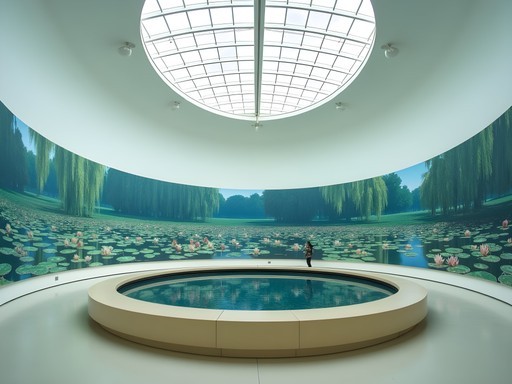
While hardly unknown, the Musée de l'Orangerie remains surprisingly uncrowded compared to its more famous siblings. Nestled in the western corner of the Tuileries Gardens, this former orange grove greenhouse transformed into an art sanctuary houses what I consider the most perfectly executed installation in all of Paris: Claude Monet's Nymphéas (Water Lilies) series.
Unlike many museum experiences where masterworks are displayed in contexts far removed from artists' intentions, the Orangerie presents Monet's panoramic canvases exactly as he designed them—in two oval rooms with natural light streaming from above. The effect is nothing short of transcendent. I've spent countless hours seated on the central benches, watching how these magnificent paintings transform with the shifting daylight.
The lower level houses the exceptional Jean Walter and Paul Guillaume Collection, featuring works by Renoir, Cézanne, Picasso, Matisse, and Modigliani. During my recent visit, I was particularly struck by Modigliani's portraits, their elongated forms and penetrating gazes seemingly following me through the galleries.
After several hours of visual indulgence, I treated myself to lunch at the museum's charming café. While many Paris museums now offer decent plant-based options, I always come prepared with my travel snack pack filled with nuts, dried fruits and dark chocolate—essential fuel for serious museum exploration.

💡 Pro Tips
- Visit first thing in the morning (around 9am) to experience Monet's Water Lilies in relative solitude
- Purchase tickets online to avoid queues, especially if visiting during weekend afternoons
- Combine with a morning walk through the Tuileries Gardens when the light is magnificent
Musée Jacquemart-André: A Sumptuous Private Collection
Tucked away in the elegant 8th arrondissement, the Musée Jacquemart-André represents what I find most enchanting about Paris's museum landscape: the preserved private collections of discerning connoisseurs. Édouard André and his wife Nélie Jacquemart—an accomplished portrait painter herself—transformed their spectacular mansion into a showcase for their extraordinary art collection, which rivals many national galleries in quality if not quantity.
What distinguishes this museum is the context—you're essentially visiting an aristocratic home where Renaissance masterpieces by Botticelli, Mantegna, and Bellini hang in lavishly appointed rooms alongside exquisite French furniture and decorative objects. The Italian collection particularly impresses me; during my years appraising European collections, I rarely encountered private holdings of such consistent quality.
The museum's café deserves special mention. Housed in the former dining room with its magnificent ceiling painted by Tiepolo, it offers one of Paris's most civilized tea experiences. While their traditional offerings aren't particularly vegan-friendly, they now offer several plant-based options including a delightful seasonal fruit tart that paired wonderfully with their excellent Darjeeling.
During my autumn visit, I spent a delightful afternoon sketching details from the collection's remarkable Florentine paintings. My travel sketching kit has accompanied me through countless museums, allowing me to engage more deeply with artworks that captivate me. The guards at Jacquemart-André are particularly accommodating to sketchers, provided one uses only pencil or watercolour.

💡 Pro Tips
- Visit on weekday afternoons when French visitors are typically at work
- Reserve a table for tea in advance if visiting on weekends
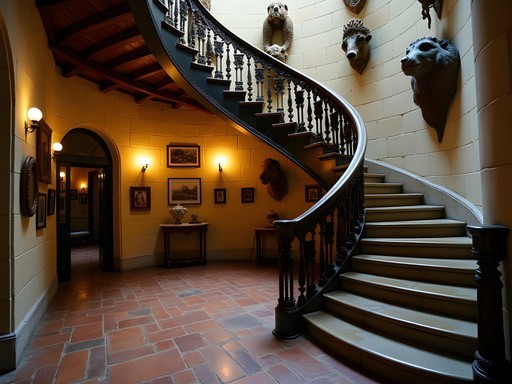
- Don't miss the remarkable spiral staircase—an architectural marvel in its own right
Musée des Arts et Métiers: A Cathedral to Human Innovation
For those who believe museums must be temples to fine art alone, the Musée des Arts et Métiers offers a compelling counterargument. Housed partially within the atmospheric medieval priory of Saint-Martin-des-Champs, this extraordinary institution celebrates human ingenuity through its collection of scientific instruments, technological innovations, and industrial design.
As someone who spent decades evaluating the craftsmanship of antique objects, I find the museum's presentation of historical tools and machinery absolutely fascinating. The collection spans from ancient measuring devices to early automobiles, with particular strength in its horological collection (historic timepieces) and scientific instruments.
The museum's centerpiece is the former church, now housing larger exhibits including Foucault's original pendulum and several historic aircraft suspended from the vaulted ceiling—a surreal juxtaposition of medieval architecture and industrial innovation that never fails to inspire me.
During my recent visit, I was particularly taken with a special exhibition on sustainable design innovations, which aligned perfectly with my growing interest in environmental preservation. The museum has done an admirable job connecting historical innovations with contemporary challenges.
After several hours exploring the collection, I found a quiet spot in the adjacent garden to review my photographs and make notes. My travel journal has documented countless museum visits over the decades, helping me process and remember the remarkable objects I encounter. For those who appreciate human creativity beyond traditional artistic expressions, this museum offers a refreshingly different perspective on cultural achievement.

💡 Pro Tips
- Visit on Thursday evenings when the museum stays open until 9:30pm and is wonderfully uncrowded
- The audio guide provides excellent technical context for the more complex exhibits
- The museum is quite large—consider focusing on 2-3 sections rather than attempting to see everything

Musée de Cluny: Medieval Treasures in the Latin Quarter
Having spent considerable time appraising medieval decorative arts throughout my career, the Musée de Cluny (officially the Musée National du Moyen Âge) holds a special place in my heart. Recently reopened after extensive renovations, this magnificent museum combines two extraordinary historical structures: the Gallo-Roman baths from the 1st-3rd centuries and a 15th-century Gothic mansion.
The museum houses the finest collection of medieval art in France outside the Louvre. Its crown jewel is undoubtedly The Lady and the Unicorn tapestry series—six magnificent wool and silk masterpieces that rank among the greatest artistic achievements of the Middle Ages. I've studied these allegorical works representing the five senses (plus a sixth enigmatic tapestry) dozens of times, and they never fail to reveal new details.
The renovation has dramatically improved the display of the collection, with thoughtfully designed lighting that brings out the remarkable colors in the stained glass, illuminated manuscripts, and polychrome sculptures. The curators have struck an excellent balance between scholarly context and accessibility—something I've always strived for in my own writing about historical objects.
During my autumn visit, I was particularly moved by the collection of everyday medieval objects—combs, game pieces, and household items that create such an immediate connection to the people who lived centuries ago. I spent nearly an hour examining the intricate ivory carvings, marveling at the craftsmanship achieved with relatively simple tools.
After exploring the collection, I wandered through the museum's medieval-inspired garden before finding a quiet café in the Latin Quarter. While reviewing my notes, I used my portable magnifier to examine detailed photos I'd taken of several ivory miniatures—a habit from my appraisal days that continues to enhance my museum experiences.


💡 Pro Tips
- Purchase the excellent exhibition catalog if you have a serious interest in medieval art—it contains detailed analyses not included on exhibit labels
- Visit the Roman bath ruins in the lower level, which many visitors overlook
- The museum is surprisingly uncrowded in late afternoons, particularly on weekdays
Musée Nissim de Camondo: A Frozen Moment of Belle Époque Elegance
Perhaps the most poignant museum experience in Paris can be found at the Musée Nissim de Camondo. This perfectly preserved early 20th-century mansion near Parc Monceau houses an exceptional collection of 18th-century French furniture and decorative arts, assembled by banker Moïse de Camondo. What elevates this museum beyond its remarkable collection is its tragic history—Camondo created this perfect recreation of an 18th-century aristocratic residence in honor of his son Nissim, who died in World War I. The museum was later bequeathed to France in his memory, shortly before Moïse's daughter and her family perished in the Holocaust.
As someone who spent decades evaluating fine furniture and decorative arts, I can attest that the quality of objects here rivals the best collections in Europe. The museum's power comes from its completeness—everything from the grand salon furnishings to the kitchen equipment remains exactly as it was when the family lived there. It offers a frozen moment of Belle Époque elegance that simultaneously celebrates French decorative arts while commemorating profound personal and historical tragedy.
The dining room particularly captivates me, with its magnificent Sèvres porcelain service displayed in custom-built cabinets. During my years appraising European ceramics, I rarely encountered such a complete and well-documented collection. The kitchen facilities downstairs are equally fascinating, offering insights into the functioning of a grand Parisian household in the early 20th century.
On my recent visit, I spent considerable time in the library examining the remarkable collection of period books and documents. The museum allows photography without flash, and I found my mini tripod invaluable for capturing detailed images of the intricate marquetry and ormolu mounts on several exceptional pieces of furniture—references I still use when consulting on similar pieces.

💡 Pro Tips
- Visit on weekday mornings when you might have entire rooms to yourself
- Take time to read the family history—it transforms your understanding of the collection
- The garden offers a peaceful spot for reflection after the emotionally moving experience
Final Thoughts
While the Louvre will always remain the crown jewel of Paris's museum landscape, these five institutions offer something increasingly rare in our age of mass tourism—the opportunity for unhurried contemplation and genuine connection with extraordinary objects and their histories. Each preserves a different facet of French cultural heritage, from medieval craftsmanship to industrial innovation, from Impressionist genius to decorative arts mastery. As someone who has devoted a lifetime to studying the stories objects tell us, I find these more intimate museums often reveal Paris's soul more eloquently than their famous counterparts. Whether you're a seasoned museum-goer or simply seeking refuge from the city's bustling energy, I encourage you to venture beyond the familiar landmarks. The rewards—moments of beauty, discovery and reflection—await behind these less-frequented doors. And isn't that, after all, why we travel?
✨ Key Takeaways
- Paris's smaller museums offer world-class collections without the overwhelming crowds of major institutions
- Visit early mornings or weekday afternoons for the most contemplative experience
- Each museum provides unique insights into different aspects of French artistic and cultural heritage
📋 Practical Information
Best Time to Visit
September-November
Budget Estimate
€10-15 per museum; consider the Paris Museum Pass for multiple visits
Recommended Duration
5-7 days to comfortably visit these museums alongside major attractions
Difficulty Level
Easy




Comments
journeyzone
Musée de Cluny is criminally underrated!! The Lady and the Unicorn tapestries are absolutely stunning in person. Way better than fighting crowds at the Louvre tbh. Great post!
photobackpacker
first time in paris this summer - is the museum pass worth it if i want to hit these places?
journeyzone
100% yes! most of these are covered and you skip ticket lines. i got the 4 day pass last spring and hit like 12 museums. paid for itself by day 2. just make sure you go to at least 2-3 places per day to make it worth the cost
Nicole Russell
John, this list is SPOT ON! I visited Musée Jacquemart-André last year and literally gasped when I walked into the winter garden. The audio guide is incredible—it tells you all about the couple who lived there and their collecting obsession. Pro tip: their café serves afternoon tea in what used to be the dining room, and it's surprisingly affordable for Paris. The ceilings alone are worth the visit! Also totally agree about Arts et Métiers—that Foucault pendulum is mesmerizing. Have you been to Musée Nissim de Camondo? Similar vibe to Jacquemart-André but even fewer tourists.
journeyzone
adding camondo to my list now! thx for the rec
greenpro
how crowded does musée de l'orangerie get? trying to decide between that and orsay for our afternoon slot
Nicole Russell
Orangerie is SO much calmer than Orsay! I went on a Tuesday morning last fall and basically had the Water Lilies room to myself for like 15 minutes. It's magical when it's quiet. Definitely book tickets online though!
greenpro
perfect thanks!
wildblogger
Musée de Cluny is SO underrated!! The Lady and the Unicorn tapestries are breathtaking in person. And the medieval garden outside is lovely in good weather. We stumbled on it by accident last year and it ended up being one of my favorite things we did in Paris. The building itself is gorgeous too - part of it is built on Roman baths!
nomadwalker
Planning my first Paris trip for September - should I book tickets ahead for these museums or can you just show up? Also how much time would you spend at each one?
Hunter Thompson
You can usually just show up for these smaller ones, they don't get massive queues. I'd say 2-3 hours each depending on your interest level. Jacquemart-André is smaller so maybe 90 mins there.
nomadwalker
Perfect, thanks!
adventurestar
Great post! Love finding hidden gems like these
Hunter Thompson
YES to Musée des Arts et Métiers! Honestly one of the coolest museums I've visited anywhere. The old church filled with vintage planes and Foucault's pendulum is absolutely mental. If you're into science or engineering at all, this place is a must. Also it's in the 3rd arrondissement which is a brilliant area to explore after - loads of great cafes and vintage shops nearby. Way more authentic Paris vibes than the touristy bits.
wildblogger
Adding this to my list!! Sounds amazing
wandertime
Musée de l'Orangerie is absolutely stunning! I went last spring and spent almost 2 hours just sitting with the Water Lilies. Way less crowded than the Louvre and you can actually breathe. The Cézanne collection upstairs is incredible too. Pro tip: go right when it opens at 9am, you'll basically have the oval rooms to yourself for a bit.
nomadwalker
Is it expensive to get in?
wandertime
Around 12 euros I think? Totally worth it though
Jennifer Rodriguez
I absolutely second this list! I spent a month in Paris last year on a budget and found these smaller museums much more enjoyable than fighting the crowds at the major attractions. For transportation between these museums, I highly recommend getting a weekly Navigo pass (Monday-Sunday) if your visit aligns with those days. It's much cheaper than buying individual tickets. One more underrated gem I'd add: Musée Marmottan Monet. It's a bit out of the way in the 16th arrondissement but houses the largest collection of Monet paintings anywhere, including the piece that gave Impressionism its name. The mansion setting adds to the experience - feels like discovering a secret collection!
summertime
Adding Marmottan to my list too! Is it easy to get to by metro?
Jennifer Rodriguez
Yes! Take Line 9 to La Muette station, then it's about a 7-minute walk. Super easy to find.
Venture X
Premium card with 2X miles, $300 travel credit, Priority Pass