

Disclosure: This article contains affiliate links. We may earn a commission from purchases at no extra cost to you, which helps our travel content.
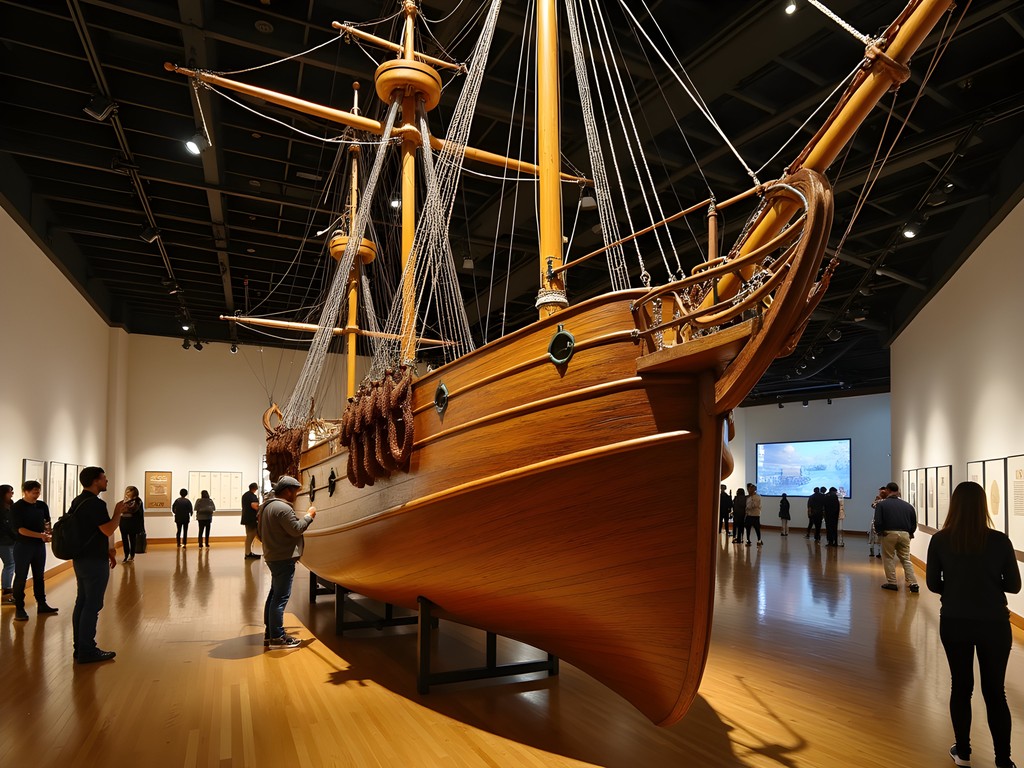
Standing at the bow of a life-sized ship replica inside the New Bedford Whaling Museum, I found myself transported to the 19th century—when this Massachusetts coastal city was the wealthiest per capita in America. The golden age of whaling may have faded, but New Bedford's cultural tapestry remains vibrantly intact, woven with Portuguese influences, maritime heritage, and a surprisingly progressive history. As an instructional designer constantly seeking design inspiration across cultures, this working-class city with its cobblestone streets and salt-tinged air offered far more than I expected during a recent weekend escape from my design conference in Boston.

The New Bedford Whaling Museum: A Design Masterpiece
As someone who studies how design shapes learning experiences, I was immediately struck by the thoughtful curation at the New Bedford Whaling Museum. This isn't your typical dusty collection of artifacts—it's a masterclass in experiential storytelling.
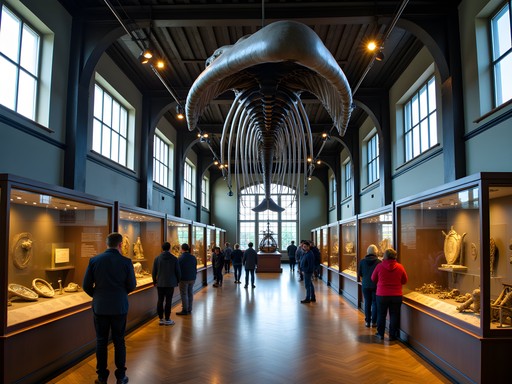
The crown jewel is undoubtedly the world's largest ship model, the Lagoda, a half-scale whaling ship you can actually board. Standing at the helm, I watched families engage with maritime history in ways textbooks could never capture. The museum's 4,000+ scrimshaw pieces (carved whale ivory) showcase extraordinary craftsmanship that had my designer brain buzzing with inspiration.
What truly sets this museum apart is how it balances celebrating the industry that built New Bedford while acknowledging its environmental impact. The exhibit on modern whale conservation efforts creates a thought-provoking juxtaposition with the historical displays. I spent nearly four hours exploring and could have easily stayed longer—bring your pocket sketchbook to capture design elements that catch your eye.
💡 Pro Tips
- Purchase the AHA! (Art, History, Architecture) Pass for $18 to access multiple historic sites
- Visit on the second Thursday evening of the month for free admission
- Don't miss the hourly presentations by former whalers' descendants who share personal family stories
Seamen's Bethel & Historic District: Walking Through Melville's Inspiration
Literature buffs will recognize New Bedford as the setting for the opening chapters of Herman Melville's Moby-Dick, and the Seamen's Bethel is where his character Ishmael attends a service before setting sail. The 1832 chapel still stands, complete with the distinctive prow-shaped pulpit Melville described. Sitting in the worn wooden pews where generations of whalers prayed before dangerous voyages, I felt a profound connection to the past.
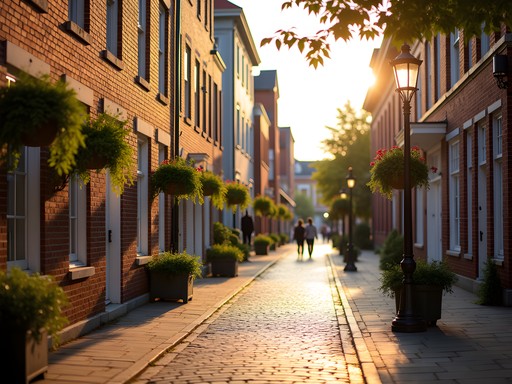
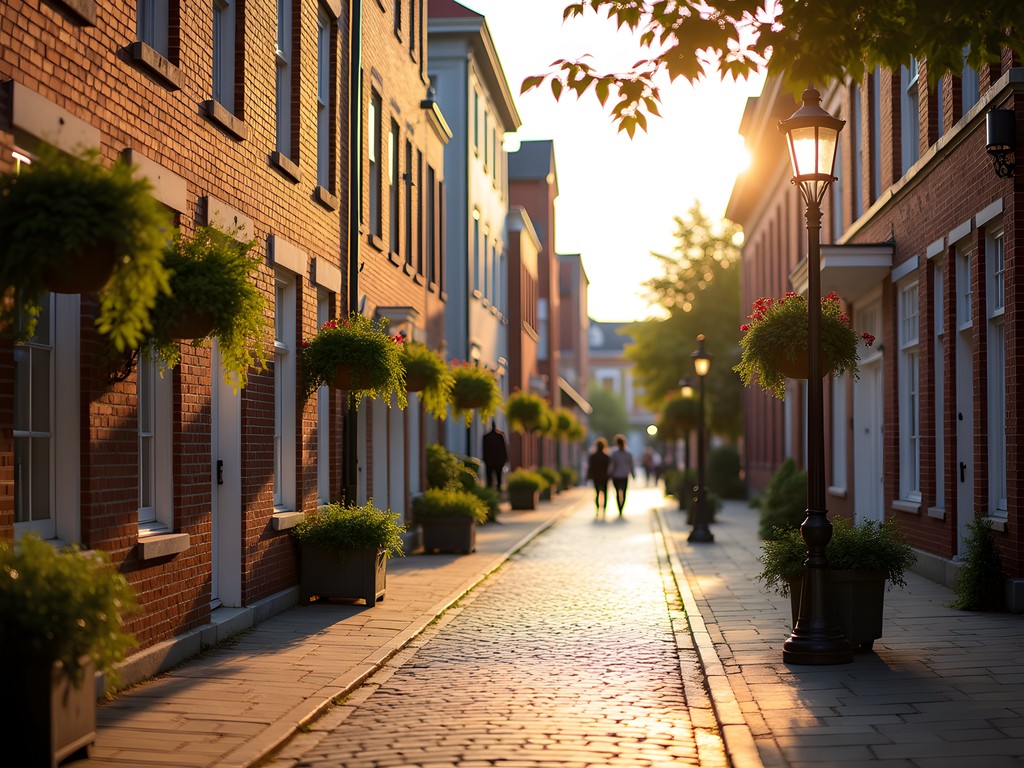
The surrounding Whaling National Historical Park encompasses 13 city blocks of cobblestone streets lined with grand Federal-style mansions built by wealthy whaling merchants. My husband Carlos and I spent a blissful afternoon wandering with our audio guide loaded with the free National Park Service tour. We discovered hidden courtyards, sailor boardinghouses, and the New Bedford Whaling National Historical Park Visitor Center, where rangers offer free guided tours.
Don't miss the Rotch-Jones-Duff House and Garden Museum, an 1834 Greek Revival mansion that offers a glimpse into the domestic life of a whaling merchant. The formal gardens are particularly lovely in spring and summer.
💡 Pro Tips
- Download the free NPS app for self-guided walking tours of the historic district
- The Seamen's Bethel is still an active place of worship—check service times to plan around them
- Many historic buildings are not wheelchair accessible—call ahead for accommodation information
The Unexpected Art Scene: From Whaling to Wall Murals
What surprised me most about New Bedford was its vibrant contemporary art scene. The city has reinvented itself as a creative hub, with over 70 working artists maintaining studios in former textile mills and fishing warehouses. The transformation of industrial spaces into creative venues reminded me of similar design evolution I've documented in Colombia's coastal cities.
The cornerstone of this renaissance is the Massachusetts Design Art and Technology Institute (DATMA), which hosts free public art installations throughout downtown. During my visit, an exhibition exploring the intersection of traditional Portuguese textiles and modern design perfectly aligned with my professional interests.
The New Bedford Art Museum/ArtWorks! occupies a former bank building and showcases both contemporary work and historical pieces. I was particularly moved by an exhibition featuring artifacts from the Underground Railroad—New Bedford was a major destination for escaped slaves due to its abolitionist community and opportunities for work in the whaling industry.
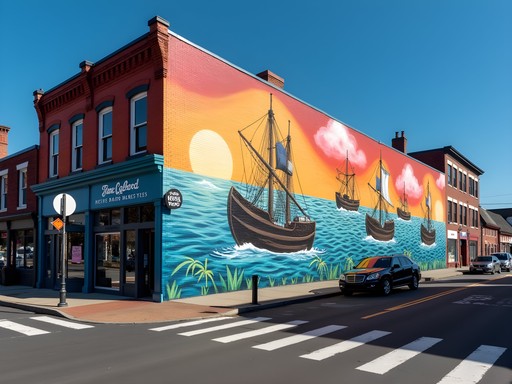
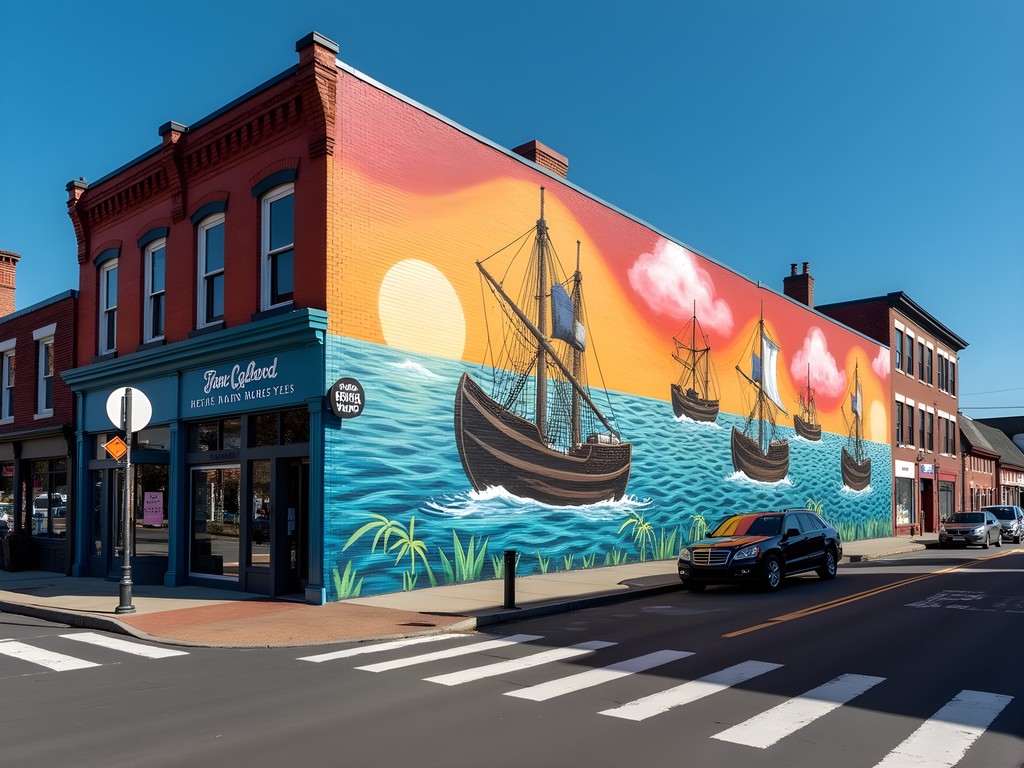
For photography enthusiasts, the city's collection of vibrant murals makes for perfect photo opportunities. I captured dozens of compelling images with my travel camera, particularly in the transforming Seaport Cultural District.
💡 Pro Tips
- Visit during AHA! Night (second Thursday monthly) when galleries stay open late with free programming
- Check DATMA's website for their rotating outdoor installations schedule
- The Co-Creative Center on Union Street offers workshops where you can learn traditional crafts from local artisans

Portuguese Influence: A Culinary and Cultural Journey
New Bedford boasts the highest percentage of Portuguese-Americans in the United States, a legacy of Azorean and Cape Verdean sailors who joined whaling crews in the 19th century and eventually settled here. This heritage is deliciously evident in the city's food scene.
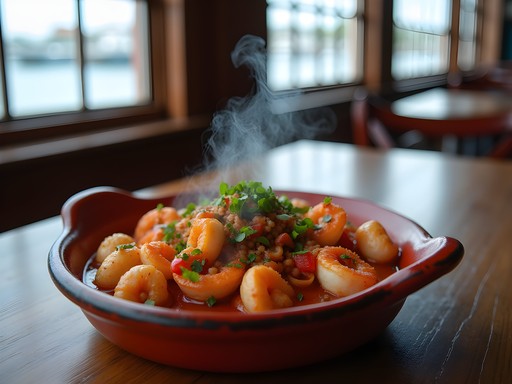
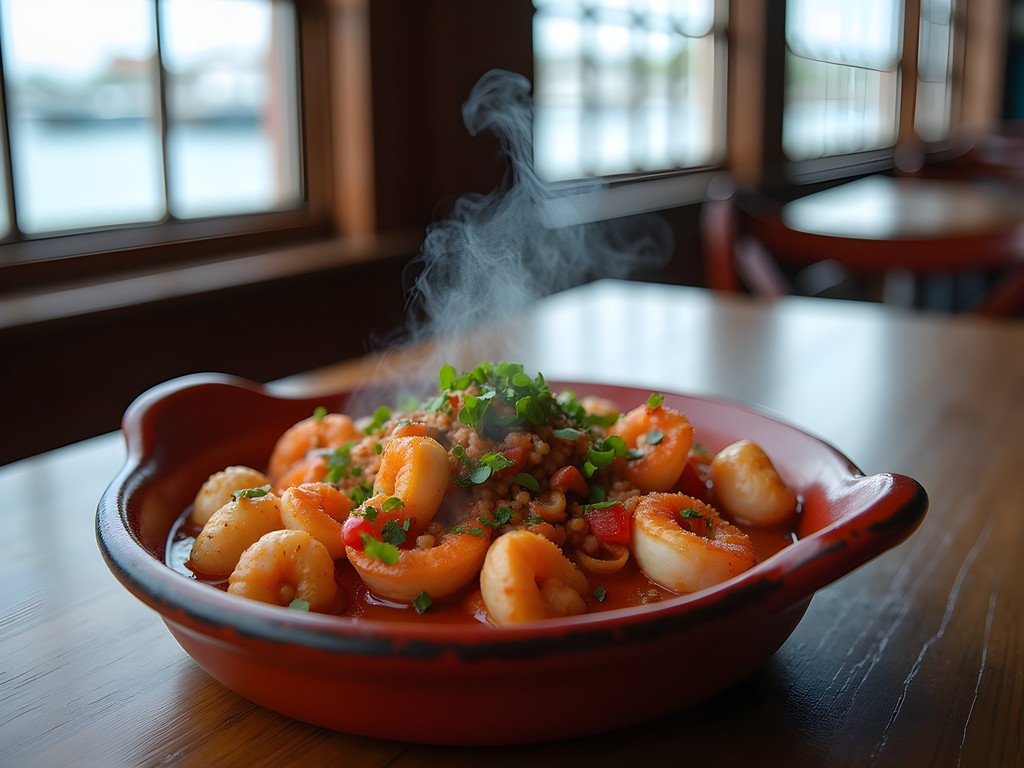
Carlos and I started our culinary exploration at Antonio's Restaurant, where we feasted on traditional Portuguese kale soup (caldo verde) and bacalhau à gomes de sá (salt cod casserole). The restaurant has been family-owned for generations, and the recipes taste like they've been perfected over centuries.
For a more casual experience, the Whaling City Diner serves Portuguese-American fusion breakfast all day. Their malasadas (Portuguese donuts) paired with locally roasted coffee made for the perfect morning fuel before exploring. I always travel with my food journal to document culinary discoveries, and these flavor combinations definitely earned several pages of notes.
The highlight of our gastronomic adventure was the Feast of the Blessed Sacrament, North America's largest Portuguese festival held annually in early August. Though we visited in October, many restaurants still displayed photos from the celebration, and locals eagerly shared stories of the four-day feast featuring traditional music, dancing, and endless food stalls serving specialties from different Portuguese regions.
💡 Pro Tips
- Reserve a table at Antonio's at least a week in advance—locals pack this place nightly
- If visiting in August, book accommodations months ahead due to the Feast of the Blessed Sacrament
- Ask for linguiça (Portuguese sausage) as an add-on to almost any breakfast dish—it's a local specialty
Harbor Tour: Connecting Past and Present
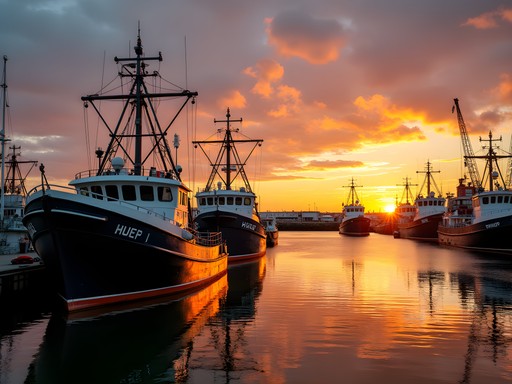
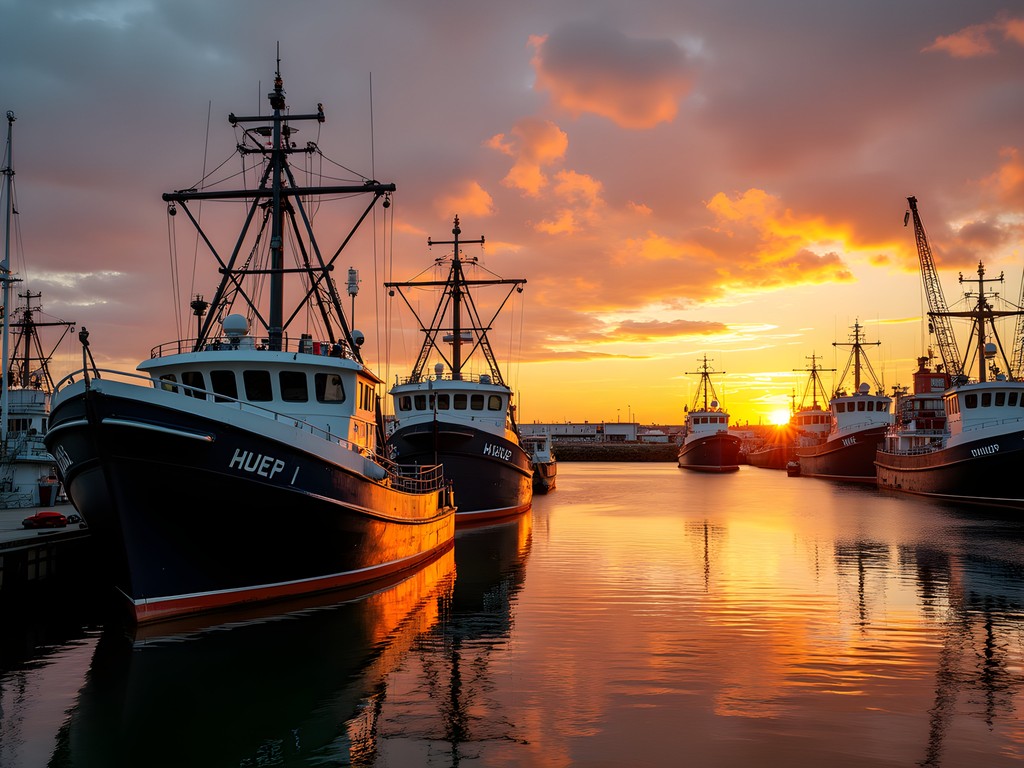
To truly understand New Bedford, you need to see it from the water. The working harbor remains one of America's most profitable fishing ports, with over 500 vessels bringing in primarily scallops and groundfish. We boarded the Harbor Tour vessel with Captain Jack, a retired fisherman whose family has worked these waters for five generations.
The 90-minute tour took us past massive scallop boats, the hurricane barrier (largest on the East Coast), and historic Palmer's Island Lighthouse. Captain Jack's narration blended historical facts with personal anecdotes about the changing fishing industry. I was fascinated by the contrast between 19th-century whaling practices and today's sustainable fishing efforts.
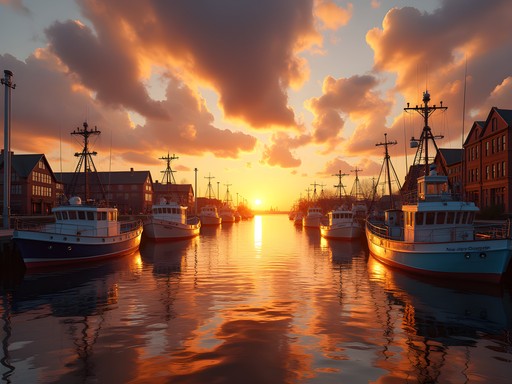
For the best views, I recommend bringing a compact binoculars to spot harbor seals that frequently appear near the jetties. The tour provides excellent photography opportunities, especially in the golden hour before sunset when the light bathes the harbor in warm hues.
What struck me most was how the harbor represents both continuity and transformation—fishing vessels now return with scallops instead of whale oil, but the fundamental relationship between New Bedford and the sea remains unchanged. As a designer always looking for visual metaphors, this juxtaposition of past and present was profoundly inspiring.
💡 Pro Tips
- Book the sunset tour for the best lighting and smaller crowds
- Bring layers—the harbor is significantly cooler than downtown, even in summer
- Ask Captain Jack about his family's fishing logbooks—he sometimes brings historical documents to share
Final Thoughts
As our weekend in New Bedford drew to a close, I found myself reluctant to leave this authentic slice of American maritime heritage. Unlike more polished tourist destinations, New Bedford offers something increasingly rare—an honest working city that wears its history openly while steadily evolving. The design elements I encountered throughout the city—from scrimshaw carvings to contemporary murals—will influence my instructional design work for months to come.
New Bedford reminded me why cultural immersion matters: it reveals the connections between past and present, between different cultural traditions, and between human innovation and natural resources. For couples seeking a weekend escape that balances historical depth with contemporary creativity, New Bedford delivers an experience far richer than many better-known destinations.
As I watched one final sunset paint the harbor in gold and rose hues, I made a mental note to return during the Portuguese festival season. There are still stories waiting to be discovered in the Whaling City, and I've only just begun to understand its depths.
✨ Key Takeaways
- New Bedford offers an authentic cultural experience beyond typical tourist destinations
- The city perfectly balances historical preservation with contemporary art and culinary scenes
- Portuguese cultural influences create a unique cultural and culinary landscape not found elsewhere in New England
📋 Practical Information
Best Time to Visit
May-October, with August featuring the Portuguese Feast
Budget Estimate
$400-600 for a weekend (accommodations, meals, and activities)
Recommended Duration
2-3 days
Difficulty Level
Easy




Comments
skyway
Pro tip - parking near the museum can be tricky on weekends. There's a lot two blocks over on Union Street that's way cheaper than the ones right by the waterfront.
winterway
thanks for this!! definitely gonna use that tip
oceanmate
Love your photos!! That mural shot is amazing
Nicole Watanabe
Excellent piece, Maya. New Bedford is genuinely one of America's most underappreciated cultural destinations. I stayed at the Fairfield Inn overlooking the harbor during my New England tour last autumn, and while it's not luxury accommodation, the location was superb for exploring the historic district on foot. The Portuguese cuisine deserves far more recognition—I had an extraordinary meal at Café Portugal that rivaled anything I've had in Lisbon. For readers planning a visit, I'd recommend coordinating with the monthly AHA! Night events when galleries and museums stay open late. The community atmosphere during those evenings is quite special.
wildfan
This is SO COOL! I've been to Boston like 5 times and never made it down here. The ship replica alone looks worth the trip. Adding this to my list for spring!
winterway
Going there next month! How long did you spend at the whaling museum?
skyway
not the author but we spent like 3 hours there last summer and could've stayed longer tbh
winterway
perfect, thanks! planning a full day there then
Amanda Morris
Maya, this brought back such lovely memories! I visited New Bedford three years ago while researching maritime history for a piece I was writing. The Seamen's Bethel absolutely captivated me—standing where Melville himself stood before writing Moby-Dick gave me chills. What struck me most was how unpretentious the city feels compared to nearby tourist spots. The Portuguese community really does add such vibrant character. I spent an entire afternoon in one of the bakeries on Acushnet Avenue chatting with the owner about her family's immigration story. Did you try the malasadas? They're dangerously addictive!
oceanmate
omg malasadas are THE BEST!! there's a place near me that makes them and I'm obsessed
escaperider
Never even heard of this place but looks awesome!
wildfan
Right?? I always skip over this part of Mass but maybe I shouldn't
Adam Nichols
Excellent piece, Maya. What struck me most about New Bedford during my visit was how the city has preserved its maritime identity without turning it into a theme park. The layering of Portuguese immigration history onto the whaling heritage creates a fascinating cultural narrative. The museum's approach to discussing the darker aspects of the whaling industry—the environmental impact, the exploitation of indigenous Pacific Islanders—felt refreshingly honest. I'd recommend pairing this with a visit to the New Bedford Fishing Heritage Center to see how that maritime tradition continues today. The contrast between 19th century whaling and modern commercial fishing offers interesting parallels about resource management and community identity.
coffeegal
Going there next month! Any restaurant recommendations besides the bakeries? Looking for good seafood especially 🦞
wanderlustfan
Freestone's is solid for seafood! Get the scallops.
starhero
Added to my bucket list!
Venture X
Premium card with 2X miles, $300 travel credit, Priority Pass