Disclosure: This article contains affiliate links. We may earn a commission from purchases at no extra cost to you, which helps our travel content.
You've probably heard of Mitchell's Corn Palace—that quirky agricultural shrine covered in corn murals that makes it onto those 'America's oddest attractions' lists. But after three decades developing commercial spaces in Buffalo's revival, I've learned that every small city has more depth than its roadside attractions suggest. Mitchell is no exception. This modest South Dakota town of 15,000 sits at the intersection of agricultural heritage, pioneer history, and surprising cultural offerings that won't break your family's travel budget.

The Corn Palace: Start Here, But Don't End Here
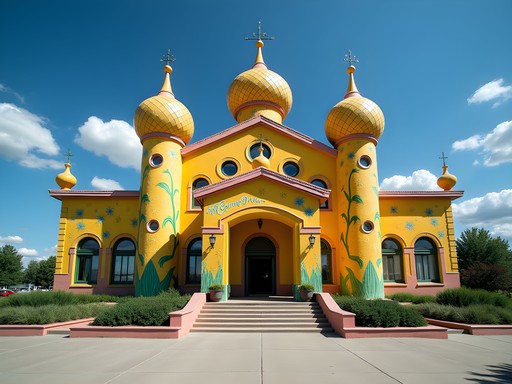
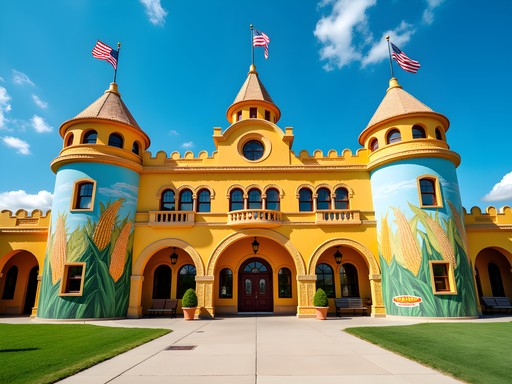
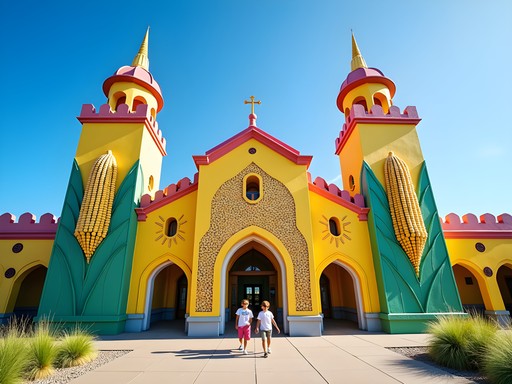
Let's address the elephant—or rather, the corn cob—in the room. The Mitchell Corn Palace is legitimately worth your time. Dating back to 1892, this agricultural showcase gets a complete exterior redesign annually using 12 different colors of corn and grains. The murals aren't just decorative; they tell stories of regional history and culture.
What most visitors miss is the building's interior and its significance to local economic development. The 3,000-seat venue hosts everything from basketball tournaments to polka festivals. It's a textbook example of how a tourist attraction can double as functional community infrastructure. I've seen similar approaches work in former manufacturing cities throughout the Rust Belt.
The free guided tours provide context that self-guided wandering misses. If you're visiting with kids, grab one of the activity booklets at the information desk—they contain corn-themed puzzles that will keep young ones engaged while you appreciate the architectural details.

💡 Pro Tips
- Visit on weekday mornings to avoid tour buses
- Check their events calendar—catching a local basketball game or concert adds authentic dimension to your visit
- The gift shop prices are surprisingly reasonable for a tourist attraction
Dakota Discovery Museum: The Region's Untold Stories
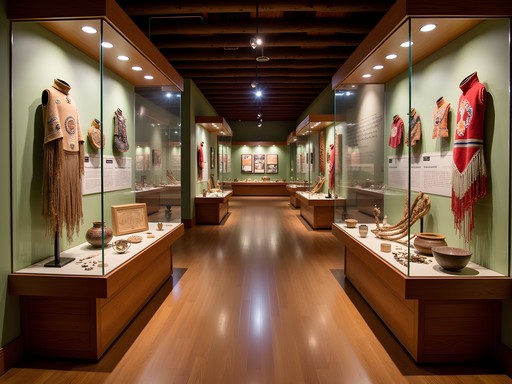
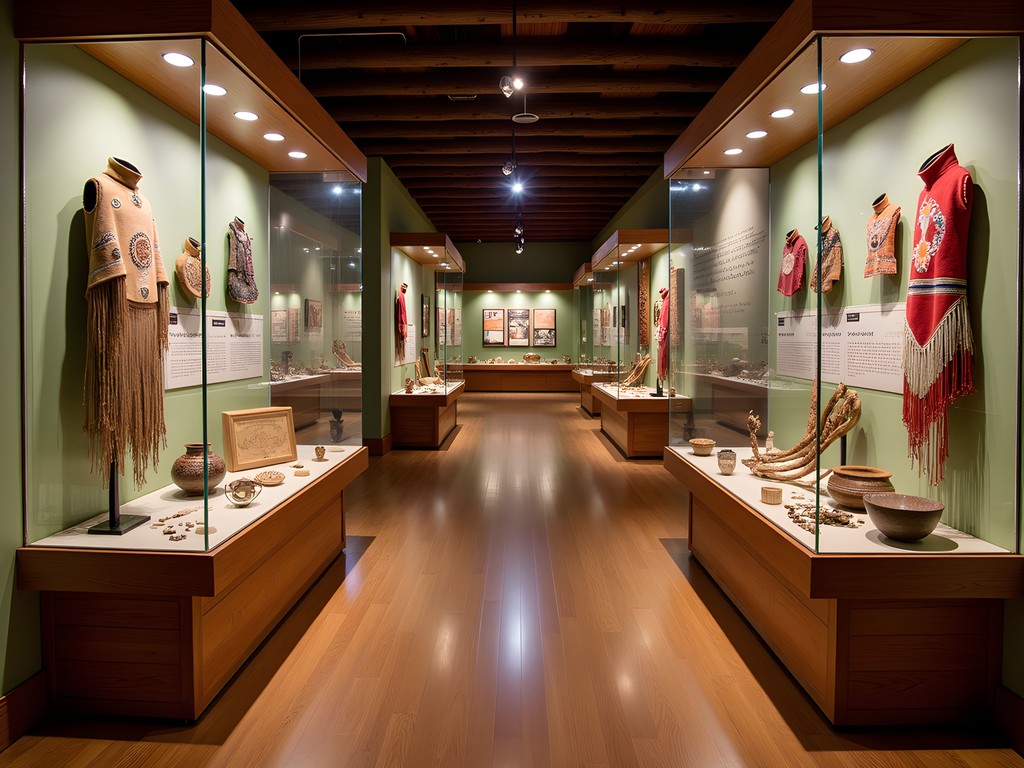
A fifteen-minute walk from the Corn Palace sits the Dakota Discovery Museum on the campus of Dakota Wesleyan University. This unassuming building houses one of the most comprehensive collections of Plains Indian artifacts and pioneer memorabilia I've encountered outside major metropolitan museums.
What makes this place special isn't just the collection—it's the honest portrayal of settlement history. Unlike many regional museums that gloss over conflicts between Native Americans and European settlers, the exhibits here present multiple perspectives. The Lakota and Dakota cultural displays are particularly well-curated.
For families with elementary-aged children, the hands-on pioneer life exhibits are educational gold. Kids can try on period clothing, practice writing with quill pens, and get a tactile sense of daily life in the 1880s. My friend's grandchildren spent two hours here without a single 'I'm bored' complaint—the ultimate endorsement.
Bring a pocket magnifier to examine the intricate beadwork on the Native American garments. The craftsmanship is extraordinary, and the museum lighting, while protective, doesn't always highlight these details.
💡 Pro Tips
- The museum offers family rates that save about 25% over individual admissions
- Ask about the scavenger hunt worksheets for kids
- The small research library is available by appointment for genealogy enthusiasts
Mitchell's Historic Downtown Walking Tour
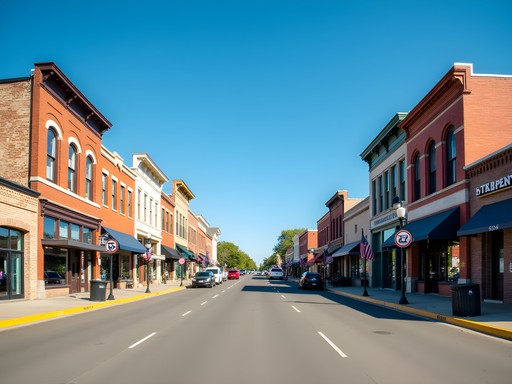
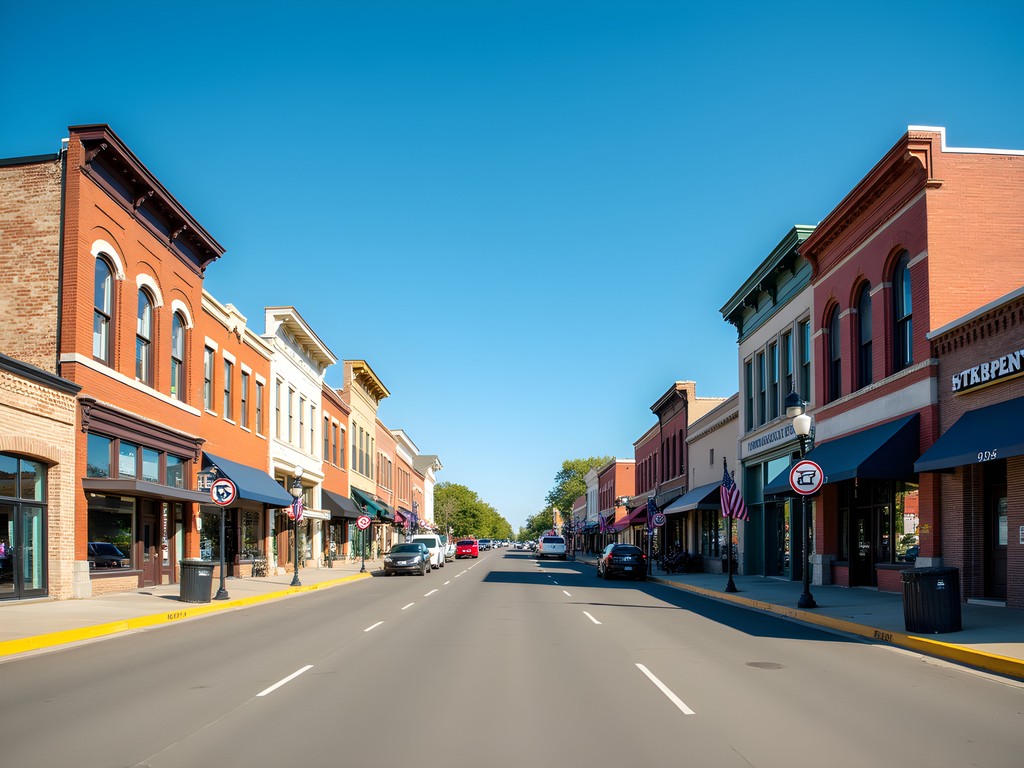
Downtown Mitchell exemplifies the classic American Main Street that developers like me have spent decades trying to revitalize in rust belt cities. The six-block commercial district features late 19th and early 20th century buildings that have largely maintained their architectural integrity.
I recommend starting at the Carnegie Resource Center (119 W 3rd Ave), housed in a 1903 Carnegie Library. Pick up the self-guided walking tour brochure, which highlights 30 historic structures. The volunteer staff often share stories you won't find in official literature.
The Whittier Building at 2nd and Main deserves special attention. Built in 1903, this Richardson Romanesque structure demonstrates the economic optimism of early Mitchell. The first-floor businesses reflect the town's evolving economy—from hardware stores serving farmers to boutiques catering to tourists.
For this walk, comfortable footwear is essential. My walking shoes have carried me through downtown explorations from Krakow to Kuala Lumpur, and they served me equally well on Mitchell's sidewalks.
End your tour at Coborn's grocery store on North Main. It occupies a repurposed JCPenney building and represents an important lesson in adaptive reuse. While not historically glamorous, it shows how communities can maintain downtown vitality when retail patterns shift.
💡 Pro Tips
- The walking tour takes about 90 minutes at a leisurely pace
- Many buildings have QR codes linking to additional historical information
- Several downtown cafes offer reasonable lunch specials under $10

Prehistoric Indian Village: Archaeology in Action
Four miles north of downtown sits one of Mitchell's most underappreciated attractions: the Mitchell Prehistoric Indian Village. This archaeological site preserves a 1,000-year-old Native American settlement where ancestors of the Mandan people once farmed and built earth lodges.
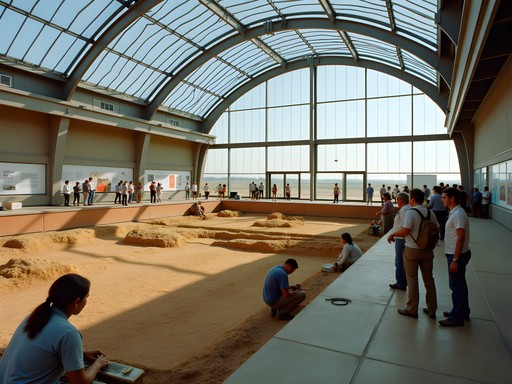
What distinguishes this site is the active archaeology. The Thomsen Center Archeodome covers an ongoing excavation where visitors can watch archaeologists at work during summer months. It's essentially a climate-controlled building constructed over an active dig site—a concept I've only seen at a handful of locations worldwide.
The adjacent museum contextualizes findings with exhibits on native agriculture, tools, and daily life. For children, the hands-on activities make abstract history tangible: they can grind corn with stone tools, examine replica artifacts, and participate in simulated digs.
If you're visiting with school-aged children, consider purchasing a kid's archaeology kit before your trip. Having some familiarity with basic archaeological concepts enhances their appreciation of the site.
The reconstructed earth lodge provides a visceral understanding of pre-European housing that textbooks simply can't convey. At 6' tall, I had to duck to enter—a physical reminder of how anthropometric differences influence architectural design across cultures.

💡 Pro Tips
- Call ahead to confirm if archaeologists are working during your visit dates
- The site is partially accessible for those with mobility challenges, but some paths are unpaved
- Allow at least 2 hours to properly experience both the museum and archaeological site
Lake Mitchell: Cultural Landscapes and Family Recreation
Urban planners recognize that natural features often shape a community's cultural development. Lake Mitchell, a 693-acre reservoir created in the 1920s, exemplifies this principle. Beyond recreation, it reveals how Mitchell residents have interacted with their environment over generations.
The 12-mile hiking/biking trail circumnavigating the lake offers more than exercise—it's a journey through ecological and cultural zones. The eastern shore features stately homes reflecting prosperity from the agricultural economy. The western shore remains more natural, with wetlands supporting diverse wildlife.
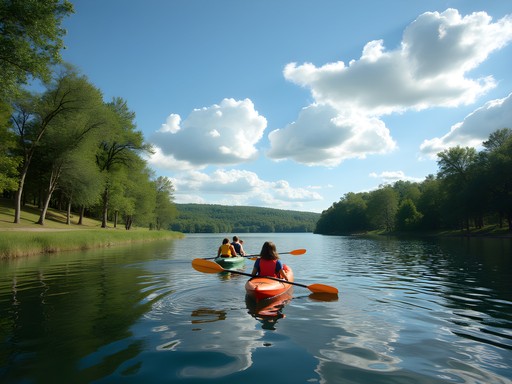
For families, Hitchcock Park on the lake's north side offers playgrounds, picnic shelters, and a sandy beach. The rental fees for kayaks and paddleboats are remarkably reasonable—about $10/hour as of my last visit. Pack a dry bag to protect phones and cameras while exploring the lake's wetland areas.
Don't miss the stone shelter houses built by the Works Progress Administration during the 1930s. These structures represent a critical period when federal infrastructure projects sustained rural communities during the Depression—a historical pattern of economic development intervention that resonates with my professional background.
For dinner, the Lake House restaurant offers moderately priced meals with water views. The walleye sandwich ($13) features locally sourced fish and represents regional culinary traditions worth experiencing.

💡 Pro Tips
- Weekday mornings are best for wildlife viewing along the western shore
- The trail is mostly flat and suitable for all fitness levels
- Bring binoculars for birdwatching—over 200 species have been documented here
Final Thoughts
Mitchell demonstrates what I've observed in small cities worldwide: authentic cultural experiences often hide behind kitschy roadside attractions. The Corn Palace may draw you in, but Mitchell's layered history, active archaeology, and evolving downtown merit more than a quick stop.
For families on a budget, Mitchell offers exceptional value. Most attractions cost under $10 per person, and many are free. You could spend two full days exploring without exhausting the educational opportunities or exceeding a modest travel budget.
As someone who's studied urban development across continents, I find places like Mitchell fascinating precisely because they're overlooked. They reveal American cultural patterns without the polish and crowds of major destinations. Next time you're crossing South Dakota on I-90, set aside a weekend for Mitchell. The corn murals might get you to exit the highway, but the rich cultural tapestry will make you glad you stayed.
✨ Key Takeaways
- Mitchell offers far more cultural depth than its Corn Palace reputation suggests
- The town provides exceptional educational value for families on a budget
- The combination of Native American history, pioneer heritage, and agricultural tradition creates a uniquely American cultural experience
- Active archaeology at the Prehistoric Indian Village offers rare hands-on learning opportunities
📋 Practical Information
Best Time to Visit
June-August (when all attractions are fully operational)
Budget Estimate
$200-300 for a weekend family trip including accommodations
Recommended Duration
2-3 days
Difficulty Level
Easy




Comments
Ahmed Greene
Mark, this really resonates with me. I've been traveling on a shoestring for years and the best experiences are always these under-the-radar cultural spots. Small town museums like the Dakota Discovery are goldmines - they're run by people who genuinely care about preserving local history, not just selling tickets. And they're usually dirt cheap or even free. I remember stumbling on a similar hidden gem in Nebraska once, spent three hours there when I only planned for thirty minutes. These places tell the real American story, not the sanitized tourist version. Definitely adding Mitchell to my list for next year's Great Plains loop.
roamvibes
Never thought there'd be more to Mitchell than the Corn Palace lol. Definitely checking out that museum now!
Ahmed Greene
Right?? I drove through Mitchell back in '09 on a cross-country road trip and only stopped at the Corn Palace. Wish I'd known about the Prehistoric Village then - would've been perfect for my kids.
roamvibes
That archaeology site sounds really cool. Planning a midwest trip for summer so this is perfect timing
backpackchamp
YES! Finally someone writing about the real Mitchell! I stumbled on the Historic Downtown Walking Tour completely by accident last summer and it was the highlight of my South Dakota trip. That Carnegie library building is GORGEOUS and the guide knew so many wild stories about the early days. The Corn Palace is fun for like 30 minutes but the rest of Mitchell deserves way more attention!
oceanstar
Is the walking tour guided or self-guided? Trying to decide if we need to book ahead.
backpackchamp
They offer both! I did the guided one (runs Tues/Thurs/Sat at 10am during summer) but there's also a free map at the visitor center for self-guided. The guided one was only $8 and totally worth it for the stories alone!
Marco Flores
Mark, this resonates so much with my travel philosophy! I had a similar experience in Mitchell last year. Stopped for the Corn Palace (obligatory tourist photo, of course) but ended up spending three days exploring. The Prehistoric Indian Village was a revelation - the active archaeological site made it feel like a living classroom. I joined one of their guided digs and actually found a pottery fragment! The guide mentioned they occasionally run special archaeology workshops for visitors. Have you tried those? Also loved that little coffee shop on Main Street - the one with all the local art on the walls. Perfect spot to write while watching small-town America go by.
Mark King
Marco! Great to see you here. I haven't done the guided dig yet - that's on my list for my return visit. And yes, Cornerstone Coffeehouse! Their walls are basically a rotating local art gallery. Did you try their chokecherry scones?
Marco Flores
The chokecherry scones! How could I forget? I actually bought a travel journal there and filled half of it just sitting by their window. Something about small towns really inspires writing.
oceanstar
Thanks for highlighting the stuff beyond the Corn Palace! How much time would you recommend for the Dakota Discovery Museum? Is it kid-friendly?
Mark King
I'd say 1.5-2 hours for the Dakota Discovery Museum if you want to really take it in. And yes, definitely kid-friendly! They have these interactive pioneer life exhibits my nephews loved when they visited.
oceanstar
Perfect, thanks! We're road-tripping through SD next spring and trying to plan our stops thoughtfully.
coolone
Love the photos from the downtown walking tour!
Hannah Woods
Your observation about cultural experiences hiding behind kitsch attractions is spot-on, Mark. I've found this pattern everywhere from roadside Spain to rural Australia. What strikes me about Mitchell is how the community seems to have maintained authentic cultural institutions alongside the Corn Palace rather than letting everything become commodified. The fact that the Dakota Discovery Museum focuses on regional indigenous history and homesteader narratives—not just 'pioneer glory' stories—suggests a more nuanced approach to heritage preservation. It's a model other small tourism-dependent towns could learn from. How accessible did you find these sites for budget travelers?
blueone
Good question, admission prices can add up fast on a road trip
citylegend
Is the archaeological site open year-round or just summer? Planning a spring trip through SD.
globeguy
Pretty sure it's seasonal, May through September if I remember right
globeguy
THIS is what travel should be about!! Finding the hidden gems behind the tourist traps. Adding Mitchell to my summer road trip for sure.
Frank Carter
Mark, this really resonates with my experience in small Canadian prairie towns. Everyone stops for the 'big thing' but misses the real story. I spent two days in Mitchell last summer and the Prehistoric Indian Village was absolutely fascinating—watching the archaeology students work the dig site while a guide explained the findings made it feel alive, not just another museum exhibit. The Dakota Discovery Museum had this incredible collection of quilts that told more about homesteader life than any textbook. Did you get a chance to talk with any of the archaeologists on site?
blueone
How much time would you recommend for the village site?
Frank Carter
I'd budget at least 90 minutes, maybe 2 hours if you're really into it. The guided tour is worth it.
Venture X
Premium card with 2X miles, $300 travel credit, Priority Pass