
Disclosure: This article contains affiliate links. We may earn a commission from purchases at no extra cost to you, which helps our travel content.
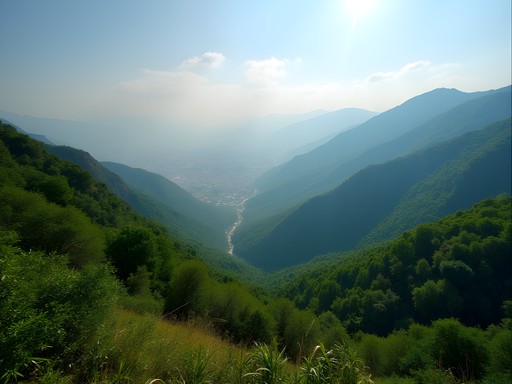
The sun was just beginning to cast long shadows across the rolling pampas when I first arrived in Melo, a place that feels worlds away from Uruguay's more frequented coastal destinations. As someone who's spent years seeking authentic cultural experiences, I've grown weary of the Instagram-perfect locations that often sacrifice soul for aesthetics. Melo, the capital of the Cerro Largo department in northeastern Uruguay, offers something increasingly rare in our hyper-connected world: genuine gaucho traditions that haven't been packaged and sanitized for mass tourism. This modest city of roughly 50,000 residents sits just 60 kilometers from the Brazilian border, creating a fascinating cultural blend while maintaining deep roots in Uruguay's rural heritage. What began as a professional research trip quickly evolved into one of the most immersive cultural weekends I've experienced in South America—a journey into the heart of gaucho country where the rhythm of life still moves to the ancient cadence of horseback and campfire.

Understanding Gaucho Heritage in Uruguay's Interior
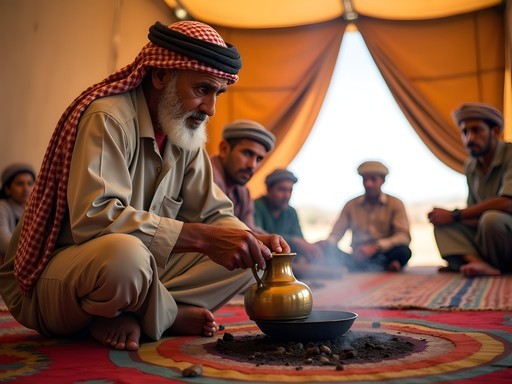
While most travelers to Uruguay flock to Montevideo's colonial charm or Punta del Este's glittering coastline, the country's soul has always resided in its interior. The gauchos—those skilled horsemen who have become synonymous with the South American pampas—aren't folklore characters here; they're your neighbors, your guides, and often, by the end of your stay, your friends.
Melo serves as an unassuming gateway to this heritage. Unlike Argentina, where gaucho culture has been more aggressively commercialized, Uruguay's approach feels refreshingly authentic. During my visit, I stayed at Estancia El Ceibo, a working ranch about 30 minutes outside Melo that offers visitors a chance to experience gaucho life firsthand.
The estancia's fifth-generation owner, Carlos, explained how gaucho traditions have evolved while maintaining their essence. 'The tools might change, but the connection to the land and the animals remains the same,' he told me as we watched ranch hands work with a precision born from centuries of tradition.
What struck me most was how the gaucho identity transcends mere occupation—it's a philosophy, an approach to life that values self-reliance, hospitality, and harmony with nature. In an era of digital distraction, there's something profoundly grounding about witnessing this continuity of culture.
💡 Pro Tips
- Learn a few basic Spanish phrases before visiting, as English is limited outside tourist areas
- Respect the gaucho dress code if participating in traditional activities (long pants, closed shoes)
- Ask permission before photographing working gauchos—respect their craft
Horseback Adventures Through the Pampas
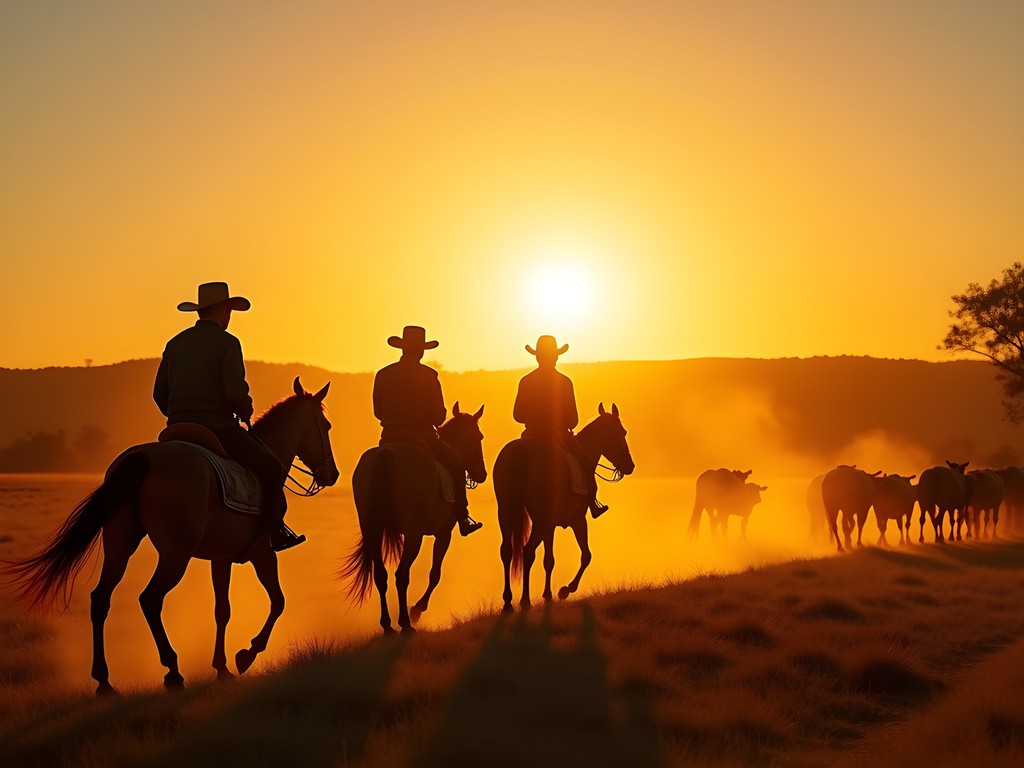
There's simply no way to appreciate gaucho culture without experiencing the landscape as they do—from horseback. While I've ridden in various destinations around the world, from Morocco's Atlas Mountains to Wyoming's ranches, the horseback experience in Melo has a distinctive character.
The Criollo horses used in the region are remarkably sturdy and sure-footed, descendants of horses brought by Spanish conquistadors that have adapted perfectly to the rolling terrain of the pampas. What impressed me most was how the relationship between gaucho and horse feels less like master and animal and more like a partnership built on mutual respect.
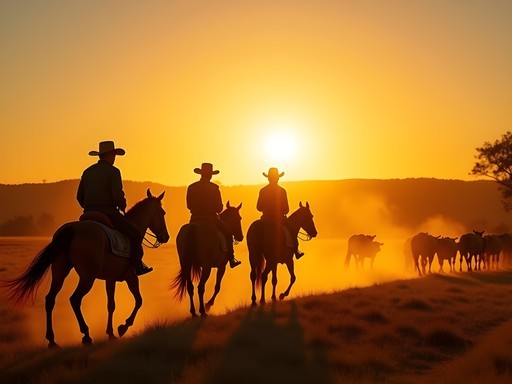
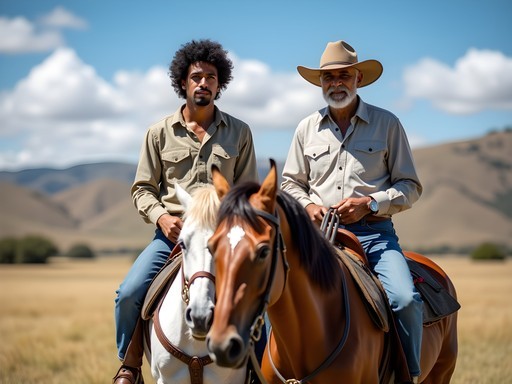
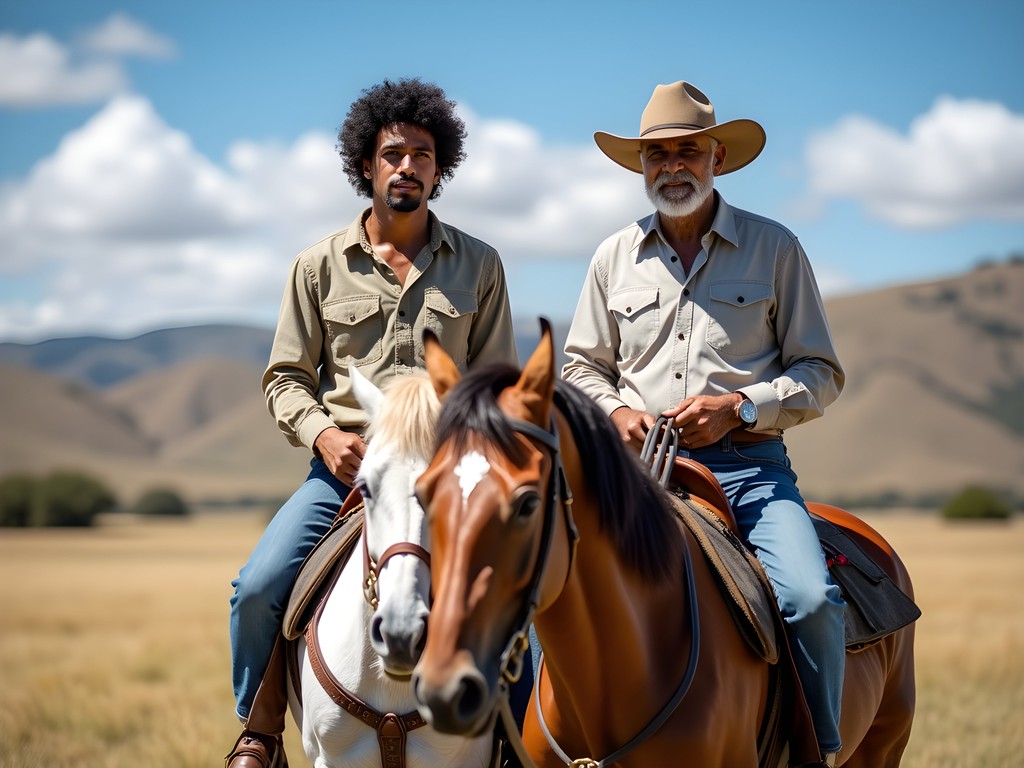
I booked a full-day ride through Turismo Rural Uruguay, which paired our small group with Don Pedro, a 72-year-old gaucho whose weathered face told stories before he even spoke. As we rode through the undulating grasslands, crossing streams and navigating gentle hills, Don Pedro pointed out native plants, shared traditional gaucho remedies, and demonstrated the art of tracking cattle.
For those planning similar excursions, I'd recommend investing in a quality wide-brimmed hat before your trip. The Uruguayan summer sun is unforgiving, and the traditional gaucho hats (while authentic) aren't typically available in sizes that fit non-locals. My Tilley hat has accompanied me across five continents and provided essential protection during our eight-hour ride.
The day culminated in a stream-side lunch where Don Pedro prepared a traditional asado using nothing more than a knife that's likely older than I am and an intuitive understanding of fire that made me question everything I thought I knew about grilling meat.
💡 Pro Tips
- Book horseback excursions at least 2-3 days in advance, especially during summer months
- Wear long pants and closed-toe shoes, even in warm weather
- Bring cash for tips as credit cards aren't widely accepted in rural areas
The Art of the Uruguayan Asado
If horseback riding is the soul of gaucho culture, then the asado (barbecue) is unquestionably its heart. Unlike the quick-cooking methods popular in North America and Europe, the Uruguayan asado is a slow, almost meditative process that transforms cooking into a social ritual.
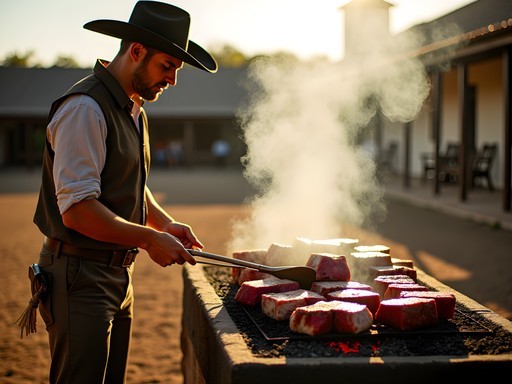
During my stay, I was fortunate to participate in several asados, each offering insights into this cornerstone of Uruguayan cultural identity. At Estancia El Ceibo, the asado began mid-morning with the careful building of the fire. 'The wood is as important as the meat,' explained Martín, the estancia's asador (grill master), as he selected specific hardwoods for their burning properties.
What followed was a masterclass in patience. The meat—primarily cuts unfamiliar to most North Americans like vacío (flank), asado de tira (short ribs), and matambre (flank steak)—was seasoned only with coarse salt before being arranged at varying distances from the coals. No marinades, no fancy rubs—just quality meat, fire, and time.
The most remarkable aspect was how the asado transformed the social dynamics of our group. As we gathered around the fire, drinking mate (the traditional herbal tea that deserves its own dedicated post) and watching Martín work, conversations deepened and cultural barriers dissolved. By the time we sat down to eat—some three hours after preparations began—we were no longer tourists and hosts but simply people sharing food and stories.
For those looking to recreate a bit of this experience at home, I've found that a traditional mate set makes both an authentic souvenir and a wonderful way to incorporate a small gaucho ritual into daily life. The communal sharing of mate mirrors the community spirit that makes the asado so special.

💡 Pro Tips
- Don't rush an asado—plan at least 3-4 hours for the full experience
- Learn the basic etiquette of mate drinking before participating
- Vegetarians should notify hosts in advance, as traditional asados are very meat-centric

The Patria Gaucha Festival Experience
My visit to Melo fortuitously coincided with a smaller regional version of Uruguay's famous Patria Gaucha festival. While the main festival occurs in Tacuarembó each March, many Uruguayan towns host their own celebrations of gaucho heritage throughout the summer months.
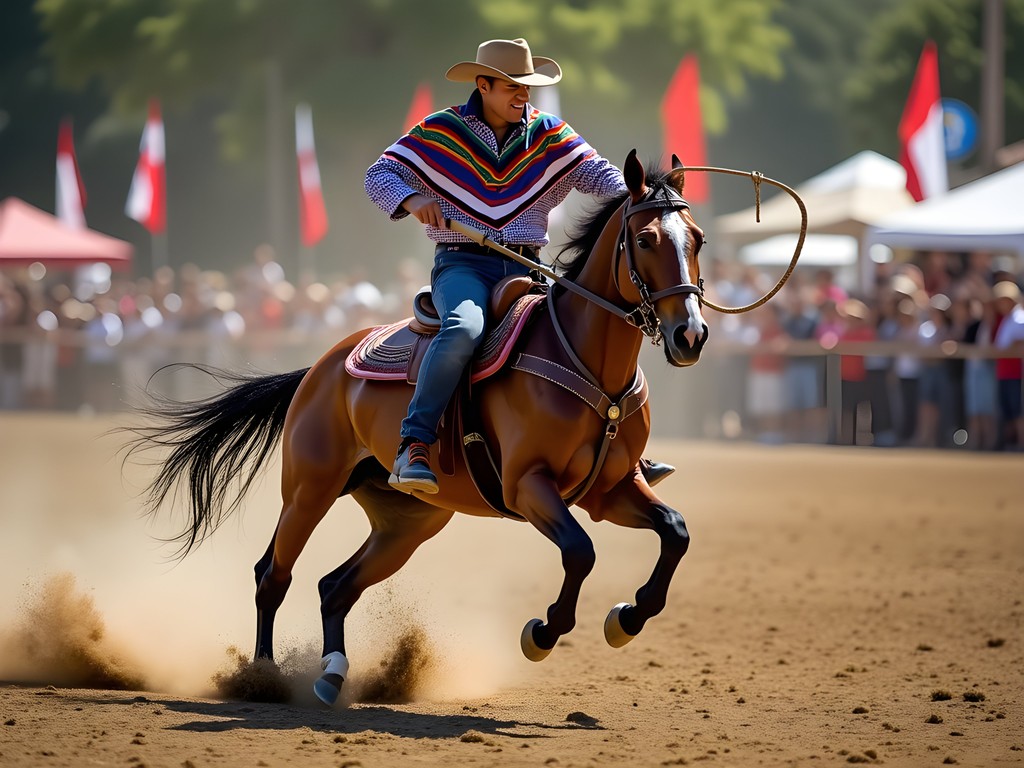
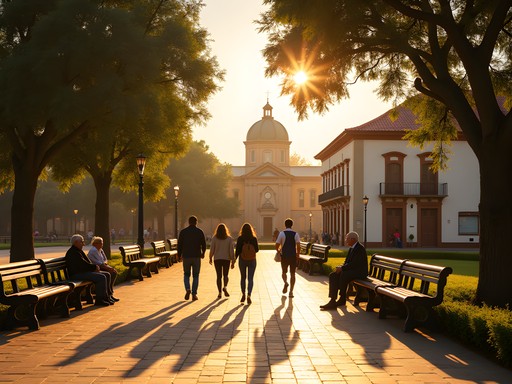
The festival transformed Melo's usually quiet central plaza into a vibrant showcase of rural traditions. Families arrived on horseback dressed in their finest traditional attire—men in bombachas (loose-fitting trousers), women in flowing dresses with intricate embroidery. The level of horsemanship on display was staggering, from children barely old enough to walk confidently managing their ponies to elderly gauchos performing riding tricks that seemed to defy physics.
What makes these festivals particularly special is their authenticity—they aren't staged for tourists but are genuine community celebrations. I was one of only three obvious foreigners in attendance, yet was welcomed warmly at every turn. An elderly woman named Elena insisted I try her homemade tortas fritas (fried bread), while a group of young gauchos invited me to join their mate circle.
The competitions were the highlight—displays of traditional skills like horse breaking, lassoing, and the breathtaking sortija, where riders at full gallop attempt to spear a small ring with a thin stick. These aren't recreations of lost arts but demonstrations of skills still used daily on working ranches.
For photography enthusiasts, these festivals offer incredible opportunities. I captured some of my best shots using my telephoto zoom lens, which allowed me to capture authentic moments without being intrusive. The combination of colorful traditional clothing, skilled horsemanship, and genuine emotion made for compelling images that have become some of my most treasured travel memories.
💡 Pro Tips
- Check local event calendars as smaller festivals often aren't advertised internationally
- Bring cash for food vendors and artisans selling traditional crafts
- Respect photography etiquette—ask permission when taking close-up portraits
Connecting with Local Artisans and Craftspeople
Beyond the dramatic displays of horsemanship and culinary traditions, Melo offers visitors a chance to appreciate the material culture that has developed around gaucho life. The craftsmanship I encountered was all the more impressive for being functional rather than merely decorative.
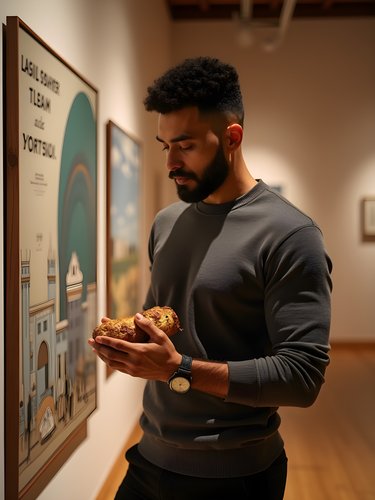
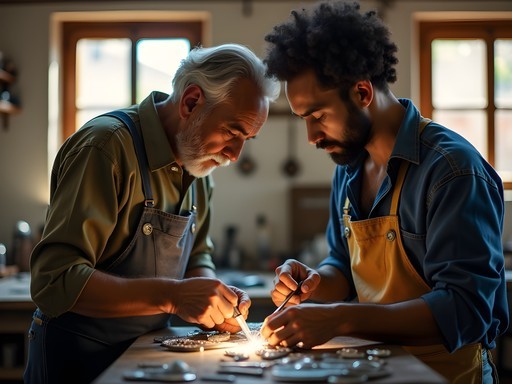
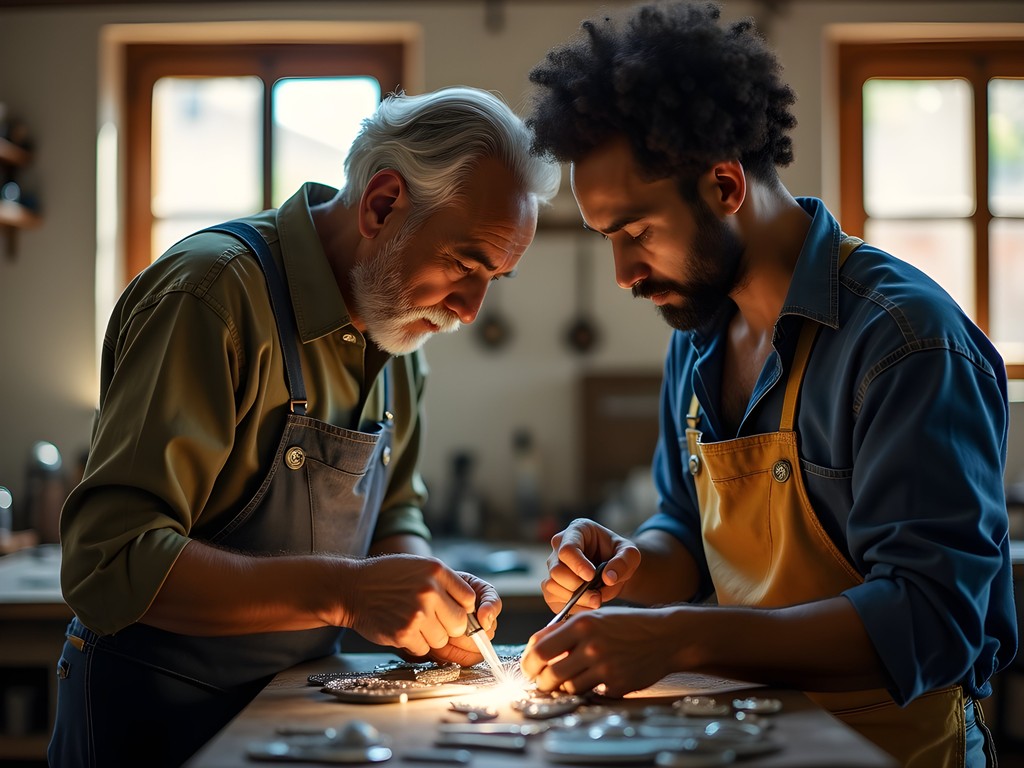
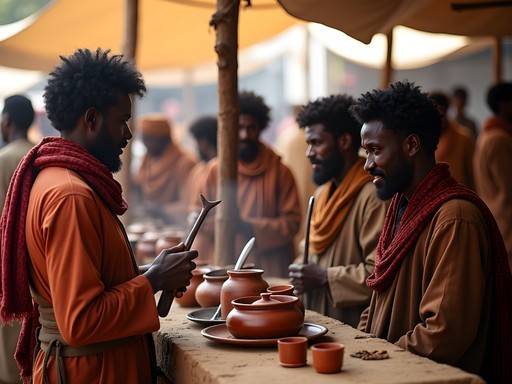
I spent a fascinating afternoon at the workshop of Don Raúl, a third-generation silversmith who creates traditional gaucho knife handles, mate bombillas (metal straws), and belt buckles. Using techniques passed down through generations, he transforms silver into intricate pieces that tell stories of the pampas. What struck me most was how each piece reflected both tradition and the individual artisan's creativity—innovation within a framework of heritage.
Similarly, the leather workshops around Melo showcase a level of skill that comes from necessity. Gaucho equipment—from saddles to the distinctive facón knives they carry—must withstand harsh conditions and daily use. At Taller del Cuero, I watched artisans hand-stitch leather using techniques virtually unchanged for centuries. The owner, Sebastián, explained how different leathers are selected for specific purposes and demonstrated the patient process of creating a traditional gaucho belt.
For travelers looking for authentic souvenirs, these workshops offer items of genuine cultural significance and exceptional quality. I purchased a leather mate gourd case that has since become one of my most treasured travel mementos. Unlike mass-produced souvenirs, these handcrafted items connect you directly to the artisans and their traditions.
Many workshops welcome visitors, though it's best to arrange visits through your accommodation as formal opening hours are rare. What these experiences lack in convenience, they more than make up for in authenticity and the opportunity to support traditional crafts directly.
💡 Pro Tips
- Bring USD or Uruguayan pesos as most artisans don't accept credit cards
- Allow plenty of time for workshop visits as they often include lengthy conversations and mate sharing
- Learn basic leather and silver care to preserve your purchases
Final Thoughts
As my weekend in Melo drew to a close, I found myself reluctant to leave this corner of Uruguay that had so thoroughly captivated me. In an age where authentic cultural experiences are increasingly commodified and packaged for mass consumption, Melo stands as a refreshing reminder that genuine traditions still thrive when they remain rooted in community rather than tourism. The gaucho culture I encountered wasn't preserved like a museum exhibit but lived daily with pride and practicality. For travelers willing to venture beyond Uruguay's more established destinations, Melo offers something increasingly precious: a culture that welcomes visitors without performing for them. Whether you're galloping across the pampas, sharing mate around an asado, or admiring the skilled craftsmanship of local artisans, Melo invites you to participate rather than merely observe. And isn't that the essence of meaningful travel? I'll be back, Melo—until then, keep those traditions alive.
✨ Key Takeaways
- Melo offers authentic gaucho culture experiences largely untouched by mass tourism
- Participating in traditional activities like horseback riding and asados provides deeper cultural understanding than observation alone
- Local festivals showcase genuine community traditions rather than performances staged for tourists
- Supporting local artisans helps preserve traditional crafts and provides meaningful souvenirs
📋 Practical Information
Best Time to Visit
December through March (summer)
Budget Estimate
$75-150 USD per day including accommodation, activities and meals
Recommended Duration
2-3 days minimum, ideally a long weekend
Difficulty Level
Easy To Moderate (Some Activities Require Basic Fitness)


Comments
citybuddy
Adding this to my bucket list for sure!
vacationmaster
How did you get there from Montevideo? Rental car or bus?
Sophia Gomez
This is exactly the kind of authentic cultural immersion I've been craving. I've been doing too many business trips to the usual spots and honestly feeling a bit burnt out on cookie-cutter hotel experiences. The Patria Gaucha Festival sounds incredible - I looked it up and it's happening again this March. For anyone planning to go, I'd recommend booking accommodations way in advance. These smaller towns fill up fast during festivals. Also, brushing up on your Spanish would be helpful since this isn't a tourist-heavy area. Thanks for putting Melo on my radar, Timothy!
tripmate
Good tip about Spanish! Is it hard to get around without it?
Sophia Gomez
From what I've researched, you'll definitely want at least basic phrases. Not like Buenos Aires where everyone speaks some English.
coolway
The sunset photo is incredible!
hikingmate
Going there in March!! Do you need riding experience for the horseback tours?
Casey Andersson
Timothy, this really resonates with me! I spent three days in the gaucho heartland near Tacuarembó last year and had a similar experience - that sense of stepping back in time is profound. The asado tradition especially captivated me; watching the asador tend the fire for hours with such patience and precision felt almost meditative. Did you get to stay at any of the estancias? I found the accommodations surprisingly luxurious while still maintaining complete authenticity. The stories shared around the fire after dinner were honestly some of the most memorable moments of my entire South American journey.
vacationmaster
How much did the estancia stay cost? Trying to budget for next year
citybuddy
Wow this looks amazing!! Never even heard of Melo before
tripmate
Same! I thought Uruguay was just beaches and Montevideo lol
Robert Moreau
Fantastic post, Timothy. Melo is exactly the kind of destination that reminds us why we travel - to connect with cultures that haven't been homogenized by mass tourism. I had a similar experience at an estancia outside Salto last spring. The gaucho who guided our ride had hands like leather and could tell stories for hours. One thing I'd add for anyone planning to visit: bring layers. The temperature swings on the pampas can be dramatic, especially if you're there for sunrise rides. Also, a good camera really helps capture those golden hour moments across the grasslands - the light out there is absolutely magical.
redbuddy
Love this! I did something similar in the pampas of Argentina near San Antonio de Areco a few years back. Stayed at a working estancia and learned to ride gaucho-style, which is way different than what I learned as a kid. The horsemanship these guys have is unreal. Your photos of the Patria Gaucha festival look incredible - that's definitely bucket list material. Did you stay at an estancia or in town? I'm trying to figure out the best way to experience this without breaking the bank.
journeymaster
Would love to know about accommodation too!
explorechamp
Going to Uruguay in March! Is Melo safe for solo travelers?
Venture X
Premium card with 2X miles, $300 travel credit, Priority Pass