
Disclosure: This article contains affiliate links. We may earn a commission from purchases at no extra cost to you, which helps our travel content.
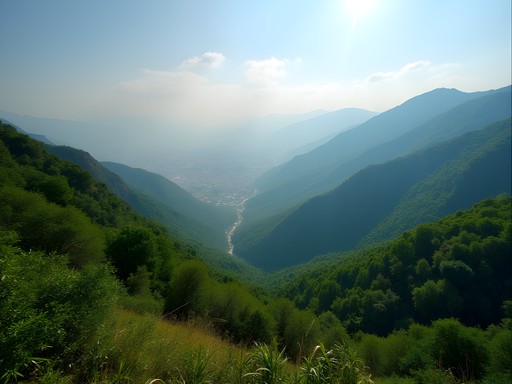
At 62, I've learned that the most valuable travel experiences rarely come with a premium price tag. My recent autumn sojourn to Liberta, a modest village nestled in Antigua's southern hills, confirmed this wisdom yet again. After three decades scrutinizing municipal budgets, I've developed a knack for uncovering value—whether in city planning or travel experiences. Liberta isn't featured in glossy brochures or luxury travel itineraries, and that's precisely its charm. This unassuming community of roughly 2,500 residents offered me an unfiltered glimpse into authentic Antiguan life that no resort experience could match. With my trusty weathered notebook (the same kind I used for budget analyses in my previous life) and a modest weekly budget of $400, I navigated Liberta's vibrant streets, markets, and homes—charting a course through cultural waters as rich and complex as the marine ecosystems I've explored in my underwater adventures across Southeast Asia.

Finding Authentic Accommodation in Liberta
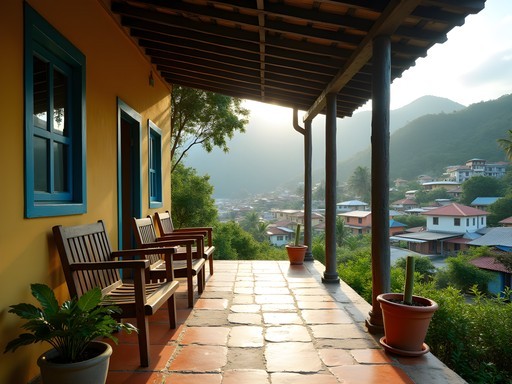
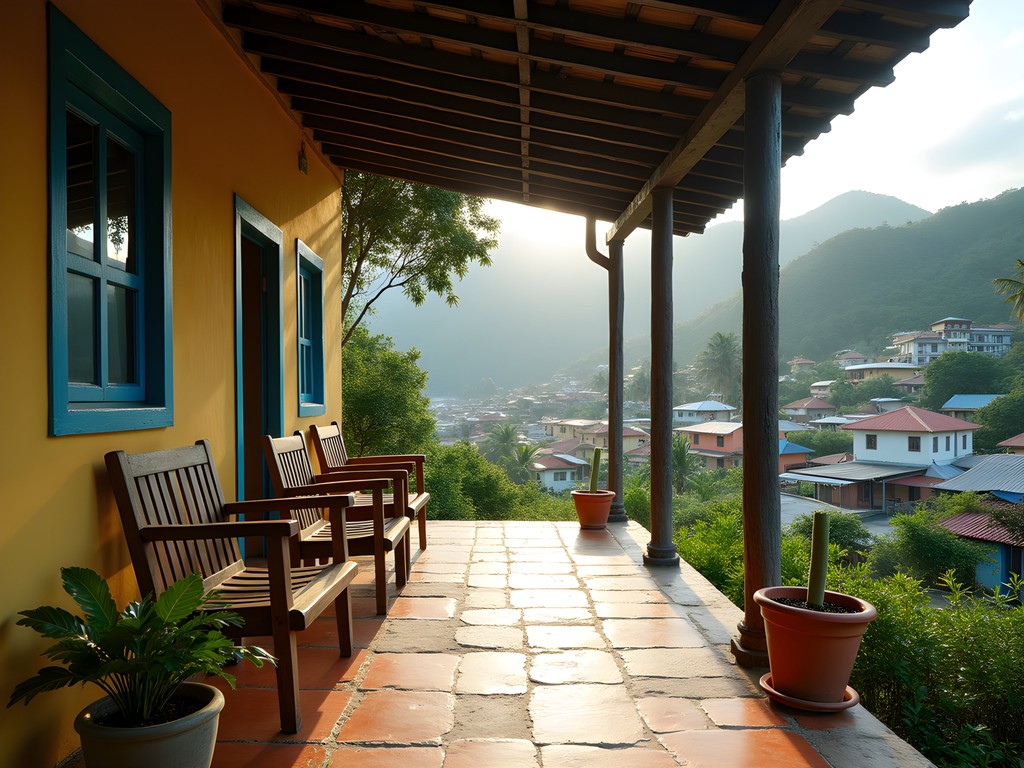
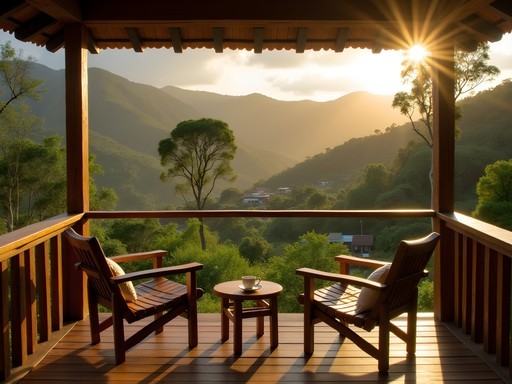
Securing lodging in Liberta requires abandoning the convenience of online booking platforms and embracing the old-fashioned approach of personal connections. After extensive research and email exchanges with the local community center, I arranged a homestay with Ms. Elfreda, a 73-year-old retired schoolteacher whose modest concrete home sits on a hillside overlooking the village center.
At $35 per night including breakfast, this arrangement wasn't just economical—it was the cornerstone of my cultural immersion. Ms. Elfreda's spare bedroom was simple but immaculately maintained, with louvered windows that caught the hillside breeze, eliminating any need for air conditioning. Each morning began with her homemade bush tea, often accompanied by traditional Antiguan breakfast items like saltfish and chop-up (a mixture of spinach, eggplant, and okra).
What no luxury hotel could provide was the wealth of local knowledge and connections that came with this arrangement. Through Ms. Elfreda, I was introduced to her extended family network, invited to a church service where I was the only visitor, and given detailed instructions on navigating local transportation.
Before settling in, I made sure to have a good supply of Eastern Caribbean dollars and a reliable travel water bottle that saved me countless dollars while keeping plastic waste to a minimum. The tap water in Liberta isn't recommended for visitors, and this bottle's built-in filter proved invaluable throughout my stay.
💡 Pro Tips
- Email the Liberta Community Centre at least two months in advance to inquire about homestay opportunities
- Bring a small gift from your home country for your host family—I brought specialty coffee from Japan which was greatly appreciated
- Request a room with good natural ventilation, as few local homes have air conditioning
Navigating the Village Economy
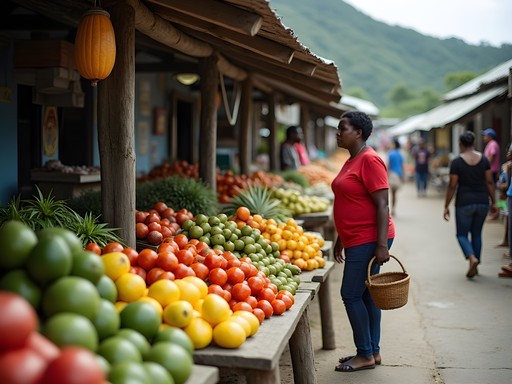
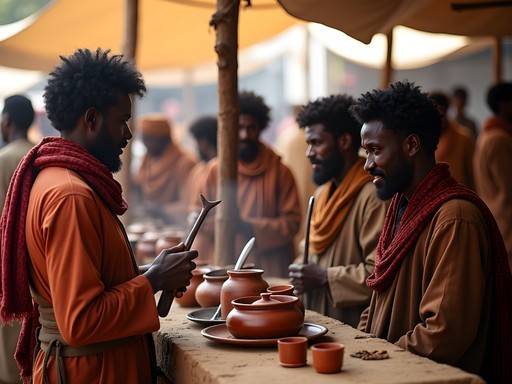
The heartbeat of Liberta's economy pulses strongest on Saturday mornings when the village market transforms the main road into a vibrant tableau of commerce. Unlike the sanitized shopping experiences curated for tourists elsewhere on the island, this market operates primarily for locals—prices reflect actual economic conditions rather than visitor expectations.
I arrived at 6:30 AM, following Ms. Elfreda's advice, to witness vendors arranging their goods in the golden morning light. Armed with a woven market bag purchased for $4 from a roadside vendor (a better investment than any souvenir), I navigated the stalls with the same methodical approach I once applied to municipal budget reports.
The financial analyst in me couldn't help but compare: a pound of fresh mangoes cost $1.50 here versus $8 at the resort markets near St. John's. Local fishermen sold their morning catch directly to consumers, eliminating middlemen and keeping prices reasonable. For approximately $25, I purchased enough provisions to contribute to household meals for several days—a gesture that Ms. Elfreda appreciated and that deepened my integration into her home.
Beyond the market, Liberta's small rum shops and village eateries offered exceptional value. At Auntie Pearl's kitchen, a modest establishment with three plastic tables near the cricket grounds, $7 secured a hearty plate of curry goat, rice and peas, and fresh vegetables—easily the equal of meals costing five times as much at coastal establishments.
To track my expenses efficiently, I relied on my travel wallet which kept my cash, cards, and small notebook organized and secure. When you're moving between market stalls with local currency, having a discreet, hands-free solution proves invaluable.

💡 Pro Tips
- Visit the market early (before 7 AM) for the freshest produce and seafood
- Bring small denominations of Eastern Caribbean dollars—vendors rarely have change for large bills
- Ask permission before photographing market vendors or their goods
Community Integration Through Shared Activities
The analytical mind seeks patterns, and in Liberta, I quickly identified the community rhythms that would allow me to move beyond tourist status. The village operates on a social calendar centered around three primary gathering points: the cricket grounds, the Methodist church, and the community center.
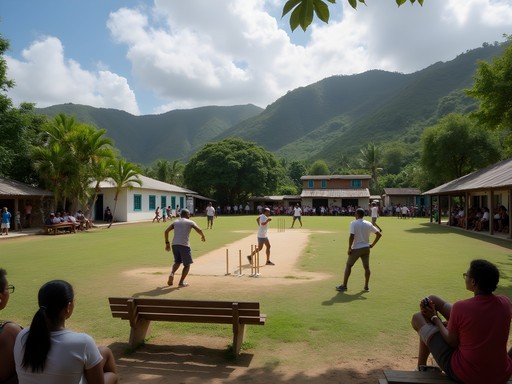
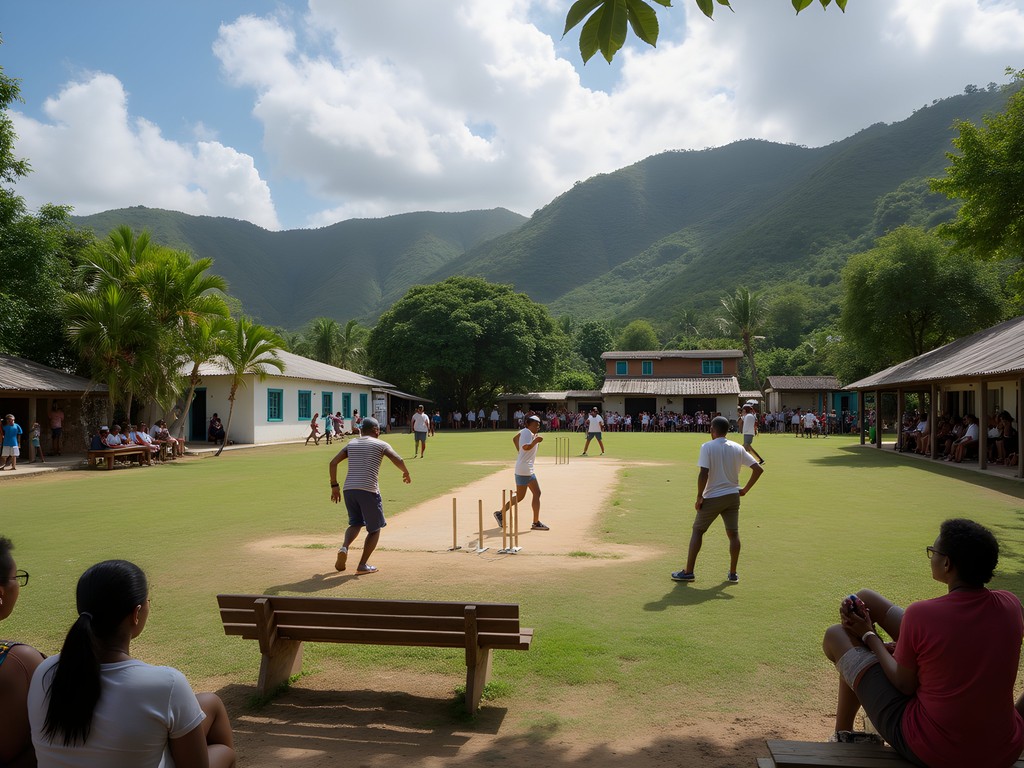
My first breakthrough came through cricket—a sport I barely understood before arriving. Each Sunday afternoon, an informal match draws players and spectators from across the village. After observing from the sidelines for two weekends, I was invited to join—not as a player (my baseball-trained swing was deemed hopeless), but as a scorekeeper. This simple role provided a legitimate place in the community tableau and opened conversations that would have been impossible otherwise.
The Liberta Community Centre hosts various weekly activities, from dominoes tournaments (fiercely competitive affairs where I lost spectacularly but gained respect for participating) to community meetings. For a $5 donation, I attended a workshop on traditional Antiguan cooking techniques, where I learned to prepare fungi (a cornmeal-based side dish similar to polenta) and pepper pot, a hearty stew with roots in indigenous cuisine.
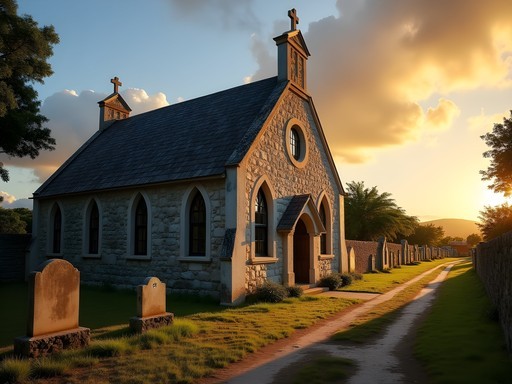
Religious services, whether or not you share the faith, offer another avenue for community connection. The Sunday morning service at Liberta Methodist Church welcomed me warmly, and the two-hour ceremony provided insights into community values, concerns, and celebrations that no guidebook could capture.
For these community activities, I found my quick-dry travel pants to be perfect—respectful enough for church yet practical for cricket grounds and cooking classes. Their hidden zippered pocket kept my small valuables secure while leaving my hands free to engage in community activities.
💡 Pro Tips
- Attend at least one religious service, even if you're not religious—it's a window into community values
- Learn basic cricket rules before visiting to facilitate conversations with locals
- Offer to help with community activities rather than just observe them

Cultural Exchange Through Food and Stories
In my travels across four continents, I've found that shared meals create the shortest distance between cultural understanding. Liberta proved this theory correct once again. Rather than simply consuming local cuisine as a tourist, I sought opportunities to participate in its creation and context.
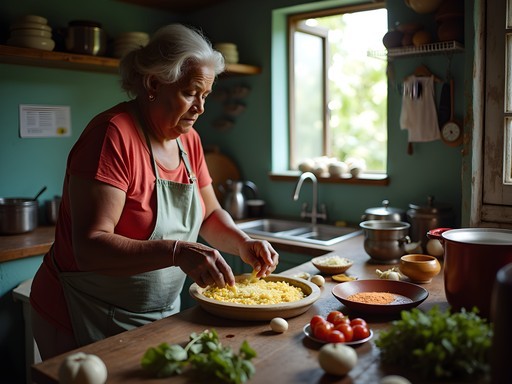
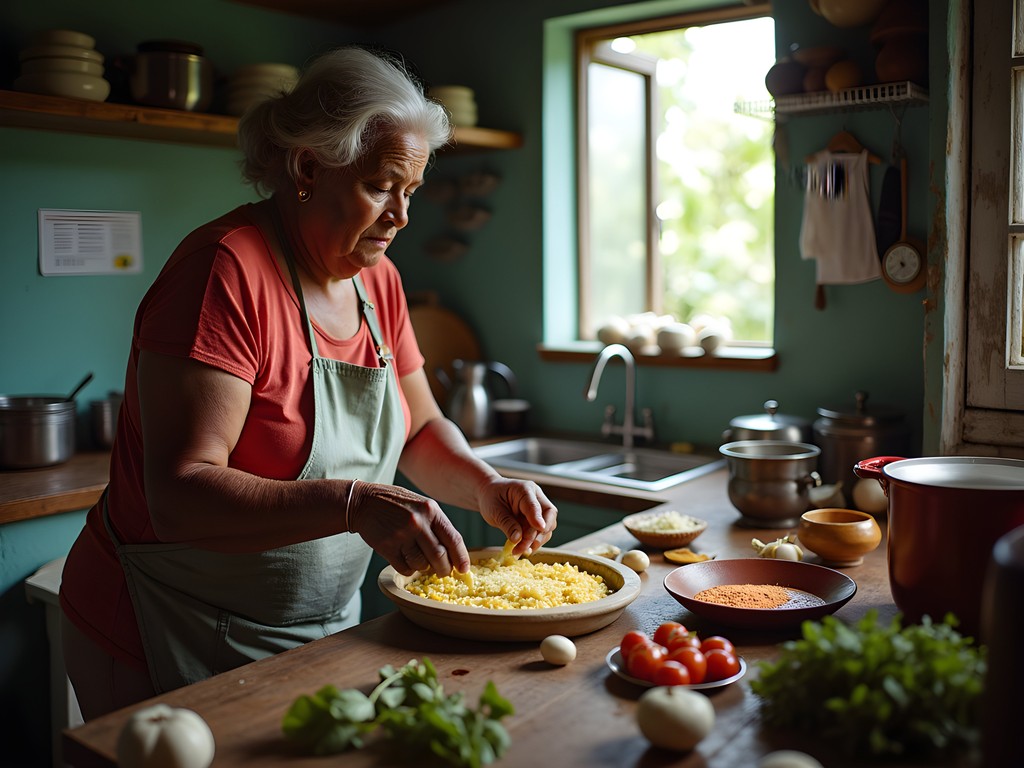
Ms. Elfreda introduced me to her sister-in-law, Veronica, who operates an informal cooking class from her home kitchen. For three afternoons ($15 per session), I joined two local women and Veronica in preparing traditional Antiguan dishes. We moved beyond the tourist-friendly versions of these recipes to create authentic ducana (sweet potato dumplings wrapped in banana leaves), salt fish fritters, and goat water (a hearty stew that predates European colonization).
The kitchen became a natural setting for stories that revealed Liberta's complex history. As we chopped vegetables and kneaded dough, Veronica shared narratives passed through generations—tales of the village's founding by formerly enslaved people after emancipation in 1834, the community's struggles during economic downturns, and the evolving relationship between traditional village life and the growing tourism industry on the coast.
These cooking sessions yielded more than culinary skills. They provided a framework for understanding how Antigua's complex history of colonization, slavery, and independence manifests in daily village life. The recipes themselves told stories of cultural resilience, adaptation, and creativity under constraint.
I documented these recipes and stories in my weatherproof travel journal, which proved invaluable during cooking sessions where spills and splashes were inevitable. This durable notebook has accompanied me through diving expeditions and rainy highway journeys, but recording these culinary traditions may be its most valuable use yet.
💡 Pro Tips
- Ask about ingredients before committing to cooking classes if you have dietary restrictions
- Bring small denomination bills to pay for informal cooking lessons
- Request permission before writing down family recipes—some may be considered proprietary
Venturing Beyond the Village
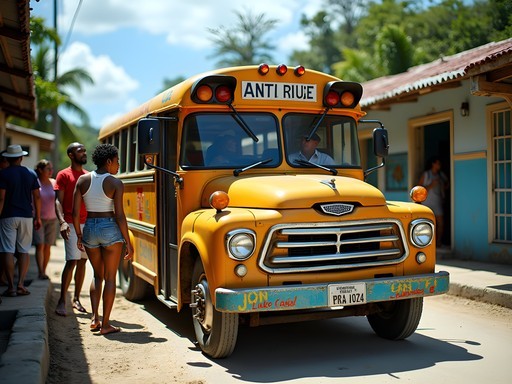
While Liberta itself offers rich cultural immersion, understanding its context requires strategic excursions to surrounding areas. Rather than hiring taxis or joining tour groups, I navigated the local transportation network—a system of informal minibuses that connect villages across the island.
The #17 bus (really a 15-passenger van) connects Liberta to St. John's, the capital city, for $2.50 each way. These buses depart when full rather than on a fixed schedule, offering an authentic glimpse into local transportation rhythms. Fellow passengers quickly recognized me as the village's temporary resident, leading to conversations that provided context for understanding Liberta's place within broader Antiguan society.
A particularly valuable excursion was to the former Betty's Hope sugar plantation, now an open-air museum. The $5 entrance fee grants access to restored sugar mills and exhibits documenting the plantation economy that shaped Antigua's history. Understanding this historical context illuminated many aspects of contemporary village life in Liberta, which was established as a free settlement after emancipation.
Another worthwhile journey was to Wallings Nature Reserve, just a 30-minute walk from Liberta's center. This community-managed forest reserve charges $10 for guided hikes, with proceeds supporting local conservation efforts. My guide, Marcus, combined botanical knowledge with personal stories of growing up in Liberta, creating a narrative thread between the natural environment and cultural practices.
For these excursions, my compact binoculars proved invaluable. Lightweight enough to carry all day, they allowed me to observe details at Betty's Hope and spot native birds at Wallings that would have otherwise remained distant specks. They've accompanied me from highway journeys across America to marine mammal watching in Southeast Asia, and continue to enhance my travel experiences in unexpected ways.

💡 Pro Tips
- Board local buses early in the morning to avoid long waits for vehicles to fill
- Ask your host about bus hand signals—different destinations require different gestures
- Bring exact change for bus fares as drivers rarely provide change for large bills
Final Thoughts
As I packed my modest belongings on my final morning in Liberta, Ms. Elfreda presented me with a small jar of her homemade mango chutney—a parting gift that embodied the essence of my week in this remarkable community. The true value of this Antiguan sojourn cannot be calculated in the ledger books I once maintained as a budget analyst. Instead, it's measured in the authentic connections formed, the cultural understanding deepened, and the personal growth achieved. For approximately $400 (excluding flights), I experienced an Antigua that remains invisible to those confined to resort properties and curated excursions. Whether you're a solo traveler seeking cultural authenticity or simply someone who believes that understanding a place requires more than observing it through a tour bus window, Liberta offers a rich alternative to conventional Caribbean tourism. The village asks only that you arrive with respect, patience, and genuine curiosity—the same qualities that serve us well whether navigating foreign cultures or simply living more meaningfully in our own.
✨ Key Takeaways
- Authentic cultural immersion in Antigua costs significantly less than resort-based tourism while providing deeper connections
- Local transportation, community activities, and homestays provide the most direct path to genuine cultural understanding
- Participating in daily village life—from markets to cooking to community events—creates meaningful connections impossible to achieve as a passive observer
- Respectful curiosity and willingness to adapt to local customs opens doors that remain closed to conventional tourists
📋 Practical Information
Best Time to Visit
October-November (after hurricane season, before peak tourist influx)
Budget Estimate
$400-500 for one week excluding flights
Recommended Duration
Minimum 5 days, ideally 7-10 days
Difficulty Level
Beginner
Comments
wanderlustgal
Going to Antigua in October! How much did you budget per day for this kind of stay?
John Hart
Accommodation was about $35/night, meals maybe $15-20 if eating locally. So roughly $50-60/day total. Far less than resort areas.
wanderlustgal
That's amazing!! Thank you so much!
springwanderer
YES YES YES! This is exactly the kind of travel I live for!! I did something similar in rural Jamaica and it completely changed how I travel. The mango chutney detail at the end got me emotional honestly. Those genuine connections are what it's all about. Did you participate in any church services? In my experience that's often a beautiful way to connect with Caribbean communities.
blueperson
How did you find Ms. Elfreda's place? Can't find it on Airbnb or anything.
John Hart
I asked at the local shop when I arrived. These accommodations don't advertise online—word of mouth is everything. Just show up and ask around respectfully.
blueperson
That's nerve-wracking but exciting! Thanks
Mason Ferrari
John, this resonates deeply with my own philosophy of slow travel. I spent three weeks in a similar village setting in Dominica last year, and the economic dynamics you describe are spot-on. The key is understanding that "budget travel" in these contexts isn't about being cheap—it's about participating authentically in the local economy. Your point about Ms. Elfreda's guesthouse versus the resort experience perfectly captures what I try to convey to readers. Did you find language barriers at all, or was English prevalent enough for deeper conversations? I'm considering Antigua for a future trip and would love to know more about the practical aspects of daily integration.
John Hart
Mason, English is the official language so communication was seamless. The real barrier wasn't language but earning trust—that took about 4-5 days of consistent presence and genuine interest. The village has its rhythms, and you need to respect them.
oceanblogger
We did something similar in St. Lucia a few years back and it was amazing. Stayed in a small fishing village and the family we rented from invited us to everything - church on Sunday, a cousin's birthday party, even helped us fix our rental car when it broke down. Cost us maybe $35/night for a basic room but the experiences were priceless. Your post is making me want to explore more of the Caribbean islands this way. Did you rent a car or use local transportation in Liberta?
waveking
This sounds amazing! Never heard of Liberta before.
springwanderer
Right?? Most people just hit English Harbour and miss the real Antigua!
dreamlife
How did you find Ms. Elfreda's place? Was it through Airbnb or just word of mouth when you arrived?
sunnyking
Yeah I'm wondering this too. Always hard to find these authentic spots online.
Jean Wells
John, your approach to Liberta mirrors my own philosophy when traveling solo. I spent three weeks in a small village outside Kyoto last year doing exactly this - staying with locals, shopping at neighborhood markets, participating in daily routines. The economic aspect you mentioned is fascinating. I'm curious about the accommodation costs you encountered in Liberta compared to the resort areas? In rural Japan, I found staying with families was not only more authentic but often 40-50% cheaper than even basic hotels. The food exchange through Ms. Elfreda's cooking sounds wonderful - those are the moments that define a journey.
dreamlife
Would love to hear about the costs too! Planning a trip for next year.
sunnyking
This is exactly the kind of travel I love! Real people, real experiences.
oceanblogger
Same here! So tired of the tourist trap stuff.
skywanderer
The photos of Liberta are gorgeous! So much greener than I expected!
Venture X
Premium card with 2X miles, $300 travel credit, Priority Pass