


Disclosure: This article contains affiliate links. We may earn a commission from purchases at no extra cost to you, which helps our travel content.
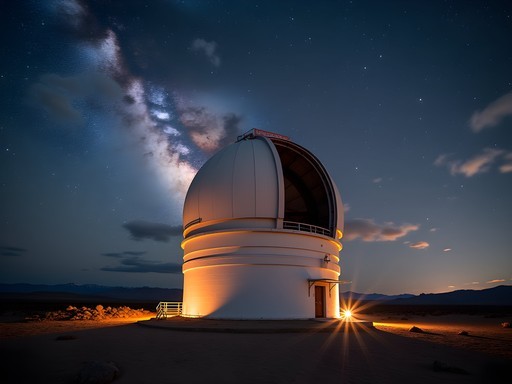
Standing on the observatory platform at Cerro Mamalluca, I felt the same rush of adrenaline that occasionally hits me in the ER—that moment when chaos resolves into clarity. But instead of interpreting EKG readings, I was witnessing the Milky Way unfold above Chile's Elqui Valley with unprecedented clarity. La Serena had been my first international rotation during medical school nearly two decades ago, and returning to this coastal gem in Chile's Norte Chico region felt like revisiting an old patient whose case had profoundly shaped my practice. The city has evolved, much like my own journey from eager medical student to seasoned emergency physician, but its soul—colonial architecture, mystical valleys, and some of the clearest skies on Earth—remains gloriously intact. This fall, I carved out a week between shifts to rediscover La Serena's cultural tapestry, finding that like any good medical assessment, the most revealing insights come not from cursory observation but from methodical immersion in its rhythms, flavors, and traditions.

Astronomical Wonders: La Serena's Gateway to the Cosmos
The Elqui Valley's designation as the world's first International Dark Sky Sanctuary isn't just astronomical hyperbole—it's empirically verifiable excellence. Having witnessed trauma cases under the harsh fluorescents of emergency departments worldwide, the contrast of observing celestial bodies under La Serena's pristine dark skies provides a recalibration of perspective that borders on therapeutic.
During my rotation years ago, I'd visited the public observatories as a budget-conscious student. This time, I invested in a private tour at Observatorio del Pangue, where the 25-inch telescope revealed Saturn's rings with the same crisp definition as a well-executed surgical incision. The experience costs approximately 45,000 CLP ($60 USD), but the scientific precision of the guides and the absence of crowds makes it worth every peso.
For those seeking both astronomical insight and photographic evidence of your cosmic journey, I recommend bringing a travel tripod. Mine proved invaluable for capturing long-exposure shots of star trails above the valley's silhouette, creating images that now hang in my home office as a reminder that both medicine and astronomy require patience, precision, and perspective.
Most observatories offer tours in Spanish and English, but booking at least two weeks in advance is essential, particularly during new moon phases when visibility peaks and demand surges like a Saturday night in the ER.

💡 Pro Tips
- Book observatory tours 2-3 weeks in advance, especially during new moon periods
- Bring layers—temperatures drop dramatically after sunset, even in fall
- Consider a private tour if you're serious about astronomy—the personalized guidance is worth the premium
The Alchemy of Pisco: Distillery Tours with Depth
The relationship between pisco and Chile is not unlike that between a physician and their specialty—deeply rooted in tradition yet constantly evolving through innovation. The Elqui Valley's terroir—with its dramatic diurnal temperature variations and mineral-rich soil—creates ideal conditions for the Muscat grapes that become Chile's national spirit.
My analytical approach to emergency medicine translates well to appreciating distillation processes, where precision determines quality. At Destilería Mistral, approximately 45 minutes from La Serena's center, the tour guides articulate fermentation chemistry with refreshing accuracy. Their premium tasting experience (32,000 CLP/$40 USD) includes vertical sampling of piscos aged in different woods, allowing you to isolate variables like a proper clinical trial.
For a more boutique experience, I recommend Fundo Los Nichos, where traditional clay pot distillation methods produce complex flavor profiles that would intrigue any palate seeking authenticity. Their underground aging cellar—literally built into niches in the mountainside—maintains consistent temperature and humidity with an efficiency that would impress any hospital administrator.
During my visit, I participated in a blending workshop where we created custom pisco formulations under expert guidance. The cocktail kit I purchased afterward has become essential for recreating these experiences at home, particularly when sharing tales of Chilean adventures with colleagues between shifts.
Remember that pisco tastings in Chile follow a methodical approach: observe clarity and viscosity, note the aromatics, taste incrementally, and document your observations—not unlike the systematic assessment we use in emergency medicine.

💡 Pro Tips
- Visit distilleries mid-week to avoid crowds and receive more personalized attention
- Arrange transportation in advance—these are not experiences compatible with self-driving
- Take detailed notes during tastings; the subtle differences between piscos become educational reference points
Culinary Immersion: Beyond Tourist Tables
The parallels between cooking and emergency medicine are numerous—both require preparation, timing, adaptability, and a fundamental understanding of how components interact under pressure. La Serena's culinary landscape offers an ideal laboratory for exploring these connections, particularly when you venture beyond the tourist corridor.
My most revelatory culinary experience came through a cooking class at Cocina Mestiza, where Chef Carolina Diaz guides participants through traditional Chilean recipes with modifications reflecting the region's agricultural bounty. For 65,000 CLP ($80 USD) per person, you'll spend four hours transforming local ingredients into dishes like pastel de choclo (corn and meat pie) and pebre (Chilean salsa) that tell stories of cultural resilience and adaptation.
The market tour component deserves special mention—Chef Carolina's relationships with vendors at Mercado La Recova ensure access to seasonal specialties often overlooked by visitors. Her explanation of indigenous Diaguita influences on regional cuisine provided context I'd missed during my medical school days, when my focus remained narrowly on clinical rotations rather than cultural context.
For those seeking to recreate Chilean flavors at home, I've found the molcajete to be indispensable for properly preparing pebre with the textural nuance that plastic food processors simply cannot achieve. The weight and thermal properties of stone grinding tools matter as much in Chilean cuisine as proper instrumentation does in medical procedures.
The cooking class concluded with a meal paired with local wines from the Limarí Valley, whose coastal influence produces Sauvignon Blancs with mineral precision and Syrahs with complexity that rivals more famous Chilean wine regions. The experience transformed my understanding of Chilean cuisine from clinical observation to embodied knowledge—the difference between reading about symptoms and actually treating patients.

💡 Pro Tips
- Request the market tour addition to any cooking class—the contextual understanding is invaluable
- Book classes that focus on regional specialties rather than pan-Chilean cuisine for more authentic experiences
- Ask about seasonal ingredients; fall brings unique harvest elements that transform traditional recipes

Colonial Architecture & Artisanal Treasures
La Serena's status as Chile's second-oldest city manifests in its architectural DNA—colonial structures that have withstood earthquakes, political upheavals, and modernization pressures. As someone who regularly assesses structural integrity in trauma cases, I find the city's resilient design elements particularly fascinating.
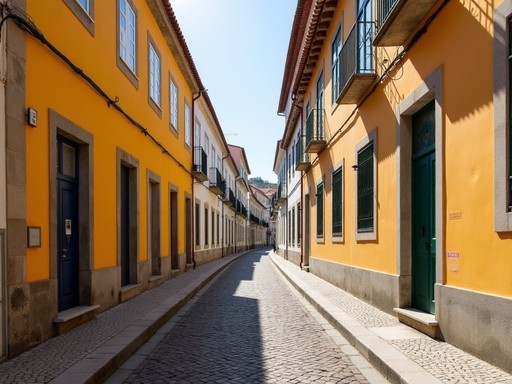
The walking tour of La Serena's historic center requires methodical exploration. Beginning at the Plaza de Armas, where the Cathedral's asymmetrical towers stand as testament to multiple reconstructions following seismic events, I recommend moving in concentric circles outward to appreciate how the city's architecture evolves from Spanish colonial to neocolonial revival styles.
The stone churches deserve particular attention—La Merced, San Francisco, and Santo Domingo each represent distinct architectural periods and restoration philosophies. My travel journal quickly filled with sketches of architectural details and notes on construction techniques that would later inform my amateur calligraphy practice back home.
Beyond architecture, La Serena's artisanal markets offer insights into cultural preservation through craft. At Recova Market, I spent hours conversing with a lapis lazuli artisan whose family has worked with the distinctive blue stone for generations. His explanation of how Chile's mineral composition creates some of the world's purest lapis deposits paralleled discussions I've had with colleagues about regional health patterns tied to environmental factors.
The precision required for stone carving reminds me of certain emergency procedures—both demand steady hands, spatial awareness, and respect for material properties. I purchased a small lapis mortar and pestle that now sits on my desk as a meditation object between shifts, its cool weight grounding me when cases become particularly challenging.
Most compelling was discovering that many artisans maintain workshops behind their market stalls, where visitors with genuine interest can observe creation processes typically hidden from casual tourists. This behind-the-scenes access, like hospital rounds for medical students, transforms theoretical appreciation into practical understanding.

💡 Pro Tips
- Visit churches in the morning when light streams through stained glass windows at optimal angles
- Ask permission before photographing artisans at work—respect their intellectual property
- Learn basic architectural terminology in Spanish to engage meaningfully with local guides
Mystical Encounters in the Elqui Valley
The Elqui Valley carries a reputation for mystical energy that initially triggered my scientific skepticism. However, approaching the valley's spiritual traditions with the same open inquiry I apply to integrative medicine practices revealed experiences worth consideration.
The valley gained international attention when poet Gabriela Mistral—Chile's first Nobel laureate—attributed her creative inspiration to the region's unique energies. Today, numerous meditation centers, alternative healing practices, and spiritual retreats dot the landscape between pisco distilleries and astronomical observatories.
At Centro Mistico Cochiguaz, approximately 90 minutes from La Serena, I participated in a guided meditation session held in a stone chamber positioned at what practitioners identify as an energy convergence point. While I maintain healthy skepticism about metaphysical claims, the phenomenological experience—enhanced by the chamber's remarkable acoustics and the valley's absolute silence—produced a mental clarity I've otherwise achieved only through rigorous physical exertion.
For those interested in exploring the valley's spiritual dimension without fully committing to mystical practices, I recommend the solar kitchen restaurant El Taller, where meals are prepared using only concentrated solar energy. The connection between astronomical observation, solar cooking, and sustainable living practices creates a coherent philosophical framework that even the most evidence-oriented traveler can appreciate.
During my exploration of the valley's more remote sections, the hiking daypack proved invaluable—its hydration system and organizational compartments allowed me to carry medical supplies, photography equipment, and hiking essentials with the same efficiency I demand of my hospital workstation organization.
Whether you approach the Elqui Valley as a spiritual pilgrim or curious observer, its combination of extraordinary natural beauty and cultural significance transcends the need for metaphysical beliefs. Like the best diagnostic processes, meaningful travel experiences often emerge from suspending judgment long enough to collect comprehensive data.

💡 Pro Tips
- Schedule valley activities for early morning or late afternoon when temperature and light conditions are optimal
- Combine spiritual sites with scientific ones (like observatories) for a balanced perspective on the valley's significance
- Respect local beliefs without feeling pressured to adopt them—cultural appreciation doesn't require conversion
Final Thoughts
As an emergency physician, I've learned that the most revealing diagnostic moments often come not from sophisticated imaging but from attentive observation and contextual understanding. Similarly, La Serena reveals itself most authentically to those willing to move beyond superficial tourism toward meaningful cultural engagement. The region's unique confluence of astronomical clarity, agricultural bounty, colonial history, and spiritual tradition creates a multidimensional experience that rewards methodical exploration. Like the best medical rotations of my early career, this return to La Serena provided both professional perspective and personal renewal—a recalibration of priorities that happens when we step outside familiar environments. Whether you're drawn by celestial observation, culinary discovery, or architectural appreciation, La Serena offers empirical evidence that Chile's cultural depth extends far beyond its better-known destinations. The prescription is clear: allocate adequate time, approach with curious respect, and prepare for a diagnosis of profound connection.
✨ Key Takeaways
- La Serena offers world-class astronomical tourism with some of Earth's clearest night skies
- Chilean pisco culture in the Elqui Valley provides insight into traditional distillation methods and agricultural practices
- Combining colonial architecture exploration with artisanal markets creates a comprehensive understanding of regional history
- Fall visits offer ideal temperature conditions and harvest-season culinary experiences
📋 Practical Information
Best Time to Visit
March through May (fall)
Budget Estimate
$100-150 USD per day excluding flights
Recommended Duration
7 days minimum
Difficulty Level
Moderate
Comments
Gregory Boyd
Brilliant piece on La Serena, Sean. Your comparison between ER diagnostics and attentive travel observation really resonated. I backpacked through Chile last year and spent a week in La Serena. For anyone planning a visit, I'd add that the local buses to Elqui Valley are actually quite reliable and cost about 1/3 of organized tours. The Gabriela Mistral museum in Vicuña is small but fascinating if you're into Chilean literature. Also, the seafood at the Avenida del Mar restaurants is spectacular, but the real gems are the tiny family-run places in Coquimbo market. Try the machas a la parmesana (razor clams) - absolute game changer. Did you make it to any of the smaller observatories? Cruz del Sur was less crowded than Mamalluca but equally impressive.
Sean Scott
Thanks Gregory! Great tip on the local buses - wish I'd known that before. I didn't make it to Cruz del Sur but it's on my list for next time. And those razor clams sound incredible!
vacationfan
Gregory - do you remember which bus line goes to Elqui Valley? Planning my trip now!
Gregory Boyd
Sure thing! Look for Sol del Elqui or Elquivalle buses at the La Serena terminal. They run about every hour to Vicuña, then you can catch connections to smaller towns. No need to book ahead except during major holidays.
escapeseeker
That pisco sour recipe looks incredible! Definitely trying it this weekend.
exploreguy
Great post! I'm planning a trip there in January. How difficult is it to arrange transportation to the observatories if you don't speak much Spanish? And did you need to book the observatory tours far in advance?
Sean Scott
You'll be fine with minimal Spanish - most tour operators speak some English, especially at the observatories that cater to tourists. I'd recommend booking Mamalluca at least 3-4 days ahead during high season (Dec-Feb). I used this stargazing guide which has some useful Spanish phrases for astronomy tours. Enjoy your trip!
vacationfan
Omg those star photos are AMAZING!!! Adding La Serena to my bucket list right now!!
wavediver
Just got back from La Serena last month and your post brought back so many memories! The Elqui Valley pisco tours were a highlight for us too. We visited Mistral and did their premium tasting - totally worth the extra pesos. And that night sky at Mamalluca... nothing prepares you for how clear those stars are. Did you get a chance to check out the Japanese garden near the lighthouse? It was surprisingly peaceful even with all the tourists around.
Sean Scott
Thanks for reading! I did miss the Japanese garden - sounds like I need to plan a return trip. Which pisco varietal was your favorite at Mistral?
wavediver
Their Gran Pisco 46° was exceptional - smooth with this amazing aromatic quality. Definitely worth seeking out if you go back!
happyace
Thanks for sharing this!! Never heard of La Serena before
hikingace3288
Going there in April! How many days would you recommend staying to really experience everything you mentioned?
wildwalker
Not OP but I'd say minimum 4 days. 5-6 if you want to do day trips to the valley.
Bryce Diaz
The colonial architecture section brought back memories! I wandered those streets solo back in 2019 and stumbled into a tiny ceramics workshop near the Iglesia de San Francisco. The artisan, Don Roberto, spent two hours teaching me about pre-Columbian pottery techniques while his wife kept bringing us tea. Those unplanned moments—the ones you can't find in guidebooks—are what La Serena does best. Your point about moving beyond tourist tables is spot-on. The best meal I had was at a family-run place recommended by my hostel owner, nowhere near the main plaza.
beachlover
Love the photos! That sunset shot is gorgeous
Douglas Bradley
Sean, your comparison between diagnostic observation and cultural immersion really resonates. I spent three weeks in the Elqui Valley last year and found that same methodical patience was key to understanding the region beyond surface-level tourism. The pisco distilleries you mentioned—especially the smaller family operations—offer such a different perspective than the commercial tours. Did you get a chance to visit any of the cooperatives where they still use traditional methods? The contrast between modern astronomical precision and centuries-old distillation techniques in the same valley is fascinating.
wildwalker
Which distillery would you recommend most?
Venture X
Premium card with 2X miles, $300 travel credit, Priority Pass