
Disclosure: This article contains affiliate links. We may earn a commission from purchases at no extra cost to you, which helps our travel content.
The pulse of Kingston hits you before your feet touch Jamaican soil. As our plane descended toward Norman Manley International Airport, I could already feel the rhythm that defines this island nation. Having covered sporting events across six continents, I've developed a journalist's appreciation for how cultural expressions like music are as fundamental to a people's identity as their traditional games and competitions. Kingston—raw, vibrant, and unapologetically authentic—offers perhaps the world's most immersive experience into a musical genre that transcended its origins to become a global phenomenon. Reggae isn't just music here; it's a philosophy, a resistance movement, a spiritual practice, and the heartbeat of Jamaican culture. After spending a week exploring Kingston's musical landscape during the winter high season, I've compiled this guide for fellow cultural travelers seeking to understand reggae beyond the superficial beach resort versions that have diluted its power and message.

The Pilgrimage: Bob Marley Museum and Tuff Gong Studios
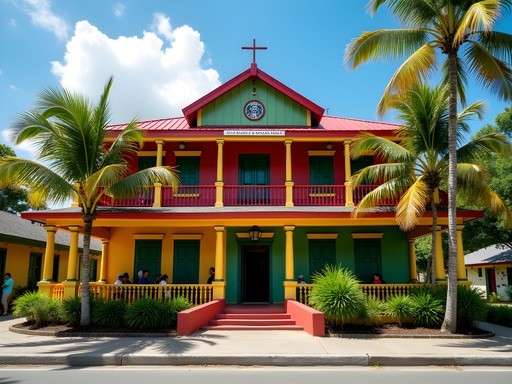
No immersion into reggae culture begins without paying respects to its most transcendent figure. The Bob Marley Museum at 56 Hope Road isn't just another celebrity home-turned-tourist-attraction; it's hallowed ground that tells the story of how a boy from Nine Mile transformed music forever.
The modest colonial house where Marley lived and recorded from 1975 until his death in 1981 remains largely as he left it. Our guide, Desmond, spoke with such reverence about Marley that it reminded me of how cricket fans in Wellington discuss Sir Richard Hadlee—a mixture of national pride and personal connection.
'This bullet hole,' Desmond explained, pointing to a mark preserved behind glass in the kitchen wall, 'is from the 1976 assassination attempt two days before the Smile Jamaica Concert.' The political tensions that surrounded reggae's rise became suddenly tangible—this music wasn't just entertainment but a revolutionary force.
The tour culminates in Marley's personal recording studio, now part of the active Tuff Gong International recording complex. Here, I watched contemporary artists lay down tracks using some of the same equipment that captured 'Exodus' and 'Survival.' The continuity between past and present felt particularly powerful.
For serious music enthusiasts, I recommend booking the extended Tuff Gong Studio Tour which includes the chance to record your own dubplate with session musicians—an experience that deepened my appreciation for the technical precision behind reggae's seemingly effortless groove.

💡 Pro Tips
- Book the museum tour in advance during high season as it frequently sells out
- The extended Tuff Gong tour requires 48-hour advance booking
- Visit early in the day to avoid the larger tour groups that arrive mid-afternoon
Beyond Marley: Trench Town Culture Yard
While Marley remains reggae's global ambassador, understanding the genre requires venturing into Trench Town, the community that birthed not just Bob but an entire musical movement. This working-class neighborhood, immortalized in songs like 'Trench Town Rock' and 'No Woman, No Cry,' offers the most authentic window into reggae's origins.
The Trench Town Culture Yard occupies the government yard where Marley lived before fame found him. Unlike the more polished museum on Hope Road, this grassroots cultural center maintains a raw authenticity that transported me back to the formative days of reggae and ska.
My guide, Ras Lion, grew up in these very tenement yards during the 1960s and 70s. 'Every room had a different sound coming from it,' he told me, gesturing to the modest concrete structures. 'Rocksteady here, early reggae there, dub and roots over there. The music was our education.'
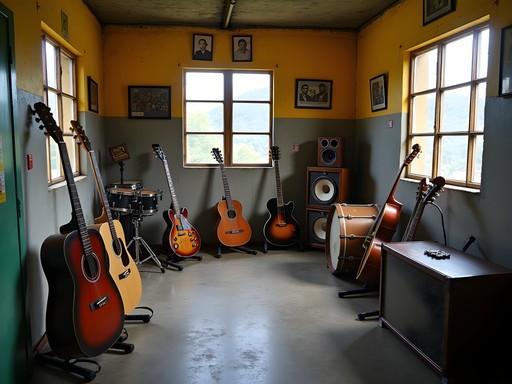
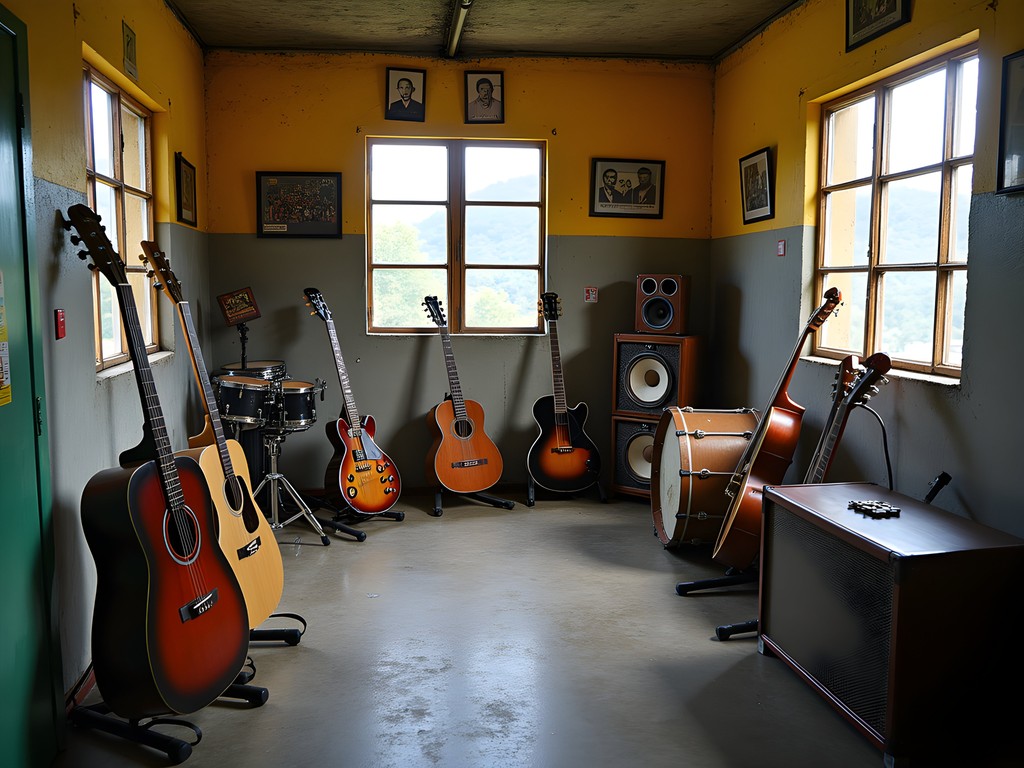
The humble room where The Wailers rehearsed contains the original instruments they played. Most moving was sitting on the very same rustic stone seats mentioned in 'No Woman, No Cry' ('We'd cook cornmeal porridge, of which I'll share with you').
Trench Town requires a respectful approach. This isn't a wealthy area, but visitors who come with genuine interest are welcomed warmly. I arranged my visit through a local cultural guide, which I'd recommend for first-timers to Kingston. My noise-canceling earbuds proved invaluable for listening to classic tracks in the very spots they were written, providing an immersive audio experience while still allowing me to hear my guide's insights.
💡 Pro Tips
- Arrange your visit through a reputable local guide or directly through the Culture Yard
- Bring cash for the entrance fee and to purchase art from local craftspeople
- Show genuine respect—this is a living community, not just a tourist attraction
The Living Tradition: Kingston's Sound System Culture
To experience reggae as Jamaicans do, you must venture into the world of sound systems—mobile DJ setups that have been the backbone of the island's music culture since the 1950s. These aren't mere speaker stacks but complex cultural institutions with dedicated followers and distinct musical philosophies.
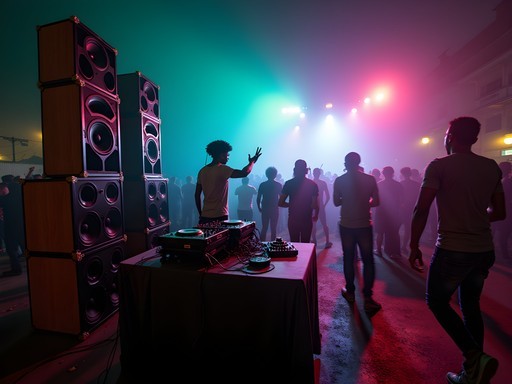
During my week in Kingston, I was fortunate to attend a session by the legendary Stone Love Movement, one of Jamaica's oldest continuously operating sound systems. The experience was nothing like the sanitized reggae nights offered at resorts. In an open-air venue in downtown Kingston, massive speaker boxes created not just sound but physical sensation—bass frequencies you feel in your chest before your ears.
The sound system tradition connects directly to reggae's roots in communal gathering and cultural resistance. As a sports journalist who's covered cricket matches across the Caribbean, I've long been fascinated by how sound systems mirror the region's approach to sport—technical excellence combined with theatrical presentation and community participation.
'The selector is like the captain of a cricket team,' explained Mikey, a local music producer who graciously served as my guide. 'They read the crowd like a captain reads the pitch, knowing exactly what tune to play at what moment to create the perfect energy.'
For visitors wanting to experience authentic sound system culture, Kingston offers several regular events. Wednesdays at Kingston Dub Club provide a more accessible entry point for travelers, with stunning views over the city from its Skyline Drive location. For recording enthusiasts like myself, capturing these experiences requires equipment that can handle extreme dynamic range. My portable audio recorder has been invaluable for documenting these sonic experiences without distortion.

💡 Pro Tips
- Kingston Dub Club (Skyline Drive) on Sundays is the most traveler-friendly sound system experience
- Ask locals about current 'sessions'—the best events are often promoted by word of mouth
- Dress casually but respectfully; avoid obvious tourist attire

Rastafari Rootical: Understanding Reggae's Spiritual Foundations
Reggae music cannot be fully appreciated without understanding its intrinsic connection to Rastafari—the spiritual movement that provided both its philosophical foundation and much of its visual and verbal language. For many visitors, Rastafari is reduced to superficial symbols, but Kingston offers opportunities for genuine cultural exchange.
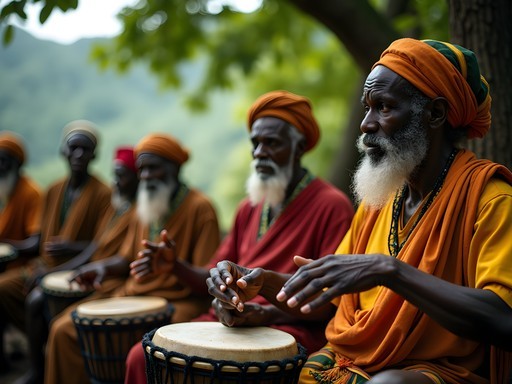
The headquarters of the Nyabinghi Order, one of the oldest Rastafari mansions (branches), occasionally welcomes respectful visitors to their reasonings—gathering sessions that combine drumming, chanting, and spiritual discussion. These experiences aren't packaged tourist attractions but authentic cultural practices that require appropriate introduction.
My connection to cricket opened doors here. A former Jamaican fast bowler I'd interviewed years ago made introductions to Elder Joseph, a Rastafari scholar who agreed to explain the movement's complex relationship with reggae music.
'Reggae became our newspaper,' Elder Joseph told me as we sat beneath a mango tree in the hills above Kingston. 'When media wouldn't carry our message, artists like Burning Spear and Culture became our voice to the world.'
The Institute of Jamaica on East Street houses the excellent Jamaica Music Museum, which contextualizes reggae within the broader framework of Jamaican music history and Rastafari influence. Their collection of rare recordings and instruments provides scholarly depth beyond what most music-focused tours offer.
For those seeking to document these cultural experiences, I've found that maintaining a thoughtful travel journal helps process the complex layers of information. My travel journal has become an essential companion, filled with observations, sketches, and quotes that capture nuances I might otherwise forget.

💡 Pro Tips
- Approach Rastafari cultural sites with respect and proper introduction—never show up unannounced
- The Jamaica Music Museum requires advance booking for their excellent guided tours
- Read about Rastafari history before your trip to appreciate the context (try 'Dread History' by Robert A. Hill)
Record Hunting: Kingston's Vinyl Treasures
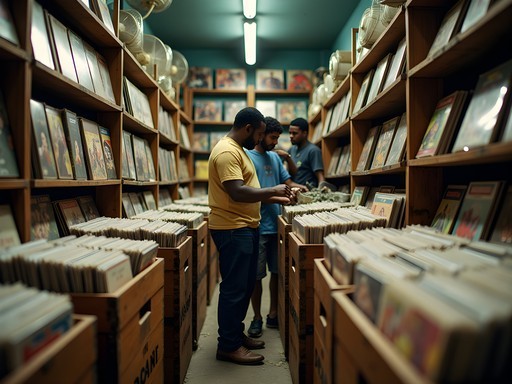
For music collectors, Kingston represents hallowed ground—a city where dusty record shops still stock original pressings from reggae's golden era. The thrill of vinyl hunting here reminds me of tracking down rare cricket memorabilia across the Commonwealth, each discovery telling a story beyond the object itself.
Randy's Records on North Parade occupies the same building where Studio 17 once operated upstairs—the birthplace of countless ska and early reggae classics. Though the studio is now a museum, the record shop below maintains its original character. The knowledge of the staff is encyclopedic; mention any obscure Jamaican release, and they can likely tell you who played bass on it.
Rocker's International on Orange Street (once known as 'Beat Street' for its concentration of record shops) is another essential stop. Founded by legendary producer Augustus Pablo, this small shop specializes in rare dub and roots recordings. The proprietor, Pablo's son, often shares stories about the recordings while you browse.
For serious collectors, I recommend hiring a local guide with connections to private sellers. Some of Kingston's best vinyl collections aren't in shops but in private homes. My guide arranged visits to three such collectors, resulting in finds I'd searched for unsuccessfully for decades.
Transporting vinyl safely through tropical heat and bumpy travel requires proper equipment. My vinyl record carrying case has protected my precious Jamaican finds through multiple flights and taxi rides, with enough padding to prevent warping in the Caribbean climate.

💡 Pro Tips
- Bring US dollars for better bargaining at record shops
- Check records carefully for warping—Kingston's heat can damage improperly stored vinyl
- Most shops open late and close early; plan your record hunting for mid-morning
Final Thoughts
As I boarded my flight back to Wellington, the rhythms of Kingston still pulsing through me, I realized that reggae isn't just something you hear in Jamaica—it's something you experience with all senses. The music serves as both cultural archive and living tradition, preserving histories often excluded from official narratives while continuously evolving through new generations of artists. For travelers willing to venture beyond resort boundaries and engage respectfully with Kingston's musical heritage, the rewards are profound. Like the best sporting traditions I've documented around the world, reggae offers a window into Jamaica's soul—its struggles, resilience, spirituality, and irrepressible creativity. Whether you're a dedicated music enthusiast or simply culturally curious, Kingston's immersive reggae experience will transform how you understand not just Jamaican music, but the power of cultural expression to transcend boundaries and speak universal truths.
✨ Key Takeaways
- Kingston offers the most authentic immersion into reggae culture possible, but requires moving beyond tourist comfort zones
- The connection between reggae and Rastafari provides essential context for understanding the music's significance
- Sound system culture remains the heartbeat of Kingston's music scene and offers the most authentic contemporary experience
- Local guides are essential for accessing the most meaningful sites and experiences
- Winter months provide the best weather and coincide with several important reggae festivals
📋 Practical Information
Best Time to Visit
December through March (winter)
Budget Estimate
$100-150 USD daily for accommodations, transportation, food and activities
Recommended Duration
5-7 days
Difficulty Level
Intermediate


Comments
smartblogger
How many days would you recommend for Kingston? Planning a Jamaica trip and trying to figure out the itinerary
Willow Sanchez
I'd say minimum 3 days to really soak it in. One day for Marley Museum and Tuff Gong, one for Trench Town and downtown culture, and one to just wander and catch live music. Kingston isn't a quick stop - it deserves time.
beachdiver
Great photos! Really captured the vibe.
Haley Hamilton
Love this post, Amit! The spiritual aspect of reggae that you touched on is so important and often gets overlooked. When I visited, I spent an afternoon with a Rastafari elder in the hills above Kingston who explained the whole philosophy behind the music - the connection to nature, resistance to oppression, the sacredness of rhythm itself. It completely changed how I hear reggae now. Also, if anyone's planning a trip, try to catch a session at Dub Club on Sunday nights. It's where serious music heads go, not really a tourist spot, and the vibes are absolutely authentic. Bring cash and an open mind!
Sophia Gomez
Beautiful piece, Amit. Kingston changed how I understand music tourism. It's not about ticking off landmarks - it's about feeling the living culture. I remember sitting in a tiny jerk spot in Trench Town, reggae playing from someone's phone, and realizing the music is just woven into daily life there. It's not performed for tourists, it just IS. That's what makes it so powerful. For anyone going, bring an open heart and leave your expectations at the airport. Kingston will teach you what you need to know.
roamstar
Pro tip: Book the Marley Museum tour early in the morning. We went at 10am and had the place almost to ourselves. By noon it was packed with cruise ship tourists.
waveking
Good to know, thanks!!
skynomad
How many days would you say you need to really experience this properly? I've only got 3 days in Kingston.
Amit Sullivan
Three days is doable! I'd say day 1 for Bob Marley Museum and Tuff Gong, day 2 for Trench Town and exploring downtown, day 3 for a sound system event at night plus whatever you missed. You'll want to come back though!
travelace
Great photos! The Marley Museum is incredible
Frank Garcia
Really solid post, Amit. I spent three weeks in Kingston last year doing research on reggae's influence on global music culture. One thing I'd add for readers is to check out the Jamaica Music Museum if you have time - it's less touristy than the Marley Museum but gives incredible context about mento, ska, and rocksteady that led to reggae. Also, the National Gallery has some amazing Rastafari art that connects to what you mentioned about the spiritual foundations. The intersection of art, religion, and music there is fascinating.
photoclimber
Adding this to my list for next time! Thanks!
roamace
Planning a trip for August. Any specific sound system events you'd recommend? Or is it more about just asking locals when you're there?
Sophia Gomez
When I was there in 2024, I found that asking at record shops was the best way to find out about events. The guys at Rockers International were super helpful and pointed me to an amazing Wednesday night dance. Also check what's happening at Dubwise Jamaica if you're there.
cooltime
Is Kingston safe for solo travelers? Really want to go but heard mixed things
roamstar
Stick to the tourist areas and book tours through reputable companies. I felt totally safe doing that. Just use common sense like any big city.
Haley Hamilton
I went solo last year and had zero issues. Hired a local guide for the day who showed me around Trench Town and downtown. Best decision ever - learned so much more than I would have on my own and felt completely comfortable. Kingston gets a bad rap but the music tourism areas are well-traveled and welcoming.
Venture X
Premium card with 2X miles, $300 travel credit, Priority Pass