
Disclosure: This article contains affiliate links. We may earn a commission from purchases at no extra cost to you, which helps our travel content.
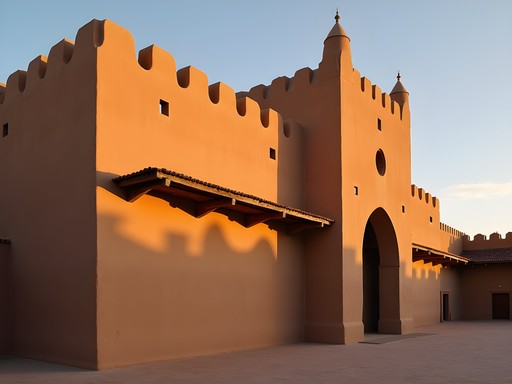
Standing before the Great Mosque of Djenné, I was struck by a profound realization: some of humanity's most enduring architectural achievements aren't built from steel and glass, but from the earth itself. This UNESCO World Heritage site in Mali represents the pinnacle of Sudano-Sahelian architecture—a massive structure crafted entirely from sun-baked mud bricks and rendered in adobe. As a lifelong student of geological wonders and cultural innovation, this 1-week winter journey to Djenné felt like the convergence of my professional risk management mindset and my soul's need to understand how ancient ingenuity continues to shape modern communities.

The Living Monument: Understanding Djenné's Great Mosque
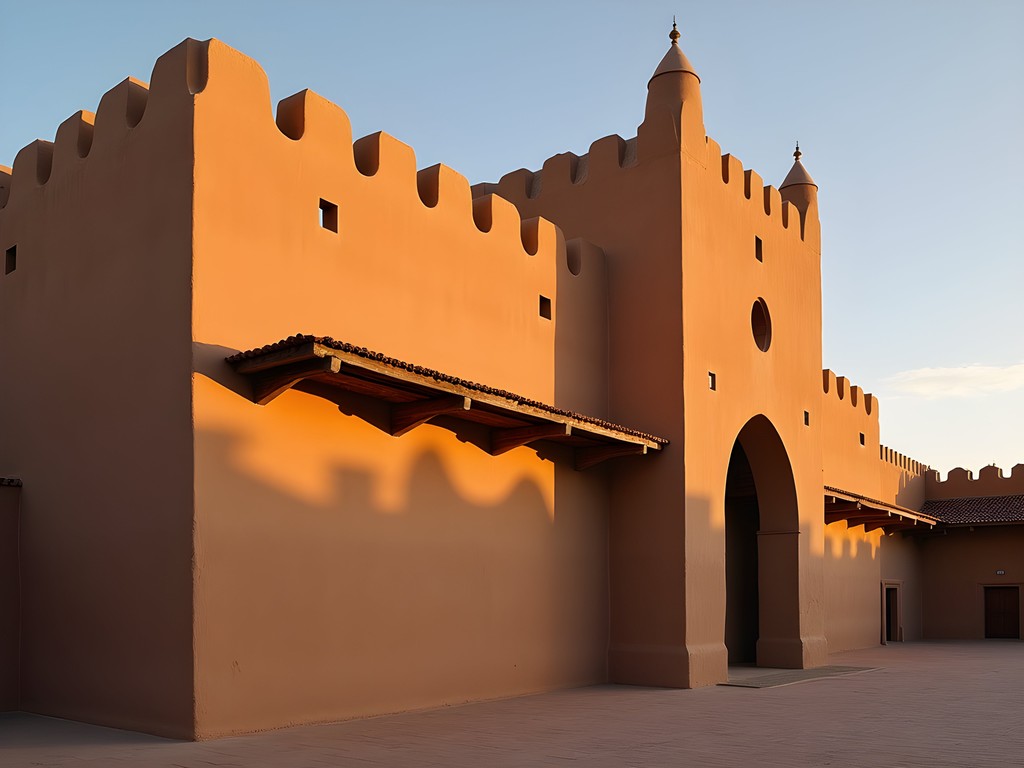
Unlike the static monuments we're accustomed to in Western architecture, Djenné's Great Mosque is quite literally a living structure. Built in 1907 on the site of earlier mosques dating back to the 13th century, this adobe masterpiece requires annual maintenance—a community-wide effort known as the crépissage that transforms basic preservation into a sacred festival.
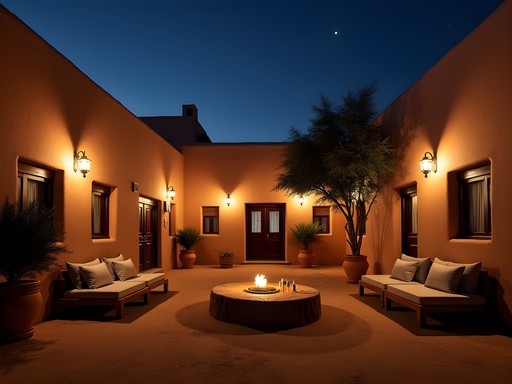
What fascinates me most as someone who analyzes risk for a living is how this architectural approach embodies resilience through flexibility. The mud-brick construction breathes with the climate, keeping interiors cool during Mali's punishing heat while the regular maintenance cycle ensures structural integrity despite environmental challenges.
As I circled the mosque before dawn one morning, my headlamp illuminating the intricate facade patterns, I couldn't help but draw parallels to how we approach corporate risk management—the strongest systems aren't rigid but adaptive, requiring regular attention and community buy-in to remain effective.
💡 Pro Tips
- Visit during Monday market day when the town is bustling with activity and vendors from surrounding villages
- Hire a local guide through your accommodation for deeper cultural insights and mosque access
- Respect the religious significance by dressing modestly with shoulders and knees covered
The Annual Crépissage: Community Preservation as Ritual
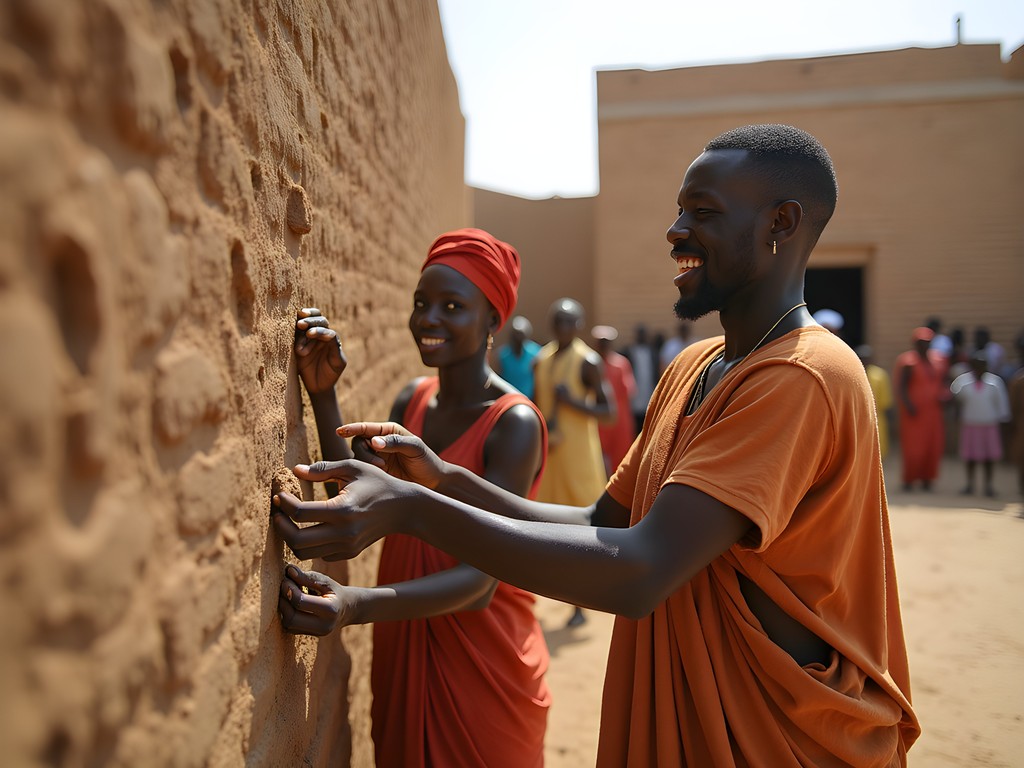
Timing my visit to coincide with Djenné's annual crépissage festival was intentional—and absolutely worth the careful planning. This centuries-old tradition brings the entire community together to re-plaster the mosque with fresh mud mixed with rice husks and shea butter, protecting it from the rainy season ahead.
I've witnessed community events across five continents, but few match the energy and purpose of this celebration. Men climb bamboo scaffolding to apply fresh mud while women carry water and children participate in age-appropriate tasks. Musicians provide rhythmic accompaniment as the work progresses, transforming what could be arduous labor into a joyful expression of cultural continuity.
To properly document this once-in-a-lifetime experience, I relied on my waterproof notebook for detailed observations and a compact audio recorder to capture the festival's distinctive sounds and interviews with local participants (with permission, of course).
💡 Pro Tips
- Check exact dates of the crépissage festival before planning your trip as it follows seasonal patterns
- Position yourself on the main square's western side for the best photography angles
- Bring small denomination CFA francs for market purchases and contributions to the mosque
Navigating Djenné's Ancient Market Town
While the mosque dominates Djenné's skyline and cultural identity, the surrounding medieval town offers equally valuable insights into West African heritage. Founded between the 11th and 13th centuries, Djenné's maze-like streets reveal adobe architecture that extends the mosque's aesthetic into everyday living spaces.
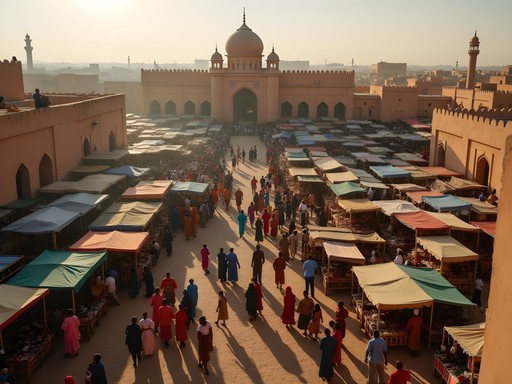
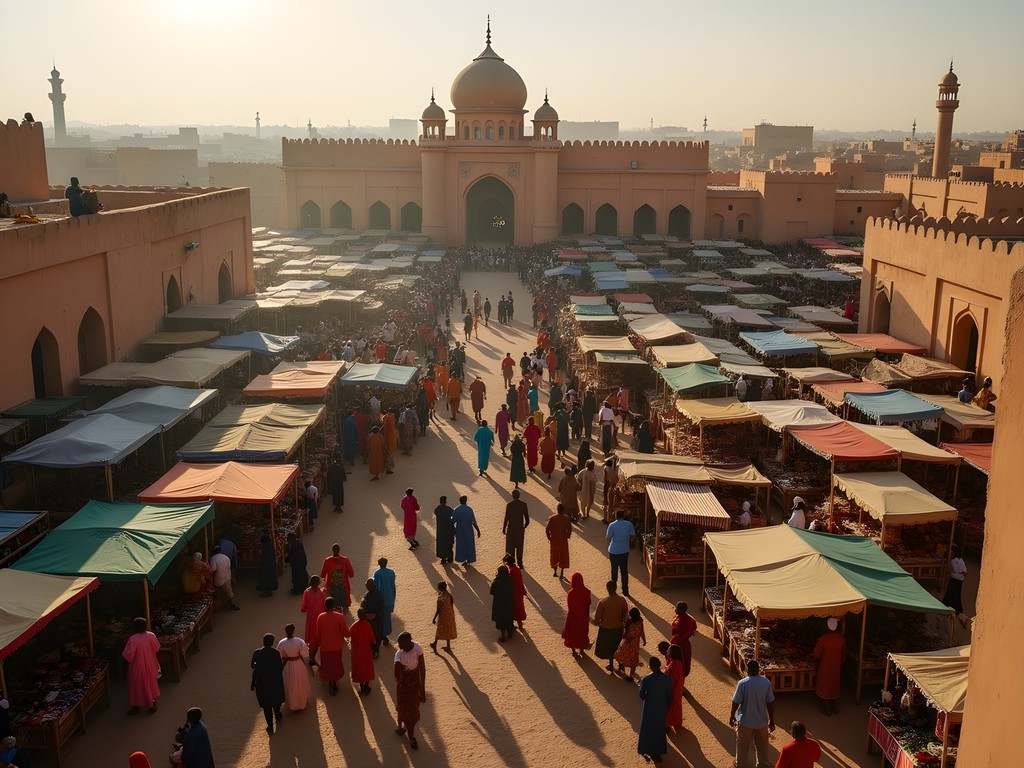
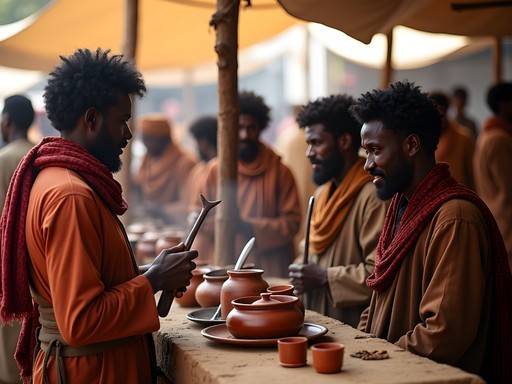
The Monday market transforms the mosque plaza into a vibrant commercial hub where traders from across the region converge. This is where my analytical side finds endless fascination—observing how ancient trade patterns still influence modern commerce, with goods flowing along routes established centuries ago.
Navigating the market requires both preparation and flexibility. I found my anti-theft crossbody bag essential for carrying essentials while keeping hands free for photography and note-taking. For staying hydrated in Mali's intense heat, my insulated water bottle proved invaluable, especially with its UV-C LED purification technology that gave me peace of mind about water quality.
Don't miss the opportunity to commission a small piece from local artisans—the distinctive bogolan (mud cloth) textiles make meaningful souvenirs while supporting traditional craftsmanship.
💡 Pro Tips
- Learn basic Bambara greetings to connect with local vendors
- Photograph the market sensitively, always asking permission first
- Visit early in the morning when temperatures are cooler and light is best for photography

Cultural Immersion: Connecting with Djenné's Communities
The most meaningful insights from my week in Djenné came through intentional cultural exchanges with local residents. Staying at a family-run guesthouse rather than the limited commercial hotels provided authentic connections impossible to forge otherwise.
Through my guesthouse host Ibrahim, I arranged visits with local artisans including a master mason who explained the specialized knowledge required for adobe construction—techniques passed through generations that balance structural integrity with aesthetic beauty. These conversations revealed how traditional knowledge systems contain sophisticated engineering principles that Western education often overlooks.
Preparing for these interactions meant respecting cultural norms. My lightweight travel scarf served multiple purposes—modest covering when appropriate, sun protection, and discrete storage for small valuables. For evening gatherings where small gifts were appropriate, I brought solar-powered lanterns which were well-received in a region where electricity access remains inconsistent.
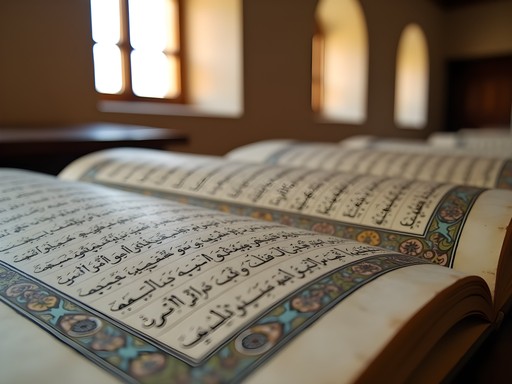
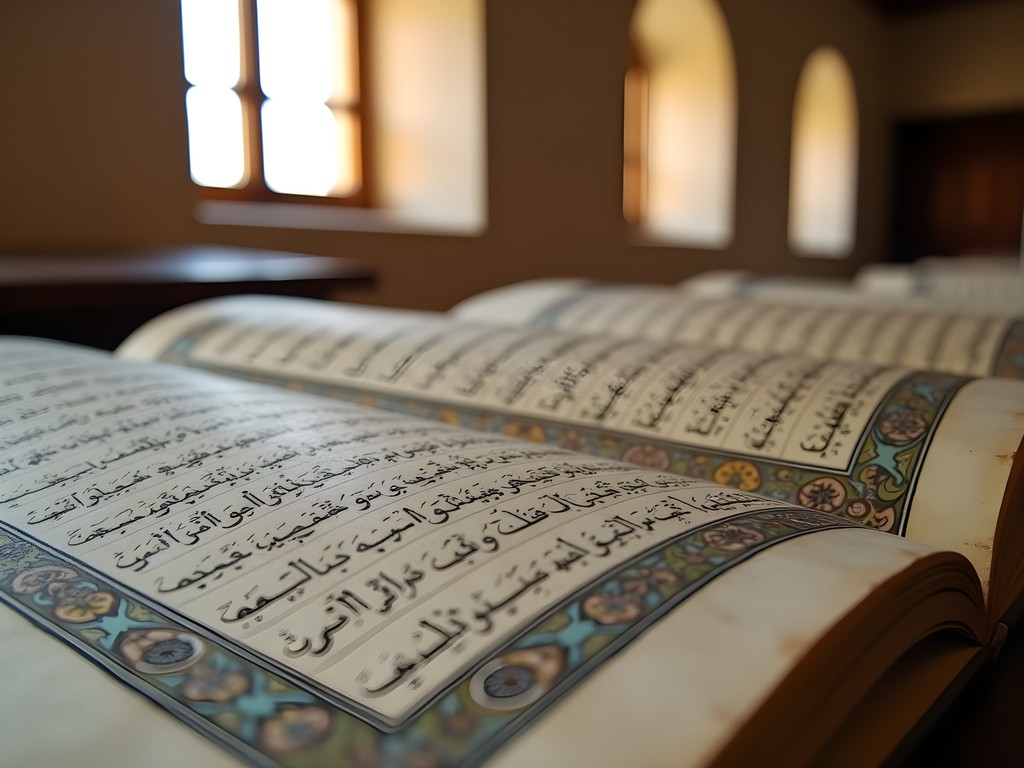
The Djenné Manuscript Library houses thousands of ancient Arabic texts covering subjects from astronomy to poetry—a testament to Mali's historical role as a center of Islamic scholarship. Arranging a visit requires advance permission but offers unparalleled insights into West Africa's intellectual heritage.
💡 Pro Tips
- Learn about appropriate gift-giving customs before visiting local homes
- Respect photography restrictions inside the mosque and when photographing people
- Consider supporting local manuscript preservation efforts through authorized donations
Practical Considerations for the Mindful Traveler
Visiting Djenné requires thoughtful preparation, particularly for travelers accustomed to more developed tourism infrastructure. Mali's ongoing security concerns mean staying informed through your country's travel advisories and working with reputable local guides is essential.
Reaching Djenné typically involves flying into Bamako, then arranging private transportation for the approximately 570 km journey—a significant undertaking on variable-quality roads. I arranged my entire in-country logistics through a specialized West Africa tour operator recommended by colleagues who'd previously visited the region.
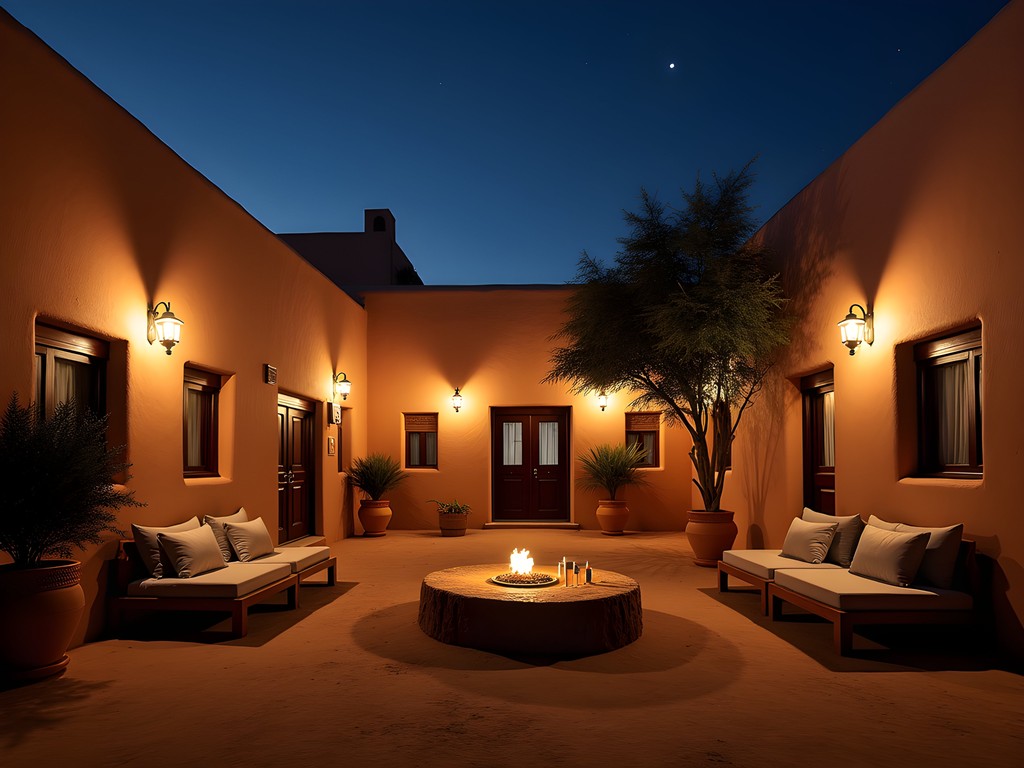
Accommodations in Djenné are modest by international standards but offer authentic experiences. I stayed at Maison du Fleuve, a family-run guesthouse with simple but comfortable rooms and home-cooked Malian cuisine. What these accommodations lack in luxury they more than compensate for in cultural immersion.
Health preparations should include standard vaccinations plus yellow fever (required for entry), antimalarial medication, and a comprehensive travel first aid kit with rehydration salts. My portable water filter provided additional peace of mind when bottled water wasn't available.
Finally, approach this journey with patience and flexibility. The rewards of experiencing one of humanity's architectural and cultural treasures far outweigh the logistical challenges.
💡 Pro Tips
- Register with your country's embassy in Mali before traveling
- Arrange transportation and accommodations well in advance through reputable operators
- Bring sufficient cash as ATMs are non-existent in Djenné
Final Thoughts
As my week in Djenné concluded, I found myself standing once more before the Great Mosque, this time in the golden light of sunset. The structure seemed to glow from within—a living monument to human ingenuity and cultural continuity. What struck me most wasn't just the architectural achievement, but how this place embodies resilience through adaptation rather than permanence through rigidity.
In my risk management career, I often analyze how systems respond to challenges over time. Djenné's approach—community maintenance, traditional knowledge transmission, and materials that work with rather than against the environment—offers profound lessons for our modern world obsessed with technological solutions.
This journey required more preparation than many destinations, but its rewards transcend typical tourism. In witnessing the crépissage festival and connecting with Djenné's communities, I gained insights impossible to glean from books or documentaries. If you're drawn to places where ancient wisdom meets living tradition, where architecture serves both practical and spiritual purposes, Mali's mud mosque masterpiece deserves a place on your travel horizon—approached with respect, preparation, and an open heart.
✨ Key Takeaways
- Djenné's Great Mosque represents sustainable architecture through its annual community-based maintenance tradition
- Visiting during the crépissage festival provides unique insights into cultural continuity and community cohesion
- Thoughtful preparation regarding security, health, and cultural sensitivity is essential for a meaningful Mali experience
- The manuscript libraries reveal Mali's sophisticated intellectual history often overlooked in Western education
- Traditional knowledge systems contain sophisticated engineering and sustainability principles relevant to contemporary challenges
📋 Practical Information
Best Time to Visit
November to February (dry season)
Budget Estimate
$2,000-3,000 for one week including guided experiences (excluding international flights)
Recommended Duration
5-7 days
Difficulty Level
Challenging
Comments
winterdiver
Can you actually go inside the mosque or just view from outside? Also what's the best time of year weather-wise?
Taylor Moreau
Non-Muslims can't enter the mosque itself, but the exterior and surrounding areas are incredible. November to February is best - cooler and dry season.
Megan Martin
Excellent post! I've been researching West African architecture for an upcoming project and Djenné is absolutely at the top of my list. Your point about mud architecture being just as enduring as modern materials really resonates. For anyone planning to visit, I'd recommend bringing a good travel camera - the textures and light on those mud walls are photographer's dream. Also, learning a few phrases in Bambara goes a long way with the locals. Did you stay at Chez Baba or one of the other guesthouses?
Claire Hawkins
Sakura, this brought back so many memories! We visited West Africa last year with our kids (they were 6 and 9 at the time) and while we didn't make it to Djenné, we saw similar mud architecture in Burkina Faso. The kids were fascinated by the idea of buildings made from earth. Your photos of the market are stunning - that's exactly the kind of authentic cultural experience we try to seek out when traveling as a family. The way you described the community preservation ritual really resonates. It's these living traditions that make travel so enriching, especially for showing children how diverse human cultures can be.
wavezone
How are the photography rules there? Heard some places in Mali are pretty strict about cameras
Sakura Rodriguez
Good question! The mosque itself is fine to photograph from outside, but always ask permission before photographing people in the market. I found most locals were friendly about it if you ask respectfully. There's an official photography permit you're supposed to get - I arranged mine through my guesthouse.
bluemaster
I was in Mali back in 2019 and Djenné was the highlight of the whole trip! The crépissage festival is something else - the whole town comes together and it's this amazing celebration. Stayed with a local family and they explained so much about the architecture and why the mud construction is actually genius for the climate. Did you get to see any of the traditional houses in the old town? Some of them are just as impressive as the mosque itself.
wavezone
When does the festival usually happen? Would love to time a visit for that
bluemaster
Usually late April/early May after the rainy season! Check locally though because exact dates vary
backpackone
This looks amazing! Quick question - were you able to go inside the mosque or just admire from outside?
Sakura Rodriguez
Non-Muslims can't enter unfortunately, but honestly the exterior and watching the community interact with it was just as meaningful. The market area right next to it gives great views too!
greengal
How did you get there from Bamako? And how many days would you recommend spending in Djenne itself?
Sakura Rodriguez
I took a shared taxi from Bamako - about 7 hours. You could also do the public bus which is cheaper but takes longer. I'd say minimum 2-3 days to really soak in the atmosphere and explore the town properly.
adventureguy
wow never knew mud buildings could last that long!
Taylor Moreau
Beautifully written piece, Sakura. I visited Djenné in 2019 and your description of the crépissage perfectly captures that sense of community ritual. One thing I'd add for readers: the Monday market is absolutely essential to experience. It's one of West Africa's most authentic trading gatherings, and the contrast between ancient commerce methods and the timeless architecture creates an unforgettable atmosphere. Also worth noting that photography restrictions around the mosque have become stricter, so always ask permission first.
Sakura Rodriguez
Thank you, Taylor! Absolutely right about the Monday market - I should have emphasized that more. And yes, respecting photography boundaries is crucial.
travellover
This looks incredible! Quick question - what's the security situation like in Mali right now? I've heard mixed things and want to make sure it's safe to visit. Also, when does the crépissage usually happen? Would love to time my trip for that.
Sakura Rodriguez
Great question! I visited in early 2024 and worked with local guides who knew the current situation well. The crépissage typically happens in April/May after the rainy season. Definitely check your government's travel advisories and consider hiring a local guide who understands the region. Feel free to DM me for specific contacts!
travellover
thanks so much! will definitely reach out
Venture X
Premium card with 2X miles, $300 travel credit, Priority Pass