

Disclosure: This article contains affiliate links. We may earn a commission from purchases at no extra cost to you, which helps our travel content.
While most New England travelers flock to Newport's mansions or Providence's urban revival, I found myself drawn to the understated charm of Cranston, Rhode Island during a recent East Coast running event. What began as a simple recovery weekend evolved into an unexpected journey through centuries of American history, industrial innovation, and cultural preservation—all within this often-overlooked Rhode Island city just minutes from Providence.

Pawtuxet Village: New England's Historic Rebellion Ground
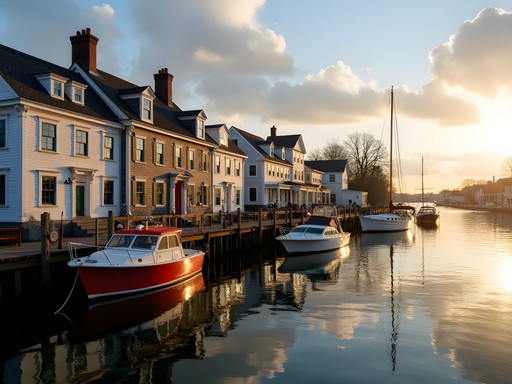
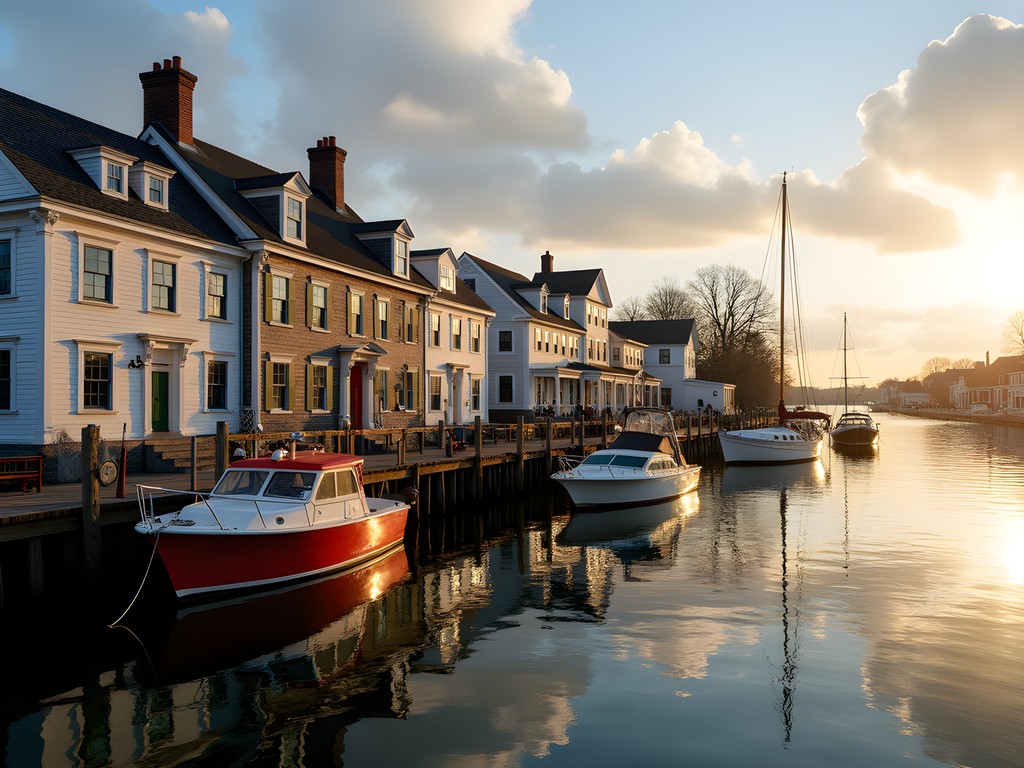
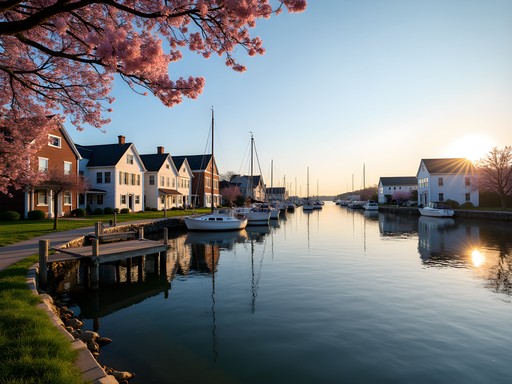
My exploration began in Pawtuxet Village, one of America's oldest communities, established in 1642. As someone accustomed to the expansive landscapes of the Southwest, I was immediately struck by how this compact historical district packs centuries of significance into walkable streets lined with colonial architecture.
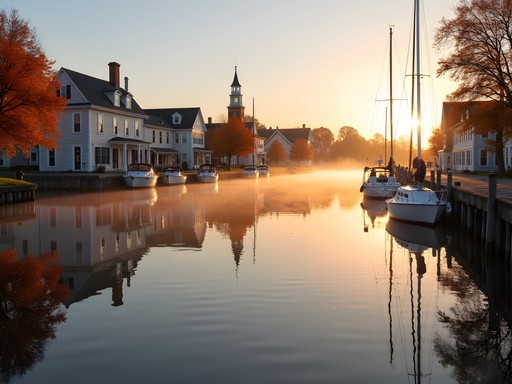
The village sits at the mouth of the Pawtuxet River, where locals proudly informed me that the first armed resistance against British rule occurred—predating the Boston Tea Party. In June 1772, colonists boarded and burned the British ship HMS Gaspee in these waters, a pivotal moment in American revolutionary history that doesn't receive nearly the attention it deserves.
I spent a contemplative morning tracing the shoreline path, my trail running shoes exchanged for more casual footwear as I photographed the harbor where fishing vessels now peacefully dock where once revolutionary tensions boiled. The village's historic homes, many dating to the 1700s, create perfect framing elements for landscape photography—I found myself frequently adjusting my polarizing filter to capture the interplay of historical architecture against the water's reflective surface.
💡 Pro Tips
- Visit the Pawtuxet Rangers Armory, the chartered military organization dating back to 1774 that still marches in local parades
- Time your visit for the Gaspee Days celebration in June for historical reenactments and colonial craft demonstrations
- The village is small enough to explore thoroughly in 2-3 hours, leaving time for a meal at one of the waterfront restaurants
Sprague Mansion: Where History Meets Mystery
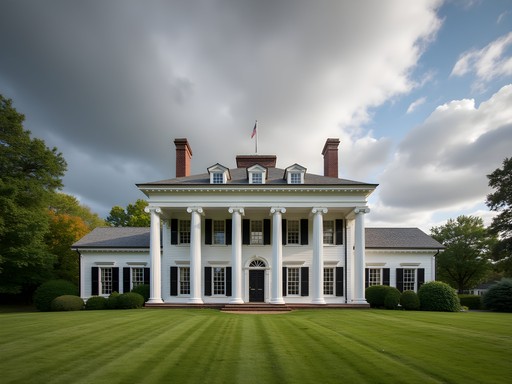
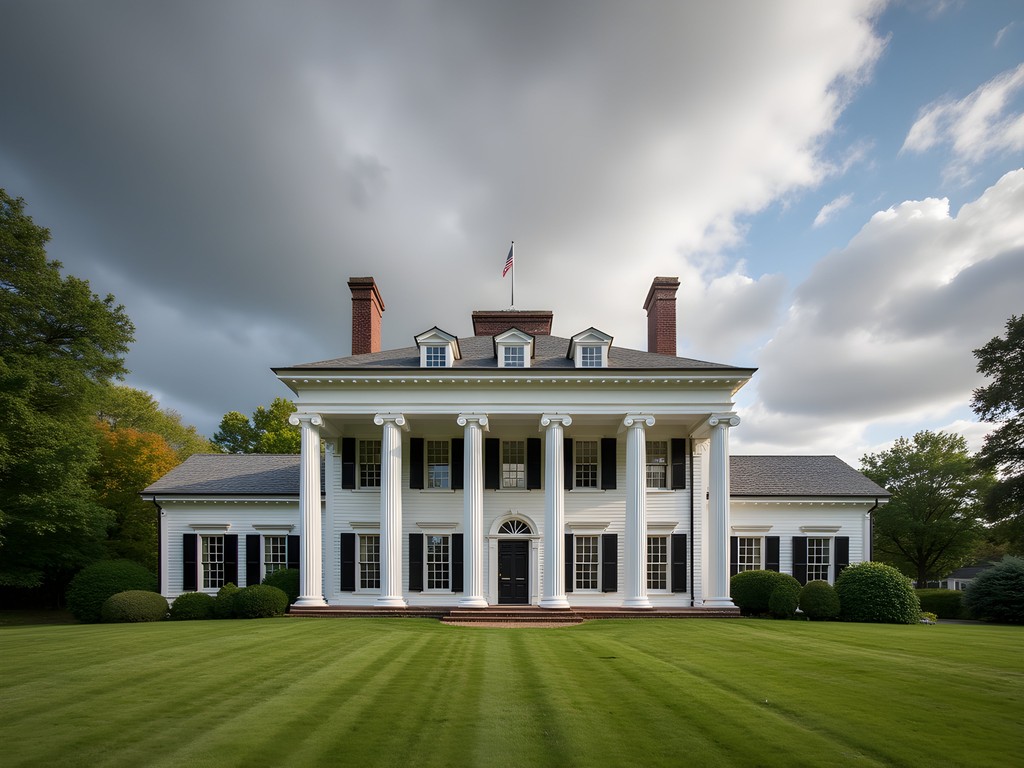
The analytical side of my digital forensics background was particularly engaged at my next stop: the Sprague Mansion. This imposing 1790s structure served as home to two of Rhode Island's governors and the Sprague family, who built an industrial empire of textiles and manufacturing during America's Industrial Revolution.
What makes this site uniquely compelling isn't just its architectural significance—though the period furnishings and structural details are meticulously preserved—but the layers of documented paranormal activity that have made it a destination for those interested in the unexplained. As someone who typically deals in concrete digital evidence, I approached the ghost stories with healthy skepticism, but the mansion's documented history of unexplained phenomena dating back generations is genuinely intriguing.
The guided tour ($12 per person) provides historical context about the family's rise to prominence and subsequent murder mystery involving patriarch Amasa Sprague in 1843—a case that resulted in what many historians consider a wrongful execution. The guide explained how this unresolved justice might contribute to the reported hauntings.
I captured several interesting light anomalies in my photographs, though I'll attribute those to the mansion's unique period glass windows rather than spectral manifestations. My handheld light meter proved invaluable for calculating proper exposures in the mansion's variable lighting conditions without using flash, which isn't permitted inside most historical buildings.
💡 Pro Tips
- Call ahead to confirm tour times as they operate seasonally and primarily on weekends
- Photography is allowed but without flash to protect historical artifacts
- The most detailed tours happen during their October haunted history events, which require advance booking
Cranston Print Works: America's Textile Innovation Center
As someone who typically photographs vast desert landscapes, I found an unexpected creative challenge in documenting the industrial beauty of the Cranston Print Works. Established in 1807, it stands as America's oldest continuously operating textile printing company and represents a crucial chapter in the nation's industrial development.
The facility offers limited public access through scheduled industrial heritage tours (reserve at least two weeks in advance), providing a fascinating glimpse into both historical and modern textile production techniques. What struck me most was how the company has evolved from traditional block printing to advanced digital processes while maintaining operations in its historic buildings.
The tour highlights the company's innovations in textile chemistry and printing technology that revolutionized American manufacturing. As someone who works with digital technology daily, I appreciated the parallels between early industrial innovation and today's digital transformation—both representing paradigm shifts in how humans create and produce.
For visitors interested in textile arts or industrial history, this stop provides context that's missing from most New England historical itineraries that focus primarily on colonial or maritime history. I found myself wishing I'd brought my field notebook to capture technical details about the printing processes explained during the tour.

💡 Pro Tips
- Tours must be scheduled in advance through their website and typically run on Thursdays
- Wear closed-toe shoes as some areas of the facility have industrial equipment
- Photography permissions vary by department, so ask your guide about specific areas

Joy Homestead: Intimate Glimpses of Colonial Life
For those seeking a more intimate historical experience, the Joy Homestead offers a refreshingly personal perspective on colonial New England life. Built in 1758, this modest farmhouse presents a stark contrast to the industrial wealth displayed at the Sprague Mansion, instead focusing on the daily experiences of ordinary colonial families.
What makes this site special is its meticulous restoration and the knowledgeable volunteer docents who bring the space to life. Unlike larger historical attractions, here you can actually handle reproduction items, sit in period chairs, and gain a tactile understanding of colonial domestic life. The docent encouraged me to test the weight of cast iron cookware and experience the surprisingly comfortable design of colonial furniture adapted for different body types and uses.
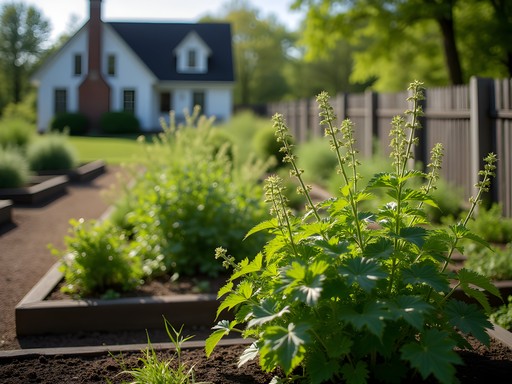
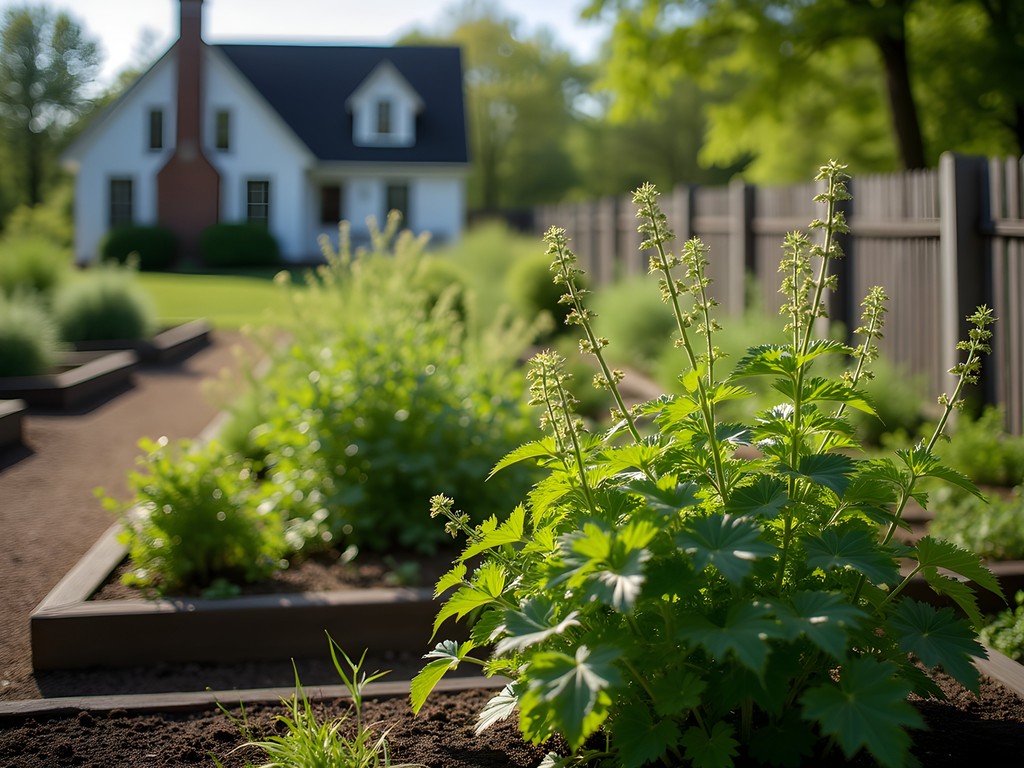
The property includes heirloom gardens featuring plant varieties that would have been grown for food and medicine in the 18th century. As an amateur photographer interested in natural landscapes, I spent considerable time documenting these heritage plants with my macro lens filters, capturing details of medicinal herbs that colonial families would have relied upon for healthcare.
The homestead also highlights the Joy family's Quaker heritage and their early anti-slavery stance, providing important context about the diversity of political and religious perspectives in colonial New England. This nuanced historical interpretation offers a welcome complexity often missing from more commercial historical attractions.
💡 Pro Tips
- Call ahead as the homestead operates with limited hours staffed by volunteers
- The most engaging visits coincide with their living history demonstrations, typically held monthly
- The gardens are most impressive from late May through September
Culinary Heritage: Cranston's Italian-American Traditions
No cultural exploration would be complete without engaging with local food traditions, and Cranston's deep Italian-American heritage provides ample opportunity. While Providence's Federal Hill typically gets the attention for Italian cuisine, Cranston's Knightsville neighborhood offers equally authentic experiences without the tourist crowds.
I discovered this area entirely by chance, following a recommendation from a local runner I met while stretching at the Cranston bike path. The neighborhood centers around St. Mary's Church, which has anchored the Italian-American community since the early 20th century when immigrants arrived to work in local textile mills.
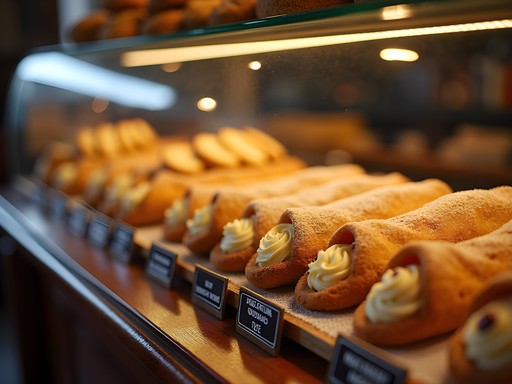
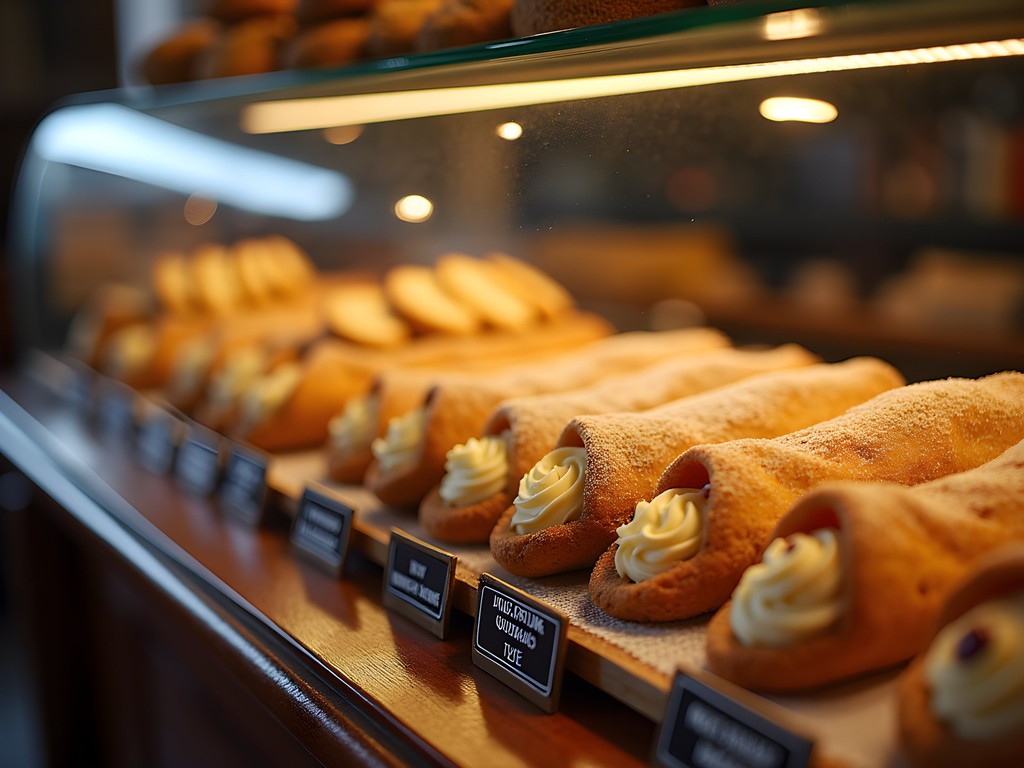
My methodical approach to exploration led me to several family-owned establishments where traditional recipes have been preserved across generations. At Dolores Bakery, I found Italian cookies made with recipes unchanged since 1938, while Antonio's Trattoria served a remarkable pasta fagioli that transported me back to similar dishes I'd enjoyed while trail running in northern Italy.
The highlight was discovering the St. Mary's Feast in July, a traditional Italian religious celebration featuring processions, music, and incredible street food. The feast has continued for over a century and represents the kind of authentic cultural experience that's increasingly rare in commercialized tourist destinations.
I documented the culinary journey with my smartphone rather than my usual camera setup, finding that the phone camera lens kit provided the perfect focal length for food photography in the often dimly-lit, intimate restaurant settings.
💡 Pro Tips
- Visit Knightsville on Sunday mornings when families gather after church services for traditional meals
- If possible, plan your Cranston visit during the St. Mary's Feast in July for the most immersive Italian-American cultural experience
- Most family restaurants in the area don't take reservations and operate on a first-come basis
Final Thoughts
What began as a recovery weekend between running events evolved into one of the most rewarding cultural explorations I've experienced in New England. Cranston offers precisely what many travelers seek but rarely find—authentic historical experiences without commercial veneer, meaningful interactions with locals passionate about their heritage, and the satisfying discovery of places not yet overrun by tourism.
For couples seeking connection both with each other and with America's layered history, Cranston provides an ideal weekend escape. The proximity to Providence means you can easily combine urban amenities with these more intimate cultural experiences. As someone who typically gravitates toward natural landscapes, I found unexpected satisfaction in this exploration of human heritage and innovation.
I've learned that sometimes the most revealing cultural journeys happen in places overlooked by mainstream travel narratives—a reminder to approach every destination with curiosity and an analytical eye for the stories hiding just beneath the surface. Cranston may not make the cover of travel magazines, but perhaps that's precisely what preserves its authenticity and charm.
✨ Key Takeaways
- Cranston offers accessible historical experiences without the crowds of more famous New England destinations
- The city's diverse heritage sites span colonial history, industrial innovation, and immigrant cultural traditions
- Budget-friendly exploration is possible through many volunteer-run historical societies with minimal admission fees
- Combining Cranston's cultural sites with Providence's amenities creates an ideal weekend itinerary
📋 Practical Information
Best Time to Visit
year-round, though May-October offers optimal weather and most sites are fully operational
Budget Estimate
$200-350 for a weekend (excluding accommodations)
Recommended Duration
2-3 days
Difficulty Level
Easy



Comments
Haley Hamilton
This resonates so much! I had a similar experience in Cranston about three years ago - stumbled on it completely by accident after a conference in Providence got cancelled. Ended up spending two days there instead of one. The Joy Homestead especially got to me. There's something about those smaller, more intimate historical sites that the big mansion tours just can't replicate. You can actually imagine people living there, you know? Not just gawking at opulence. Also, if anyone's planning to visit, the Gaspee Days celebration in June is incredible - they literally burn a replica ship in the harbor. It's wild and very Rhode Island.
exploreseeker
Is Pawtuxet Village walkable or do you need a car to get between sites?
Haley Hamilton
The village itself is totally walkable! But getting from the village to the mansion and other sites around Cranston, you'll want a car or rideshare.
journeybackpacker
Adding this to my summer road trip list!
Gregory Boyd
Really appreciate this post, Adam. I've been guilty of the Newport-Providence circuit myself when visiting New England. What struck me most about your description of the Print Works is how it represents that intersection of industrial innovation and social history - the kind of place that shaped American labor movements but gets overshadowed by the gilded age mansions. The textile industry's impact on New England is genuinely fascinating when you dig into it. Did you get a sense of how well they've preserved the original machinery and workspace? I'm always curious about how industrial heritage sites balance authenticity with accessibility.
wanderlife
How much time would you recommend for the Sprague Mansion tour? Planning a day trip from Boston.
sunnyace
not the author but i did this last year - give yourself like 90 mins for the mansion, its really detailed
Haley Hamilton
I'd budget at least 4-5 hours for Cranston if you're coming from Boston. The mansion is about 90 minutes like sunnyace said, but Pawtuxet Village is worth wandering for a couple hours too. There's this incredible little cafe near the waterfront where I had the best clam chowder. The whole area has such a different vibe from the usual New England tourist spots - feels like you're actually experiencing local history rather than performing tourism, you know?
sunnyace
Never even heard of Cranston before this! Looks amazing!
Gregory Boyd
Same! Everyone talks about Newport but this seems way more authentic and less touristy.
adventureperson
Love your photos! That shot of Pawtuxet Village is gorgeous.
Casey Andersson
This post hit differently for me! I stayed at a gorgeous boutique hotel in Providence last year and completely missed Cranston - what a mistake. The Joy Homestead sounds exactly like the kind of intimate historical experience I love, where you can actually feel the weight of the past rather than just being herded through with crowds. The textile innovation angle is fascinating too. Rhode Island's industrial heritage doesn't get nearly enough attention compared to the Gilded Age mansions. I grabbed my New England guide before that trip and even it barely mentions Cranston. Definitely rectifying this oversight on my next visit!
backpacktime7114
Right?? Everyone just does Newport and calls it a day.
photolife2530
Are these sites good for photography? Specifically wondering about interior shots at the mansion and if they allow tripods.
backpacktime7114
Going there next month!! How long did you spend at each site? Trying to figure out if this is a full day thing or can squeeze it into half day.
Casey Andersson
Not Adam, but I'd say give yourself a full day if you want to really appreciate everything. The Pawtuxet Village alone is worth 2-3 hours just wandering around!
Venture X
Premium card with 2X miles, $300 travel credit, Priority Pass