
Disclosure: This article contains affiliate links. We may earn a commission from purchases at no extra cost to you, which helps our travel content.
When my anthropology research led me to Brazzaville last fall, I expected to find interesting connections between traditional Congolese medicine and local brewing practices. What I didn't expect was to discover one of Africa's most underrated cultural destinations. The Republic of Congo's capital offers a fascinating blend of French colonial influence, vibrant Congolese traditions, and an emerging craft beverage scene that few travelers ever experience. Grab your field notes—we're diving deep into authentic Brazzaville, where colonial architecture meets traditional healing and unexpected brewing innovations.

Navigating Brazzaville's Cultural Landscape
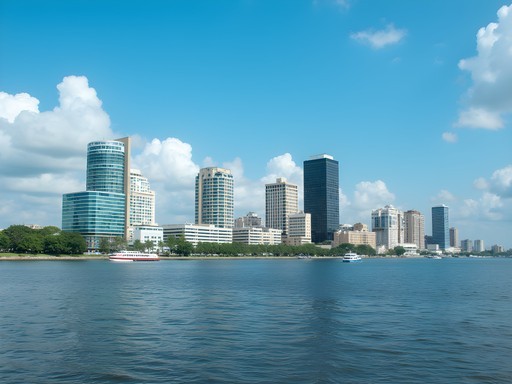
Brazzaville demands a different approach than your typical tourist destination. The city stretches along the Congo River, directly facing Kinshasa across the water, creating one of the world's most fascinating urban contrasts.
During my week here, I quickly learned that having a local contact makes all the difference. Through my university connections, I met Pascal, a graduate student researching traditional medicine, who became my cultural bridge. If you don't have academic connections, services like WithLocals can connect you with knowledgeable local guides who understand the nuances of Congolese culture.
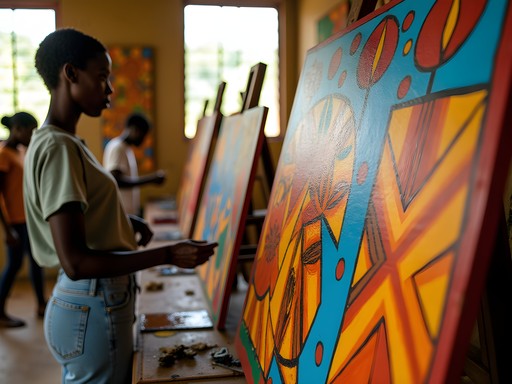
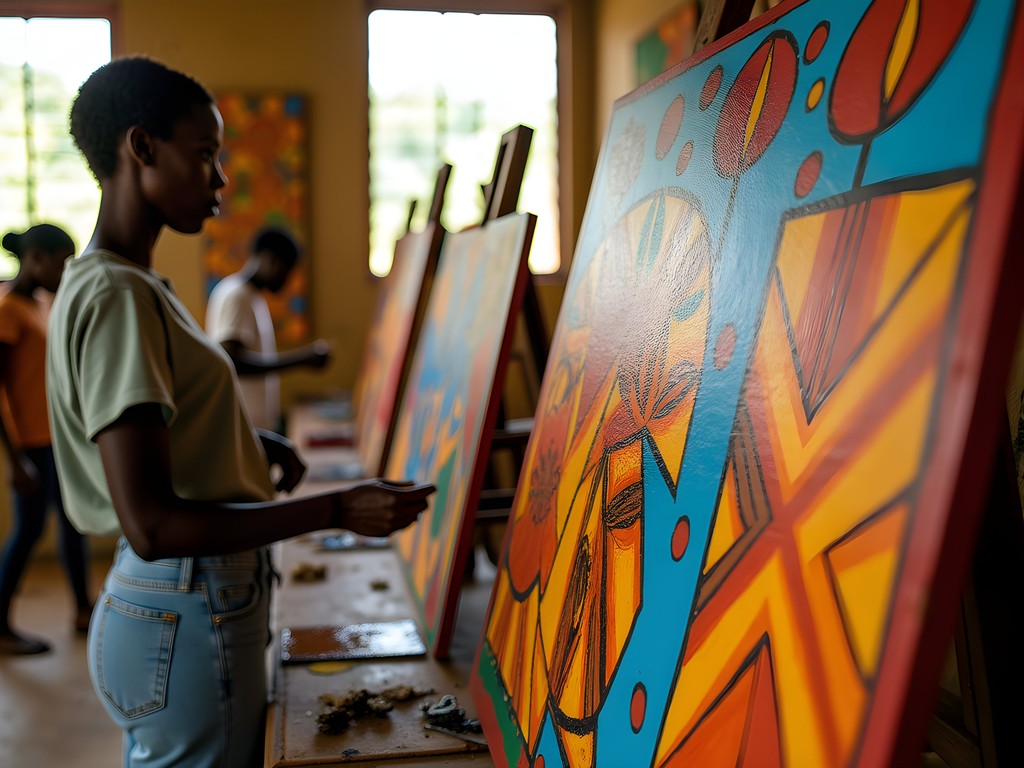
The Poto-Poto neighborhood became my base for exploration. This artistic quarter houses the famous Poto-Poto School of Painting, where you can watch artists work and even participate in workshops. What struck me most was how the artists incorporate traditional medicinal symbols into their vibrant canvases—a visual representation of the connection between art, spirituality, and healing that permeates Congolese culture.
My anthropological background helped me appreciate these connections, but any curious traveler can access these experiences with respectful interest and the right introductions.
💡 Pro Tips
- Learn basic French phrases—English is limited outside tourist areas
- Dress modestly but prepare for heat and humidity with breathable fabrics
- Always ask permission before photographing people or cultural practices
Traditional Medicine Meets Modern Brewing
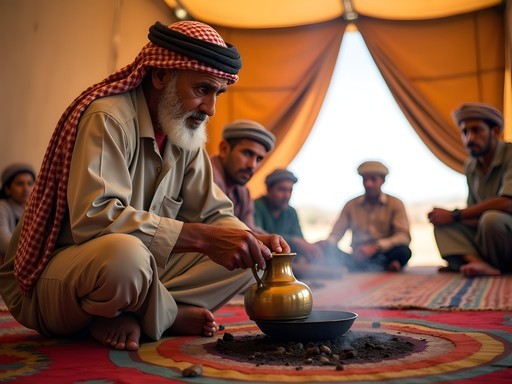
My academic focus on the intersection of brewing traditions and medicinal practices led me to some fascinating discoveries in Brazzaville. Through Pascal's connections, I gained access to a small community where a local nganga (traditional healer) demonstrated how certain indigenous plants are used in both healing rituals and the fermentation process of traditional alcoholic beverages.
The parallels between brewing and medicine here aren't coincidental—many of the same botanicals that provide medicinal benefits are also used to flavor and preserve traditional drinks. I documented these processes using my field recorder, which proved invaluable for capturing interviews in noisy market environments.
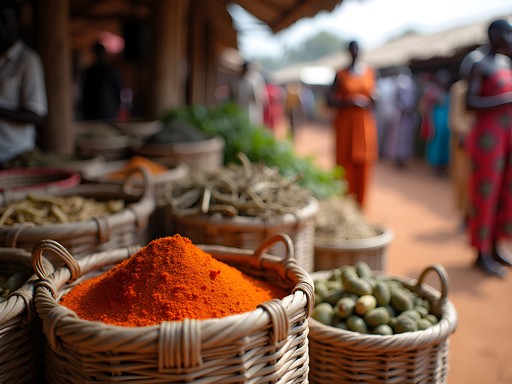
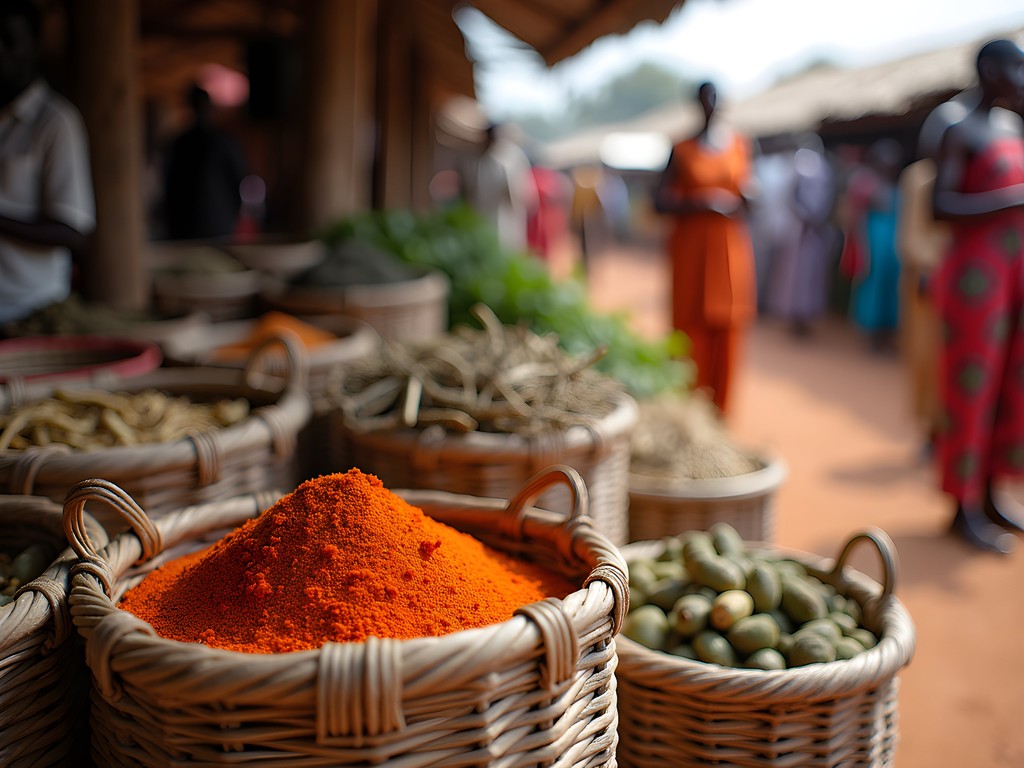
For those interested in traditional medicine, the Marché Total offers an eye-opening experience. This sprawling market features vendors selling medicinal herbs, roots, and preparations. While some tourists find it overwhelming, I found that approaching vendors with genuine curiosity and respect opened doors to incredible knowledge sharing.
One particularly memorable experience was participating in a small-batch brewing session where palm sap was fermented with specific medicinal herbs. The brewer explained how different ingredients were added at precise times to enhance both flavor and health benefits—a practice that reminded me of similar approaches I'd documented in Bavarian brewing traditions, though with entirely different botanical profiles.
💡 Pro Tips
- Bring small denominations of Central African Francs for market purchases
- Consider traveling with a knowledgeable local guide when visiting traditional healers
- Keep a pocket field guide for documenting plant names and uses
Riverside Revelations: The Congo's Cultural Crossroads
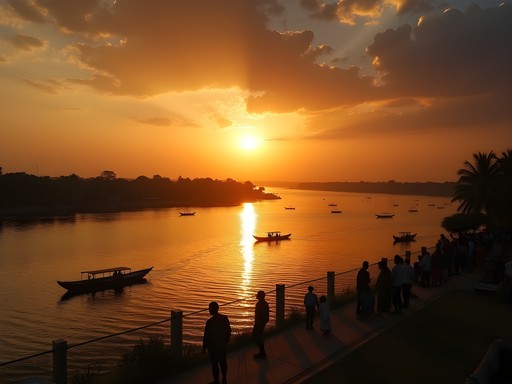
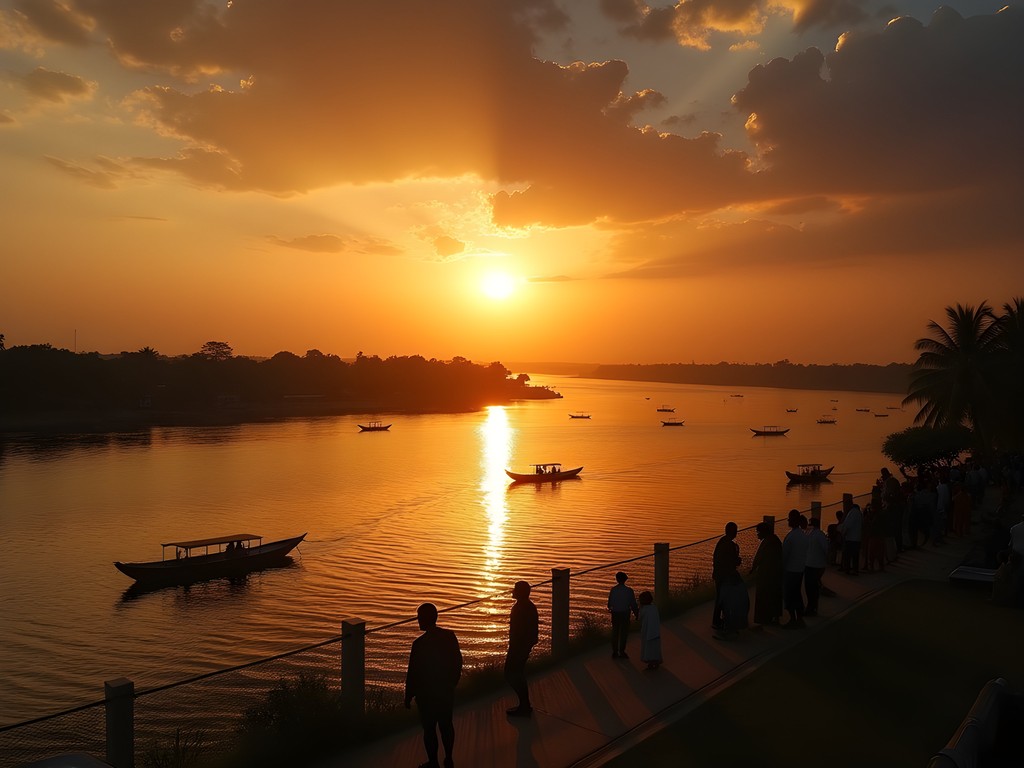
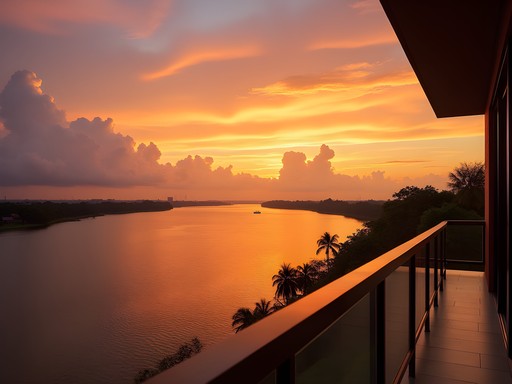
No visit to Brazzaville is complete without spending time along the mighty Congo River. The riverside promenade offers spectacular views of Kinshasa across the water and serves as a gathering place for locals, especially at sunset. I spent several evenings here, notebook in hand, observing how this natural boundary shapes the cultural identity of Brazzaville's residents.
For the best experience, I recommend bringing a comfortable portable chair to the riverside at dusk. The locals were amused by my portable seating, but it sparked conversations that wouldn't have happened otherwise. Several evenings, I found myself sharing palm wine with fishermen who explained how river spirits influence both fishing practices and traditional brewing methods.
The Marien Ngouabi Mausoleum, honoring Congo's former president, provides historical context for understanding the country's post-colonial development. While not directly related to my research interests, understanding the political history helped me contextualize how traditional practices have survived and evolved through periods of significant social change.
For couples seeking a memorable experience, I suggest booking a sunset river cruise through your hotel. These small boat excursions offer unique perspectives of both Brazzaville and Kinshasa while providing opportunities to witness traditional fishing techniques up close. Just be sure to bring a waterproof dry bag for your electronics—the spray from passing boats caught me off guard more than once!
💡 Pro Tips
- Visit the riverside promenade at sunset when temperatures are cooler and locals gather
- Bring a small gift (like coffee or tea) if invited to someone's home
- Download maps offline as internet connectivity can be unreliable

Urban Brews: Brazzaville's Emerging Craft Scene
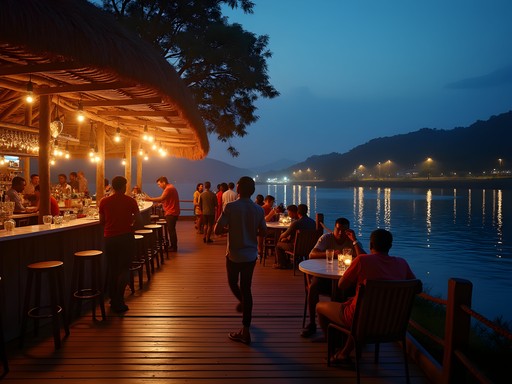
While traditional fermentation practices were my primary research focus, I was pleasantly surprised to discover Brazzaville's nascent craft brewing scene. The colonial influence has left a legacy of beer appreciation, but young Congolese entrepreneurs are now blending European techniques with local ingredients and traditions.
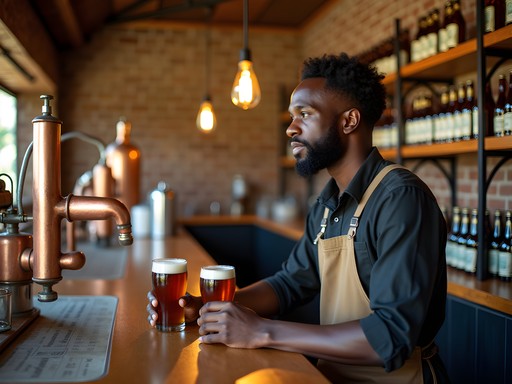
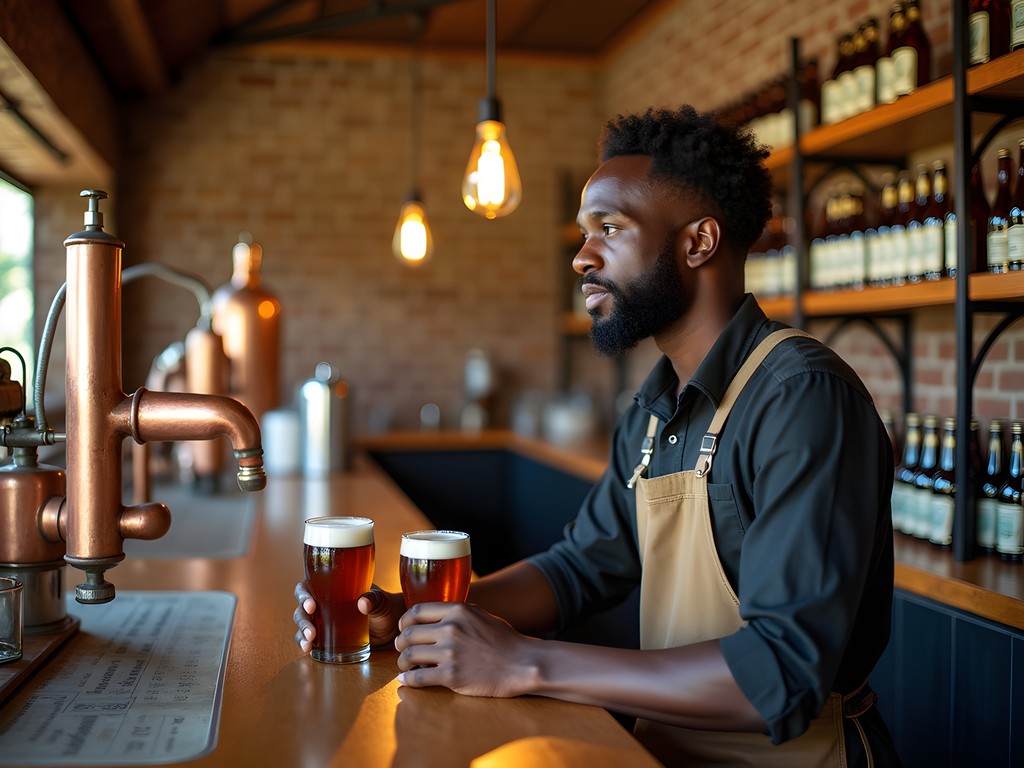
Mami Wata, a small brewpub near the city center, became my regular haunt. The owner, Jean-Michel, studied brewing in Belgium before returning to his hometown to open this unique establishment. What makes his approach fascinating is how he incorporates traditional medicinal plants into modern brewing recipes—creating beers with distinctly Congolese character.
I spent several afternoons documenting his brewing process, even assisting with a batch that incorporated ginger, hibiscus, and a local root traditionally used to treat digestive issues. The resulting beer was unlike anything I'd tasted in my extensive brewing explorations across Europe and the Americas—tart, refreshing, and with a complexity that reflected its cultural hybridity.
For serious beer enthusiasts, I recommend bringing a flavor wheel notebook to document these unique taste experiences. Jean-Michel was delighted by my methodical approach and ended up sharing experimental batches not available to regular customers.
What struck me most was how these brewers are preserving traditional knowledge through modern applications—creating sustainable markets for indigenous plants while introducing younger generations to their cultural heritage through an accessible medium.
💡 Pro Tips
- Visit brewpubs on weekday afternoons when brewers have more time to chat about their craft
- Respect local drinking customs—it's common to pour a small amount on the ground as an offering before drinking
- Try palm wine (nsamba) for a truly traditional fermented beverage experience
Practical Preparations for Cultural Immersion
Brazzaville requires more preparation than your typical vacation destination. First, visa requirements are strict and often change—I recommend using visa service to navigate the bureaucracy. I applied two months before my trip and still barely received my documentation in time.
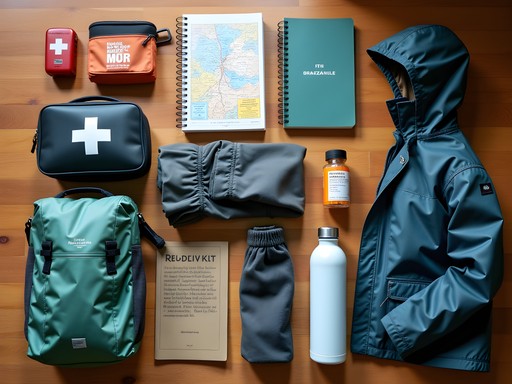
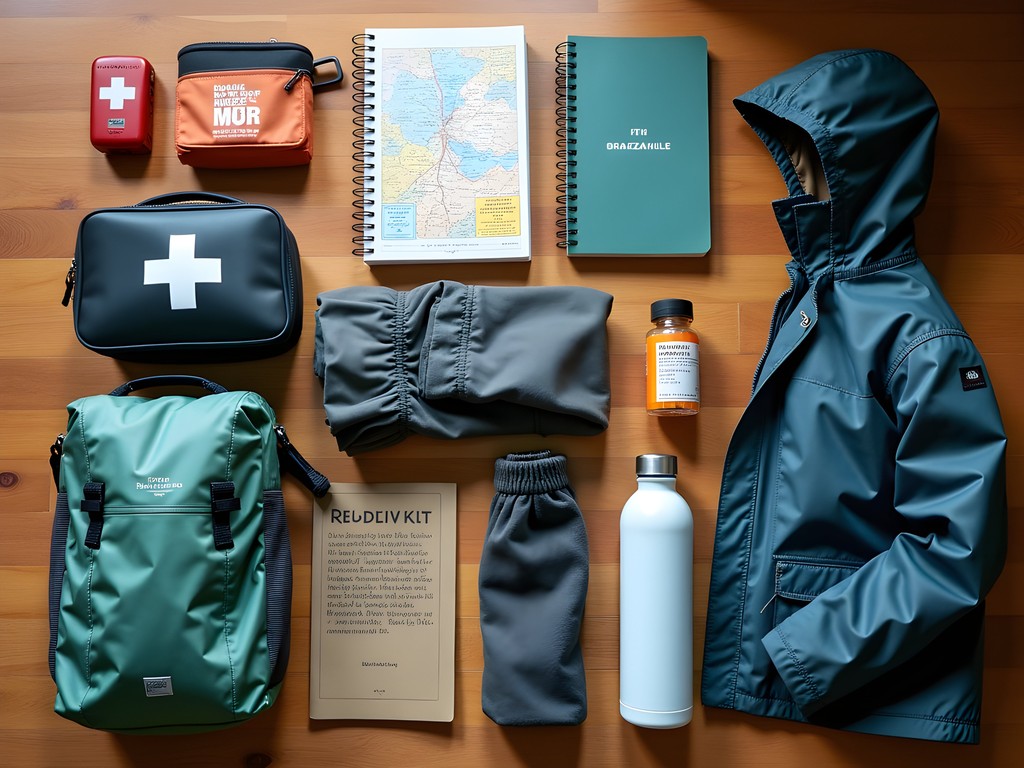
Health preparations are essential. Yellow fever vaccination is mandatory, and I recommend malaria prophylaxis as well. My travel medical kit came in handy several times, especially for minor stomach issues and insect bites.
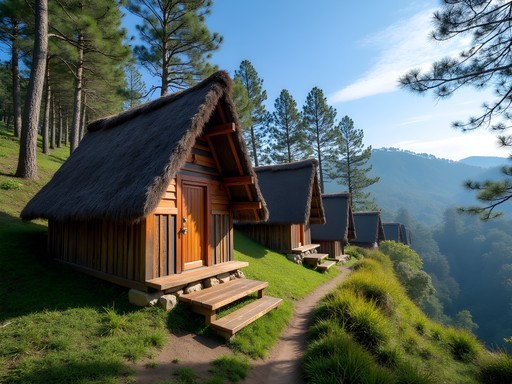
Accommodation options range from basic to surprisingly luxurious. I split my time between the upscale Radisson Blu M'Bamou Palace for reliable amenities and a small locally-owned guesthouse in Poto-Poto for a more authentic experience. The contrast between these accommodations offered interesting perspectives on how different economic classes experience the city.
Brazzaville's climate demands thoughtful packing. October brought occasional afternoon downpours followed by intense humidity. Lightweight, quick-drying clothing is essential, as is a packable rain jacket that won't leave you overheated.
While English is limited outside major hotels, I found that my basic French combined with genuine interest in local culture opened many doors. Several times, my attempts at greeting people in Lingala (a local language) were met with delighted laughter and immediate warmth—proving that effort matters more than perfection when crossing cultural boundaries.
💡 Pro Tips
- Book accommodation with reliable power generators as electricity can be inconsistent
- Bring US dollars as backup but exchange some for local currency immediately
- Purchase a local SIM card at the airport for affordable data access
Final Thoughts
My week in Brazzaville barely scratched the surface of this complex cultural landscape where traditional knowledge and modern innovation create fascinating intersections. As an anthropologist focused on brewing traditions and medicinal practices, I found endless material for my research. But more importantly, I discovered a destination that rewards curious travelers willing to venture beyond conventional tourism.
The connections between brewing and healing that I documented in Brazzaville reflect deeper cultural values about community, spirituality, and the relationship between humans and the natural world. These insights have profoundly influenced my understanding of how traditional knowledge adapts and persists in rapidly changing societies.
For couples seeking a truly unique cultural experience, Brazzaville offers authentic encounters that simply aren't possible in more tourist-oriented destinations. The challenges—language barriers, infrastructure limitations, bureaucratic hurdles—become part of the adventure rather than obstacles to overcome.
As I crossed back over the Congo River toward my departure flight, I couldn't help but feel I was leaving with more questions than answers—the mark of truly meaningful travel. I'll be back, field notebook in hand, ready to dive deeper into the cultural brewing traditions of this remarkable region. Will you be brave enough to join me off the beaten path?
✨ Key Takeaways
- Brazzaville offers unique insights into the intersection of traditional medicine and brewing practices
- Local connections are essential for accessing authentic cultural experiences
- The emerging craft brewing scene provides a fascinating lens for understanding cultural preservation
- Preparation and respect for local customs open doors to meaningful cultural exchange
📋 Practical Information
Best Time to Visit
September to November (fall) or June to August (dry season)
Budget Estimate
$100-150 per day including mid-range accommodation
Recommended Duration
Minimum 5-7 days for meaningful cultural immersion
Difficulty Level
Challenging

Comments
travellife
How did you get around the city? Public transport or taxis? Heading there in December!
Scott Taylor
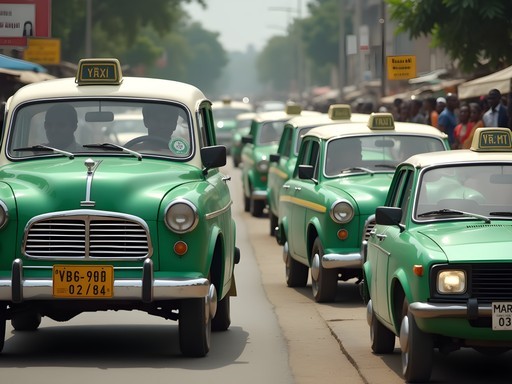
I used a mix of both! The shared taxis (green and white) are super affordable but can be crowded. For longer trips, I used this offline map and hired a private driver through my hotel for a day trip to the outskirts. December will be hot and rainy - bring light clothes that dry quickly!
coolseeker756
Love how you got off the beaten path! Those craft beer photos look amazing.
Taylor Moreau
Fascinating insights into Brazzaville's cultural landscape. I visited last year for a business conference and wish I'd had your guide then! The connection you've made between traditional medicine and brewing practices is something I completely missed. I did manage to visit the Marien Ngouabi Mausoleum and was struck by how it represents the country's complex political history. Did you find the locals open to discussing politics, or was there still sensitivity around certain topics? Your section on riverside revelations resonated with me - those sunset gatherings along the Congo River were a highlight of my trip as well.
backpackzone
How safe did you feel exploring Brazzaville on your own? Planning a trip to Central Africa next year and considering adding it to my itinerary.
Scott Taylor
I felt quite safe in most areas, especially during daylight hours. Like any city, there are neighborhoods to avoid. The locals were incredibly helpful when I needed directions. Just use common sense and maybe avoid walking alone late at night in unfamiliar areas.
backpackzone
Thanks Scott, that's reassuring! Did you find language to be a barrier at all?
Scott Taylor
French is definitely helpful, but I got by with basic phrases and translation apps. In the brewing scene, several people spoke English.
photoclimber
Wow, didn't expect to see a post about Brazzaville! Such an underrated destination. Thanks for highlighting it!
islandclimber
How did you get around the city? Did you need a car or is public transport ok?
Scott Taylor
I used a mix of taxis and walked a lot along the riverside. There are shared taxis (taxi-bus) that locals use but they can be confusing at first. Having a local contact really helped me navigate.
Taylor Moreau
Excellent piece, Scott. I've been to Brazzaville twice for business conferences and completely agree about the cultural crossroads aspect. The city has changed quite a bit in the past five years - there's a real entrepreneurial energy now, especially in the food and beverage sector. The craft brewing scene you mentioned is still nascent but genuinely exciting. I'd be curious to hear more about the traditional medicine connections you discovered. That intersection of old and new knowledge systems is fascinating from both cultural and business perspectives.
Scott Taylor
Thanks Taylor! The traditional medicine practitioners I met were using fermentation techniques passed down for generations. Some of the younger brewers are now adapting those same principles. Really hope to write more about it soon.
summerguy
This looks amazing! Is it safe for tourists? Been wanting to explore central africa but not sure where to start
Scott Taylor
Hey! I felt very safe there. Stick to the main areas during the day, and I'd recommend connecting with a local guide. The people were incredibly welcoming. Just use common sense like any city.
summerguy
Thanks man! Appreciate it
coffeestar9502
Can you share more about the craft brewing scene? Like where exactly did you go and can tourists just show up?
islandlegend
Going there in March! Any specific neighborhoods you'd recommend staying in?
Venture X
Premium card with 2X miles, $300 travel credit, Priority Pass