


Disclosure: This article contains affiliate links. We may earn a commission from purchases at no extra cost to you, which helps our travel content.
The humid air of Bata enveloped me like a warm embrace as I stepped off the plane, my research notes on West African colonial architecture tucked securely in my waterproof messenger bag. Equatorial Guinea has long remained one of Africa's least visited countries, a reality shaped by its complex political history and limited tourism infrastructure. Yet for the cultural scholar-traveler willing to navigate these complexities, Bata—the country's largest city and economic heart—offers an unparalleled window into a fascinating confluence of Spanish colonial influence, indigenous Fang culture, and rapidly evolving modern African urbanism.

Navigating Bata's Dual Identity
Bata presents itself as a city of contrasts—wide, palm-lined boulevards reminiscent of Spanish urban planning intersect with vibrant local markets and communities. The city's architectural landscape tells a story of colonial imposition and indigenous resilience that my academic background couldn't fully prepare me for.
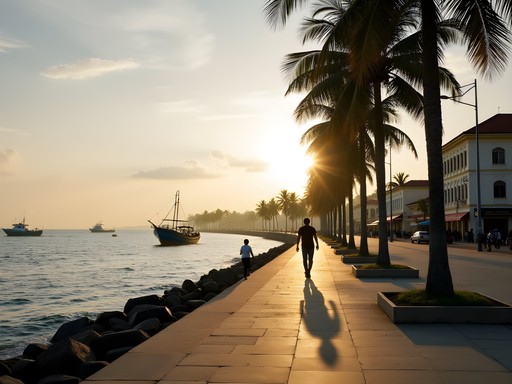
During my first days, I established a base at Hotel Federación, a mid-range accommodation offering reliable Wi-Fi and air conditioning—essentials when temperatures regularly exceed 30°C with humidity levels to match. From here, I would begin each morning with a run along the Paseo Marítimo (seafront promenade), an activity that quickly connected me with local running enthusiasts who became invaluable cultural guides.
Bata's pace demands adaptation. I found my moisture-wicking running gear essential for morning explorations, while my portable water purifier proved indispensable throughout the trip, allowing me to stay hydrated without contributing to the plastic waste problem evident along some of Bata's otherwise beautiful beaches.

💡 Pro Tips
- Learn basic Spanish phrases—while French and Portuguese may help in other parts of Central Africa, Spanish remains Equatorial Guinea's official language
- Respect photography protocols—always ask permission before photographing individuals or government buildings
- Carry small denominations of Central African CFA francs as most local vendors don't accept cards or have change for large bills
Forging Connections Through Community Markets
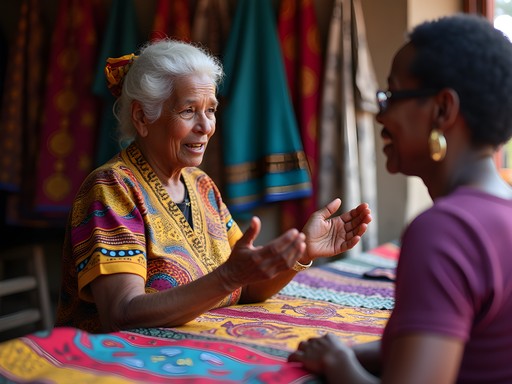
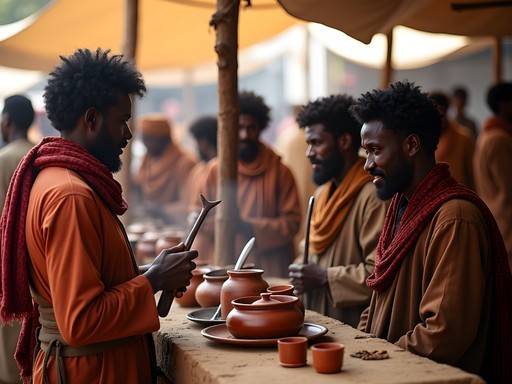
My academic interest in cultural exchange points led me naturally to Bata's markets, where the pulse of local life beats strongest. The central market (Mercado Central) initially overwhelmed my senses—a cacophony of vendors calling out prices, the pungent aromas of fresh fish and tropical fruits, and the vibrant colors of traditional fabrics.
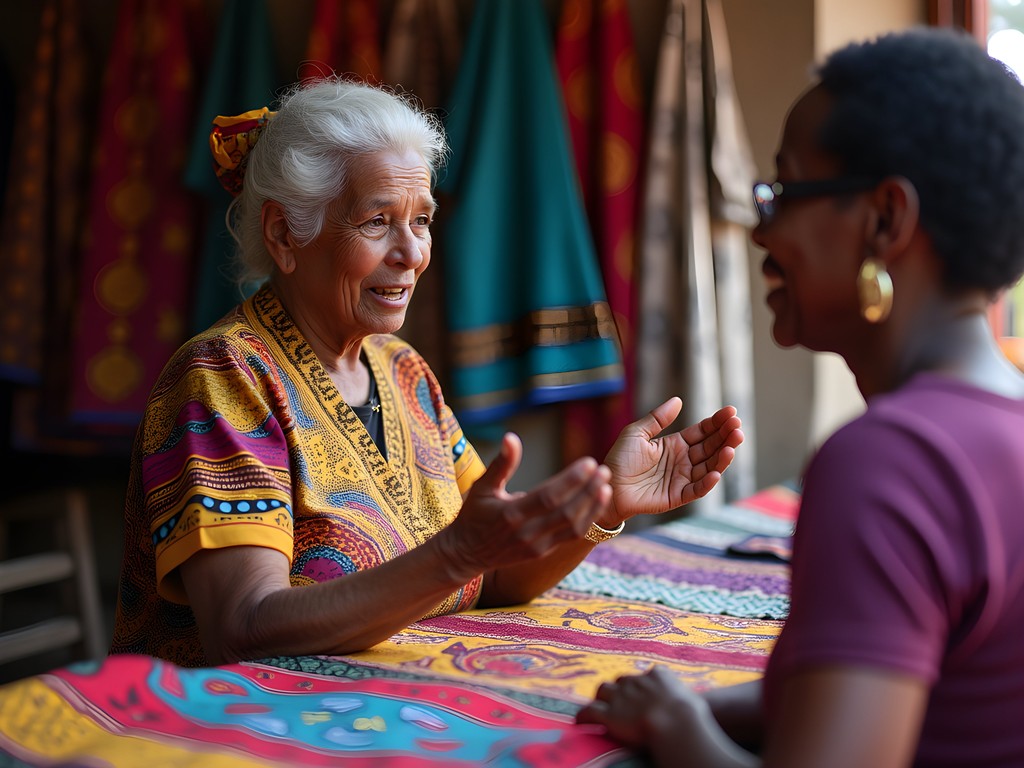
Rather than approaching as a tourist, I employed what I call 'academic immersion'—visiting consistently at the same times, making small purchases, and gradually building rapport with vendors. By my fourth visit, Mama Elena, a fabric seller, began explaining the significance of different patterns in Fang ceremonial clothing, knowledge I'd never find in academic papers.
For these market excursions, my anti-theft crossbody bag proved perfect—secure enough to ease concerns in crowded spaces yet unobtrusive enough to avoid creating unnecessary barriers between myself and the community. I also recommend carrying a compact fan for those moments when the tropical heat intensifies in enclosed market spaces.
💡 Pro Tips
- Visit markets early (6-8am) to observe local purchasing practices before tourist hours
- Learn numbers and basic bargaining phrases in Spanish and Fang if possible
- Bring your own reusable bags for purchases to demonstrate environmental consciousness
Engaging with Fang Cultural Traditions
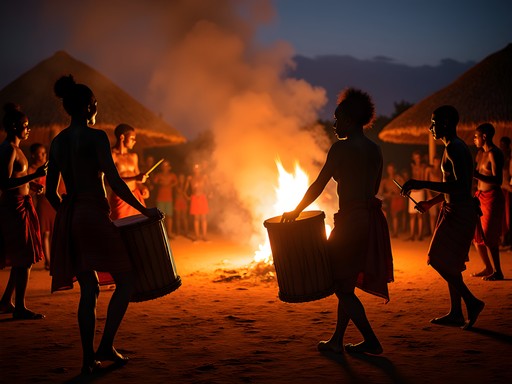
The indigenous Fang culture forms the bedrock of Equatorial Guinea's cultural identity, despite centuries of colonial influence. Through connections established at the University of Equatorial Guinea's Bata campus, I arranged to witness an abira ceremony in a village 30 kilometers outside the city—a traditional healing ritual rarely observed by outsiders.
Preparing for this experience required cultural sensitivity beyond typical tourist etiquette. I consulted with my academic contacts to understand appropriate dress (covering shoulders and knees), behavioral expectations (never crossing between the ritual leader and the ceremonial fire), and bringing appropriate gifts (kola nuts and palm wine, not money).
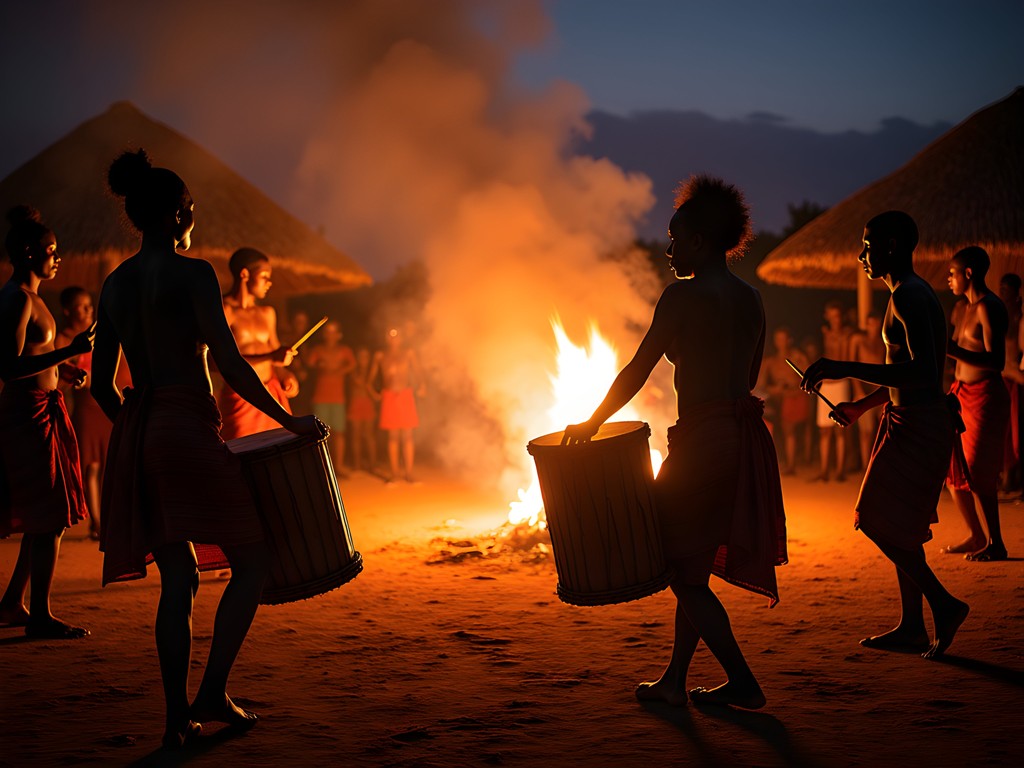
The ceremony itself—with hypnotic drumming that continued through the night and intricate dance movements believed to channel ancestral spirits—provided insights into indigenous knowledge systems that continue to thrive despite modernization pressures. My solar lantern proved invaluable during the overnight ceremony, providing gentle illumination without the harsh glare of conventional flashlights that might have disrupted the atmosphere.
For documenting such experiences respectfully, I recommend using a pocket audio recorder rather than constantly taking photographs, allowing for more present participation while still preserving memories and research material.
💡 Pro Tips
- Always request permission through proper channels before attending traditional ceremonies
- Bring appropriate offerings as determined by local customs, not what you assume would be valuable
- Respect prohibitions on photography or recording during sacred moments—some memories are meant to be experienced, not captured

Tracing Colonial Histories Through Architecture
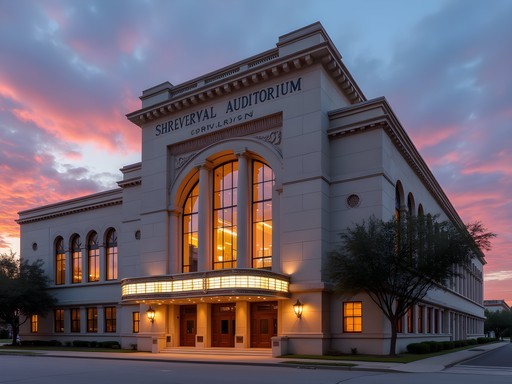
As an academic with a background in architectural history, Bata's colonial buildings provided a tangible timeline of Spanish influence. The Cathedral of Bata stands as the most prominent example, its neo-gothic façade incongruous against the tropical landscape yet telling a complex story of religious conversion and cultural imposition.
I spent several mornings sketching architectural details and interviewing elderly residents about their memories of these spaces. One particularly moving conversation occurred with Francisco, an 86-year-old former government clerk, who recalled how certain buildings transformed their functions after independence in 1968.
For this architectural exploration, I relied heavily on my waterproof notebook to document observations despite frequent tropical downpours. The humidity also wreaked havoc on my electronic devices until I began using a silica gel dehumidifier in my camera bag and laptop case.
While government buildings require permits for interior access (arranged weeks in advance through university connections), many colonial structures now serve as public institutions with more straightforward visiting protocols. The juxtaposition of Spanish architectural elements with local adaptations—like the ingenious passive cooling modifications visible in many colonial-era buildings—reveals a physical manifestation of cultural negotiation that continues to this day.

💡 Pro Tips
- Research building histories before visiting to understand their changing functions through colonial and post-independence periods
- Carry official documentation of academic or journalistic purpose when photographing government buildings
- Visit architectural sites with a local guide who can provide context beyond the physical structures
Sustainable Cultural Exchange: Beyond Tourism
My approach to travel has always existed at the intersection of academic research and cultural immersion. In Bata, this meant establishing reciprocal relationships rather than extractive ones. I arranged to give a guest lecture at the University of Equatorial Guinea on comparative colonial architectural influences across Asia and Africa, sharing my expertise while gaining invaluable local insights.
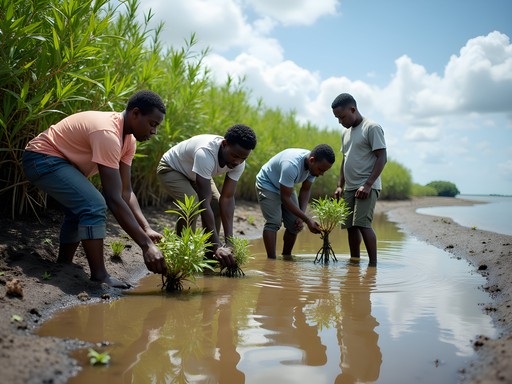
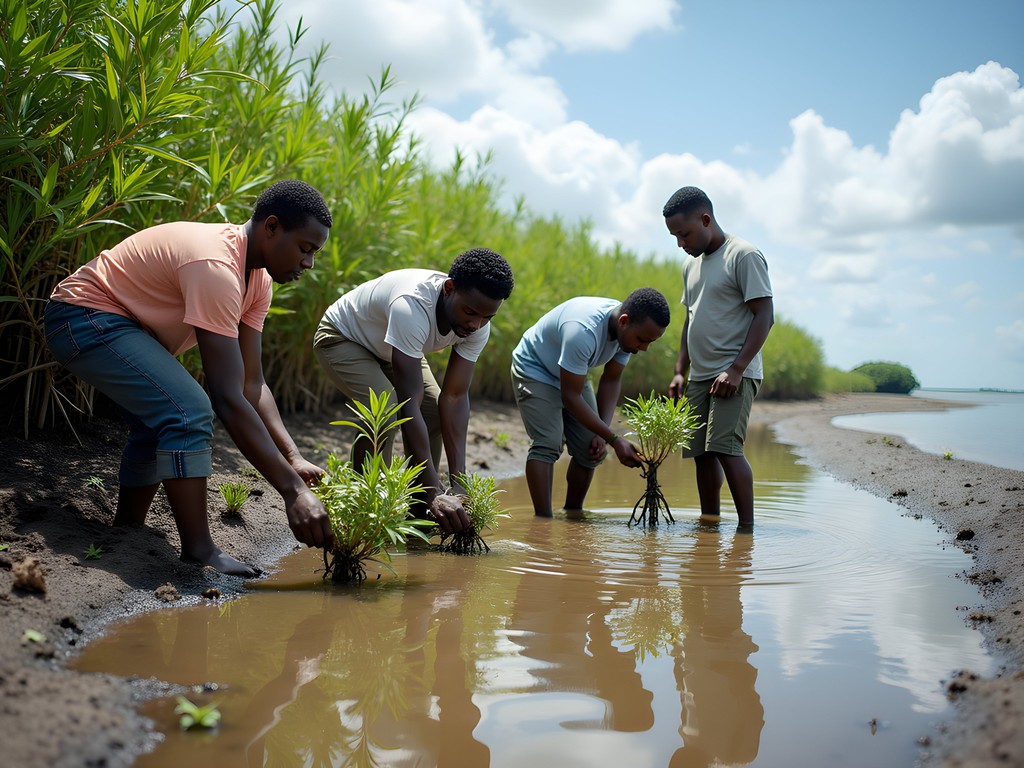
This exchange opened doors to community connections that would have remained closed to conventional tourists. Through university colleagues, I was invited to participate in a community mangrove restoration project along Bata's coastline—an opportunity to engage with environmental sustainability efforts while learning about traditional ecological knowledge.
For the mangrove planting, my quick-dry water shoes protected against sharp oyster shells while allowing necessary mobility in muddy conditions. Meanwhile, my waterproof dry bag kept research materials and electronics safe during unexpected tidal shifts.
The most meaningful cultural immersion often occurs through such participation in community priorities rather than pursuing tourist agendas. By the end of my two weeks, I had formed connections based on shared intellectual curiosity and mutual respect—the foundation for ongoing research collaboration rather than merely collecting experiences.
💡 Pro Tips
- Research local environmental or community initiatives before arrival and inquire about appropriate participation
- Offer your own skills or knowledge as exchange rather than monetary contributions
- Follow up with contacts after leaving—sustainable cultural exchange extends beyond physical presence
Final Thoughts
As my flight departed Bata's modest airport, I reflected on how this often-overlooked corner of Africa had challenged my own academic frameworks while enriching my understanding of cultural resilience. Equatorial Guinea defies easy categorization—its complex history of Spanish colonization creates a linguistic and architectural landscape distinct from its Francophone and Anglophone neighbors, while indigenous traditions maintain remarkable vitality despite historical pressures.
For the culturally curious traveler willing to engage beyond surface experiences, Bata offers profound lessons in how communities navigate the intersection of tradition and modernity on their own terms. The relationships I formed—with university colleagues, market vendors, and community members—transformed what could have been merely an interesting research trip into something far more meaningful: a genuine cultural exchange that will inform both my academic work and personal worldview for years to come.
As with all meaningful travel, the true value lies not in what we take away (photographs, souvenirs, or even research data) but in the mutual understanding created through respectful engagement. If you approach Bata with cultural humility, linguistic preparation, and genuine curiosity, you'll discover not just a destination absent from conventional tourist itineraries, but a new lens through which to view cultural resilience in our interconnected world.
✨ Key Takeaways
- Equatorial Guinea's unique Spanish colonial heritage creates a distinctive cultural landscape unlike neighboring Francophone countries
- Building relationships through consistent presence and cultural respect opens doors to authentic experiences beyond tourist access
- Academic knowledge provides valuable context, but must be balanced with openness to local perspectives and lived experiences
- Reciprocal exchange rather than extractive tourism creates more meaningful and ethical cultural encounters
- Environmental initiatives offer excellent opportunities for deeper community engagement beyond conventional cultural tourism
📋 Practical Information
Best Time to Visit
November-February (dry season) or May-September (less rainfall than peak wet season)
Budget Estimate
$100-150/day including mid-range accommodation, local transportation, and meals
Recommended Duration
Minimum 10 days, ideally 2 weeks for meaningful community connections
Difficulty Level
Challenging


Comments
Kimberly Murphy
Ariana, this is such a thoughtful exploration of Bata! I was there for my blog series on lesser-known African cities, and your observations about the dual identity really resonated. The architectural contrasts tell such a powerful story about colonialism and resilience. For anyone planning to visit, I'd add that connecting with local community organizations can enhance your experience tremendously. I volunteered for a day at a community garden project near the outskirts of town, which led to an invitation to a family dinner that became one of my most cherished travel memories. The Fang cultural traditions are absolutely worth experiencing - if you can time your visit with any local festivals, do it! Also, the seafood along the coast is INCREDIBLE. There's a small restaurant called La Marea (not in any guidebooks) where the catch of the day is whatever the owner's brother caught that morning. Just divine!
moonlover
La Marea sounds amazing! Adding it to my list for when I go back. Was it hard to find?
Kimberly Murphy
It's about two blocks from the waterfront, near where the fishing boats come in. No sign, just a blue door with a painted fish! Ask locals and they'll point you there.
springmaster
Great post! We took those shared taxis you mentioned between neighborhoods and it was such an authentic experience. One tip for anyone going - bring small denominations of CFA francs. Nobody has change, especially at the smaller market stalls where you'll find the best stuff.
beachclimber
Those market photos are incredible! Makes me want to visit just for the food!
wanderlustguide
Did you have any issues with language barriers? My Spanish is pretty basic and I'm planning to visit next year.
Kimberly Murphy
Not Ariana, but I was in Bata earlier this year! Basic Spanish will get you surprisingly far, especially in the city center. I found having a phrasebook super helpful for those moments when Google Translate wasn't working. The locals really appreciate any effort to speak their language!
wanderlustguide
Thanks Kimberly! That's reassuring. Did you find many people who spoke English there?
Kimberly Murphy
Not many outside of hotels and some tourist spots, which is why learning a few key Spanish phrases is so helpful!
moonlover
This post brought back so many memories! I visited Bata last year and was also struck by that incredible mix of colonial architecture and vibrant local culture. The markets were definitely my highlight too - I spent hours at the central market just talking with vendors (with my broken Spanish) and sampling all kinds of foods I'd never seen before. Did you try the banana fufu? I became slightly obsessed with it during my stay. The Fang cultural traditions were fascinating, though I wish I'd done more research before going like you did.
springmaster
How was your experience with safety in Bata? I've heard mixed things.
moonlover
I felt pretty safe overall, just used common sense like not flashing valuables. The locals were incredibly helpful when I got lost once. Just make sure to carry small bills for markets!
sunsetmood
This sounds incredible but also kinda intimidating for a first time Africa traveler? What was the food situation like and are there decent places to stay in Bata?
Douglas Bradley
This is excellent documentation of an under-researched destination. Your point about Bata's dual identity really resonates - I've found similar dynamics in other former Spanish colonies in Africa. The community market approach you described is the right way to engage authentically. One tip I'd add: connecting with local cultural associations before arrival can open doors that would otherwise remain closed to outsiders. The Fang community has rich oral traditions that aren't always immediately visible to casual visitors.
coffeeperson
Really interesting post! I'm curious about the colonial architecture section you mentioned. Did you find that locals were open to discussing that history? I imagine it's a complex topic. Also wondering about safety - is Bata generally safe for solo travelers?
citywalker
Love the market photos!
happybackpacker
Bata is underrated. The Fang villages outside the city are incredible if you can arrange a guide.
Venture X
Premium card with 2X miles, $300 travel credit, Priority Pass