



Disclosure: This article contains affiliate links. We may earn a commission from purchases at no extra cost to you, which helps our travel content.
When one spends as much time navigating the sleek corridors of Silicon Valley and the neon-lit streets of Tokyo as I do, there comes a moment when the soul craves something fundamentally different—something raw, authentic, and profoundly human. This is what led me, quite unexpectedly, to Utqiagvik (formerly known as Barrow), Alaska, the northernmost settlement in the United States, positioned well beyond the Arctic Circle. As a social worker turned tech consultant, I've developed a particular sensitivity to cultural narratives and human resilience. The Iñupiat people of Alaska's North Slope have sustained their remarkable way of life for over 1,500 years in one of Earth's most unforgiving environments. This isn't your typical luxury getaway—it's something far more valuable: an immersion into a worldview that challenges everything we take for granted in our hyperconnected modern existence.

Preparing for the Edge of America
The journey to Barrow demands meticulous preparation, both physical and mental. Flying into this remote outpost requires at least two connections from most major cities, typically through Anchorage and then Fairbanks. I booked my accommodations at the Top of the World Hotel, which, while not offering the amenities of a Four Seasons, provides comfortable rooms and authentic local hospitality that feels genuinely luxurious in this context.
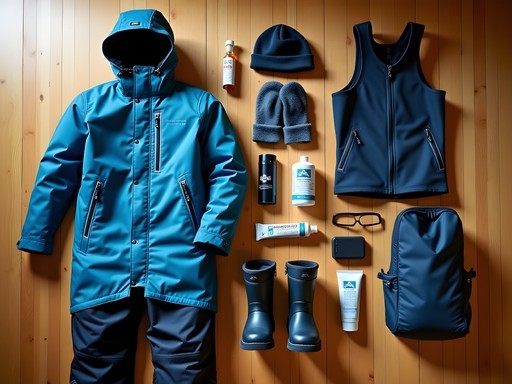
Despite visiting in summer, I quickly learned that 'summer' in the Arctic means something entirely different than it does in Henderson or Marseille. Temperatures hover between 3-12°C (38-54°F), with the possibility of snow even in July. My Arc'teryx Cerium LT Down Jacket became my constant companion—lightweight enough to pack easily yet providing crucial warmth during unexpected cold snaps and midnight (yet fully sunlit) walks along the Arctic Ocean.
Perhaps most importantly, I had to prepare my expectations. Barrow isn't a destination with a tourism infrastructure designed to cater to your every whim. Its luxury lies in access to experiences and perspectives most travelers will never encounter. The town's remoteness means everything—from fresh produce to basic supplies—must be flown in at considerable expense. This reality shapes both the local economy and cultural practices in fascinating ways that became increasingly apparent throughout my stay.

💡 Pro Tips
- Book accommodations 3-6 months in advance as options are extremely limited
- Pack multiple layers regardless of season—Arctic weather can change dramatically within hours
- Bring sufficient cash as ATMs are scarce and connectivity issues can affect card payments
Cultural Immersion Through the Iñupiat Heritage Center
The Iñupiat Heritage Center stands as the cultural heart of Barrow and should be your first destination upon arrival. More than a museum, it functions as a living repository of knowledge and practices that have sustained this remarkable community for millennia. I spent an entire day here, beginning with a formal tour and gradually forming connections with the staff who shared insights no guidebook could provide.
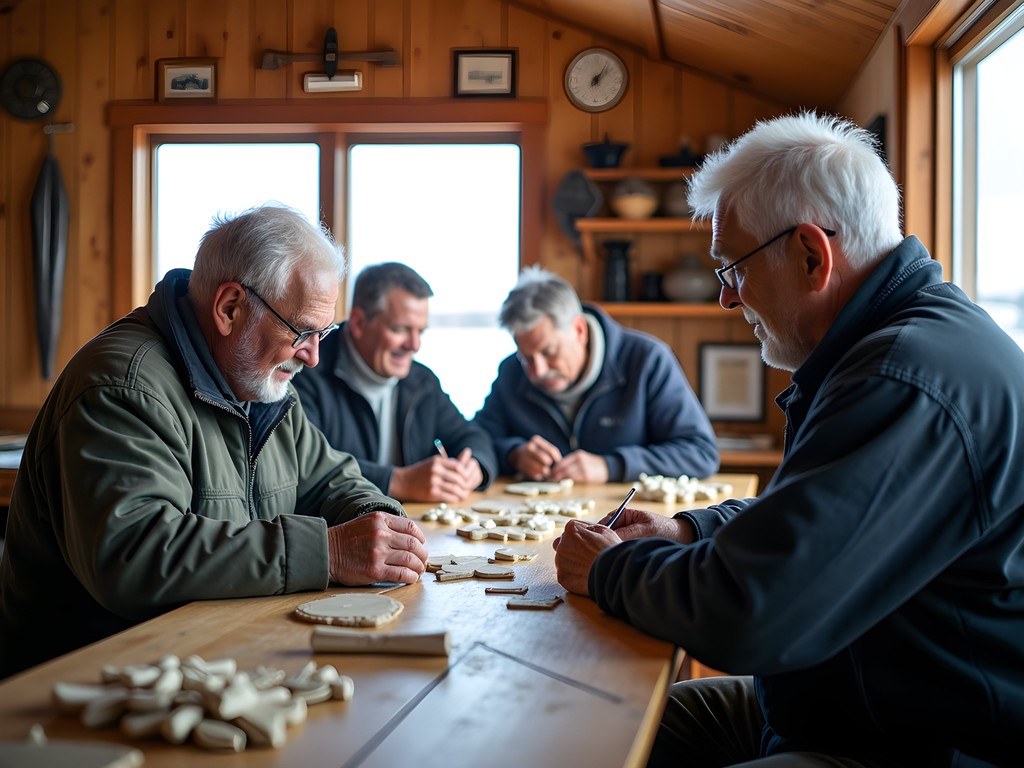
The center houses magnificent examples of traditional art, hunting implements, and ceremonial objects, each with stories that connect past to present. What struck me most powerfully was how the Iñupiat view these items not as static artifacts but as evolving tools in an unbroken cultural tradition. When elder carvers demonstrated traditional ivory and baleen carving techniques, I was mesmerized not just by their technical skill but by how they spoke about their work—as a conversation with ancestors rather than a preservation of the past.
For visitors seeking deeper engagement, the center offers workshops in traditional crafts. I participated in a half-day session learning basic scrimshaw techniques on baleen (whale cartilage)—a challenging but profoundly rewarding experience. My modest creation now sits on my desk in Henderson, a daily reminder of how knowledge passes through hands and hearts rather than merely through books or digital archives.
Before leaving, I purchased several pieces from local artisans at the center's gift shop. These aren't mere souvenirs but investments in cultural continuity, directly supporting families who maintain traditional practices alongside modern lives.
💡 Pro Tips
- Schedule at least 3-4 hours for your visit to fully appreciate the exhibits and connect with staff
- Check the workshop schedule in advance and book participation at least a week ahead
- Ask permission before photographing people or cultural demonstrations
The Nalukataq Festival: Witnessing Cultural Celebration
If you can time your visit to coincide with the Nalukataq Festival (typically held in late June), you'll witness the most significant cultural celebration in the Iñupiat calendar. This whaling festival celebrates successful spring hunts and embodies the community's deep connection to the bowhead whale—a relationship that has sustained life here for centuries.
I was fortunate to attend on the recommendation of a local contact I'd met through my work with mental health platforms. As an outsider, I approached with appropriate reverence, understanding that this was not a performance for tourists but a genuine cultural ceremony to which visitors are welcomed with characteristic Iñupiat hospitality.
The festival centers around the distribution of maktak (whale blubber and skin) and other traditional foods, followed by drumming, dancing, and the festival's namesake activity—the blanket toss. In this remarkable tradition, participants are launched high into the air from a blanket made of seal skins, originally serving as a hunting technique to spot distant game but now a celebration of community strength and cooperation.
To document these once-in-a-lifetime moments, I relied on my Sony Alpha a7 III with a versatile zoom lens. The camera's exceptional low-light performance proved invaluable during evening celebrations, while its unobtrusive size allowed me to photograph respectfully without disrupting the authentic atmosphere.
The festival provided rare opportunities to engage with community members over shared meals. These conversations—about climate change, cultural preservation, and the balance between tradition and modernity—were perhaps the most valuable souvenirs I brought home.

💡 Pro Tips
- Confirm festival dates before planning your trip as they depend on the spring whaling season
- Bring appropriate gifts if invited to share meals—quality coffee or tea is always appreciated
- Dress warmly even for 'summer' festivals as temperatures drop significantly in the evening

Arctic Gastronomy: Beyond Survival Food
The culinary traditions of the North Slope represent one of the world's most distinctive food cultures—born of necessity in an environment where traditional agriculture is impossible. For the luxury traveler accustomed to Michelin-starred experiences, Barrow's food scene requires a paradigm shift: here, luxury means freshness, cultural significance, and dishes you simply cannot experience elsewhere.
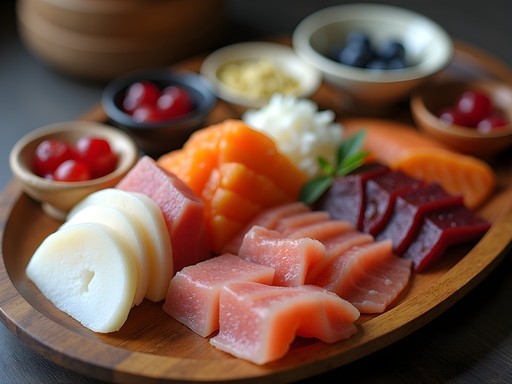
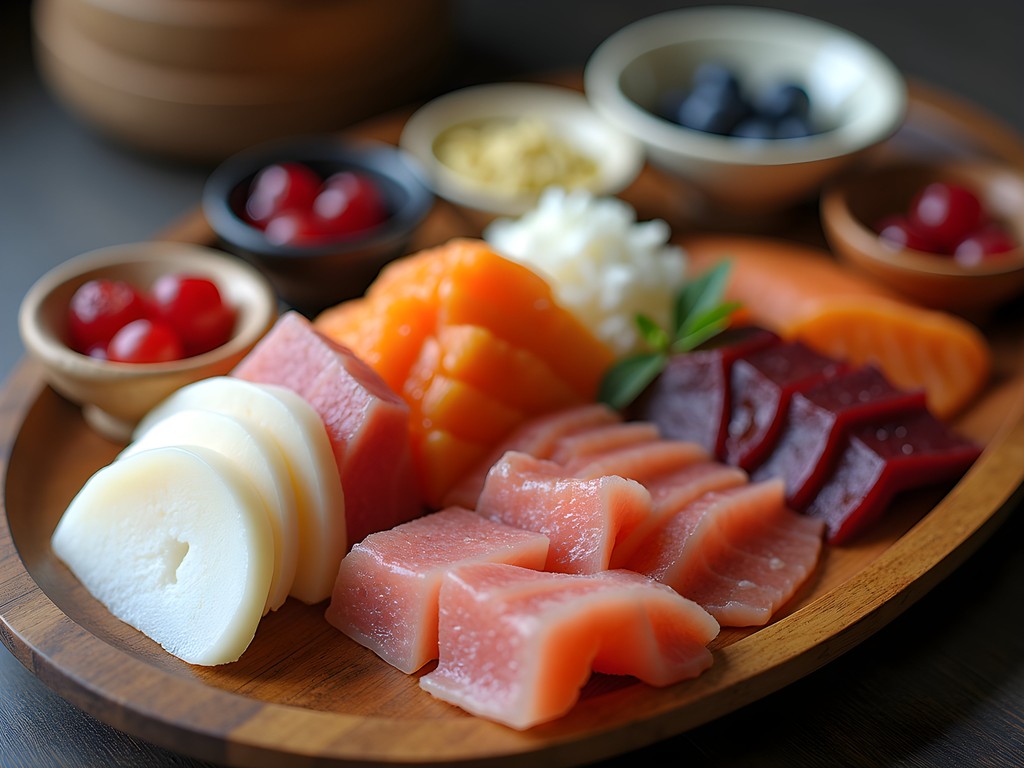
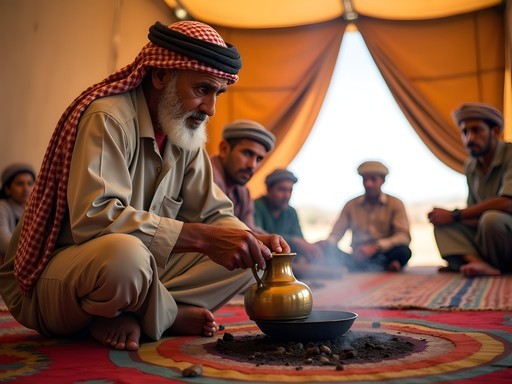
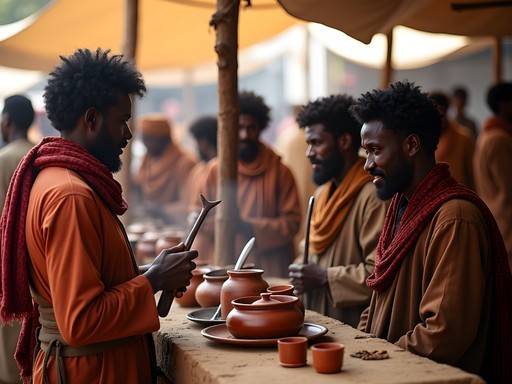
Through arrangements made by my hotel, I participated in a private traditional foods tasting led by an Iñupiat elder. This immersive dining experience included raw frozen caribou (quaq), bowhead whale meat and blubber (maktak), and various preparations of locally harvested fish. Each dish came with stories explaining its historical importance and harvesting techniques that have been refined over countless generations.
While some preparations challenged my French-influenced palate, others—particularly the Arctic char prepared with wild herbs—were genuinely delicious by any culinary standard. The experience deepened my appreciation for how indigenous foodways represent sophisticated adaptations to extreme environments rather than mere subsistence.
For those seeking more familiar fare, Barrow's restaurants offer surprisingly good options given the logistical challenges. Osaka Restaurant serves reliable Japanese-American cuisine, while Arctic Pizza has become something of a local institution. I found myself drawn repeatedly to Northern Lights Restaurant, where local ingredients are incorporated into recognizable dishes—their reindeer stew was particularly memorable.
To capture the vivid colors and textures of these unique foods, I used my iPhone 13 Pro with its excellent macro capabilities, allowing me to document these culinary experiences without disrupting the intimate atmosphere of shared meals.
💡 Pro Tips
- Approach unfamiliar foods with an open mind—traditional preparations represent centuries of cultural wisdom
- Request traditional food experiences through your accommodation as these aren't typically available in restaurants
- Bring high-quality chocolate or coffee as appreciation gifts when invited to private meals
Sustainable Arctic Tourism and Cultural Exchange
As both a social worker and frequent traveler, I'm acutely conscious of tourism's potential impacts on vulnerable communities. Barrow presents a fascinating case study in how remote indigenous communities can engage with tourism on their own terms while protecting cultural integrity.
During my week in Barrow, I participated in a guided tundra ecology walk led by an Iñupiat conservation officer. Beyond identifying the remarkably adapted plant species that thrive in this harsh environment, our conversation turned to climate change—which is happening here at twice the global average rate. The permafrost that has shaped local architecture, hunting practices, and cultural traditions is literally melting beneath the community's feet.
This reality underscores the importance of responsible tourism practices. I was impressed by local initiatives that ensure tourism dollars directly benefit community members rather than outside operators. The Tuzzy Consortium Library offers cultural orientation sessions for visitors that establish clear expectations about photography, appropriate questions, and community protocols.
For those seeking to document their journey comprehensively, I recommend the DJI Mini 3 Pro, which allowed me to capture the remarkable geography of the area while respecting local guidelines about drone usage. The drone's compact size made it practical to transport even with the strict luggage limitations on small aircraft serving Barrow.
The most meaningful experiences came through formal cultural exchange programs arranged through the North Slope Borough. These structured interactions ensure visitors gain authentic insights while community members maintain control over how their culture is presented and interpreted. The result is mutually beneficial—visitors receive genuine education rather than performance, while the community receives direct economic benefits that support cultural preservation efforts.

💡 Pro Tips
- Contact the North Slope Borough Department of Tourism at least one month before arrival to arrange cultural exchange opportunities
- Always ask permission before photographing people, homes, or cultural activities
- Consider leaving extra room in your luggage for local art purchases that directly support the community
Final Thoughts
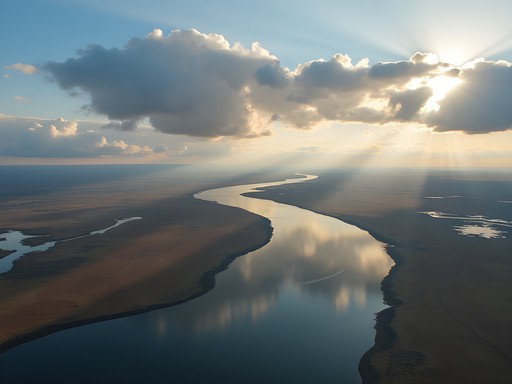
As my small plane lifted off from Barrow's airstrip, banking over the endless Arctic Ocean still dotted with summer ice floes, I reflected on how profoundly this week had shifted my perspective. In my regular travels between tech hubs and global cities, luxury often means isolation—private lounges, executive floors, and the comfortable bubble of cosmopolitan sameness. In Barrow, I discovered a different kind of privilege: authentic human connection across profound cultural differences. The Iñupiat have thrived for millennia by prioritizing community resilience over individual comfort—a philosophy with surprising relevance to our hyperconnected yet increasingly isolated modern lives. If you're seeking a luxury experience that enriches rather than merely indulges, consider venturing beyond the Arctic Circle. The journey challenges conventional notions of comfort but rewards with something far more valuable: a renewed appreciation for human adaptability and the profound wisdom embedded in indigenous knowledge systems.
✨ Key Takeaways
- Cultural immersion in Iñupiat traditions offers perspective-shifting insights impossible to gain in conventional luxury destinations
- Proper preparation and respect for community protocols creates opportunities for genuine cultural exchange rather than superficial tourism
- The Arctic summer's midnight sun creates unique photographic opportunities and disrupts conventional notions of time
- Supporting indigenous artists and local businesses directly contributes to cultural preservation efforts
📋 Practical Information
Best Time to Visit
June-August (summer)
Budget Estimate
$6,000-$8,000 per person for one week
Recommended Duration
5-7 days
Difficulty Level
Challenging
Comments
sunsetstar
Did you try the traditional foods? Be honest - how was it for someone not used to that cuisine? I'm adventurous but want to know what I'm getting into lol
Gary Thomas
Haha, I'll be honest—it's definitely an acquired taste! The muktuk (whale skin and blubber) was challenging at first, but when you understand its cultural and nutritional significance in the Arctic, you appreciate it differently. The dried fish was actually delicious though. Go in with an open mind!
islandmaster
This is EXACTLY the kind of travel content we need more of!! So tired of the same beach resort posts. The Arctic gastronomy section was fascinating - I had no idea about the fermented foods. Definitely adding this to my list!
sunsetstar
same! the muktuk part really got me curious
winterone6246
When exactly does the Nalukataq festival happen? Want to time my trip right to see it
coolblogger
YES!! I've been telling everyone that Utqiaġvik (Barrow) is one of the most underrated destinations in the US. The cultural experiences are so authentic and the people are genuinely welcoming. Plus where else can you stand at the literal top of America and see polar bears?? This post captures it perfectly!
freeblogger
Incredible photos. That midnight sun shot is unreal
coffeemood
How expensive is it to get up there? Flights must be crazy $$
Robert Moreau
Gary, this resonates deeply. I had a similar transformative experience visiting indigenous communities in New Zealand last year. There's something profoundly grounding about stepping away from our hyper-connected world into spaces where culture and tradition still dictate the rhythm of life. The Nalukataq festival sounds incredible—that blend of celebration and cultural preservation is exactly what makes these experiences so meaningful. Did you find the community welcoming to visitors, or was there any hesitancy? I'm always conscious of the line between cultural appreciation and intrusion.
Gary Thomas
Really thoughtful question, Robert. The community was incredibly welcoming, but it was clear they appreciate visitors who come with genuine respect and curiosity rather than just checking off a bucket list item. Going through the Heritage Center first really helped me understand the context.
Marco Flores
This is brilliant, Gary! Your description of the Arctic gastronomy section really captured my attention. I spent time with Sami reindeer herders in northern Norway last winter, and that same connection between food and survival in extreme environments creates such unique culinary traditions. The way you describe muktuk and fermented foods - it's not just cuisine, it's cultural memory and adaptation. Did you try any of the traditional preparation methods yourself, or was it more observation? I'm always curious about that hands-on element when documenting food cultures.
Gary Thomas
Marco, I got to participate in preparing some dried fish and learned about the fermentation processes, though the actual muktuk preparation requires specific skills I definitely don't have! Your Sami experience sounds fascinating - those northern food traditions are so underappreciated.
mountainmood
How cold does it actually get up there in summer? What kind of gear do you need?
coolblogger
Not Gary but I've been to similar Arctic locations - layers are everything! Even in summer you need a good windproof jacket and warm base layers. The wind chill is no joke
islandzone
wait so how cold was it actually in June? thinking about going but not sure what to pack
Gary Thomas
June is actually the warmest time—temps were around 35-45°F when I was there. Still need serious layers though! The wind off the Arctic Ocean cuts right through you.
islandzone
ok that's not as bad as I thought! thanks
Venture X
Premium card with 2X miles, $300 travel credit, Priority Pass