


Disclosure: This article contains affiliate links. We may earn a commission from purchases at no extra cost to you, which helps our travel content.
As a public defender, I've witnessed how understanding history shapes our capacity for empathy. Standing at the gates of Auschwitz-Birkenau last fall—where the words Arbeit Macht Frei ('Work Sets You Free') still hang in cruel irony—I felt an overwhelming responsibility to process this experience with the reverence it demands. This wasn't just another stop on my European itinerary; it was a profound educational pilgrimage that I believe is essential for anyone committed to understanding humanity's darkest chapters. Whether you're traveling with older children, a group of friends, or solo like I did, visiting these memorial sites requires thoughtful preparation. This guide aims to help you approach this difficult but important experience with respect, historical context, and the emotional tools needed to process what you'll encounter.

Preparing Yourself Emotionally and Intellectually
Before my visit to Auschwitz-Birkenau, I spent months preparing—not just logistically, but emotionally and intellectually. As someone who regularly confronts difficult realities in my legal work, I still recognized that witnessing the physical spaces where systematic genocide occurred would be profoundly different from any courtroom experience.
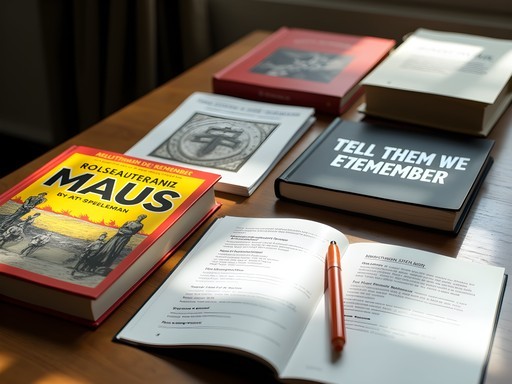
I strongly recommend educating yourself before arriving. Read survivor accounts like Primo Levi's Survival in Auschwitz or Elie Wiesel's Night. These firsthand narratives provide crucial context that informational placards at the site simply cannot convey in their entirety. The Holocaust handbook was particularly valuable in helping me understand the broader historical progression that led to these atrocities.
Documentaries can also provide important visual context. I watched Claude Lanzmann's Shoah and several survivor testimony collections from the USC Shoah Foundation. These prepared me for what I would see while reinforcing the human stories behind the statistics.
Emotional preparation is equally important. Be honest with yourself about your capacity to process difficult material. I practiced mindfulness techniques in the weeks before my visit, knowing I would need grounding methods. Consider who you're traveling with—this isn't a suitable destination for young children, and even teenagers need careful preparation and ongoing discussion throughout the experience.

💡 Pro Tips
- Schedule at least two days after your visit with no major activities to process the experience
- Create a reading list of survivor testimonies and historical accounts at least a month before your trip
- Consider joining a guided tour led by educators from the Auschwitz-Birkenau Memorial and Museum rather than self-guiding
Visiting with Respect: Practical Guidelines
Visiting Auschwitz-Birkenau isn't tourism—it's bearing witness. This fundamental perspective should guide your behavior throughout your visit.
First, practical logistics: Reservations are mandatory and should be made well in advance through the official Auschwitz Memorial website. I booked my guided tour three months ahead and still found limited availability. The site is divided into two main areas: Auschwitz I (the original camp) and Birkenau (the larger extermination camp built later). Both require significant walking on uneven ground, so wear supportive, comfortable footwear.
The weather in Poland can be unpredictable, and much of your visit will be outdoors. I found my waterproof jacket essential during an unexpected rainfall. The lightweight design made it easy to carry when not needed.
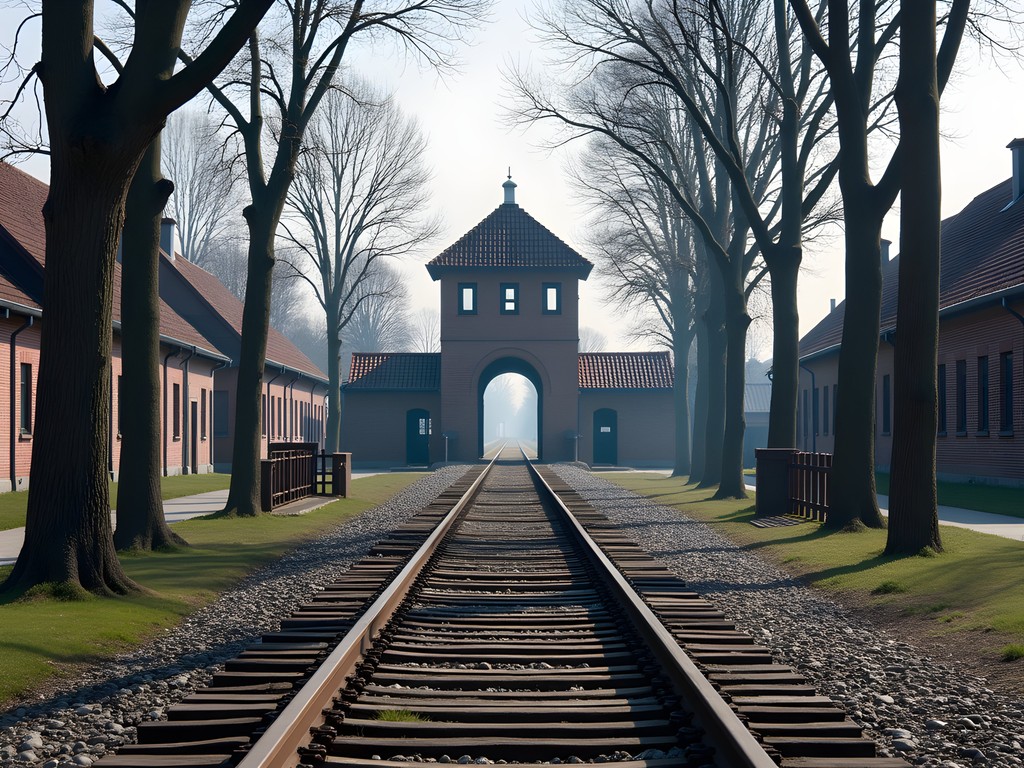
Photography policy deserves special mention. While photography is permitted in most outdoor areas (without flash), I urge you to be extremely selective about what and why you photograph. This isn't a place for selfies or social media content. I chose to take minimal photos of specific architectural elements that helped me document the systematic nature of the genocide—the train tracks, the guard towers, the barracks layout. These served as educational references rather than souvenirs.
Dress appropriately—modest, respectful clothing similar to what you might wear to a memorial service. Remember that Auschwitz-Birkenau is both a museum and a cemetery. Thousands of people were murdered where you stand. Speak quietly, move respectfully, and give others space for their own emotional responses.
💡 Pro Tips
- Book your tickets at least 3 months in advance through the official website
- Avoid bringing large backpacks as storage is limited (bring only a small bag with essentials)
- Download the Auschwitz Memorial app before your visit for additional historical context
Processing the Experience: Emotional Support Strategies
No matter how well-prepared you believe you are, the reality of Auschwitz-Birkenau will likely affect you deeply. As someone who regularly confronts difficult truths in my legal practice, I was still overwhelmed by the physical evidence of such methodical cruelty.
I found it essential to build in breaks during my visit. The exhibitions, particularly those displaying victims' personal belongings—thousands of shoes, suitcases with names carefully written by people who didn't know they would never reclaim them, children's toys—can be especially overwhelming. When you need a moment, step outside, find a quiet bench, and simply breathe.
Journaling became my anchor throughout this experience. Each evening after visiting the sites, I spent time writing down my observations, questions, and emotional responses. My travel journal became an invaluable companion for processing complex emotions that were difficult to articulate aloud.
If you're traveling with others, schedule deliberate time to discuss what you've witnessed. These conversations are difficult but necessary. During my visit, I connected with other travelers in my tour group, and our evening discussion over a simple meal provided important perspective and communal processing.
Remember that it's okay—and entirely normal—to feel a range of emotions: grief, anger, confusion, numbness. There's no 'correct' way to respond to atrocity of this magnitude. What matters is that you engage honestly with history and carry forward what you've learned.
💡 Pro Tips
- Schedule dedicated reflection time each evening after your visit
- Consider joining a post-visit discussion group (many tour companies offer these)
- Bring tissues and allow yourself emotional reactions without judgment

Educational Context: Beyond the Visit
A visit to Auschwitz-Birkenau raises profound questions that extend far beyond the site itself. As an attorney who works daily with systemic injustice, I found myself contemplating how legal systems can be weaponized against vulnerable populations, and how ordinary people can become complicit in extraordinary evil.
The Auschwitz-Birkenau State Museum does an exceptional job providing historical context, but I recommend expanding your educational experience beyond the site itself. In Kraków, visit the Galicia Jewish Museum and the former Jewish quarter of Kazimierz to understand what was lost—not just lives, but centuries of vibrant culture and community.
I found tremendous value in the historical guidebook published by the museum. Unlike general travel guides, it provides specific historical context with appropriate gravity and detail.
Consider how you'll share this experience with others when you return home. For me, visiting Auschwitz-Birkenau reinforced my commitment to Holocaust education and combating modern antisemitism. I've since facilitated discussion groups in my community and supported Holocaust education initiatives in schools.
Remember that while Auschwitz has become symbolic of the Holocaust, the genocide extended far beyond this one location. The Holocaust was not an aberration in history but the result of incremental dehumanization, legal discrimination, and widespread complicity. Understanding these broader patterns is crucial for recognizing warning signs in our contemporary world.

💡 Pro Tips
- Visit the Auschwitz-Birkenau Memorial bookshop for educational materials not available elsewhere
- Extend your educational journey by visiting Jewish heritage sites in Kraków
- Research Holocaust education organizations in your home community before your trip to connect with ongoing educational efforts
Bringing Children and Teenagers: Special Considerations
As both an attorney and someone passionate about educational travel, I'm often asked about bringing children to Holocaust memorial sites. This requires careful consideration of each child's emotional maturity and preparation.
Generally, I don't recommend bringing children under 14 to Auschwitz-Birkenau. The psychological impact can be overwhelming, and younger children may not have the historical context to process what they're seeing. For teenagers, thorough preparation is essential.
Before considering a visit with teenagers, engage with age-appropriate Holocaust education materials together. Books like Maus by Art Spiegelman or Number the Stars by Lois Lowry can provide entry points for discussion. The educational guidebook specifically designed for young adults offers appropriate historical context without overwhelming younger readers.
During the visit, maintain open communication. Check in regularly about how they're feeling, and be prepared to leave certain exhibitions if needed. The displays of human hair and children's possessions are particularly difficult and may require thoughtful discussion afterward.
Most importantly, frame the experience as part of ongoing education rather than a one-time tourist stop. Before our visit, I worked with my teenage nephew to research specific victims and resisters, giving him personal stories to connect with amid overwhelming statistics. After our visit, we participated in an educational workshop in Kraków designed specifically for young people, which helped process the experience through guided discussion and reflection activities.
Remember that witnessing atrocity should lead to action. Help teenagers connect historical events to contemporary issues of prejudice, discrimination, and bystander behavior in their own lives.

💡 Pro Tips
- Consider the Auschwitz-Birkenau Memorial's educational programs specifically designed for students
- Prepare discussion questions in advance to help teenagers process what they're seeing
- Schedule lighter activities in the days following your visit to provide emotional balance
Final Thoughts
Visiting Auschwitz-Birkenau transformed my understanding of history from abstract knowledge to visceral reality. Standing where systematic genocide was implemented with industrial efficiency forced me to confront uncomfortable questions about human capacity for both cruelty and courage. This isn't a journey undertaken lightly, but approached with proper preparation and respect, it becomes an essential educational pilgrimage. As witnesses to history fade, these physical spaces of memory become increasingly important. When you visit, you become a secondary witness—carrying forward the responsibility to remember and to speak against the dangerous patterns of dehumanization that continue in our world today. If we truly mean 'never again,' we must first fully comprehend what happened, why it happened, and how ordinary people became complicit. This difficult journey is ultimately one of profound moral importance.
✨ Key Takeaways
- Prepare emotionally and intellectually before visiting Auschwitz-Birkenau
- Approach the site as a place of remembrance and education, not tourism
- Build in time for processing emotional responses during and after your visit
- Connect your experience to ongoing Holocaust education and anti-discrimination efforts
📋 Practical Information
Best Time to Visit
Year-round, though spring and fall offer milder weather with fewer crowds
Budget Estimate
$50-100 per person including guided tour, transportation from Kraków, and educational materials
Recommended Duration
Full day (minimum 5-6 hours) with additional time for reflection
Difficulty Level
Moderate - Involves Significant Walking And Emotional Processing


Comments
photoace
Powerful post. Visited last month and still processing. Thank you for writing this.
Hannah Woods
As someone who has visited numerous sites of historical trauma, I appreciate how this guide balances practical advice with emotional preparation. I've found journaling immediately after such visits helps process the experience. Your suggestion about contextualizing the visit within broader Holocaust education is crucial - these sites should inspire ongoing learning rather than being a checkbox on an itinerary. When I visited last year, I noticed many visitors struggling with the emotional impact. Perhaps worth mentioning that it's perfectly acceptable to step outside for a moment if needed. Thank you for emphasizing respectful visitation practices.
Savannah Torres
Thank you, Hannah. You're absolutely right about journaling - I found it incredibly helpful too. And yes, taking breaks is important. The museum staff are very understanding about this.
starhero
We did the public transportation too and it was straightforward. Just make sure to check the return schedule - the last bus leaves earlier than you might expect in off-season. Almost got stranded!
Douglas Bradley
Excellent guide that addresses the emotional weight of visiting such sites with appropriate gravity. I've visited several Holocaust memorials across Europe, and your section on emotional preparation is particularly valuable. One resource I found helpful before my visit was Holocaust testimonies which provides first-person accounts. I believe understanding individual stories helps visitors connect with the human dimension of history rather than just statistics. The public transportation tips were also accurate - the bus system works well even in shoulder season.
photoace
Is photography really inappropriate there? I usually document my travels but don't want to be disrespectful.
Douglas Bradley
Photography is allowed in most areas except where specifically prohibited (like the room with human hair). The key is being respectful - no selfies, no posed shots, and be mindful of other visitors. Document, don't perform.
escapeguide
I visited Auschwitz last summer and your guide is spot-on about emotional preparation. I thought I was ready, but seeing the rooms of shoes and hair hit me harder than expected. One tip I'd add - take time afterward to process. We went to a quiet cafe in Oświęcim and just sat in silence for an hour. Sometimes the heaviest experiences need space to settle.
sunnyking
Thanks for this guide. Is it better to go with a tour or self-guided? I'm planning to visit in December.
Savannah Torres
I'd definitely recommend a guided tour, especially for your first visit. The historical context they provide is invaluable, and in winter the shorter daylight hours might make a structured tour more practical.
sunnyking
Thanks for the advice! I'll book the official tour then.
winterexplorer
Important post. Everyone should visit once.
winterrider
How long does the full tour take?
Ahmed Greene
The standard tour is about 3.5 hours covering both Auschwitz I and Birkenau. Plan for a full half day with travel time.
freemood
I'm planning to go this summer but honestly feeling nervous about how emotional it will be. Is it okay to go alone or better with someone?
Savannah Torres
I went alone and found it meaningful in its own way - you can move through at your own pace emotionally. But you'll be with a tour group, so you're not truly alone. Trust your instincts about what feels right for you.
Ahmed Greene
Savannah, thank you for this thoughtful guide. I took my teenage daughter there five years ago, and it was one of the most important trips we've ever done together. We took the bus from Kraków (super affordable at about 15 złoty) and I'd echo your advice about respectful behavior - we saw some tourists taking selfies which was deeply disturbing. One practical tip: bring tissues. The experience is overwhelming and many people need them. The guide we had was a historian who'd dedicated her life to education, and her knowledge made the experience even more meaningful.
Venture X
Premium card with 2X miles, $300 travel credit, Priority Pass