


Disclosure: This article contains affiliate links. We may earn a commission from purchases at no extra cost to you, which helps our travel content.
G'day, fellow travelers! Just wrapped up a ripper of a week in Atlanta that left me properly gobsmacked. As an Aussie bloke living in the States, I've been keen to understand more about American history—particularly the civil rights movement that shaped this country. Atlanta isn't just the home of Coca-Cola and the Braves; it's the birthplace of Dr. Martin Luther King Jr. and a living museum of the struggle for equality. What started as a cultural curiosity turned into one of the most profound travel experiences of my life.

Walking in MLK's Footsteps: The Sweet Auburn District
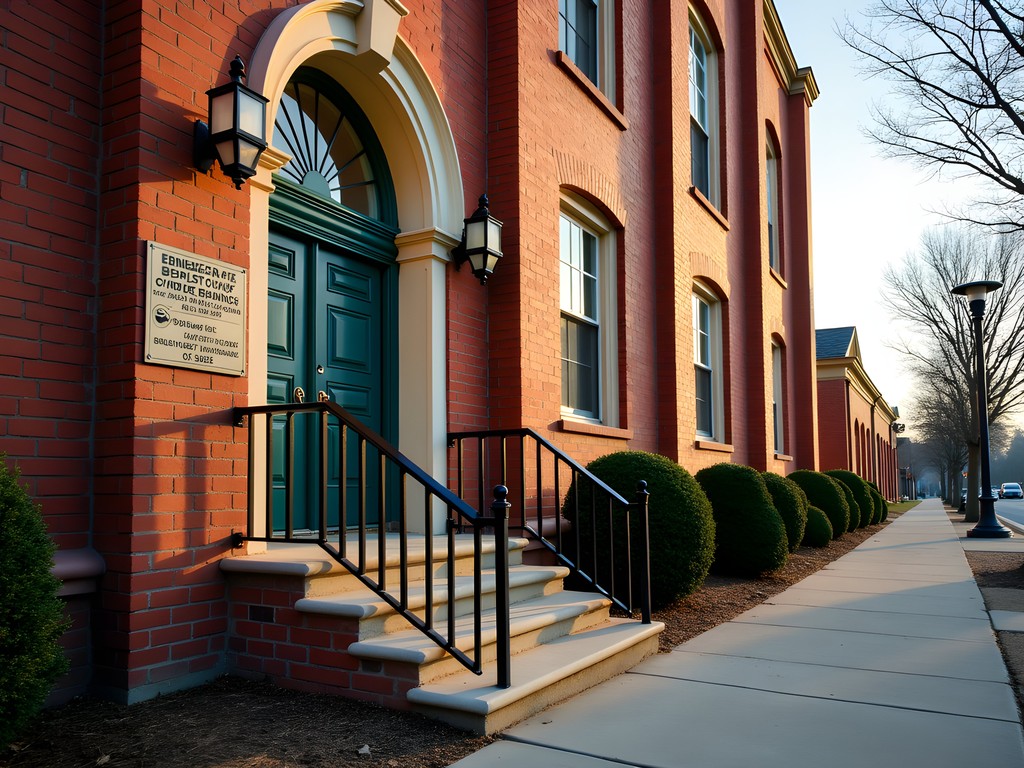
The Sweet Auburn district hits different when you realize you're treading the same paths as civil rights legends. This historically Black neighborhood was once described as 'the richest Negro street in the world,' and even today, you can feel its significance with every step.
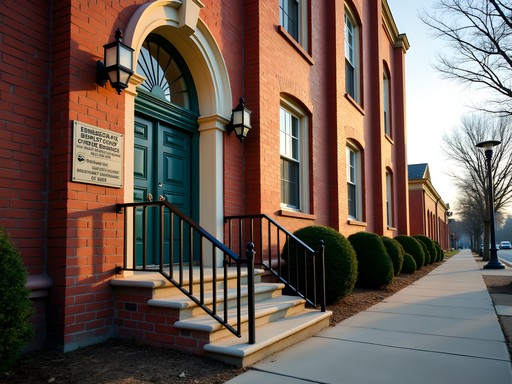
The crown jewel is undoubtedly the Martin Luther King Jr. National Historical Park. I spent a full day here, starting with a ranger-led tour of Dr. King's birth home. Fair dinkum, the rangers tell stories that make history come alive—like how young Martin would slide down the banister until his strict father caught him. Small details like this transformed MLK from an icon in my mind to a real bloke who once played and laughed in these very rooms.
The Ebenezer Baptist Church where Dr. King and his father preached left me speechless. I sat in the pews listening to recordings of MLK's sermons playing softly through the speakers, and I reckon I've never felt anything quite like it. The power of his words echoing through the same space where he originally delivered them—crikey, it gives you goosebumps.
Before leaving Sweet Auburn, I picked up a audio guide from the visitor center, which was worth every dollar for the additional context it provided while exploring the neighborhood.
💡 Pro Tips
- Visit on weekdays to avoid crowds, especially for the birth home tour which has limited capacity
- The Freedom Hall complex requires at least 2-3 hours to properly appreciate
- Grab lunch at Sweet Auburn Curb Market for authentic local flavors between site visits
The National Center for Civil and Human Rights: An Engineering Marvel of Storytelling
As an engineer, I'm usually analyzing structural designs and mechanical systems, but the National Center for Civil and Human Rights had me marveling at a different kind of engineering—the brilliant design of an immersive historical experience.
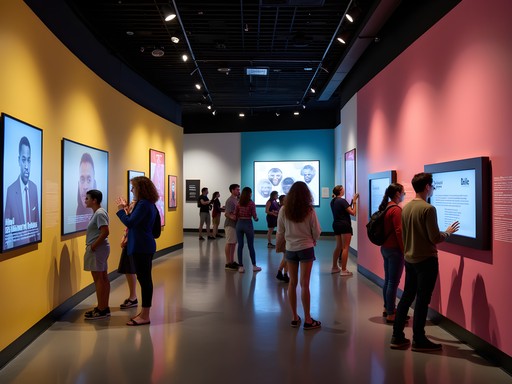
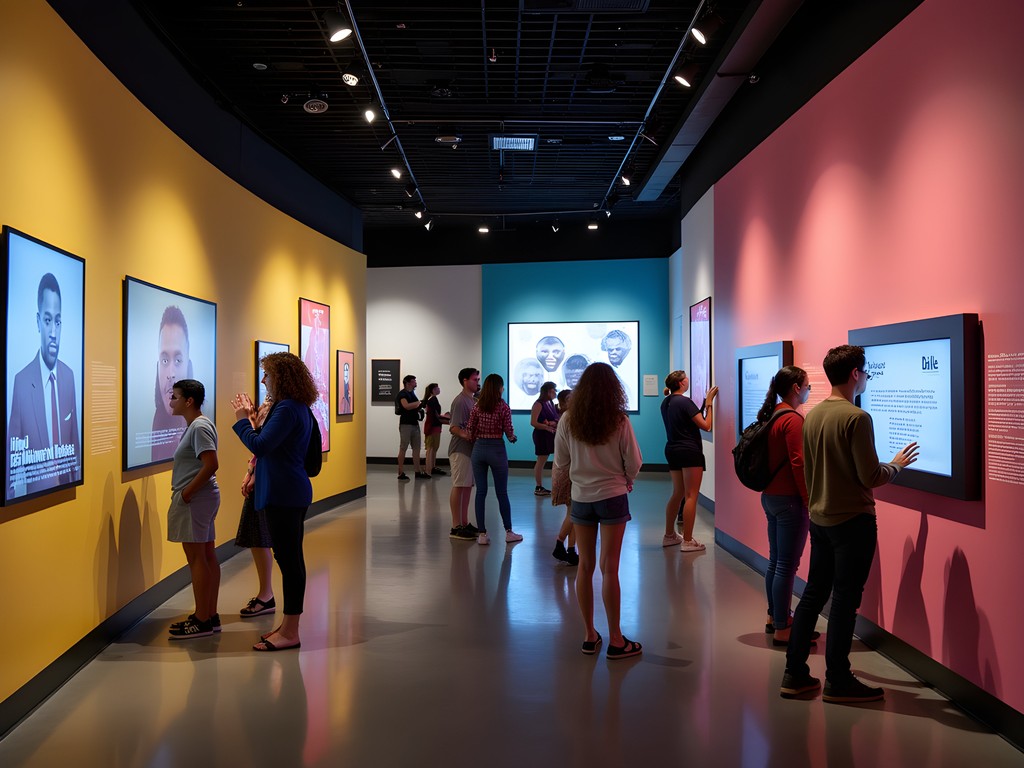
The center uses technology and interactive exhibits to create emotional connections to history. The lunch counter simulation was particularly confronting—you place your hands on the counter, don headphones, close your eyes, and experience what sit-in protesters endured. The audio makes you feel like you're actually there, with threatening voices surrounding you and the counter vibrating as aggressors pound on it. I lasted only 90 seconds before removing the headphones, and that brief experience taught me more than a thousand textbooks could.
I spent hours examining the original documents on display, including handwritten notes from Dr. King's speeches. As someone who appreciates technical precision, seeing his edits and revisions gave me a new appreciation for the craft behind his oratory brilliance.
To capture the powerful moments inside, I used my low-light smartphone lens which helped tremendously in the museum's carefully designed lighting conditions. For keeping track of the wealth of information, I found my smart notebook invaluable—I could take notes throughout the day and digitize them later without wasting paper.
💡 Pro Tips
- Allow at least 3-4 hours to fully experience all exhibits
- The lunch counter exhibit is intense but essential—prepare emotionally
- Visit the top floor first for global human rights context before diving into American civil rights history
Beyond the Tourist Trail: Atlanta's Hidden Civil Rights Landmarks
While the major sites are absolute must-visits, I'm a firm believer that the heart of cultural travel lies in those lesser-known spots that tourists often zip past. After chatting with a few locals at a coffee shop (Aussies can sniff out good coffee anywhere!), I discovered some ripper off-the-beaten-path sites that deepened my understanding of Atlanta's civil rights legacy.
The APEX Museum (African American Panoramic Experience) is a small but mighty collection that tells the story of Sweet Auburn and Black achievement in Atlanta. What it lacks in flashy tech, it makes up for with heart and authenticity. The volunteer guides here are often longtime residents with personal connections to the history they're sharing.
Another hidden gem is the Atlanta University Center, which includes historically Black colleges like Morehouse (MLK's alma mater) and Spelman. Walking these beautiful campuses and visiting the Robert W. Woodruff Library's archives gave me insight into the educational institutions that shaped civil rights leaders.
For a moving experience, I visited South-View Cemetery, one of the oldest African American cemeteries in Atlanta. Founded in 1886 by former slaves, it was the original burial site of Dr. King (before his remains were moved to the King Center) and is the final resting place of many civil rights figures. Wandering among the gravestones as the sun set was a powerful reminder of the real people behind the movement.
To navigate between these scattered sites, I used the city transit card which saved me heaps on transportation while supporting public transit.

💡 Pro Tips
- Call ahead to the APEX Museum as hours can be irregular
- Bring a water bottle and comfortable shoes—these hidden gems require more walking between sites
- Consider joining a community-led tour run by locals for the most authentic experience

Connecting Past to Present: Atlanta's Ongoing Equality Movement
What makes Atlanta's civil rights tourism so compelling isn't just its historical significance—it's how the city continues to connect that history to contemporary movements. I was lucky enough to time my visit with a community forum at the King Center, where activists discussed how Dr. King's principles apply to current social justice efforts.
The Auburn Avenue Research Library on African American Culture and History hosted an exhibition on modern voting rights that drew clear lines between past struggles and present challenges. The librarians were absolute legends, pointing me toward resources that helped contextualize everything I was experiencing.
I also spent an evening at the BQE Restaurant and Lounge, a Black-owned establishment that hosts regular discussions on community issues. Over some seriously delicious soul food, I listened to locals debate the preservation of historically Black neighborhoods in the face of gentrification—a conversation that highlighted how economic justice remains intertwined with racial equality.
For those wanting to support Black-owned businesses while visiting, I found the digital guide invaluable for discovering authentic restaurants, shops, and services throughout the city. I also appreciated having my portable phone charger since these community events often ran long into the evening, and I didn't want to miss documenting these powerful moments.

💡 Pro Tips
- Check the King Center's calendar for public forums and events during your visit
- Follow Atlanta-based civil rights organizations on social media before your trip to find current events
- Support Black-owned businesses in Sweet Auburn and throughout Atlanta to contribute to the community
Stargazing and Reflection: Finding Perspective in Atlanta's Night Sky
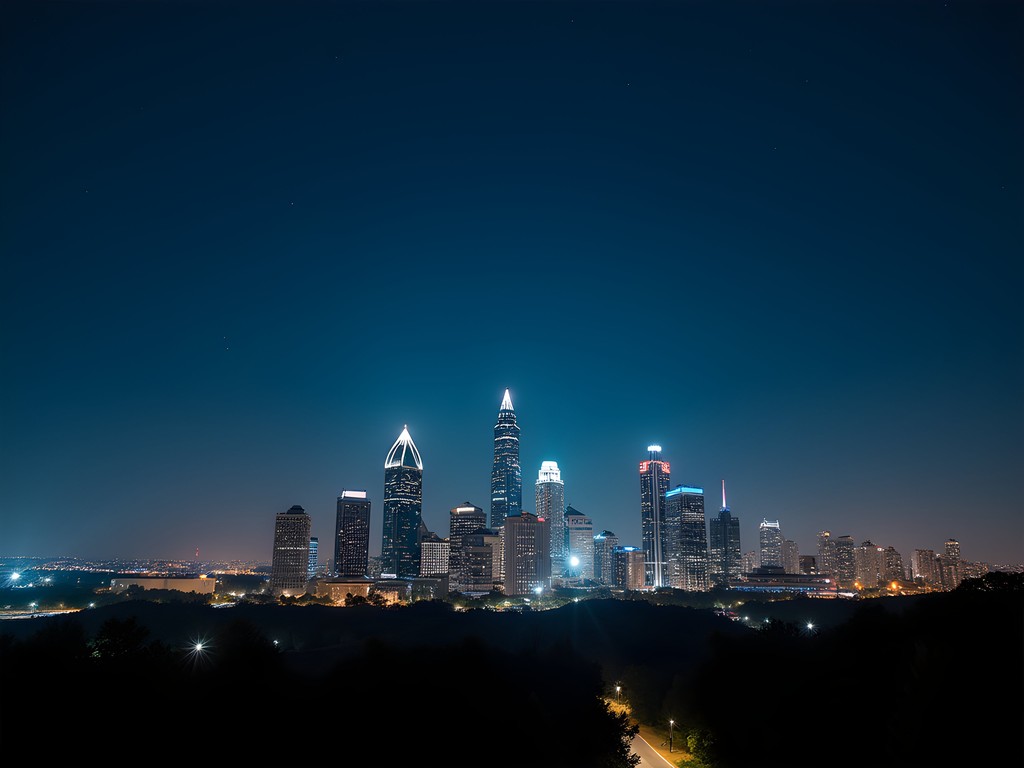
Those who follow my travels know I can't go a week without finding a decent spot for stargazing. While Atlanta's city lights aren't ideal for astronomy, I found a perfect metaphorical connection between civil rights history and the night sky during my visit.
I drove about an hour outside the city to Hard Labor Creek State Park, where the astronomy club hosts regular stargazing events. As I set up my telescope and waited for darkness, I chatted with a local astronomer who shared that some civil rights activists used to study the stars to navigate during nighttime marches and organizing efforts in rural Georgia.
Lying on my outdoor blanket and gazing upward, I thought about how the same stars that guided those brave souls decades ago still shine down on us today. There's something humbling about realizing that our human struggles—however momentous—play out beneath an unchanging cosmic backdrop.
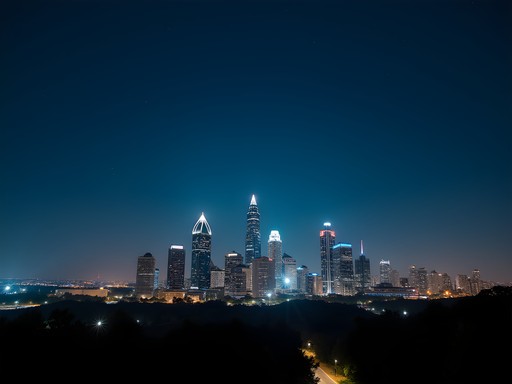
On my last night in Atlanta, I brought my star chart to Freedom Park and found a quiet spot to look up. Though the city glow obscured all but the brightest stars, I felt a profound connection to both the vastness of space and the depth of human courage I'd witnessed throughout my week in Atlanta.
💡 Pro Tips
- Hard Labor Creek State Park offers organized stargazing events—check their schedule online
- Freedom Park closes at sunset officially, but the edges remain accessible for evening reflection
- Download a star-tracking app to identify constellations even through Atlanta's light pollution
Final Thoughts
Leaving Atlanta, I found myself changed in ways I hadn't anticipated. As an engineer, I tend to approach travel with a somewhat analytical mindset, but this journey demanded something different—it required heart, empathy, and a willingness to confront uncomfortable truths. The civil rights movement wasn't just American history; it's human history, and its lessons transcend borders.
What struck me most was how Atlanta doesn't treat its civil rights legacy as a finished chapter. The city acknowledges past struggles while actively connecting them to ongoing work. This isn't static museum tourism; it's a living, breathing dialogue between generations.
If you're considering this journey, don't rush it. Give yourself time to process what you're experiencing. Sit in the quiet spaces, listen to local voices, and be prepared for emotional moments that might catch you off guard. Whether you're a history buff, a social justice advocate, or simply a curious traveler like me, Atlanta's civil rights sites offer profound insights into how far we've come—and how far we still need to go.
As we say in Australia, it's time to give it a burl. Atlanta awaits with open arms and powerful stories that deserve to be heard.
✨ Key Takeaways
- Atlanta offers an unparalleled opportunity to engage with civil rights history through both major landmarks and lesser-known sites
- Allow ample time for emotional processing—this isn't a checklist-style tourism experience
- Connect with local community members and events to understand how historical movements continue to shape present-day Atlanta
📋 Practical Information
Best Time to Visit
year-round, though spring (March-May) and fall (September-November) offer the most pleasant weather
Budget Estimate
$1000-$1500 for a week including accommodations, food, transportation, and admissions
Recommended Duration
5-7 days minimum to fully appreciate the sites and their context
Difficulty Level
Intermediate - Requires Emotional Maturity And Some Walking Between Sites






Comments
islandmood
Really love your photos! The one of the King Center is beautiful.
beachguy
Did you try any of the restaurants in Sweet Auburn? Heading there in a couple weeks and looking for authentic local spots, not tourist traps.
Alan Smith
Sweet Auburn Seafood was brilliant - get the shrimp and grits! Also, Paschal's is a bit of Atlanta civil rights history itself - many movement leaders met there. Not exactly in Sweet Auburn but worth the trip.
beachguy
Perfect, thanks! Adding those to my list.
hikingfan6716
Sweet Auburn is incredible! Pro tip: go early in the morning for the MLK sites before the tour buses arrive. We got there around 8am and had Ebenezer Baptist Church almost to ourselves. Also the Historic Fire Station No. 6 across the street has some cool exhibits that most people skip. And definitely eat at Paschal's - the fried chicken is legendary and the restaurant was a real meeting place during the movement. The walls are covered with history.
islandmood
Paschal's YES!! That peach cobbler though 🔥
globeperson
Adding this to my bucket list!
Timothy Jenkins
Fantastic write-up, Alan. As someone who's visited Atlanta multiple times for civil rights research, I appreciate your engineer's perspective on the experience. The National Center's architectural design really does enhance the storytelling, doesn't it? One thing I'd add for anyone planning a visit - the Atlanta History Center in Buckhead offers an excellent complement to the civil rights sites, particularly their exhibition on the 1996 Olympics and how that event transformed the city. The juxtaposition of Atlanta's painful past and its aspirational future makes for a thought-provoking day of exploration.
Alan Smith
Cheers Timothy! Great shout about the Atlanta History Center - I missed that one but it's on my list for next time. The Olympic legacy is fascinating.
Fatima Sims
Alan, this really resonated with me. I visited Atlanta two years ago and had a similar experience at the Center for Civil and Human Rights - that lunch counter simulation absolutely broke me. What struck me most was how the exhibits connected the American civil rights movement to global human rights struggles. As a Canadian, it gave me perspective on our own history with Indigenous peoples and ongoing reconciliation work. Did you get a chance to visit the Apex Museum in Sweet Auburn? It's smaller but tells such important stories about Black entrepreneurship and community building that often get overlooked.
hikingfan6716
The lunch counter exhibit!! I had to take a break after that one. So intense.
vacationace
Those photos from Sweet Auburn are amazing! Really captures the spirit of the place.
blueblogger
Great post! I'm heading to Atlanta next month with my teenagers. How much time would you recommend for the National Center for Civil and Human Rights? Is it something we could do in a morning, or should we plan a full day?
Alan Smith
G'day! I'd recommend at least 3-4 hours for the Center if you want to properly engage with it. The lunch counter simulation alone is worth taking your time with - really powerful experience for teens. We spent a morning there and felt a bit rushed.
Timothy Jenkins
Completely agree with Alan. The Center is incredibly immersive - I'd allocate at least half a day. If you're going with teenagers, I'd suggest reading through the Civil Rights Trail guidebook together beforehand. Really helps provide context for young people.
wintergal
This looks amazing! How much time did you spend at the National Center? Planning a trip in spring and trying to figure out timing.
islandmood
Not Alan but I went last year - give yourself at least 3 hours! You'll want more time honestly, it's really powerful.
wintergal
Thanks!! Good to know
citymaster1244
Man, your post brought back memories! I visited Atlanta last year and the MLK Historic Site hit me hard. That feeling when you're standing right where such important history happened... powerful stuff. Did you get to see his childhood home? The tour was booked solid when I went and I still regret missing it.
Alan Smith
Thanks mate! Yeah, I did manage to see the childhood home - booked online about a week ahead. Definitely worth planning for. The rangers who lead those tours are brilliant storytellers.
citymaster1244
Good tip about booking ahead! Will definitely do that next time.
Venture X
Premium card with 2X miles, $300 travel credit, Priority Pass