

Disclosure: This article contains affiliate links. We may earn a commission from purchases at no extra cost to you, which helps our travel content.
As someone who's spent decades tracking patterns across different cultures, I've developed a sixth sense for cities with an undercurrent of creativity that runs deeper than their surface reputation. Ann Arbor is precisely that kind of place – a town most people associate solely with the University of Michigan, but which harbors a cultural ecosystem that thrives independently of its academic identity. During my recent fall weekend investigating this Midwestern gem, I discovered layers of artistic expression and cultural significance that would impress even the most seasoned urban explorer.

The Kerrytown District: Where History Meets Artistry
My investigation of Ann Arbor's cultural landscape began where many of the city's creative threads intersect – the historic Kerrytown district. This neighborhood reminds me of certain European quarters I've documented during my FBI fieldwork, where centuries-old architecture provides the perfect backdrop for contemporary expression.
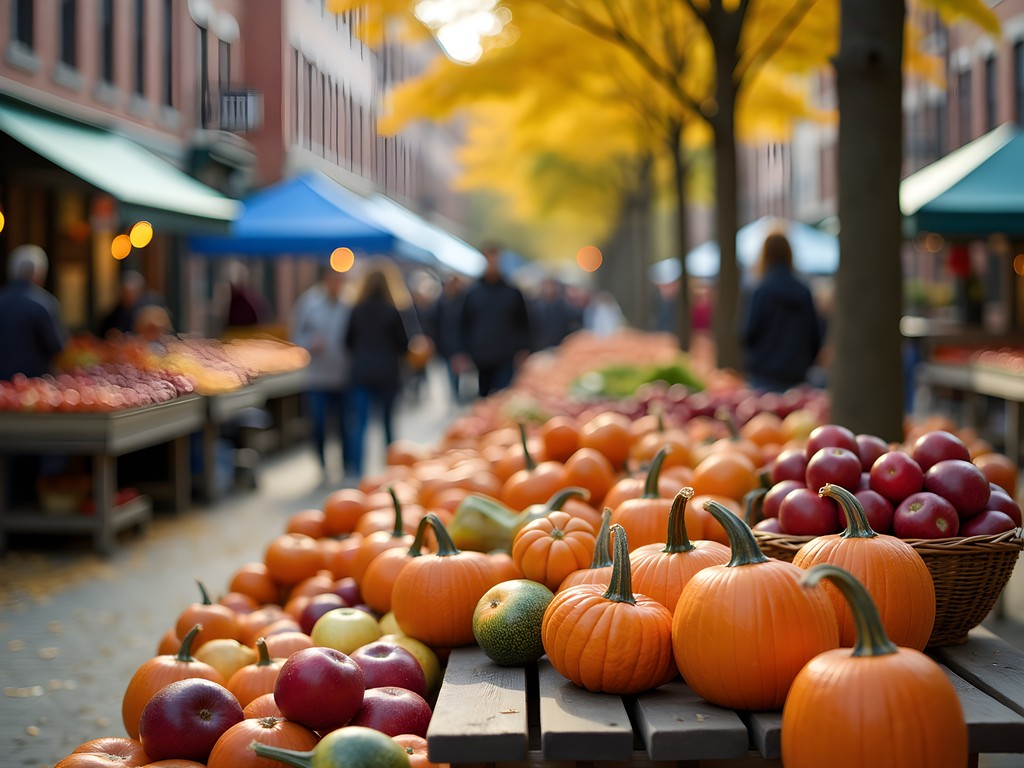
The district centers around the brick-paved Kerrytown Market & Shops, a three-building complex dating back to the 1800s that now houses independent retailers and artisans. What struck me immediately was the authenticity – unlike the manufactured 'arts districts' in many American cities, Kerrytown evolved organically over generations.
The jewel in Kerrytown's crown is undoubtedly the Ann Arbor Farmers Market, especially vibrant during fall harvest. Local farmers, many whose families have worked the same land for generations, arrange their produce with the care of gallery curators. I spent an hour speaking with Eleanor, a third-generation apple farmer whose 26 heirloom varieties tell the story of Michigan's agricultural heritage better than any museum exhibit could.
💡 Pro Tips
- Visit the Farmers Market on Saturday mornings for the fullest experience and best selection
- Check the Kerrytown Concert House schedule for intimate chamber music performances
- The district is most photogenic in morning light when the brick facades glow warmly
The Underground Art Scene: Galleries Off the Beaten Path
My years tracking international art trafficking taught me to look beyond obvious cultural institutions, and Ann Arbor rewards this approach handsomely. While the University of Michigan Museum of Art deserves its reputation, the city's true artistic pulse beats in its lesser-known galleries and pop-up spaces.
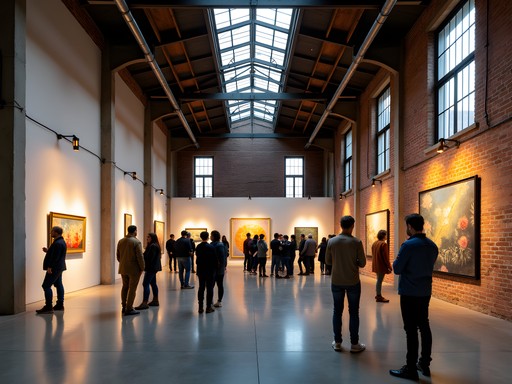
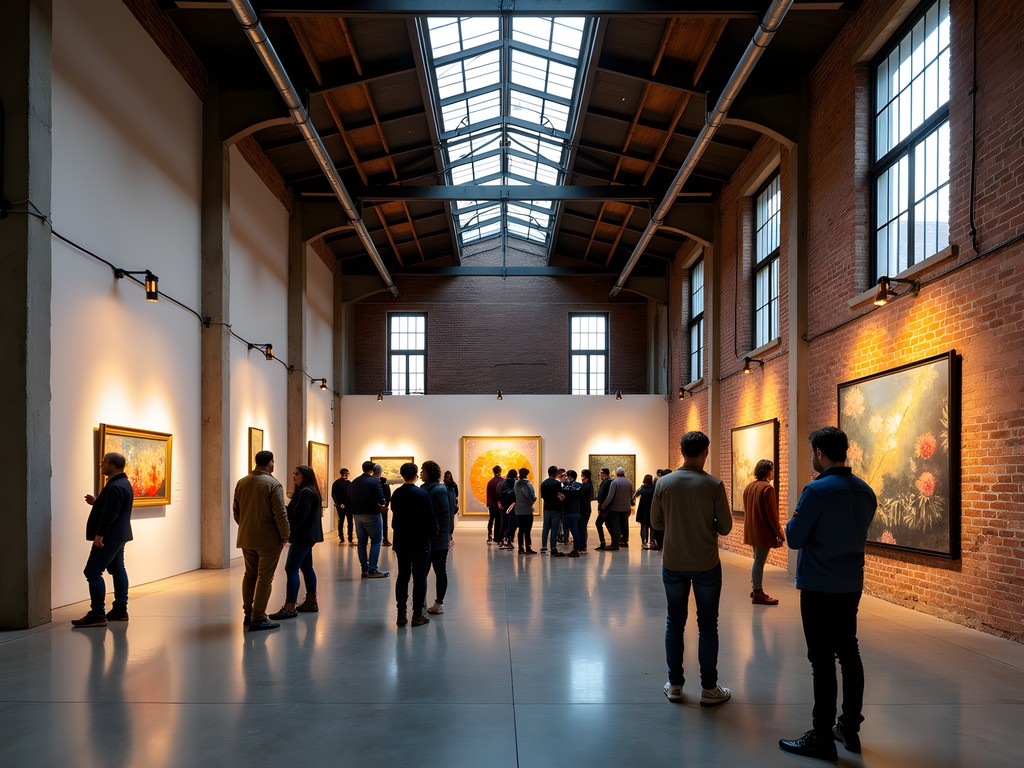
WSG Gallery in the Main Street area showcases contemporary works by Michigan artists in a space that balances professional presentation with approachable atmosphere. The gallery staff – many artists themselves – engage visitors in conversation rather than sales pitches, creating a communal feeling reminiscent of the art collectives I've documented in Mediterranean coastal towns.
For those willing to venture further from downtown, Ann Arbor's warehouse district has emerged as an incubator for experimental art. The quarterly 'Art Walk' events transform industrial spaces into temporary galleries, with installations that would feel at home in much larger metropolitan areas.
Before exploring these spaces, I recommend investing in a good pocket sketchbook to capture impressions or note artists whose work resonates with you. I've maintained this practice for years, and these small notebooks have become treasured souvenirs of my cultural explorations.
💡 Pro Tips
- Follow local artists on Instagram to discover pop-up exhibitions not advertised to tourists
- Visit during the first Fridays of each month when many galleries host opening receptions with the artists present
- Don't hesitate to engage gallery staff in conversation – Ann Arbor's art scene is notably unpretentious
Folklore and Legends: Ann Arbor's Hidden Stories
My professional background has taught me that every location has its unofficial history – stories that don't make it into guidebooks but reveal the true character of a place. Ann Arbor is particularly rich in such narratives, with a folklore tradition that blends Midwestern practicality with academic eccentricity.
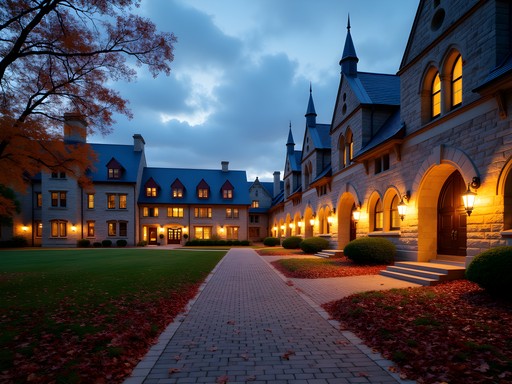
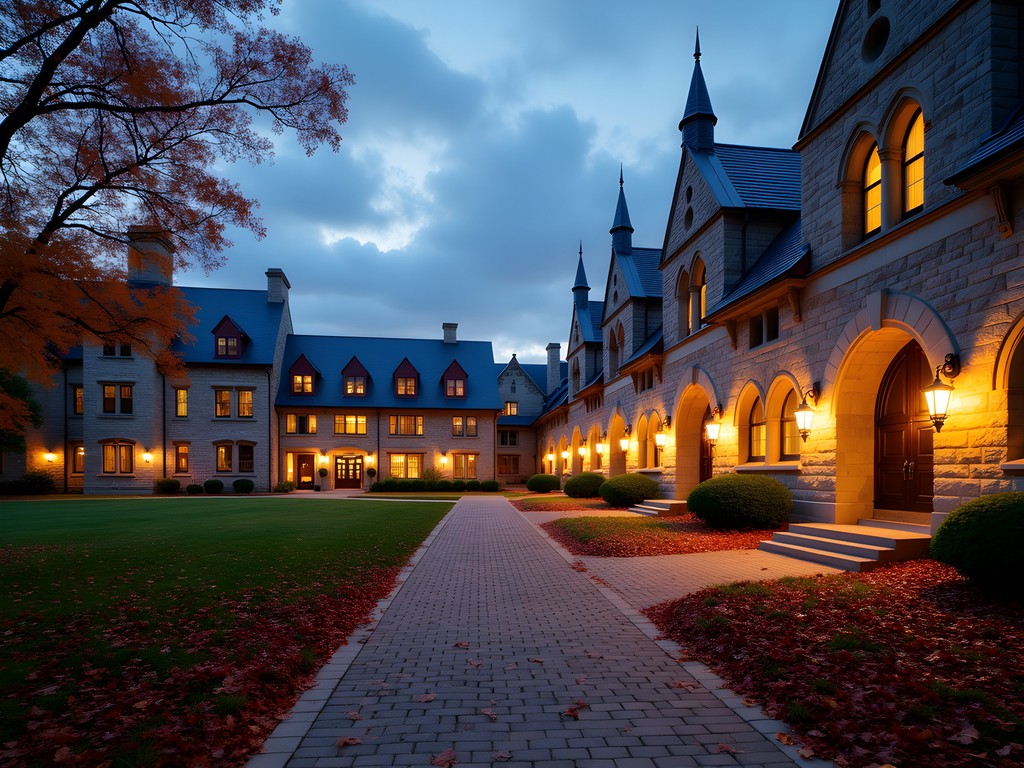
The Law Quad, with its Gothic architecture reminiscent of European universities, hosts numerous legends. Law students still whisper about specific study carrels that bring exceptional exam luck if occupied during certain phases of the moon. While investigating these claims (purely for cultural documentation purposes, I assure you), I spent several evenings in the reading room with my reading light which allowed me to take notes without disturbing others or attracting attention.
Beyond campus, the city's historic districts harbor tales that connect present-day Ann Arbor with its 19th-century roots. The Old West Side, with its well-preserved German-American architecture, is particularly rich in stories. Local resident Margaret Weiss, whose family has lived in the same house for five generations, shared accounts of prohibition-era tunnels beneath her street that allegedly connected to speakeasies downtown.
The Nichols Arboretum ('The Arb' to locals) features in numerous local legends, from ghostly sightings to tales of rare botanical specimens with unusual properties. Fall is the ideal time to explore these stories, as the changing foliage creates an atmosphere perfectly suited to storytelling.
💡 Pro Tips
- Visit the Bentley Historical Library for documented versions of local legends
- Join a Historic District walking tour for architectural context to the folklore
- The Michigan Theater occasionally screens documentaries about local history and legends

The Musical Crossroads: From Classical to Underground
Ann Arbor's musical identity extends far beyond the university's formal performances, creating a diverse soundscape that rivals cities many times its size. My security work has taken me to music venues worldwide, and I can confidently say that Ann Arbor's scene offers exceptional quality and diversity for a city of its scale.
The historic Michigan Theater and State Theatre serve as anchors for the city's performing arts, hosting everything from symphony orchestras to independent film screenings with live scores. During my visit, I caught a performance of Dvořák's New World Symphony that transported me back to a similar experience in Prague years ago.
For more intimate experiences, The Ark presents folk and roots music in a 400-seat venue where the acoustics allow performers to work without amplification if they choose. I spent an unforgettable evening there listening to an Appalachian string band whose repertoire included songs collected by folklorists in the 1930s – precisely the kind of cultural preservation that resonates with my documentary work.
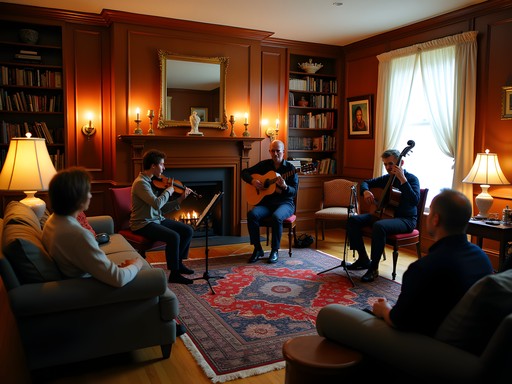
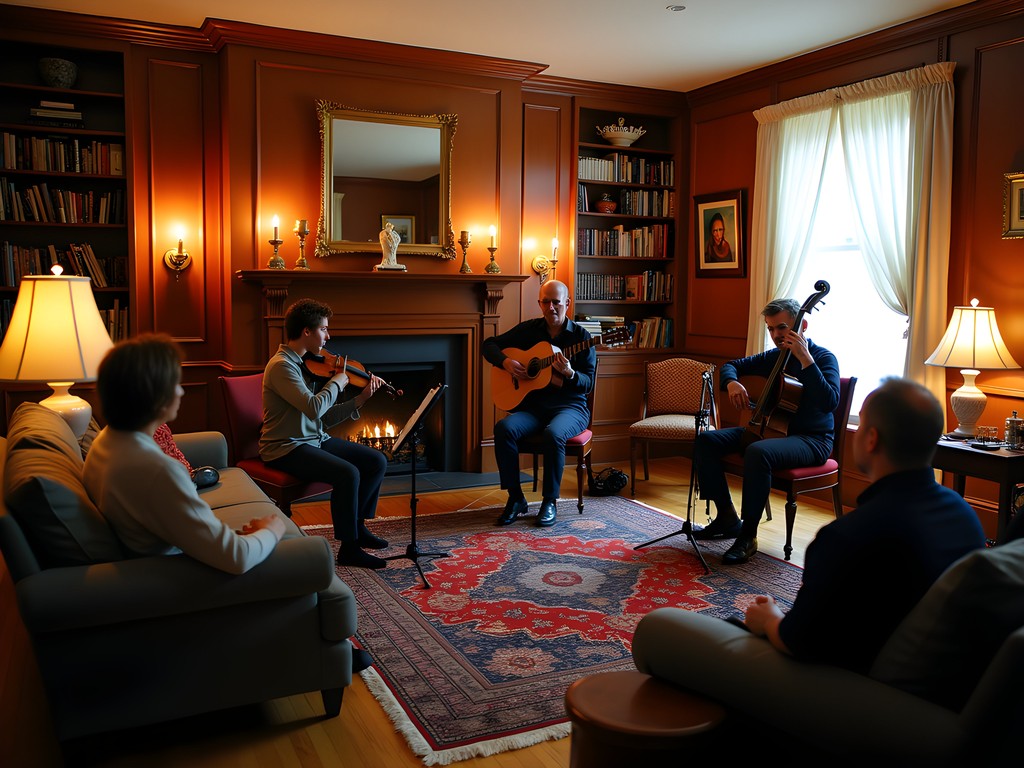
The true surprise for visitors is Ann Arbor's vibrant house concert scene. These invitation-only performances in private homes create musical experiences of rare intimacy. Through connections with local musicians, I attended one such gathering where international artists performed traditional instruments in a living room setting. For serious music enthusiasts, I recommend bringing a digital audio recorder to capture these unique performances (with permission, of course). The sound quality will far exceed what your phone can capture, and these recordings become invaluable souvenirs of musical discoveries.
💡 Pro Tips
- Check the Ann Arbor Observer for comprehensive music listings beyond the obvious venues
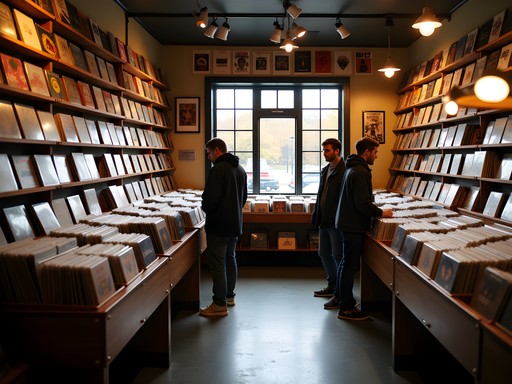
- Visit Encore Records for staff recommendations on local musicians and upcoming shows
- University radio station WCBN-FM features local artists and announces under-promoted shows
Culinary Culture: Where Food Tells Stories
My investigative training has taught me that food traditions often preserve cultural narratives when other elements have been lost to time. Ann Arbor's diverse culinary landscape serves as both a living museum of immigrant histories and an incubator for contemporary food innovation.
Zingerman's Delicatessen stands as the city's most famous food destination, and with good reason. What began as a traditional Jewish deli has evolved into a community of food businesses that maintain exceptional quality while documenting culinary traditions. Their approach to food reminds me of certain Mediterranean towns where preparing traditional dishes is treated as cultural stewardship rather than mere commerce.
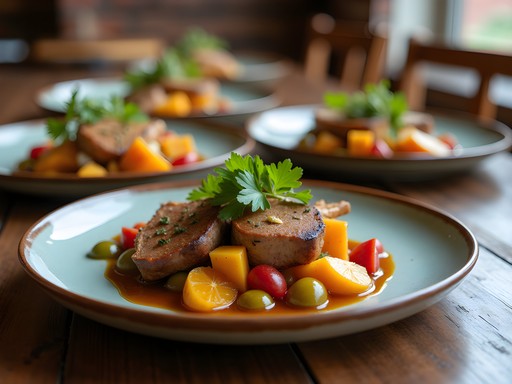
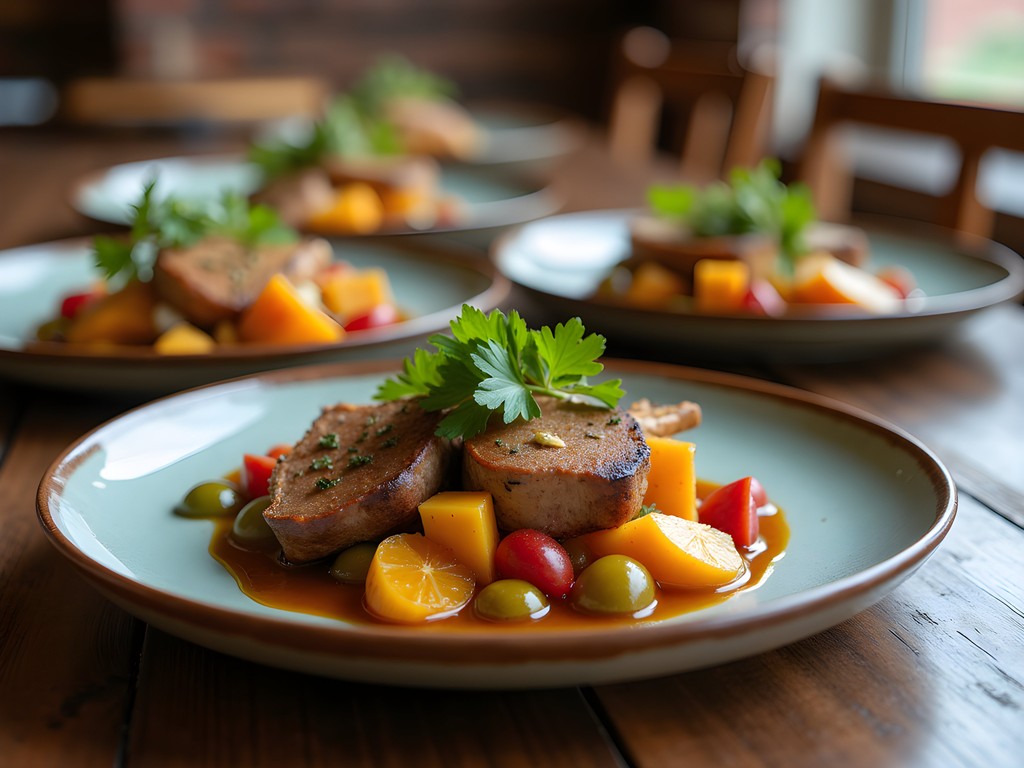
Beyond this institution, Ann Arbor's international food scene tells the story of the university's global connections. The city hosts authentic representations of cuisines from Korean to Ethiopian, often in modest establishments where recipes have been preserved through generations. During my explorations, I use my food journal to document memorable dishes and their cultural significance – a practice that connects my current travels with my earlier fieldwork documenting cultural traditions.
What makes Ann Arbor's food scene truly special is the connection between local agriculture and dining establishments. Many restaurants maintain direct relationships with farms in the surrounding countryside, creating a regional cuisine that reflects southeastern Michigan's agricultural bounty. Fall is the ideal season to experience this farm-to-table connection, as harvest brings an abundance of produce to restaurant menus and the farmers market.
💡 Pro Tips
- Reserve Zingerman's food tours well in advance – they fill quickly but offer the best overview of local food culture
- Visit the People's Food Co-op to discover Michigan-made specialty products that make excellent souvenirs
- Ask servers about local farm sources – many chefs are happy to discuss their agricultural partnerships
Final Thoughts
As my weekend in Ann Arbor drew to a close, I found myself reflecting on how this modestly-sized Midwestern city manages to sustain such a vibrant cultural ecosystem. The answer lies in the unique alchemy that occurs when academic resources meet Midwestern authenticity – creating spaces where artistic expression, historical preservation, and cultural innovation can thrive without pretension.
What makes Ann Arbor particularly rewarding for the solo cultural traveler is the accessibility of its treasures. Unlike larger cultural capitals where connections and insider knowledge are often required to access the most authentic experiences, Ann Arbor's creative community remains remarkably open to visitors who approach with genuine interest.
As someone who has documented cultural traditions across continents, I find special value in places like Ann Arbor – communities that maintain their distinctive character while embracing outside influences. In an era of increasing cultural homogenization, these mid-sized creative hubs serve as crucial repositories of regional identity and incubators for new cultural forms.
I encourage you to explore Ann Arbor with an investigator's curiosity – ask questions, follow unexpected leads, and document your discoveries. The stories you'll uncover beyond the campus boundaries will reward your efforts many times over.
✨ Key Takeaways
- Ann Arbor's cultural scene extends far beyond the university campus, with distinct neighborhoods each offering unique artistic experiences
- Fall provides the ideal atmosphere for exploring the city's historic districts and their associated folklore
- The local food scene serves as both cultural documentation and creative expression
- House concerts and intimate music venues offer experiences rarely found in cities of similar size
- The city's walkability makes it ideal for solo cultural exploration
📋 Practical Information
Best Time to Visit
Fall (September-November)
Budget Estimate
$150-250/day including accommodations, meals and activities
Recommended Duration
2-3 days
Difficulty Level
Beginner

Comments
Claire Hawkins
Ryan, this really resonates with me! I love when cities surprise you like this. We stumbled into Ann Arbor almost by accident during a road trip and ended up extending our stay. The folklore angle you mentioned is fascinating - I wish I'd known about those hidden stories when we were there. My husband would have loved exploring that side of things. We mostly stuck to the art galleries and the farmer's market, but now I'm itching to go back and dig deeper into the local legends. Do you have any specific recommendations for where to learn more about the folklore aspect?
nomadrider
not ryan but the historical society downtown has some cool stuff on local legends. worth checking out
nomadrider
The underground music scene there is no joke. Caught a show at The Blind Pig last fall and it was packed with locals, barely any students. Really cool vibe. Also that record shop on Main Street (can't remember the name) has some serious vinyl finds if you're into that. The guy who runs it knows his stuff. Definitely agree with Ryan that there's way more happening here than people realize.
sunsetway5660
blind pig! adding to my list thx
sunsetway5660
Love this! The photos are great
islandlife
wait so is ann arbor worth visiting if you're not checking out the university? always thought it was just a college town
Claire Hawkins
Absolutely! I took my kids there two summers ago and we spent three days just exploring the neighborhoods and galleries. The Kerrytown area alone kept us busy for a whole afternoon. My daughter still talks about the folk art shop we found tucked behind the farmers market. It's definitely more than just a university town.
islandlife
ok cool thanks! gonna add it to my michigan trip
wanderlustqueen
Great post! I'm heading to Ann Arbor next week for a conference at the university but will have two free evenings. Which of these cultural spots would you recommend for someone with limited time? I'm particularly interested in the 'Folklore and Legends' section you mentioned - are there any guided tours that cover these hidden stories?
mountainqueen
Not the author but I did the Fairy Door Tour when I visited! It's self-guided with a little guidebook you can pick up at the visitor center. Super quirky and fun way to explore downtown!
Sage Dixon
With just two evenings, I'd suggest hitting the Kerrytown area one night (grab dinner at Zingerman's first!) and then exploring the State Street gallery district the second night. There's usually something happening at The Blind Pig if you're into live music too.
wanderlustqueen
Thanks for the suggestions! Just booked tickets for a show at The Blind Pig for my second night. Can't wait!
Sage Dixon
Ryan, your piece on Ann Arbor's cultural scene brought me right back to my visit last fall! I spent three days exploring those same hidden corners of the city and was equally impressed by how the arts scene extends so far beyond the university bubble. The folk music venue you mentioned in Kerrytown (can't remember the name) had one of the most authentic open mic nights I've experienced anywhere in the Midwest. I'd add that the seasonal art fairs are worth planning a trip around - I caught the Shadow Art Fair and it was filled with the kind of quirky, non-commercial pieces you rarely find in bigger cities. Did you get a chance to check out the poetry scene at all? There's a monthly slam that draws performers from across the state.
wanderlustqueen
The Ark! That's the folk venue in Kerrytown. Saw an amazing show there last year. Totally agree about Ann Arbor having culture that goes way beyond the university.
mountainqueen
I had no idea Ann Arbor had such a vibrant art scene beyond the university! Definitely adding those underground galleries to my list for my visit next month.
Sage Dixon
You're in for a treat! Make sure to check out the Kerrytown Concert House if you can - they often have intimate performances that don't make it onto the main tourist sites.
mountainqueen
Thanks for the tip! Any specific galleries I shouldn't miss?
startime
Those hidden music venues sound amazing! Anyone know if they're open year-round?
wanderlusttime
Most are! The Ark and Blind Pig definitely run year-round. Some of the smaller coffee shop venues might change schedules during student breaks though.
Frank Garcia
Brilliant analysis of Ann Arbor's cultural landscape beyond the university bubble. I spent three months there last year documenting Midwest creative hubs, and your observations align perfectly with my findings. The tension between academic and grassroots art scenes creates this fascinating ecosystem. One thing I'd add - the seasonal nature of Ann Arbor's cultural calendar is worth noting. Fall brings a completely different energy than summer, with student-led initiatives transforming vacant spaces into pop-up galleries. I documented this phenomenon in my travel journal which was perfect for mapping these ephemeral venues. Did you notice any seasonal patterns during your visit, Ryan?
Ryan Richardson
Great point about the seasonal shifts, Frank! I was there during what locals called the 'shoulder season' between summer festivals and fall events. Definitely sensed the anticipation as venues were preparing for the student influx. Would love to return during peak fall to experience that transformation you described.
skygal
Love this! Never thought of Ann Arbor as an arts destination but now I'm intrigued!
Venture X
Premium card with 2X miles, $300 travel credit, Priority Pass