

Disclosure: This article contains affiliate links. We may earn a commission from purchases at no extra cost to you, which helps our travel content.
The first thing that hits you in Ali Sabieh isn't the heat – though at 95°F in December, it's certainly present – it's the rhythm. Not just the cadence of daily life unfolding in this second-largest city of Djibouti, but the actual percussive soundtrack that seems to pulse from every corner. As my running shoes hit the dusty streets for my pre-dawn 5-miler, I found myself syncing my breath to the distant call of muezzins and the early stirrings of a town that operates on a completely different wavelength than the Western world. Two weeks in this East African outpost wasn't on my original travel radar, but when my relief organization added Djibouti to our support network, I volunteered faster than I complete my morning sprint intervals. What followed was a fortnight of cultural immersion that defied every preconception I had about this former French territory wedged between Ethiopia, Eritrea, and Somalia – a place where spiritual traditions, colonial history, and indigenous cultures create something entirely unique.

Finding Your Rhythm: Running Through Ali Sabieh's Landscape
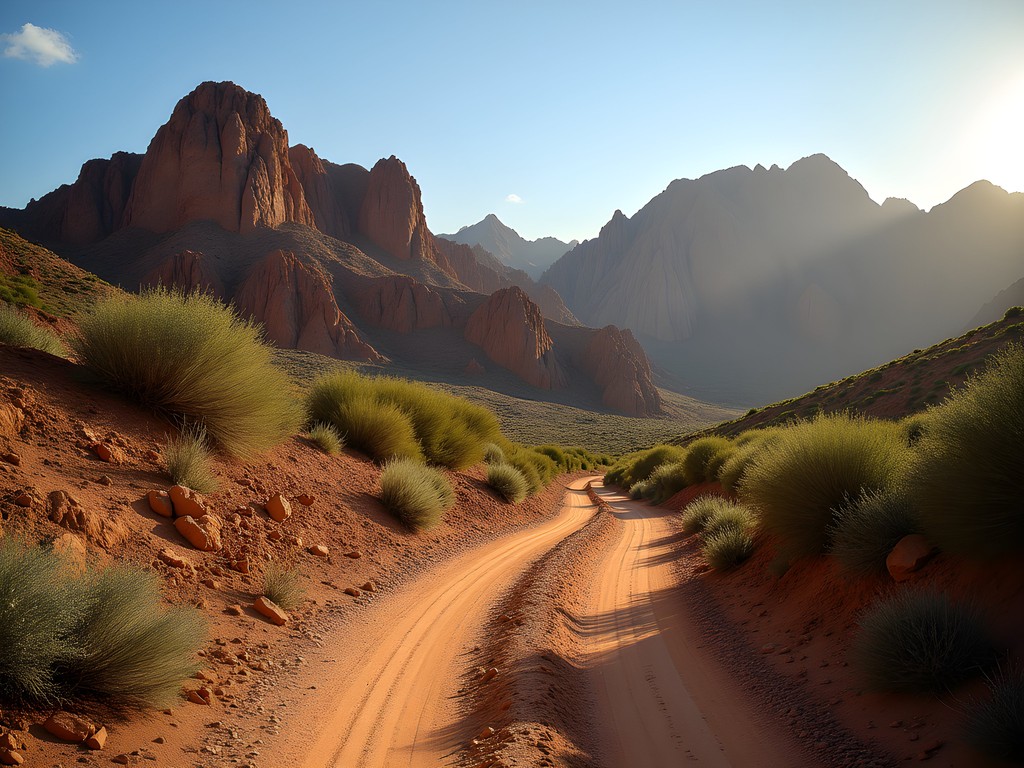
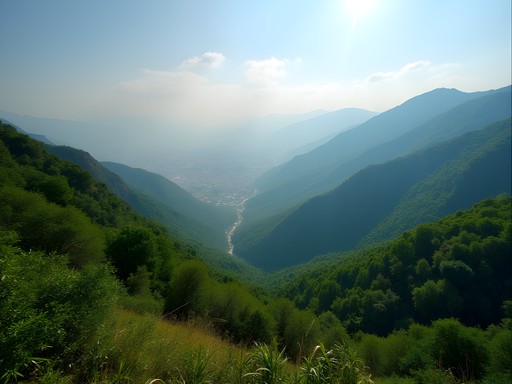
There's something profoundly connective about exploring a new place on foot, at a pace where you can actually absorb the details. Ali Sabieh sits in a valley surrounded by jagged mountains that catch the first light of dawn in a way that transforms ordinary rock into something sacred. My first morning run became a daily ritual – a 5:30 AM start to beat the heat, carrying just my hydration vest filled with water and electrolytes.
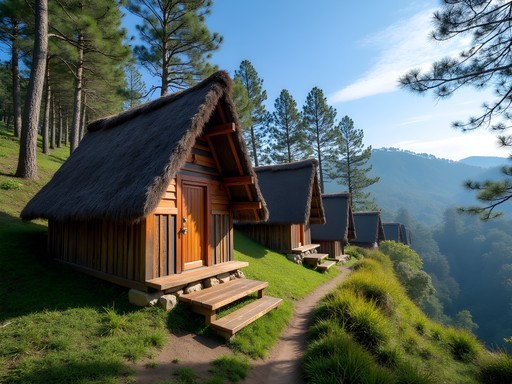
The route I carved out took me from my modest guesthouse near the center, past the railway station (a fascinating relic of the Ethio-Djibouti line), and toward the mountains where goatherds were already moving their animals to grazing areas. By day three, these herders would wave and call out 'Degeh!' (Good morning in Somali) as I passed, our daily encounters building a wordless friendship.
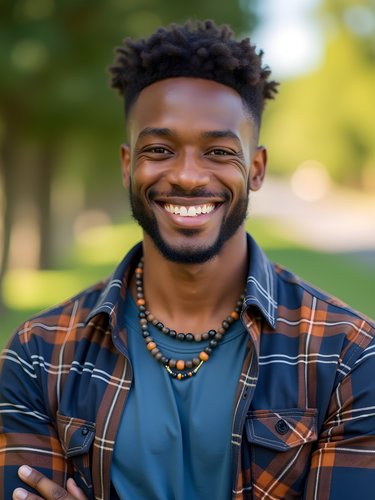
What struck me most was how the landscape dictates life here. The mountains aren't just a backdrop; they're characters in the daily story, providing shelter from harsh winds, pathways between communities, and even spiritual significance. One morning, I was invited by a local runner named Abdi to join him on a trail that wound up to a small shrine where both Islamic and indigenous spiritual practices seemed to blend. We didn't share much language, but the universal brotherhood of runners transcended that barrier as we navigated the rocky path in respectful silence, both understanding that this wasn't just exercise – it was a moving meditation through sacred space.
💡 Pro Tips
- Run early (5-6 AM) to avoid the intense heat that builds throughout the day
- Always carry more water than you think you'll need – dehydration happens quickly in this climate
- Learn basic greetings in both French and Somali to connect with locals you encounter
The Spiritual Tapestry: Sacred Spaces Beyond Expectations
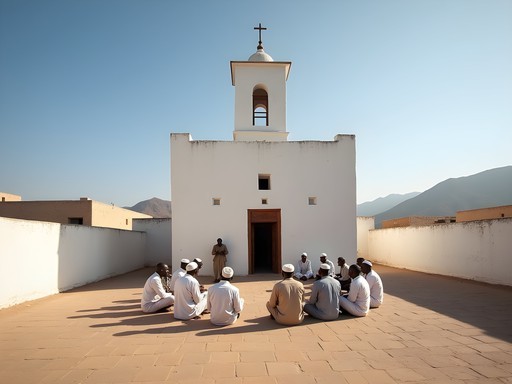
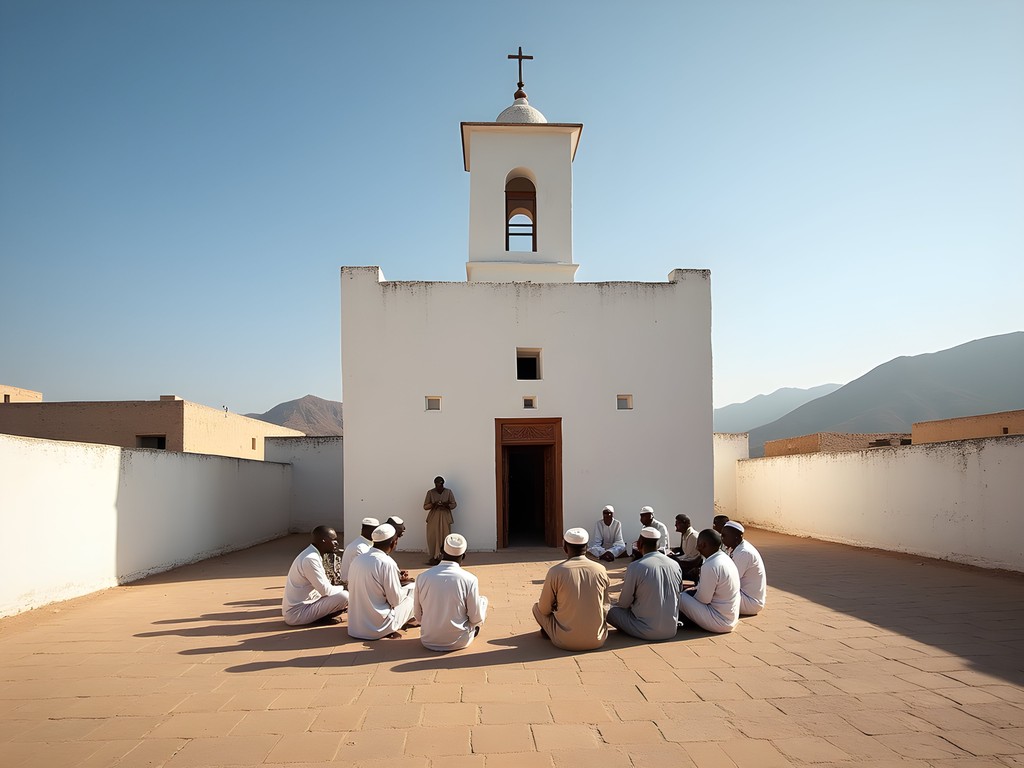
I've visited monasteries across five continents, but nothing prepared me for the unique spiritual landscape of Ali Sabieh. While Djibouti is predominantly Muslim (94%), the religious expression here carries distinct regional characteristics that blend Islamic tradition with local spiritual practices. My volunteer coordinator contact, Hassan, introduced me to an elderly imam who welcomed me to observe Friday prayers at the central mosque – an unexpected privilege that came after I'd helped organize a water distribution project earlier that week.
The mosque itself is modest compared to grand Islamic architecture elsewhere, but what it lacks in ornate design, it makes up for in authentic community connection. After prayers, I was invited to join a discussion circle where, through Hassan's translation, we talked about the similarities between different faith traditions' approaches to meditation and prayer. I shared my experiences with moving meditation through running, which sparked a fascinating conversation about how physical discipline connects to spiritual practice.
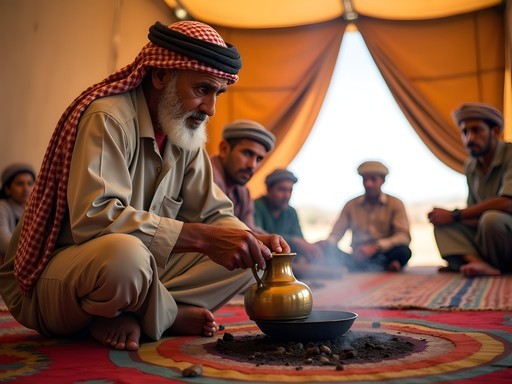
But Islam is just one thread in the tapestry. In the mountains surrounding Ali Sabieh, there are sacred sites that predate organized religion – places where nomadic traditions still hold sway. With proper permission and a local guide named Omar, I visited a stone circle where seasonal ceremonies still take place. Omar explained how these indigenous practices have been woven into modern religious observance rather than replaced by it.
'The mountains remember longer than people,' he told me, a phrase I've found myself repeating during my meditative runs back home in Toronto. 'They held our stories before books, before mosques, before borders.'
What struck me most was how spiritual practice here isn't compartmentalized from daily life. It flows through everything – from the blessing a shopkeeper makes over your purchase to the rhythmic movements of women preparing food. There's no separation between sacred and secular – a profound lesson for someone like me who often needs a designated yoga mat to remember mindfulness.
💡 Pro Tips
- Always ask permission before photographing religious sites or ceremonies
- Remove shoes before entering mosques and dress modestly (long pants for men, covered hair for women)
- Bring small gifts (tea or coffee) when visiting local homes – never alcohol, as most residents don't consume it
Vinyl and Voices: Uncovering Musical Heritage in Unexpected Places
My obsession with record shops has led me to some strange places, but hunting for vinyl in Ali Sabieh required detective work worthy of a noir film. There are no proper record stores here – at least not in the Western sense – but music pulses through the community in ways both traditional and surprisingly modern.
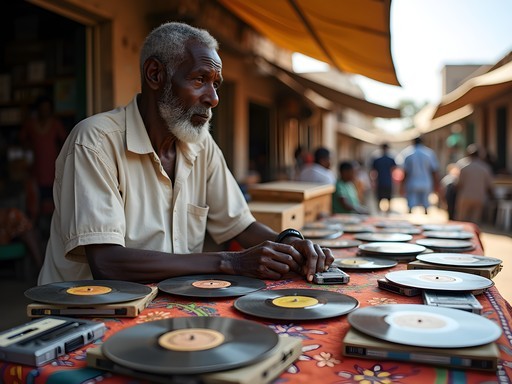
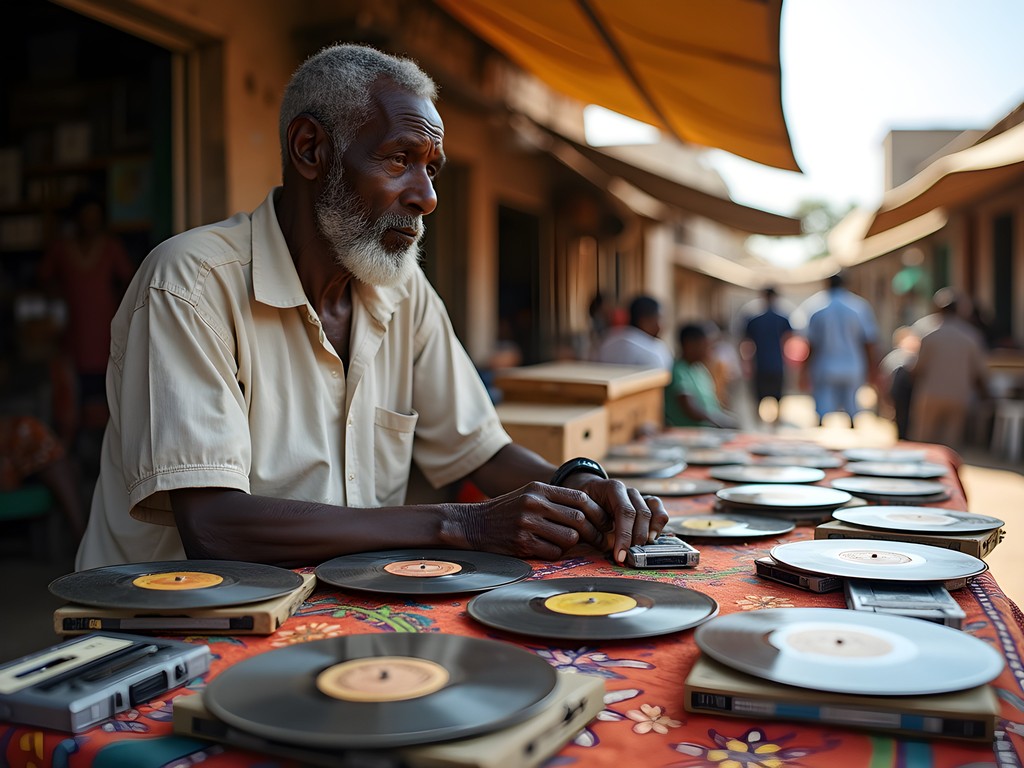
My breakthrough came at the weekly market when I spotted a vendor with a small stack of cassettes and, miracle of miracles, a few dusty records. Using my broken French and the universal language of music enthusiasm (lots of smiling and air guitar), I learned that Abdullahi had once been a radio DJ in the 1980s. His collection was small but precious – Somali funk recordings, French colonial-era jazz, and Ethiopian classics that had made their way across the border.
For the price of a coffee and my portable record player (which drew a crowd of fascinated onlookers), Abdullahi invited me to his home where the real collection emerged from carefully packed trunks. We spent hours listening to records that documented the region's complex history through its musical evolution – sounds that reflected Arab, African, and European influences colliding in this strategic corner of the Horn of Africa.
But contemporary music thrives here too. In a small café near the railway station, I stumbled upon a Thursday night gathering where young people share poetry and music. Some performances maintained traditional forms, while others incorporated rap and digital beats produced on phones and basic portable speakers. One young artist named Yusuf performed a piece that blended traditional Somali poetic forms with contemporary themes about climate change and its impact on nomadic life.
'Music here isn't just entertainment,' explained Hodan, a university student who helped translate throughout the evening. 'It's how we preserve our history when writing fails, how we process our present when words alone aren't enough.'
💡 Pro Tips
- Learn a few traditional Somali or Afar songs – locals appreciate the effort even if your pronunciation is terrible
- Bring small portable speakers as a gift if staying with local families – music sharing is a universal connector
- Ask permission before recording traditional music performances – some artists are protective of their work

Commercial Crossroads: Markets as Cultural Microcosms
If monasteries reveal a culture's spiritual heart and music exposes its soul, then markets showcase its living, breathing body. Ali Sabieh's central market operates as the community's circulatory system – goods, gossip, and cultural practices all flowing through its narrow pathways.
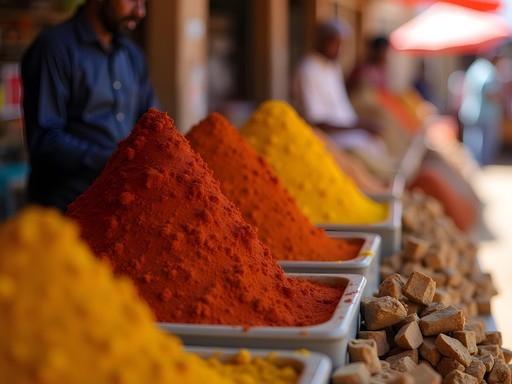
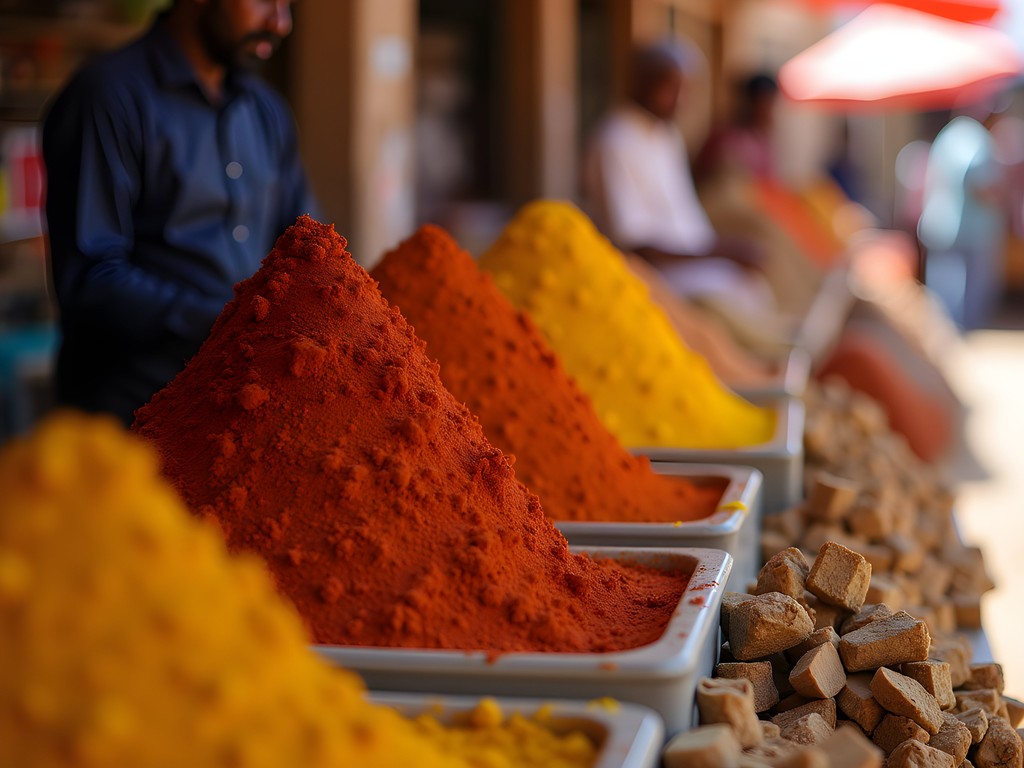
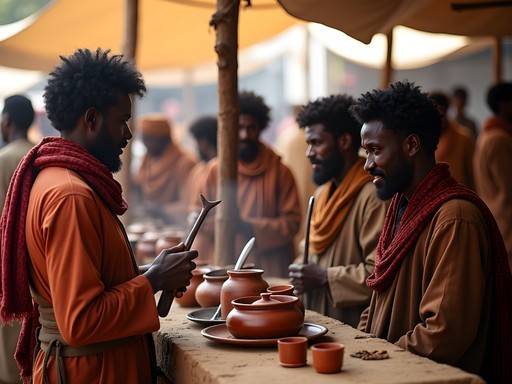
Unlike the tourist markets I've encountered across Southeast Asia, Ali Sabieh's market exists purely for locals. My first visit was overwhelming – a sensory bombardment of spice aromas, bleating goats, colorful textiles, and rapid-fire negotiations in multiple languages. I quickly learned that shopping here is not a transaction but a relationship. My attempt to buy fruit with minimal interaction was met with gentle resistance – the vendor insisted I sit, share tea, and exchange pleasantries before business could commence.
What initially felt like an inconvenience revealed itself as the market's true purpose. Yes, commerce happens, but the market's deeper function is social cohesion. News travels, marriages are arranged, political opinions are debated, and community bonds are strengthened through these daily interactions. After a few days of regular visits, vendors began to recognize me, saving special items they thought might interest the strange American runner who asked too many questions about local music.
The market also serves as a living museum of material culture. Traditional carved wooden containers sit alongside mass-produced plastic items. Hand-woven baskets compete with imported synthetic bags. Each purchasing choice represents a small decision about cultural preservation or pragmatic adaptation. I found myself drawn to the artisans – particularly an elderly woman creating intricate beaded jewelry similar to the pieces I've collected throughout my travels. Using gestures and my guide's translation, I learned techniques that connected to similar traditions I'd seen in Ethiopia and Kenya.
For travelers seeking authentic experiences, I can't recommend enough bringing an empty packable daypack to fill with market treasures. Not just for the items themselves, but for the stories and connections formed during their acquisition. My most valued souvenir? A hand-carved wooden container for storing frankincense, a traditional gift that came after I showed the artisan photos of similar crafts I'd collected in monasteries across Ethiopia.
💡 Pro Tips
- Visit the market multiple times to build relationships with vendors – prices improve and experiences deepen
- Never rush transactions – budget time for tea and conversation as part of the shopping experience
- Learn basic numbers in Somali to better understand prices, but don't expect aggressive haggling to be well-received
Running Connections: Finding Community Through Shared Passion
My running habit has opened doors across continents, but nowhere has it created more unexpected connections than in Ali Sabieh. On my third morning, what began as a solitary dawn run evolved into an impromptu running club when three local men joined me at a respectful distance. No words were exchanged that first day – just nods of acknowledgment and the shared rhythm of footfalls on dusty paths.
By the end of my first week, our group had grown to seven runners, ranging from teenagers to a man who must have been in his sixties. We communicated through a patois of broken French, minimal English, running gestures, and the universal language of shared effort. I learned that several were former competitive runners, including Ibrahim, who had once trained for the national team but lacked the resources to continue at that level.
What struck me most was how running here serves multiple purposes beyond fitness. For these men, our dawn runs were simultaneously social gatherings, training sessions, spiritual practice, and a connection to the wider world through me. They were curious about marathons I'd completed, asking detailed questions about courses in Tokyo and Boston with the reverence others might reserve for famous religious sites.
On my final Saturday, the group organized a special run to a vista point overlooking the entire valley. At the summit, Ibrahim presented me with a hand-carved wooden baton – the kind used in relay races – with each runner's name etched into its surface. 'So you carry us with you,' he explained in careful English. 'And come back to pass it on.'
For travelers who run, I can't recommend enough packing proper gear for the harsh conditions. My trail running shoes provided essential grip on the loose, rocky terrain, while a lightweight buff protected my face from dust. More importantly, running created authentic connections impossible to forge as a typical tourist – transforming me from observer to participant in daily life.

💡 Pro Tips
- Respect local customs regarding appropriate running attire – even in heat, men should wear shorts that reach the knee
- Carry small gifts (running caps, reflective bands) to share with local runners you meet regularly
- Learn the Arabic or Somali words for basic running terms to better communicate with potential running companions
Final Thoughts
As my bus pulled away from Ali Sabieh's dusty station, the wooden relay baton secure in my pack, I realized this town had offered exactly what I seek in travel: not comfort or convenience, but authentic connection. In two weeks, I'd transitioned from curious outsider to community participant – running its paths, praying in its sacred spaces, bargaining in its markets, and finding its rhythms through music both ancient and evolving. Djibouti rarely makes travel bucket lists, and Ali Sabieh even less so, but therein lies its power. In a world where tourism often feels like consumption, this unassuming town offered something more valuable: participation in daily life unfiltered for foreign tastes. The path here isn't easy – it requires patience, cultural sensitivity, and a willingness to embrace discomfort – but for those seeking to understand rather than merely see, Ali Sabieh waits with stories that can't be found in guidebooks and connections that continue long after your footprints have faded from its dusty streets.
✨ Key Takeaways
- Cultural authenticity thrives in places untouched by mainstream tourism
- Physical activities like running create deeper connections than standard sightseeing
- Markets and music venues reveal more about local life than tourist attractions
📋 Practical Information
Best Time to Visit
November to February (winter)
Budget Estimate
$30-50 USD per day (excluding transport to Djibouti)
Recommended Duration
1-2 weeks
Difficulty Level
Challenging

Comments
backpackadventurer
Thanks for sharing this!
Hannah Woods
Brilliant piece, Mason. Ali Sabieh really is underrated. I was struck by how you captured the spiritual dimension - those small mosques tucked into the landscape have such presence. For anyone planning a visit: the Thursday market is the big one, much more active than other days. Also, if you're interested in the railway history (the old Addis Ababa line), there's a small museum near the station that's only open mornings. The curator is passionate and gives informal tours. One practical note: my travel adapter was essential since the outlets are European-style and power can be intermittent.
smartbackpacker
Going there in April! How hot does it get? Should I be worried about the heat?
Hannah Woods
April is getting warm - expect 100-105°F. Bring a good water bottle and start activities early morning. The heat is dry though, more manageable than you'd think.
summerone
Really love your photos!! The market shots are beautiful
Jennifer Rodriguez
Mason, this is such a refreshing perspective on Djibouti! Most people only hit Djibouti City and Lake Assal. I spent 3 days in Ali Sabieh last year and totally agree about the running culture - it's amazing how seriously they take athletics there. For budget travelers: the guesthouses near the market run about $15-20/night and are clean. The bus from Djibouti City is only $3 and takes about 90 minutes. Also, if you're into the music scene Mason mentioned, ask around for Hassan at the vinyl shop - he speaks decent English and loves sharing stories about Somali music history.
smartbackpacker
Thanks for the guesthouse tip! Do they take credit cards or cash only?
Jennifer Rodriguez
Cash only - Djiboutian francs. There's an ATM near the bus station that works with international cards.
summerguy
Wow this place looks incredible! Never even heard of Ali Sabieh before
backpackadventurer
Same here! Adding it to my list
Frank Garcia
Mason, this is exactly the kind of cultural immersion piece I appreciate. Ali Sabieh represents what I think is most valuable about travel to less-visited regions - authentic exchanges unmediated by mass tourism. I've been analyzing transportation networks in the Horn of Africa for my blog, and the rail connection between Ali Sabieh and Addis Ababa is fascinating from both historical and contemporary perspectives. The French colonial influence on the original rail system contrasted with the new Chinese-built standard gauge line tells the whole story of external influences in the region. Did you notice how the different transportation systems have created distinct commercial zones in the markets? I documented similar patterns in Dire Dawa.
Mason Sullivan
Frank - excellent observation about the transportation networks. I hadn't explicitly connected the market layout to the rail systems, but it makes perfect sense. The older section near the original station definitely has different goods than the newer commercial area. Would love to read your Dire Dawa analysis!
Frank Garcia
Just sent you the link! Working on a comparative piece now - would love your input since you've seen Ali Sabieh firsthand.
mountainclimber
Great post! How was the internet connectivity there?
Mason Sullivan
Spotty at best! The guesthouse had WiFi but it was down half the time. Local SIM card worked better in town center.
Casey Andersson
Mason, your post transported me right back to my brief stay in Ali Sabieh last year! I had a completely different experience though - ended up at a local wedding celebration where the bride's family insisted I join. Four hours of dancing, incredible food, and attempting to learn traditional moves while everyone laughed (with me, not at me... mostly). The markets you described are spot on - I found this incredible hand-tooled leather journal that I still use for all my travel notes. Did you try the spiced tea with condensed milk? The woman near the central market makes it with cardamom that literally changed my life. Next time you're there, look for her blue stall with the copper kettles.
Mason Sullivan
A wedding! Now I'm jealous, Casey. And yes - that tea! I became addicted by day two. The cardamom is from Ethiopia, the vendor told me. Something about the soil there makes it extra fragrant.
springdiver
Your section on the musical heritage gave me chills! I had no idea about the vinyl collection in Ali Sabieh. The way you connected with locals through music is exactly why I travel.
Venture X
Premium card with 2X miles, $300 travel credit, Priority Pass