

Disclosure: This article contains affiliate links. We may earn a commission from purchases at no extra cost to you, which helps our travel content.
When I first mentioned to my Brisbane friends that I was heading to Wuhan for a long weekend, their reactions were a mix of curiosity and surprise. 'Why Wuhan?' they asked. Having explored over 30 Chinese cities during my travels across Asia, I've developed a fondness for destinations that balance rich history with modern energy—places where your euro (or in my case, Australian dollar) stretches further while offering authentic experiences. Wuhan, with its magnificent lakes, historical pagodas, and surprisingly vibrant cultural scene, delivers precisely this balance. Allow me to guide you through this phoenix city that has risen from challenges to reveal its splendid heart to intrepid travelers.

Day 1: East Lake and Cultural Immersion
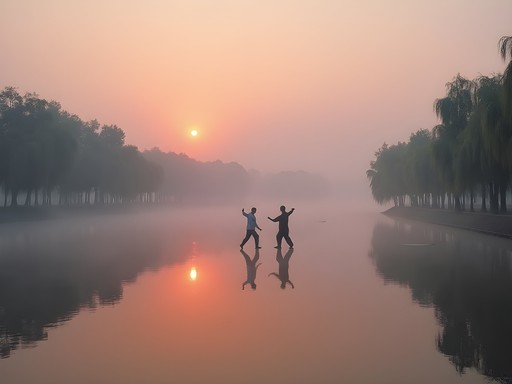
My first morning in Wuhan began with the gentle mist rising from East Lake, China's largest urban lake within a city. I arrived just after 7 am, when local seniors practice tai chi along the shore—a quintessentially Chinese scene that transported me back to my childhood visits to parks in Marseille, though with a distinctly different cultural flavor.
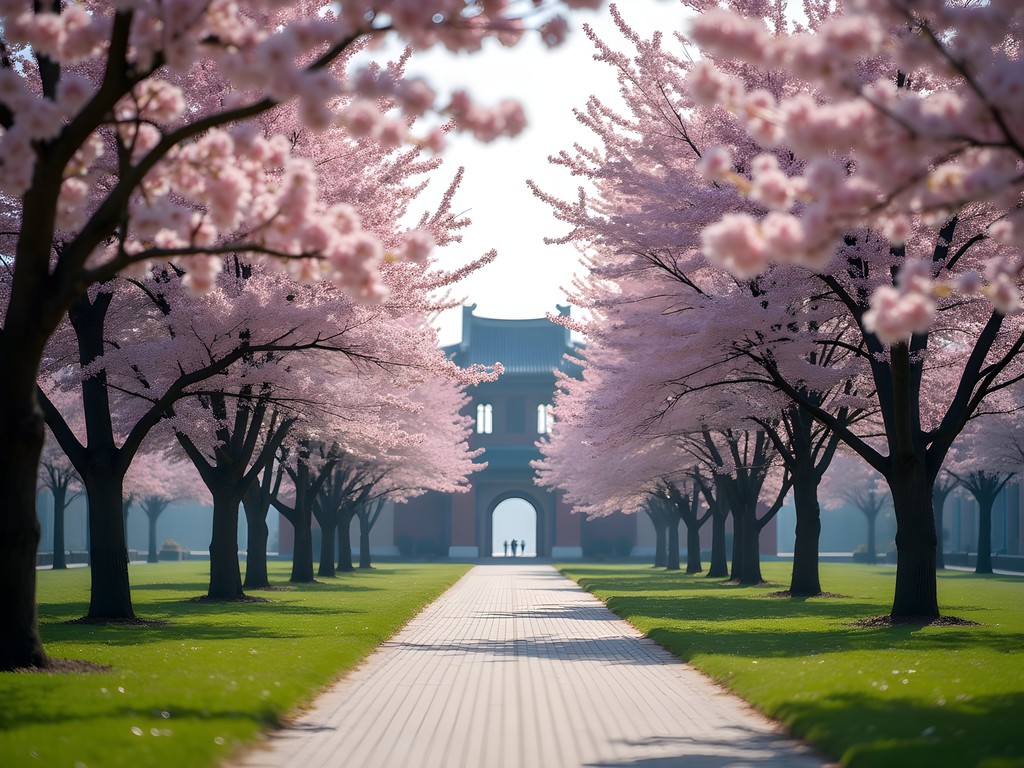
The lake complex is massive (nearly 88 square kilometers), so I recommend renting a bicycle from the many stations near the entrance (¥20 for two hours). The Tingtao Scenic Area offers the most picturesque views, especially in spring when cherry blossoms create pink canopies along the pathways.
For lunch, I discovered a delightful surprise: the Hubei Provincial Museum's restaurant serves excellent local cuisine at reasonable prices (¥60-80 per person). The museum itself is free and houses the magnificent bronze bells from the Marquis Yi of Zeng's tomb—a musical instrument collection dating back to 433 BCE that still produces perfect tones when played during special performances.
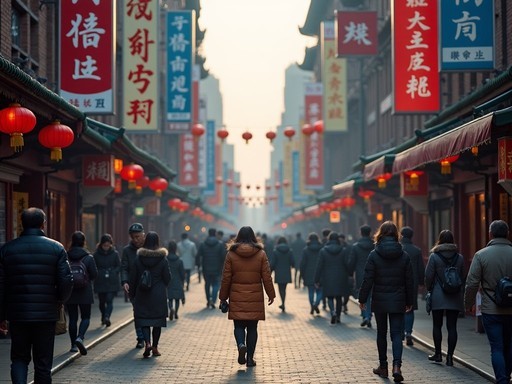
As evening approached, I made my way to Hubu Alley, a narrow lane packed with food stalls selling Wuhan's famous reganmian (hot dry noodles) and doupi (sticky rice wrapped in tofu skin). Before my trip, I downloaded the Chinese translation app to my phone, which proved invaluable when deciphering menus and communicating with vendors. For those with sensitive stomachs, I packed digestive relief tablets which allowed me to sample street food without worry—though I'm pleased to report Wuhan's food hygiene standards were quite good.

💡 Pro Tips
- Arrive at East Lake before 9 am to avoid crowds and catch the morning light
- The Hubei Museum's bell performance happens at 10:30 am and 3:30 pm—book your free ticket upon arrival
- Bring cash for street food vendors as many don't accept foreign credit cards
Day 2: Historical Wuhan and Yellow Crane Tower
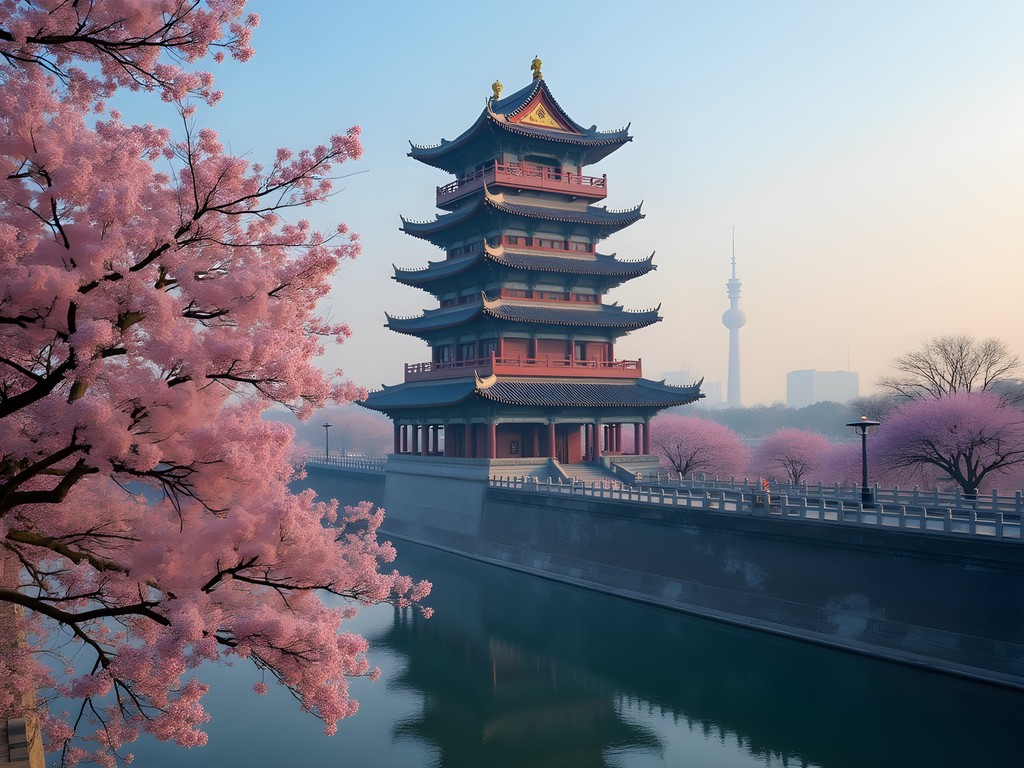
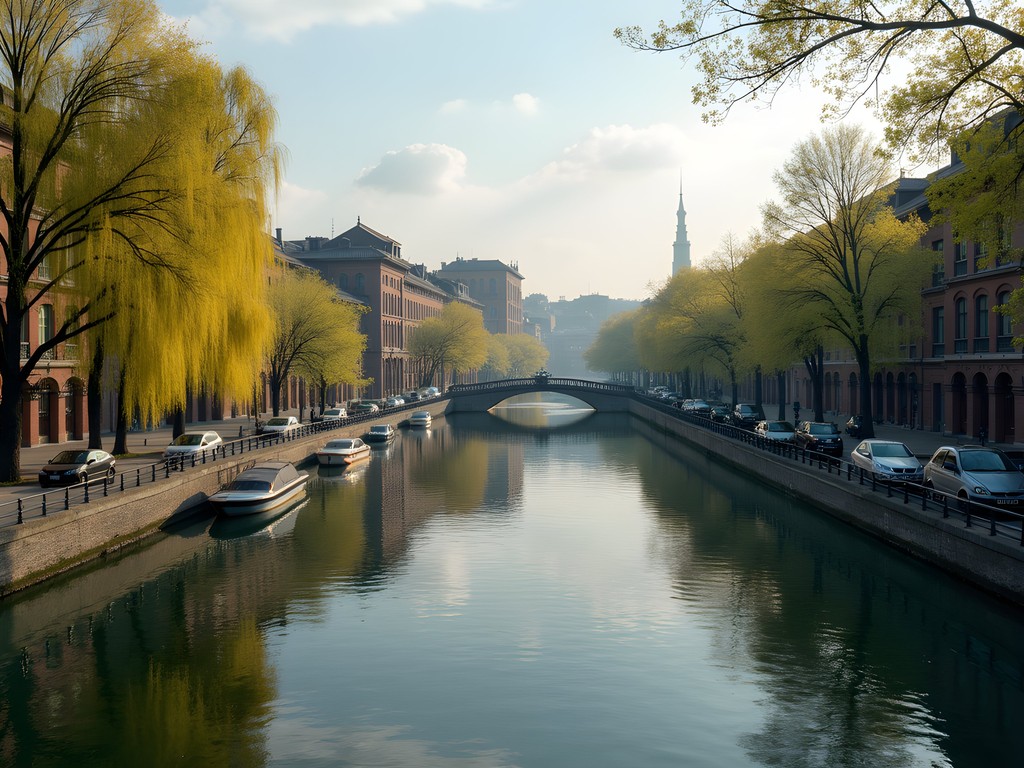
The Yellow Crane Tower (黄鹤楼) has been on my travel wishlist since I first read Li Bai's famous poem about it in a Chinese literature anthology years ago. Standing 51.4 meters tall on Snake Hill, this reconstructed Tang Dynasty pagoda is every bit as magnificent as I'd imagined. The entrance fee (¥80) is worth every yuan for the panoramic views of the Yangtze River and the city beyond.
I arrived at 9:30 am, just after opening but before the tour groups descended. My foldable sun hat was essential protection against the spring sunshine as I explored the open viewing platforms. Don't rush through the tower itself—each floor contains beautiful calligraphy, historical exhibits, and cultural artifacts that tell Wuhan's story.
After a morning of history, I crossed the Yangtze River via the Wuhan Yangtze River Bridge to Hankou, the commercial district. The contrast between ancient and modern China is most evident here, where colonial-era buildings along the Bund area stand in the shadow of gleaming skyscrapers.
For lunch, I treated myself to Wuhan's famous sanxian doupi (three fresh stuffed tofu skin) at Laotongcheng restaurant. At ¥45 for a generous portion, it was both delicious and excellent value. My afternoon wandering through the Jianghan Road Pedestrian Street revealed a shopper's paradise where I practiced my bargaining skills—another instance where my pocket translator earned its place in my daypack.
💡 Pro Tips
- Purchase Yellow Crane Tower tickets online a day ahead to avoid queues
- Visit the tower first thing in the morning or late afternoon for the best photography light
- The tower complex includes beautiful gardens worth exploring—allow at least 2-3 hours for the full experience
Day 3: Wuhan University and Night Markets
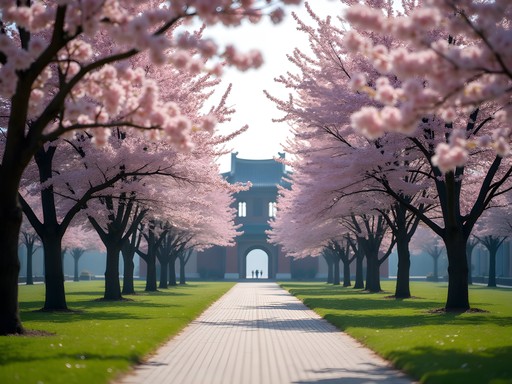
My final day began with what many consider Wuhan's best-kept secret: the stunning campus of Wuhan University. In spring, the cherry blossoms here rival Japan's famous sakura displays, but with a fraction of the crowds. The campus gates have a nominal entrance fee for visitors (¥30) during blossom season, but it's free other times. The early 20th-century architecture blends Chinese and Western styles beautifully, particularly the Old Library building.
After a morning of campus wandering, I took a DiDi (China's Uber) to Tan Hua Lin, a renovated historical district where traditional Wuhan architecture has been preserved amid cafés and boutiques. For lunch, I enjoyed lotus root soup and fresh fish from the Yangtze at a local restaurant called Chu River Han Street (¥75).
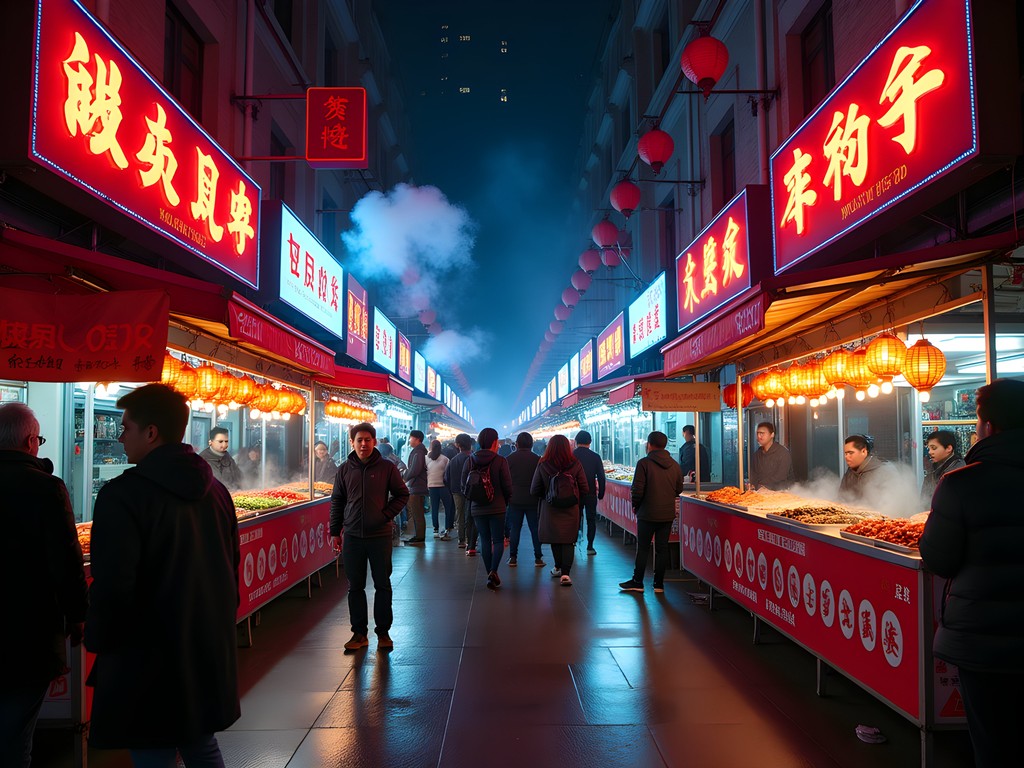
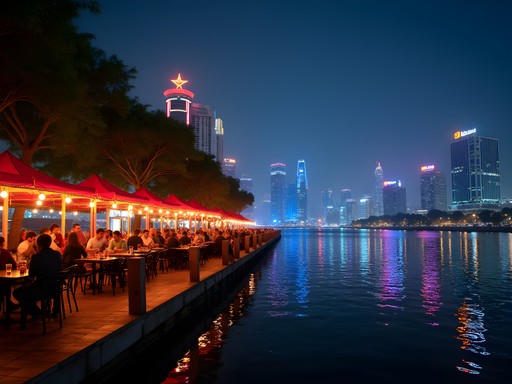
As evening approached, I prepared for my favorite Wuhan experience: the Optics Valley Square night market. This massive market comes alive after 6 pm with hundreds of food stalls, trinket vendors, and street performers. I was grateful for my crossbody anti-theft bag which kept my belongings secure while leaving my hands free to sample everything from spicy crayfish to bizarre ice cream flavors.
The market's neon lights reflecting in puddles after a brief spring shower created a cyberpunk atmosphere that would make excellent photographs. I captured the scene with my phone rather than risking my camera in the crowds, but was pleased with the results. My portable phone charger ensured I didn't miss any photo opportunities despite a full day of navigation and photography.
💡 Pro Tips
- Check Wuhan University's website for cherry blossom forecasts if visiting in March-April
- Download DiDi app and link it to your credit card before arriving in China
- Bring small bills (¥10 and ¥20 notes) for street food vendors

Where to Stay: Comfortable Mid-Range Options
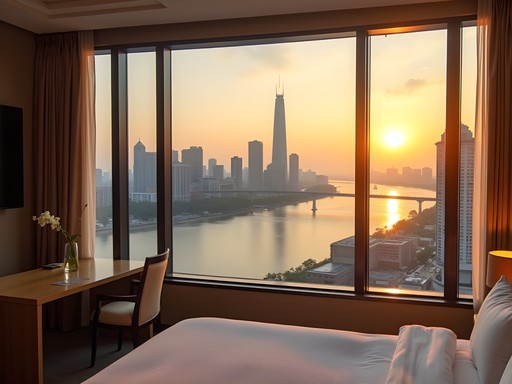
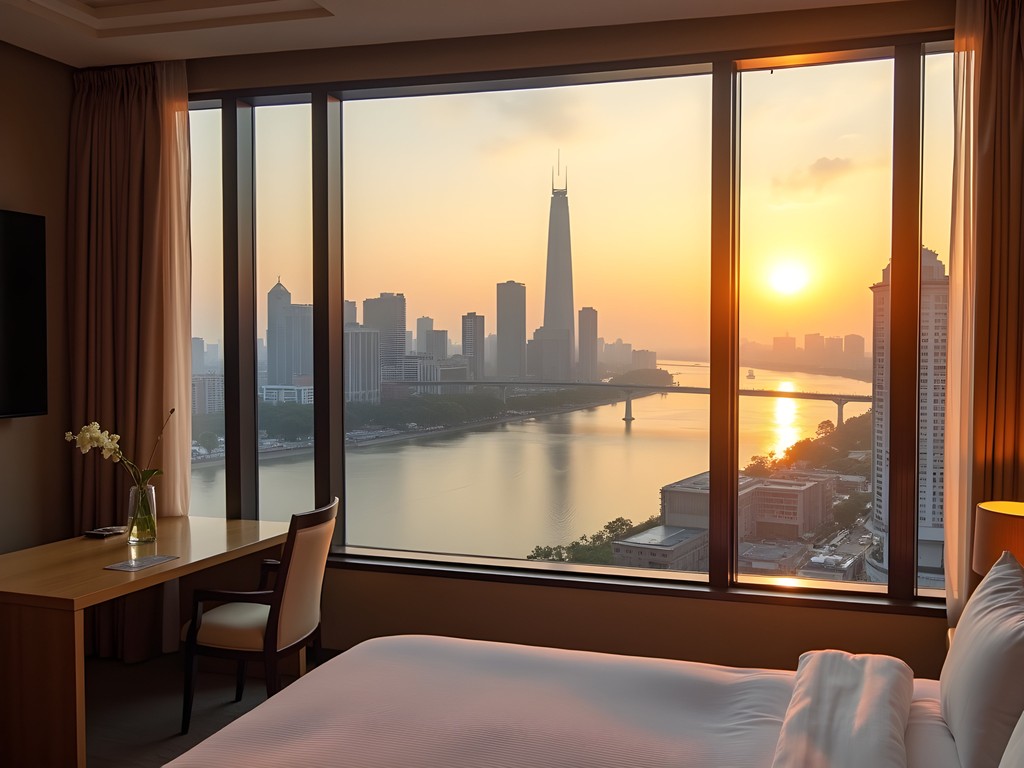
After years of travel, I've learned that location is everything, particularly for a short city break. In Wuhan, I opted for the Wanda Reign Wuhan hotel, strategically positioned between the Yellow Crane Tower and East Lake. At approximately ¥650 per night (about AU$140), it offers excellent value with five-star amenities.
For those with tighter budgets, the Ji Hotel Wuhan Optical Valley Pedestrian Street provides clean, modern rooms from ¥280 per night and places you perfectly for exploring the night markets.
Wuhan spans three former cities (Wuchang, Hankou, and Hanyang) separated by rivers, so consider which attractions you most want to visit before booking. I found Wuchang district most convenient for my itinerary, though crossing between districts is straightforward using the efficient metro system.
One travel essential I never leave home without is my silk sleep sheet which gives me peace of mind in hotels of varying standards, though I'm pleased to report that hotel cleanliness in Wuhan was excellent across the board.
💡 Pro Tips
- Book hotels through Chinese platforms like Ctrip for better rates than international booking sites
- Request a high floor room for better views and less street noise
- Many hotels require a cash deposit upon check-in, so keep some local currency available
Final Thoughts
As my flight departed Wuhan Tianhe International Airport, I gazed down at the mighty Yangtze River cutting through this remarkable city of contrasts—a place where ancient poetry inspires modern skyscrapers and where traditional breakfast noodles are slurped alongside trendy bubble teas. Wuhan surprised me in the most delightful ways, offering cultural depth, historical significance, and modern energy without the overwhelming tourist crowds of Beijing or Shanghai.
For solo travelers seeking an authentic glimpse into a rapidly evolving China, Wuhan provides the perfect balance of accessibility and discovery. The city's recent challenges have forged a resilient spirit among its people, who were unfailingly kind and curious about foreign visitors during my stay.
Whether you're drawn by the cherry blossoms of Wuhan University, the poetic history of Yellow Crane Tower, or simply the adventure of exploring a less-traveled Chinese metropolis, I encourage you to give this phoenix city three days of your journey. Like me, you may find yourself already planning a return visit to discover more of its secrets. À bientôt, Wuhan—until we meet again.
✨ Key Takeaways
- Wuhan offers excellent value for money compared to China's more famous cities
- Spring (March-May) provides the perfect balance of comfortable temperatures and natural beauty
- The city is easily navigable for solo travelers with basic planning
- Food is a highlight—especially breakfast noodles, lotus dishes, and street market specialties
- Allow time for spontaneous exploration—some of Wuhan's best experiences happen when you wander off the main tourist path
📋 Practical Information
Best Time to Visit
Spring (March-May) for cherry blossoms and comfortable temperatures
Budget Estimate
¥500-800 ($100-160 AUD) per day including mid-range accommodation, meals, and attractions
Recommended Duration
3-4 days
Difficulty Level
Easy To Moderate (Some Language Barriers But Good Infrastructure)
Comments
Hannah Woods
Interesting perspective on Wuhan as a tourist destination. I think it's one of those Chinese cities that gets overlooked because it's not as 'iconic' as Beijing or Xi'an, but that's precisely what makes it compelling. The authentic local experience you described—wandering East Lake, exploring university campuses—feels more genuine than the tourist circuits elsewhere. I'm curious about the mid-range accommodation scene. How would you compare hotel value to other tier-1 Chinese cities? My experience has been that places like Wuhan offer significantly better bang for buck than Shanghai or Shenzhen.
Lily James
Absolutely Hannah. I paid about 60% of what I'd pay in Shanghai for similar quality. The Hilton Garden Inn near Optics Valley was like $70 USD and really nice. Definitely better value than coastal cities.
vacationclimber
We did the public transportation in Wuhan last spring and it was super easy. The metro is clean and cheap. Pro tip: get a transport card at the airport, saves so much time vs buying tickets each time. Also the cherry blossoms at Wuhan University in March/April are insane!
islandperson
Beautiful photos!
moonrider
How was the food?? Did you try hot dry noodles?
Lily James
YES! Re gan mian was everywhere and so good. Different from what I expected but amazing. Also tried duck neck at the night market which was... an experience haha
vacationclimber
Duck neck is wild! I had it in Changsha and couldn't stop eating it even though it was so spicy
Amit Sullivan
Lily, wonderful piece on Wuhan! I visited back in 2019 and was similarly captivated by the Yellow Crane Tower. There's something magical about standing there at sunset, watching the Yangtze flow beneath you while the city lights begin to twinkle. I found the historical context fascinating—how it's been rebuilt so many times yet remains such a powerful symbol. Did you make it to the Hubei Provincial Museum? The bronze bells performance there gave me chills. It's incredible how Wuhan balances its ancient heritage with such rapid modernization.
Lily James
Amit! Yes, the museum was incredible. I ran out of time to mention it in the post but those bells were haunting. The whole experience felt like stepping back 2,500 years.
luckychamp1955
Love this post!! Adding Wuhan to my bucket list now!
sunsetpro
This is really interesting! I've been to Beijing and Shanghai but never considered Wuhan. How did you find getting around with the language barrier? My Mandarin is pretty basic and I'm wondering if it's doable for someone who can only say ni hao and xie xie lol
Lily James
Hey! The metro system has English signs which helps a lot. I used a translation app for restaurants and it worked fine. People were really patient and helpful, especially younger folks. Download a VPN before you go though!
sunsetpro
Thanks! That's reassuring :)
vacationwalker
Those East Lake photos are stunning! Added to my bucket list.
sunnylife
Your East Lake photos are gorgeous! Adding this to my bucket list!
beachwanderer
Great post! I'm planning a trip to China next spring and thinking of adding Wuhan to my itinerary. You mentioned the food briefly, but I'd love to know more about specific dishes to try. Any recommendations for must-try local specialties? Also, how did you find the Yellow Crane Tower compared to other historical sites in China? Was it crowded when you visited?
Lily James
Definitely try hot dry noodles (reganmian) for breakfast - they're the city's signature dish! Also don't miss the duck neck (yazi) and spicy crayfish if you're brave. Yellow Crane Tower was moderately busy mid-week but nothing compared to the crowds at places like the Forbidden City. The views over the Yangtze are spectacular!
beachwanderer
Thanks so much! Adding those foods to my list. Duck neck sounds intimidating but when in Wuhan...
Venture X
Premium card with 2X miles, $300 travel credit, Priority Pass