

Disclosure: This article contains affiliate links. We may earn a commission from purchases at no extra cost to you, which helps our travel content.
There's something undeniably magical about stepping into Verona for the first time. Perhaps it's the way the golden Italian sunlight bathes the terracotta rooftops, or how the Adige River curves gracefully through the ancient city center. As someone who's spent years guiding travelers to Italy's most captivating destinations, I can confidently say that Verona offers that perfect blend of romantic allure and cultural richness without the overwhelming crowds of Venice or Rome. During my most recent visit last summer, I found myself completely enchanted by this compact city where Shakespeare set his most famous love story. Beyond the obvious Romeo and Juliet connections, Verona reveals itself as a living museum of Roman architecture, medieval passageways, and Renaissance splendor—all easily explorable in just three days. Whether you're planning a romantic getaway or simply seeking an authentic Italian experience, this 72-hour itinerary will guide you through the very best this UNESCO World Heritage city has to offer.

Day 1: Roman Heritage and Historic Center
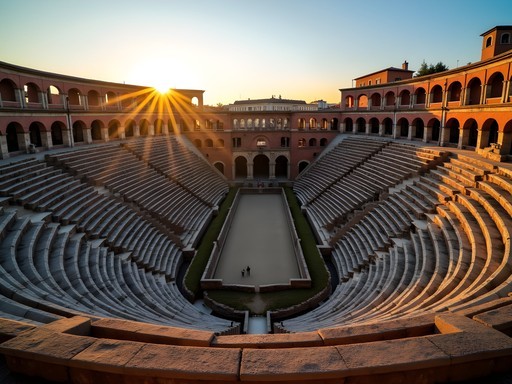
Begin your Verona adventure where the city itself began—in its remarkably preserved Roman core. After a cappuccino at one of the cafés lining Piazza Bra, make your way to the Arena di Verona, the city's most iconic landmark. This first-century amphitheater predates Rome's Colosseum and still hosts spectacular opera performances during summer months. I recommend arriving when it opens at 8:30 AM to avoid both crowds and the midday heat.
After exploring the Arena, wander northeast to Piazza delle Erbe, Verona's vibrant market square since Roman times. The square is framed by medieval towers, Renaissance palaces, and the whimsical Baroque fountain Madonna Verona. This is where locals and visitors alike gather throughout the day, making it perfect for people-watching over a mid-morning espresso.
From here, it's a short stroll to Casa di Giulietta (Juliet's House) on Via Cappello. Yes, it's touristy, but there's an undeniable charm to the famous balcony and bronze statue of Juliet in the courtyard. Pro tip: visit around lunchtime when most tour groups are dining elsewhere.
Spend your afternoon getting wonderfully lost in Verona's medieval streets. Cross the 14th-century Scaliger Bridge (Ponte Scaligero) for breathtaking views of Castelvecchio, the imposing medieval fortress that now houses an impressive art museum worth at least an hour of your time.
For dinner, avoid the tourist traps near Juliet's House and instead head to Osteria Dogana Vecia near the river for authentic Veronese cuisine. Their risotto all'Amarone (made with the region's famous wine) paired with a glass of Valpolicella Ripasso creates the perfect introduction to local flavors.

💡 Pro Tips
- Purchase the Verona Card (€20 for 24 hours) if you plan to visit multiple museums and monuments—it includes entry to the Arena and public transportation.
- The Arena's stone seating can be uncomfortable during summer opera performances—rent a cushion or bring a travel cushion for comfort.
- Many museums close on Mondays, so plan accordingly if your long weekend includes this day.
Day 2: Across the River and Into the Hills
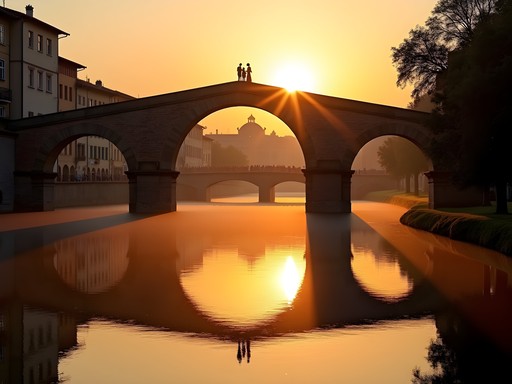
Start your second day with a morning walk across Ponte Pietra, Verona's oldest bridge dating back to Roman times. The stone arch bridge offers spectacular views of the city and leads directly to the Roman Theatre (Teatro Romano). While less famous than the Arena, this ancient performance space offers equally impressive acoustics and hosts summer festivals under the stars. The adjacent Archaeological Museum provides fascinating context for Verona's Roman history.
From here, climb the winding path up to Castel San Pietro for the most breathtaking panoramic views of Verona. During my last visit, I packed a simple picnic breakfast and arrived just after sunrise—the soft morning light painting the terracotta rooftops below created one of those travel moments I'll never forget. If you're not an early riser, sunset here is equally magical, though considerably more crowded.
After descending back to the city, spend your afternoon exploring Veronetta, the bohemian neighborhood across the river. This area feels worlds away from the tourist-heavy historic center, with local university students, hidden courtyards, and authentic neighborhood trattorias. The Giardino Giusti, a meticulously maintained Renaissance garden, offers a peaceful respite with its cypress-lined paths and terraced landscapes.
For dinner, book a table at Trattoria Dal Gal in the San Zeno neighborhood, where their homemade pasta and seasonal specialties showcase why Italian cuisine doesn't need to be complicated to be extraordinary. If you're visiting between April and October, consider bringing a compact binoculars to better appreciate the architectural details of the city's historic buildings and the distant rolling hills of Valpolicella from the viewpoints you'll encounter throughout the day.

💡 Pro Tips
- The climb to Castel San Pietro involves several steep steps, but the funicular railway offers an alternative if mobility is a concern.
- Many shops close for riposo (afternoon rest) between roughly 1-4 PM, especially in summer—plan your shopping accordingly.
- Book tickets online for the Roman Theatre to skip the line, especially during high season.
Day 3: Culinary Discoveries and Local Life
Reserve your final day in Verona for experiencing the city through its flavors and local rhythms. Begin with a visit to Verona's bustling food market in Piazza delle Erbe, which has been the commercial heart of the city for over 2,000 years. Arrive before 9 AM to watch local vendors set up their colorful displays of seasonal produce, cheeses, and fresh pasta. This is where I discovered my obsession with black truffle pecorino—a cheese that's haunted my dreams since returning to the UK.
After gathering picnic supplies, make your way to the 12th-century Basilica of San Zeno Maggiore, one of northern Italy's finest Romanesque churches. The bronze doors featuring 48 biblical scenes are particularly remarkable, as is the altarpiece by Andrea Mantegna. The peaceful cloister and surrounding neighborhood feel worlds away from the tourist center.
For lunch, either enjoy your market purchases in the nearby Giardino Giusti gardens or treat yourself to a proper sit-down meal at Osteria Sottocosta, where the menu changes daily based on market availability.
Spend your afternoon exploring the charming boutiques along Via Mazzini and the side streets of the Città Antica (old town). For a unique souvenir, visit Antica Bottega del Vino, a historic wine shop where you can purchase bottles of Amarone and Valpolicella directly from local producers.
Before dinner, join the locals for passeggiata—the traditional evening stroll—along Corso Porta Borsari and through Piazza dei Signori. This ritual of seeing and being seen is quintessentially Italian and offers a glimpse into authentic Veronese life.
Conclude your Verona experience with dinner at Osteria La Fontanina, one of the city's most beloved restaurants housed in a 16th-century building. Their wine list is exceptional, showcasing the best of the Veneto region. I recommend bringing a wine journal to note your favorites—the sommelier will appreciate your enthusiasm and likely offer additional tastings.

💡 Pro Tips
- Ask your hotel about cooking classes—many local chefs offer half-day courses where you'll learn to make traditional Veronese dishes like risotto all'Amarone.
- Verona is known for its excellent wine bars (enotecas)—look for places offering 'cicchetti' (small plates) to accompany your wine tastings.
- Many restaurants are closed on Sundays and Mondays—always check opening hours and make reservations when possible.

Where to Stay: Authentic Accommodations
Choosing the right location for your Verona stay can significantly enhance your experience. During my visits, I've found that the historic center (Città Antica) offers the most convenient base, placing you within walking distance of major attractions while immersing you in the city's romantic atmosphere.
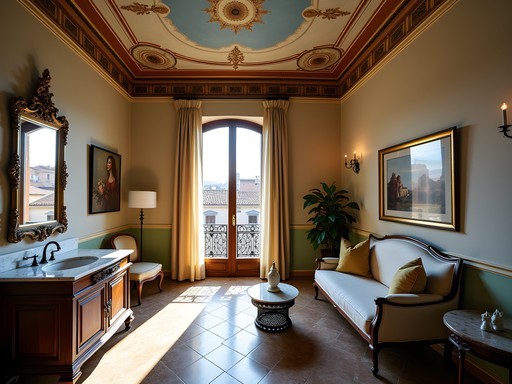
For mid-range budgets, Hotel Accademia offers an ideal location between Piazza Bra and Juliet's House. The 18th-century building has been thoughtfully modernized while retaining its historic character, and the staff excels at providing insider recommendations for local restaurants and experiences. Their courtyard breakfast featuring local pastries and cappuccino is the perfect way to start each day.
If you prefer apartment-style accommodations, Residenza Carducci provides elegant self-catering options in a restored medieval building near Piazza delle Erbe. Having your own kitchen allows you to experiment with the incredible ingredients you'll discover at the local markets.
For those seeking a more immersive experience, I highly recommend the family-run B&B Corte delle Pigne, located in a quiet courtyard just steps from the Arena. The owners, Elena and Marco, treat guests like extended family and offer invaluable advice on experiencing Verona like a local. Their homemade breakfast featuring Elena's legendary tiramisu (yes, tiramisu for breakfast is absolutely acceptable in Italy) is worth the stay alone.
Whichever accommodation you choose, I recommend packing a travel sound machine if you're sensitive to noise—Verona's historic buildings, while charming, sometimes lack soundproofing, and the evening passeggiata can continue well into the night, especially during summer months.

💡 Pro Tips
- Book accommodations within the historic center for the most convenient location, but expect to pay a premium for the privilege.
- Request a room away from the street if you're a light sleeper—the evening passeggiata can be lively, especially on weekends.
- Many historic buildings don't have elevators, so check in advance if accessibility is a concern.
Beyond Shakespeare: Cultural Experiences
While Romeo and Juliet may have put Verona on the literary map, the city's cultural offerings extend far beyond Shakespearean romance. If your visit coincides with opera season (June through August), attending a performance at the Arena di Verona should be considered non-negotiable. Even if you're not typically an opera enthusiast, experiencing Verona's 2,000-year-old amphitheater illuminated by thousands of candles as Puccini or Verdi's notes soar into the night sky is genuinely transformative. I still get goosebumps remembering Aida performed there during my first visit—the production featured live elephants and over 200 performers!
For art lovers, the Castelvecchio Museum houses an impressive collection of medieval and Renaissance works in a beautifully restored fortress. The innovative restoration by architect Carlo Scarpa is itself a masterpiece worth studying. Similarly, the Basilica of San Zeno Maggiore contains one of northern Italy's most important religious artworks—Mantegna's altarpiece depicting the Madonna and saints.
During summer months, the Roman Theatre hosts the Estate Teatrale Veronese festival, featuring everything from Shakespeare to contemporary dance performances in its ancient open-air setting. The acoustics are remarkable, and performances typically begin at sunset when the temperature becomes more comfortable.
For a deeper understanding of Verona's wine culture, consider a half-day excursion to a Valpolicella vineyard in the surrounding hills. Many wineries offer tours explaining their unique appassimento technique (partially drying grapes before pressing) that creates the region's distinctive Amarone wines.
I always travel with a pocket art guide to better appreciate the historical context of what I'm seeing. Verona's layers of Roman, Medieval, and Renaissance art can be overwhelming without some background knowledge, and having a comprehensive reference on hand enhances the experience tremendously.

💡 Pro Tips
- Book Arena opera tickets months in advance for the best seats—the unnumbered stone steps (gradinata) offer the most affordable option but bring a cushion for comfort.
- Many churches containing important artworks require modest dress (covered shoulders and knees).
- The Verona Card includes entry to most museums and churches, offering excellent value if you plan to visit multiple cultural sites.
Final Thoughts
As my train pulled away from Verona Porta Nuova station, I found myself already planning a return visit. There's something about this compact city that captures the essence of Italy—the layers of history, the passionate dedication to food and wine, the celebration of art and music, and the genuine warmth of its people. In just 72 hours, Verona offers a perfect introduction to northern Italian culture without the overwhelming scale of Venice or Milan. Whether you're wandering hand-in-hand across ancient bridges, sipping Amarone in a hidden courtyard, or watching the sunset paint the city's terracotta landscape from Castel San Pietro, Verona delivers those quintessential Italian moments that linger in your memory long after you've returned home. As Shakespeare's Juliet might say, parting is such sweet sorrow—but with this itinerary in hand, your Verona romance is just beginning.
✨ Key Takeaways
- Verona perfectly balances iconic attractions with authentic local experiences in a compact, walkable city center.
- Summer visitors should prioritize booking Arena di Verona opera tickets well in advance for an unforgettable cultural experience.
- The city's strategic location makes it an ideal base for exploring the Veneto region, including day trips to Lake Garda or the Valpolicella wine country.
📋 Practical Information
Best Time to Visit
Late April to June or September to October for pleasant temperatures and fewer crowds. July and August offer opera season but with higher temperatures and more tourists.
Budget Estimate
€150-250 per day per couple for mid-range accommodations, meals, and attractions
Recommended Duration
3 days (long weekend)
Difficulty Level
Easy

Comments
Sarah Powell
Timothy, I appreciate how you structured this itinerary to avoid the Romeo and Juliet tourist traps until you've experienced the authentic Verona first. Smart approach! When I visited, I'd add that taking an early morning walk (around 7am) along the Adige River gives you a glimpse into local life that most tourists miss. Older Veronese residents power walking, locals grabbing coffee before work, and the light on the buildings is phenomenal for photography. The Giardino Giusti you mentioned on Day 2 was the highlight of my trip - I spent nearly three hours sketching there. Perfect itinerary balance overall!
mountainhero
Just booked my hotel for Verona! Can't wait to try all these restaurants!
hikingadventurer
Great post! I'm curious about your Day 2 itinerary - how strenuous is the hike up to Castel San Pietro? My parents are joining me (60s) and they're moderately active but not hikers.
Sarah Powell
Not Timothy, but I can answer this! It's more of a steep walk than a hike - about 10 minutes of stairs. There's also a funicular if they prefer. My mom (65) did it with a couple of rest stops and was fine. The view is absolutely worth it!
starclimber
First time going to Italy next month and I'm spending 3 days in Verona! Is it worth staying in the historic center even though it's more expensive? Any specific neighborhood recommendations?
Timothy Jenkins
Absolutely worth staying in the center if your budget allows! I loved being able to wander out in the early morning and late evening when the day-trippers were gone. Cittadella or San Zeno neighborhoods give you that historic feel with slightly better prices than right by the Arena.
starclimber
Thanks Timothy! Looking at San Zeno options now!
Fatima Sims
Timothy, your itinerary brought back such vivid memories! I was in Verona during a thunderstorm last spring, and watching the rain from under the arches of the Arena was magical. One tip I'd add for anyone going: don't miss the little artisanal gelato shop down the alley from Casa di Giulietta - Gelateria Romana. Their pistachio flavor haunts my dreams! Also, I found using my pocket translator super helpful when chatting with local shop owners outside the main tourist areas.
mountainhero
Noted that gelato spot! Thanks!
bluequeen
Planning a trip this summer! How walkable is Verona really? Would you recommend renting a car or is public transport good enough?
Sarah Powell
Verona is extremely walkable! I spent 4 days there last year and never needed a car. The historic center is compact, and buses can take you anywhere further out. Save your car rental budget for wine tasting in nearby Valpolicella if you have extra time.
bluequeen
Thanks Sarah! That's super helpful. Definitely adding Valpolicella to my list now!
coffeediver
Just got back from Verona last month and your itinerary hits all the sweet spots! That view from Castel San Pietro is absolutely worth the climb.
springblogger
Love your photos!! especially the one of the arena
Amit Sullivan
Beautiful piece, Timothy. Verona holds a special place for me - I proposed to my wife on the Ponte Pietra at dusk twenty years ago. Your description of the golden light on those terracotta roofs brought it all back. One thing I always tell people: don't skip the Teatro Romano. Everyone flocks to the Arena, but the Roman theatre has this intimate magic, especially if you can catch a summer performance there. And that view from the ruins looking down over the river... it's the Verona that steals your heart quietly.
springblogger
omg that's so romantic!! 😍
greenperson
Is September a good time to visit? trying to avoid crowds
Timothy Jenkins
September is perfect! Weather's still warm, fewer tourists than summer, and you'll catch the grape harvest season. Highly recommend it.
Venture X
Premium card with 2X miles, $300 travel credit, Priority Pass