


Disclosure: This article contains affiliate links. We may earn a commission from purchases at no extra cost to you, which helps our travel content.
As a meteorologist, I've always been fascinated by coastal cities where the atmospheric dance between land and sea creates distinctive microclimates. Stavanger, with its vibrant harbor front, sits at precisely such a nexus. Last month, between research conferences, I treated myself to a luxurious 48-hour sojourn in this Norwegian gem. While most travelers use Stavanger merely as a gateway to the famous Lysefjord and Pulpit Rock, I discovered a city worthy of its own spotlight—where centuries-old wooden houses painted in cheerful colors stand in harmonious contrast to sleek modern architecture, where petroleum wealth has cultivated a surprisingly sophisticated culinary scene, and where the summer light stretches magnificently into the evening hours, casting a golden glow across the harbor that would make any photographer swoon. This guide shares my carefully curated weekend itinerary that balances cultural immersion with natural wonders, all experienced through the lens of someone who can't help but notice how the weather shapes both landscape and lifestyle.

Day 1: Morning - Gamle Stavanger and Harbor Exploration
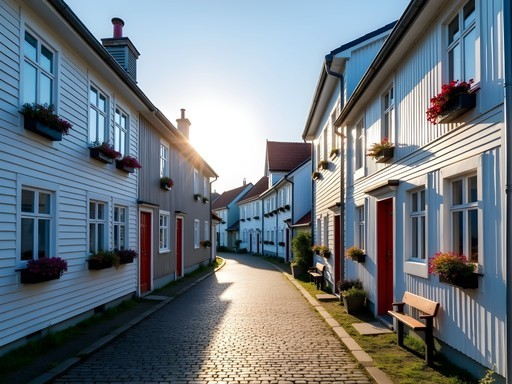
Begin your Stavanger experience in Gamle Stavanger (Old Stavanger), where narrow cobblestone streets wind between immaculately preserved wooden houses dating back to the 18th century. I arrived just after a gentle morning shower had passed, leaving the white-painted facades glistening in the emerging sunlight—a perfect example of how Stavanger's maritime climate contributes to its distinctive atmosphere.
The preservation of these 173 wooden houses represents more than just architectural heritage; it demonstrates the Norwegian commitment to maintaining historical identity even as the city modernized rapidly after oil was discovered in the North Sea in the 1960s. Walking these streets, I couldn't help but apply my meteorologist's perspective: the houses' traditional construction—with their steep roofs and protected entrances—reflects centuries of adaptation to the region's precipitation patterns.
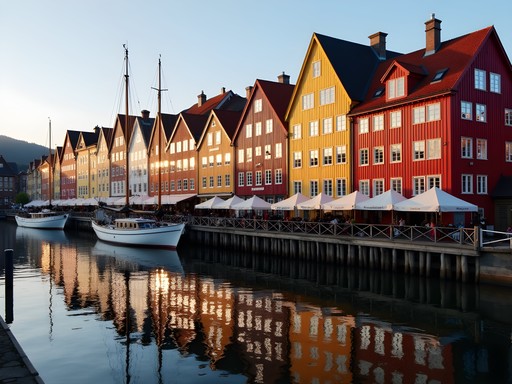
After exploring the residential streets, make your way to the harbor front where the colorful warehouses (now housing boutiques and cafés) provide perfect photo opportunities. I recommend bringing a quality travel camera to capture the interplay of light and color that makes this harbor so distinctive. The way the morning light refracts off the water and illuminates these buildings creates a photographer's paradise.
Finish your morning with a visit to the Norwegian Petroleum Museum—don't let the industrial subject matter deter you. This architectural marvel offers fascinating insights into how offshore drilling technology has had to adapt to the North Sea's notorious weather conditions. The museum's design itself, resembling an offshore platform, is worth appreciating for its innovative approach.

💡 Pro Tips
- Visit Gamle Stavanger early to avoid cruise ship crowds and catch the best morning light
- The Norwegian Petroleum Museum offers an excellent audio guide worth the extra fee
- Look for the subtle differences in the wooden houses' construction—each tells a story about weather adaptation
Day 1: Afternoon - Culinary Delights and Cultural Immersion
Stavanger may surprise you with its sophisticated food scene—a direct benefit of the region's oil wealth attracting international talent. For lunch, I recommend splurging at RE-NAA, Norway's first restaurant outside Oslo to earn two Michelin stars. Their seafood-focused tasting menu showcases hyperlocal ingredients that reflect the seasonal bounty of the region.
What fascinated me most was how the restaurant's philosophy mirrors my own interest in the relationship between climate, seasonality, and food traditions. The chef explained how they adjust preparations based on sea temperatures and seasonal weather patterns, which directly affect the flavor profiles of their seafood.
After lunch, visit the Stavanger Cathedral (Domkirke), Norway's oldest cathedral dating from the 12th century. I was fortunate to experience a brief summer shower while inside—the sound of rainfall against the ancient stone walls created an atmospheric backdrop to the medieval architecture. The stained glass windows transform dramatically as clouds pass overhead, demonstrating how natural light conditions can completely alter our experience of built environments.
Spend the remainder of your afternoon at the Stavanger Art Museum, which houses an impressive collection of Norwegian art spanning from the 1800s to present day. Many works capture the distinctive Norwegian light conditions—something that, as a meteorologist, I find particularly compelling. The museum's Lars Hertervig collection deserves special attention for his masterful depiction of atmospheric conditions in the nearby landscapes.
Before dinner, return to your hotel to freshen up. I stayed at the Thon Hotel Stavanger, where the rooms offer panoramic harbor views. A quality pair of compact binoculars allowed me to observe the changing light conditions over the water throughout the day—from my balcony, I could track cloud formations and their effects on the harbor's appearance.

💡 Pro Tips
- Make reservations for RE-NAA weeks in advance—this is not a place for spontaneous dining
- Visit the cathedral during a weekday to avoid weekend crowds and enjoy the space in relative tranquility
- The Art Museum offers guided tours in English at 2 PM on Saturdays—well worth joining for cultural context
Day 1: Evening - Harbor Front Dining and Twilight Strolls
Summer evenings in Stavanger are a meteorological marvel—at this latitude, twilight lingers well past 10 PM in June and July, casting a photographer's golden hour that seems to stretch indefinitely. This extended daylight creates perfect conditions for an evening harbor stroll followed by a late dinner.
For dinner, I recommend Fisketorget, the upscale fish market and restaurant where you can select your seafood before it's expertly prepared. Request a window table overlooking the harbor to witness how the changing light transforms the water's surface throughout your meal. I was particularly struck by how the low-angle summer sunlight created distinct patterns of illumination across the harbor—a phenomenon we meteorologists call crepuscular rays when they occur through cloud breaks.
After dinner, take advantage of the extended twilight with a leisurely walk along the harbor promenade. The temperature drop is typically mild in summer evenings, but I'd recommend bringing a light merino wool wrap to stay comfortable as the sea breeze picks up. This is when Stavanger truly reveals its character—locals gather along the waterfront, the colorful buildings reflect in the still harbor waters, and the quality of light creates a photographer's dream.
If you're visiting between late May and early August, you might experience what Norwegians call "blue hour"—when the sun dips just below the horizon but still illuminates the atmosphere, creating an ethereal blue glow. This optical phenomenon results from the scattering of sunlight through more atmosphere at the day's edges, and it's particularly pronounced at northern latitudes.
End your evening with a nightcap at one of the harbor's upscale bars. I particularly enjoyed Bevaremegvel, a cocktail bar where the bartenders create drinks inspired by Norwegian seasons and ingredients. Their "Midnight Sun" cocktail—a blend of aquavit, Arctic berries, and herbal elements—perfectly captured the essence of Norwegian summer evenings.

💡 Pro Tips
- Reserve window seats at Fisketorget at least a week in advance for prime harbor views
- Bring layers even in summer—the temperature can drop quickly when the sea breeze picks up after sunset
- Ask local bartenders about seasonal ingredients in their cocktails—many incorporate foraged elements that reflect the region's microclimate

Day 2: Morning - Lysefjord and Pulpit Rock Expedition
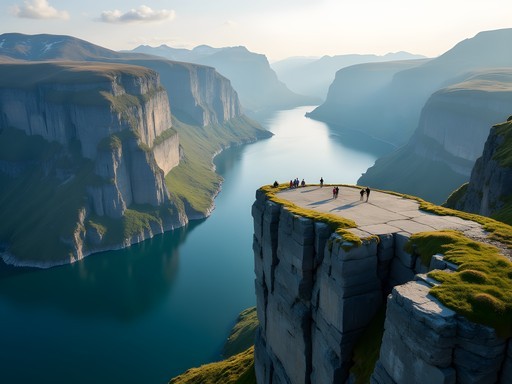
While I typically advocate for immersive city experiences, no visit to Stavanger would be complete without experiencing the natural wonder of Lysefjord and the famous Pulpit Rock (Preikestolen). Rather than joining standard tours, I recommend splurging on a private fjord cruise with a knowledgeable captain who can adjust your itinerary based on weather conditions.
As a meteorologist, I found the microclimates within the fjord fascinating—how temperature, humidity, and wind patterns shift dramatically within short distances due to the steep topography. The morning I visited featured a classic temperature inversion, where cool air pooled in the fjord bottom while warmer air sat above, creating ethereal mist patterns that clung to the cliff faces.
For the most luxurious experience, arrange a private RIB (Rigid Inflatable Boat) tour that combines speed, flexibility, and comfort. These vessels can navigate close to the waterfalls cascading down the fjord walls, allowing you to feel the mist on your face. When booking, I recommend waterproof binoculars to spot wildlife along the cliff faces—I was fortunate to observe several white-tailed eagles soaring above the fjord.
If you're physically able, the hike to Pulpit Rock offers incomparable views, but requires 4-5 hours round trip. For a luxury experience without the hike, helicopter tours provide a spectacular alternative, offering a meteorologist's perspective of how the landscape has been shaped by glacial activity and weather patterns over millennia.
What struck me most during my fjord exploration was how the weather conditions completely transform the experience. My scientific background helped me appreciate how the fjord's orientation creates distinctive wind patterns, how the cliff faces absorb and radiate heat differently throughout the day, and how these factors combine to create microclimates that support unique ecosystems from water level to summit.

💡 Pro Tips
- Book private tours at least two weeks in advance during summer months
- Check weather forecasts specifically for the fjord area, which can differ significantly from Stavanger city conditions
- The best light for photography occurs before 10 AM when the sun illuminates the eastern cliff faces of the fjord
Day 2: Afternoon - Island Exploration and Coastal Culture
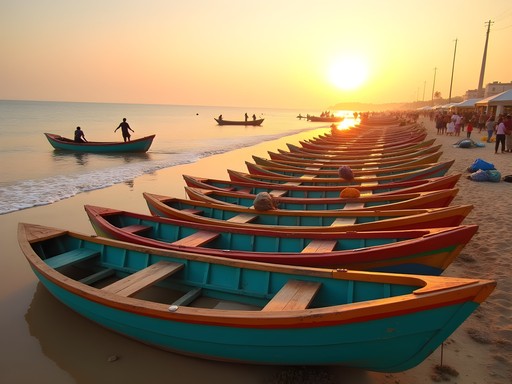
After returning from your fjord adventure, take the afternoon to explore a less-visited aspect of Stavanger—its archipelago. The city is surrounded by numerous islands, each with its own character and microclimate. I recommend hiring a private boat with captain to explore these islands at your leisure.
Flor & Fjære garden island particularly captivated me from a scientific perspective. This lush tropical garden exists at a latitude where such vegetation shouldn't thrive, yet careful positioning to maximize sunlight exposure and protection from prevailing winds has created a microclimate that supports palm trees and exotic plants. The owner explained how they've meticulously studied weather patterns to position each plant species optimally—a perfect example of applied meteorology in horticulture.
For lunch, arrange a private seafood picnic on one of the smaller islands. Several luxury tour operators can prepare this experience, complete with champagne and freshly caught shellfish. I was fascinated to learn how the local oyster flavor profiles change with sea temperatures—another intersection of my meteorological interests with culinary experiences.
The summer weather during my visit created perfect conditions for island hopping, with temperatures hovering around 22°C (72°F) and gentle sea breezes providing natural cooling. For such excursions, I always pack my packable sun hat which offers excellent protection while being stylish enough for vacation photos.
During your island tour, ask your captain to explain how the islands create distinct sailing conditions—the channels between them can accelerate wind speeds through the Venturi effect, while the leeward sides offer protected anchorages. These hydrodynamic and atmospheric interactions have shaped the maritime culture of the region for centuries, influencing everything from boat design to fishing practices.

💡 Pro Tips
- Book island tours at least 3 days in advance and request captains knowledgeable about local weather patterns and history
- Flor & Fjære requires reservations and only operates in the summer months (May-September)
- The northern islands tend to have calmer waters in the afternoon when southwesterly winds typically increase
Day 2: Evening - Farewell Dinner and Sunset Reflections
For your final evening in Stavanger, I recommend embracing the full luxury experience with dinner at RE-NAA's chef's table, where you can watch the culinary team transform local ingredients into artistic creations. What impressed me most was how the menu incorporates ingredients harvested according to seasonal weather patterns—from seafood caught during specific tidal conditions to vegetables grown in the region's unique summer light cycle.
The restaurant's wine pairings are exceptional, with sommeliers who can explain how Norway's climate influences their selection philosophy. Though Norway isn't known for wine production, the sommeliers have curated bottles from regions with similar latitude and maritime influences, creating fascinating parallels between terroir and taste.
After dinner, weather permitting, take a final evening stroll to Valbergtårnet (Valberg Tower), a former fire watch tower that now offers panoramic views over the city and harbor. The tower's historical function was deeply connected to weather monitoring—watchmen would observe approaching storm systems that might bring lightning and fire risk to the wooden city. Today, it offers the perfect vantage point to observe how the setting sun interacts with the diverse cloud formations typical of this coastal region.
On clear summer evenings, the sunset from this vantage point creates a phenomenon I find endlessly fascinating as a meteorologist—the green flash. This optical phenomenon occurs just as the sun dips below a clear horizon, when atmospheric refraction momentarily separates the light into different wavelengths. While not guaranteed, conditions in Stavanger during summer evenings are often ideal for witnessing this rare sight.
End your evening at the sophisticated bar atop the Radisson Blu Atlantic Hotel, where floor-to-ceiling windows provide a final opportunity to observe how the extended twilight transforms the city below. Their signature cocktail menu includes drinks inspired by Norwegian weather phenomena—I particularly recommend "The Northern Light," which uses color-changing ingredients to mimic the aurora borealis in your glass.

💡 Pro Tips
- Request the chef's table at RE-NAA at least a month in advance
- Bring a light jacket for evening viewpoints even in summer—wind chill can be significant at elevated locations
- Ask bartenders about the weather-influenced cocktail menu—they're often passionate about explaining the connections
Final Thoughts
Stavanger revealed itself to me as far more than a gateway to Norway's famous fjords—it's a destination where natural phenomena, cultural heritage, and culinary excellence converge in unexpected ways. As a meteorologist, I was particularly struck by how the city's position between mountains and sea creates distinctive atmospheric conditions that have shaped everything from architecture to dining. The extended summer daylight transforms the experience entirely, offering a luxurious sense of timelessness as you explore both urban and natural environments. Whether you're analyzing cloud formations over Lysefjord, observing how light plays across the harbor's surface, or simply enjoying how seasonal ingredients reflect the region's unique climate conditions, Stavanger rewards the observant traveler. I left with a deeper appreciation for how this coastal city has harmonized its petroleum-fueled prosperity with centuries of maritime tradition—and how its residents have learned to embrace rather than simply endure their distinctive weather patterns.
✨ Key Takeaways
- Stavanger deserves at least two days of exploration beyond its role as gateway to the fjords
- The luxury experiences in this city often connect deeply to natural phenomena and seasonal patterns
- Summer visits offer the advantage of extended daylight hours, transforming evening experiences
- The interplay of maritime and mountain influences creates distinctive microclimates worth experiencing
📋 Practical Information
Best Time to Visit
June through August for longest daylight hours and mildest temperatures
Budget Estimate
$500-700 per day for luxury experiences including private tours and fine dining
Recommended Duration
2-3 days minimum, with potential day trips to surrounding areas
Difficulty Level
Easy


Comments
mountainninja
Going there in March! Is it too cold/rainy then?
journeystar
march can be wet but totally doable. just layer up and bring a good rain jacket. the city is beautiful even in rain honestly
Claire Hawkins
We took our kids (7 and 9) to Stavanger last summer and it was such a hit! The colorful houses in Gamle Stavanger made for the cutest photos, and the kids loved the Norwegian Petroleum Museum more than I expected - it's way more interactive than it sounds. We skipped Pulpit Rock with them (too intense) but did the easier Dalsnuten hike instead. Amazing views without the crowds. Priya, your point about it being more than a fjord gateway is so true - we actually enjoyed the city itself more than we thought we would!
mountainninja
dalsnuten sounds perfect for what im looking for, thanks for mentioning it!
journeystar
Great guide! One tip for anyone going - the Stavanger Card is worth it if you're doing museums and taking the ferry to Lysefjord. Saved me probably 400 NOK over two days. Also the fish market near the harbor is better in the morning, gets picked over by afternoon. The smoked salmon there is incredible.
explorelover
Love the photos of Gamle Stavanger!
Sage Dixon
Priya, love how you captured the microclimate aspect! I was in Stavanger three years ago and got completely caught off guard by how fast the weather changed. One minute sunny by the harbor, next minute sideways rain. The locals just laughed and kept eating their fish at the outdoor market like nothing happened. That resilience is something special. Did you make it to any of the street art installations? The city has this incredible urban art scene that surprised me - not what I expected from a Norwegian oil town.
explorelover
wait theres street art there?? adding that to my list
cooldiver
This looks amazing! Quick question - how hard is the Pulpit Rock hike really? I'm not super fit but would love to do it. Also did you need to book anything in advance or can you just show up?
mountainninja
not the author but i did it last summer! took me about 5 hours round trip with breaks. its doable if you take your time, just bring good shoes
cooldiver
thanks! thats helpful
happypro
Going there in June! How's the weather then?
Priya Ferguson
June is lovely! Temps around 15-18°C, longer daylight hours, and generally less rain than other months. Perfect hiking weather. Just bring a waterproof jacket just in case!
happypro
Thanks so much!!
dreamgal
Love the photos! Adding this to my bucket list 😍
Hunter Thompson
Brilliant guide, Priya! I backpacked through Stavanger two years ago on a shoestring budget and it's definitely doable without breaking the bank (which is saying something for Norway!). Stayed at a hostel near the harbor and the location was perfect for exploring Gamle Stavanger on foot. The free walking tours are actually really good if anyone's trying to save money. Also, if you're hiking Pulpit Rock, the public ferry + bus combo is way cheaper than organized tours and just as easy to navigate. The views are absolutely mental - worth every bit of the climb!
nomadperson
Stavanger is SO underrated!! I spent 3 days there last summer and totally agree it's more than just a fjord gateway. The old town is gorgeous and those colorful houses are Instagram gold lol. Pro tip: if you're doing Pulpit Rock, START EARLY. Like 6am early. We went at 10am and it was packed. Also the weather can turn super fast up there so layers are your friend. Did you get to try any of the seafood restaurants by the harbor? We found this amazing place that served fresh catch of the day and it was incredible.
Priya Ferguson
Yes! The early morning start for Pulpit Rock is crucial. As a meteorologist, I can confirm the microclimates there are wild - you can have sunshine at the base and fog at the top. And absolutely tried the harbor seafood, it was outstanding!
nomadperson
Right?? The fog rolled in so fast when we were up there! Still got some cool moody photos though 😊
Venture X
Premium card with 2X miles, $300 travel credit, Priority Pass