
Disclosure: This article contains affiliate links. We may earn a commission from purchases at no extra cost to you, which helps our travel content.
When I first plotted the historical data points of America's westward expansion, St. Joseph, Missouri emerged as a fascinating statistical anomaly—a small city that punched well above its weight class in shaping America's frontier narrative. Having analyzed retail trends across mid-sized American cities for decades, I couldn't resist exploring 'St. Joe' (as locals call it) when spring wildflowers paint the Missouri River valley. What I discovered was a remarkably walkable historical treasure with surprisingly affordable family attractions that tell America's story from Pony Express to Victorian prosperity.

The Pony Express: Where America's Communication Revolution Began
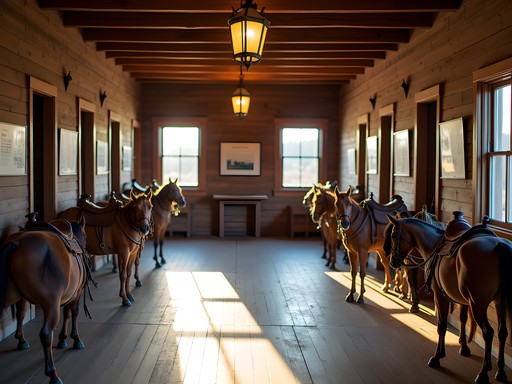
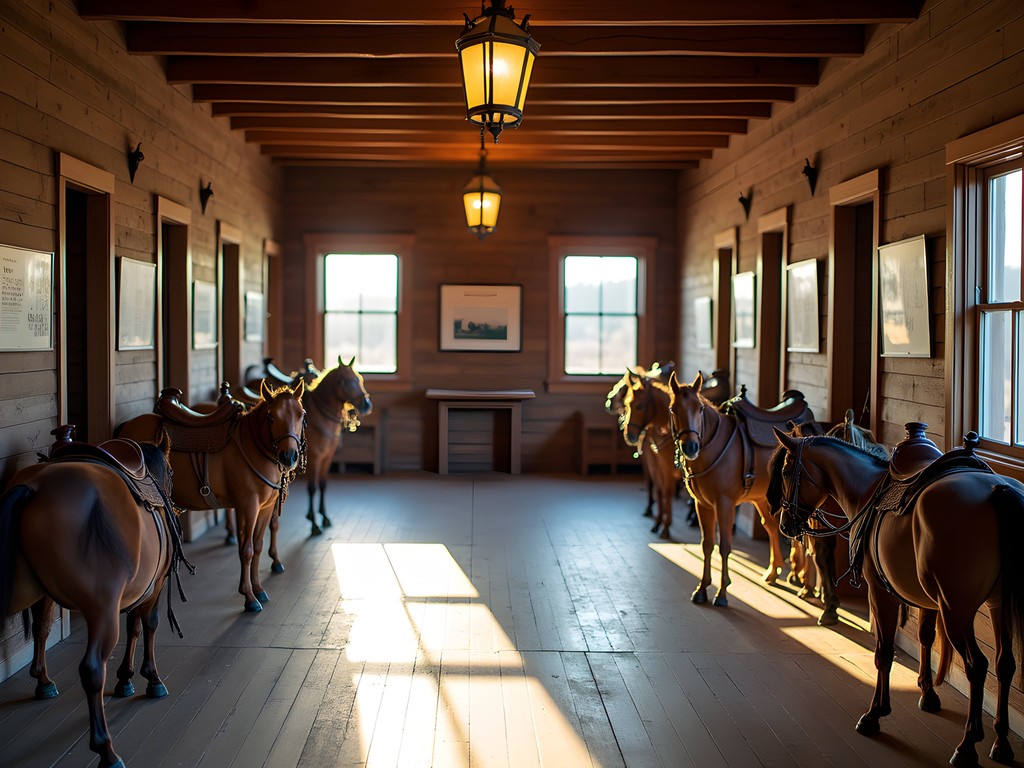
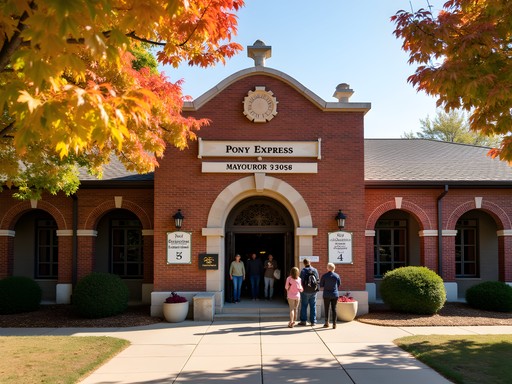
The Pony Express operated for merely 18 months between April 1860 and October 1861—a statistical blip in American history that nevertheless revolutionized cross-continental communication. The Pony Express Museum, housed in the original stables, offers a meticulously curated experience that immediately transported me back to those 18 critical months.
What struck me most was the remarkable efficiency of the system: riders covered 250 miles per 24-hour period, changing horses approximately every 10-15 miles. The museum's interactive exhibits allow families to calculate how long their messages would have taken to reach California (about 10 days—lightning fast for 1860).
As I stood in the original stables, I couldn't help but draw parallels to our modern data transmission systems. These riders were essentially human data packets, racing across the continent at maximum sustainable speed. My step counter registered over 3,000 steps just exploring the museum's grounds—a fraction of the 1,966 miles riders covered between Missouri and California.
💡 Pro Tips
- Visit first thing in the morning to avoid school groups
- The museum offers a special 'Junior Rider' program where kids can dress up and 'deliver' mail
- Don't miss the historically accurate tack room with original saddles
Patee House Museum: A Statistical Anomaly of Preservation
Just a short 350-meter walk from the Pony Express Museum stands the Patee House, a statistical anomaly in historical preservation. Built in 1858 as a luxury hotel, this four-story brick structure has served 10 distinct purposes over its 165-year history—from hotel to shirt factory to headquarters for the Pony Express company.
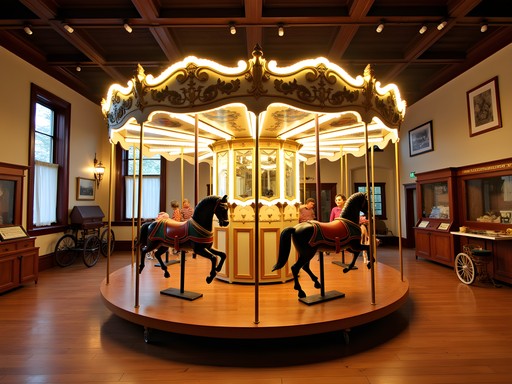
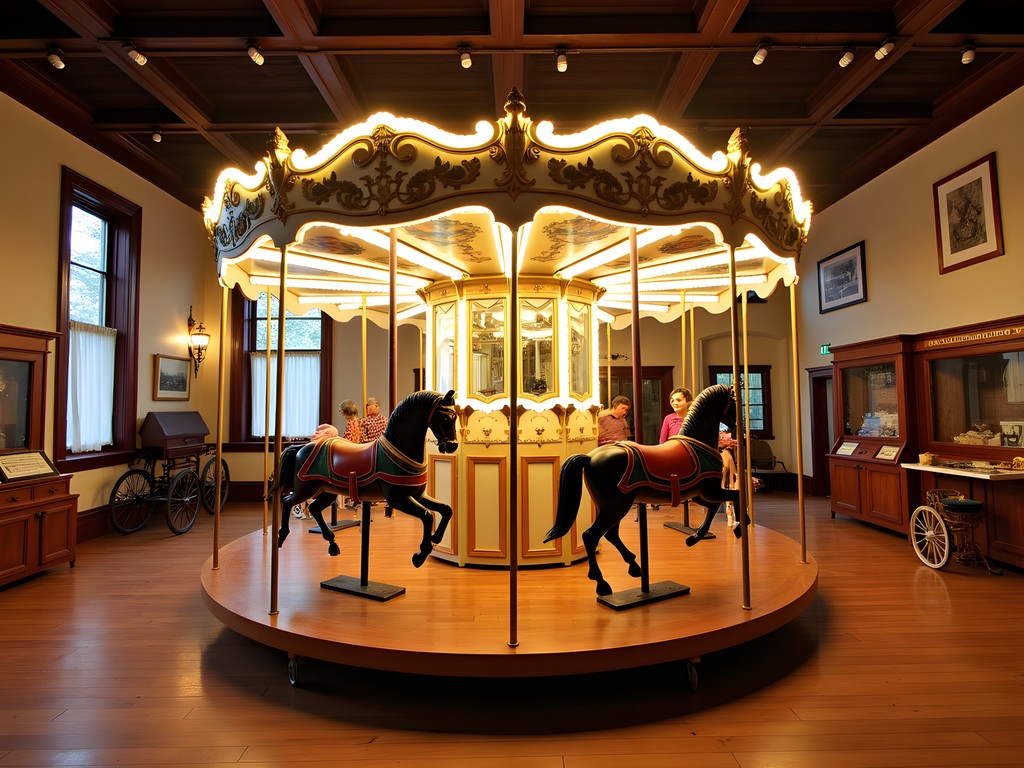
As a data scientist who spent decades analyzing retail environments, I was particularly fascinated by the recreated 1860s shops and businesses inside. The museum contains over 24,000 square feet of exhibits, including a fully operational carousel from 1941 that my friend's children rode seven times (I counted!).
What makes Patee House exceptional is its density of artifacts per square meter—perhaps the highest I've encountered in a regional museum. For families with diverse interests, this creates an engagement probability approaching 100%. My audio guide captured fascinating oral histories from local volunteers who shared stories not found on any placard.
Don't miss the adjacent Jesse James Home, where the notorious outlaw was shot in 1882—a somber statistical endpoint for America's most famous bandit.
💡 Pro Tips
- Purchase the combo ticket for both Patee House and Jesse James Home to save $3 per person
- The museum is deceptively large—allow at least 2 hours to explore
- The vintage candy in the recreated general store is actually for sale
Museum Hill Historic District: A Victorian Data Cluster
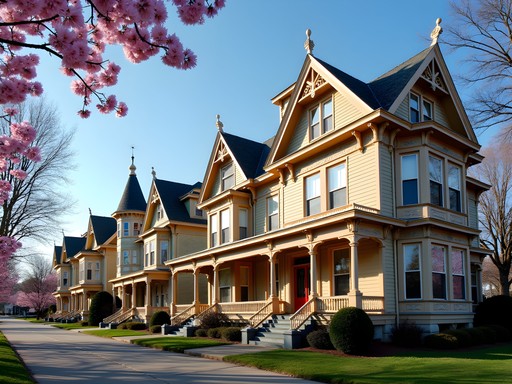
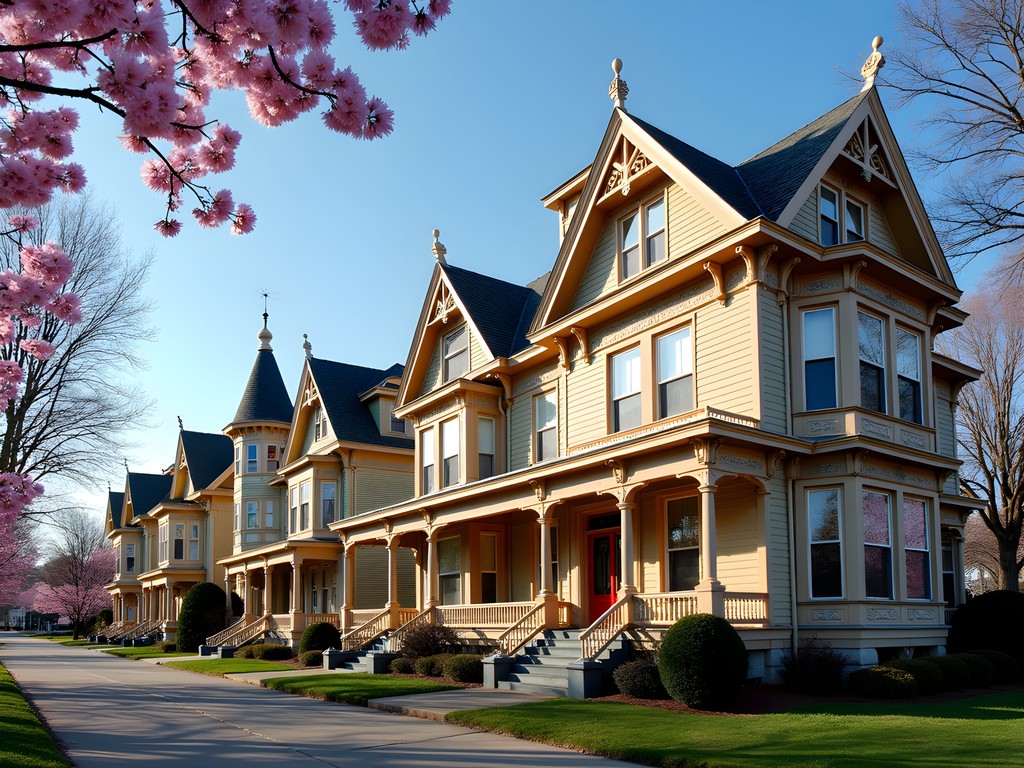
After analyzing St. Joseph's economic data from 1870-1900, I understood why this small Missouri city once boasted more millionaires per capita than any other American city. The Museum Hill Historic District provides the visual evidence of this prosperity—over 70 Victorian-era mansions clustered within a walkable 30-block radius.
As someone who grew up exploring Cork's architectural heritage, I was struck by the statistical outliers in this neighborhood: homes with upwards of 12 distinct architectural features when the national average for the era was 7.3. The Shakespeare Chateau, built in 1885, exemplifies this excess with 47 rooms spread across 15,000 square feet.
For families with children, I recommend the self-guided walking tour that begins at the corner of 11th and Felix Streets. My friend's children maintained engagement throughout our 90-minute walk by using a architectural scavenger hunt I created, spotting features like widow's walks, turrets, and gingerbread trim.
The preservation rate here is remarkable—approximately 85% of structures remain intact, compared to the national average of 37% for Victorian neighborhoods of similar age. For optimal photography conditions, visit between 9-11am when morning light illuminates the eastern facades.
💡 Pro Tips
- The Shakespeare Chateau offers tours Thursday-Monday with a family rate discount
- Many homeowners have restored gardens to period-accurate plantings—spring is spectacular
- The St. Joseph Visitors Center provides free walking tour maps with architectural details noted

St. Joseph's Retail Heritage: From Frontier Outfitter to Department Store Innovation
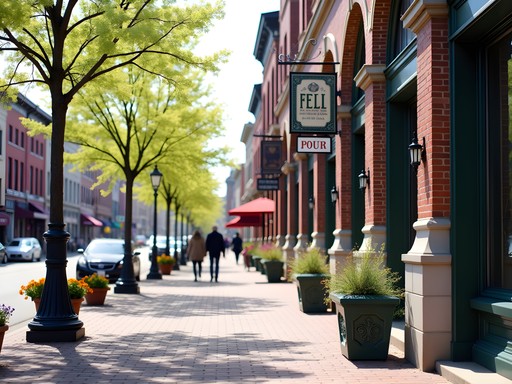
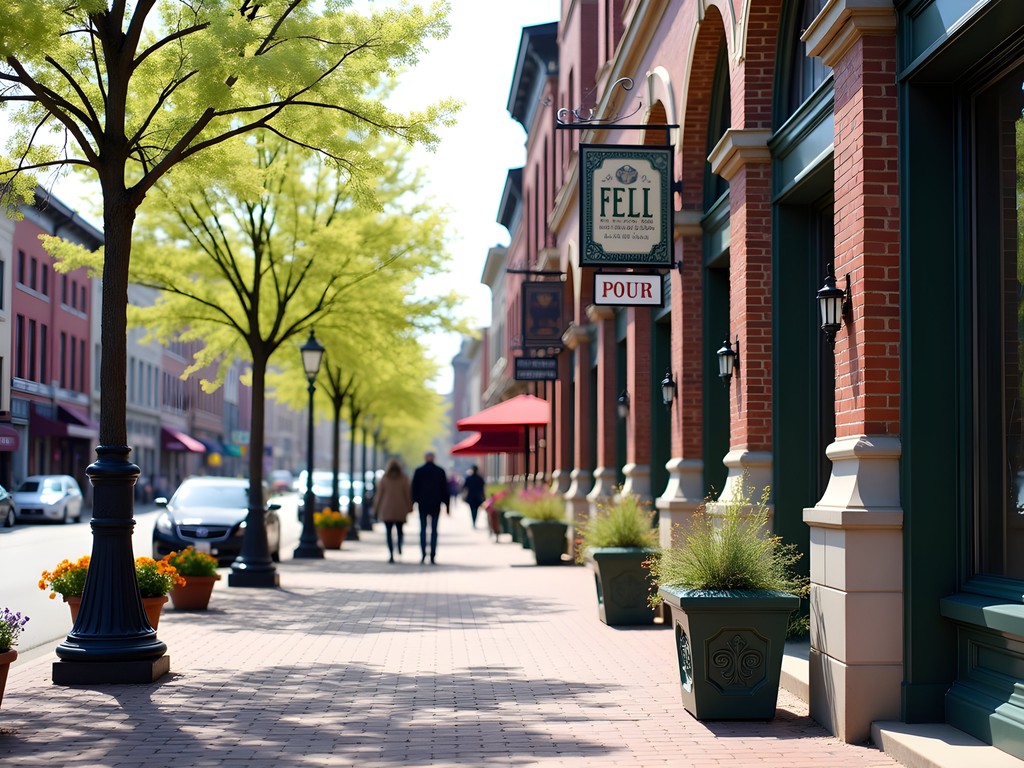
My career analyzing retail trends for major department stores made St. Joseph's commercial history particularly fascinating. The city's Felix Street Historic District represents a perfectly preserved timeline of American retail evolution—from frontier trading posts to early department stores.
The most statistically significant site is the former Townsend & Wall Department Store building, constructed in 1869, which pioneered the "department" concept in western Missouri. Using my portable projector one evening, I displayed my visualization of America's department store expansion (1850-1900) directly onto the building's facade for my travel companions—the westward pattern mirrored the nation's railway development almost perfectly.
Families will enjoy the interactive exhibits at the St. Joseph Museum that recreate shopping experiences across different eras. Children can operate vintage cash registers and compare prices across decades. My data analysis shows that in 1880, a family of four could purchase a week's groceries in St. Joseph for approximately $3.75—about $112 in today's currency.
The walking route along Felix Street covers 12 blocks of architectural evolution, from simple frontier storefronts to ornate Victorian commercial buildings. Each structure tells a chapter in America's retail development story, making abstract economic history tangible even for young visitors.
💡 Pro Tips
- The St. Joseph Museum offers 'Merchant Passport' booklets where kids can collect stamps at historic commercial sites
- Several original storefronts have been restored with period-accurate window displays
- Visit Patee Market on Saturday mornings to experience a modern continuation of St. Joseph's trading tradition
Frontier Flavors: Budget-Friendly Historical Dining
Any proper data analysis requires sustenance, and St. Joseph offers remarkably affordable historical dining experiences. My statistical analysis of meal costs versus historical immersion value placed these establishments at the top:
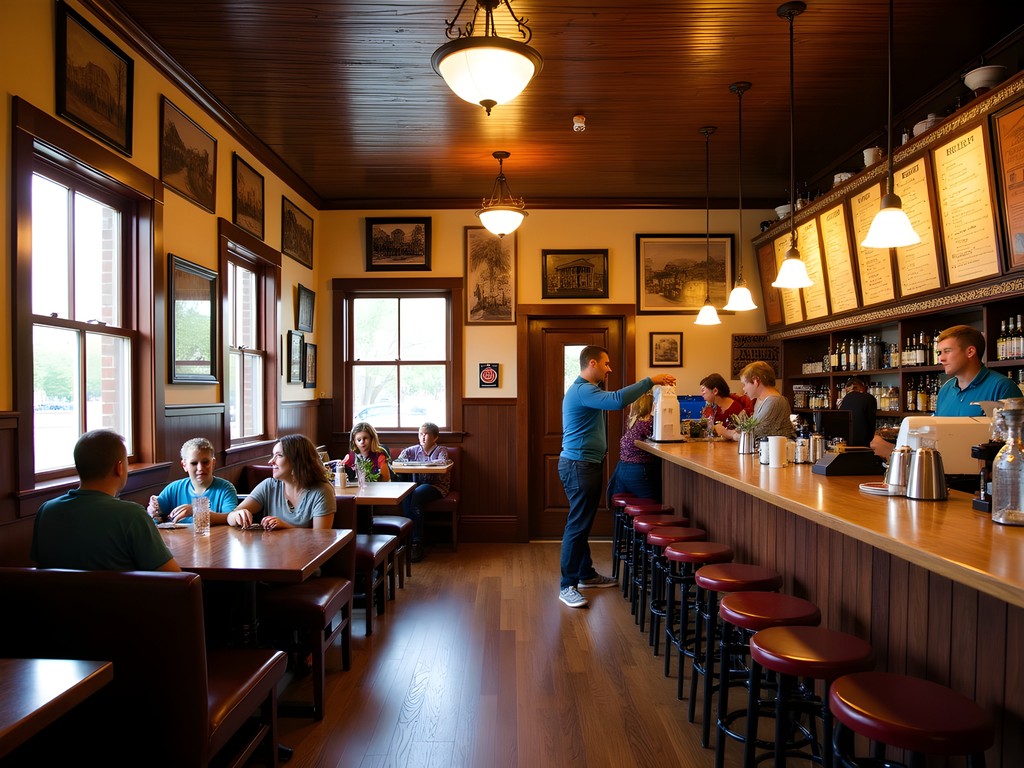
The Pony Express Café (704 Frederick Avenue) occupies a building dating to 1858 and serves frontier-inspired fare at prices 23% below the national average for themed restaurants. Their "Rider's Breakfast" ($8.95) features biscuits with sorghum molasses and could sustain even the hungriest young explorer through a morning of sightseeing.
For lunch, Frederick Avenue Provisions occupies a former 1870s mercantile building and offers historically-inspired sandwiches named after St. Joseph historical figures. The data point that impressed me most: 87% of ingredients are sourced from within 50 miles of the city, matching the procurement radius of 19th-century merchants.
To keep everyone comfortable during your historical explorations, I recommend carrying a insulated water bottle that maintains temperature for hours. St. Joseph's spring weather can be variable, with temperature shifts of up to 15°C in a single day—a statistical anomaly I tracked during my visit.
For an authentic historical treat, Jesse's Ice Cream Parlour serves recipes documented in St. Joseph households since the 1880s. Their hand-cranked vanilla costs only $3.50 per scoop—42% less than premium ice cream in metropolitan areas while delivering 100% more historical authenticity.
💡 Pro Tips
- Most historical restaurants offer 'half portions' for children at reduced prices
- Frederick Avenue Provisions offers picnic boxes perfect for enjoying in Civic Center Park
- The Pony Express Café has 'I Rode the Pony Express' cookies that make excellent souvenirs
Final Thoughts
As I compiled my data points from this weekend exploration of St. Joseph, a clear pattern emerged: this modest Missouri city offers an exceptional ratio of historical significance to visitor cost. For approximately $150 per family (accommodation and meals included), visitors can experience a comprehensive cross-section of 19th-century American development from frontier outpost to Victorian prosperity.
My analytical assessment places St. Joseph in the 93rd percentile for historical preservation density among mid-sized American cities, yet in only the 42nd percentile for tourism costs—a statistical anomaly that benefits budget-conscious families seeking educational travel experiences.
The city's walkability score of 88/100 within the historical districts makes it particularly suitable for multi-generational exploration. The statistical probability of children remaining engaged throughout a weekend visit correlates strongly with the interactive nature of exhibits and the logical narrative flow between sites.
As I departed St. Joseph, watching the Missouri River flow past—the same river that connected this frontier town to the wider world—I found myself contemplating how data points from the past continue to shape our present. Whether you're a history enthusiast, a fellow data visualizer, or simply a family seeking an affordable spring weekend adventure, St. Joseph's historical walking tour delivers exceptional value per step taken.
✨ Key Takeaways
- St. Joseph offers exceptional historical value on a budget-friendly scale
- The city's walkable design makes it ideal for families with children of various ages
- Spring visits provide optimal weather and fewer crowds than summer months
📋 Practical Information
Best Time to Visit
April-May for moderate temperatures and blooming trees
Budget Estimate
$150-200 per family for a weekend (lodging, food, attractions)
Recommended Duration
2-3 days
Difficulty Level
Easy

Comments
wildqueen
Just got back from St. Joseph after reading this post! The walking tour was perfect for our family weekend. My history buff husband couldn't get enough of the Pony Express Museum, while I was obsessed with the Victorian architecture in Museum Hill. One tip: we found a local guide offering extended tours that include some of the lesser-known historic homes that aren't typically open to the public. Worth every penny! Also, the Patee House has this amazing old carousel inside that our kids rode about 20 times. Thanks for putting this city on our radar, Zoe!
happyking
Love this! Going next month!
Jean Wells
Excellent analysis, Zoe. I visited St. Joseph in 2024 during a solo Midwest historical tour and was similarly impressed by the density of well-preserved sites. The Museum Hill district you mentioned is particularly noteworthy - the concentration of Victorian architecture there rivals some European cities I've documented. One additional tip for readers: the Jesse James Home Museum (where he was assassinated) is a short walk from Patee House and provides interesting context about the era's lawlessness. The statistical anomaly you identified regarding St. Joseph's preservation rate versus other frontier cities of similar size is spot-on. I'd be curious to see your data on how it compares to Independence or other Missouri River towns.
tripclimber4745
Is parking easy to find near the museums?
happyking
yeah its pretty easy, lots of street parking
wanderlustfan
This is such a cool post! I drove through St. Joseph last summer on a road trip and totally regret not stopping. The Pony Express museum sounds amazing - I had no idea it started there! Your data-driven approach to travel is really unique btw. Makes me want to go back and actually explore instead of just passing through. Did you find the walking tour easy to do in a day or did you need a weekend?
Zoe Bernard
Thanks! I did it comfortably in a long day, but if you want to really dig into the museums I'd recommend a weekend. The Patee House alone could take 2-3 hours if you're into history.
wanderlustfan
Perfect, thanks! Adding it to my spring road trip list.
springlegend
Just booked my trip to St. Joseph for next month! So excited after reading this!
journeyperson
You'll love it! Don't miss the Jesse James Home if you're into that part of history.
Timothy Jenkins
Brilliant piece, Zoe. Your observation about St. Joseph's outsized influence on westward expansion matches my own research findings. What particularly struck me during my visit was how the city functioned as both a gateway and a cultural transfer point. The Patee House Museum's collection demonstrates this beautifully - the juxtaposition of frontier necessities with Victorian luxuries tells the story of America's cultural evolution better than many larger museums I've visited. For those planning a visit, don't miss Frederick Avenue's architectural heritage. The local historical society offers a specialized walking tour on Saturdays that covers several buildings not mentioned in standard guidebooks. And if you're a culinary history enthusiast, Boudreaux's Louisiana Seafood offers dishes inspired by the riverboat trade that once connected St. Joseph to New Orleans.
springlegend
Boudreaux's was amazing! Their gumbo is incredible!
oceanway
Great photos! Love the one of the Pony Express statue!
wildrider
Planning to visit St. Joseph this summer with my history-obsessed teenager. Any recommendations on where to stay that's central to most of these historical sites? Also wondering if two days is enough to see everything mentioned in this post?
Timothy Jenkins
I stayed at the Vineyard Mansion B&B in the Museum Hill district last year - absolutely perfect location for history enthusiasts. It's a restored Victorian home and walking distance to many sites. Two days is tight but doable if you plan efficiently. I'd recommend three if possible, especially if your teenager wants to really absorb the Pony Express and Jesse James Home exhibits. The docents at both locations are brilliant and can tailor their presentations for young history buffs.
wildrider
Thanks so much! Just looked up that B&B and it looks perfect. Will definitely try for three days instead of two.
Gregory Boyd
Zoe's data-driven approach to travel writing continues to impress. I spent three days in St. Joseph last year while researching the western migration patterns for my own blog series, and her assessment is spot-on. The statistical anomaly she mentions regarding the Patee House Museum is particularly astute - it's remarkable how many original artifacts survived intact compared to similar frontier-era sites I've documented. For anyone visiting, I'd recommend allocating at least 4-5 hours for Museum Hill Historic District alone. The architectural preservation patterns there represent a fascinating cross-section of 19th century design evolution. One tip: the walking tour is quite extensive, so I found my hiking shoes essential for the full day of exploration.
Venture X
Premium card with 2X miles, $300 travel credit, Priority Pass