

Disclosure: This article contains affiliate links. We may earn a commission from purchases at no extra cost to you, which helps our travel content.
The first time I set foot in Pushkar, I was running on fumes after a 36-hour journey from Berlin's Berghain to this tiny desert town in Rajasthan. I'd come to recover from tour burnout, skeptical that this place could offer the reset I desperately needed. Within hours, the gentle rhythm of temple bells, the scent of incense mingling with desert air, and the kaleidoscopic colors reflecting off the sacred lake had completely dismantled my cynicism. Ten years and countless return trips later, Pushkar remains my soul sanctuary – a place where ancient spirituality and modern wellness converge in ways I've found nowhere else. Whether you're seeking transformation or simply a unique weekend escape, this desert oasis offers something profound beneath its tourist-friendly veneer. Let me guide you through the Pushkar I've come to know and love – from sunrise rituals to secret sound healing sessions under the stars.

Finding Sacred Rhythms: Navigating Pushkar's Spiritual Heart
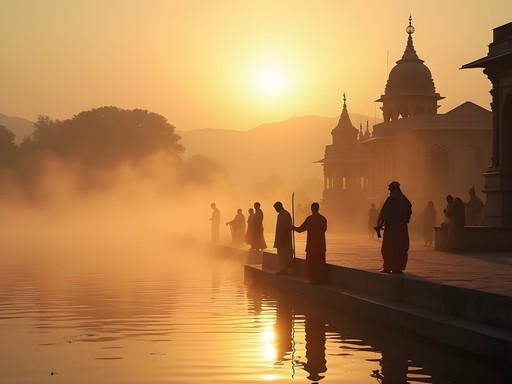
Pushkar's spiritual energy is most potent at dawn, when the first rays of sun touch the ghats surrounding the sacred lake. I've made it a ritual to arrive at Varah Ghat around 5:30 AM, when only local devotees and a few dedicated travelers gather for morning prayers. The mist hovering over the water creates an almost otherworldly atmosphere as Sanskrit chants blend with the calls of awakening birds.
While the Brahma Temple (one of the few in the world dedicated to the creator god) draws crowds, I prefer the quieter Savitri Temple perched atop a hill overlooking town. The 30-minute hike up is best tackled before the desert heat intensifies – I start around 6:30 AM with my insulated water bottle (essential for Rajasthan's climate). The panoramic views of Pushkar nestled in its valley, with the vast Thar Desert stretching beyond, provides perfect context for the town's geographical and spiritual significance.
For a truly local experience, ask permission to join the evening aarti at any of the smaller temples around the lake. Unlike the more commercialized ceremonies, these authentic rituals offer glimpses into daily devotional practices. Bring a shawl to cover your shoulders and remove shoes before entering sacred spaces. The subtle energy shift during these ceremonies – something between meditation and celebration – reminds me why Pushkar continues drawing spiritual seekers from across the globe.
One evening, I found myself sitting beside an elderly sadhu who had maintained silence for twenty years. We watched the sunset together, and in that wordless communion, I understood more about India's spiritual traditions than any guidebook could explain. These unplanned encounters form the heart of the Pushkar experience.

💡 Pro Tips
- Visit ghats before 7 AM for authentic morning rituals without crowds
- Bring offerings of flowers or coconut if you wish to participate in ceremonies
- Respect photography restrictions at temples and always ask before taking photos of people
Desert Soundscapes: Pushkar's Hidden Music Scene
Beyond its spiritual reputation, Pushkar harbors a vibrant music scene that blends traditional Rajasthani folk with global influences – a convergence that resonated deeply with my background in electronic music production. During my first visit, I stumbled upon a rooftop jam session where local musicians played alongside travelers, creating hypnotic desert rhythms under the stars. This unexpected fusion sparked my ongoing love affair with Pushkar's sonic landscape.
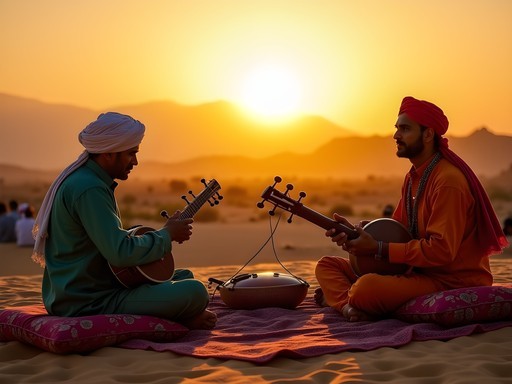
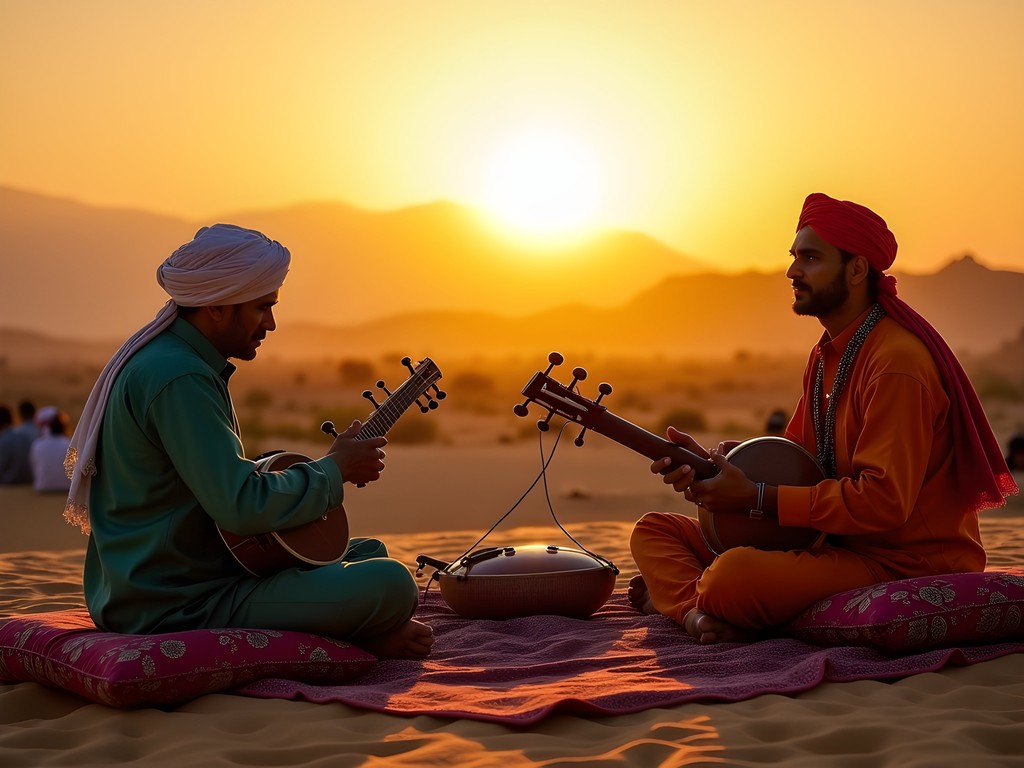
For traditional sounds, head to Sunset Café near Jaipur Ghat around dusk. Local musicians often gather here, playing ancient instruments like the ravanhatha (a two-stringed violin) and the kamaycha. The café's owner, Prakash, has become a friend over the years and can point you toward authentic music gatherings happening around town.
Pushkar's modern music evolution happens at Baba Rooftop Restaurant, where weekly sunset sessions blend traditional instrumentation with subtle electronic elements. I've spent countless evenings here with my portable recorder capturing these unique soundscapes that later influenced my own productions.
The true magic happens during full moon nights, when informal desert sessions occur in the dunes just outside town. These gatherings aren't advertised – you'll need to connect with local musicians or fellow travelers to find them. Bring a cushion to sit on, water, and an open mind. Some of my most profound musical experiences have unfolded in these settings, where boundaries between performer and audience dissolve under the vast Rajasthani sky.
During Pushkar Camel Fair (usually November), the musical energy intensifies as folk artists from across Rajasthan converge. While the fair itself can be overwhelmingly touristy, the authentic performances happening in its periphery are extraordinary. Seek out the late-night folk concerts that happen away from the main arena – these showcases of raw musical tradition will stay with you long after you've left India.
💡 Pro Tips
- Ask café owners about upcoming music gatherings – they're often not publicized
- Learn basic Rajasthani percussion patterns to join impromptu jam sessions
- Respect the sacred nature of some traditional performances by maintaining silence
Beyond the Beaten Path: Secret Corners of Pushkar
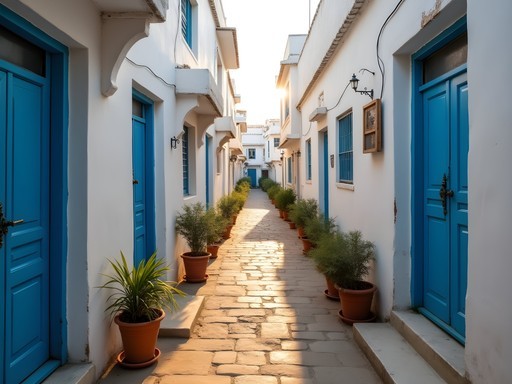
Pushkar's main bazaar, with its rainbow-colored textiles and persistent shopkeepers, can quickly overwhelm the senses. While it's worth experiencing, the town's true character reveals itself in its lesser-known corners. After dozens of visits, I've compiled a mental map of hidden spots that offer respite from the tourist hustle.
Rose Garden Café, tucked away in a quiet lane behind Jaipur Ghat, serves the most authentic masala chai I've found in Pushkar. The owner, Lakshmi, grows her own roses (Pushkar is famous for rose cultivation) and incorporates petals into various dishes. Arrive early afternoon when locals gather for chai and conversation – it's a window into everyday Pushkar life that most tourists miss.
For a deeper connection to Pushkar's landscape, venture to Savitri Mountain View Guesthouse on the outskirts of town. Their rooftop offers panoramic views of the Aravalli Range without the climb to Savitri Temple. I often bring my travel yoga mat for sunrise practice here – the desert light painting the mountains makes for a meditation experience unlike any other.
When the midday heat becomes overwhelming, seek refuge at Pushkar Natural. This hidden gem serves fresh juices and houses a small but excellent collection of books on Indian spirituality and philosophy. The owner, Santosh, is a wealth of knowledge about local traditions and can guide you to authentic experiences based on your interests.
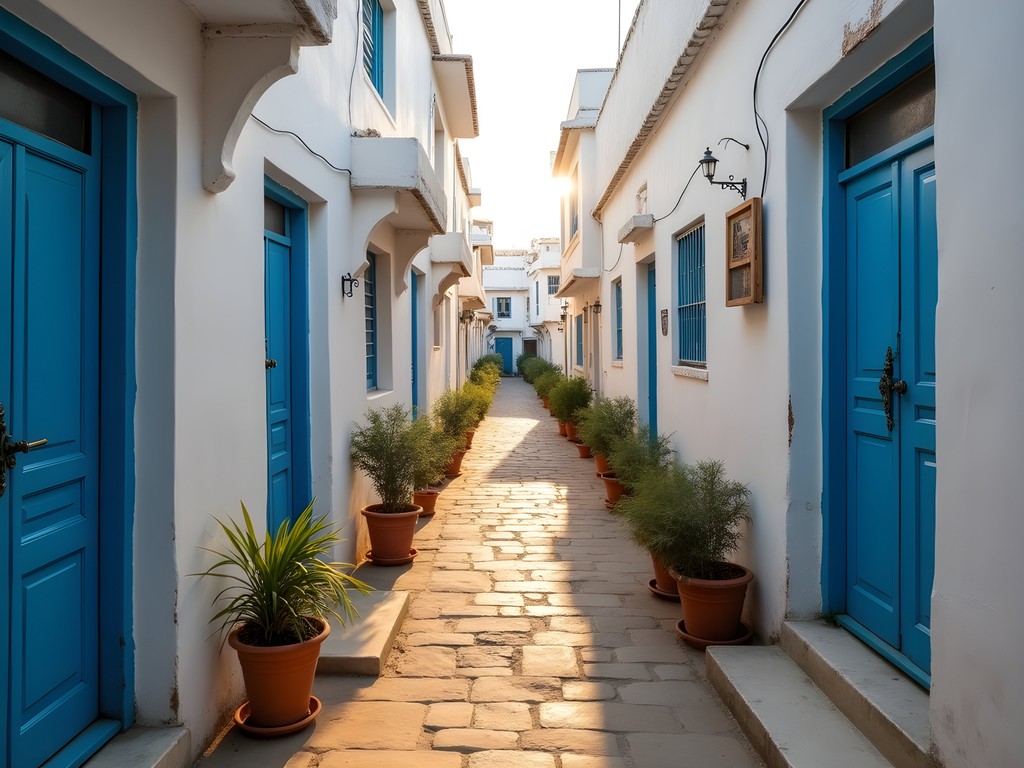
One of my most treasured discoveries came through getting deliberately lost in the residential lanes north of the lake. Here, local artisans work from home studios, creating the textiles and crafts sold in the main market at a fraction of the tourist prices. I found my favorite kurta this way – handwoven by an elderly gentleman who's been practicing his craft for over sixty years. These wanderings require respect and sensitivity, but often lead to the most authentic connections.
For a truly special experience, arrange a camel trek to the abandoned temple of Kharkheri, about two hours from Pushkar. Unlike the commercial camel rides offered everywhere, this journey takes you through rural landscapes to a 12th-century temple complex where you'll likely be the only visitor. The caretaker sometimes offers simple meals cooked over an open fire – a desert dining experience I still dream about years later.
💡 Pro Tips
- Explore the residential lanes early morning or late afternoon when locals are more receptive to visitors
- Learn basic Hindi greetings to break the ice with locals in less touristy areas
- Carry small denominations of rupees for purchases in neighborhood shops that don't cater to tourists

Desert Wellness: Healing Practices in Pushkar
After burning out on the electronic music tour circuit years ago, Pushkar became my sanctuary for healing – introducing me to wellness practices that transformed my approach to travel and life. The town's spiritual foundation creates fertile ground for authentic wellness experiences that go far beyond the commercialized yoga classes found in more touristy destinations.
Pushkar Meditation Temple offers dawn meditation sessions guided by a local teacher who studied in both Rishikesh and Tibet. His approach blends traditional techniques with accessible instruction perfect for Western practitioners. The 5:30 AM sessions are challenging to wake for but transformative – I've never regretted dragging myself out of bed for these practices that set a centered tone for the entire day.
For physical rejuvenation, seek out Ayurvedic practitioner Dr. Sharma (no relation!) whose modest clinic near Raghunath Temple provides authentic treatments without the spa markup. His traditional abhyanga massage using locally-sourced oils realigned my body after years of carrying heavy equipment on tour. Schedule at least a day in advance and be prepared for a no-frills, deeply therapeutic experience.
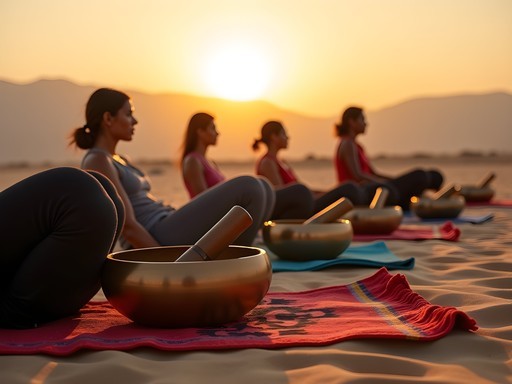
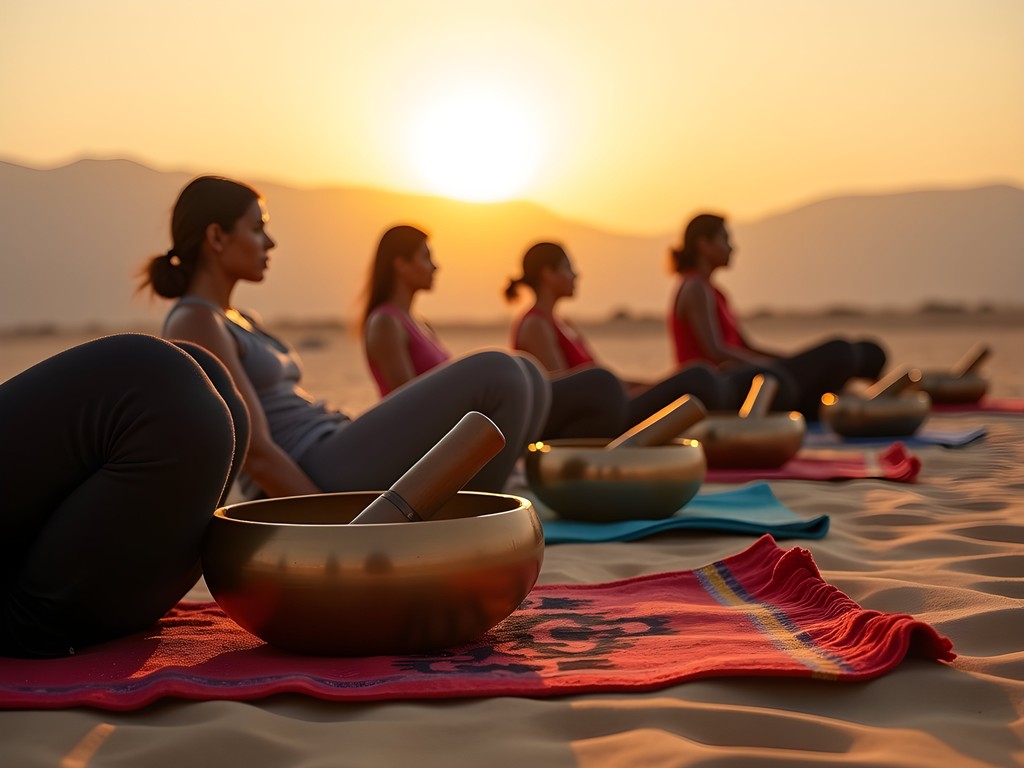
One of Pushkar's best-kept secrets is the weekly sound healing session at Healing Hands Center. Using traditional Tibetan singing bowls and indigenous instruments, these sessions facilitate profound meditative states. I bring my meditation cushion for comfort during the two-hour journeys that often reveal insights I couldn't access through conventional meditation.
The ultimate Pushkar wellness experience combines several elements: Begin with a sunrise walk around the lake, followed by a light breakfast at Out Of The Blue café (their fresh fruit with local honey is perfect pre-yoga fuel). Continue to a mid-morning yoga class at Pushkar Yoga Garden, where instruction honors traditional practice without Western commercialization. In late afternoon, arrange a desert sound bath through Shanti Sound Collective, where practitioners set up singing bowls in the dunes outside town. As the desert light shifts and temperatures cool, the vibrations create a uniquely Rajasthani healing experience.
Through these practices, Pushkar taught me that wellness isn't something we do but a way we relate to ourselves and our surroundings. The desert's expansiveness, the town's sacred energy, and the genuine warmth of local teachers create conditions for healing that I've carried with me across continents.
💡 Pro Tips
- Book wellness experiences directly through practitioners rather than hotels to ensure authenticity
- Practice yoga early morning or evening to avoid desert heat
- Respect the spiritual foundation of wellness practices by approaching them with genuine curiosity rather than as tourist activities
Pushkar After Dark: Nocturnal Desert Magic
When the scorching Rajasthani sun sets, Pushkar reveals a different personality – one that resonates deeply with my background in nocturnal creative scenes. The town's evening atmosphere balances spiritual serenity with subtle vibrance in ways that continually surprise me, even after years of visits.
Begin your evening with the lakeside aarti ceremony at Brahma Ghat around 7 PM. Unlike the daytime tourist crowds, evening prayers attract primarily devotees, creating an authentic spiritual atmosphere. The reflection of hundreds of floating diyas (oil lamps) on the lake's surface creates a meditation in light that photographs can't capture – it must be experienced.
As night deepens, follow the sound of traditional instruments to Pushkar's evening music circles. Café Enigma hosts acoustic sessions where travelers and locals share songs from their cultures. I've spent countless nights here, sometimes just listening, other times sharing electronic music techniques with curious local musicians – cultural exchange in its purest form.
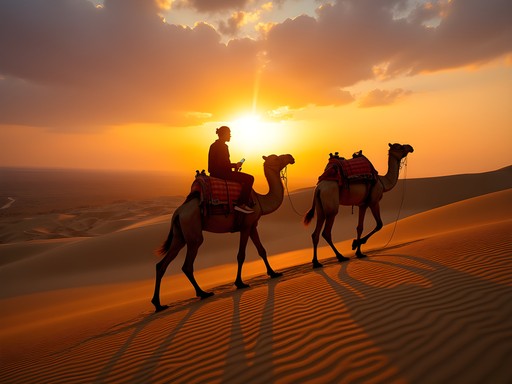
For a uniquely Pushkar experience, arrange a nighttime camel trek to the desert with Pushkar Adventure. Unlike daytime rides, these journeys venture further into the dunes where guides prepare simple dinner under the stars. The desert night sky here – unaffected by light pollution – reveals astronomical details I've rarely seen elsewhere. My compact binoculars have become essential for these nocturnal adventures, bringing distant planets and star clusters into focus.
Pushkar's night market along Sarafa Bazaar offers a different kind of nocturnal exploration. From 10 PM onwards, food stalls serve regional specialties like dal baati churma and mawa kachori that aren't available during daylight hours. The market feels distinctly local – a refreshing contrast to the tourist-oriented daytime bazaars.
For those seeking deeper desert immersion, coordinate with Pushkar Meditation Retreats for their full moon desert meditation. Once monthly, they guide small groups to a secluded dune field where silence and stillness become profound under moonlight. These experiences connect modern seekers to ancient desert contemplative traditions that have existed in Rajasthan for centuries.
Pushkar after dark reminds me that true magic often happens in the spaces between – between day and night, between tourist and local, between ancient tradition and present moment. It's in these liminal zones that the town reveals its most authentic self to those patient enough to discover it.

💡 Pro Tips
- Carry a small flashlight for navigating unlit streets after evening ceremonies
- Dress warmly for desert evenings – temperatures can drop dramatically after sunset
- Arrange night excursions through established operators who prioritize responsible tourism practices
Final Thoughts
Pushkar exists in a beautiful contradiction – a place of profound spiritual significance that welcomes wanderers of all backgrounds without judgment. My journey from electronic music burnout to finding healing in this desert sanctuary taught me that sometimes we must travel halfway across the world to reconnect with parts of ourselves we've neglected. Whether you come for a weekend escape or a deeper pilgrimage, approach Pushkar with an open heart and respect for its sacred traditions. Allow yourself to move at the town's unhurried pace, to sit in silence by the lake, to engage with locals beyond transactional interactions. The Pushkar that reveals itself to the patient traveler – with its desert melodies, healing traditions, and nocturnal magic – offers something increasingly rare in our hyperconnected world: a genuine opportunity to be transformed by a place. I'll be returning this November for the full moon – perhaps our paths will cross on some rooftop or desert dune, where we can share stories as travelers have done in Pushkar for centuries.
✨ Key Takeaways
- Experience Pushkar beyond its tourist facade by visiting spiritual sites during early morning or evening hours
- Connect with local musicians and wellness practitioners for authentic cultural immersion
- Venture into the surrounding desert landscape for experiences that reveal Rajasthan's timeless beauty
- Balance structured activities with unplanned wanderings to discover Pushkar's hidden corners
📋 Practical Information
Best Time to Visit
October-March, with November's Camel Fair being most vibrant (though crowded)
Budget Estimate
$25-50/day including guesthouse, meals, and activities
Recommended Duration
3-4 days minimum, a week for deeper exploration
Difficulty Level
Moderate (Due To Heat, Basic Infrastructure, And Cultural Navigation)
Comments
redbackpacker
Beautiful photos!
adventurevibes
Is it easy to get to from Jaipur? First time in Rajasthan and trying to plan the route
redbackpacker
Super easy, just take the bus. About 3 hours
starace
OMG this is EXACTLY what I needed!! Going in October and so excited now!! The desert soundscapes section has me hyped - I had no idea Pushkar had a music scene!!! 🎵✨
Gregory Boyd
Excellent piece, Brian. Your observation about Pushkar's 'beautiful contradiction' really resonates. I spent a week there in 2024 studying the intersection of tourism and sacred space, and what struck me most was how the town manages to maintain its spiritual authenticity despite the influx of travelers. The early morning atmosphere around the lake is genuinely transformative. One practical tip for readers: the guesthouses in the lanes behind the main bazaar offer better value and quieter stays than the lake-facing options. Also, if you're interested in the healing practices section, there's a small Ayurvedic clinic near Brahma Temple that offers consultations - learned more about wellness there than anywhere else in India.
skyclimber
Been twice. Still want to go back.
travelhero
How many days would you recommend staying?
Gregory Boyd
Not Brian, but I'd say minimum 3 days to really absorb the atmosphere. 5 if you want to explore the desert areas he mentioned.
Hunter Thompson
Mate, brilliant write-up! I was in Pushkar last November during the camel fair and it was absolutely mental - in the best way possible. The music scene you mentioned is spot on. Found this tiny rooftop cafe where local musicians just turned up every evening and played for hours. The spiritual vibe mixed with the backpacker energy creates something really special. Did you make it to any of the sunrise pujas at the ghats? That experience alone made the whole trip worthwhile for me.
adventurevibes
Was it super crowded during the camel fair? Trying to decide when to go
Hunter Thompson
Yeah it gets packed but that's part of the experience! Just book accommodation well in advance. Outside fair time it's much quieter if you prefer that.
summerway
Love this! Adding to my India list
explorevibes
Any specific guesthouse recommendations? Looking for something quiet but still close to the lake.
journeyclimber
How many days would you recommend staying?
dreamhero
not the author but i'd say at least 3-4 days to really soak it in
Brian Sharma
Agree with dreamhero - 3-4 days minimum. But honestly, I've seen people arrive for 2 days and end up staying 2 weeks. The place has a way of slowing you down.
Venture X
Premium card with 2X miles, $300 travel credit, Priority Pass