Disclosure: This article contains affiliate links. We may earn a commission from purchases at no extra cost to you, which helps our travel content.
When most people hear 'Port-au-Prince,' they immediately conjure images from sensationalized news headlines. Yet beneath this superficial narrative lies one of the Caribbean's most vibrant artistic capitals, where creativity flourishes against a backdrop of remarkable geological formations that have shaped Haitian culture for centuries. As someone who has studied the Earth's formations across six continents, I've found few places where the connection between land and human expression is as profound as in Haiti's capital.

The Geological Canvas of Haitian Art
Port-au-Prince rests within a seismically active zone where the North American and Caribbean plates engage in a slow, powerful dance. This geological tension has historically manifested in devastating earthquakes, including the 2010 disaster that remains etched in global memory. Yet what fascinates me as both geologist and cultural observer is how this volatile landscape has influenced Haitian artistic expression.
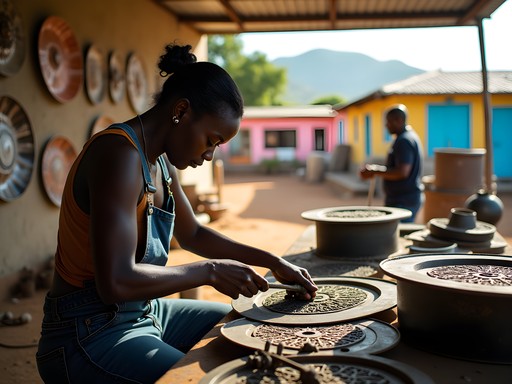
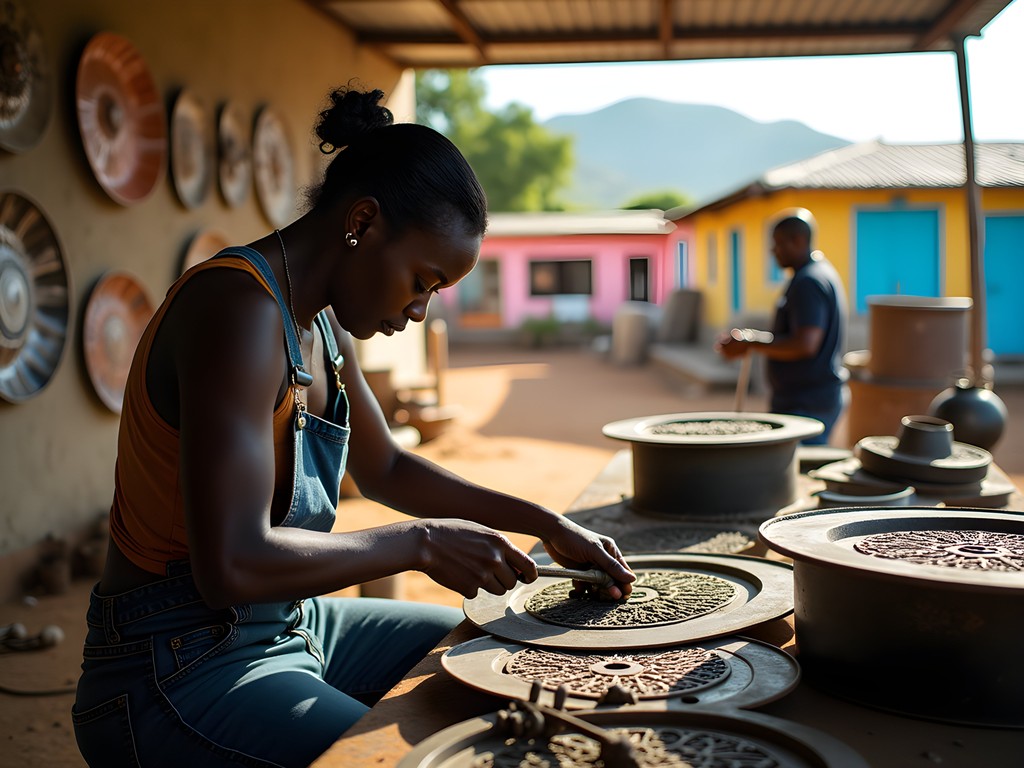
The limestone formations surrounding the capital provide not just building materials but pigments that have colored Haitian art for generations. Local artists have historically ground these minerals into vibrant paints, creating a direct connection between the land and artistic expression. During my visits to studios in Croix-des-Bouquets, I've watched artisans transform recycled oil drums into intricate metal sculptures using techniques passed down through generations—the metallic clanging providing a rhythmic soundtrack to neighborhood life.
For students interested in both art and earth sciences, I recommend bringing a quality field notebook for sketching and notes. The humid climate can wreak havoc on standard paper, but these weatherproof pages will preserve your observations through unexpected afternoon showers.
💡 Pro Tips
- Visit the metal workshops of Croix-des-Bouquets in morning hours when artists are most active
- Ask permission before photographing artists at work—offering to purchase small pieces supports their livelihood
- Look for the natural pigments in paintings—ochres and blues often come from local mineral sources
FOKAL and the Cultural Renaissance
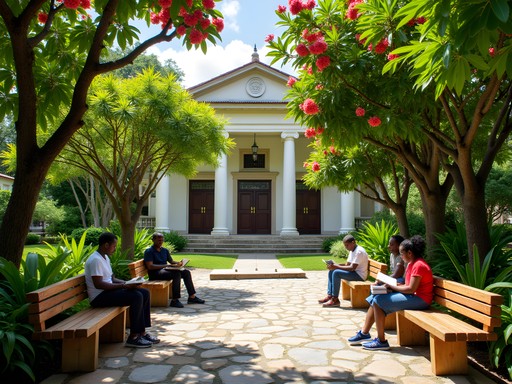
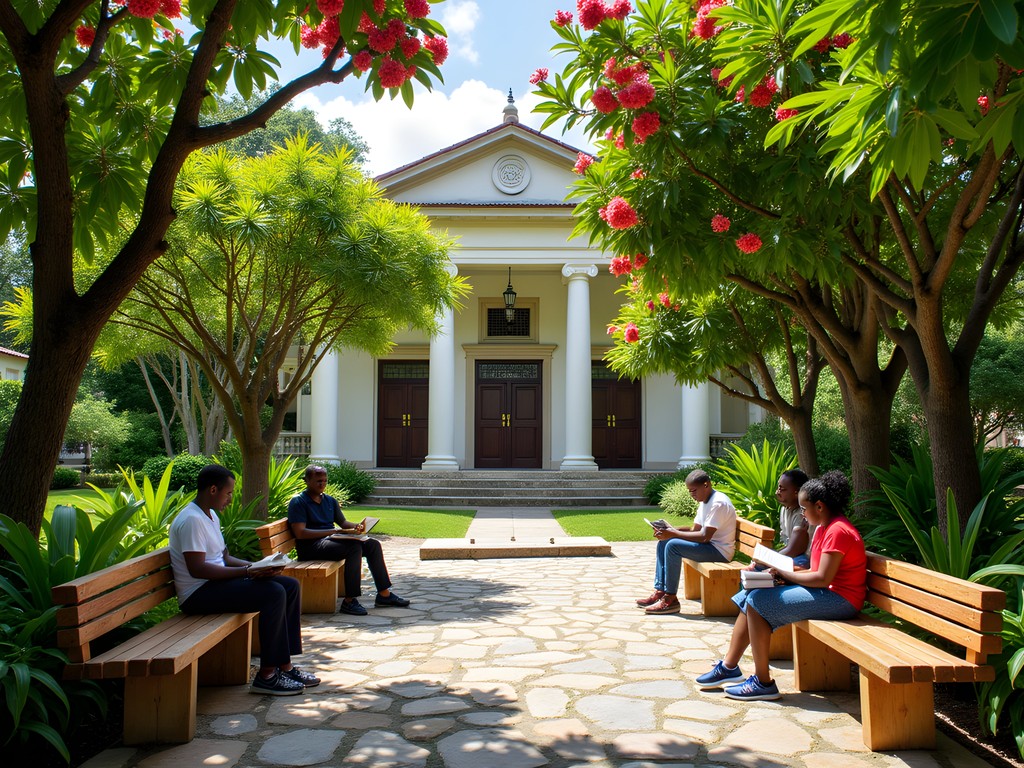
The Foundation for Knowledge and Liberty (FOKAL) represents one of Port-au-Prince's most remarkable cultural institutions. Housed in a beautifully restored building in the Pacot neighborhood, FOKAL serves as an intellectual and artistic hub where students can attend lectures, exhibitions, and workshops. During my last winter visit, I spent three afternoons in their extensive library researching Haitian geological surveys while local university students debated literature and politics around me.
What makes FOKAL exceptional is its commitment to preserving Haiti's cultural heritage while fostering progressive dialogue. Their calendar regularly features film screenings, book discussions, and art exhibitions that challenge perceptions of Haitian identity. For students visiting Port-au-Prince, this space offers an invaluable entry point into contemporary Haitian intellectual life.
The center's garden café provides a peaceful retreat from the city's intensity. I often bring my noise-canceling earbuds to work on my notes while enjoying Haitian coffee. The ability to toggle between immersing in the ambient conversations and creating a quiet workspace has made this spot my productive sanctuary in the capital.
💡 Pro Tips
- Check FOKAL's online calendar before visiting as events often feature English translation
- The library contains rare resources on Haitian history not easily found elsewhere
- FOKAL's Wi-Fi is among the most reliable in the city—perfect for uploading photos or research
The Grand Rue Arts District: Creation from Chaos
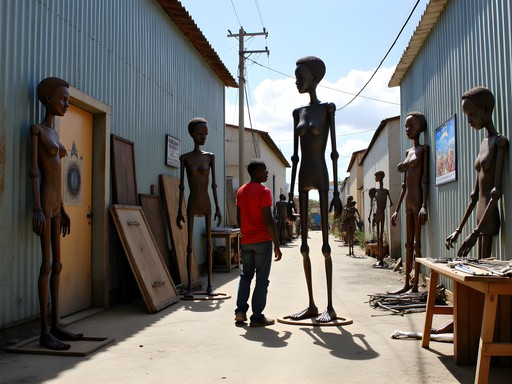
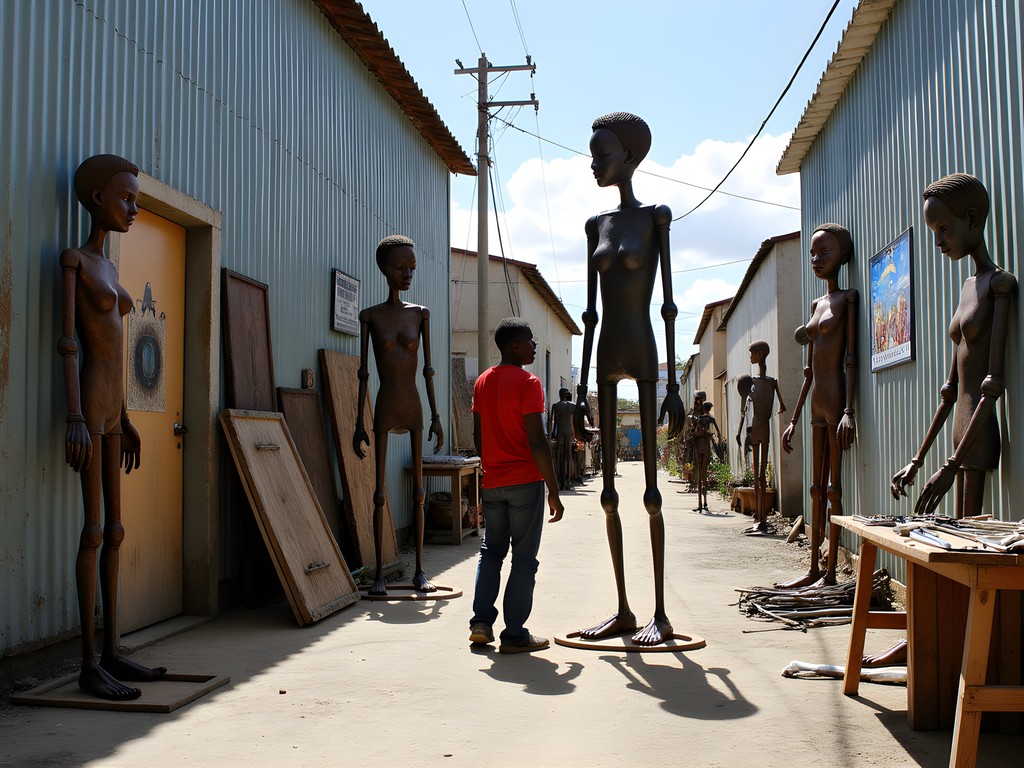
Few artistic movements have captivated me like the Grand Rue phenomenon. This neighborhood, once primarily known for auto repair shops and recycling yards, has transformed into one of the most innovative art districts in the Caribbean. Here, a collective of artists creates monumental sculptures from discarded materials—car parts, computer components, and household debris—that speak to both environmental concerns and Vodou spirituality.
My first visit to Grand Rue in 2018 fundamentally changed my understanding of resilience. The juxtaposition of challenging socioeconomic conditions with extraordinary creative output demonstrates how art serves as both resistance and healing. The sculptural works emerging from this community command attention in major museums worldwide, yet visiting their source provides context impossible to appreciate otherwise.
This area requires appropriate preparation. The narrow alleys and workshops can be challenging to navigate, so I recommend wearing sturdy footwear. My trail running shoes have proven perfect for navigating the uneven terrain while being respectful enough for studio visits. Additionally, carrying a portable water filter ensures you stay hydrated without generating plastic waste in a community already overburdened with environmental challenges.
💡 Pro Tips
- Visit with a local guide who has connections to the artists—impromptu visits may feel intrusive
- Bring small US dollar bills if purchasing art directly from creators
- Be prepared for confronting imagery that addresses poverty, politics and spirituality head-on

Observing Geological Resilience at Marché de Fer
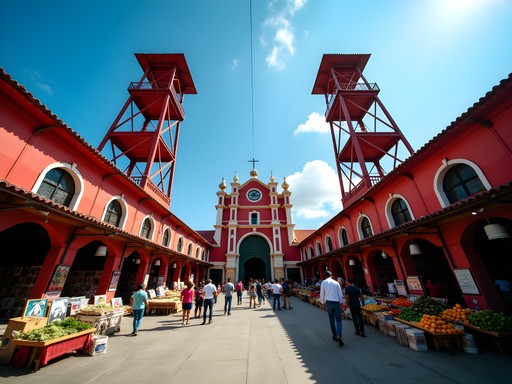
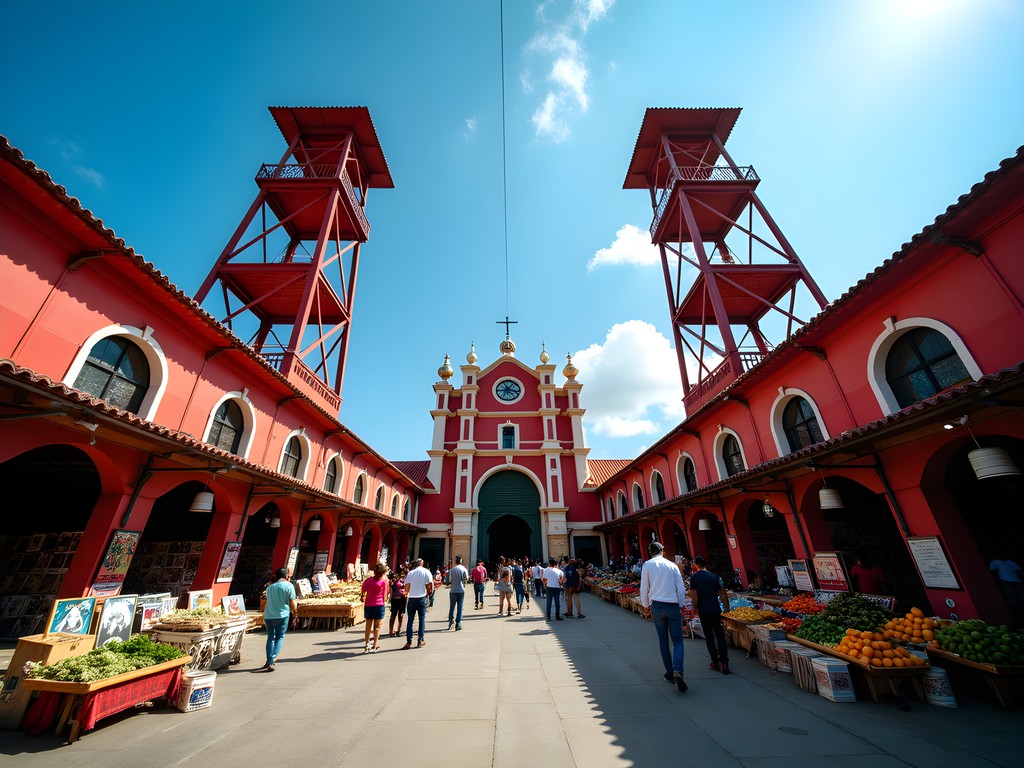
The Iron Market (Marché de Fer) stands as a testament to Port-au-Prince's geological and cultural resilience. This historic structure, with its distinctive red metal towers, has been repeatedly damaged by earthquakes and fires, yet continues to rise—much like the tectonic landscape that surrounds it. Following the 2010 earthquake, I was heartbroken to see it in ruins. Returning in 2019 to witness its restoration felt like observing geological processes accelerated: destruction followed by renewal.
Beyond its architectural significance, the market offers students a living classroom in cultural economics. Here, artisans sell everything from hand-painted canvases to intricate beadwork. The market's organization reflects Haiti's complex social structure—with different sections catering to varying economic levels and cultural preferences.
During market explorations, I rely on my crossbody anti-theft bag which keeps essentials secure while leaving hands free for examining crafts or taking photographs. The market can get intensely hot, so I also recommend a cooling towel that maintains its cooling effect even in the humid Haitian climate.
💡 Pro Tips
- Visit early morning (before 10am) when temperatures are cooler and vendors are setting up
- Practice basic Haitian Creole phrases—even simple greetings significantly enhance interactions
- Look for artisans creating works on-site rather than only finished pieces for a deeper understanding of techniques
Stargazing and Cultural Astronomy at Observatoire Astronomique d'Haïti
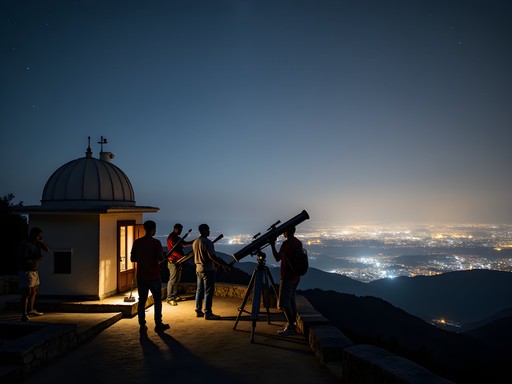
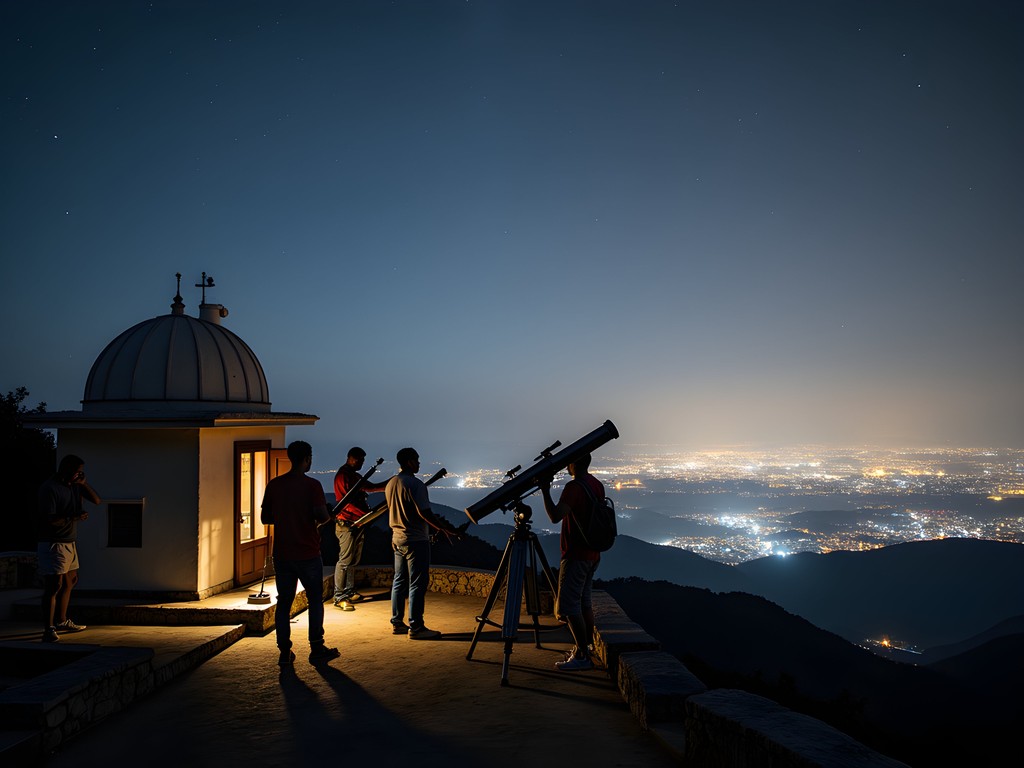
Few visitors realize that Port-au-Prince offers remarkable opportunities for astronomical observation. The Observatoire Astronomique d'Haïti, located in the cooler elevations above the city, provides both scientific education and a window into Haitian cultural astronomy. As someone who has studied celestial observation sites across cultures, I find the blending of Western astronomical knowledge with traditional Haitian star lore particularly fascinating.
During my winter visits, I've participated in their Friday night public viewing sessions, where local astronomers point out constellations while explaining their significance in both global astronomy and Haitian folklore. The relative lack of light pollution compared to many Caribbean capitals makes for surprisingly good viewing conditions.
For students interested in astrophotography, I recommend bringing a smartphone telescope adapter that allows you to capture celestial objects through the observatory's telescopes using your phone camera. The staff are generally accommodating of careful photography through their instruments.
The observatory also houses a small but significant collection of meteorites found in Haiti, connecting the geological heritage of the island with broader cosmic phenomena—a reminder that Haiti's story extends far beyond Earth's boundaries into the cosmos that shaped our planet.
💡 Pro Tips
- Call ahead to confirm public viewing nights as schedules sometimes change based on weather conditions
- Bring a light jacket even in winter as the elevation makes evenings surprisingly cool
- Ask about the Haitian names for constellations—they often differ from Western traditions in fascinating ways
Final Thoughts
Port-au-Prince defies simplistic narratives. Like the geological forces that have shaped Haiti—compression, friction, and metamorphosis—the capital's cultural landscape represents a continuous process of creation amid challenge. For students seeking to understand the relationship between environment and human expression, few destinations offer such profound lessons.
As you prepare for your journey, remember that tourism in Haiti requires both respect and preparation. The infrastructure challenges are real, but so is the extraordinary warmth of Haitian hospitality. By approaching with cultural humility and geological curiosity, you'll discover layers of meaning inaccessible to conventional tourists.
I often tell my geology students that understanding a landscape requires both scientific measurement and human connection. The same applies to Port-au-Prince—its full story emerges only when we examine both its physical foundations and the creative spirit that has flourished upon them. In this remarkable city where art emerges from adversity and ancient traditions inform contemporary expression, you'll find not just an education but a transformation in how you understand the relationship between place and culture.
✨ Key Takeaways
- Port-au-Prince's art scene directly reflects its geological setting and historical challenges
- Cultural centers like FOKAL provide safe entry points for deeper engagement with Haitian intellectual life
- The city offers unique opportunities to observe how communities create meaning and beauty amid environmental challenges
- Winter visits provide optimal conditions for both urban exploration and astronomical observation
- Proper preparation allows students to navigate infrastructure limitations while engaging meaningfully with local culture
📋 Practical Information
Best Time to Visit
November through March (dry season)
Budget Estimate
$50-100 per day including modest accommodations, meals, and local transportation
Recommended Duration
5-7 days
Difficulty Level
Intermediate
Comments
vacationnomad
Are there any good hotels near the art districts you mentioned?
nomadqueen
Your photos are stunning!! Never thought about Haiti as a travel destination before
Jennifer Rodriguez
Great post, Robert. The FOKAL section really caught my attention. For budget travelers, I'd add that many of the galleries in Port-au-Prince have free or very low admission (under $5 USD). The Marché de Fer is also fantastic for finding affordable art pieces - I picked up three beautiful paintings for under $100 total. Negotiating is expected, but be respectful of the artists' work. Also, visiting during the week rather than weekends meant smaller crowds and more one-on-one time with gallery staff. The cultural richness here rivals anywhere I've been in Latin America or the Caribbean, but at a fraction of the cost.
vacationnomad
This is so helpful! What time of year did you go?
Jennifer Rodriguez
February - perfect weather and fewer tourists!
freetime
How do you get around the city? Is there public transport or do you need to hire drivers?
Jennifer Rodriguez
Tap-taps (shared taxis) are super cheap and everywhere! Just be prepared for a wild ride. I budgeted about $5-10 per day for transportation.
escapetime
Adding this to my bucket list RIGHT NOW!! The art scene looks incredible
Joshua Cooper
Robert, this resonates deeply. I spent three weeks in Port-au-Prince last year and the Grand Rue Arts District absolutely blew my mind. Watching artists transform discarded oil drums and car parts into sculptures was like witnessing alchemy. I met this incredible artist named Jean-Claude who walked me through his entire creative process - the stories behind each piece were as powerful as the art itself. The resilience and creativity in that neighborhood is something I'll never forget. Did you get a chance to visit any of the artist studios directly, or mostly the galleries?
nomadqueen
Wow this sounds amazing!! Did you feel safe walking around there?
Joshua Cooper
I went with a local guide who knew the artists personally. That made all the difference - felt very welcome and safe.
hikingexplorer
This is exactly what people need to see about Haiti!
Hunter Thompson
This is brilliant Robert! I've been wanting to visit Haiti for ages but everyone keeps telling me it's too dangerous. The Grand Rue Arts District sounds incredible. How did you find getting around the city? Did you hire a local guide or just explore on your own? I'm used to backpacking solo through Central America but wondering if Port-au-Prince is different. Also curious about accommodation - any hostels or guesthouses you'd recommend near the art districts?
Robert Garcia
Hey Hunter! I worked with a local contact from FOKAL who showed me around initially. For Grand Rue, definitely go with someone who knows the area - it's not about danger but about respect and understanding the community. Once you build those connections, people are incredibly welcoming. DM me if you want some contact info!
Hunter Thompson
Cheers mate, that's really helpful! Will definitely reach out before I book
luckyhero
Wow didn't know Haiti had such an amazing art scene!
Nicole Russell
This post makes me so happy! I spent three weeks in Haiti last year doing a photo project on contemporary artists, and it changed my perspective completely. The FOKAL cultural center is such an incredible hub of creativity - I attended a poetry slam there that blew my mind even though my Creole is terrible! For anyone planning to visit, I recommend connecting with Haitian artists on Instagram beforehand. Many are happy to show visitors their studios if you reach out respectfully. The contrast between the creative energy and the challenges is what makes Port-au-Prince's art scene so powerful. The artists I met were creating breathtaking work while navigating daily power outages and other obstacles. Their resilience is truly inspiring. Thanks for shining light on this often overlooked gem!
Robert Garcia
Thanks Nicole! Completely agree about connecting with artists beforehand. The Instagram community of Haitian artists is surprisingly accessible. Did you make it to any of the smaller galleries in Pétionville?
Nicole Russell
Yes! Galerie Monnin was a highlight - their collection of vodou-inspired contemporary art is incredible. And I stumbled upon this tiny place called Atelier Jerome that had the most stunning paintings. The hills of Pétionville feel like a different world compared to downtown.
Venture X
Premium card with 2X miles, $300 travel credit, Priority Pass