
Disclosure: This article contains affiliate links. We may earn a commission from purchases at no extra cost to you, which helps our travel content.
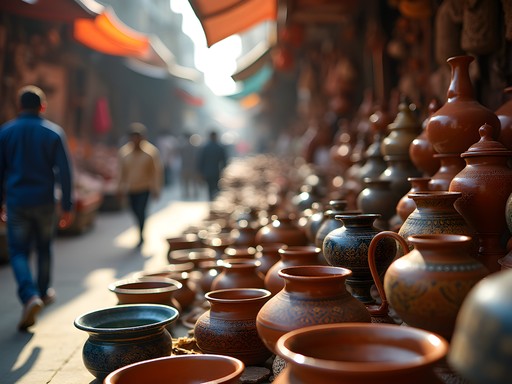
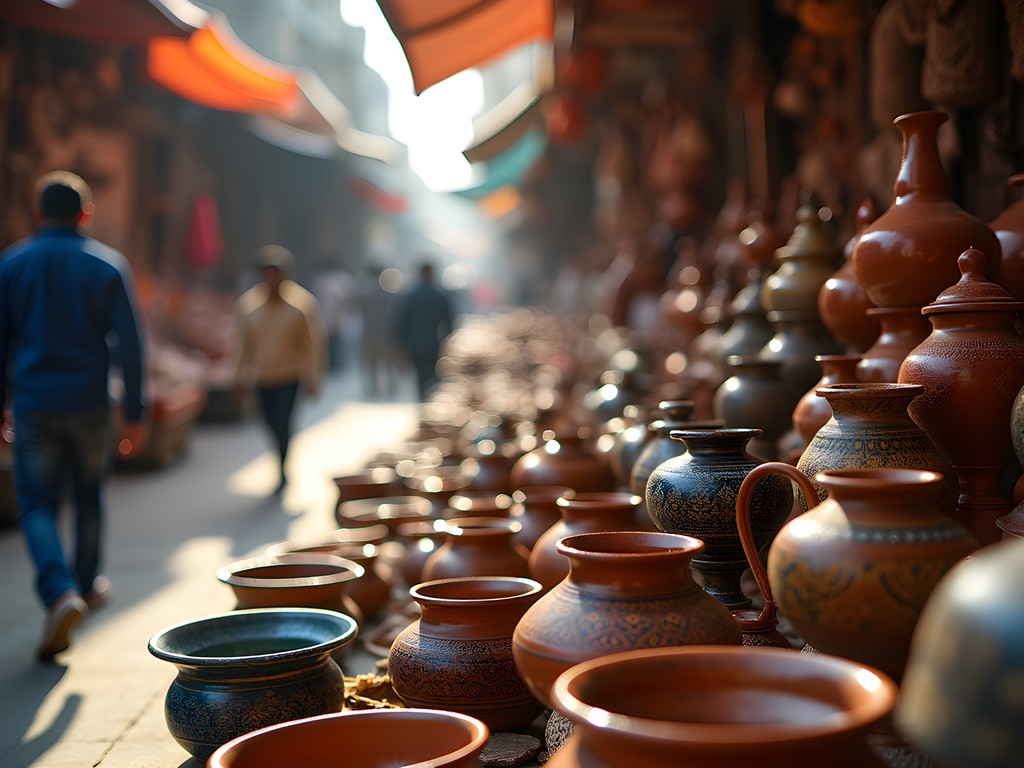
Standing in the bustling Crawford Market in Mumbai last winter, watching artisans delicately arrange their handcrafted ceramics alongside modern conveniences, I was struck by India's magnificent contradictions. The same sensation washed over me months earlier while navigating Delhi's labyrinthine streets with my three children, where centuries-old monuments stand defiantly against a rapidly modernizing skyline. For first-time visitors to India, the eternal question remains: Mumbai or Delhi? As someone who's traversed both megacities multiple times with family in tow, I'll help you craft the perfect introduction to the subcontinent's urban kaleidoscope.

Cultural Landscape: Heritage vs. Commercial Dynamism
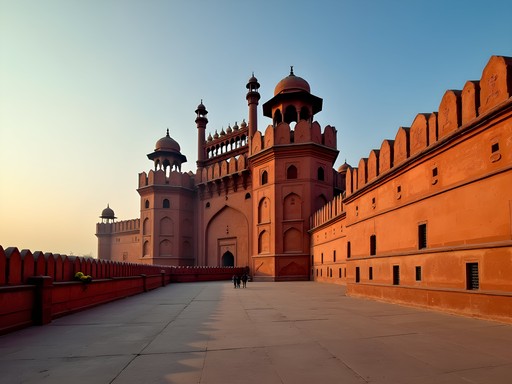
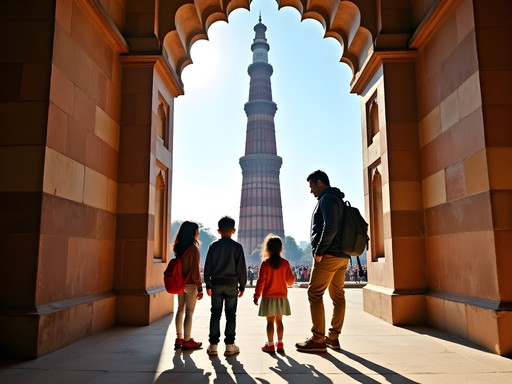
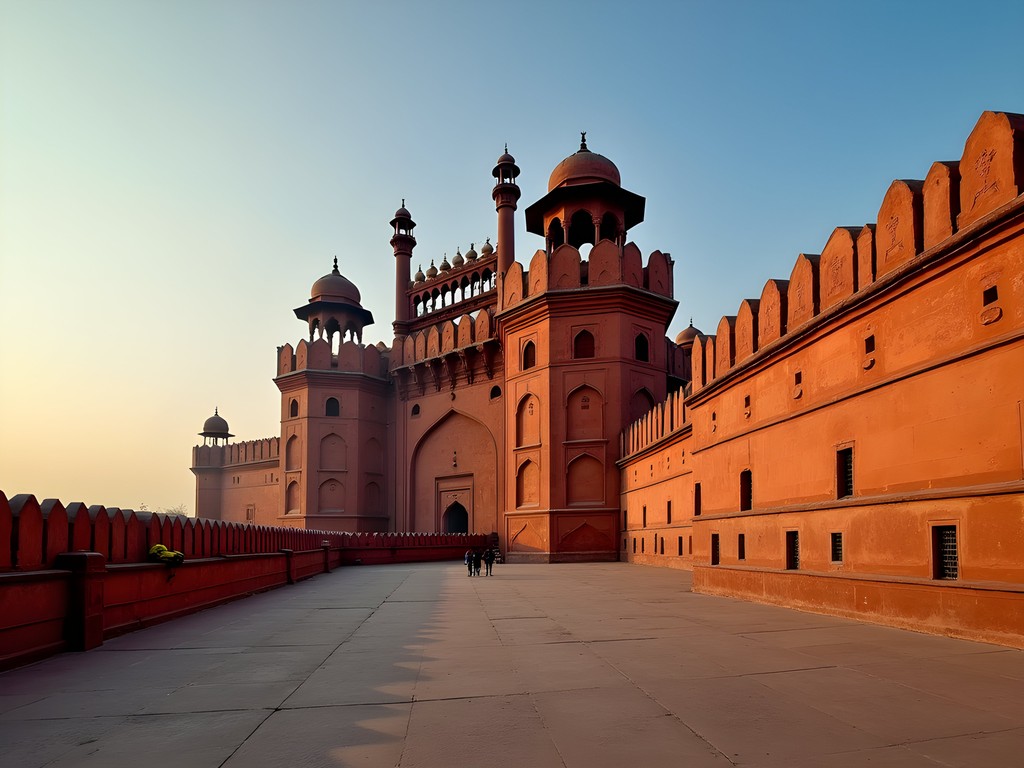
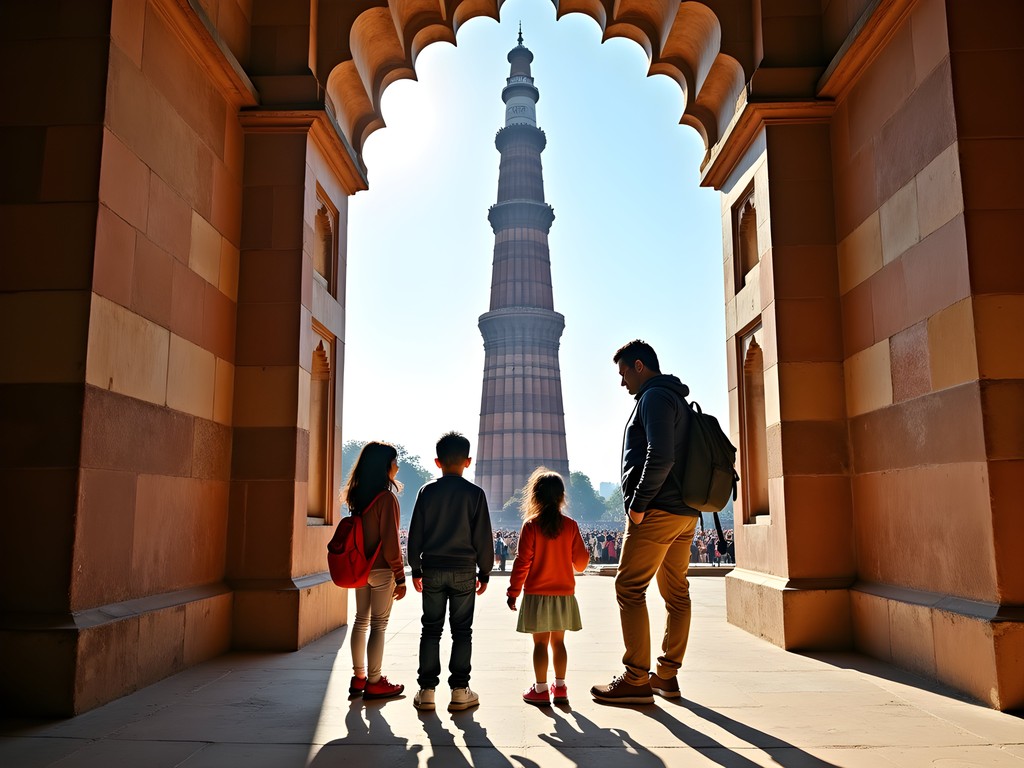
Delhi unfolds like an artisan's tapestry—layers upon layers of history woven together across millennia. The city serves as India's political heartbeat, where Mughal-era monuments like the Red Fort and Humayun's Tomb stand in dignified conversation with colonial architecture and sleek government buildings. My children were mesmerized by the living history lesson at Qutub Minar, touching stones carved nearly a millennium ago.
Mumbai, conversely, pulses with commercial energy—India's workshop of dreams. The colonial-era architecture around Colaba and Fort districts speaks to its mercantile past, while Bollywood's glittering presence infuses the city with creative electricity. When evaluating these megacities as investment opportunities for your precious travel time, consider Delhi if you're drawn to historical immersion and Mumbai if you're seeking India's contemporary pulse.
For either city, I recommend carrying a portable air purifier during winter visits. The air quality can be challenging, particularly in Delhi, and this small investment significantly improved our family's comfort during extended city explorations.
💡 Pro Tips
- Visit Delhi's monuments early morning (8-9am) to avoid crowds and harsh midday sun
- In Mumbai, explore the colonial architecture in the morning and save indoor activities for afternoon when temperatures rise
- Both cities deserve at least 3-4 days for proper exploration
Transportation: Vintage Railways vs. Modern Metro
Transportation infrastructure reveals much about a city's character and evolution. Delhi boasts one of Asia's most efficient metro systems—a marvel of modern engineering that my family relies on for effortless city navigation. The air-conditioned carriages provide welcome respite from Delhi's intensity, with dedicated women's compartments that my daughters and I appreciate during crowded commutes.
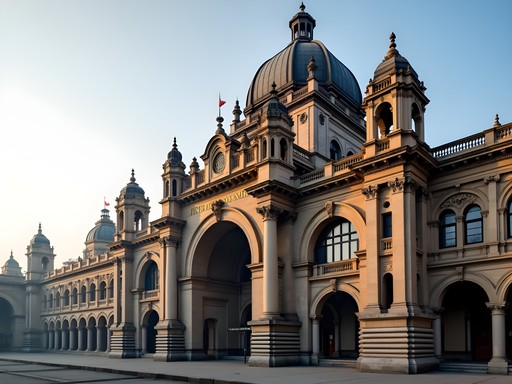
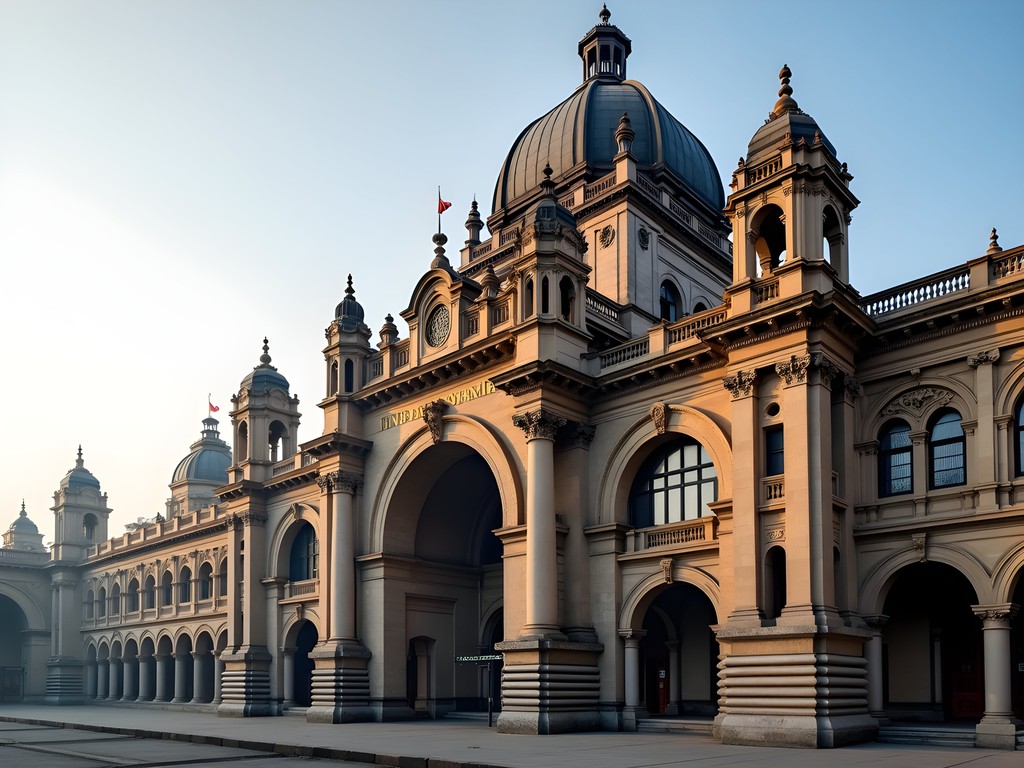
Mumbai's transportation story centers on its colonial-era railways—a system I find endlessly fascinating as someone drawn to vintage transportation. The UNESCO-listed Chhatrapati Shivaji Terminus embodies Victorian Gothic splendor, while the city's suburban rail network functions as Mumbai's pulsing arteries, moving millions daily with orchestrated chaos that somehow works. For families, I find Delhi's transportation infrastructure more navigable, though Mumbai's iconic black-and-yellow taxis offer charm that my children still talk about.
When navigating either city, I never travel without my anti-theft crossbody bag, which keeps essentials secure while allowing hands-free photography and child-wrangling in crowded stations and markets.
💡 Pro Tips
- Purchase a Delhi Metro smart card for your entire stay—it's more economical than single tickets
- In Mumbai, avoid suburban trains during rush hours (8:30-10:30am and 5:30-8:00pm)
- Use ride-hailing apps rather than negotiating with taxis in both cities
Culinary Experiences: Street Food Havens
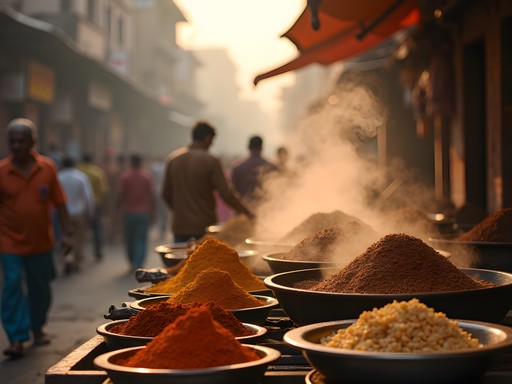
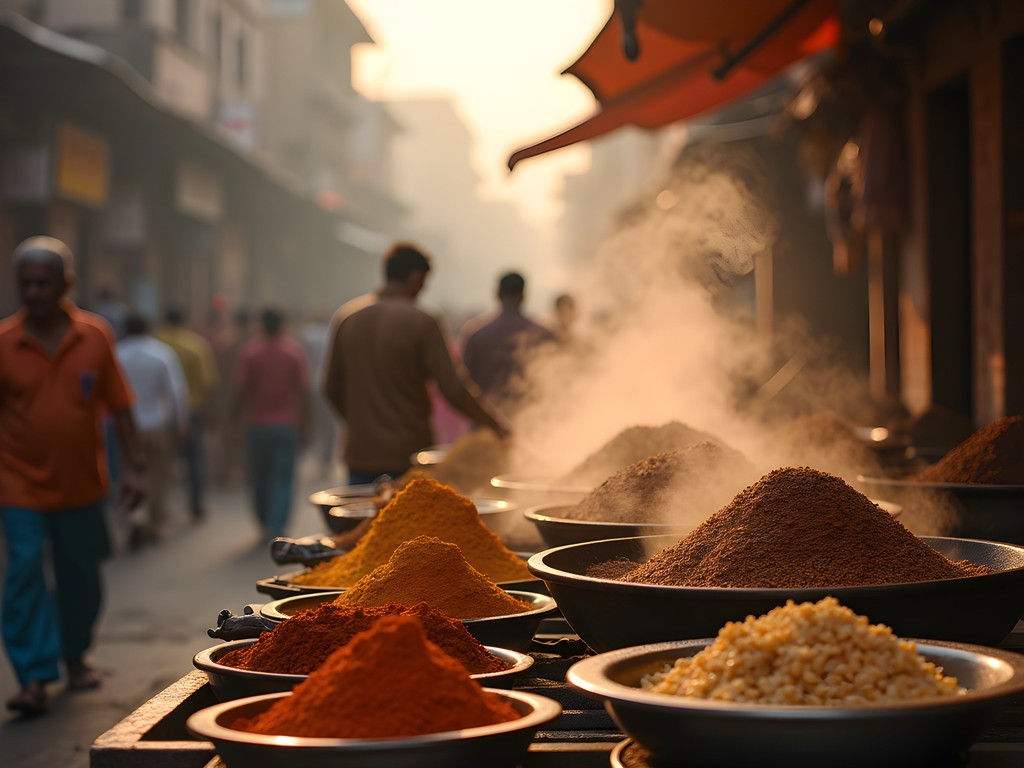
Both megacities offer extraordinary culinary journeys, though with distinctive flavor profiles that reflect their regional influences. Delhi's food scene celebrates North Indian traditions—robust Mughlai curries, tandoor-cooked breads, and chaat (savory snacks) that my children now request weekly at home. The labyrinthine lanes of Old Delhi's Chandni Chowk represent one of the world's great food pilgrimages, where centuries-old establishments serve recipes unchanged for generations.
Mumbai's coastal position infuses its cuisine with coconut, seafood, and Konkani influences alongside a street food culture that rivals any global city. The iconic vada pav (potato fritter sandwich) exemplifies Mumbai's working-class culinary ingenuity—simple yet transcendent. For families with varying spice tolerances, I've found Mumbai's cuisine generally milder and more accessible for Western palates.
For culinary explorations in either city, I pack a portable water purifier bottle that allows us to safely refill throughout the day while reducing plastic waste. This practical investment has transformed how we experience street food adventures—we can confidently sample everything without worrying about drinking water sources.
💡 Pro Tips
- Schedule a food walking tour for your first full day to orient yourself to local specialties and safe eating practices
- In Delhi, don't miss Karim's near Jama Masjid for authentic Mughlai cuisine dating back to 1913
- Mumbai's Chowpatty Beach offers the perfect introduction to street food in a scenic setting

Artisanal Treasures: Markets and Craftsmanship
As someone who has built a career supporting artisanal businesses, India's handcraft traditions represent one of its most profound cultural expressions. Delhi offers structured market experiences where government emporiums like Central Cottage Industries Emporium provide quality assurance for textiles, ceramics, and handicrafts from across the subcontinent. The city's Dilli Haat crafts village creates a curated marketplace where artisans from different states showcase regional specialties—an educational experience my children treasure from our visits.
Mumbai's markets pulse with commercial energy that reflects its trading history. Crawford Market's colonial-era building houses a fascinating mix of everyday necessities alongside artisanal goods, while Chor Bazaar (Thieves' Market) offers vintage treasures that would command premium prices in Western design studios. For ceramic enthusiasts, Mumbai's contemporary pottery studios in Dharavi and Kumbharwada offer glimpses into how traditional craft adapts to urban constraints.
When shopping in either city's crowded markets, I rely on my foldable tote bags that pack flat in my daypack but expand to hold substantial treasures. These durable bags have transported everything from Delhi's paper-mache ornaments to Mumbai's block-printed textiles without adding significant weight to our luggage.
💡 Pro Tips
- Negotiate respectfully in local markets—start at 50-60% of the initial asking price
- Visit government emporiums for fixed prices and quality certification if you're concerned about authenticity
- Ship larger purchases home directly from established shops to avoid luggage constraints
Family-Friendly Experiences: Educational Value
Traveling with children transforms how we experience destinations, focusing our attention on educational opportunities that engage young minds. Delhi excels in this regard with world-class museums like the National Museum and National Rail Museum (a particular favorite for my train-obsessed youngest). The city's historical timeline—from ancient settlements to Mughal glory to British colonialism to independent India—creates living history lessons that textbooks simply cannot match.
Mumbai offers different but equally valuable learning experiences centered on commerce, film, and social dynamics. The city's dramatic inequality presents teaching moments about economic development that I've found invaluable for my children's understanding of global systems. Dharavi tours (conducted respectfully by community-based organizations) showcase entrepreneurial innovation within constraints, while the Bollywood industry provides insights into cultural storytelling and creative economics.
For documenting these educational experiences, I've found the instant print camera creates meaningful souvenirs that my children treasure. Having physical photographs to paste into travel journals alongside their observations helps cement the learning experiences far more effectively than digital photos alone.
💡 Pro Tips
- Create simple scavenger hunts for children in both cities' museums to maintain engagement
- Schedule half-days rather than full-days of sightseeing with children, especially in winter when Delhi's fog can delay morning starts
- Balance historical sites with interactive experiences like cooking classes that engage multiple senses
Final Thoughts
After multiple visits to both megacities with my family, I've come to appreciate that the Mumbai versus Delhi question isn't about determining a superior destination—it's about matching your travel intentions with each city's distinct character. For first-time visitors to India seeking historical immersion and a more structured introduction to the subcontinent's complexities, Delhi provides an excellent foundation with its chronological layers and well-developed tourism infrastructure. Those drawn to contemporary India's commercial energy, creative industries, and coastal influences will find Mumbai offers an intoxicating gateway.
My recommendation? If possible, experience both cities in a single journey—perhaps beginning with Delhi's historical orientation before transitioning to Mumbai's forward momentum. This progression mirrors India's own trajectory and provides a more complete understanding than either city alone could offer. Whichever megacity you choose first, approach it with an artisan's patience—India reveals its treasures gradually to those willing to look beyond initial impressions. Like the finest handcrafted ceramics, the true value lies not in perfection but in the authentic human stories embedded within each magnificent imperfection.
✨ Key Takeaways
- Delhi excels for history enthusiasts and those seeking India's political and historical narrative
- Mumbai offers stronger insights into contemporary Indian commerce, film, and coastal culture
- Winter visits (November-February) provide the most comfortable climate for exploring both cities
- Both cities deserve at least 3-4 days each for meaningful exploration
- Consider starting with Delhi for structure, then progressing to Mumbai's controlled chaos
📋 Practical Information
Best Time to Visit
November through February (winter)
Budget Estimate
$75-150 per day per person for mid-range accommodations, meals, and activities
Recommended Duration
3-4 days minimum for each city
Difficulty Level
Moderate
Comments
skyway
pro tip - get a local sim card at the airport in either city. makes everything so much easier for navigation and uber.
dreamhero
is it safe to travel solo as a woman? heading there in august and getting nervous
Lillian Diaz
I traveled solo in both cities! Just use common sense - avoid empty areas at night, use registered taxis, and trust your instincts. The women-only train cars in Mumbai are great during rush hour.
dreamhero
thank you! that helps a lot
winterguide
Mumbai all the way!! The energy there is just different, you can feel it everywhere you go!
Gregory Boyd
Excellent comparison, Ingrid. From a practical standpoint, I'd add that Delhi's metro system is significantly more tourist-friendly than Mumbai's local trains, which can be genuinely intimidating during peak hours. However, Mumbai's compact geography means you can walk between many attractions in South Mumbai, whereas Delhi sprawls considerably. I've found that travelers with limited time (under 5 days) get more out of Mumbai, while those with a week or more can properly appreciate Delhi's layered history. The pollution factor is real in Delhi though - I always recommend visiting between November and February.
beachphotographer
Which city is better for photography? I shoot a lot of architecture and street scenes.
Gregory Boyd
Delhi hands down for architecture - the Mughal heritage sites are stunning. But Mumbai's got better light near the coast.
smartadventurer
Love the market photos!
Lillian Diaz
Ingrid, I love how you captured the Crawford Market vibe! I actually started in Delhi last year and then took the train to Mumbai. Looking back, I think Mumbai was the better introduction for me - the coastal energy felt less overwhelming than Delhi's intensity. The local trains in Mumbai are an adventure though! I remember standing at Churchgate station during rush hour, completely mesmerized by how efficiently thousands of people moved through those platforms. The street food in both cities is incredible, but Mumbai's vada pav has my heart forever.
skyway
how long did the train ride take between the cities?
Lillian Diaz
About 16 hours on the overnight train! Actually a great experience - woke up to chai being served.
winterbuddy
This is so helpful! Planning my first India trip!
tripdiver
mumbai's street food is insane but be careful with water. delhi metro saved my life multiple times lol. both cities are exhausting in the best way possible
coffeediver
did you get sick at all? kinda worried about that
tripdiver
nah stayed healthy, just stick to bottled water and cooked food. you'll be fine!
coffeediver
Love the photos from Crawford Market!
Venture X
Premium card with 2X miles, $300 travel credit, Priority Pass