

Disclosure: This article contains affiliate links. We may earn a commission from purchases at no extra cost to you, which helps our travel content.
The moment my boots touched Kano's rust-colored earth, I felt that familiar rush of being somewhere authentically itself – unchanged in ways that matter most. As an EMT who's witnessed trauma and healing across continents, I've developed a sixth sense for places that hold ancestral wisdom. Kano, Nigeria's second-largest city and arguably its cultural heart, pulses with 1,000 years of continuous civilization. The ancient walls still stand, encircling a metropolis where traditional indigo dyeing methods persist alongside bustling modern commerce. After my experiences learning plant medicine from Mi'kmaq elders in the Maritimes, I found myself drawn to West Africa's healing traditions and sacred spaces. What follows is my carefully crafted 3-day itinerary through Kano – where I discovered unexpected parallels between Nigerian traditional wellness practices and my own indigenous heritage, all while navigating one of Africa's most fascinating cultural hubs on a modest budget.

Day 1: Ancient Walls & Cultural Foundations
My first day in Kano began with the non-negotiable ritual that sustains me through every adventure – tracking down proper coffee. The small but mighty Arewa Café near my guesthouse served a surprisingly robust brew with hints of cardamom that immediately recalibrated my jet-lagged system. Properly caffeinated, I headed toward the imposing Kano City Walls.
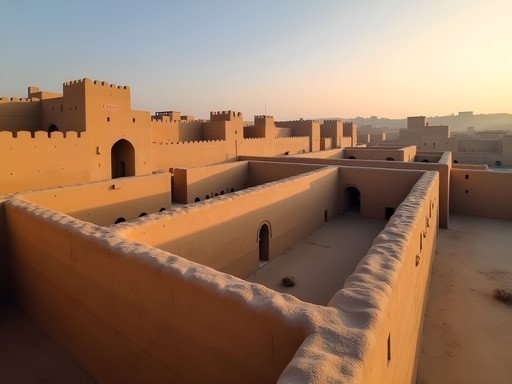
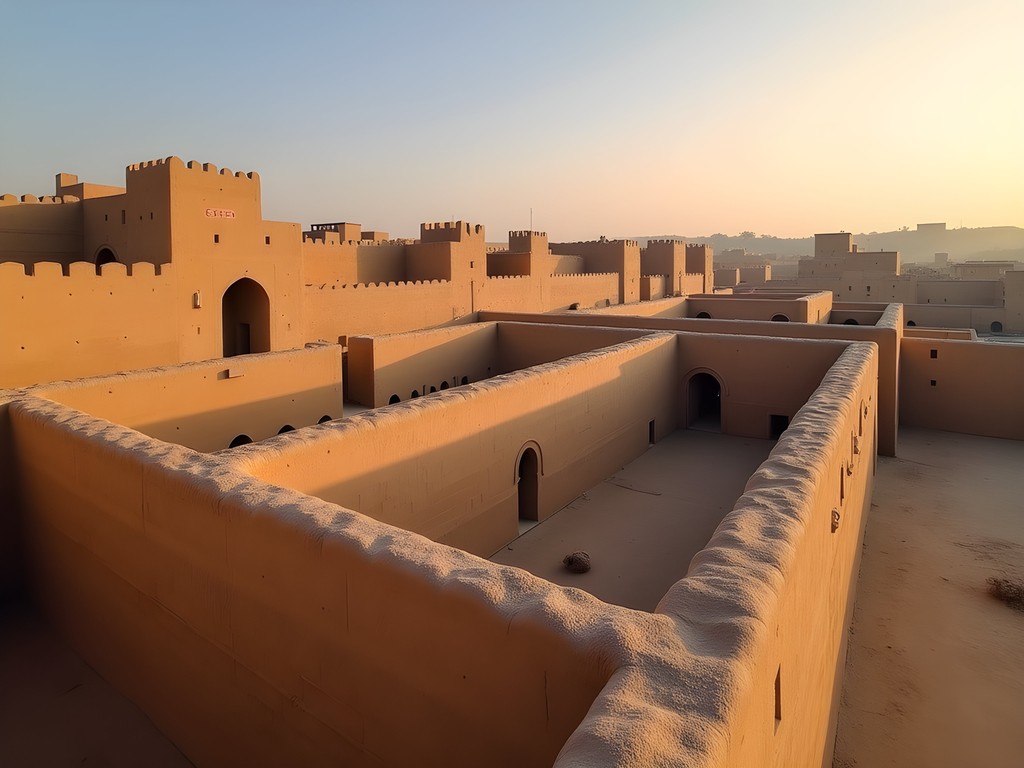
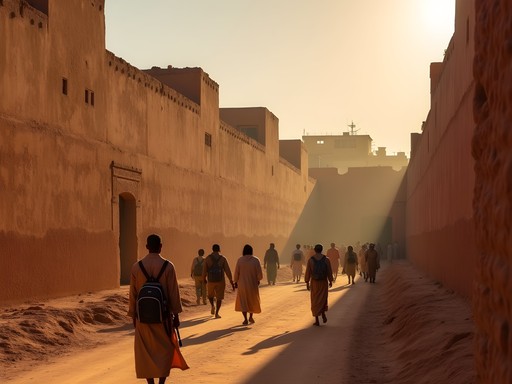
Constructed between the 11th and 14th centuries, these adobe fortifications once stretched 14 kilometers with heights reaching 30-50 feet. Walking alongside them, my paramedic's mind couldn't help but appreciate the defensive ingenuity – multiple entry gates designed to control access points, much like we establish triage zones during mass casualty incidents. My travel daypack proved perfect for carrying water, snacks, and my compact first aid kit – an EMT habit I can't shake even on vacation.
The Gidan Makama Museum, housed in a 15th-century building that served as the palace's east wing, offered welcome respite from the heat. Its collections span archaeology, royal regalia, and traditional crafts. What fascinated me most were the displays on traditional medicine – botanical preparations that reminded me of the Mi'kmaq healing practices my grandmother taught me.
As afternoon temperatures peaked, I retreated to the historic Emir's Palace (Gidan Rumfa). Though interior access is limited for non-Muslims, the external architecture – with its distinctive Hausa geometric patterns – showcases a mathematical precision that speaks to the sacred geometry principles I've studied. The patterns aren't merely decorative; they embody cosmological understanding that transcends cultures.
Dinner brought me to Daula Hotel's outdoor restaurant, where I sampled my first authentic tuwo shinkafa (rice pudding) with miyan kuka (baobab leaf soup). The earthy, slightly sour flavor profile reminded me of certain medicinal preparations – food as medicine, a concept universal to indigenous traditions worldwide.
💡 Pro Tips
- Visit the walls early morning or late afternoon to avoid the most intense heat
- Bring cash in small denominations as most vendors don't accept cards
- Wear modest clothing that covers shoulders and knees out of respect for local customs
Day 2: Indigo Traditions & Sacred Spaces
Dawn found me at the famous Kofar Mata Dye Pits, established in 1498 and still operational. As a practitioner who values traditional knowledge systems, witnessing these artisans maintain centuries-old techniques felt like a privilege. The master dyers mix indigo using methods passed through generations, creating that distinctive blue that adorns traditional Hausa garments.
The process is physically demanding – workers stand waist-deep in pits, repeatedly submerging fabric to achieve the desired saturation. My EMT brain immediately noted the occupational hazards: prolonged standing in liquid, repetitive motion injuries, exposure to natural but potent chemical compounds. Yet there's something profoundly healing about watching hands perform work their ancestors did in exactly the same way for over 500 years.
I purchased a hand-dyed scarf, the deep indigo reminding me of the blueberry dye my Mi'kmaq grandmother once showed me how to make. Different continents, similar wisdom.
By mid-morning, I'd reached the Central Mosque, Kano's spiritual epicenter. Though non-Muslims can't enter, the external architecture alone is worth visiting – soaring minarets and intricate calligraphy speaking to divine geometry. Sacred spaces worldwide share certain energetic qualities I've come to recognize through my travels, regardless of the specific faith tradition.
For lunch, I sought out Kano's street food scene. Near the Sabon Gari market, I discovered a woman making kosai (bean cakes) and masa (rice cakes) over a small charcoal stove. The simple, protein-rich fare sustained generations of traders and continues to fuel the city's workers today. I always travel with my collapsible food container for spontaneous food discoveries – it's lightweight, leak-proof, and prevents single-use plastic waste.
The afternoon led me to Dala Hill – the spiritual and geographical feature from which Kano reportedly derives its name. Climbing the ancient granite formation offers panoramic views of the entire city. Standing at the summit, watching the afternoon call to prayer echo across the cityscape, I felt that rare traveler's moment of perfect presence.

💡 Pro Tips
- Visit the dye pits with a local guide who can translate the artisans' explanations
- Photography at the dye pits requires a small fee – well worth it for the unique cultural documentation
- Bring water for the Dala Hill climb, especially during hotter months
Day 3: Markets, Medicine & Modern Kano
My final day began at the legendary Kurmi Market – one of Africa's oldest trading centers, established over 600 years ago. As someone who's documented food markets from Peru to Japan, I've developed techniques for navigating sensory overwhelm. Still, Kurmi tests these skills with its labyrinthine layout and kaleidoscopic offerings.
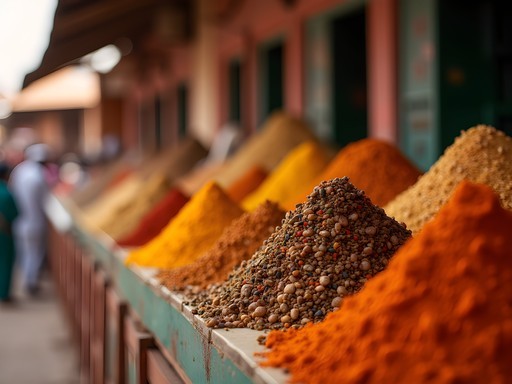
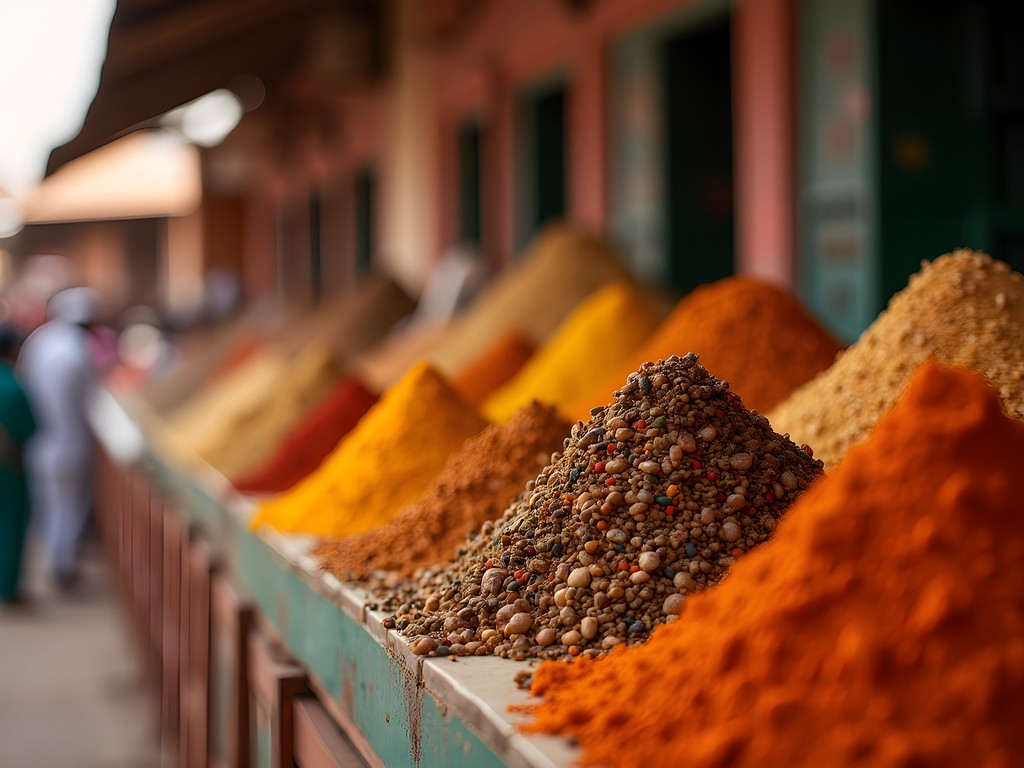
The market preserves its original organizational structure – different sections for leather, textiles, spices, and metalwork. What drew me most were the medicinal herb vendors, their stalls fragrant with dried plants arranged in precise piles. My EMT training has taught me to respect traditional pharmacopeia while recognizing its limitations. Many of these botanicals contain legitimate bioactive compounds – the original source of numerous modern pharmaceuticals.
One elderly vendor, noting my interest, showed me a preparation of baobab and moringa – a combination used for immune support that parallels certain Mi'kmaq medicinal blends. These cross-cultural healing parallels continue to fascinate me, evidence of how humans independently discover similar solutions when listening carefully to the natural world.
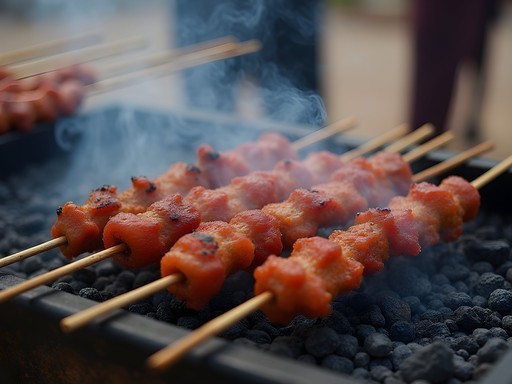
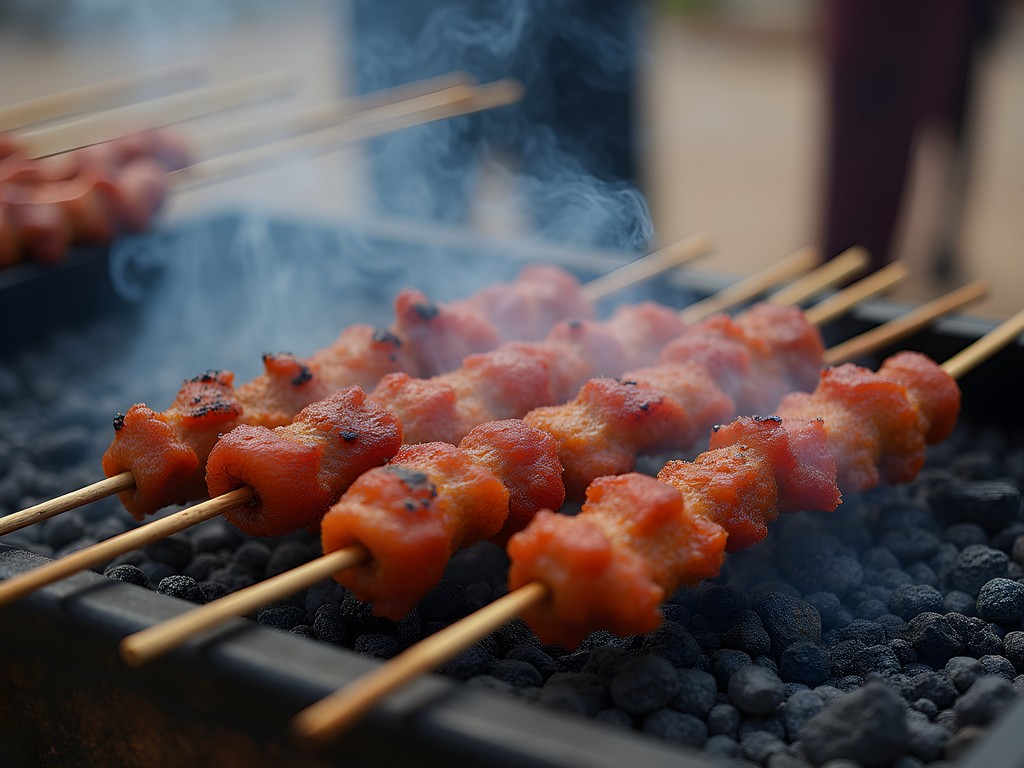
For lunch, I followed local recommendations to Yahuza Suya Spot for Nigeria's famous spiced skewered meat. The complex spice blend – peanut-based with ginger, paprika, and other aromatics – creates a distinctive flavor profile that's simultaneously familiar and novel to my palate. When traveling, I track my food adventures with my travel journal, noting flavor combinations that might inspire my own cooking back home.
The afternoon took me to Bayero University's botanical garden – a more modern but equally valuable repository of plant knowledge. The curated collection emphasizes plants with traditional medicinal applications, now being studied through contemporary scientific methods. This intersection of ancestral wisdom and modern research methodologies represents exactly the knowledge bridge I try to build in my own wellness practice.
As the day cooled into evening, I joined the locals at Ado Bayero Mall – a glimpse into contemporary Nigerian life beyond the traditional sites. Over a final Nigerian meal at the food court (jollof rice and plantains – a combination I'll definitely recreate at home), I reflected on Kano's remarkable cultural continuity. Few places maintain such tangible connections to their ancient foundations while simultaneously embracing modernity on their own terms.
💡 Pro Tips
- Bargaining is expected at Kurmi Market, but do so respectfully and with good humor
- Keep valuables secure in crowded market areas – I use a hidden money belt under clothing
- Ask permission before photographing individuals, especially medicine vendors

Where to Stay: Budget-Friendly Accommodations
Kano offers accommodations across various price points, but as someone who prioritizes experiences over luxury lodgings, I gravitated toward mid-range and budget options that still provided cultural immersion and basic comfort.
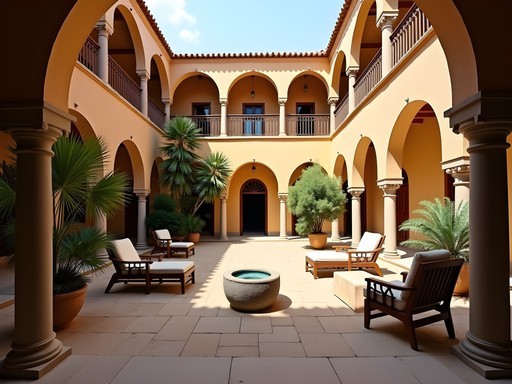
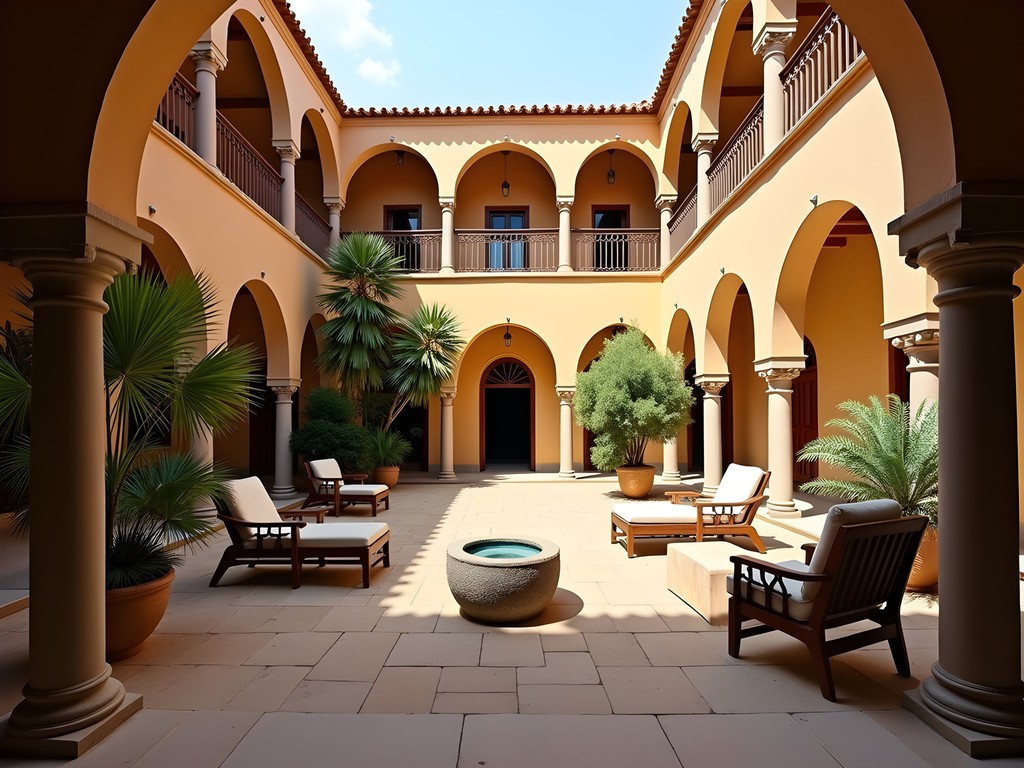
Tahir Guest Palace offered the best balance of affordability, location, and amenities during my stay. Situated near the old city, it provides air-conditioned rooms, reliable Wi-Fi, and a restaurant serving both Nigerian and international dishes. The staff proved invaluable for local recommendations and arranging trustworthy guides. At roughly $40-60 USD per night, it represents excellent value for solo travelers.
For those on tighter budgets, Prince Hotel offers clean, basic rooms from $25-35 USD. The amenities are simple but adequate – ceiling fans rather than AC, shared bathrooms for some rooms, and limited English spoken by staff. Its location near Sabon Gari market makes it convenient for exploration.
Hostel-style accommodations are limited in Kano, reflecting Nigerian travel patterns that favor hotels over backpacker-style lodging. However, several guesthouses offer shared room options if you book directly upon arrival.
Safety considerations should guide your accommodation choices. As an EMT accustomed to risk assessment, I recommend properties with 24-hour security staff and proper emergency exits. I always travel with a portable door lock for additional security in any accommodation – it's lightweight, requires no installation, and adds significant protection for solo female travelers especially.
Whichever accommodation you choose, location matters significantly in Kano. Staying within walking distance of the old city walls maximizes exploration time and minimizes transportation challenges. The areas near Kofar Mata or the Emir's Palace offer particularly good access to major cultural sites.
💡 Pro Tips
- Book accommodations with 24-hour reception for late arrivals
- Confirm electricity backup systems – power outages are common in Kano
- Consider properties with airport pickup services to ease your arrival experience
Food Trucks & Street Eats: Kano's Culinary Medicine
My professional background has taken me to emergency rooms across North America, where I've documented the food truck scenes that sustain healthcare workers during grueling shifts. In Kano, the equivalent isn't trucks but rather street food vendors with makeshift stalls or simple carts – culinary first responders providing essential nourishment to the city's workers.
Near Kurmi Market, I discovered what became my daily breakfast spot – a woman preparing kosai (bean fritters) and serving them with a spicy sauce that jumpstarted my system better than any coffee. The protein-rich, plant-based breakfast sustained me through mornings of exploration. For roughly 200 Naira (about $0.50 USD), this represents one of Kano's best culinary values.
Street food in Kano follows daily rhythms. Morning brings vendors selling koko (millet porridge) and kosai. Midday sees the appearance of masa (rice cakes) and waina (rice flour pancakes). Evenings bring out the suya specialists – masters of Nigeria's distinctive spiced grilled meat.
As someone with both medical training and indigenous roots, I approach street food through dual lenses: appreciating traditional preparation methods while maintaining awareness of food safety. My guidelines for street food anywhere:
- Choose stalls where locals queue – community knowledge is the best review system
- Watch for vendors who handle money and food with separate hands
- Select items cooked fresh at high temperatures
- Bring your own reusable utensils to reduce plastic waste
Beyond street food, Kano offers bukateria – small, informal restaurants serving home-style Nigerian cuisine. Daula Hotel Restaurant became my go-to for traditional northern Nigerian dishes like tuwo shinkafa (rice pudding) with various soups. The miyan kuka (baobab leaf soup) contains micronutrients that explain its traditional use as a recovery food for new mothers – another example of nutritional wisdom embedded in culinary traditions.
I always travel with my water purifier bottle which eliminates waterborne pathogens while reducing plastic waste. It proved invaluable in Kano, allowing me to stay hydrated safely while exploring remote areas without contributing to the plastic pollution problem.
💡 Pro Tips
- Learn basic Hausa food terms to order more effectively from street vendors
- Carry small bills for easier transactions with food sellers
- Try *fura da nono* (fermented milk with millet balls) – a traditional probiotic drink with impressive nutritional benefits
Final Thoughts
As my flight lifted from Kano's Mallam Aminu International Airport, I found myself already planning a return journey. Three days barely scratched the surface of this ancient city's cultural depth. What struck me most was how Kano embodies resilience – maintaining traditional knowledge systems while selectively incorporating modernity on its own terms. The dye pits still operate as they did five centuries ago, while nearby, university researchers document these same techniques using digital technology.
For travelers seeking authentic cultural experiences beyond the typical African safari circuit, Kano offers immersion in living history. The city challenges Western assumptions about progress and preservation, demonstrating how tradition and innovation can coexist in dynamic balance. Pack respectfully, travel mindfully, and prepare to have your perspective permanently expanded by Nigeria's most fascinating cultural treasure.
✨ Key Takeaways
- Kano's ancient city walls and historic sites are best explored with local guides who can provide cultural context
- Traditional crafts like indigo dyeing represent living heritage rather than tourist attractions
- Street food provides both cultural insight and exceptional value for budget travelers
- Modest dress and respectful photography practices will enhance your welcome in this predominantly Muslim city
📋 Practical Information
Best Time to Visit
October-February (dry season with milder temperatures)
Budget Estimate
$40-60 USD per day (accommodation, food, local transportation, and site entries)
Recommended Duration
3-4 days minimum, ideally 5-7 days for deeper exploration
Difficulty Level
Moderate (Requires Cultural Sensitivity And Basic Travel Adaptability)


Comments
Kimberly Murphy
Brilliant guide! One thing I always tell people about Kano - don't skip the evening at Gidan Makama Museum. The architecture alone is stunning, and if you time it right, you might catch some traditional music performances. Also, dress modestly out of respect - I wore long skirts and loose tops and felt much more comfortable navigating the city.
hikingway6510
I was in Kano last April and stayed at the same guesthouse you mentioned near the old city. Total bargain and the family who runs it was so welcoming. They made the best suya I've ever had! Just a heads up for anyone planning to visit - bring cash because most places don't take cards. I had my travel wallet which kept everything organized with separate compartments for different currencies.
dreamhero
Just got back from Nigeria last month and spent 2 days in Kano based on this guide - thank you so much Sage! The ancient walls were even more impressive than your photos show. We stayed at the Prince Hotel you recommended and it was perfect for our budget. One thing I'd add - the street food near Kurmi Market was amazing but definitely go with a local who knows which stalls are good. We made friends with our taxi driver who showed us around. The spiced suya meat skewers were incredible! Day 2 at the dyeing pits was the highlight for me too.
Sage Dixon
So glad you enjoyed Kano! You're right about the street food - I should have emphasized finding a local to guide those choices. Those suya skewers are unforgettable!
greenvibes
Did either of you visit during Durbar festival? Planning my trip and wondering if it's worth timing it for that.
Sage Dixon
I wasn't there during Durbar, but I've heard it's spectacular - horsemen in colorful regalia, music, huge crowds. If you can time your visit, it would be worth it! Just book accommodations well in advance.
wildqueen
What's the best way to get around? Are taxis easy to find or should I look into hiring a driver for the whole trip?
Sage Dixon
I used a mix of both! Taxis are everywhere but negotiate the price before getting in. For day trips outside the city walls, having a driver for the full day worked out to be more economical and way less stressful.
Sarah Powell
Excellent write-up, Sage! I visited Kano two years ago and your itinerary captures it perfectly. One thing I'd add for solo travelers: the Kurmi Market can be overwhelming, so I'd recommend going early morning (around 8am) when it's less crowded. Also, if anyone's interested in the textile history, there's a small museum near the Emir's Palace that most tourists miss but it's absolutely worth the visit. The curator there speaks excellent English and is incredibly knowledgeable.
hikingway6510
Good tip about the morning visit! Markets in the heat can be brutal.
luckyace
Did you arrange a guide beforehand or just find one when you got there? The indigo dyeing pits sound incredible.
Sage Dixon
I found my guide through the hotel I stayed at - they connected me with someone reliable. The dyeing pits are definitely a highlight, and having a local guide made all the difference in understanding the centuries-old techniques.
skydiver
Love the photos of the ancient walls!
escapemood
How safe is it for solo travelers? I'm planning West Africa for next year but nervous about going alone.
Kimberly Murphy
I've done several solo trips through Nigeria and it's generally safe if you're sensible. Stick to daylight hours for exploring, use registered taxis, and connect with local guides. The people are incredibly welcoming!
escapemood
Thanks! That's really helpful 😊
Megan Martin
Excellent guide, Sage. I'd add that business travelers should note that Kano has reliable internet at most mid-range hotels, and the city is quite well-connected for meetings in the commercial district. The contrast between ancient and modern Kano is striking - you can tour 15th-century architecture in the morning and attend contemporary business conferences in the afternoon. It's a fascinating blend that more professional travelers should experience.
greenvibes
Those photos of the dye pits are incredible! The blues are so vibrant!
Venture X
Premium card with 2X miles, $300 travel credit, Priority Pass