

Disclosure: This article contains affiliate links. We may earn a commission from purchases at no extra cost to you, which helps our travel content.
Nestled in Peru's central highlands at 3,271 meters above sea level, Huancayo remains one of the country's most overlooked cultural treasures. When I first visited this Andean gem last fall, I was immediately struck by how few international travelers ventured here despite its rich textile traditions, vibrant Sunday markets, and fascinating fusion of indigenous and colonial heritage. Que maravilha! After years of exploring artisan communities across South America, I found Huancayo to be a refreshing departure from Peru's well-trodden tourist path. The city offers an authentic glimpse into highland Peruvian life without the inflated prices of Cusco or the overwhelming crowds of Lima. For students seeking meaningful cultural immersion on a limited budget, Huancayo delivers exceptional value with its affordable accommodations, inexpensive local cuisine, and direct access to centuries-old craft traditions. This guide distills my week-long exploration into an actionable itinerary that balances cultural discoveries with practical budget considerations.

Getting to Huancayo: Transport Options & Practical Advice
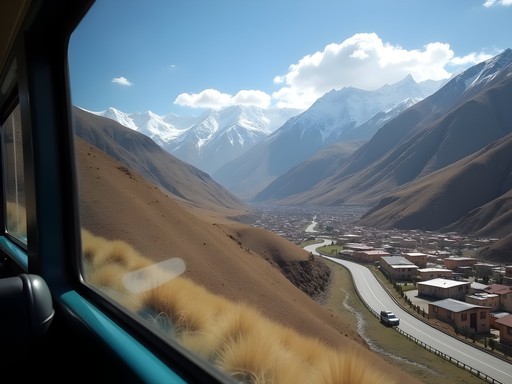
Most international travelers reach Huancayo via Lima, and you have several transportation options depending on your budget and comfort preferences. The most economical choice is taking a bus from Lima's Terminal Terrestre, a journey of approximately 7-8 hours that winds through breathtaking mountain scenery. Companies like Cruz del Sur and Oltursa offer reliable services with varying comfort levels.
During my trip, I opted for a semi-cama overnight bus (around 60-80 soles or $16-22 USD), departing Lima at 11 PM and arriving in Huancayo early morning. This saved me a night's accommodation cost and maximized my exploration time. Dica de ouro (golden tip): book your bus ticket at least 2-3 days in advance during high season or festivals.
If your budget allows, Peru Rail operates a spectacular train journey called Tren Macho between Lima and Huancayo, though it runs infrequently (typically once or twice monthly). The panoramic views justify the higher price for photography enthusiasts.
For those with limited time, domestic flights connect Lima to Jauja's airport (about an hour's drive from Huancayo). While researching options, I found that booking through a flight comparison tool consistently yielded the best deals, especially when booking 4-6 weeks in advance.
Once in Huancayo, the city center is navigable on foot, while colectivos (shared minivans) and taxis provide affordable transportation to outlying attractions. Just remember that taxi prices should be negotiated before entering the vehicle – a practice that saved me from paying tourist premiums throughout my stay.

💡 Pro Tips
- Book overnight buses to save on accommodation costs
- Download maps.me for offline navigation – Huancayo's streets aren't always well-marked
- Learn basic price negotiation phrases in Spanish to avoid tourist markups
Huancayo's Artisan Markets: A Textile Lover's Paradise
If there's one thing that captivated this former tax advisor turned craft enthusiast, it's Huancayo's extraordinary textile traditions. The Sunday Feria Dominical (Sunday Fair) transforms the city center into Peru's largest highland market, stretching over 3 kilometers along Avenida Huancavelica. Unlike the more commercial markets of Cusco, prices here reflect what locals pay, not what tourists will bear.
My analytical side was fascinated by the economic ecosystem of this market – how traditional production methods have survived despite mass-manufactured alternatives, and how family businesses maintain their competitive edge through specialization. As someone who's visited markets across four continents, I can confidently say Huancayo offers exceptional value for handcrafted goods.
The market's textile section showcases the distinctive Huancayo style of weaving, characterized by vibrant geometric patterns and zoomorphic figures. I spent hours conversing with artisans about their techniques, many passed down through generations. One particularly memorable encounter was with Doña Luciana, whose family has produced manta textiles for over six generations. She demonstrated how she creates natural dyes from local plants – knowledge that's increasingly rare in our age of synthetic colorants.
Beyond textiles, the market features sections dedicated to silver jewelry, carved gourds (mates burilados), ceramics, and woodwork. For students interested in Peruvian crafts, I recommend bringing a compact travel backpack with extra room – you'll inevitably find treasures worth bringing home. Mine has accompanied me to markets worldwide and has the perfect balance of security features and expandability for unexpected purchases.
To truly appreciate the market's scope, arrive early (around 7 AM) before the crowds and heat intensify. This timing also gives you better negotiating leverage with vendors who may offer precio de mañana (morning price) discounts to secure their first sales of the day.

💡 Pro Tips
- Learn basic weaving terminology in Spanish to connect with artisans
- Bring small bills (soles) as vendors rarely have change for large denominations
- Visit the Cochas Chico district on weekdays to see artisans working in their home workshops
Cultural Experiences: Beyond the Tourist Trail
Huancayo's cultural landscape offers students a rare opportunity to experience Andean traditions without the commercial veneer that often accompanies more popular Peruvian destinations. During my week in the region, I discovered several experiences that provided genuine cultural insights while respecting my mid-range budget.
The Museo Arqueológico de la Universidad del Centro del Perú houses an impressive collection of pre-Columbian artifacts from the central highlands. What makes this museum special is not just its collection but its student guides – archaeology students who offer tours for a modest donation. Their passion for local history brings the exhibits to life in ways no audioguide could match. É impressionante! The museum's 5 sole entrance fee (approximately $1.40 USD) makes it one of Peru's best cultural values.
For a more immersive experience, I attended a traditional Huaylarsh dance workshop at the Casa de la Cultura. This energetic dance form originated in Huancayo's agricultural communities and represents the planting and harvesting cycles. For 25 soles, I received a two-hour introduction to basic steps alongside local students. My complete lack of coordination provided much amusement to my patient instructors, but the experience offered invaluable insights into how movement and music preserve cultural memory.
The Torre Torre rock formations, just a short colectivo ride from downtown, provide both geological fascination and cultural significance. These reddish clay formations have featured in local mythology for centuries. I recommend visiting late afternoon when the setting sun bathes the formations in golden light – perfect for photography. Bring your reusable water bottle as there are no services at the site, and Huancayo's altitude makes staying hydrated essential.
Perhaps my most memorable cultural experience was participating in a pachamanca preparation with a local family in the nearby village of Cochas. This traditional earth-oven cooking method uses hot stones to slow-cook marinated meats and Andean tubers underground. The three-hour process involves ritual offerings to Pachamama (Mother Earth) before the meal is unearthed and shared communally. Several community tourism initiatives in surrounding villages offer this experience for around 40-60 soles per person.

💡 Pro Tips
- Visit the Universidad del Centro del Perú on weekdays when student guides are available
- Respect local customs by asking permission before photographing individuals, especially in rural areas
- Learn about the significance of coca leaves in Andean culture before participating in traditional ceremonies

Budget Accommodation & Dining Options
Huancayo offers exceptional value for budget-conscious students, with accommodation and dining costs significantly lower than Peru's major tourist destinations. During my stay, I divided my time between a centrally located hostel and a homestay arrangement, each providing distinct advantages.
For social travelers, Hostal El Peregrino offers clean dormitory beds from 25-30 soles per night (approximately $7-8 USD), including a simple breakfast. Its central location near Plaza Constitución puts you within walking distance of main attractions. The communal kitchen allows for additional savings on meals, and the rooftop terrace provides a pleasant space for planning your day while enjoying views of the surrounding mountains. Book directly through their Facebook page for the best rates.
For a more immersive experience, I spent three nights with a host family arranged through the language school Instituto Cultural Peruano Norteamericano. For 40 soles per night including breakfast and dinner, I gained invaluable cultural insights while practicing my rudimentary Spanish. My host, Señora Carmen, was a retired schoolteacher whose patience with my linguistic stumbles was matched only by her generosity in sharing local knowledge and family recipes.
When it comes to dining, Huancayo offers plenty of affordable options that showcase the region's agricultural bounty. The central market's food section serves hearty set lunches (menú del día) for 8-12 soles, typically including soup, a main dish, and a beverage. For something more substantial, try traditional restaurants along Calle Real, where 15-20 soles buys a complete meal of regional specialties.
Don't miss trying papa a la huancaína (potatoes in spicy cheese sauce) and trucha frita (fried local trout). My favorite discovery was cuy al horno (roasted guinea pig) at Restaurante Tradicional Don Julio – while perhaps challenging for some Western palates, it's a regional delicacy worth experiencing.
For coffee breaks between explorations, I became a regular at Café Armonía, where 5 soles buys an excellent brew made from beans grown in Peru's nearby jungle regions. Their quiet courtyard provided the perfect setting to update my travel journal using my travel notebook, which has documented my craft market discoveries across three continents.

💡 Pro Tips
- Request rooms away from the street in hostels as Huancayo traffic can be noisy
- Look for restaurants filled with locals during lunch hours – a reliable indicator of good value
- Consider a homestay arrangement for at least part of your visit for cultural immersion
Day Trips: Exploring the Mantaro Valley
The real magic of Huancayo lies in the surrounding Mantaro Valley, a patchwork of agricultural fields, traditional villages, and craft centers easily accessible as day trips. Using the city as your base, you can explore specialized artisan communities, each with distinct craft traditions that have evolved over centuries.
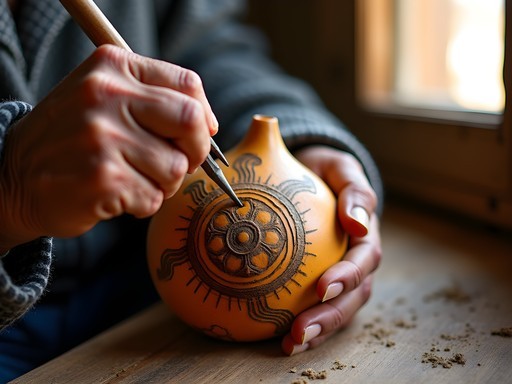
Cochas Chico and Cochas Grande, twin villages about 11km from Huancayo, are renowned for their mates burilados – intricately carved decorative gourds depicting scenes of daily life, celebrations, and mythological stories. I spent a fascinating morning with master artisan Don Eduardo, whose family has practiced this art form for five generations. The precision of his work was astounding – using simple tools to create miniature scenes with remarkable detail. Most workshops welcome visitors without appointment, though a small purchase is appreciated in return for demonstrations.
San Jerónimo de Tunán, another nearby village, specializes in silver filigree jewelry that showcases extraordinary craftsmanship. The techniques used here date back to colonial times when Spanish silversmiths first introduced filigree methods to indigenous artisans. Today's pieces blend European techniques with Andean aesthetic sensibilities. The village's main street houses several workshops where you can watch artisans manipulating fine silver threads into delicate designs.
For textile enthusiasts, the village of Hualhuas (about 30 minutes from Huancayo by colectivo) is unmissable. Here, traditional backstrap and pedal looms produce some of Peru's finest weavings. The Asociación de Artesanos showcases work from multiple family workshops. I was particularly impressed by their natural dyeing processes using plants, minerals, and even insects to create vibrant, colorfast textiles.
To make the most of these day trips, I recommend bringing a compact camera with good macro capabilities. The intricate details of these crafts deserve proper documentation, and my own photos have become valuable references for understanding the technical aspects of different craft traditions.
The most efficient way to explore these villages is by hiring a taxi for a half-day circuit (approximately 80-100 soles negotiable) or using colectivos for a more budget-friendly but time-consuming alternative. Most craft villages are within 30 minutes of Huancayo, making it possible to visit 2-3 in a single day.

💡 Pro Tips
- Learn about the symbolism in mate burilado carvings before visiting Cochas to appreciate the cultural context
- Visit workshops early in the day to see artisans at work before they focus on selling to afternoon tourists
- Bring cash in small denominations as credit cards aren't accepted in rural workshops
Final Thoughts
Huancayo represents what I've always sought in my travels – authentic cultural experiences that connect travelers with living traditions rather than curated tourist attractions. For students seeking to understand Peru beyond the postcard images of Machu Picchu, this Andean city offers immeasurable rewards. The economic value is undeniable – your budget stretches significantly further here than in Peru's tourism hotspots – but the true wealth lies in the cultural exchanges and craft traditions you'll encounter.
As you plan your own journey to this highland gem, remember that patience and curiosity are your greatest assets. The pace of life moves differently here, and the most meaningful experiences often emerge from unplanned conversations with local artisans or accepting spontaneous invitations. Boa viagem, amigos! May your own exploration of Huancayo's cultural treasures be as rewarding as mine.
✨ Key Takeaways
- Huancayo offers exceptional value for budget travelers with authentic cultural experiences at a fraction of the cost of Peru's major tourist destinations
- The surrounding villages each specialize in distinct craft traditions that have been preserved for generations
- Learning basic Spanish phrases greatly enhances your ability to connect with local artisans and understand their techniques
- Fall (April-May or September-October) provides ideal weather conditions and fewer crowds
📋 Practical Information
Best Time to Visit
Fall (April-May or September-October)
Budget Estimate
$25-40 USD per day including accommodation, food, and local transportation
Recommended Duration
5-7 days
Difficulty Level
Intermediate


Comments
Fatima Sims
Dylan, this brought back memories! I spent a week in Huancayo two years ago and it completely changed how I think about Peruvian travel. Everyone rushes to Cusco and misses these highland gems. The artisan villages around Huancayo - especially San Jerónimo de Tunán for silver filigree - are incredible. I met a weaver named Lucia who taught me about the symbolism in traditional patterns. Each design tells a story about Andean cosmology. Pro tip: if you're sensitive to altitude, I found that altitude pills really helped those first couple days. The local food scene is also underrated - pachamanca cooked underground is unforgettable. Did you make it to Torre Torre rock formations?
oceanguy
Torre Torre was awesome! Felt like being on another planet
backpackwanderer
What's the textile market situation like for buying? Are prices negotiable or pretty fixed? Also curious about shipping stuff home if you buy too much lol
Fatima Sims
Definitely negotiate! Start at 50% of asking price. Most vendors expect it.
starexplorer
Adding this to my Peru itinerary! Love finding places that aren't overrun with tourists
hikingmaster
How's the public transportation situation? Worth renting a car or stick with buses?
oceanguy
Great post! I went to Huancayo back in 2023 and totally agree it's underrated. The train ride from Lima was scenic but long - like 8 hours. The markets are insane though, especially the Sunday one in Huancavelica nearby. Got some amazing woven blankets for dirt cheap. How long did you stay? I felt like 3 days wasn't quite enough.
backpackwanderer
Did you have any altitude issues at 3,271m? That's pretty high
oceanguy
Yeah first day was rough ngl. Just took it easy, drank lots of coca tea
Frank Garcia
Solid guide. I backpacked through Huancayo last October on a tight budget and it's genuinely one of the best value destinations in Peru. Stayed in hostels for £4-5 per night, ate incredible menú del día meals for under £2, and the local buses are dirt cheap. The train from Lima is pricey (around $30) but worth it for the views. Alternatively, buses from Lima run about $8-10 and take 6-7 hours. For budget travelers, definitely hit up Mercado Modelo for food rather than restaurants - authentic and incredibly cheap. The artisan villages around Huancayo are easily accessible by colectivo for less than a pound. My travel guide had a decent section on the region but your post is more current.
vacationmood
The food at Mercado Modelo is SO GOOD. Best kept secret!
islandlife
Your photos are gorgeous!! That mountain backdrop is unreal
Dylan Turner
Excellent write-up, Dylan. I visited Huancayo in 2023 and was similarly impressed by its authenticity. One point I'd add for readers: the accommodation situation has improved significantly. There are now several boutique hotels in the city center that offer excellent value - I stayed at Casa Andina which had oxygen enrichment in the rooms, crucial at that altitude. The transport infrastructure is also better than most guides suggest. That said, the real value here is cultural immersion. The Virgen de Cocharcas festival in September is extraordinary if anyone can time their visit.
Dylan Elliott
Great addition about the festival! I missed that unfortunately. The oxygen-enriched rooms sound like a game changer for altitude adjustment.
islandguide
Adding this to my Peru itinerary!! Love finding places that aren't totally touristy
winterseeker
How bad is the altitude? I struggled in Cusco
Frank Garcia
It's actually slightly higher than Cusco at 3,271m. I'd recommend spending a day or two in Lima first to acclimatize gradually. Coca tea helps, and take it really easy the first 24 hours. The train from Lima is a good option as it climbs slowly.
winterseeker
Thanks! Appreciate the tip
Venture X
Premium card with 2X miles, $300 travel credit, Priority Pass