

Disclosure: This article contains affiliate links. We may earn a commission from purchases at no extra cost to you, which helps our travel content.
As a transportation engineer living in Alaska, I've developed quite the fascination with natural phenomena that rival our human-made marvels. The aurora borealis tops that list, and Fairbanks offers one of the world's premier viewing experiences. Just a 6-hour drive from my home in Anchorage, this interior Alaskan city sits under the 'auroral oval'—a ring-shaped region around the Earth's geomagnetic pole where northern lights activity is most concentrated. After numerous weekend trips chasing these dancing lights, I've engineered the perfect approach to experiencing this breathtaking natural display.

Understanding the Science & Timing Your Visit
Before we dive into viewing locations, let's tackle the engineering behind the aurora. These magnificent displays occur when charged particles from the sun collide with gases in our atmosphere. These collisions create the vivid greens, purples, and occasionally reds that dance across the sky.
As an engineer, I appreciate precision, and timing your visit correctly is crucial. Fairbanks experiences nearly 200 nights of aurora activity annually between late August and early April. The prime viewing season runs from September to March when darkness extends for longer periods. The optimal viewing hours typically fall between 10 PM and 2 AM, though I've witnessed spectacular displays both earlier and later.
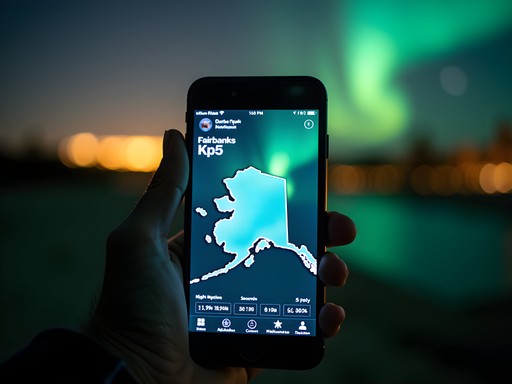
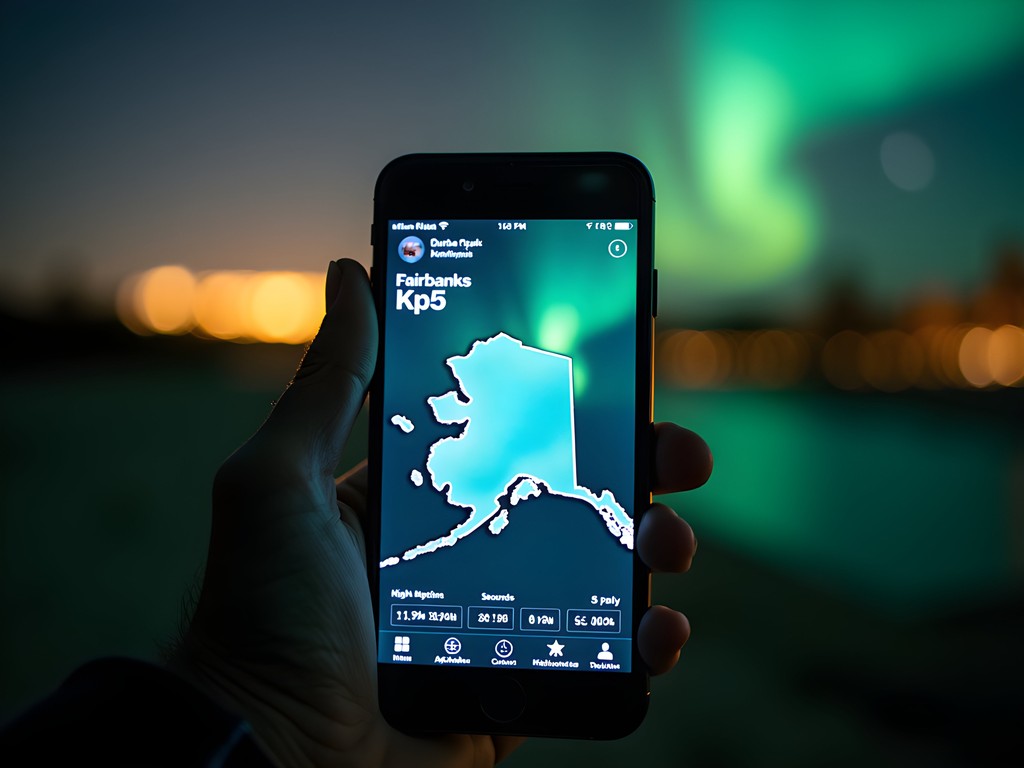
To maximize your chances, plan a stay of at least three nights. I use the aurora forecast app religiously to track geomagnetic activity. The app uses data from NOAA's Space Weather Prediction Center to forecast aurora visibility with surprising accuracy. Anything rated Kp3 or higher typically means good viewing potential in Fairbanks.
💡 Pro Tips
- Download an aurora forecast app before your trip to track activity levels
- Plan to stay at least 3 nights to increase your chances of clear skies
- The new moon phase offers darker skies for optimal viewing
Prime Viewing Locations: An Engineer's Perspective
When selecting aurora viewing locations, I apply the same principles I use in transportation planning: accessibility, safety, and optimal conditions. Here are my top recommendations:
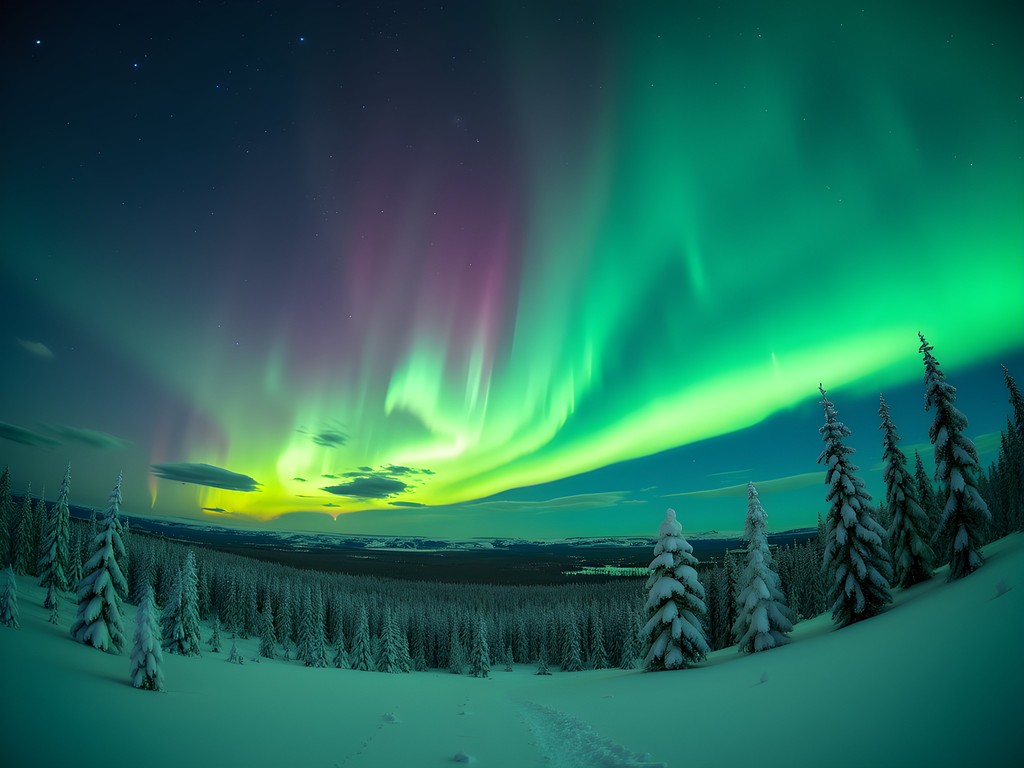
Chena Hot Springs Resort (about 60 miles northeast of Fairbanks) combines aurora viewing with the bonus of soaking in natural hot springs. The resort offers organized aurora tours, but I prefer hiking up to Charlie Dome on their property for an elevated, unobstructed view. Nothing beats watching the lights while staying warm in their outdoor rock lake. The resort also has an Aurora Ice Museum worth exploring during daylight hours.
Murphy Dome (20 miles northwest of Fairbanks) sits at 2,930 feet elevation, offering panoramic views above the fog that sometimes settles in valleys. As an engineer, I appreciate this location for its 360° viewing platform free from light pollution. The road up can be challenging in winter, so I always bring my vehicle recovery boards which have saved me twice during heavy snowfall.
Creamer's Field Migratory Waterfowl Refuge offers in-town viewing when conditions are strong. While light pollution is higher, it's convenient for those without transportation.
💡 Pro Tips
- Choose locations at least 20 miles from city lights for optimal viewing
- Elevated positions like Murphy Dome offer better visibility above valley fog
- Always check road conditions before heading to remote viewing areas
Capturing the Magic: Photography Tips
Photography has become an unexpected passion since moving to Alaska, and capturing the aurora presents unique technical challenges I've learned to overcome.
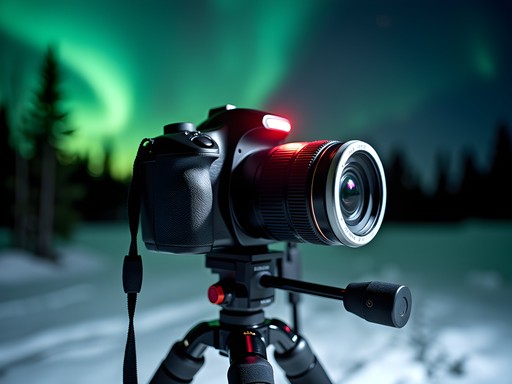
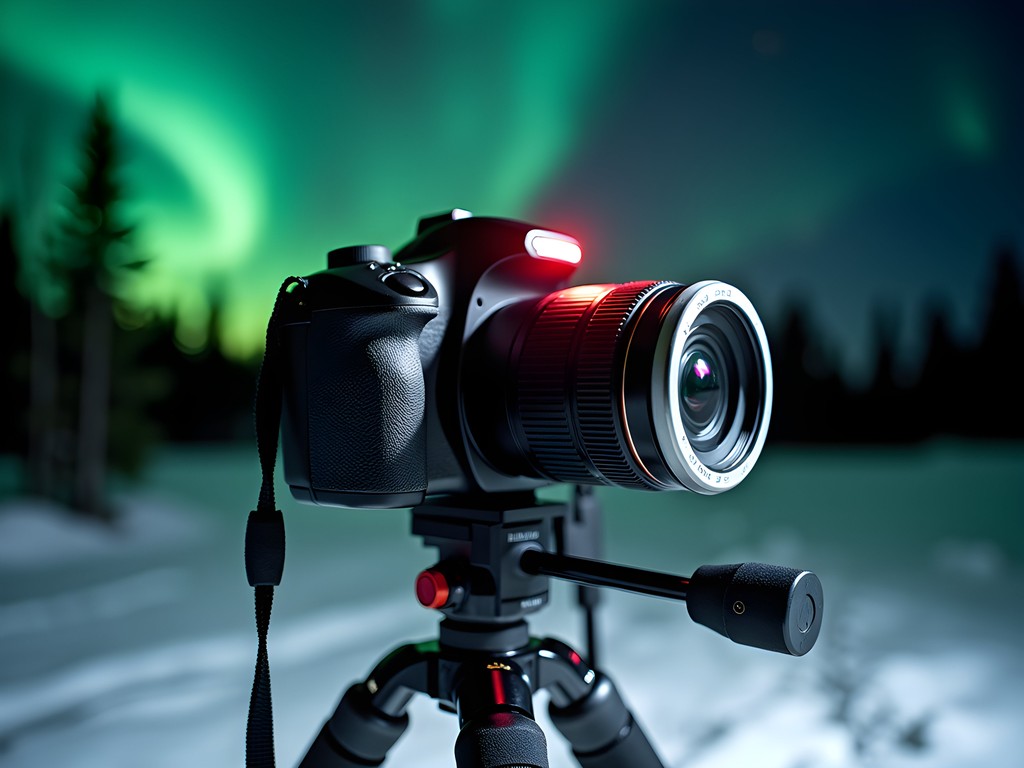
First, you'll need proper equipment. A sturdy carbon fiber tripod is essential—I learned this lesson the hard way when my first aluminum tripod froze and became brittle in -20°F temperatures. Carbon fiber handles extreme cold much better.
For camera settings, I typically start with: - Manual mode - ISO 1600-3200 (depending on aurora brightness) - Aperture as wide as possible (f/2.8 or wider) - Shutter speed between 5-15 seconds - Manual focus set to infinity
To prevent your camera battery from dying in the cold (a common issue), I keep spares in an insulated battery pouch tucked inside my jacket close to body heat. This simple solution has extended my shooting time by hours.
For those using smartphones, newer models can capture decent aurora photos. I've had success using the smartphone tripod mount combined with the NightCap Camera app's northern lights mode.
💡 Pro Tips
- Pre-focus your camera during daylight to avoid focusing issues at night
- Use a remote shutter release to prevent camera shake
- Bring extra batteries stored close to your body to keep them warm

Staying Warm: Essential Cold-Weather Strategies
As someone who designs transportation systems for extreme cold environments, I've applied my engineering mindset to the challenge of staying comfortable while aurora viewing in temperatures that regularly plummet to -20°F or colder.
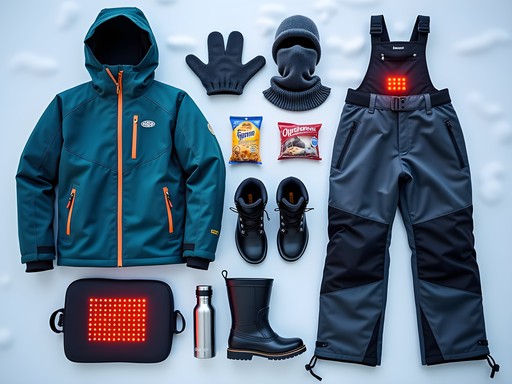
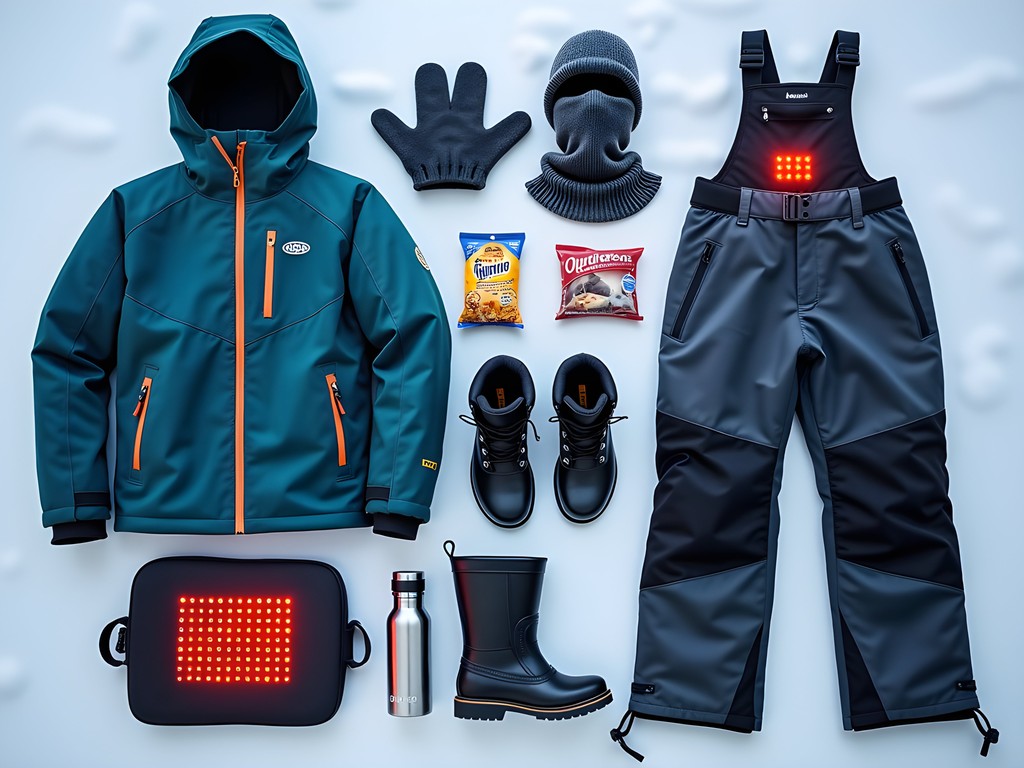
Layering is crucial, but the quality and material of those layers matter tremendously. I start with a moisture-wicking base layer, add a high-quality mid-layer like merino wool, and finish with a serious outer layer. My heated jacket has been a game-changer for extended viewing sessions—its carbon fiber heating elements provide warmth for up to 10 hours on a single charge.
Extremities need special attention. I wear a balaclava that protects my face while allowing moisture from breath to escape without fogging up my glasses or camera viewfinder. For hands, I use a dual-system: thin liner gloves that allow me to operate camera controls, covered by heavy mittens with hand warmers inserted when I'm not shooting.
Many first-time visitors don't realize that standing still for hours in deep cold requires insulation from below as well. I bring a portable heated seat that serves double duty—I can use it as hand warmers while driving and as a heated cushion while watching the aurora.
💡 Pro Tips
- Never wear cotton as your base layer—it holds moisture and accelerates heat loss
- Bring chemical hand and foot warmers even if you don't think you'll need them
- Pack high-calorie snacks—your body burns more calories staying warm in extreme cold
Beyond the Lights: Making the Most of Your Fairbanks Winter Visit
While the aurora is undoubtedly the star attraction, Fairbanks offers fascinating daytime activities that I've found enhance the overall experience. As someone who appreciates both natural and human-made marvels, I recommend the following:
The Museum of the North at the University of Alaska Fairbanks houses an impressive exhibit on the science behind the aurora, including interactive displays explaining the electromagnetic phenomena—a must-visit for fellow science enthusiasts.
Chena River State Recreation Area offers stunning winter landscapes and well-maintained trails. I particularly enjoy the Angel Rocks Trail for its geological formations and views. If you're visiting with a partner, the snowshoes are perfect for exploring these winter wonderlands together.
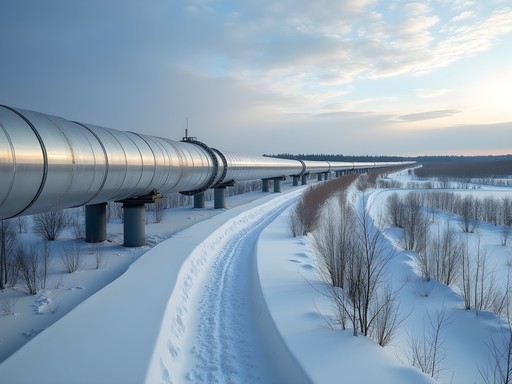
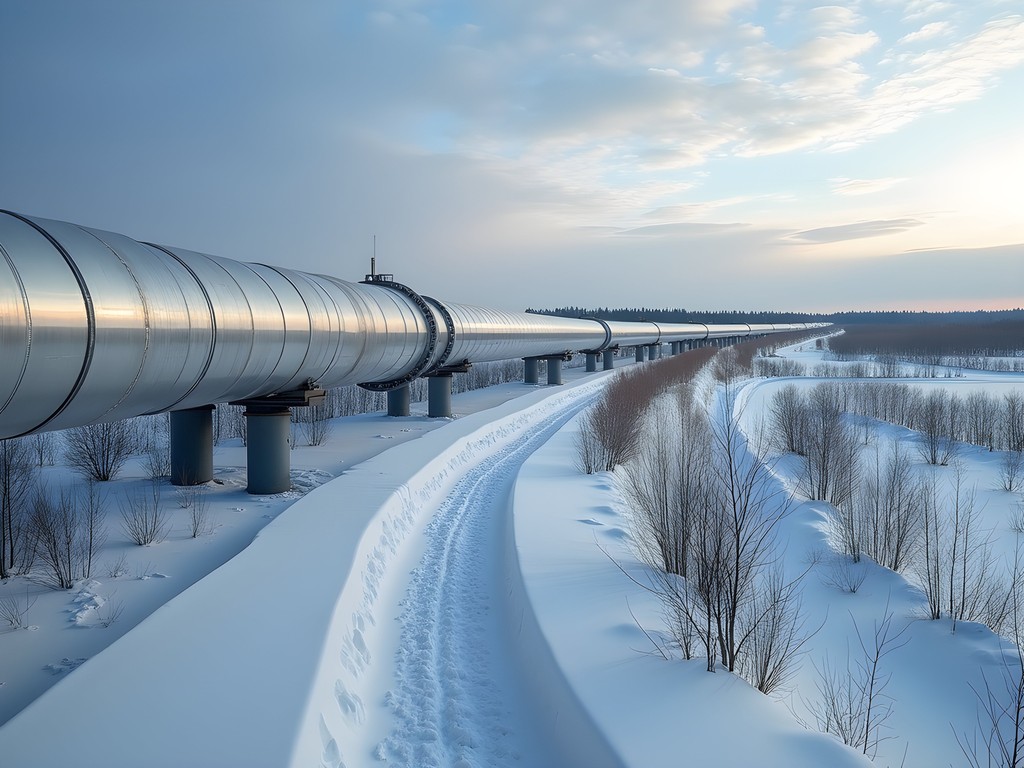
The Trans-Alaska Pipeline Viewpoint might seem like an odd recommendation from a transportation engineer, but this 800-mile engineering marvel is fascinating. The elevated pipeline with its distinctive zigzag pattern demonstrates brilliant engineering solutions to building on permafrost.
For a unique cultural experience, I highly recommend the Morris Thompson Cultural and Visitors Center to learn about Alaska Native cultures and the history of interior Alaska. The center also offers aurora information and can help arrange viewing tours if you prefer guided experiences.
Finally, don't miss Running Reindeer Ranch for a magical walk through the boreal forest with reindeer. The owners are incredibly knowledgeable about these magnificent animals and their adaptation to extreme environments—another example of nature's engineering excellence.
💡 Pro Tips
- Use daytime activities to adjust to the late-night aurora viewing schedule
- The World Ice Art Championships (February-March) showcases incredible ice sculptures
- Visit Fountainhead Antique Auto Museum to see how vehicles were adapted for Alaska's extreme conditions
Final Thoughts
As an engineer who's spent countless weekends analyzing the optimal conditions for aurora viewing, I can confidently say that Fairbanks offers one of the most accessible and reliable northern lights experiences on the planet. The combination of its location under the auroral oval, relatively stable winter weather patterns, and developed infrastructure makes it perfect for couples seeking this bucket-list experience.
While the technical aspects of aurora prediction and photography can seem daunting, the moment those first green wisps appear and begin their dance across the sky transcends all the preparation and cold-weather challenges. There's something profoundly connecting about standing together in the silence of an Alaskan winter night, watching nature's most spectacular light show unfold above you.
I encourage you to approach your aurora adventure with both careful planning and openness to serendipity. Some of my most memorable displays have occurred when I least expected them—a reminder that even the most precisely engineered plans should leave room for wonder. Whether you're drawn by the science, the photography opportunities, or simply the magic of the experience, Fairbanks awaits with its dark skies and dancing lights.
✨ Key Takeaways
- Plan a minimum 3-night stay to maximize your chances of seeing the aurora
- Choose accommodations away from city lights or with dedicated aurora viewing areas
- Prepare properly for extreme cold with appropriate gear and layering strategies
- Use aurora forecast apps and local resources to time your viewing opportunities
- Incorporate daytime activities to create a well-rounded winter experience
📋 Practical Information
Best Time to Visit
September through March, with peak months being February and March
Budget Estimate
$1,500-$2,500 per couple for a 3-night weekend (including accommodations, car rental, winter gear, and activities)
Recommended Duration
3-5 nights minimum
Difficulty Level
Moderate (Due To Extreme Cold Weather Conditions)
Comments
Bryce Diaz
Mia, this brings back memories! I spent a week solo in Fairbanks last winter chasing the aurora. Your point about staying warm is no joke - I learned the hard way after my first night out. Ended up layering with wool base layers and those hand warmers saved me. The Chena Hot Springs location you mentioned was my favorite spot. There's something surreal about watching green ribbons dance across the sky while soaking in natural hot springs. Met a group of photographers there who taught me the long exposure tricks. One of those magical travel moments where everything just clicks. Did you ever make it out to Murphy Dome? I heard it's good but never got there myself.
smartrider
Planning to go in February - is that still a good time or should I wait until March?
Bryce Diaz
February is actually great! I went last winter and caught the lights 4 out of 6 nights. Just bundle up - it was -25F most nights.
smartrider
Whoa that's cold! Thanks for the heads up
Sage Dixon
I spent five nights chasing the aurora around Fairbanks last winter and it was hands-down one of my most memorable adventures. One night we drove out to Murphy Dome and watched the sky literally dance in green and purple ribbons for hours. The silence up there is profound—just you, the cold, and this incredible cosmic light show. Mia's right about patience being key. We had two cloudy nights where we saw nothing, but when it happens, it's worth every frozen toe. Pro tip: bring a thermos of hot chocolate and make friends with the other aurora chasers. Some of the best conversations happen at 2am in a freezing parking lot.
moonbackpacker
this sounds incredible! murphy dome is now on my list
oceangal
is it worth going solo or better with a tour group?
coffeefan
What camera settings did you use for your photos? Mine always come out blurry or too dark when I try shooting at night
Mia Clark
I use manual mode with a wide aperture (f/2.8 or lower), ISO between 1600-3200, and shutter speed 5-15 seconds depending on aurora intensity. A sturdy tripod is essential! Also turn off any image stabilization.
nomadclimber
first time traveler here - how cold does it actually get? kinda nervous about that part lol
Sage Dixon
It gets COLD. I'm talking -20°F to -40°F in winter. But honestly, if you layer properly it's totally doable! I wore thermal base layers, fleece mid-layer, and a good down parka. Hand warmers are your best friend.
nomadclimber
okay that's actually terrifying but also exciting?? thanks for the tips
Taylor Moreau
Excellent guide, Mia. I visited Fairbanks last February for a conference and managed to catch the aurora three nights in a row. Your point about the engineering perspective on viewing locations is spot-on—the light pollution maps really do make a difference. I stayed at Chena Hot Springs Resort and the combination of soaking in the hot springs whilst watching the lights overhead was truly unforgettable. The resort offers aurora wake-up calls which proved invaluable for maximizing viewing opportunities.
sunsetway
What months would you say are best for viewing? Planning a trip and trying to figure out timing
Mia Clark
Late August through April are your best bets! Peak season is typically December through March. I'd avoid summer months when you get midnight sun.
sunsetway
Perfect, thanks! Was thinking March so that works out
moonbackpacker
This is amazing!! Fairbanks is definitely on my bucket list now
summerguide
Can you see the Northern Lights during summer months too? Planning a trip in July 2026 and wondering if I'll miss out completely.
Mia Clark
Unfortunately, summer viewing is nearly impossible in Fairbanks. The midnight sun means it doesn't get dark enough to see the aurora from May through early August. If seeing the Northern Lights is your primary goal, I'd recommend visiting between September and March instead.
summerguide
Oh no! Guess I'll have to plan a winter trip instead. Thanks for the honest answer!
Venture X
Premium card with 2X miles, $300 travel credit, Priority Pass