
Disclosure: This article contains affiliate links. We may earn a commission from purchases at no extra cost to you, which helps our travel content.
When I first landed in Dakar last December, the warm Atlantic breeze carried notes of mbalax music and the scent of thieboudienne that instantly told me I'd found somewhere special. After five years of exploring European cities from my Paris home base, this West African cultural powerhouse delivered exactly what this former basketball coach needed – a city that plays like a well-coordinated team, where tradition and modernity pass the ball seamlessly back and forth. Whether you're drawn by the pulsing rhythms, literary heritage, or simply the joy of discovering a city that dances to its own beat, Dakar rewards the curious traveler with unforgettable experiences.

Day 1: Finding Your Rhythm in Dakar's Heart
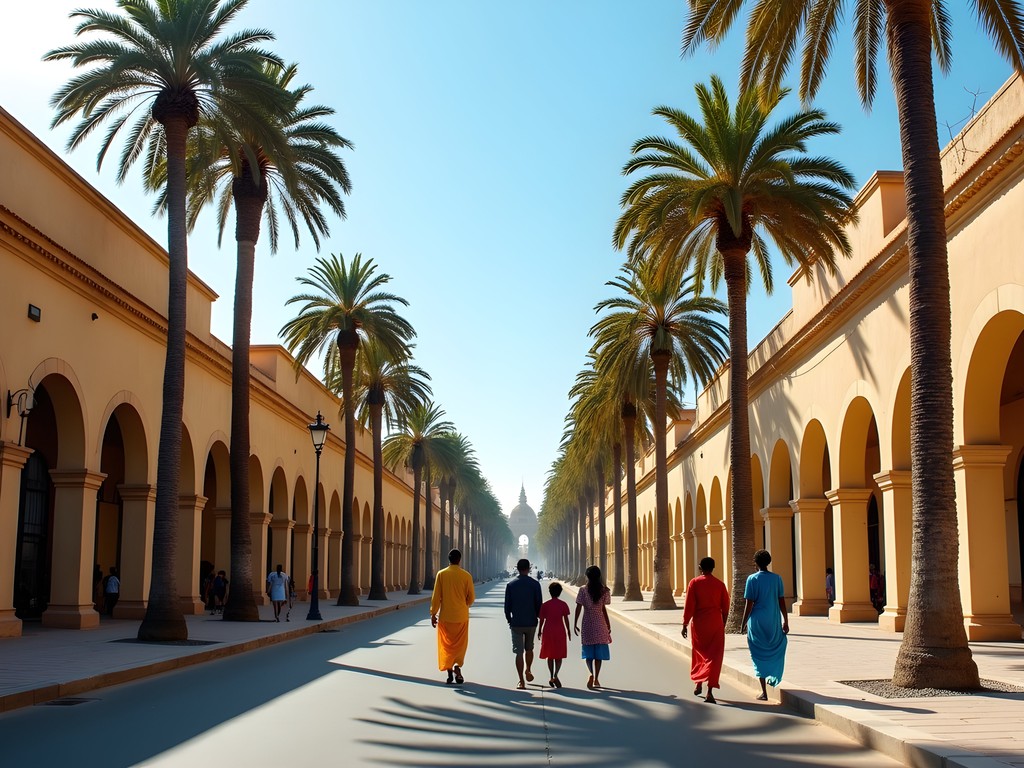
My coaching days taught me that understanding the fundamentals comes first, so I recommend starting where Dakar itself began – the historic Plateau district. The colonial architecture around Place de l'Indépendance creates a fascinating contrast to the modern African art scene that thrives nearby.
Begin with an early morning visit to Marché Sandaga, where the market's energy builds throughout the day. I found myself captivated by the fabric vendors, their stalls exploding with colors that would make Matisse jealous. One vendor, Amadou, convinced me to purchase a length of indigo-dyed cotton that now serves as my favorite tablecloth in Paris.
After the market, head to IFAN Museum of African Arts to understand Senegal's rich cultural heritage. The mask collections alone are worth the visit – each one tells a story of tradition and craftsmanship that spans generations.
For lunch, I can't recommend Le Djoloff highly enough. Their fish yassa transported me straight to culinary heaven, and I enjoyed it while writing postcards with my travel fountain pen – the perfect companion for journaling these sensory experiences.
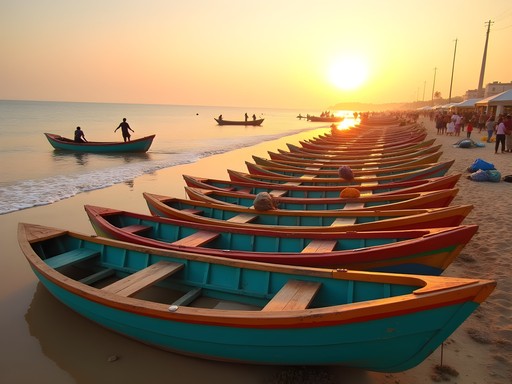
End your first day with a sunset stroll along the Corniche, where locals jog, wrestle, and gather to watch the sun sink into the Atlantic. The sea breeze carries away the day's heat, leaving behind perfect conditions for an evening meal at Chez Loutcha, where the Cape Verdean cuisine provides a delicious reminder of Dakar's position as a cultural crossroads.
💡 Pro Tips
- Visit Marché Sandaga early to avoid the midday heat and crowds
- Bring small bills in local currency (CFA) for market purchases
- Ask permission before taking photos of people – a smile and 'waaw' (yes in Wolof) goes a long way
Day 2: Island Escapes and Literary Legacies
My second day in Dakar followed what I call the 'change-of-pace principle' – something I used to employ during basketball tournaments. After the urban immersion of Day 1, it's time to step back and gain perspective.
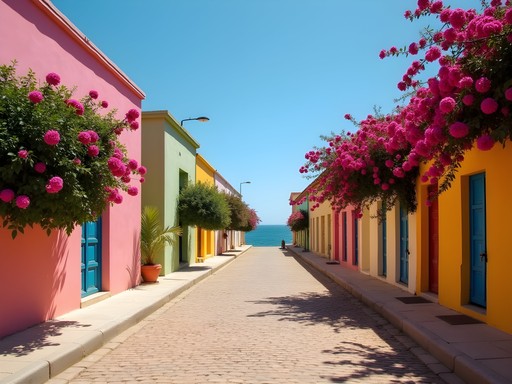
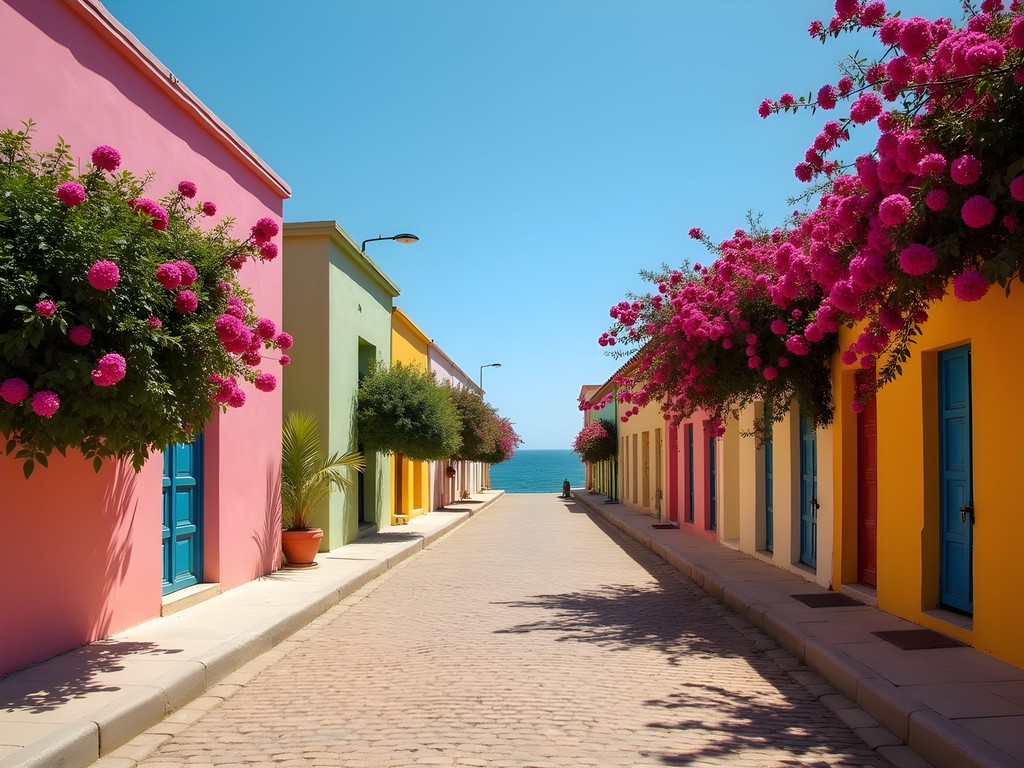
Catch the first ferry to Île de Gorée, departing from the terminal near Place de l'Indépendance. The 20-minute journey across calm waters brings you to an island that holds both breathtaking beauty and sobering history. The pastel-colored buildings create a deceptively charming backdrop for the island's dark past as a slave-trading post.
The Maison des Esclaves (House of Slaves) demands your time and reflection. Standing before the 'Door of No Return,' I felt a profound connection to the countless souls who passed through, never to see their homeland again. My noise-canceling earbuds allowed me to listen to the guided audio tour without distraction – sometimes technological isolation helps us connect more deeply with historical sites.
After this emotional experience, find restoration at one of the island's small restaurants. I chose La Terrasse for its grilled fish and uninterrupted views of the mainland.
Return to Dakar by mid-afternoon and make your way to the Léopold Sédar Senghor memorial. As both Senegal's first president and a celebrated poet, Senghor represents the intellectual heart of the nation. As someone who's always tucked books into every corner of my suitcase, I found it moving to see a country that so deeply honors its literary heritage.
For dinner, treat yourself to Noflaye Beach, where the catch of the day is prepared simply but perfectly. The restaurant's location offers a spectacular sunset view – nature's perfect punctuation to a day of profound experiences.
💡 Pro Tips
- Purchase ferry tickets to Gorée a day in advance during peak season
- Bring water and sun protection – the island offers little shade
- Consider hiring a local guide for deeper insights into Gorée's complex history
Day 3: Rhythms, Markets, and Modern Africa
On my final day, I embraced what my basketball players would call 'leaving it all on the court' – immersing myself in Dakar's contemporary pulse while seeking those last memorable experiences.
Start at IFAN Museum (if you missed it earlier) or the Village des Arts, where Dakar's creative energy materializes in studios and galleries. During my visit, I chatted with a young sculptor who explained how he combines traditional techniques with commentary on urbanization – this conversation alone was worth the trip to Dakar.
For lunch, venture to Marché Kermel, a beautiful colonial-era covered market where food stalls serve quick, delicious meals. I enjoyed a bowl of mafé (peanut stew) that reminded me why West African cuisine deserves far more global recognition.
In the afternoon, make the journey to the African Renaissance Monument. While controversial for its cost and style, this 160-foot bronze statue offers spectacular city views and represents Senegal's forward-looking perspective. I recommend bringing my travel essential: a compact monocular to appreciate distant details across the cityscape and coastline.
As the day cools, head to the beaches of Yoff or N'Gor for a swim and to watch local wrestling training sessions on the sand. These impromptu athletic displays reminded me of my coaching days – raw talent being shaped through discipline and tradition.
For your final evening, experience Dakar's legendary music scene. As a lifelong jazz enthusiast, I found myself drawn to Just 4 U, where local musicians blend traditional sounds with contemporary influences. Sitting there with a Flag beer, listening to a kora player improvise alongside a jazz quartet, I understood why Dakar has been designated a UNESCO City of Music.
Before heading home, I purchased a travel water purifier from a local outdoor shop – an essential item for future African adventures that reduces plastic waste while ensuring safe drinking water.

💡 Pro Tips
- Reserve a table at music venues in advance – the best spots fill quickly
- Respect local customs when photographing religious sites like the Grand Mosque
- Learn a few basic Wolof phrases – 'jerejef' (thank you) opens many doors

Where to Stay: Dakar's Best Mid-Range Accommodations
Finding the right home base in Dakar makes all the difference in your experience. As a solo traveler who values both comfort and character, I've found several standout options.
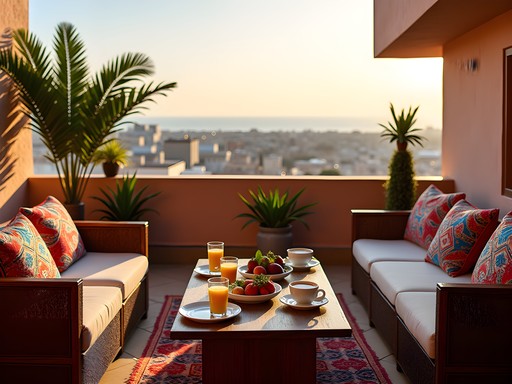
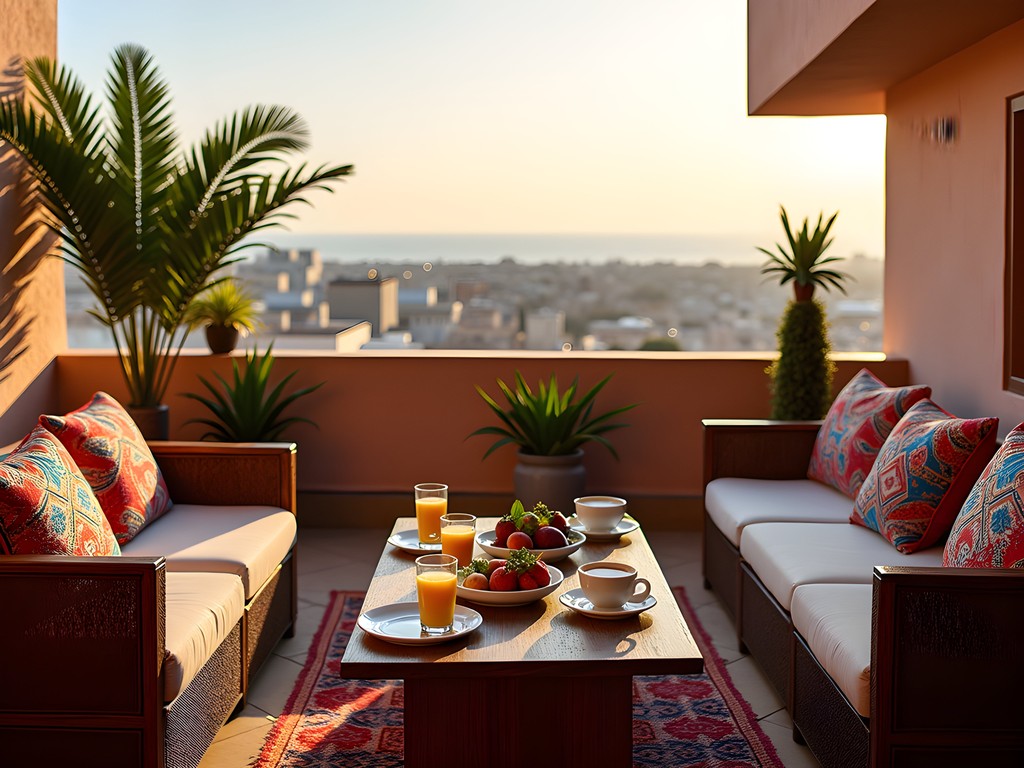
My personal choice was Hôtel Djoloff in the Fann-Hock neighborhood – a boutique hotel with a rooftop terrace where I enjoyed breakfast each morning while planning my day. The colonial building has been beautifully renovated with contemporary African design elements, and the staff treated me like returning family rather than a tourist.
For those seeking proximity to the beach, Jardin Savana Dakar near Yoff Beach offers comfortable rooms and a lush garden where you can escape the city's energy. I spent one afternoon there visiting a fellow traveler, and the peaceful atmosphere provided welcome respite.
If you prefer apartment-style accommodations, Residence Madiba in Mermoz offers excellent value with kitchenettes and more space to spread out. During my stay, I used my portable espresso maker each morning – a ritual that grounds me wherever I travel, creating a sense of home while savoring local Senegalese coffee beans.
No matter where you stay, I recommend bringing a silk sleep sheet. This lightweight addition takes minimal luggage space but provides comfort and peace of mind, especially for those sensitive to unfamiliar bedding.
💡 Pro Tips
- Book accommodations with air conditioning – Dakar's humidity can be challenging
- Choose hotels with 24-hour security for peace of mind as a solo traveler
- Request rooms away from street noise, particularly in the Plateau district
Final Thoughts
As my flight lifted off from Dakar's Blaise Diagne International Airport, I found myself already plotting my return. Like the best coaching experiences of my career, Dakar doesn't reveal all its secrets in a single visit – it requires time, patience, and an open heart to truly understand its rhythms.
This vibrant capital taught me that travel in our 60s can be just as adventurous and transformative as in our youth – perhaps more so, as we bring decades of context to our observations. Dakar's blend of French colonial influence and proud Senegalese identity creates a cultural playbook unlike anywhere else I've visited.
Whether you're drawn by the pulsing music scene, the literary heritage, or simply the joy of discovering a city that marches confidently to its own beat, I encourage you to give Dakar more than just a passing glance. Come with an empty journal and leave with pages full of impressions, conversations, and moments that will call you back to this Atlantic gem. As we say in coaching: it's not about the destination, but how the journey changes you. And Dakar, my friends, will change you for the better.
✨ Key Takeaways
- Dakar rewards travelers who engage with its complex history while embracing its vibrant present
- Winter offers ideal weather conditions with warm days, cool nights and minimal rainfall
- Solo travelers will appreciate Dakar's walkable neighborhoods and welcoming locals
- The city's music scene provides unparalleled opportunities to experience authentic Senegalese culture
📋 Practical Information
Best Time to Visit
November through May (dry season), with December-February offering the most pleasant temperatures
Budget Estimate
$75-150 per day including mid-range accommodation, meals, and activities
Recommended Duration
3-5 days minimum, with optional extensions to nearby coastal areas
Difficulty Level
Moderate - Some French Language Skills Helpful But Not Essential
Comments
Taylor Moreau
Excellent guide, Anna. I visited Dakar in February for a business conference and extended my stay to explore. Your recommendation about Gorée Island is spot-on – I'd suggest booking the ferry early as it fills up quickly, especially on weekends. The House of Slaves is profoundly moving. I also found the African Renaissance Monument worth the visit despite being somewhat controversial. The view from the top at sunset is spectacular. One tip: negotiate taxi fares before getting in, or use the Yango app which works brilliantly there.
wildfan5875
Just booked my tickets after reading this! Can't wait!
hikingzone
How easy is it to get around without speaking French? Planning a trip for next year!
Taylor Moreau
Not the author, but I've been to Dakar twice for conferences. You'll manage fine in tourist areas with English, though learning basic French phrases definitely helps. Taxi drivers often speak some English, and younger people are quite proficient. Download a translation app just in case!
hikingzone
Thanks! That's helpful
photomaster
Going in April! Thanks for the accommodation recommendations, been struggling to find good mid-range options.
Jennifer Thomas
Anna, your post brought back so many memories! I spent a week in Dakar last year on a shoestring budget and it was incredible. For budget travelers reading this, I stayed at Auberge Ker Jahkarlo near Yoff Beach for about $20/night - basic but clean with the friendliest staff. The public bus system saved me tons of money (download the Dakar Dem Dikk app for routes!). For food, skip the tourist spots and find the local 'tanganas' (street food stalls) where you can get thieboudienne for under $3. My favorite memory was joining a free community drum circle at Plage de Ngor on Sunday evening - just bring a small gift or tip for the drummers. I carried my water filter bottle everywhere which saved money and reduced plastic waste. Dakar stole my heart with its resilience and rhythm!
escapeexplorer
Those sunset photos from Les Mamelles Lighthouse are stunning! Added this to my bucket list just for that view. Did you need a guide to visit or can you go independently?
Anna Harris
You can definitely visit independently! There's a small entrance fee (around 500 CFA) and it's open until sunset. The climb up the spiral staircase is worth every step!
Ana Ahmad
Excellent guide that captures the essence of Dakar beautifully. Having visited three times for my blog, I'd add that transportation logistics are worth planning ahead. The city's traffic can be unpredictable, particularly during rush hours (8-10am and 5-7pm). I found hiring a local driver for Day 2 particularly valuable, as the journey between sites can be time-consuming. For solo travelers concerned about costs, the car rapides (local minibuses) are an authentic experience but require basic French and some patience to navigate. I documented my experience using them on my blog last year - they're colorful, chaotic and absolutely part of understanding daily life in Dakar.
travelwalker
Thanks for the transportation tips! Did you use any particular app or service to find a reliable driver?
Ana Ahmad
I usually ask my hotel to recommend someone. Most mid-range hotels have relationships with trusted drivers. Expect to pay around 40,000-50,000 CFA ($65-85) for a full day with a driver. Worth every penny for the local knowledge!
greenmaster
How did you find the safety situation in Dakar? Planning to visit with my partner and wondering about walking around at night or taking taxis.
oceanfan
We felt pretty safe in the main tourist areas! Used Yango app for taxis (like Uber) which was super reliable and affordable. Just use common sense like any big city.
oceanfan
Just got back from Dakar last month and your 3-day itinerary hits all the highlights! Gorée Island was definitely the emotional highlight of my trip. One tip for others: go early in the morning to avoid crowds and the midday heat. The ferry can get packed with tour groups by 11am. Also, the Museum of Black Civilizations deserves more time than I gave it - wish I'd planned at least 2-3 hours there.
travelwalker
This guide is exactly what I needed! Heading to Dakar next month for the first time and feeling so much more prepared now.
Anna Harris
So glad you found it helpful! Feel free to ask if you have any specific questions before your trip!
travelwalker
Thanks Anna! Any restaurant recommendations beyond what's in the post? I'm a big foodie!
Venture X
Premium card with 2X miles, $300 travel credit, Priority Pass