


Disclosure: This article contains affiliate links. We may earn a commission from purchases at no extra cost to you, which helps our travel content.
There's something rather magical about Copenhagen that captures one's imagination from the moment you arrive. Perhaps it's the juxtaposition of centuries-old royal heritage against the backdrop of cutting-edge Scandinavian design, or maybe it's the ineffable sense of hygge – that quintessentially Danish concept of coziness and contentment – that permeates every cobblestone and canal. As someone who typically gravitates toward the frosty extremes of Nordic landscapes, I found myself utterly charmed by Denmark's capital during a brief summer sojourn last year. Having documented the impact of environments on family dynamics across the Arctic Circle for years, I was curious how Copenhagen's urban setting – with its bicycle-friendly streets and human-scaled architecture – might foster different patterns of interaction among couples and families. What I discovered was a city that masterfully balances historical grandeur with intimate moments, making it an ideal destination for couples seeking both cultural immersion and romantic connection. Allow me to guide you through what I consider the perfect 48 hours in this captivating Nordic gem.

Day 1 Morning: Immerse Yourself in Royal Copenhagen
Begin your Copenhagen adventure where the city itself began: in the historic heart that still pulses with regal heritage. I recommend rising early to beat the crowds that inevitably gather around Amalienborg Palace, the winter residence of the Danish royal family. Time your arrival for the Changing of the Guard ceremony at 12:00 noon – a spectacle of precision and tradition that speaks volumes about Denmark's continued appreciation for its monarchy while maintaining a decidedly egalitarian society.
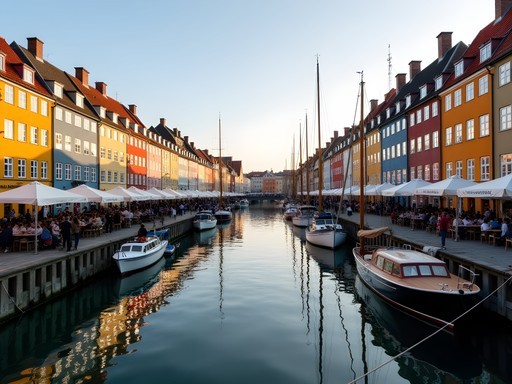
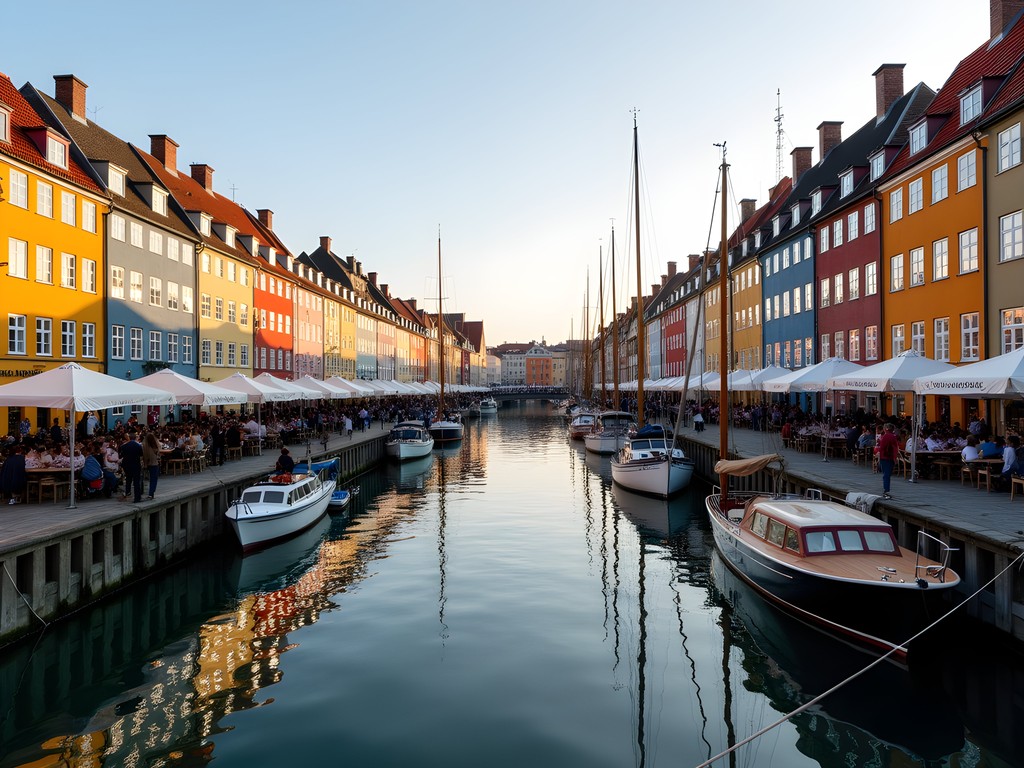
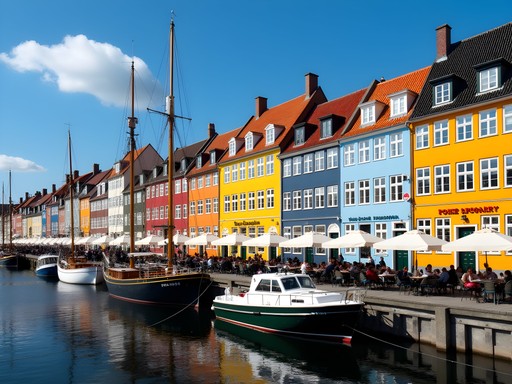
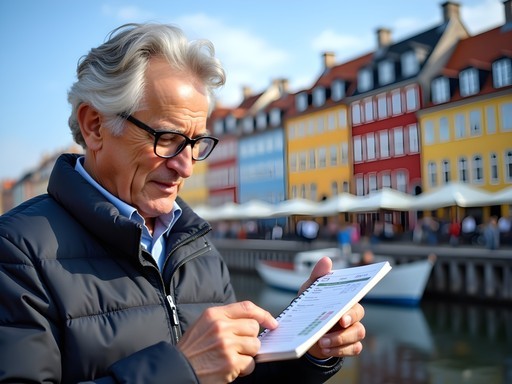
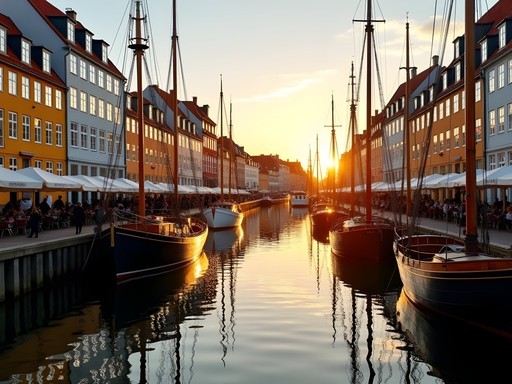
From Amalienborg, it's a pleasant 10-minute stroll to Nyhavn, that postcard-perfect harbor lined with colorful 17th and 18th-century townhouses. Yes, it's unabashedly touristy, but there's a reason why – the vibrant facades reflected in the canal waters create a scene that's irresistibly photogenic. I found myself reaching for my camera repeatedly, attempting to capture the interplay of light on the historic buildings and bobbing boats.
Do take time to note which house Hans Christian Andersen once called home (No. 67) – a poignant reminder that beneath Copenhagen's sophisticated exterior beats the heart of a city that gave the world some of its most beloved fairy tales. For a mid-morning pause, select one of the canal-side cafés for a coffee and traditional Danish pastry. I particularly recommend the cardamom-infused cinnamon rolls that offer a distinctly Nordic twist on this breakfast classic.
Before lunch, venture into the nearby Royal Danish Playhouse (Skuespilhuset) – even if you don't catch a performance, the architecture alone merits a visit, with its glass-fronted façade offering spectacular harbor views. The contrast between Copenhagen's historical core and its commitment to cutting-edge design is perfectly embodied in this cultural landmark.
💡 Pro Tips
- Purchase the Copenhagen Card if you plan to visit multiple attractions – it includes free entry to 80+ museums and free public transportation
- The Changing of the Guard happens daily at noon, but arrive 15-20 minutes early for the best viewing spot
- Many cafés in Nyhavn offer blankets for outdoor seating – embrace this hygge tradition even in summer
Day 1 Afternoon: Design, Culture and Danish Gastronomy
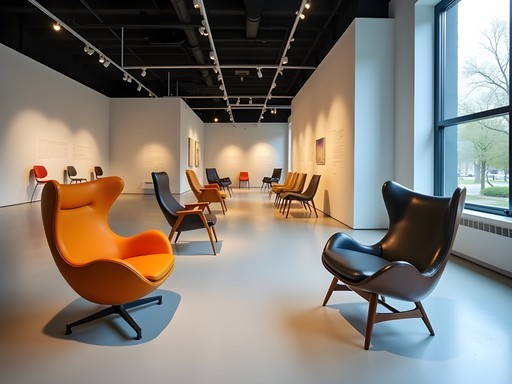
After a morning immersed in Copenhagen's royal heritage, redirect your attention to Denmark's world-renowned design sensibilities. Begin at the Design Museum Danmark in Bredgade, which houses an impressive collection spanning Danish furniture, fashion, graphic design, and crafts. As someone who's developed a keen eye for how environments shape human interaction, I find the Danish approach to design particularly fascinating – the emphasis on functionality never compromises aesthetic beauty, but rather enhances it.
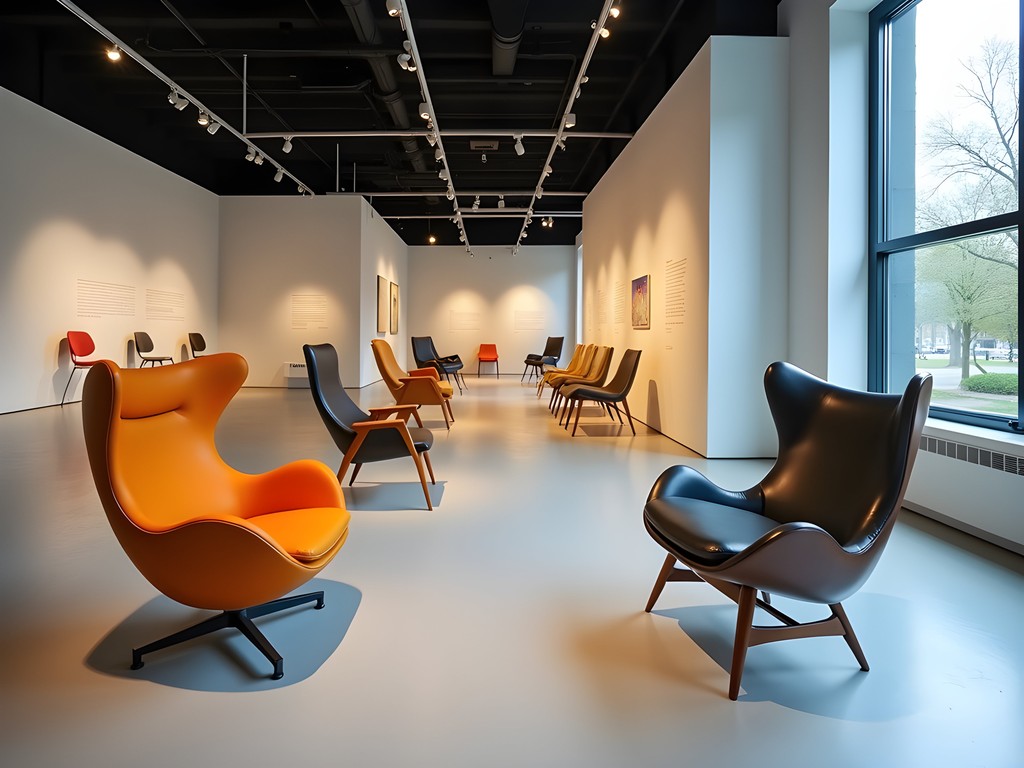
The museum's chair collection is especially noteworthy; I spent a delightful hour examining how Danish designers like Arne Jacobsen and Hans Wegner revolutionized seating with creations that remain remarkably contemporary despite being designed decades ago. The museum café itself is a lesson in Danish design, making it an ideal spot for a light lunch.
As afternoon progresses, make your way to Torvehallerne, Copenhagen's premier food market. This glass-enclosed gastronomic haven houses over 60 stands selling everything from freshly caught seafood to artisanal chocolates. My personal recommendation is to sample smørrebrød – traditional open-faced sandwiches that elevate simple ingredients to an art form. The variations featuring pickled herring might challenge the uninitiated palate, but they offer an authentic taste of Danish culinary tradition.
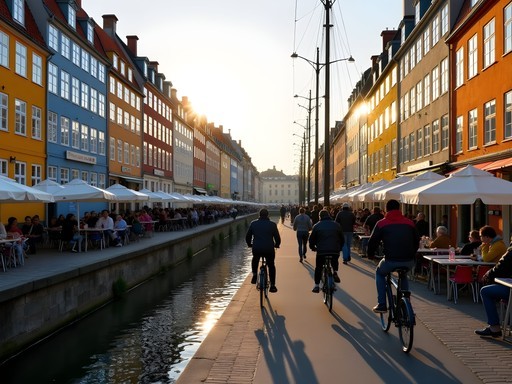
For couples seeking a romantic afternoon activity, consider hiring bicycles – Copenhagen is consistently rated among the world's most cycle-friendly cities, with dedicated lanes making navigation remarkably stress-free even for novices. I always pack my travel backpack for such explorations, as it's perfectly sized for carrying water bottles, a light jacket, and any treasures you might acquire along the way.
End your afternoon with a visit to Tivoli Gardens, one of the world's oldest amusement parks and a cultural institution that has delighted visitors since 1843. Even if thrill rides aren't your preference, the meticulously maintained gardens and atmospheric lighting create a magical setting as day transitions to evening.
💡 Pro Tips
- Design Museum Danmark is closed on Mondays – plan accordingly
- Rent bicycles from Bycyklen, Copenhagen's city bike system, which features tablets with GPS navigation
- Tivoli Gardens admission is separate from ride tickets – purchase a multi-ride pass if you plan to enjoy the attractions
Day 1 Evening: Twilight in Tivoli and Culinary Delights
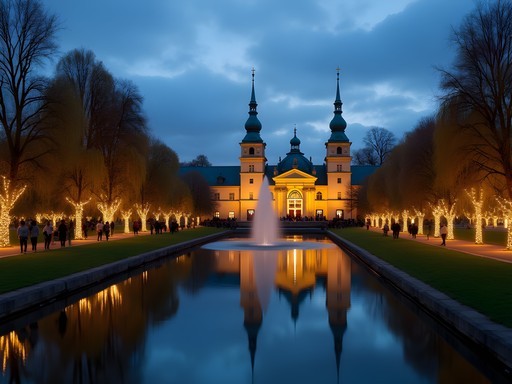
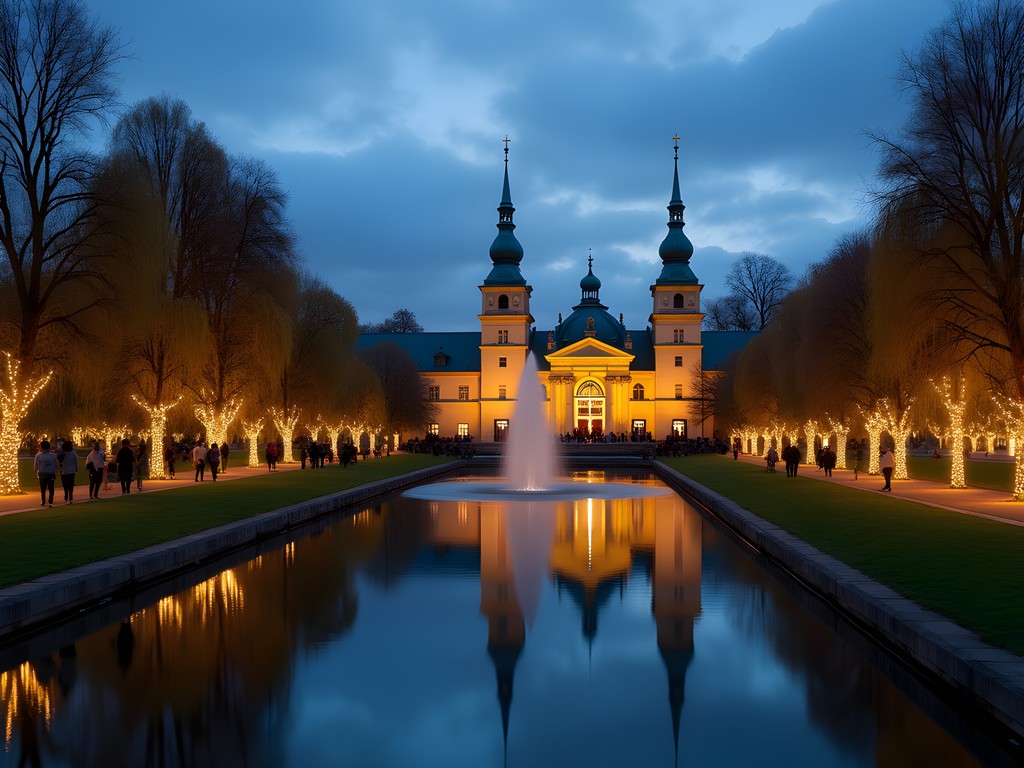
As daylight begins to fade, Tivoli Gardens transforms into a luminous wonderland that captivates visitors of all ages. Having visited numerous family attractions across the Nordic countries, I can confidently say that Tivoli achieves something quite remarkable – it balances nostalgia with innovation in a way that feels neither dated nor artificially trendy. The thousands of twinkling lights reflected in the central lake create an atmosphere that epitomizes hygge, that untranslatable Danish concept of coziness and contentment.
For couples, I recommend timing your visit to coincide with one of the free concerts or performances that regularly take place on Tivoli's open-air stage. Check the schedule upon arrival, as these events add a delightful cultural dimension to the experience without additional cost. The Pantomime Theatre, with its distinctive peacock curtain that mechanically unfolds before each performance, offers a uniquely Danish entertainment tradition dating back to 1874.
When hunger calls, you have two excellent options. For a casual yet quintessentially Danish dining experience, seek out Groften, one of Tivoli's oldest restaurants serving traditional Danish fare in a cozy setting. Alternatively, if you're celebrating a special occasion, consider booking a table at Nimb, the Moorish-inspired palace that houses several exceptional restaurants. The Brasserie offers French-Danish fusion cuisine with views over the gardens – a truly romantic setting as the park's lights twinkle against the night sky.
After dinner, take time for a twilight stroll through the gardens, perhaps stopping for a nightcap at one of the atmospheric bars. I found the Nimb Bar particularly charming, with its sophisticated cocktail menu featuring Nordic ingredients like sea buckthorn and birch sap. Do remember to bring a lightweight jacket as evening temperatures can drop significantly even in summer – being comfortable is essential to fully embracing the hygge experience.
Before departing Tivoli, position yourself near the lake for the daily fountain show (times vary seasonally). The choreographed display of water, light, and music provides a perfect conclusion to your first day in Copenhagen.
💡 Pro Tips
- Tivoli Gardens stays open until 11pm or midnight depending on the season – check current hours before planning your evening
- Book restaurant reservations in advance, especially for Nimb's dining establishments
- Friday nights in summer often feature concerts included with admission – check the schedule when planning your visit

Day 2 Morning: Cultural Immersion and Royal Treasures
Begin your second day with an early visit to Rosenborg Castle, the Renaissance palace built by Christian IV in the early 17th century. Arriving shortly after opening time allows you to appreciate the opulent interiors without the crowds that gather later. The castle houses the Danish Crown Jewels in its basement treasury – a dazzling collection that includes the spectacular crown of Christian IV and Christian III's jewel-encrusted sword.
What fascinates me most about Rosenborg is how it functions as a time capsule of Danish royal life across centuries. Unlike many European royal residences that have been significantly altered over time, Rosenborg was primarily used as a repository for royal collections after the early 18th century, preserving its Renaissance character remarkably intact. The Long Hall, with its coronation thrones and three life-sized silver lions standing guard, offers a powerful visual representation of absolute monarchy that contrasts sharply with Denmark's modern democratic identity.
After exploring the castle, take time to wander through the adjacent King's Garden (Kongens Have), Copenhagen's oldest royal garden. In summer, this verdant space becomes the city's communal living room, with locals gathering for picnics, games, and relaxation. As someone who studies how environments shape family dynamics, I find it fascinating to observe how this centuries-old formal garden has evolved into a democratic space where Copenhageners of all backgrounds come together.
Mid-morning, make your way to the National Museum of Denmark (Nationalmuseet) for a deeper dive into Danish history beyond its royal narrative. The prehistoric collection is particularly impressive, featuring remarkably preserved Bronze Age artifacts including the Trundholm Sun Chariot and several intact lur horns. The ethnographic collection offers interesting parallels to my own research in Arctic communities, highlighting how humans adapt to different environments through material culture.
For photography enthusiasts like myself, the museum's interior architecture provides wonderful opportunities to capture the interplay of historic artifacts and contemporary display techniques. I rely on my travel tripod for these low-light situations, as it's compact enough to carry all day yet sturdy enough for the longer exposures often needed in museum settings.

💡 Pro Tips
- The Copenhagen Card includes admission to both Rosenborg Castle and the National Museum
- Photography is permitted in most areas of both sites, but without flash
- The National Museum offers free English guided tours on Sundays – check the schedule at the information desk
Day 2 Afternoon: Alternative Copenhagen and Harbor Explorations
After immersing yourself in Copenhagen's royal heritage, the afternoon offers an opportunity to experience the city's more progressive, contemporary character. Begin with lunch at Reffen, Copenhagen's street food market located in the former industrial harbor area of Refshaleøen. This vibrant marketplace represents Copenhagen's sustainable approach to urban renewal – shipping containers have been transformed into food stalls offering cuisine from around the world, with an emphasis on organic, locally-sourced ingredients.
Reffen exemplifies what I find most compelling about Copenhagen – the thoughtful balance between preserving heritage and embracing innovation. Many of the vendors are start-ups testing culinary concepts before establishing permanent restaurants, creating a dynamic food scene that evolves constantly. The harbor views from the communal seating areas provide a different perspective on the city, with the distinctive spire of the Church of Our Saviour visible across the water.
From Reffen, take the harbor bus (included with your Copenhagen Card or regular public transport ticket) for a waterside view of Copenhagen's evolution. The contrast between historic buildings like the Old Stock Exchange with its distinctive dragon-tail spire and contemporary architectural masterpieces like the Black Diamond (Royal Library) and Copenhagen Opera House tells the story of a city continuously reinventing itself while honoring its past.
Disembark at Nyhavn and make your way to Freetown Christiania, Copenhagen's famous autonomous community established in 1971 when squatters occupied an abandoned military base. While Christiania's reputation often focuses on its open cannabis trade on Pusher Street (photography strictly prohibited here), the community offers much more – remarkable self-built architecture, vibrant murals, craft shops, and music venues reflect an alternative vision of urban living.
As an observer of how environments shape community dynamics, I find Christiania fascinating – despite its controversial aspects, it represents a half-century experiment in collective governance and sustainable urban development. The community's car-free pathways and repurposed military buildings demonstrate creative approaches to adaptive reuse long before such concepts became architectural buzzwords.
For capturing these unique urban landscapes, I rely on my wide-angle lens, which allows me to document both architectural details and their broader context – essential for understanding how these spaces function as living environments rather than mere tourist attractions.

💡 Pro Tips
- Respect Christiania's no-photography rule on Pusher Street, but photography is welcome in most other areas
- Harbor buses (route 991/992) offer the best views of Copenhagen's waterfront architecture
- Reffen is primarily open during summer months – check current hours before visiting
Day 2 Evening: Panoramic Views and Nordic Cuisine
As your 48 hours in Copenhagen draw to a close, treat yourself to a memorable evening that captures the essence of this remarkable city. Begin by ascending the Round Tower (Rundetaarn), one of Copenhagen's most distinctive landmarks. Unlike conventional towers with stairs or elevators, the Rundetaarn features a unique spiral ramp that winds its way to the top – originally designed to allow horse-drawn carriages to transport books and astronomical equipment to the library and observatory above.
The observatory platform offers panoramic views across Copenhagen's rooftops, particularly magical during the golden hour when the setting sun bathes the city's spires in warm light. Having photographed Arctic landscapes extensively, I've developed a deep appreciation for how different light conditions transform familiar scenes. The low-angled northern summer sunlight creates dramatic shadows and highlights Copenhagen's distinctive copper roofs and church spires in ways that reveal the city's architectural harmony.
For your final dinner, immerse yourself in New Nordic cuisine – the culinary movement that revolutionized Denmark's food scene and established Copenhagen as a global gastronomic destination. While Noma may have put Copenhagen on the world culinary map, numerous restaurants offer exceptional Nordic-inspired dining experiences at more accessible price points.
I particularly recommend Höst, which serves innovative Nordic cuisine in a space that perfectly embodies contemporary Danish design – raw concrete walls softened by wooden elements, vintage furnishings, and subtle lighting that creates an intimate atmosphere. The restaurant offers reasonably priced set menus that showcase seasonal Danish ingredients through creative preparations that balance tradition and innovation.
After dinner, conclude your Copenhagen experience with a nightcap at one of the city's atmospheric cocktail bars. Ruby, hidden behind an unmarked door in a 1740s townhouse, crafts exceptional cocktails incorporating Nordic ingredients like aquavit, birch sap, and local herbs. The intimate rooms with their mismatched vintage furniture exemplify hygge – that distinctive Danish coziness that makes even first-time visitors feel instantly at home.
As you sip your expertly crafted drink, reflect on the layers of Copenhagen you've experienced in just 48 hours – from royal heritage to cutting-edge design, traditional hygge to innovative cuisine. Few European capitals manage to balance historical significance and contemporary relevance with such apparent effortlessness.

💡 Pro Tips
- The Round Tower stays open until 8pm in summer (6pm in winter) – time your visit for sunset views
- Reserve dinner at Höst or similar restaurants several weeks in advance
- Many cocktail bars in Copenhagen don't advertise their presence – research addresses carefully before setting out
Final Thoughts
As our whirlwind 48 hours in Copenhagen concludes, I'm struck by how this compact Nordic capital manages to feel simultaneously historic and forward-looking, grand yet intimate. While my professional research typically draws me to the extreme environments of the Arctic Circle, Copenhagen offers a different but equally fascinating study in how thoughtfully designed urban spaces foster human connection and wellbeing. The city's bicycle-friendly infrastructure, abundant green spaces, and pedestrianized areas create environments where couples and families naturally engage with each other and their surroundings in meaningful ways. Whether you're admiring royal treasures, exploring cutting-edge design, or simply enjoying a canal-side coffee wrapped in a blanket (regardless of the actual temperature), Copenhagen invites you to embrace hygge – that distinctly Danish concept of finding joy in life's simple pleasures. As you plan your own Copenhagen adventure, remember that the true magic of this city lies not just in ticking off its admittedly impressive sights, but in allowing yourself to experience its distinctive rhythm and character. Until next time – or as the Danes would say, vi ses!
✨ Key Takeaways
- Copenhagen is best experienced through a balance of iconic attractions and local experiences
- The Copenhagen Card offers excellent value for a short visit with multiple attraction entries
- Danish design philosophy extends beyond museums to everyday experiences throughout the city
- Embracing bicycle culture provides the most authentic way to navigate the city like a local
📋 Practical Information
Best Time to Visit
May through September, with June-August offering longest daylight hours
Budget Estimate
£150-200 per day per couple (excluding flights)
Recommended Duration
2-4 days
Difficulty Level
Easy
Comments
cityguy
YES! Copenhagen is incredible. I've been three times now and it never gets old. Totally agree about Nyhavn being touristy but still worth it - those colorful buildings are just so photogenic. Pro tip: rent a bike! The city is SO bike-friendly and it's honestly the best way to get around and feel like a local. We biked everywhere including out to the Little Mermaid statue (which is underwhelming but you gotta see it once haha). Also seconding Tivoli in the evening - those lights are unreal.
globehero
Going there next month! Any tips on getting around from the airport?
cityguy
The metro is super easy and takes like 15 minutes to city center. Way cheaper than a taxi!
Douglas Bradley
Great itinerary, Caleb! I visited Copenhagen last fall and your Day 2 morning route is spot-on. One thing I'd add for first-timers is that the Copenhagen Card can be worth it if you're planning to hit multiple museums and use public transport extensively. I ran the numbers beforehand and it saved me about 30% over two days. Also, if anyone's going in winter months, don't skip Tivoli just because it's cold - the Christmas market season (mid-November through December) is absolutely magical with all the lights and glögg stands.
globehero
Good to know about the card! Where did you buy it?
Douglas Bradley
I got mine at the airport right when I landed - there's a visitor center in Terminal 3. You can also buy it online beforehand.
adventureway
Love the photos! Copenhagen is on my list.
cityguide
This looks amazing! Quick question - how expensive did you find Copenhagen overall? I've heard it's pretty pricey and trying to budget for a trip this spring.
cityguy
Not the author but yeah it's definitely expensive! I'd say budget at least $150-200/day per person if you want to eat decently and do activities. Street food at Reffen or Torvehallerne helps keep costs down though.
cityguide
Thanks! That's helpful to know.
luckyexplorer
Quick question - is Tivoli worth it if you're not really into rides? Seems expensive just to walk around.
winterseeker
Honestly? Go at night for the atmosphere and lights. It's magical in the evening even without rides. But yeah, if you're on a tight budget, skip it.
Taylor Moreau
Excellent guide, Caleb. I've done several business trips to Copenhagen and your timing recommendations are quite accurate. I'd suggest booking Noma or any high-end restaurants well in advance - minimum 2-3 months for weekend slots. For budget-conscious travelers, the street food markets at Reffen are fantastic and offer similar quality at a fraction of the price. The Louisiana Museum deserves a mention too if anyone has extra time - spectacular modern art collection with stunning coastal views.
luckyexplorer
Is Copenhagen really as expensive as everyone says? Trying to budget for my trip.
Taylor Moreau
Yes, it's pricey but manageable. Expect £12-15 for a pint, £15-20 for casual lunch. Shop at supermarkets for breakfast supplies and you'll save considerably.
luckygal
Going in April! This is perfect timing 😊
winterseeker
Great itinerary! I've been to Copenhagen twice now and your Day 1 route is spot on. One thing I'd add - grab a bike rental as soon as you arrive. The city is SO bike-friendly and you'll cover way more ground than walking. Also, if Tivoli is crowded (which it usually is), the gardens at Rosenborg Castle are a nice quieter alternative. The crown jewels there are incredible btw.
luckyexplorer
How much does bike rental usually cost for a day?
winterseeker
Around 100-150 DKK per day, so roughly $15-20. Totally worth it though!
Amit Sullivan
Wonderful itinerary, Caleb! Having spent considerable time in Copenhagen over the years, I'd add that winter visitors shouldn't miss experiencing 'hygge' in one of the cozy cafés like The Living Room or Paludan Bogcafé. The Danes have perfected the art of creating warm, intimate spaces that feel like a hug during those cold Nordic months. Also worth noting that boat tours run year-round and offer a completely different perspective of the city. In summer, don't miss the harbor swimming at Islands Brygge - where else can you swim in clean waters right in the heart of a capital city? Copenhagen truly changes with the seasons, each offering its own unique charm.
blueclimber
The harbor swimming is incredible! Did that last summer and couldn't believe how clean the water was. Felt so surreal to be swimming with the city skyline all around.
Venture X
Premium card with 2X miles, $300 travel credit, Priority Pass