Disclosure: This article contains affiliate links. We may earn a commission from purchases at no extra cost to you, which helps our travel content.
Having traversed global supply chains professionally for over 15 years, I've developed a particular appreciation for port cities – those dynamic nexus points where commerce, culture, and history converge with remarkable efficiency. Colombo, Sri Lanka's vibrant capital, exemplifies this convergence in ways that resonate deeply with both my German appreciation for precision and my adopted American enthusiasm for innovation. What began as a business trip quickly evolved into a fascinating cultural expedition through a city where colonial architecture stands shoulder to shoulder with gleaming skyscrapers, and where ancient trade routes have transformed into modern commercial arteries.

Day 1: Colonial Architecture and Urban Planning
My exploration of Colombo began where any design enthusiast naturally gravitates – the Fort district, where Dutch and British colonial influences create a fascinating architectural timeline. The Old Colombo Dutch Hospital, repurposed as a premium shopping and dining precinct, demonstrates adaptive reuse at its finest – something that would make any German urban planner nod in approval.
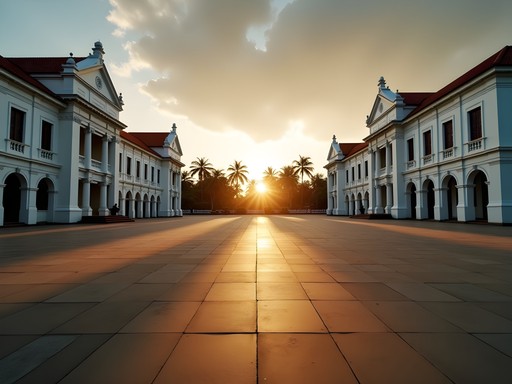
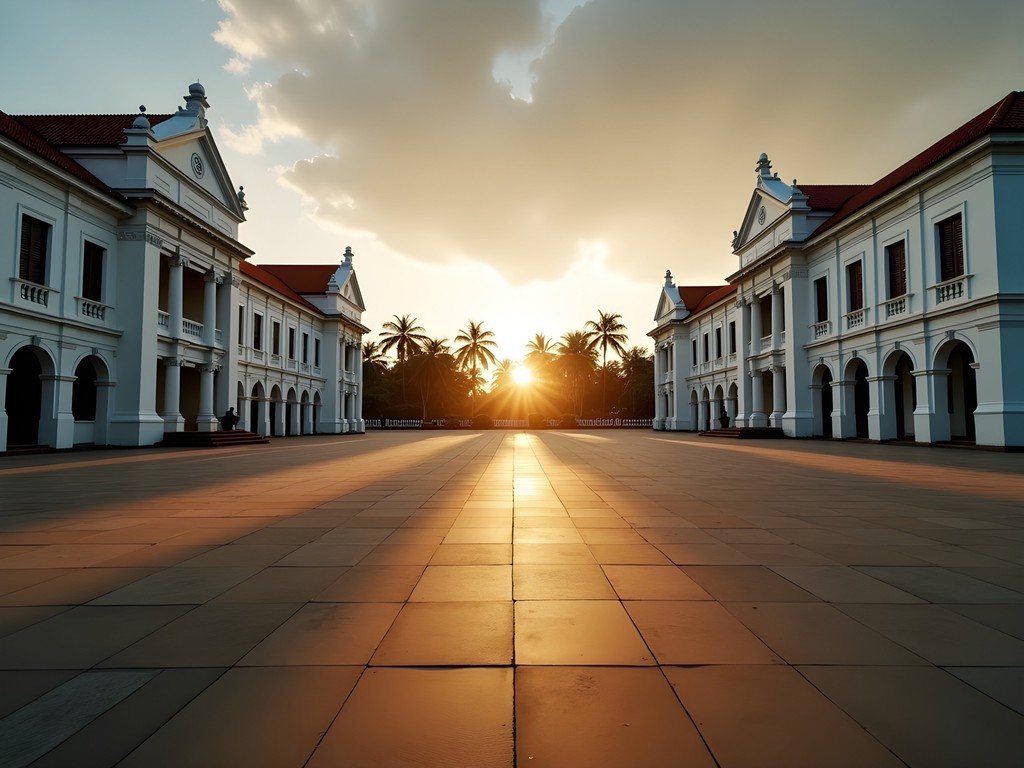
The real revelation came at Independence Square, where I spent nearly two hours analyzing the fusion of traditional Sri Lankan motifs with colonial-era planning principles. The symmetry and proportions speak to a deliberate architectural language that bridges cultural traditions. I recommend bringing a good architectural sketchbook to capture the details that photographs often miss.
As the afternoon heat intensified, I retreated to Viharamahadevi Park, Colombo's largest green space. The park's layout – with its central axis aligning perfectly with the Town Hall building – reveals the kind of thoughtful urban planning that creates harmony between built and natural environments. For architecture photographers, the golden hour here creates spectacular lighting conditions across the colonial facades.
💡 Pro Tips
- Visit Independence Square early morning (before 8 AM) to avoid both crowds and heat
- The Dutch Hospital complex restaurants offer excellent business lunch options with WiFi
- For architecture enthusiasts, the Colombo Public Library near Viharamahadevi Park houses rare colonial-era city plans
Day 2: Commercial Pulse and Supply Chain Insights
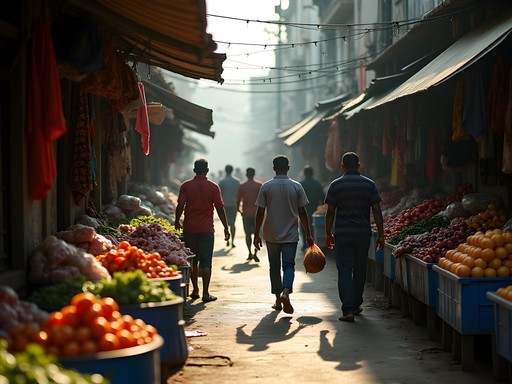
As a supply chain professional, I couldn't visit Colombo without examining its commercial infrastructure. The Pettah Market district operates as a fascinating case study in informal logistics networks – hundreds of small vendors creating a complex, interdependent system that somehow functions with remarkable efficiency despite appearing chaotic to the untrained eye.
I spent the morning observing how goods moved through the narrow streets, noting the similarities to just-in-time inventory systems I've implemented in more formalized settings. For business travelers interested in understanding local commercial dynamics, this district provides invaluable insights.
The afternoon took me to the Port of Colombo, one of South Asia's busiest container terminals and a critical node in global shipping networks. "Die Effizienz ist beeindruckend" (The efficiency is impressive), I found myself muttering as I watched the choreographed movement of containers. For the best views, I recommend the compact monocular that I always carry – it provides excellent magnification without the bulk of traditional binoculars.
The day concluded with a business dinner at Ministry of Crab in the Dutch Hospital complex – a perfect example of how Colombo has transformed historical structures into modern commercial spaces while preserving architectural integrity.

💡 Pro Tips
- Visit Pettah Market before 10 AM to observe the morning supply deliveries in action
- For business networking, the cafés around Dutch Hospital complex are popular with local executives
- Carry small denominations of local currency for market purchases – vendors appreciate exact change
Day 3: Modern Colombo and Architectural Innovations
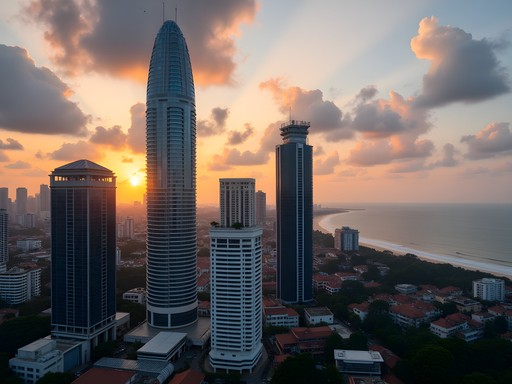
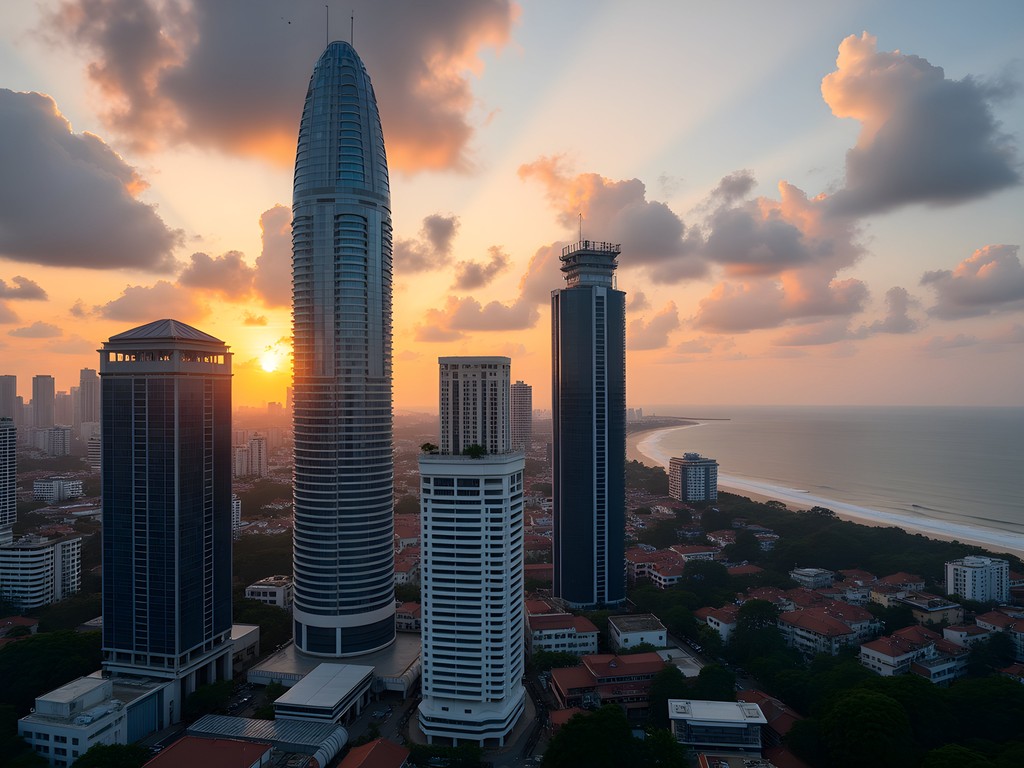
My final day focused on Colombo's emerging architectural landscape – where traditional influences meet contemporary design thinking. The Lotus Tower (Nelum Kuluna) stands as Sri Lanka's tallest structure and exemplifies the country's forward-looking vision. As someone who grew up witnessing Frankfurt's evolution into a vertical city, I appreciate how Colombo is balancing height with cultural context.
For business travelers, the Colombo Innovation Tower offers a fascinating glimpse into Sri Lanka's growing design and technology sectors. I spent several hours touring this creative hub, connecting with local entrepreneurs and discussing how traditional craft techniques inform modern product development – a perfect synthesis of heritage and innovation.
The afternoon led me to Colombo's rapidly developing Port City – an ambitious land reclamation project that will essentially create a new financial district on par with Singapore or Dubai. For anyone interested in urban development and future planning, this site provides valuable insights into Sri Lanka's economic aspirations.
As evening approached, I headed to Galle Face Green, the oceanfront urban park where locals gather to enjoy sea breezes and street food. Here, I used my travel anemometer to measure the coastal winds – a habit from my paragliding days that has become something of a personal tradition when visiting coastal cities. The consistent 8-12 knot sea breeze would make for excellent coastal soaring conditions, though paragliding isn't permitted in this urban setting.
💡 Pro Tips
- For the best views of Colombo's evolving skyline, visit the Sky Lounge at The Kingsbury hotel during sunset
- Business travelers should carry multiple business cards – exchanging them is still an important custom in Sri Lankan business culture
- The Colombo Innovation Tower often hosts public exhibitions and talks – check their schedule when visiting

Business Traveler's Guide to Colombo Accommodation and Transport
For business travelers, Colombo's accommodation options strike an excellent balance between functionality and cultural immersion. I opted for the Cinnamon Grand Colombo, strategically positioned between the business district and key cultural attractions. The property exemplifies the efficiency I value – reliable WiFi, excellent business center facilities, and staff who understand the needs of business travelers without unnecessary formalities.
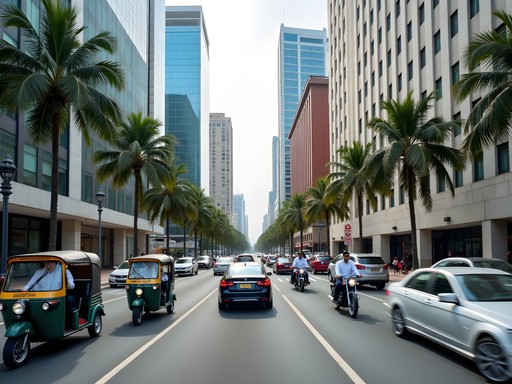
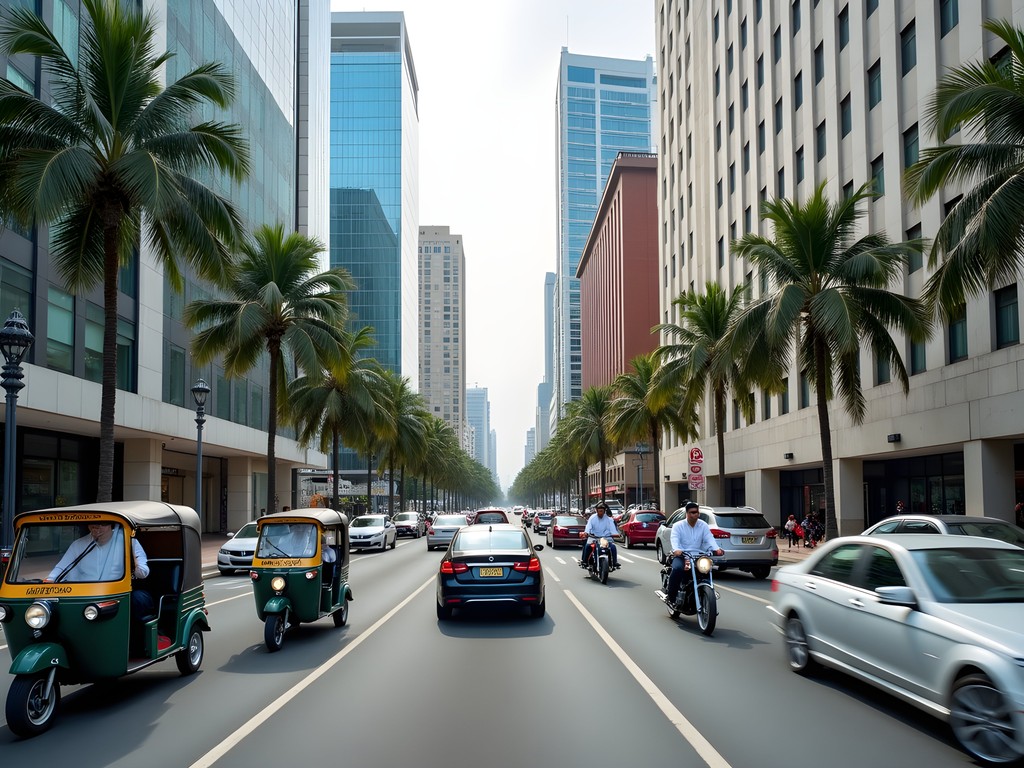
Navigating Colombo deserves special mention, as the city's transport system reflects its transitional nature. While tuk-tuks offer the flexibility to navigate congested streets (and provide fascinating insights into local traffic flow optimization), I found the PickMe app invaluable for business appointments. This local ride-hailing service functions with German-level precision – providing clear pricing, driver information, and reliable timing estimates.
For longer stays, I recommend investing in a portable air purifier as Colombo's air quality can vary significantly depending on traffic conditions and sea breeze patterns. This small addition made my hotel room a more comfortable workspace during the occasional afternoon when street-level pollution increased.
"Effizienz und Komfort müssen nicht im Widerspruch stehen" – efficiency and comfort need not be contradictory. This German principle guided my accommodation and transport choices in Colombo, creating a seamless experience that supported both business objectives and cultural exploration.
💡 Pro Tips
- Use the PickMe app rather than hailing street tuk-tuks for business meetings – the reliability justifies the slightly higher cost
- Request a room on higher floors in city center hotels to minimize street noise during conference calls
- Most business-class hotels offer excellent laundry services with same-day turnaround – essential for extending a business trip into weekend exploration
Final Thoughts
Colombo represents what I find most fascinating about global cities – the visible layers of history, commerce, and culture that create unique urban ecosystems. As a supply chain professional, I see parallels between city development and the complex systems I work with daily – interconnected nodes that must function both independently and collectively to create value.
What surprised me most about Colombo was not its efficiency or its beauty (though it possesses both), but rather how it harmonizes seemingly contradictory elements into a coherent whole. Colonial architecture adapts to contemporary purposes; traditional markets operate alongside modern finance; ancient cultural practices find expression in new urban contexts.
For the business traveler with an appreciation for design, architecture, and cultural nuance, Colombo offers rich rewards beyond the boardroom. I encourage you to extend your business trip through a weekend, allowing time to experience the city's multifaceted character. As we say in supply chain management, sometimes the most valuable insights come from understanding the complete system rather than isolated components. Auf Wiedersehen bis zum nächsten Abenteuer – farewell until the next adventure.
✨ Key Takeaways
- Colombo offers business travelers exceptional value with high-quality accommodations at mid-range prices compared to other Asian business hubs
- The city's rapid development makes it an ideal case study in urban transformation and emerging market dynamics
- Three days provides sufficient time to combine business objectives with cultural exploration of this fascinating port city
📋 Practical Information
Best Time to Visit
January-March and July-September (avoiding monsoon seasons)
Budget Estimate
$100-150 USD per day for mid-range business travel
Recommended Duration
3-4 days (ideal for extended business weekend)
Difficulty Level
Beginner
Comments
Nicole Russell
Kyle, this is such a comprehensive guide! I love how you've structured it around the different eras and aspects of the city. As a solo traveler, I found Colombo to be one of the safest and most welcoming cities in Asia. The mix of modern and colonial is just stunning. One tip for solo travelers - the local trains are an experience in themselves, though they get VERY crowded during rush hour. I took the coastal train down to Galle and it was one of the highlights of my Sri Lanka trip. Colombo is the perfect base for exploring the whole country!
moonwalker
Going there in August, super excited now!
moonguide
Great guide! I'd recommend extending to 4-5 days if possible. Colombo has so much more than people expect. The National Museum is worth at least 2 hours, and the Geoffrey Bawa architecture tour (his house and other buildings) deserves its own half-day. Also, day trips to Negombo or even down to Galle are doable if you have extra time.
wanderlustadventurer2239
I spent 5 days in Colombo last year and your itinerary hits all the highlights. One thing I'd add is the Gangaramaya Temple - it's a bit touristy but architecturally fascinating with the mix of styles. Also, the sunset at Galle Face Green is a must-do that doesn't cost anything. The street food there is amazing too. For accommodation, I stayed in the Fort area and it was perfect for walking to most Day 1 spots. Public buses are cheap but can be confusing - I ended up using the rideshare app which worked great and was still affordable.
Nicole Russell
Yes! Galle Face Green at sunset is incredible! I went there every evening during my stay. The food stalls are so good and the atmosphere is just perfect.
dreamperson
This is really helpful, thanks for sharing!
Megan Martin
Kyle, I really appreciate your supply chain perspective on Colombo - it's such a unique angle that most travel blogs miss. The port city context adds so much depth to understanding the city's development. I've been to Colombo twice for business conferences and your Day 2 itinerary captures the commercial pulse perfectly. The Pettah Market section is spot-on. Would love to hear more about your thoughts on how the port expansion is changing the urban landscape.
moonwalker
Didn't even think about the supply chain angle, makes me want to revisit!
hikingace
Did Colombo as a stopover before heading to Ella and honestly your itinerary would've saved me so much time! I wandered around Fort district kinda aimlessly. The business traveler accommodation section is super helpful - stayed near Galle Face and it was perfect location wise. Public buses were an adventure lol, definitely chaotic but got me everywhere I needed. Also the food scene is incredible, way better than I expected for a capital city.
rednomad
How easy is it to get around without knowing any Sinhala? Planning a trip for March.
moonguide
Super easy! Most people in Colombo speak English, especially in tourist areas and businesses. Tuk-tuk drivers might have limited English but they understand destinations. I'd recommend downloading an offline map just in case.
rednomad
Thanks! That's reassuring
beachphotographer
Love the colonial architecture shots!
Douglas Bradley
Really appreciate the supply chain perspective here, Kyle. I visited Colombo last year and completely missed the commercial port area - was too focused on the typical tourist circuit. Your Day 2 itinerary is brilliant for anyone who wants to understand how the city actually functions beyond the colonial facades. The Pettah Market section especially resonates. One thing I'd add: the train ride along the coast from Fort to Mount Lavinia at sunset is absolutely worth it, and gives you that same sense of urban layers you're talking about. Takes about 30 minutes and costs almost nothing.
oceanfan
ooh that train ride sounds amazing
Venture X
Premium card with 2X miles, $300 travel credit, Priority Pass