
Disclosure: This article contains affiliate links. We may earn a commission from purchases at no extra cost to you, which helps our travel content.
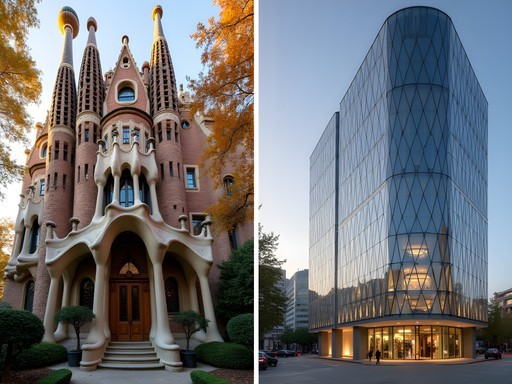
Standing beneath the undulating stone canopy of Casa Milà as golden autumn light filtered through its organic curves, I felt that familiar flutter of excitement—the same sensation I experienced years later while gazing up at Tokyo's Nakagin Capsule Tower, its modular boxes seemingly suspended in mid-air. These two cities, separated by continents and architectural philosophies, represent opposite ends of the design spectrum yet share a profound commitment to pushing boundaries. Barcelona celebrates Gaudí's nature-inspired modernisme while Tokyo embraces sleek futurism and technological innovation. Having explored both destinations extensively through my work as a travel agent specializing in cultural experiences, I've crafted this architectural lover's guide for couples seeking a sophisticated autumn escape that bridges these two distinctive design worlds. Join me on this two-week journey through these urban landscapes where every building tells a story and every skyline challenges convention.

Barcelona's Organic Masterpieces: The Gaudí Experience
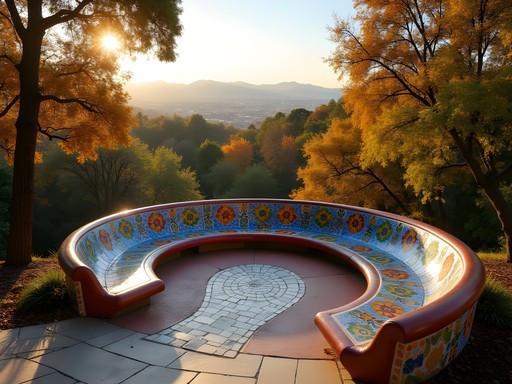
Barcelona in autumn reveals Antoni Gaudí's works in their most flattering light—warm sunshine illuminating the mosaics of Park Güell without summer's harsh glare or crushing crowds. During my third visit to the city last October, I discovered that scheduling early morning visits (particularly to Sagrada Família) provides not just the best lighting for photographs but also moments of relative tranquility to appreciate Gaudí's genius.
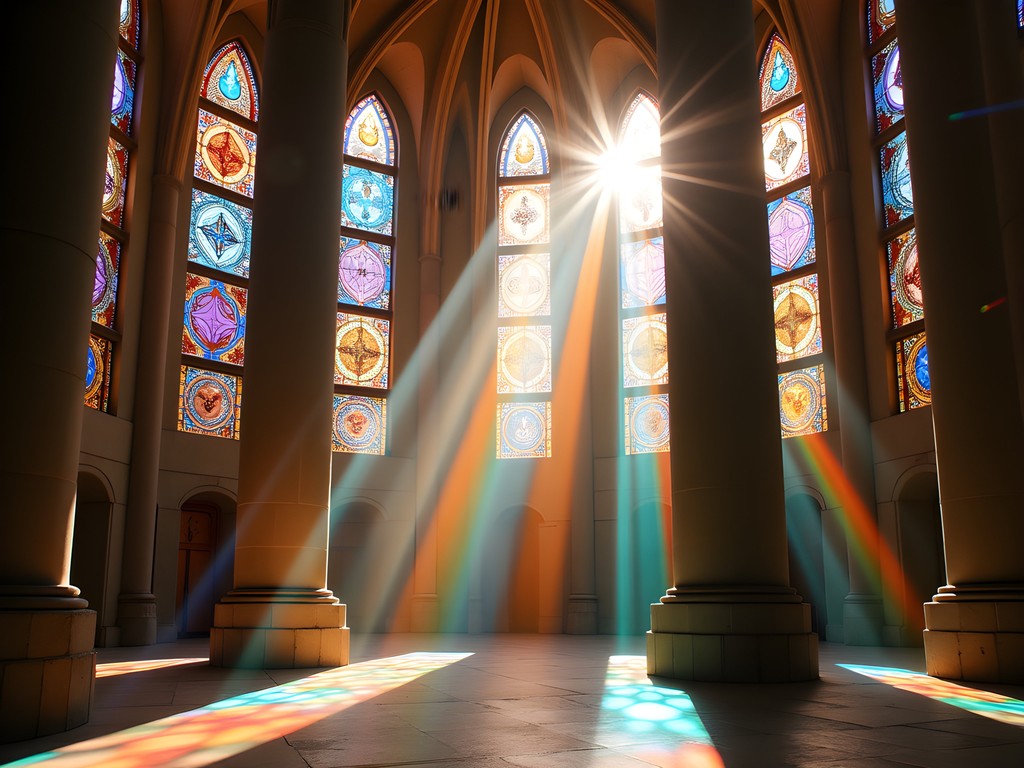
The Sagrada Família remains Barcelona's crown jewel, and rightfully so. The autumn light streaming through its stained glass creates an ethereal rainbow effect that simply doesn't translate in photographs. I recommend booking the tower access for panoramic city views and investing in the audio guide for context on the symbolism embedded throughout the structure.
Beyond the iconic basilica, Casa Batlló and Casa Milà offer intimate glimpses into Gaudí's residential vision. Casa Batlló's marine-inspired interiors with their flowing forms feel particularly magical in the softer fall light. For the best experience at these popular sites, I've found the Barcelona skip-the-line pass to be indispensable—it saved my clients over two hours of queuing during peak times.
Don't overlook Gaudí's lesser-known works. Palau Güell in the El Raval neighborhood provides a more intimate experience, while the gates and lamp posts he designed for Plaça Reial offer a quick architectural hit between tapas stops. My personal favorite remains the rooftop of Casa Milà (La Pedrera), where chimney sculptures create an otherworldly landscape that's particularly haunting during their evening light shows.
💡 Pro Tips
- Book Sagrada Família tickets at least two weeks in advance for your preferred time slot
- Visit Park Güell either first thing in the morning (8am) or late afternoon for the best lighting and fewer crowds
- Consider the night tour of Casa Batlló for a completely different perspective on Gaudí's work
Tokyo's Futuristic Vision: Where Tradition Meets Innovation
Arriving in Tokyo after Barcelona feels like time-traveling centuries forward. The architectural contrast couldn't be more striking—where Barcelona embraces organic curves and nature-inspired forms, Tokyo presents a vision of geometric precision and technological ambition.
My first recommendation for architectural enthusiasts is the Nakagin Capsule Tower in Ginza (though sadly slated for demolition, parts may still be viewable depending on when you visit). This 1972 metabolist masterpiece by Kisho Kurokawa represents Japanese architectural innovation with its modular living pods—a vision of urban flexibility that was ahead of its time.
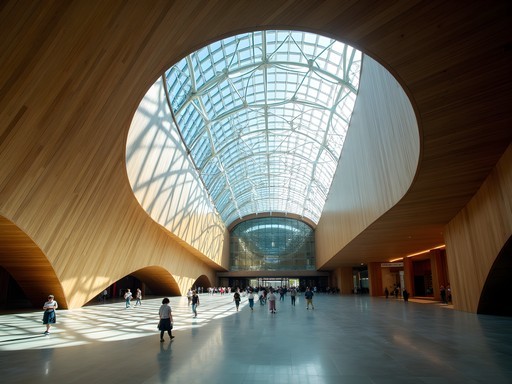
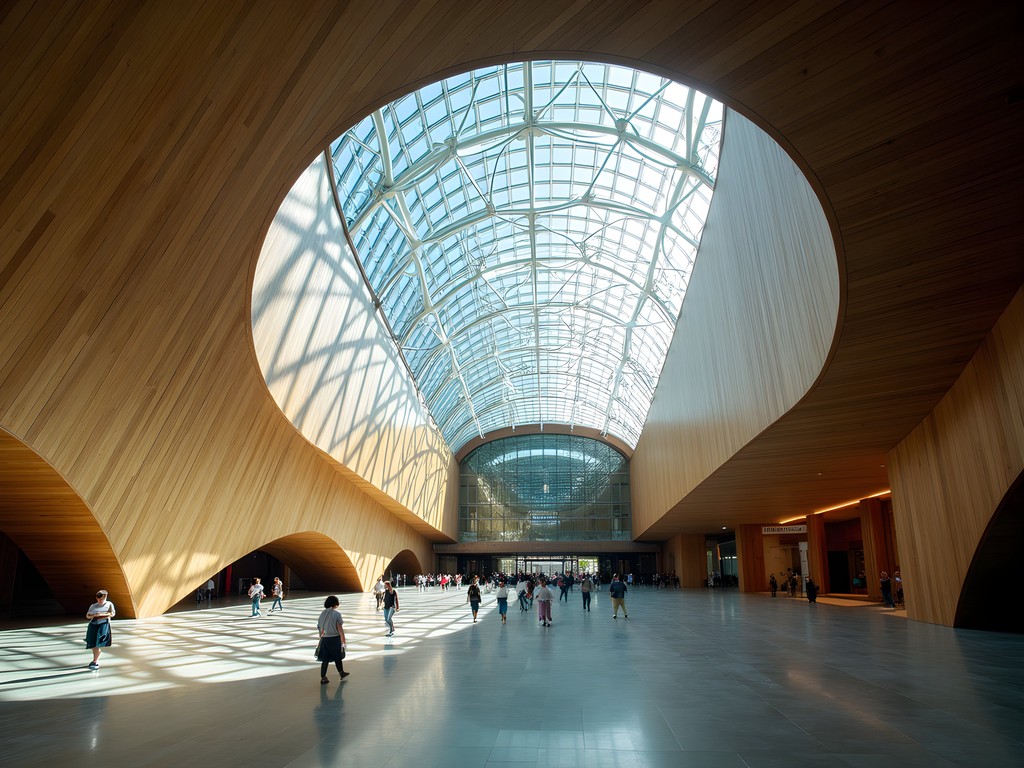
The Tokyo International Forum in Marunouchi showcases contemporary Japanese architecture at its finest. Its soaring glass hall with ship-like wooden elements creates a cathedral-like space that's particularly breathtaking in autumn light. I often recommend clients spend time here between shopping excursions in nearby Ginza.
For a contrast between old and new, visit Kengo Kuma's SunnyHills cake shop in Minami-Aoyama, where traditional Japanese wooden joinery techniques create a contemporary latticed exterior. Nearby, Tadao Ando's 21_21 Design Sight in Tokyo Midtown offers another masterclass in minimalist concrete architecture.
When photographing Tokyo's architectural wonders, I've found my wide-angle lens indispensable for capturing the scale of these structures, especially in tight urban spaces. The lens handles Tokyo's dramatic lighting contrasts beautifully, capturing both the gleaming exteriors and the subtle interior details.
💡 Pro Tips
- Visit the Tokyo Metropolitan Government Building observation decks for free panoramic views of the city's architectural landscape
- Explore Daikanyama T-Site (Tsutaya Books) for one of Tokyo's most photogenic contemporary buildings
- Consider a guided architectural walking tour of Omotesando to understand the progression of Japanese design philosophy
Architectural Contrasts: Design Philosophies Across Cultures
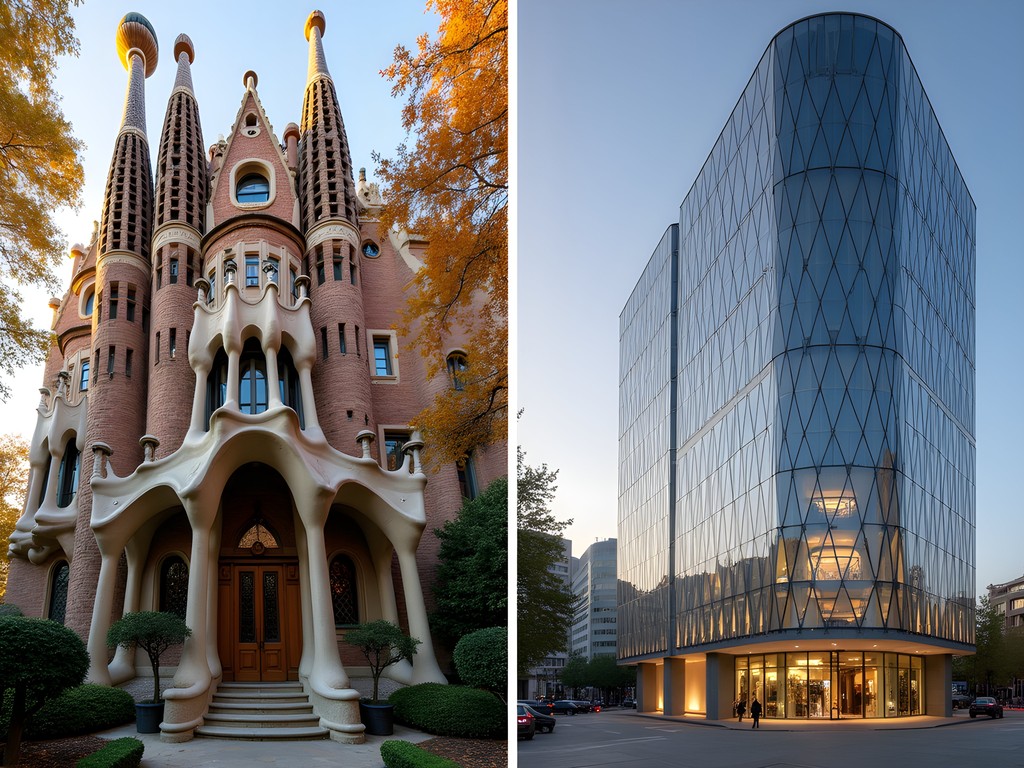
What fascinates me most about comparing Barcelona and Tokyo's architectural identities is how they reflect fundamentally different cultural approaches to space, nature, and the urban experience.
Gaudí's Barcelona embraces organic chaos—buildings that seem to grow from the earth with undulating facades, melting balconies, and nature-inspired elements. His work rejects the industrial revolution's rigid forms in favor of structures that mimic natural processes. Walking through these spaces feels like entering a dream state where conventional rules of geometry no longer apply.
Tokyo, conversely, often emphasizes precision, functionality, and technological innovation. Even in its most creative expressions, Japanese architecture frequently adheres to principles of mathematical harmony and spatial efficiency. Yet both approaches share a reverence for craftsmanship and material integrity.
The contrast extends to each city's relationship with history. Barcelona preserves and celebrates its architectural heritage, with Gaudí's works forming the centerpiece of its identity. Tokyo, having faced numerous rebuildings after earthquakes and war, embraces architectural impermanence—buildings are regularly demolished and replaced with newer visions, creating a constantly evolving skyline.
For couples interested in exploring these contrasts more deeply, I recommend carrying a quality architecture guidebook that covers both traditional and contemporary perspectives. The contextual information enhances appreciation of both cities' design philosophies beyond mere visual appreciation.
One of my favorite experiences is taking clients to viewpoints that showcase each city's architectural ethos in panorama—Barcelona's Bunkers del Carmel for Gaudí's works punctuating the urban grid, and Tokyo's Mori Tower Sky Deck for its seemingly endless geometric skyline stretching to Mount Fuji.
💡 Pro Tips
- Visit both cities' architecture museums for deeper context: Barcelona's Museu del Disseny and Tokyo's Architectural Institute of Japan
- Schedule contrasting experiences on consecutive days to better appreciate the different design philosophies
- Consider a private architecture tour in each city for expert insights beyond guidebook information

Luxury Accommodations: Where to Stay for Design Enthusiasts
For architectural enthusiasts, where you stay is as important as what you see. In both cities, I've curated accommodations that extend the design experience beyond sightseeing hours.
In Barcelona, the El Palace Hotel offers a perfect blend of historical grandeur and modern luxury. Its neoclassical architecture provides a fascinating counterpoint to Gaudí's revolutionary designs. For those seeking more contemporary design, Almanac Barcelona in the Eixample district features sleek interiors with floor-to-ceiling windows framing architectural views. My personal favorite remains Hotel Arts Barcelona, where the Frank Gehry fish sculpture outside creates a dialogue between the building and the Mediterranean.
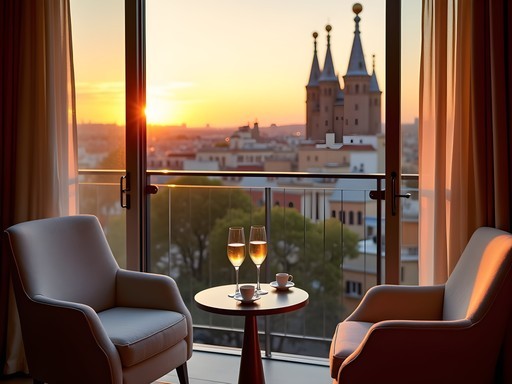
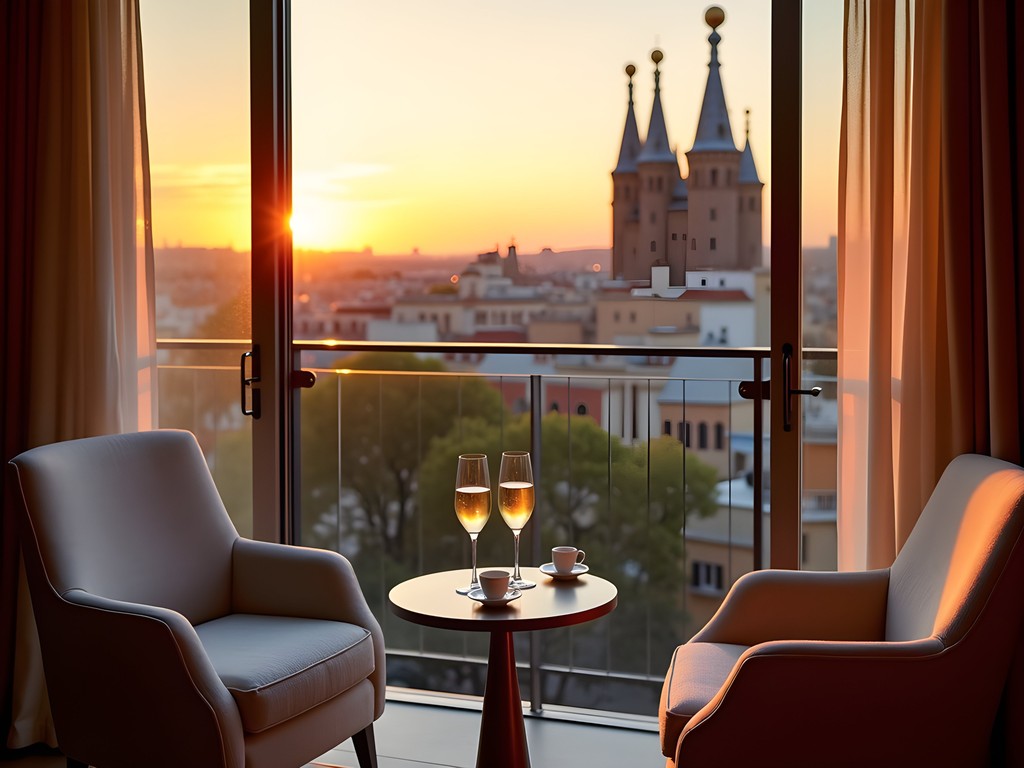
For clients with unlimited budgets, I recommend booking the Gaudí Suite at the Mandarin Oriental Barcelona. Located on Passeig de Gràcia, its balconies offer direct views of Casa Batlló, allowing you to study Gaudí's masterpiece in changing light throughout the day.
In Tokyo, the Hoshinoya Tokyo reinterprets traditional ryokan aesthetics for the 21st century. Its latticed exterior and minimalist interiors offer a serene counterpoint to Tokyo's frenetic energy. For unparalleled views, The Ritz-Carlton Tokyo occupies the upper floors of the Midtown Tower, offering panoramas across the city's architectural landscape.
My insider recommendation is the Tokyo design hotel in Meguro. Each room is created by a different designer, offering a museum-like experience of contemporary Japanese interior design. The rooftop terrace provides intimate views of Tokyo's residential architecture—a perspective most visitors miss.
In both cities, I advise clients to request rooms with architectural views whenever possible—the premium is well worth the immersive experience of watching these urban landscapes transform from dawn to dusk.
💡 Pro Tips
- Request high-floor, corner rooms for the best architectural views in both cities
- Consider splitting your stay between different hotel styles to experience varied design aesthetics
- Book hotels within walking distance of major architectural sites to maximize exploration time
Seasonal Considerations: Experiencing Architecture in Autumn
Having visited both Barcelona and Tokyo multiple times throughout the year, I can confidently say that autumn offers the most rewarding conditions for architectural appreciation in both cities.
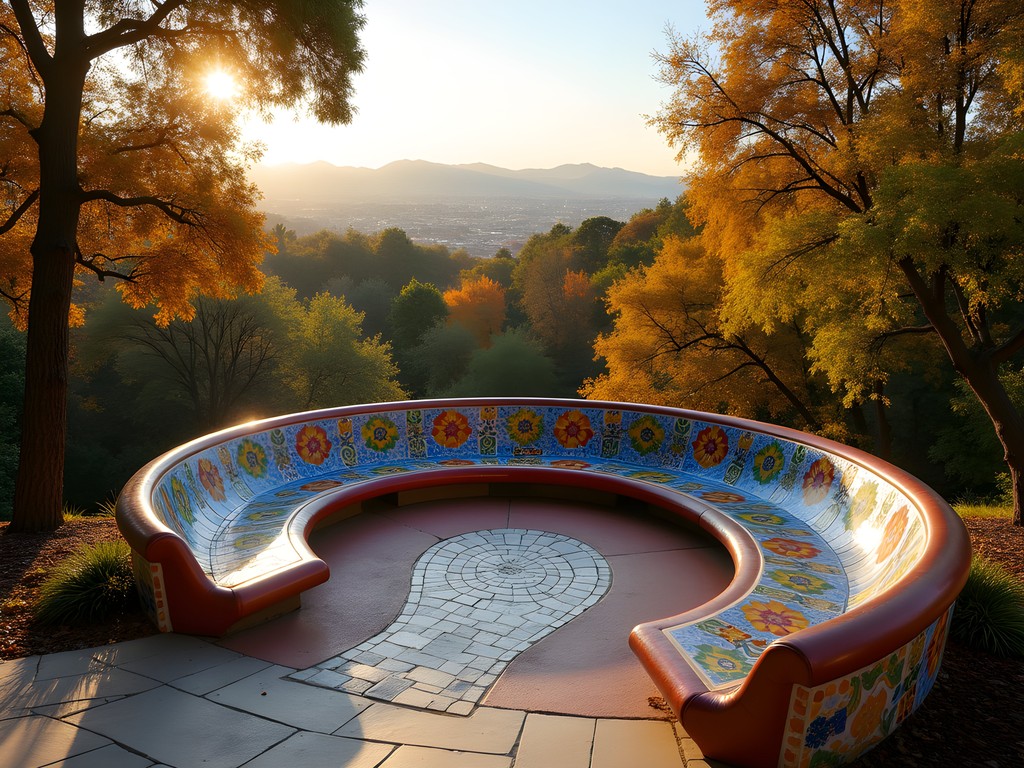
Barcelona in October and November enjoys temperatures that hover comfortably between 15-20°C (59-68°F), perfect for extended walking tours without summer's oppressive heat. The lower sun angle creates dramatic shadows that accentuate Gaudí's textured facades and sculptural elements. Park Güell is particularly magnificent as the surrounding vegetation takes on golden hues that complement the colorful mosaics.
The autumn light in Barcelona has a golden quality that photographers call the 'magic hour,' but it extends longer during this season. I've spent entire afternoons watching how the changing light transforms the exterior of Sagrada Família from warm gold to deep amber as the sun sets.
Tokyo's autumn, particularly late October through November, brings comfortable temperatures and spectacular momiji (autumn leaves) that create natural frames for architectural photography. The Japanese have a word, 'koyo,' specifically for autumn leaf viewing, and many Tokyo gardens incorporate architectural elements that are designed to be viewed against this seasonal backdrop.
For serious photographers, I recommend packing a travel tripod for low-light architectural shots, particularly useful for evening photography of illuminated structures like Tokyo Tower or Barcelona's Magic Fountain of Montjuïc. The compact design makes it practical even for luxury travelers who prefer to travel light.
Both cities host architecture-focused events during autumn months. Barcelona celebrates Gaudí with special access events during Architecture Week in October, while Tokyo's Design Week in late October/early November features installations throughout the city that create dialogue between traditional and contemporary Japanese design philosophies.
💡 Pro Tips
- Schedule outdoor architectural viewing between 10am-4pm in Barcelona for optimal lighting conditions
- Visit Tokyo's Rikugien Garden to see traditional Japanese architecture framed by autumn foliage
- Pack layers for both destinations as temperatures can fluctuate significantly between morning and evening
Final Thoughts
As our architectural journey through Barcelona and Tokyo concludes, I'm reminded that great design transcends cultural boundaries while simultaneously expressing profound cultural truths. Gaudí's organic masterpieces and Tokyo's geometric innovations represent different answers to the same fundamental questions about how humans should inhabit space. The joy of experiencing both within a single journey lies in recognizing these conversations across time and geography. Whether you're captivated by Barcelona's whimsical modernisme or Tokyo's sleek futurism, both cities offer an education in how architecture shapes our experience of the world. I encourage you to approach this two-week adventure with open eyes and curious minds—sketch buildings that move you, engage with locals about their architectural heritage, and allow yourselves the luxury of unhurried contemplation. The most meaningful souvenirs from this journey will be the new perspectives you bring home. When will you begin your architectural pilgrimage?
✨ Key Takeaways
- Barcelona and Tokyo represent contrasting architectural philosophies that reflect their cultural values and historical contexts
- Autumn offers ideal conditions for architectural appreciation in both cities with favorable lighting and comfortable temperatures
- Staying in design-focused accommodations enhances the immersive architectural experience beyond daytime sightseeing
📋 Practical Information
Best Time to Visit
October-November
Budget Estimate
$10,000-15,000 for two people for two weeks (luxury accommodations)
Recommended Duration
14 days (7 in each city)
Difficulty Level
Intermediate
Comments
islandstar
Are the hotel recommendations in the post actually good for the price?
islandexplorer
We stayed near Passeig de Gràcia and it was perfect for walking to everything Gaudí-related.
Olivia Sanchez
This brings back memories! I spent two weeks in Tokyo last spring and stumbled into the Mori Art Museum during a rainstorm - ended up staying for hours just watching the city from their observation deck. What I love about Tokyo's architecture is how it's constantly reinventing itself, like the city is in perpetual motion. Then I went to Barcelona the following month and it felt like stepping into a dream - all those curves and colors. Gaudí's work has this timeless quality that Tokyo's glass towers don't quite achieve. Both incredible in totally different ways. One practical tip: in Tokyo, I used my portable WiFi device to navigate between buildings since many are tucked into unexpected neighborhoods. Made a huge difference for finding those hidden architectural gems.
sunsetdiver
Which city did you prefer overall for architecture tourism?
coolzone
Planning my first trip to Barcelona this summer. Is it worth getting a multi-site pass for all the Gaudí buildings or should I just pick a couple? We only have 3 days there.
Olivia Sanchez
For 3 days, I'd prioritize Sagrada Familia and Park Güell for sure. Casa Batlló is stunning too if you have time. The multi-pass can save money if you're hitting 4+ sites, but with limited time, better to focus on the highlights and actually enjoy them rather than rushing.
Adam Nichols
Excellent comparison piece, Timothy. Having spent considerable time in Barcelona (being based in Seville), I find your analysis of Gaudí's biomorphic approach particularly insightful. What strikes me most is how his work predated the organic architecture movement by decades. The structural engineering alone is remarkable - those catenary arches in Casa Milà support the entire building without internal load-bearing walls. For Tokyo, I'd add that the Metabolist movement buildings from the 1960s-70s (like Nakagin Capsule Tower, sadly being demolished) provide an interesting middle ground between Barcelona's organic forms and Tokyo's contemporary glass towers. The philosophical differences you highlight - nature-inspired versus human-centric futurism - really do define each city's architectural identity.
luckydiver
Didn't know about the Metabolist movement, gonna look that up!
photovibes
Timothy - what camera settings did you use for the interior shots at Casa Milà? The lighting looks tricky.
islandexplorer
We visited Barcelona last fall and Casa Milà was definitely a highlight. The rooftop is incredible at sunset. One tip - book your tickets online ahead of time because the lines get crazy long, especially in the afternoon. We also did the audio tour which was actually pretty interesting and explained all the weird organic shapes. Park Güell is another must-see if you're into Gaudí's work!
coolzone
How much time should we budget for Casa Milà?
islandexplorer
We spent about 2 hours there including the rooftop. Could do it in 90 mins if you're quick.
luckydiver
Sagrada Familia blew my mind last year. Tokyo next!
vacationmood
We visited Barcelona in 2024 and honestly the Gaudí buildings were even more impressive in person than I expected. Casa Batlló blew my mind - those colors! We stayed in the Eixample district which was perfect for walking to most of the sites. One tip: get the Barcelona Architecture Pass if you're planning to see multiple buildings, saved us quite a bit. Now I'm really curious about Tokyo's modern architecture scene after reading this!
greenmood
thanks for the tip about the pass!
sunsetpro
Love the photos! That Casa Milà shot is stunning
Venture X
Premium card with 2X miles, $300 travel credit, Priority Pass