
Disclosure: This article contains affiliate links. We may earn a commission from purchases at no extra cost to you, which helps our travel content.
Barcelona has always held a special allure for me—a city where Mediterranean sensibility meets avant-garde design in a dance as intoxicating as cava at sunset. Having spent countless weekends exploring its retail landscape since my relocation to Europe, I've cultivated an intimate understanding of where true style resides in this Catalan capital. This isn't merely shopping; it's a cultural immersion where each purchase tells a story of craftsmanship, heritage, and innovation.

Passeig de Gràcia: The Luxury Corridor
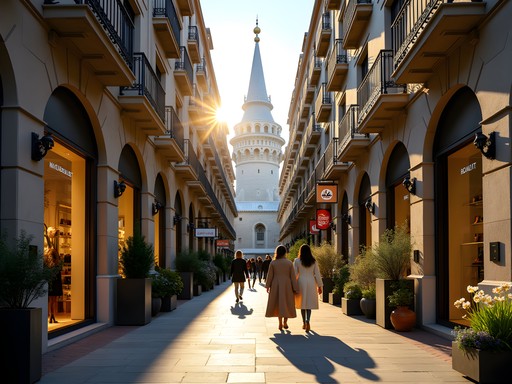
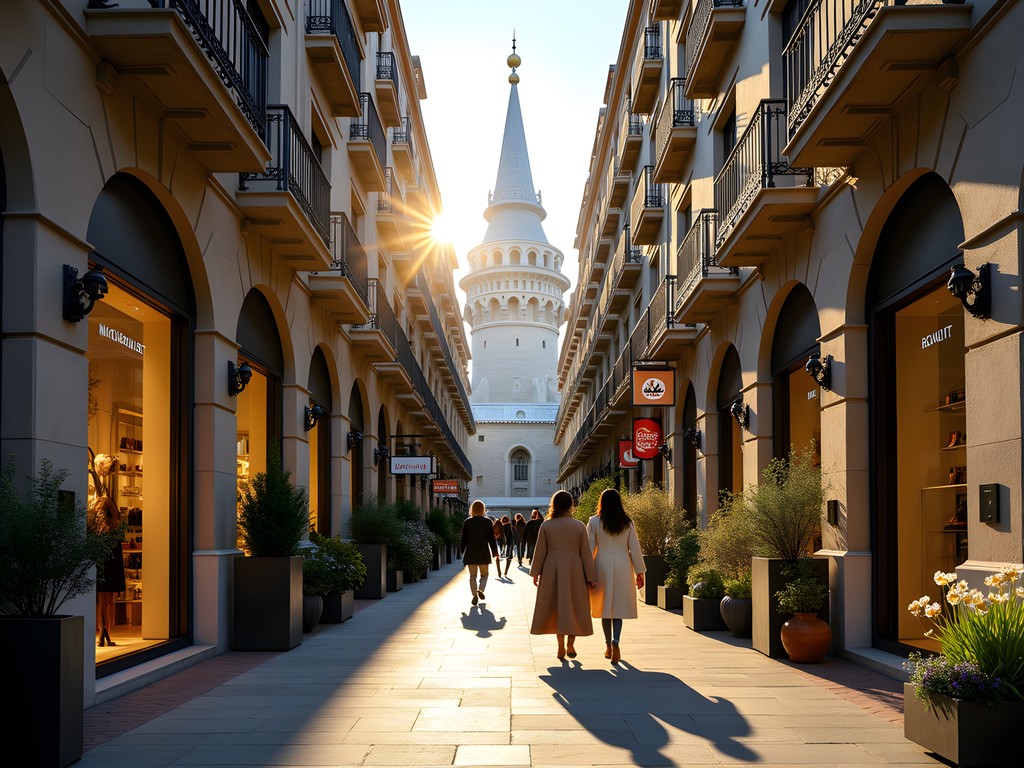
Imagine strolling down a boulevard where Gaudí's architectural masterpieces provide the backdrop to some of the world's most coveted luxury boutiques—this is the reality of Passeig de Gràcia. During my most recent visit last April, I found myself captivated not just by the expected global flagships but by the meticulous curation of their Barcelona outposts.
Louis Vuitton and Loewe here aren't merely retail spaces; they're cultural statements that honor their Catalan context. What consistently impresses me is how these spaces incorporate local artisanal elements—handcrafted tiles, wrought ironwork, and modernist lighting—creating environments that feel distinctly Barcelona rather than generically luxurious.
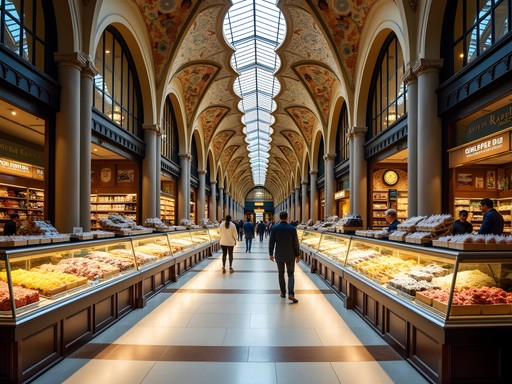
Between acquisitions, I recommend pausing at Passeig de Gràcia's hidden gem: El Nacional, a sophisticated culinary complex housed in a restored 1870s passage. Their champagne bar provides the perfect interlude to reflect on purchases while people-watching through art nouveau windows. I always bring my compact tote which elegantly transitions from daytime shopping to evening aperitifs while comfortably carrying my smaller purchases.
💡 Pro Tips
- Visit on weekday mornings to receive more personalized attention from sales associates
- Ask about tax-free shopping options for non-EU residents—the savings can be substantial
- Many luxury boutiques can arrange same-day hotel delivery for larger purchases
El Born District: Artisanal Treasures
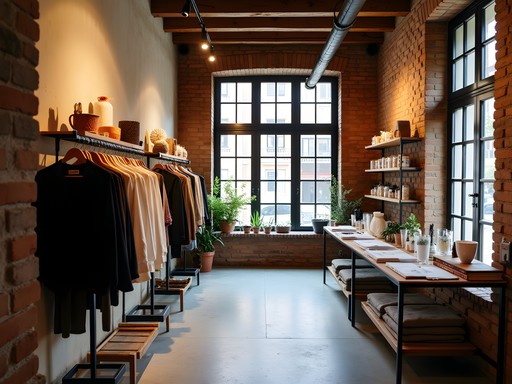
While Passeig de Gràcia satisfies the desire for established luxury, El Born speaks to those seeking the authentic pulse of Barcelona's creative scene. This medieval quarter has transformed into an incubator for independent designers and artisans who blend traditional techniques with contemporary vision.
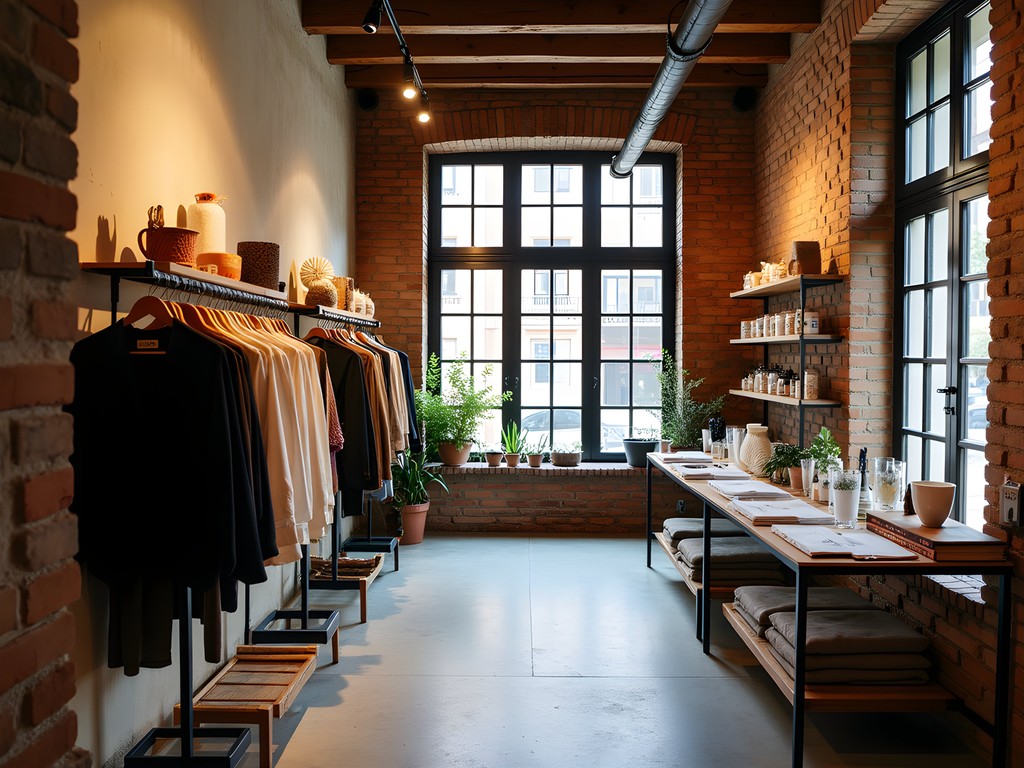
Passeig del Born serves as the district's spine, but the real treasures hide in the labyrinthine side streets. La Commercial on Carrer de Rec stands as my perpetual first stop—a conceptual boutique whose buyers possess an almost preternatural ability to discover emerging Spanish designers months before they achieve international recognition. Their curation of menswear consistently challenges my American-trained eye while remaining eminently wearable.
For those seeking authentic Catalan craftsmanship, Après Ski offers handcrafted leather goods using techniques passed through generations. I purchased a leather portfolio here three years ago that continues to patina beautifully, garnering compliments during client meetings across Europe. What distinguishes El Born's shopping experience is the opportunity for dialogue with creators—many boutiques are staffed by the designers themselves, offering insight into their process and inspiration.
💡 Pro Tips
- Most boutiques open later (around 11am) but stay open through siesta hours
- Many shops offer shipping services for larger items
- Don't hesitate to ask about the provenance of items—shopkeepers take pride in sharing their stories
Mercat de Sant Antoni: The Sophisticated Treasure Hunt
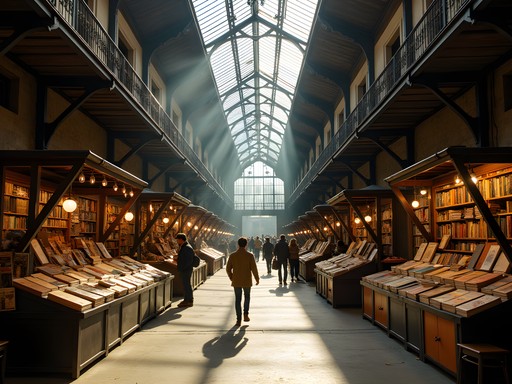
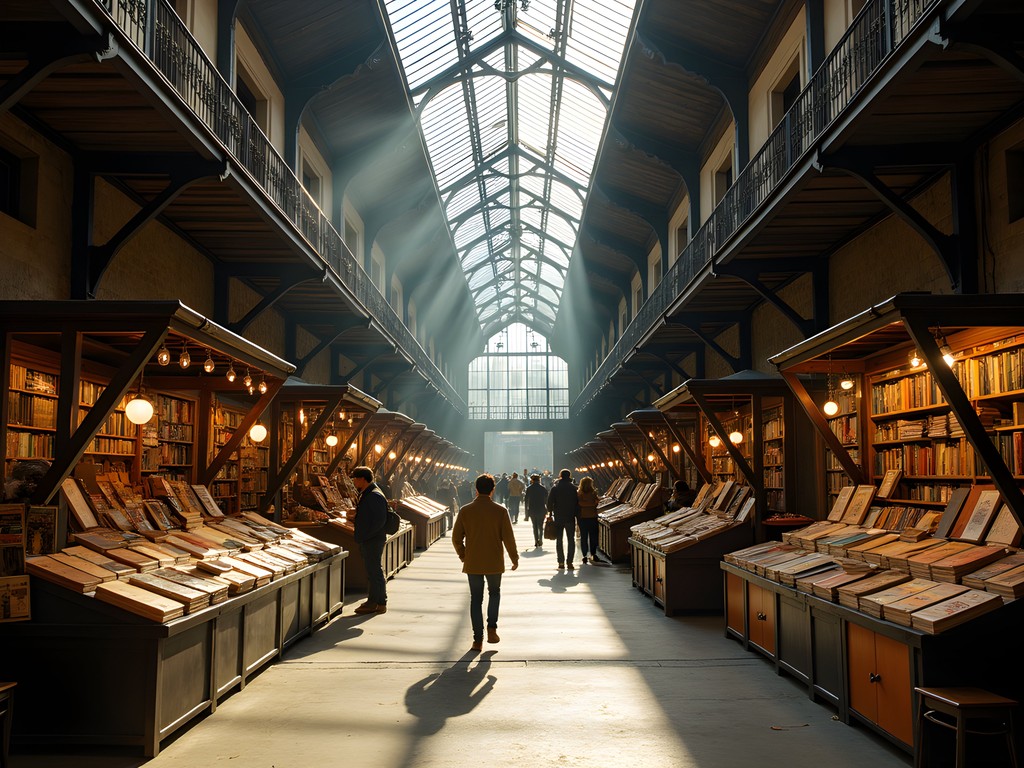
While La Boqueria receives the tourist attention, Mercat de Sant Antoni represents Barcelona's more authentic market experience following its magnificent renovation. Having reopened after nearly a decade of restoration, this 19th-century iron structure now houses not only a traditional food market but also—and most relevantly for our purposes—a Sunday book and ephemera market that ranks among Europe's finest.
I've developed a Sunday ritual when in Barcelona: arrive at Sant Antoni by 9am, equipped with my leather market tote and a strong cortado from nearby Satan's Coffee Corner. The market's periphery hosts vendors selling vintage fashion—I've unearthed everything from 1950s Ferragamo loafers to perfectly preserved Yves Saint Laurent silk scarves at fraction of their value.
The central section transforms into a bibliophile's paradise, with rare fashion monographs and out-of-print design magazines available for dedicated browsers. My most treasured find remains a first-edition Catalan photography book documenting Barcelona's modernist movement—a perfect intersection of my interests in fashion, architecture, and local culture. What makes Sant Antoni special is the absence of pretense; here, millionaire collectors and curious students browse side by side, united by appreciation for cultural artifacts.
💡 Pro Tips
- Arrive early (before 10am) for the best selection
- Bring cash in small denominations for better negotiating leverage
- Learn a few basic Catalan phrases—vendors appreciate the effort and may offer better prices

Barrio Gótico: Sartorial Archaeology
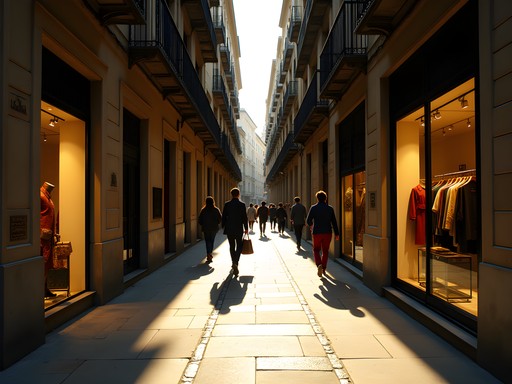
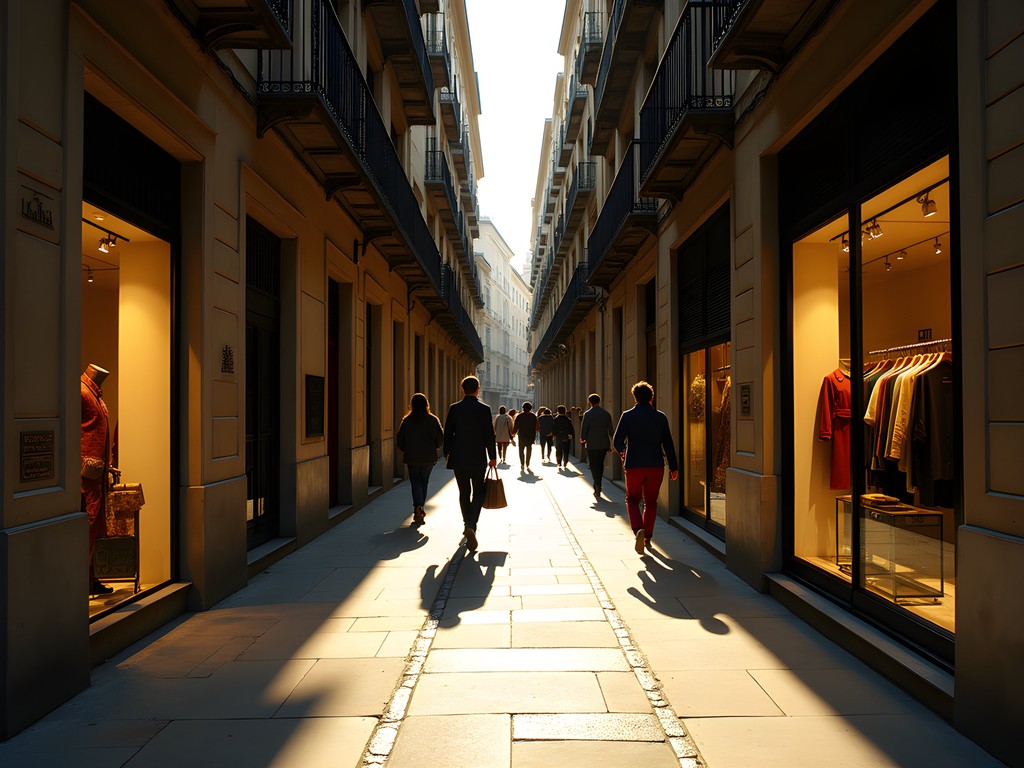
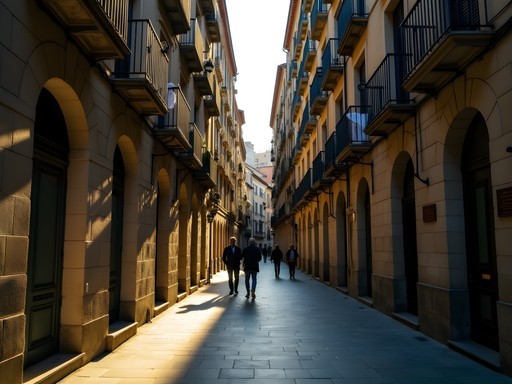
The Gothic Quarter represents Barcelona's most complex shopping terrain—a district where tourist traps and authentic treasures coexist in close proximity, requiring a discerning eye to distinguish between them. Having navigated these medieval streets dozens of times, I've mapped a curated route that bypasses the mass-produced souvenirs in favor of establishments that honor Barcelona's design heritage.
Carrer d'Avinyó hosts several standouts, including Vino y Compañía, where I inevitably acquire bottles of small-production Catalan wines unavailable outside Spain. Their knowledgeable staff can guide selections based on preference and price point. For those seeking to elevate their home bar, I recommend their handblown wine decanter, crafted by a local glass artist using traditional techniques.
For menswear aficionados, Manual Alpargatero offers handcrafted espadrilles that represent the pinnacle of this quintessentially Spanish footwear. Their made-to-measure service allows selection of fabric, sole height, and ribbon color—creating a personalized souvenir that transcends typical tourist acquisitions. I pair mine with everything from linen suits to swim trunks during Mediterranean summers.
What distinguishes Gothic Quarter shopping is the archaeological element—many shops occupy spaces with Roman foundations or medieval architectural details, creating a retail experience impossible to replicate elsewhere.
💡 Pro Tips
- Look for shops displaying the 'Artesanía Catalana' seal, indicating authentic local craftsmanship
- Many boutiques close for extended lunch (2-5pm), so plan morning or evening shopping
- Venture into courtyards and upper floors—many buildings hide additional retail spaces beyond street level
Santa Caterina Market: The Design-Forward Food Souvenir
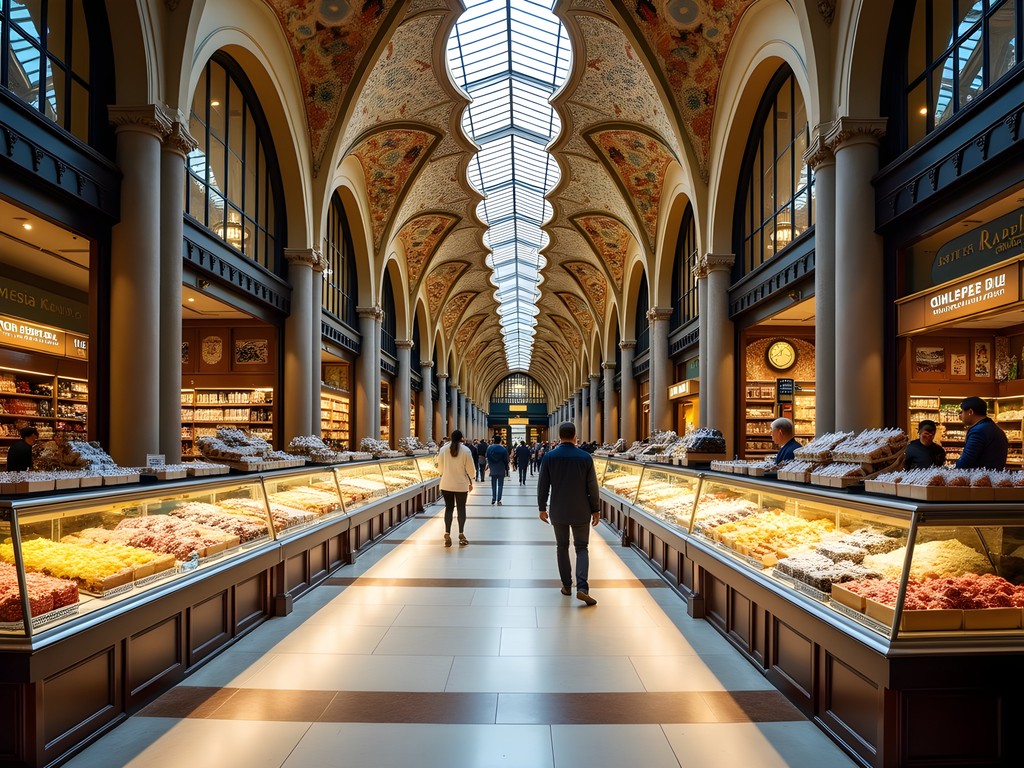
While technically a food market, Santa Caterina deserves inclusion in any serious Barcelona shopping guide for its unparalleled selection of gourmet souvenirs. The building itself—renovated by acclaimed architects Enric Miralles and Benedetta Tagliabue with its undulating, mosaic-tiled roof—represents Barcelona's talent for honoring tradition while embracing innovation.
I approach Santa Caterina as a design-minded food collector rather than merely a shopper. The market's vendors offer expertly packaged items that function as both culinary treasures and aesthetic objects. Olivia stocks single-estate olive oils in bottles worthy of display, while La Teca offers handcrafted wooden boxes containing saffron that costs more per gram than gold—yet represents value for serious cooks.
For those seeking to elevate their home entertaining, I recommend investing in authentic Spanish serving pieces. I've never regretted purchasing my hand-painted ceramic tapas set from Ceramics Palau, which transforms even simple appetizers into Instagram-worthy presentations. Their pieces combine traditional techniques with contemporary sensibilities—perfectly embodying Barcelona's design ethos.
What distinguishes Santa Caterina from other markets is its sophisticated curation; vendors understand their clientele includes design professionals and international visitors with developed palates.
💡 Pro Tips
- Ask vendors about shipping options—many can arrange international delivery for larger purchases
- Most vendors offer vacuum-sealing services for food items to ensure they survive the journey home
- Visit on weekdays to avoid weekend crowds and receive more personalized attention
Final Thoughts
Barcelona's retail landscape defies simple categorization—it's a city where luxury global brands coexist with fourth-generation artisans, where contemporary design constantly references its modernist heritage. What distinguishes Barcelona shopping from other European capitals is this seamless integration of past and present, high and low, global and intensely local.
As an American expatriate who regularly navigates both European and North American luxury contexts, I find Barcelona offers something increasingly rare: shopping experiences that cannot be replicated elsewhere. In an era of retail homogenization, Barcelona's boutiques and markets remain stubbornly, gloriously specific to their location.
Whether you're selecting handcrafted espadrilles in the Gothic Quarter or discovering an emerging Spanish designer in El Born, Barcelona shopping transcends mere acquisition to become cultural dialogue. I encourage you to approach it with curiosity rather than a checklist—allow conversations with shopkeepers to guide your discoveries, and don't hesitate to venture beyond your established preferences. Barcelona rewards the curious with treasures that will continue to tell their stories long after you've returned home.
✨ Key Takeaways
- Barcelona shopping ranges from global luxury on Passeig de Gràcia to artisanal discoveries in El Born
- The most authentic shopping experiences often hide on side streets away from main tourist areas
- Markets like Sant Antoni and Santa Caterina offer sophisticated treasures beyond typical souvenirs
- Learning basic Catalan phrases enhances the shopping experience and often leads to better service
- The best Barcelona purchases tell stories of local craftsmanship and design heritage
📋 Practical Information
Best Time to Visit
April-June or September-October
Budget Estimate
€500-€2000 per day for luxury shopping
Recommended Duration
3-4 days minimum
Difficulty Level
Easy




Comments
greenclimber
Thanks for sharing! Adding this to my barcelona list
Douglas Bradley
What struck me most about Barcelona's shopping scene is the generational continuity - these aren't just shops capitalizing on tourist traffic, but actual family businesses with decades of history. I spent an afternoon in a millinery shop in El Born where the owner's grandmother founded it in 1952. The contrast between that authenticity and the Zara flagship on Passeig de Gràcia (ironically also Spanish) really encapsulates what makes Barcelona's retail culture so layered. Mason, did you make it to any of the concept stores in Raval? That area's becoming quite interesting for emerging designers.
sunsetgal
Love the photos! That market shot is gorgeous
wavetime
Are the shops in El Born walkable from each other or do you need metro?
tripace
totally walkable! the whole neighborhood is pretty compact. wear comfortable shoes tho
Ahmed Palmer
Excellent guide, Mason. I'd add that Sant Antoni market operates on different schedules depending on the day - Sundays are best for vintage clothing and books. Also worth mentioning that many of the artisan shops in El Born close for siesta between 2-5pm, so plan accordingly. The Gothic Quarter can get overwhelmingly touristy along the main drags, but the side streets (particularly around Carrer dels Banys Nous) have some genuine gems if you're willing to explore.
greenclimber
good to know about the siesta times!
waveone
going there in march!! how much should i budget for shopping? are the markets expensive?
Douglas Bradley
Markets are quite reasonable! You can find vintage pieces at Sant Antoni for 10-30 euros. The boutiques in El Born range more 50-200 euros depending on the item. Passeig de Gràcia is luxury pricing obviously.
waveone
perfect thanks!!
tripace
YES! El Born is absolutely amazing for unique finds. Found the coolest leather bag there last year and still get compliments on it!
Megan Martin
Mason, your description of Barcelona's shopping scene is spot on! I've visited for work twice this year and always set aside an extra day just for shopping. The contrast between high-end Passeig de Gràcia and the hidden workshops in Gothic Quarter is what makes Barcelona special. One tip for your readers: many boutiques still close for siesta (2-5pm), especially in summer. Also, I found using my crossbody bag essential in the busier markets - comfortable and secure for a day of serious shopping!
roamwanderer
The siesta tip is so true! Got caught out by this twice on my trip.
dreamlife
Just got back from Barcelona last week and this guide would've been so helpful! I stumbled upon the Sunday book market at Sant Antoni by accident and it was magical. Spent hours browsing vintage fashion magazines and picked up some amazing second-hand designer pieces. The vendors were super friendly even with my terrible Spanish. Make sure to bring cash though - many smaller vendors don't take cards.
roamwanderer
Passeig de Gràcia is incredible but RIP my wallet lol
dreamlife
Same! I just window shopped there and did my actual shopping at Sant Antoni market. So much more affordable and still found amazing stuff!
Venture X
Premium card with 2X miles, $300 travel credit, Priority Pass