

Disclosure: This article contains affiliate links. We may earn a commission from purchases at no extra cost to you, which helps our travel content.
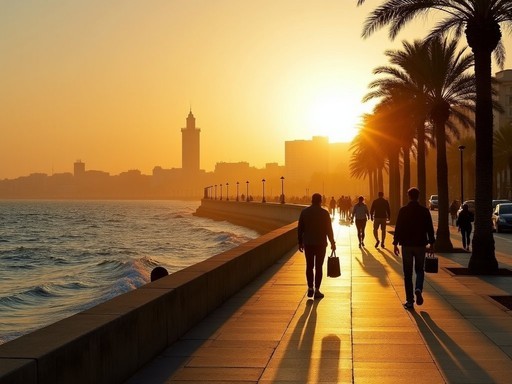
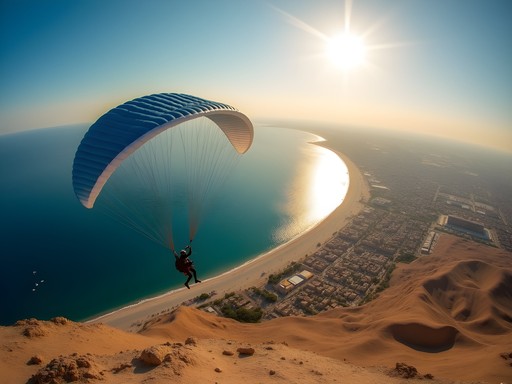
Standing at the edge of the Corniche, with the Mediterranean's sapphire waters stretching before me and the scent of salt mixing with cardamom-infused coffee from nearby cafés, I felt Alexandria's unique energy pulse through me. This wasn't my first encounter with ancient civilizations—my Mi'kmaq ancestors have their own deep history—but Alexandria carries a special resonance where worlds collide: Greek, Roman, Egyptian, and modern. As an EMT who's witnessed how environment impacts healing, Alexandria's position as Egypt's window to the Mediterranean creates a fascinating intersection of wellness traditions I couldn't wait to explore. Over three perfect autumn days, I discovered that beyond the obvious historical sites lies a city of sensory healing—where sea air clears the respiratory system just as effectively as my emergency nebulizer treatments, and where ancient knowledge of medicinal herbs still informs local cuisine. Let me guide you through this perfect long weekend in Egypt's most enigmatic coastal city, where couples can find both adventure and intimate connection.

Day 1: Coastal Orientation and Ancient Wonders
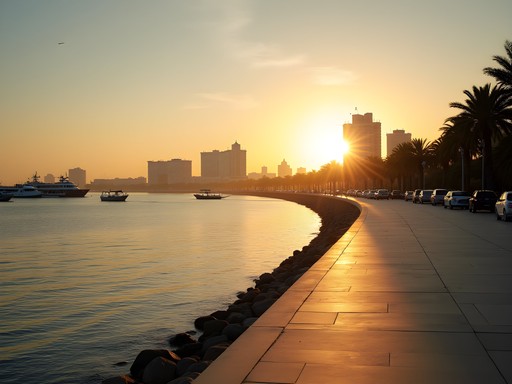
My partner in adventure for this trip was Maia, a fellow EMT with a passion for ancient medicine, and we began our Alexandria experience with a sunrise walk along the Corniche. There's something about watching a city wake up that reveals its true nature—fishermen bringing in their morning catch, elderly locals performing tai chi-like movements by the sea, and vendors setting up for the day. The Mediterranean here isn't the azure blue you might find in Greece, but rather a deeper, more mysterious hue that reflects Alexandria's complex identity.
Our first official stop was the Bibliotheca Alexandrina, the modern incarnation of the ancient library that once housed the world's knowledge. The architecture alone is worth the visit—a massive tilted disc rising from the ground, covered in characters from every world language. Inside, I was struck by the special collections focused on ancient healing practices and herbal medicine, connecting my professional interest in emergency medicine with historical approaches to wellness. The reading room, with its terraced levels bathed in natural light, creates a sacred geometry that felt immediately calming to my often-overstimulated EMT brain.
After fueling up at a nearby café with traditional Egyptian breakfast of ful medames (mashed fava beans) and ta'ameya (Egyptian falafel), we ventured to Pompey's Pillar and the Catacombs of Kom El Shoqafa. As someone who's worked in confined spaces during rescue operations, I found the catacombs particularly fascinating—not just for their historical significance, but for the ingenious ventilation system that still functions after nearly 2,000 years. The fusion of Egyptian, Greek, and Roman funerary art speaks to Alexandria's multicultural soul.
For sunset, we made our way to the Citadel of Qaitbay, built on the exact site of the ancient Lighthouse of Alexandria. The fortress, constructed from stones of the ruined lighthouse, offers spectacular 360-degree views of the coastline. I always carry my compact binoculars when traveling, and they proved invaluable here for spotting distant ships and examining architectural details. As daylight faded, the limestone walls took on a golden hue, and I couldn't help but think about how many healers, from ancient Egyptian physicians to modern paramedics like myself, had gazed at this same horizon over centuries.

💡 Pro Tips
- Visit the Bibliotheca early to avoid crowds and experience the reading room when it's most peaceful
- Bring a light scarf to cover your shoulders when visiting religious sites, even in fall
- The Catacombs can trigger claustrophobia—practice deep breathing techniques if you're sensitive to confined spaces
Day 2: Cultural Immersion and Healing Waters
Our second day began with a visit to the National Museum of Alexandria, housed in a restored Italian-style palace. While smaller than Cairo's famed Egyptian Museum, it offers a more intimate experience with artifacts specifically connected to Alexandria's unique history. The exhibits on ancient Egyptian medicine particularly resonated with me—seeing surgical tools not entirely unlike those in modern ambulances was a powerful reminder that the fundamentals of emergency care have ancient roots.
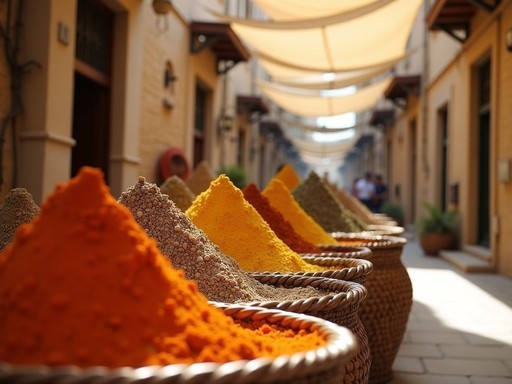
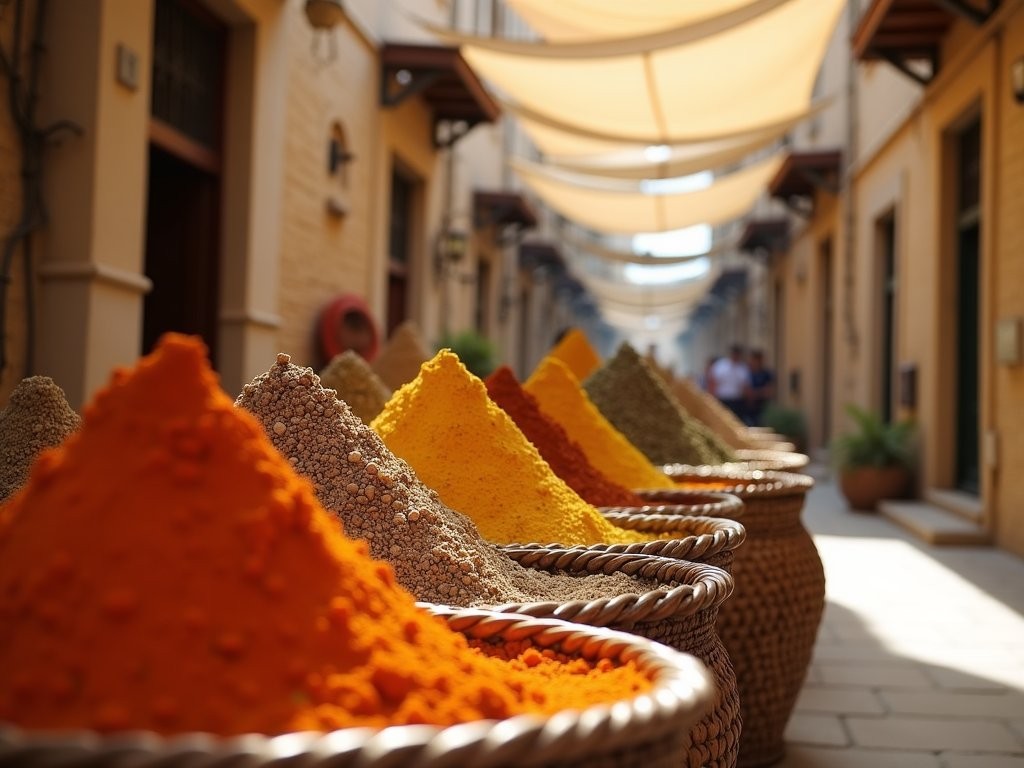
From there, we wandered into the Turkish Quarter, where narrow streets open unexpectedly into courtyards and the architecture shifts to Ottoman influences. This is where Alexandria reveals itself as a sensory healing experience—the combination of sea air, aromatic spices, and architectural spaces designed for natural cooling creates an environment that's naturally therapeutic. As someone who's studied how environment affects trauma patients, I noticed my own heart rate slowing and breathing deepening as we explored these winding passageways.
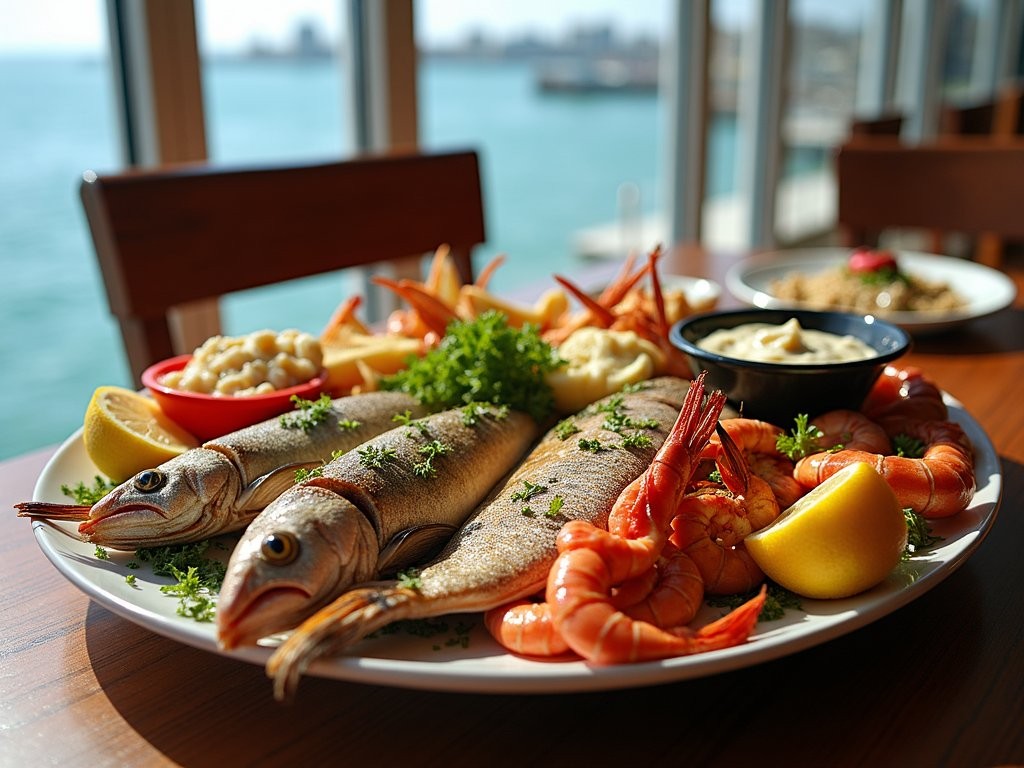
For lunch, we sought out one of Alexandria's famed seafood restaurants along the Eastern Harbor. The Fish Market (As'mak Baba Abdou) offers the day's fresh catch prepared simply but perfectly. I selected a local sea bass, caught that morning, seasoned only with olive oil, lemon, and herbs that reminded me of those my Mi'kmaq grandmother used in healing preparations. The restaurant's location offers stunning views of bobbing fishing boats against the backdrop of the Citadel.
The afternoon was dedicated to one of Alexandria's hidden gems—the Montaza Palace Gardens. While the palace itself (a mix of Turkish and Florentine styles) is impressive, it was the extensive gardens that captured my attention. As an EMT who's seen how connection to nature accelerates healing, I was fascinated by the deliberate design of these gardens to stimulate all senses—fragrant flowers, colorful plantings, textured pathways, and the constant gentle soundtrack of Mediterranean waves. Maia and I found a secluded bench beneath towering palms and practiced a brief meditation technique I often use between emergency calls, focusing on the rhythmic sound of water meeting shore.
As evening approached, we made our way to the Cecil Hotel for sunset drinks at their rooftop bar. This historic hotel has hosted everyone from Winston Churchill to Somerset Maugham, and the vintage atmosphere provides a perfect backdrop for watching Alexandria transition from day to night. I brought my travel journal to capture impressions of the day—I've found that documenting sensory experiences helps integrate them into lasting memories, especially when traveling through historically rich locations.
💡 Pro Tips
- The National Museum is less crowded in the afternoon hours
- When ordering seafood, ask for 'sayadeya' rice on the side—it's cooked with caramelized onions and seafood stock
- Bring a reusable water bottle to stay hydrated while exploring the extensive Montaza Gardens
Day 3: Sacred Spaces and Modern Alexandria
Our final day began with an early visit to the Cavafy Museum, dedicated to the celebrated Greek poet who called Alexandria home. Located in the poet's former apartment, this intimate museum offers a glimpse into the cosmopolitan Alexandria of the early 20th century. As someone who often uses poetry as a centering technique during particularly difficult shifts, I found Cavafy's work—with its themes of memory, identity, and the passage of time—deeply moving in the context of this ancient-yet-modern city.
From there, we explored Alexandria's religious diversity with visits to the St. Mark's Coptic Orthodox Cathedral and the Eliyahu Hanavi Synagogue. The cathedral's Byzantine architecture creates an acoustic environment where even whispers seem to reach the divine—a phenomenon I've noticed affects patients' stress levels in similarly designed spaces. The synagogue, recently restored, stands as one of the few remaining Jewish heritage sites in Egypt. Its geometric patterns and sacred proportions create a sense of harmony that transcends religious boundaries.
For lunch, we sought out a modern contrast to the previous day's traditional meal. Alexandria has a surprisingly vibrant food truck scene, and we found a cluster of them near the University district. My professional interest in food trucks stems from their prevalence near hospitals where I've worked—often providing quick, nourishing meals for healthcare workers. Here in Alexandria, a truck called Zooba offered contemporary takes on Egyptian street food. Their koshari (a mixture of rice, lentils, pasta, and spicy tomato sauce) provided the perfect energy boost for our afternoon adventures.
The afternoon was dedicated to the Royal Jewelry Museum, housed in the former palace of Princess Fatima Al-Zahra. Beyond the obvious splendor of the collection, I was fascinated by the palace itself—designed according to principles that modern wellness architecture is only now rediscovering: natural ventilation paths, daylighting strategies, and proportions that subconsciously create a sense of balance. As someone who's studied how environmental design affects patient outcomes, I couldn't help but take notes on features that could inform modern healing spaces.
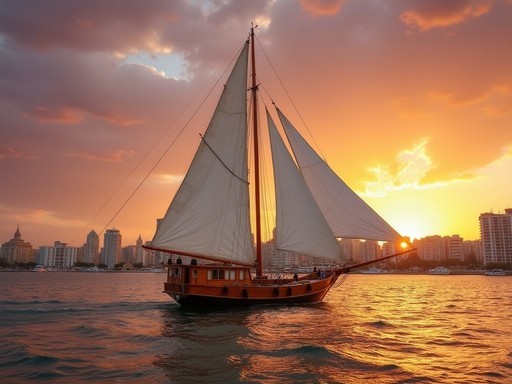
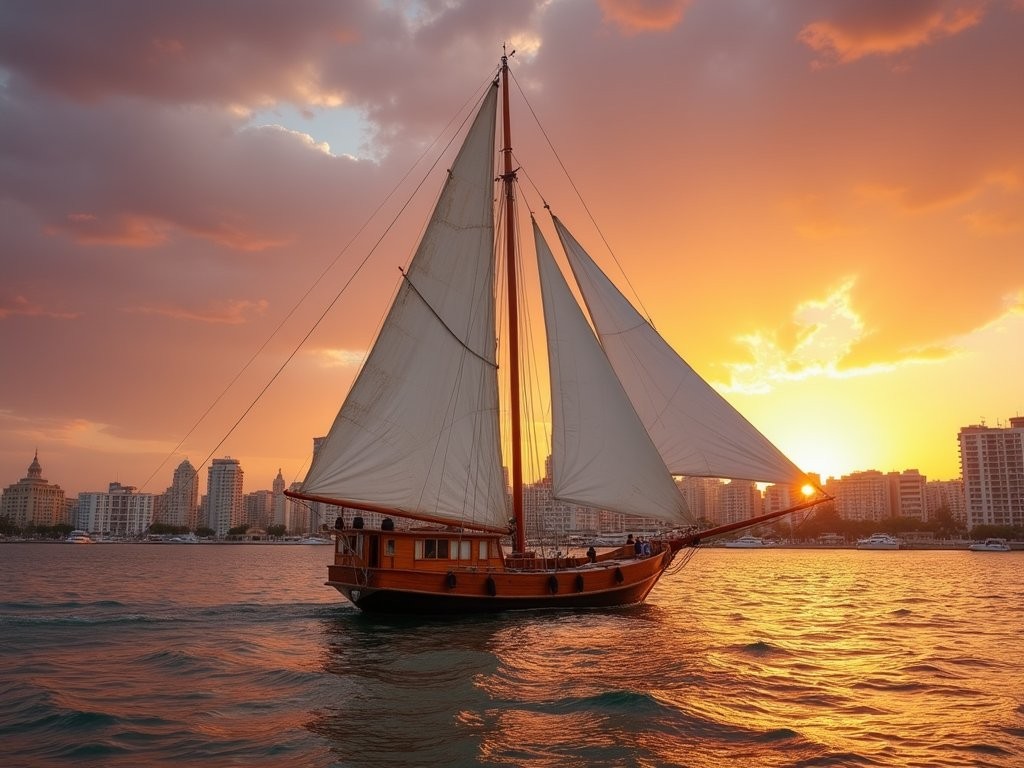
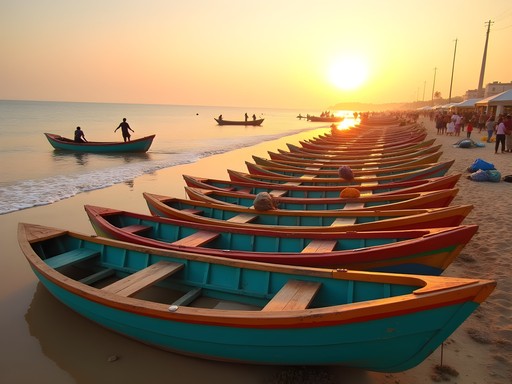
We concluded our Alexandria experience with a sunset sail on a traditional felucca boat. Our captain, Ahmed, came from generations of seafarers and shared stories of how the Mediterranean's moods and currents had shaped Alexandria's identity for millennia. As an EMT who's performed water rescues, I have a professional appreciation for those who understand water's power, and Ahmed's knowledge ran bone-deep. The perspective of Alexandria from the water—seeing the continuous line of the Corniche with ancient and modern structures side by side—provided perfect closure to our three-day exploration.
For photography enthusiasts, I highly recommend bringing a polarizing filter for your camera. The Mediterranean light in Alexandria has a distinctive quality, and a polarizer helps capture the true colors of both sea and stone while reducing glare—something I discovered while documenting unique architectural features for my wellness design research.
💡 Pro Tips
- Visit religious sites between formal prayer times for a more contemplative experience
- The Royal Jewelry Museum requires a separate camera permit if you plan to take photos
- For the felucca sail, negotiate the price beforehand and specify you want the full sunset experience

Where to Stay: Accommodations for Connection and Healing
Alexandria offers accommodations that reflect its dual nature as both historic treasure and living city. For couples seeking connection through shared experience, I recommend three distinct options:
The Four Seasons San Stefano represents modern luxury with an Egyptian twist. Located directly on the Mediterranean, many rooms offer balconies where the sea air itself becomes a healing element. As someone who understands respiratory health, I appreciated their attention to air quality and natural ventilation—elements often overlooked in modern hotels but crucial for restful sleep. Their spa incorporates traditional Egyptian wellness practices, including treatments using Nile clay and lotus extracts that have documented anti-inflammatory properties.
Hotel Cecil offers a more historic experience in the heart of the city. This heritage property has hosted luminaries from Agatha Christie to Winston Churchill, and its vintage charm creates an immediate sense of stepping back in time. The rooms feature high ceilings and large windows—architectural elements that naturally reduce stress levels according to environmental psychology research I've studied in relation to healthcare spaces. The rooftop terrace provides a perfect spot for evening reflection on the day's explorations.
For a more intimate experience, Villa Jardin in the Montaza district offers garden bungalows that create a retreat-like atmosphere. The property incorporates principles of healing gardens—specific plant selections, sound management through water features, and strategic use of shade and sun—that create a naturally therapeutic environment. As someone who's seen how environment impacts recovery, I found their attention to these details remarkable for a small property.
Regardless of where you stay, I recommend requesting a room with natural cross-ventilation if possible. Alexandria's Mediterranean climate means evenings can be perfectly cool, and there's something deeply restorative about sleeping with fresh sea air circulating—a practice supported by both ancient wisdom and modern sleep science. For light sleepers like me who are accustomed to being on call, I always travel with my white noise machine to ensure consistent rest, especially important when adjusting to new time zones.

💡 Pro Tips
- Book accommodations on the sea side of the Corniche for the best views and air quality
- Request rooms above the third floor for better views and less street noise
- Most hotels can arrange private airport transfers that are more reliable than taxis from the airport
Culinary Medicine: Alexandria's Healing Food Scene
Alexandria's position as a cultural crossroads has created a unique culinary landscape where Greek, Turkish, Lebanese, and Egyptian influences merge in dishes that are as nourishing as they are delicious. As someone who's studied nutritional approaches to emergency medicine, I was fascinated by how many traditional Alexandrian dishes incorporate ingredients with documented healing properties.
Seafood forms the cornerstone of Alexandrian cuisine, and the omega-3 fatty acids abundant in Mediterranean fish like sea bass, bream, and mullet have well-documented anti-inflammatory properties. Local restaurants like Fish Market and White and Blue serve these catches simply prepared—often grilled with olive oil, lemon, and herbs—allowing their natural nutritional benefits to shine. When ordering, look for the phrase "sayadeya style," indicating the fish is served with a deeply flavored rice cooked in fish stock with caramelized onions and subtle warming spices that aid digestion.
Alexandria's street food scene offers quick access to traditional foods with surprising health benefits. Ful medames (seasoned fava beans) provides plant-based protein and fiber that stabilizes blood sugar—something I appreciate as someone who's treated countless patients experiencing glycemic issues. Ta'ameya (Egyptian falafel made with fava beans rather than chickpeas) offers similar benefits with the addition of fresh herbs like parsley, cilantro, and dill that have traditional uses as digestive aids.
The Greek influence in Alexandria's cuisine is evident in restaurants like Athineos, one of the city's oldest cafés. Their Greek-Egyptian fusion dishes often incorporate olive oil, fresh vegetables, and yogurt—a probiotic food that supports gut health, which emerging research links to overall wellness and even mental health. Their tzatziki incorporates local herbs like mint and purslane, the latter being exceptionally high in omega-3s despite being a leafy green.
For couples seeking a special dining experience, Byblos offers Lebanese-influenced cuisine in a romantic setting. Their mezze platters feature hummus, baba ganoush, and muhammara—all containing ingredients with anti-inflammatory properties. The ritual of sharing these small plates naturally slows the dining experience, encouraging mindfulness and connection—elements I've found crucial for both physical and relationship healing.
Don't miss Alexandria's café culture, centered around venues like the historic Délices. The traditional Egyptian coffee, thick and often flavored with cardamom, contains compounds that support cognitive function. When paired with konafa or baklava made with honey, pistachios, and rose water—all ingredients used in traditional medicine throughout the Mediterranean—it creates a sensory experience that's both pleasurable and subtly therapeutic.
For those interested in bringing Alexandria's flavors home, I recommend visiting the Bahary spice market to purchase blends like dukkah (a mix of nuts, seeds, and spices) and za'atar (thyme, sumac, and sesame). I store these treasures in a spice storage set that keeps them fresh long after returning home—allowing the healing flavors of Alexandria to extend beyond the journey itself.
💡 Pro Tips
- Ask for fish to be prepared 'sayadeya style' for an authentic Alexandrian experience
- Visit bakeries early morning for the freshest feteer, a multilayered pastry that can be either sweet or savory
- Look for street vendors selling fresh sugarcane juice—a natural energy boost with minerals and antioxidants
Final Thoughts
As our felucca sailed back to shore on that final evening, the lights of Alexandria's Corniche creating a constellation along the coast, I reflected on how this city embodies resilience through integration. Alexandria doesn't erase its complex past—it builds upon layers of Greek, Roman, Egyptian, and modern influences to create something entirely unique. For couples seeking both adventure and connection, few destinations offer such rich opportunities for shared discovery and healing experiences.
What makes Alexandria special isn't just its monuments or museums, but how it engages all senses—the taste of freshly caught fish prepared with ancient spice combinations, the sound of waves against seawalls built by civilizations long past, the feel of cool marble beneath your feet in sacred spaces where geometry itself creates harmony. These sensory experiences create the conditions for both personal centering and deeper connection with travel companions.
As I return to my EMT shifts in Philadelphia, I carry Alexandria's lessons with me: how traditional knowledge and modern understanding can complement each other, how shared meals become medicine, and how spaces designed with intention can heal body and spirit. I invite you to discover your own Alexandria—not just as tourists viewing history from a distance, but as travelers open to the transformative power of a city where the Mediterranean has been working its magic for over two millennia.
✨ Key Takeaways
- Alexandria offers a perfect balance of historical exploration and Mediterranean relaxation for couples
- Fall brings ideal temperatures and fewer crowds to fully appreciate both indoor cultural sites and outdoor coastal experiences
- The city's unique position as a crossroads creates a culinary landscape where traditional healing foods meet modern dining experiences
- Building in time for both structured sightseeing and wandering allows you to discover Alexandria's hidden healing spaces
📋 Practical Information
Best Time to Visit
September to November
Budget Estimate
$100-150 per day per person excluding accommodations
Recommended Duration
3-4 days
Difficulty Level
Easy
Comments
Lillian Diaz
This is such a solid itinerary! I backpacked through Egypt last year and Alexandria was definitely a highlight. I'd recommend staying in the El Raml Station area - super central and you can walk to most places on your Day 1 itinerary. Also, the street food scene is incredible. Don't miss the liver sandwiches from the carts near the tram stops (sounds weird but trust me!). I had my travel journal filled with food spots by the time I left. The mix of Greek, Italian, and Egyptian influences makes the food scene really unique.
happyguy
Liver sandwiches?? That's adventurous haha. Will try it
globeguide
Really cool photos!
adventurerider
LOVE THIS!! Alexandria doesn't get enough love compared to Cairo. The vibe is totally different - more relaxed, Mediterranean feel. That coffee and cardamom description is spot on!
luckydiver
Great guide! I visited Alexandria two years ago and honestly wasn't expecting much, but it completely surprised me. The Bibliotheca Alexandrina is stunning - spent almost half a day there. One tip: if you're going in summer, it gets HOT. I went in July and it was brutal by midday. Spring or fall would be better timing. The Mediterranean breeze helps but still, plan indoor activities for afternoon hours.
happyguy
How's the public transportation there? Easy to navigate without Arabic?
Lillian Diaz
It's pretty manageable! The trams are easy once you figure out the routes. I grabbed one of those offline map apps and that helped a ton. Most drivers don't speak much English but people are super helpful if you show them where you're trying to go on your phone.
Savannah Walker
Sage, this brought back so many memories! I spent a week in Alexandria last spring and that Corniche walk at sunset is absolutely magical. One thing I'd add - the fish market near the Eastern Harbor is incredible if you want authentic local seafood. We found this tiny place where they literally cook whatever you buy from the market stalls. Cost us maybe $8 for the most amazing grilled fish dinner. Also totally agree about the felucca ride - best way to see the city from the water!
adventurerider
YES! That fish market is amazing. Got lost trying to find it but so worth it
winterexplorer
Is 3 days enough or should I plan for longer? First time to Egypt and trying to figure out my itinerary
globeguide
3 days is perfect for alexandria. then hit cairo for the pyramids
winterexplorer
Thanks! That's what I was thinking too
wanderlustperson
Alexandria is so underrated! Been twice and still want to go back
Kimberly Murphy
Sage, this is such a comprehensive guide! I spent a week in Alexandria last winter and completely agree about staying near the Corniche - that sea breeze is magical. For solo female travelers reading this: I felt very safe walking around during the day, but used Uber after dark. The Cecil Hotel mentioned in your 'Where to Stay' section was actually where I had afternoon tea - such a gorgeous piece of history! The colonial architecture and stories of famous guests (including Churchill) were fascinating. One addition for history buffs: I took a day trip to El Alamein (about 2 hours west) to see the WWII memorials and museum. Well worth it if you have an extra day. I used my Egypt travel guide which had a great walking tour of the colonial downtown area that I didn't see mentioned in many blogs.
sunsetmaster
Thanks for the safety tips, Kimberly! Did you find speaking Arabic was necessary or did you get by with English?
Kimberly Murphy
I got by with English in hotels, museums, and restaurants in tourist areas, but learning a few Arabic phrases went a long way with locals! 'Shukran' (thank you) and 'ma'a salama' (goodbye) were my most used. The tram conductors and market vendors often didn't speak English, so having Google Translate and the ability to show prices on a calculator was helpful!
springfan5881
Those sunset photos from the Citadel of Qaitbay are STUNNING! 😍 Can't wait to visit next month!
Venture X
Premium card with 2X miles, $300 travel credit, Priority Pass