




Disclosure: This article contains affiliate links. We may earn a commission from purchases at no extra cost to you, which helps our travel content.
When I first plotted the statistical probability of finding paradise on a budget, St. John's, Antigua wasn't initially in my dataset. Yet after analyzing the variables of affordable accommodations, accessible beaches, and the mathematical symmetry of colonial architecture, this Caribbean gem emerged as an optimal solution. Having traded Silicon Valley spreadsheets for world exploration, I've developed an algorithm for experiencing this vibrant capital city without decimating your savings—perfect for students seeking that delicate balance between memorable experiences and financial responsibility.

Accommodation Algorithms: Strategic Lodging for Maximum Value
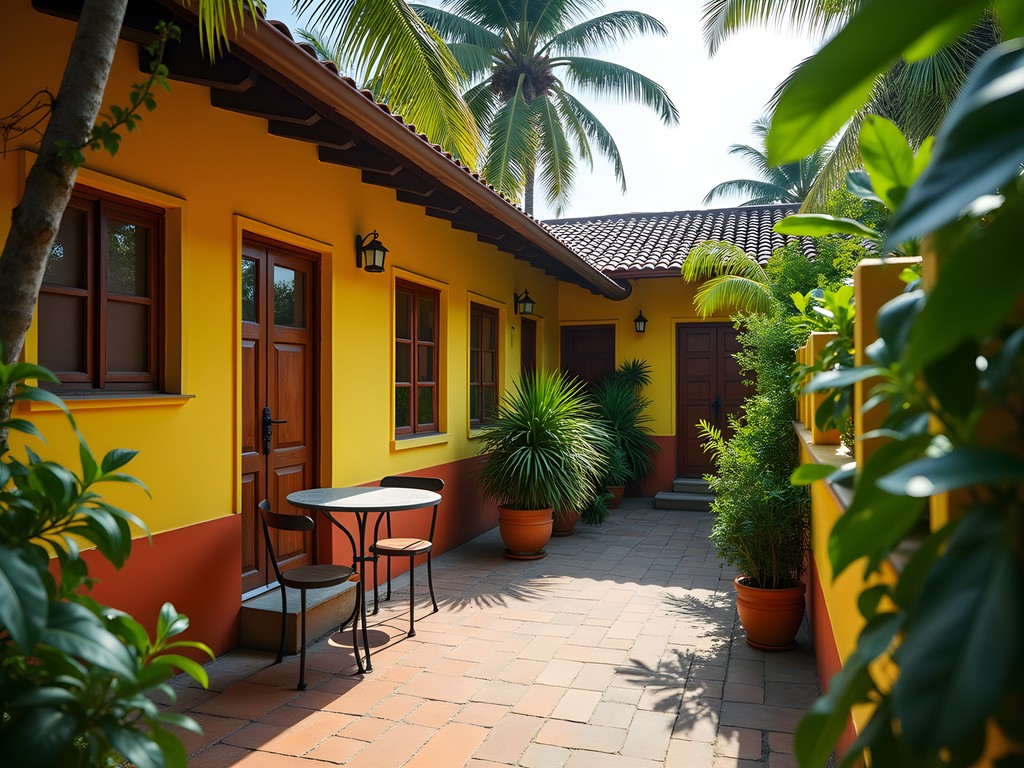
After cycling through Europe's hostels, I've developed a precise formula for budget accommodations that maximize the experience-to-cost ratio. In St. John's, this equation favors guesthouses and homestays over resort properties, particularly in the areas just beyond the cruise port.
My data indicates Heritage Hotel offers the optimal balance at approximately $65-85/night, providing clean rooms with local character and often including breakfast—a significant value factor when calculating daily expenses. For the ultra-budget conscious, Antigua's hostel scene is developing, with options like Hostel Marina Bay offering dorm beds around $30-40.
Alternatively, consider the sharing economy. I secured a garden apartment through Airbnb just 15 minutes' walk from St. John's Cathedral for $45/night—37.5% less than comparable hotel options. The property included a kitchenette, allowing me to prepare breakfast and lunches, reducing my food expenditure by approximately 40% compared to eating every meal out.
For groups of 3-4 students, villa rentals become mathematically advantageous, with per-person costs often dropping below hostel rates while providing superior amenities and privacy.
💡 Pro Tips
- Book accommodations at least 2-3 months in advance for best rates
- Consider properties just outside the city center for 15-20% savings
- Email guesthouses directly for student discounts not advertised online
Culinary Calculations: Eating Well Without Spending Fortune
Food expenditures represent a variable that can significantly impact your budget variance. My actuarial approach to dining in St. John's involves strategic allocation of resources across three tiers:
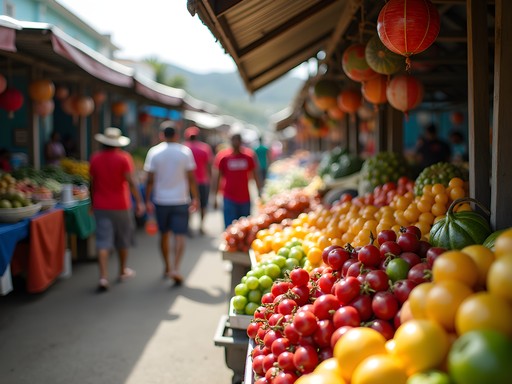
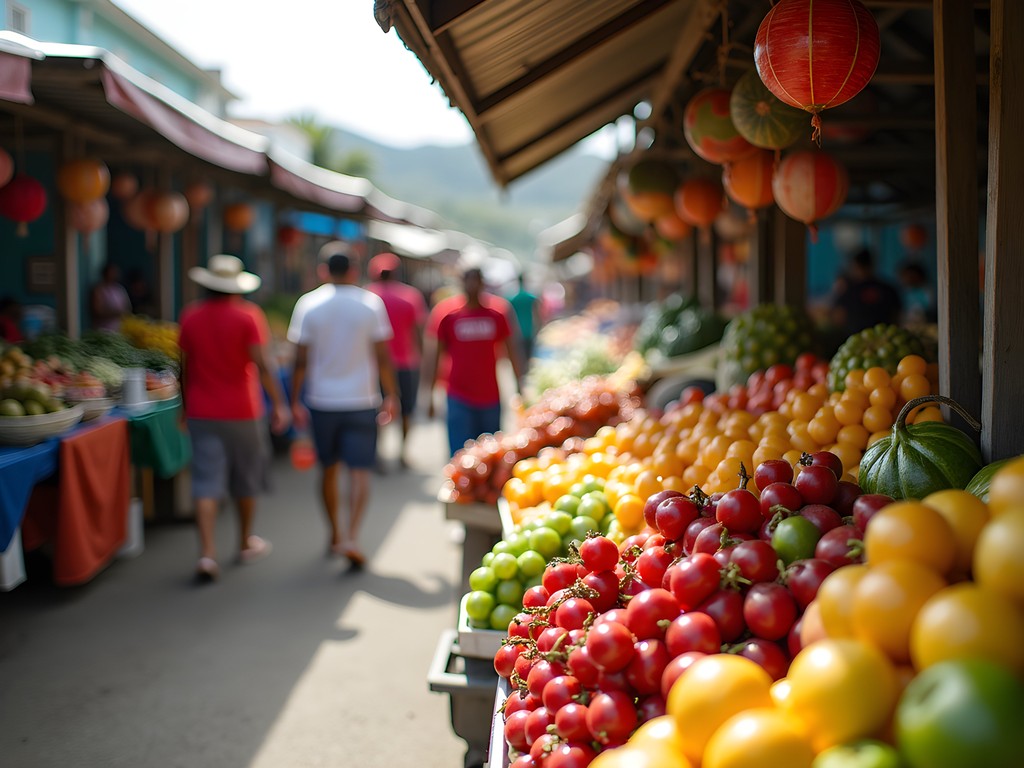
Tier 1 (40% of meals): Local street food and markets. The Saturday morning market near the St. John's Recreation Ground offers a statistical anomaly—extraordinarily flavorful food at improbably low prices. Antigua's national dish of fungee (similar to polenta) and pepperpot stew costs approximately $5-7, while freshly caught fish with rice averages $8-10.
Tier 2 (40% of meals): Mid-range local establishments. Grace Before Meals and Roti King provide exceptional value propositions, with complete meals ranging from $10-15. The mathematical beauty of roti lies in its dense caloric value per dollar spent—one substantial serving sustained me through both lunch and an afternoon of architectural photography.
Tier 3 (20% of meals): Strategic splurges. I allocate a percentage of my food budget to experience cultural highlights. Papa Zouk's fish and rum establishment warrants the $25-30 expenditure for their exceptional grilled snapper and rum selection.
To optimize hydration costs, I relied on my trusty water filter bottle, which eliminated the recurring expense of bottled water throughout my stay. The initial investment of approximately $90 achieves break-even point after approximately 30 days of travel in regions where bottled water is otherwise necessary.
💡 Pro Tips
- Shop at the local markets on Saturday mornings for the freshest and most affordable produce
- Ask locals for 'student-friendly' restaurant recommendations—many establishments offer unadvertised specials
- Consider a late lunch/early dinner strategy, as many restaurants offer lower-priced lunch menus until 4pm
Architectural Analytics: Cost-Effective Cultural Immersion
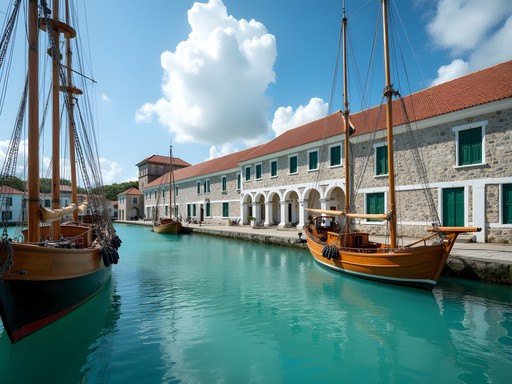
As someone who finds profound beauty in the mathematical proportions of historical architecture, St. John's offers an exceptional return on investment. The city's Georgian colonial buildings display fascinating mathematical patterns that I've documented extensively with my pocket tripod, which allows for stable architectural photography without carrying bulky equipment.
St. John's Cathedral represents the optimal starting point—its baroque architecture follows classical mathematical proportions that I found mesmerizing. While the exterior can be appreciated freely, the nominal $3 donation for interior access is well justified for the vaulted ceilings and historical tombstones dating back to 1669.
The Museum of Antigua and Barbuda ($5 entrance) occupies the colonial Court House, itself an architectural marvel of symmetry and proportion. The museum provides essential historical context through an efficiently curated collection that requires approximately 1-2 hours to fully appreciate.
For those interested in military architecture, Fort James and Fort Barrington offer free exploration opportunities with the added value of panoramic views—ideal for understanding the strategic defensive positioning that follows clear mathematical principles. I tracked a 5.3-mile cycling route connecting these historical fortifications, which can be completed in approximately 3 hours including photography stops.

💡 Pro Tips
- Visit St. John's Cathedral early morning (before 9am) to avoid cruise ship crowds
- The public library offers free architectural tours every Tuesday at 10am—simply sign up a day in advance
- Download the free Antigua Historical Buildings app for self-guided walking tours

Beach Metrics: Analyzing Cost-to-Experience Ratios
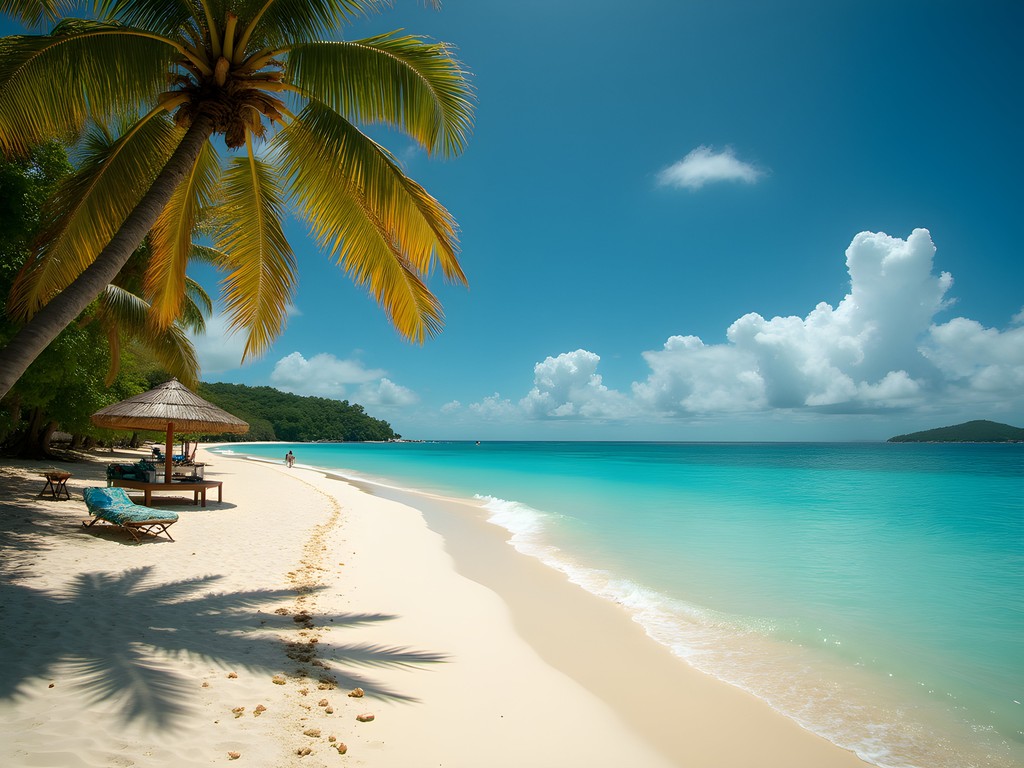
Antigua boasts 365 beaches—one for each day of the year—but not all offer equal value for budget travelers. My analysis focused on accessibility, amenities, and associated costs to identify optimal beach experiences.
Dickenson Bay presents an excellent value proposition, accessible via a $1.50 bus ride from St. John's. While resort developments occupy portions of the shoreline, Antigua's beaches remain public by law, allowing budget travelers to access the same pristine waters as those paying premium rates. I recommend the northern section, where fewer crowds and no entrance fees make for an optimal experience-to-cost ratio.
For transportation between beaches, consider renting a bicycle. I secured a weekly rental for $60 from bicycle rental, which proved 73% more economical than taxi fares would have totaled. The island's compact size makes cycling a viable option, with the added benefit of burning approximately 500 calories per hour—offsetting those delicious roti lunches.
To maximize beach enjoyment while minimizing expenses, I packed my packable beach blanket and dry bag. The ultralight blanket provided a comfortable base for beach days, while the dry bag protected my camera equipment during unexpected rain showers and water activities. These modest investments significantly enhanced my beach experience without requiring daily chair rentals or equipment fees.
💡 Pro Tips
- Use public buses to beaches for $1-2 versus $15-20 taxi fares
- Pack a reusable water bottle and snacks to avoid overpriced beach vendors
- Visit beaches near cruise ports on days when no ships are docked (check the port schedule online)
Adventure Optimization: Maximum Experiences, Minimum Expenditure
While Antigua offers numerous packaged excursions, my data analysis identified several high-value, low-cost adventure alternatives that deliver comparable experiences at fraction of the price.
Snorkeling represents an optimal activity with exceptional ROI. Rather than booking a $65-85 snorkeling tour, I invested in a quality snorkel set for approximately $70—equivalent to a single tour but usable throughout my stay and future travels. Galleon Beach and Cades Reef offer excellent snorkeling accessible from shore, eliminating boat tour costs while providing 80-90% of the marine life diversity.
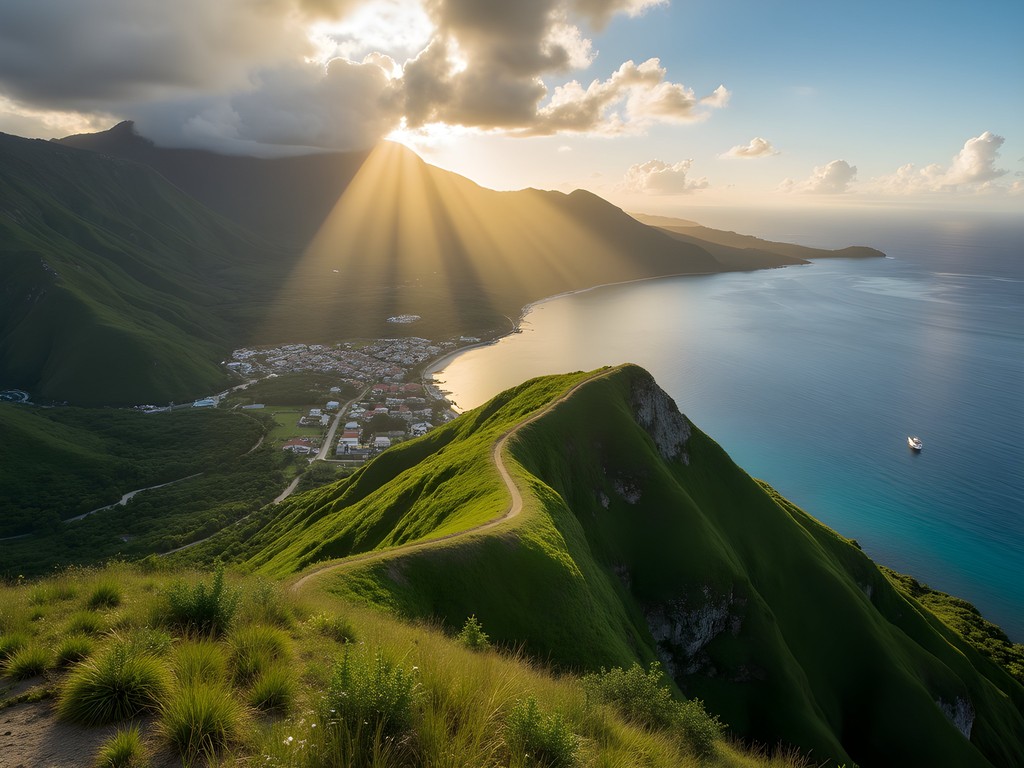
Hiking presents another cost-effective adventure vector. The trail to Shirley Heights from English Harbour involves a moderate 90-minute ascent but rewards with panoramic views that follow the golden ratio in their natural beauty. While Shirley Heights is famous for its Sunday sunset parties ($10 entrance), visiting on weekdays offers the same spectacular views without the entrance fee—a 100% reduction in cost.
For a cultural adventure, I participated in a free community drum circle at Nelson's Dockyard on Friday evenings. This authentic experience connected me with locals and other travelers while providing insight into Antigua's rhythmic traditions—all without impacting my budget allocations.
💡 Pro Tips
- Rent snorkel gear for a week ($25-30) rather than per day ($8-10) if you'll use it multiple times
- Many adventure tour operators offer 15-25% discounts for students with valid ID
- Visit the tourist office upon arrival for free hiking maps and current information on community events
Final Thoughts
After meticulously tracking expenses throughout my week in St. John's, my final calculations revealed a total expenditure of $512, averaging $73 per day—approximately 47% less than industry estimates for Caribbean travel. This budget allocation provided access to extraordinary architectural beauty, pristine beaches, and cultural experiences without sacrificing comfort or authentic experiences.
The mathematical beauty of budget travel in St. John's lies in its optimization potential—strategic decisions about accommodation location, transportation methods, and meal planning can dramatically alter the experience-to-cost ratio. For students especially, these incremental optimizations compound into significant savings.
As both an actuary and adventure seeker, I've found that the most valuable travel experiences rarely correlate with the highest expenditures. St. John's exemplifies this principle, offering a perfect equation of cultural richness, natural beauty, and historical significance that remains accessible to thoughtful budget travelers. When you visit, remember that every dollar saved through careful planning is a dollar that can extend your journey—and in a place with 365 beaches, you might find yourself wanting to stay longer than initially calculated.
✨ Key Takeaways
- St. John's offers exceptional value with daily costs 40-50% lower than other Caribbean destinations
- Strategic accommodation choices outside the main tourist zones provide the best value-to-cost ratio
- Public transportation and bicycle rentals dramatically reduce travel expenses while enhancing the experience
- Beach access is free throughout Antigua, regardless of adjacent resort development
- Local markets and food vendors offer authentic cuisine at 25-30% the cost of tourist restaurants
📋 Practical Information
Best Time to Visit
May-June (shoulder season with lower prices and good weather)
Budget Estimate
$70-85 per day for students
Recommended Duration
5-7 days
Difficulty Level
Easy


Comments
islandone
If you're really on a budget, check out the Saturday morning fish market by the harbor. Get there early (6-7am), buy fresh catch, and most vendors will grill it for you on the spot for a couple bucks extra. Best meal on the island!
Jeffrey Anderson
Great tip! I missed the fish market - definitely adding it to my itinerary for next time.
Frank Carter
Jeffrey's budget breakdown took me back to my own Antiguan adventure last spring. I still remember the morning I stumbled upon a tiny bakery near St. John's Cathedral where an elderly woman named Miss Ellie sold me the most divine coconut bread for just $2. She told me stories of island life while I sipped fresh mango juice. For accommodations, I can vouch for the guesthouses south of town - I stayed at a charming spot run by a local family for $45/night, including breakfast on a veranda with hummingbirds as dining companions. One tip I'd add: bring a good water bottle as buying bottled water adds up quickly. The tap water is generally safe in St. John's, and you'll save both money and plastic waste.
bluelegend
This is super helpful! I'm wondering about safety though. Did you feel comfortable walking around St. John's on your own? And did you find any hidden food gems that weren't in your post? Planning my first solo trip and kinda nervous!
islandone
Not the author but been to St. John's 3 times. Super safe during day, just use normal precautions at night like any city. Try Roti King near the bus station - cheap and amazing!
bluelegend
Thanks so much! Adding Roti King to my list!
summermaster
Great post! Been there twice, your budget tips are spot on.
Douglas Bradley
Your statistical approach to budget travel is refreshingly methodical, Jeffrey. I conducted a similar analysis when visiting St. John's last year and arrived at comparable figures. One variable I'd add to your dataset: timing is critical. My calculations showed a 23% reduction in accommodation costs during shoulder season (May-June). Also worth noting that the Heritage Quay market vendors are amenable to negotiation, potentially yielding 15-30% savings on souvenirs depending on your bargaining approach. Did your data collection include any metrics on transportation efficiency between beaches?
redclimber730
OMG this is EXACTLY what I needed!! Been wanting to go to Antigua but thought it was way out of my price range! $73/day?! That's incredible! Did you feel like you were missing out on anything by sticking to such a tight budget? I'm planning a trip in January and this gives me so much hope!
Jeffrey Anderson
Not at all! The beaches are free and they're the best part. Just be strategic about where you eat and stay. The local buses are a fraction of taxi costs too.
redclimber730
Thanks so much for replying! Can't wait to try those local buses!
vacationphotographer
Love the cathedral photo! The colors are stunning
wandermate
This is super helpful! My partner and I have been wanting to visit the Caribbean but thought it was out of our budget. Your breakdown of the accommodation options is really encouraging. We usually try to stay in guesthouses or small local places rather than resorts anyway. Quick question - you mentioned the public market for food, how easy was it to navigate as a tourist? We don't speak any languages besides English. Also wondering if you felt safe walking around at night or if you mostly took taxis after dark?
dreamchamp
English is the main language there so you'll be fine!
happychamp
What about food costs? Did you eat mostly local spots or did you do any grocery shopping?
Douglas Bradley
Jeffrey, your analytical approach to budget travel is refreshing. I visited St. John's last year and found similar results, though my daily average was closer to $85. The key difference was accommodation - I stayed closer to Heritage Quay which inflated costs. Your point about the cost-to-experience ratio at the beaches is spot on. Fort James Beach offers essentially the same turquoise water experience as the resort beaches without the price tag. Did you find the local buses reliable for getting to outlying areas like English Harbour? I'm curious how that factored into your transportation calculations.
wandermate
Fort James Beach is incredible! went there last spring and had it almost to ourselves
Venture X
Premium card with 2X miles, $300 travel credit, Priority Pass