




Disclosure: This article contains affiliate links. We may earn a commission from purchases at no extra cost to you, which helps our travel content.
London has a reputation for emptying wallets faster than you can say 'Mind the Gap,' but after growing up watching tourists struggle with Venice's inflated prices, I've made it my mission to crack the code of experiencing world-class cities without world-class expenses. Drawing on my urban design background and five visits to the UK capital, I've refined a strategy that lets you absorb London's architectural grandeur, cultural richness, and urban energy for under $75 a day—without feeling like you're missing out on what makes this metropolis magical.

Navigating London's Transportation Without Breaking the Bank
When I first visited London as a budget-conscious student, I made the classic rookie mistake of paying for individual Tube journeys. Now, as someone who studies urban mobility professionally, I can tell you that London's transportation system is both a marvel of urban planning and a potential budget-destroyer if navigated incorrectly.
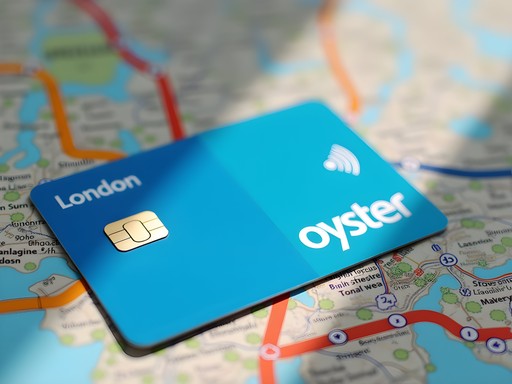
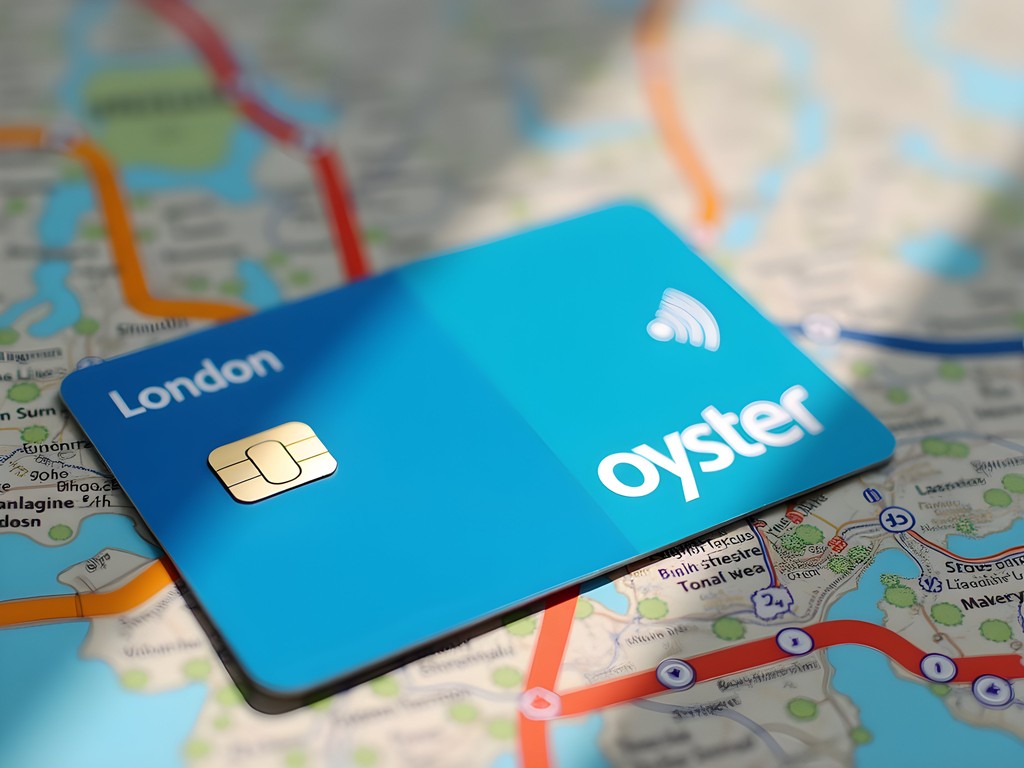
The Oyster card system is your best friend here. For a £5 refundable deposit, you'll get access to daily fare capping that ensures you never pay more than necessary. Even better, download the Citymapper app before arrival—it's transformed how I navigate London's complex transit network. The app calculates not just the fastest route but often suggests money-saving alternatives like taking a bus instead of the Tube for certain journeys.
But here's my urban designer's secret: London is actually a surprisingly walkable city at its core. The areas between major attractions like Trafalgar Square, Covent Garden, and Somerset House create what we call a 'pedestrian shed'—areas comfortably walkable within 15-20 minutes. Walking not only saves money but reveals those architectural transitions and urban textures that tell London's true story.
💡 Pro Tips
- Purchase an Oyster card immediately upon arrival and register it online in case of loss
- Avoid the Tube during rush hour (8:30-9:30am and 5-6:30pm) when it's both crowded and more expensive
- Plan your sightseeing geographically to minimize transportation costs—the Tube map is notoriously deceptive about actual walking distances
Free Cultural Immersion: Museums, Parks and Public Spaces
Growing up in Venice, I watched tourists shell out €20+ for each museum visit. London flips this model on its head with its extraordinary collection of free world-class museums. As an urban designer, I'm particularly drawn to the Victoria and Albert Museum—its architectural galleries provide a masterclass in how cities evolve through design. The Tate Modern, housed in a repurposed power station, demonstrates how industrial spaces can be reimagined for cultural purposes—a concept I reference frequently in my own work.
Beyond museums, London's parks offer free urban retreats that showcase landscape architecture at its finest. My personal morning ritual involves grabbing an affordable coffee and wandering through St. James's Park to watch the city wake up. The park's sightlines to Buckingham Palace were intentionally designed to create dramatic urban vistas—the kind of detail that makes London special without costing a penny.
For evening entertainment, look into free events at the Southbank Centre or catch the changing of the guard at Buckingham Palace. I always pack my lightweight binoculars to catch architectural details on historic buildings and distant monuments without having to pay for tower access or elevated viewpoints.

💡 Pro Tips
- Visit major museums during weekday afternoons to avoid crowds
- Download the 'What's On' guide from the Southbank Centre website for free cultural events
- Explore the 'secret' garden at the Victoria and Albert Museum for a peaceful lunch spot
Budget Accommodation: Beyond the Hostel Dormitory
London's accommodation costs can derail even the most carefully planned budget, but I've discovered alternatives to the standard £150+/night hotel rooms. Having spent countless nights researching affordable options across four continents, I can confidently say London requires strategic thinking.
While hostels remain the go-to for solo travelers (The Generator and Wombats are my top picks for their social spaces and central locations), I've found university accommodation offers exceptional value during summer months. King's College London and LSE both rent their student rooms to travelers from June through September, offering private rooms with ensuite bathrooms in prime central locations for around £50-70/night—a fraction of hotel prices.
For longer stays, I've had success with Airbnb alternatives in neighborhoods like Brixton, Walthamstow, and Peckham. These areas are experiencing the kind of urban revitalization I study professionally, with vibrant street life, excellent transportation connections, and prices about 30-40% lower than central areas.
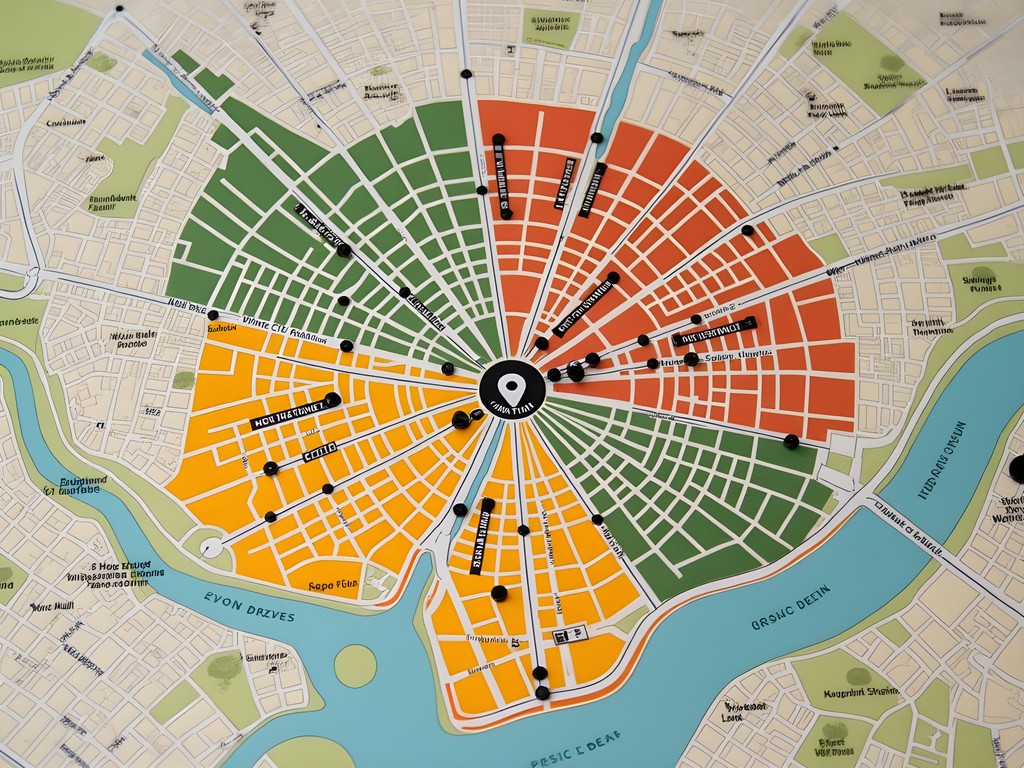
My urban designer tip: choose accommodation near a transport hub rather than tourist attractions. The well-connected nature of London's transit system means staying near a Tube station in Zone 2 can save you £30-40 per night while adding only 10-15 minutes to your commute into central sights.
💡 Pro Tips
- Book university accommodation 3-4 months in advance for summer stays
- Consider a private room in a hostel instead of a dormitory for just £10-15 more per night
- Look for accommodations that include breakfast and kitchen access to further reduce daily food costs

Eating Well Without the London Price Tag
Food markets saved my budget during my student days in London, and they remain the cornerstone of my affordable eating strategy. Borough Market is the famous option, but as an urban spaces enthusiast, I'm drawn to the less touristy markets that serve as authentic community hubs.
Maltby Street Market and Mercato Metropolitano represent the kind of adaptive reuse of urban space that fascinates me professionally—industrial areas transformed into vibrant food destinations. At these markets, you can sample diverse cuisines for £5-8 per dish, often from vendors who also supply London's high-end restaurants.
For breakfast, I skip hotel offerings and instead pack a collapsible coffee dripper that lets me make my own coffee wherever I stay. I pair this with fresh pastries from local bakeries like Fabrique or Gail's, spending around £4-5 total versus £10-15 at cafés.
Lunch is where London's meal deal culture shines—most supermarkets offer a sandwich, snack and drink combination for around £3-4. My favorite urban hack is to take these to London's hidden public gardens, like the Barbican Conservatory or the garden at St. Dunstan in the East, a bombed-out church transformed into a green oasis.
For dinner, look beyond the tourist zones to neighborhoods like Whitechapel for authentic curry houses where you can dine for under £10, or Brixton Market for diverse global cuisines at local prices.

💡 Pro Tips
- Visit Borough Market after 4pm when vendors offer discounts to avoid food waste
- Look for the 'Tesco Express' or 'Sainsbury's Local' logos for meal deals rather than the larger stores which often have fewer options
- Download the 'Too Good To Go' app to rescue unsold food from cafés and restaurants at drastically reduced prices
Hidden London: Free and Low-Cost Urban Adventures
The London experienced by tourists along the Thames is just one layer of this complex urban palimpsest. As someone who studies how cities evolve, I'm drawn to the edges—those transition zones where history, culture and community intersect in fascinating ways.
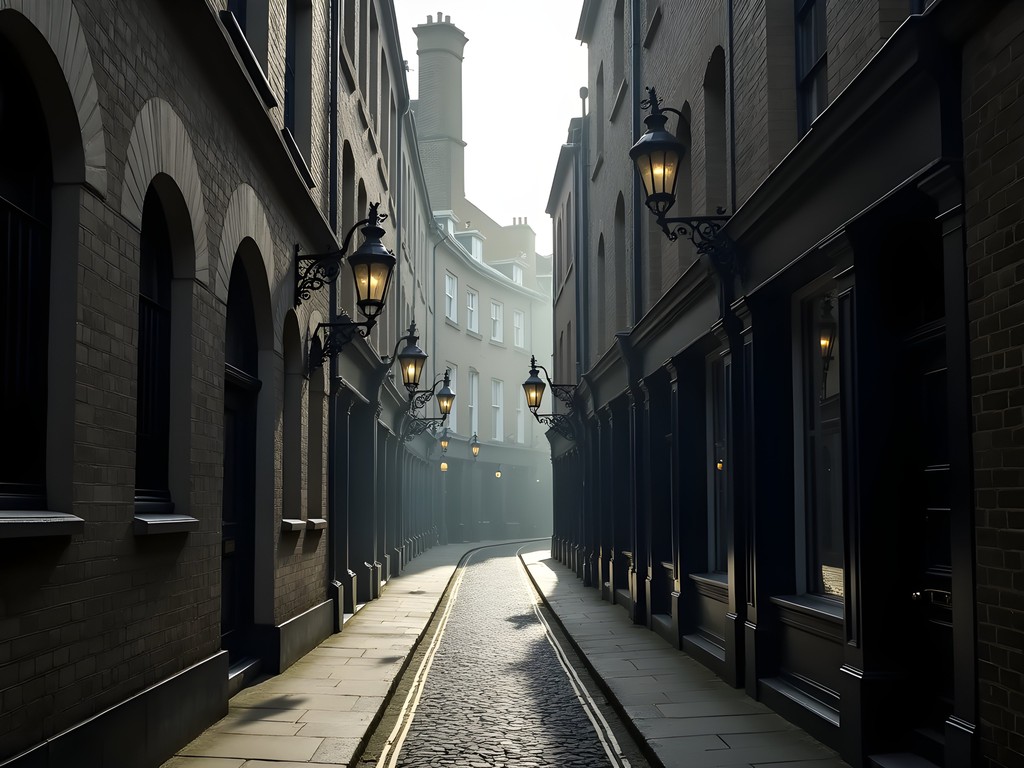
Start with self-guided walking tours that reveal London's architectural evolution. The contrast between the medieval street patterns around St. Paul's Cathedral and the planned Georgian squares of Bloomsbury tells the story of how London developed over centuries. I use the offline walking maps app to create custom routes that connect major sights while weaving through hidden courtyards and historic alleyways.
For rainy days (a London inevitability), I've discovered the city's network of free public libraries offers stunning interiors and quiet workspaces. The Wellcome Collection, British Library, and Barbican Centre all offer free access to remarkable buildings with rotating exhibitions.
My favorite budget activity combines urban exploration with London's pub culture. Historic pubs like The George Inn (London's last galleried coaching inn) or Ye Olde Cheshire Cheese (rebuilt after the Great Fire of 1666) offer the chance to soak in centuries of history while enjoying a half-pint (around £2.50) rather than committing to full-price drinks.
Don't miss London's street art scene in Shoreditch and Brick Lane, where the urban landscape becomes an ever-changing free gallery. The juxtaposition of Victorian industrial architecture with contemporary artistic expression exemplifies the kind of urban layering that makes cities endlessly fascinating to explore.
💡 Pro Tips
- Visit Sky Garden instead of The Shard for free panoramic views (book online 3 weeks in advance)
- Attend evensong at Westminster Abbey or St. Paul's Cathedral for free access to these magnificent spaces
- Look for 'blue plaques' on buildings that indicate historical significance—they're like free museum exhibits scattered throughout the city
Final Thoughts
London doesn't have to be the budget-buster of travel legend. By approaching the city with an urban designer's eye—seeing how spaces connect, understanding neighborhood dynamics, and recognizing where value truly lies—you can experience the capital's grandeur without grand expenditure. My Venetian childhood taught me that the soul of a city rarely resides in its most expensive attractions, and London proves this theory magnificently.
The £75/day strategy requires some advance planning and a willingness to experience the city as locals do, but the reward is a deeper connection to London's urban fabric. You'll return home with not just photos of iconic landmarks, but an understanding of how this remarkable city functions as a living organism of neighborhoods, histories, and communities.
As you plan your own London adventure, remember that constraints often lead to creativity. Some of my most memorable London experiences—watching sunrise from Primrose Hill, discovering a hidden garden in the City, or stumbling upon a free concert at Southbank Centre—cost nothing but enriched my understanding of urban life immeasurably. London on a budget isn't about what you sacrifice; it's about what you discover when you look beyond the obvious.
✨ Key Takeaways
- London's major museums are free, making cultural experiences accessible regardless of budget
- Strategic transportation choices using Oyster cards and walking can save £10-15 daily
- Food markets and supermarket meal deals provide authentic eating experiences at a fraction of restaurant prices
- The most memorable London experiences often come from exploring neighborhood transitions and public spaces rather than paid attractions
📋 Practical Information
Best Time to Visit
September-October (fall shoulder season)
Budget Estimate
$65-75 per day excluding flights
Recommended Duration
5-7 days
Difficulty Level
Beginner






Comments
journeyclimber
What about day trips from London on this budget? Thinking Bath or Oxford?
Frank Garcia
Megabus or National Express can get you to Bath for under £10 if you book ahead. Oxford is closer and cheaper—about £15 return on the train off-peak.
cooltime
Really helpful! Bookmarking this for our summer trip.
Frank Garcia
Solid breakdown, Blake. I'd add that the £75/day budget is actually quite comfortable if you're strategic. I tracked my spending across 5 days in London last autumn: averaged £68/day including accommodation in King's Cross (£32/night at a budget hotel, not hostel). The museum strategy you mentioned is crucial—I did British Museum, Tate Modern, and National Gallery for £0. Food is where most people blow it. Tesco meal deals (£3.50), Pret's discount after 7pm, and ethnic restaurants in Southall or Whitechapel will keep you well-fed for under £20/day. One tip: buy a reusable water bottle. London tap water is excellent and refilling saves you £2-3 per bottle. The math works if you're willing to eat one proper restaurant meal and keep the rest casual.
freerider
Oyster card or contactless?
Frank Garcia
Contactless is easier tbh. Same price cap, no deposit needed.
freerider
Thanks!
Casey Andersson
Blake, I love how you've flipped the script on London's expensive reputation! I stayed in Shoreditch last year and honestly, your point about looking beyond Zone 1 is spot-on. I found this incredible pub in Peckham where locals actually eat—£8 for a proper Sunday roast. The thing is, once you start seeing London through neighborhood eyes instead of tourist zones, the whole city opens up differently. I spent a morning just wandering through Columbia Road Flower Market, grabbed a coffee for £2.50, and felt more connected to the city than any £150 afternoon tea ever made me feel. Your transportation breakdown is gold—I wish I'd read this before I bought those day travelcards!
journeyclimber
Which pub in Peckham? Always looking for good roast spots!
Casey Andersson
The Montpelier! Absolute gem. Get there early on Sundays though.
adventureguide
This is awesome! Going to London in March and was stressing about costs.
Blake Brown
Have an amazing time! March is great because it's just before peak tourist season.
happybackpacker
Love this! Also your photos are gorgeous
Ana Robinson
What a fantastic resource, Blake! I took my two kids to London last summer and wish I'd had this guide then. We did manage to keep costs down by staying in a family room at a budget hotel in Zone 3 and taking the tube everywhere. The kids absolutely loved the free museums - the Natural History Museum was their favorite (that dinosaur hall!). One thing that surprised me was how expensive simple meals were, even at casual places. Your tips on grocery store meals and market food would have been lifesavers. Definitely bookmarking this for our next visit!
bluegal
Good to know about Zone 3! Is the commute time too long?
Ana Robinson
Not at all! Maybe 30-40 minutes to central London, and the tube is so efficient. Totally worth the savings.
explorewanderer
This is gold! I've been to London 4 times and still learned new things from this. The bit about eating at Pret during their discount hours is genius - never thought of timing my meals that way. Also pro tip: Tesco meal deals are your friend. £3.50 for sandwich, snack, and drink. Saved me so much money on my last trip!
photorider
Really useful post! I'm a bit nervous about accommodation though - did you find the hostels safe? I've never stayed in one before and would be traveling solo. Any specific recommendations in the areas you mentioned?
happybackpacker
Not Blake but I've stayed in tons of London hostels solo! They're generally really safe. Look for ones with lockers and good reviews. The Generator hostels are solid if you want something social.
Venture X
Premium card with 2X miles, $300 travel credit, Priority Pass