





Disclosure: This article contains affiliate links. We may earn a commission from purchases at no extra cost to you, which helps our travel content.
As both a pediatrician and an avid traveler, I've learned that the most meaningful family adventures happen when we step away from the obvious tourist checklist. After multiple visits to London with friends and their children, I've compiled these lesser-known gems that spark imagination and create lasting memories. While the Tower of London and London Eye certainly deserve their reputation, this magnificent city offers so much more for curious young minds. This guide combines my medical expertise with local insights to help you navigate London's family-friendly secrets with confidence. Pack comfortable shoes, bring your sense of wonder, and prepare to experience a side of London that many visitors miss entirely. These 15 magical experiences will transform your family's London adventure from merely educational to genuinely transformative.

Hidden Green Spaces: London's Secret Gardens
While Hyde Park gets all the attention, London harbors enchanting green spaces where children can truly connect with nature and burn off energy between museum visits. My personal favorite is the Chelsea Physic Garden, London's oldest botanical garden established in 1673, where kids can participate in family activity days exploring medicinal plants and their healing properties.
Kyoto Garden within Holland Park offers a Japanese oasis complete with koi ponds and wandering peacocks—a perfect setting for impromptu mindfulness moments with children. I've witnessed even the most energetic kids become peacefully transfixed by the flowing waterfalls. For literary adventures, nothing beats the hidden Phoenix Garden in Covent Garden, where children can spot urban wildlife and connect to the natural world while still in central London.
From a developmental perspective, these green sanctuaries provide crucial sensory experiences for children while offering parents a restorative break from the city's intensity. I recommend bringing a compact picnic blanket that folds into a tiny pouch—it's been invaluable for impromptu rest stops and snack breaks during our London explorations.

💡 Pro Tips
- Visit Chelsea Physic Garden on Family Activity Days (check their website for schedule)
- Bring breadcrumbs to feed ducks at St. James's Park's lesser-known corners
- Pack a magnifying glass for children to examine plants and insects in these urban ecosystems
Underground Adventures: Caves and Tunnels Beneath the City
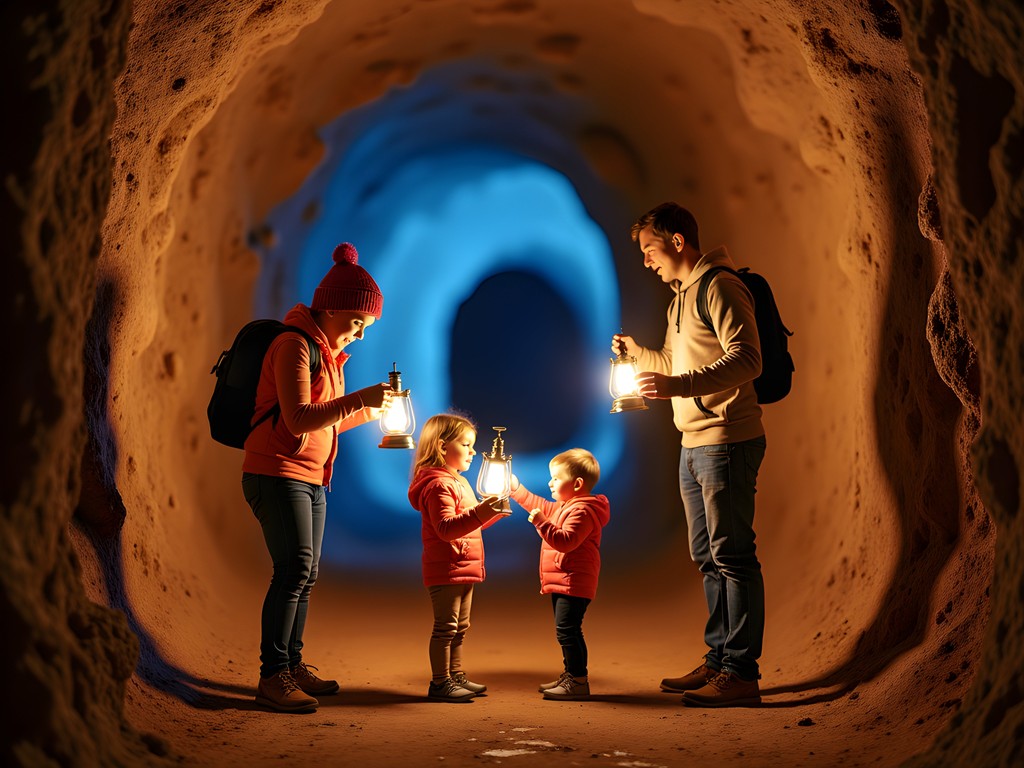
London's subterranean world offers extraordinary adventures that combine my passion for caving with educational opportunities. The Chislehurst Caves in southeast London span 22 miles of man-made tunnels and have served as everything from ancient mines to WWII bomb shelters. During guided tours, children are given handheld oil lamps, creating an atmosphere of authentic exploration that ignites their imagination.
For history enthusiasts, Churchill's War Rooms provide a fascinating glimpse into WWII operations, with interactive elements that help children understand this crucial period. The London Transport Museum's hidden tours of abandoned Underground stations are perfect for older children who love urban exploration and engineering.
From a developmental standpoint, these underground adventures create powerful multisensory learning experiences. Children naturally absorb historical information when it's presented in such immersive environments. The slight element of controlled adventure—darkness, echoing sounds, and mysterious passages—creates memorable experiences that traditional museums simply can't match.
Before heading underground, I always ensure children have a headlamp of their own. This hands-free light source not only provides practical illumination but gives kids a sense of explorer's autonomy that heightens their engagement.
💡 Pro Tips
- Book Chislehurst Caves tours in advance and bring an extra layer (it's cool underground)
- Prepare younger children for darkness with stories about 'adventure caves' before visiting
- Create a simple scavenger hunt list for things to spot in Churchill War Rooms to keep kids engaged
Hands-On Science: Interactive Learning Beyond the Museums
While the Science Museum is undoubtedly impressive, London offers extraordinary hands-on scientific experiences that take learning beyond glass display cases. The Center of the Cell in Whitechapel is a particular favorite of mine as a physician—it's the world's first science education center located within working biomedical research laboratories, where children can use real scientific tools and participate in DNA extraction workshops.
The Royal Institution's L'Oréal Young Scientist Centre offers bookable workshops where children conduct actual experiments in chemistry, physics, and computer science. For families with budding engineers, the Thames Barrier Information Centre provides fascinating insights into how London protects itself from flooding, with working models that demonstrate fluid dynamics principles in an accessible way.
As someone who values both education and engagement, I've observed how these interactive experiences create deeper learning connections than passive museum visits. Children retain scientific concepts remarkably well when they've physically participated in demonstrating them. These venues transform abstract STEM concepts into tangible experiences.
For families serious about science exploration, I recommend a pocket microscope that allows children to examine specimens found during your London adventures. We've used ours to study everything from Thames mud samples to the intricate patterns of leaves collected in London's parks.

💡 Pro Tips
- Book Center of the Cell workshops at least 3 weeks in advance as they fill quickly
- Combine your Thames Barrier visit with a river boat trip for context
- Create a 'London Science Journal' where kids can document their experiments and observations

Multicultural Food Adventures: Global Cuisines in Borough Market
Borough Market offers an unparalleled opportunity to expand children's culinary horizons while teaching them about global cultures through food. Unlike typical tourist dining experiences, this historic market allows families to sample small portions from dozens of countries, turning lunch into an educational adventure. The market's Thursday through Saturday sessions offer the fullest experience, though the market operates in some capacity throughout the week.
As a pediatrician, I'm particularly passionate about encouraging food exploration in children. Exposure to diverse flavors and ingredients during developmental years not only creates more adventurous eaters but also builds cultural appreciation. I've watched previously hesitant young eaters become enthusiastic food explorers after experiencing Borough Market's welcoming atmosphere.
My recommended approach is the 'three-bite challenge'—where children commit to trying at least three bites of five new foods. The Ethiopian injera bread with mild wat (stew), Portuguese pastéis de nata, and the fresh Turkish delight stand have all been consistent winners with even the pickiest eaters I've accompanied.
For families with dietary restrictions or allergies, I recommend bringing a food allergy translation card set that clearly communicates specific needs in multiple languages. These wallet-sized cards have proven invaluable when navigating international food stalls with children who have specific dietary requirements.

💡 Pro Tips
- Visit on weekdays before noon to avoid the heaviest crowds
- Create a food passport where kids can draw or rate each new food they try
- Stop by the Bread Ahead bakery for their famous doughnut demonstration where children can watch the baking process
Mindfulness Moments: Peaceful Retreats in the Urban Jungle
London's frenetic pace can overwhelm young nervous systems, making strategic mindfulness breaks essential for family harmony. As someone who integrates meditation into both my medical practice and travel philosophy, I've discovered perfect urban sanctuaries for family-friendly mindfulness moments.
The Horniman Museum's Sound Garden in Forest Hill combines musical exploration with sensory integration, allowing children to play oversized outdoor instruments while absorbing the therapeutic benefits of making music. The garden's design naturally encourages deep breathing and present-moment awareness without explicitly labeling it as 'meditation'—perfect for children who resist formal mindfulness practices.
For indoor tranquility, the British Library's Treasures Gallery offers whisper-quiet spaces where even young children naturally modulate their behavior. The illuminated manuscripts section creates a cathedral-like atmosphere that inspires hushed wonder. I've guided families through simple 'five senses' mindfulness exercises here, asking children to identify one thing they can see, hear, feel, smell, and (metaphorically) taste in this special environment.
Perhaps most magical is Eltham Palace's sunken rose garden, where children can practice walking meditation along the concentric paths while counting different rose varieties. The sensory experience of fragrant flowers combined with geometric pathways creates natural mindfulness without requiring children to sit still.
For families wanting to continue these practices throughout their London journey, I recommend a kids meditation cards deck that offers simple, playful mindfulness exercises specifically designed for travel scenarios.

💡 Pro Tips
- Visit the Horniman Sound Garden early morning for minimal crowds
- Bring a small notebook for children to draw their 'peaceful place' after each mindfulness experience
- Practice 'red light, green light' breathing (inhale on red, exhale on green) while waiting in London's inevitable queues
Literary London: Bringing Stories to Life Beyond Platform 9¾
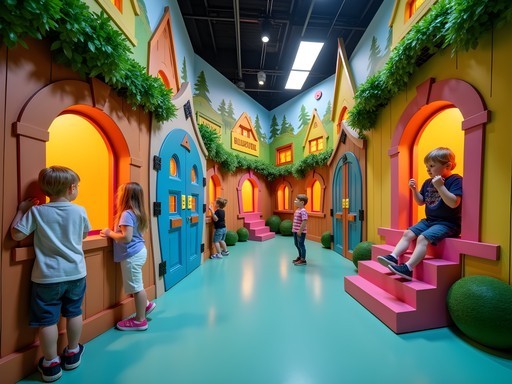
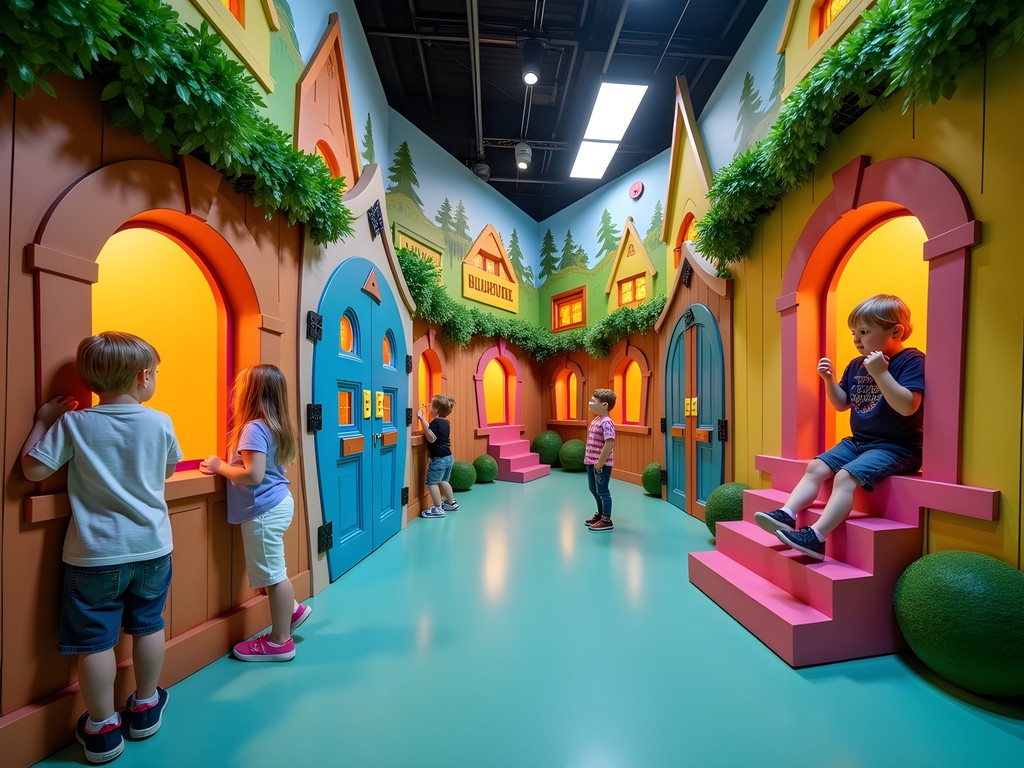
While Harry Potter attractions draw massive crowds, London offers deeper literary experiences that connect children with beloved stories in meaningful ways. The Discover Children's Story Centre in Stratford creates immersive story worlds where children physically enter and interact with narratives—from crawling through the Bear Hunt's swishy-swashy grass to exploring Dr. Seuss-inspired environments.
For middle-grade readers, the Charles Dickens Museum offers surprisingly engaging family tours where children can write with quill pens, dress in period clothing, and connect historical context to familiar stories like A Christmas Carol. Their specialized family guides excel at making Victorian London accessible to young visitors.
Perhaps my favorite literary experience is the lesser-known Pollock's Toy Museum near Goodge Street, where children discover the original Victorian toy theaters that inspired countless authors. The museum offers weekend workshops where families create their own miniature paper theaters based on classic children's literature.
The developmental benefits of these literary experiences extend beyond reading motivation. They create concrete connections between stories and physical places, deepening comprehension and creating emotional investment in literature. I've watched children return home from London and immediately reach for books they previously showed no interest in, simply because they had walked in the characters' footsteps.
Before your trip, consider purchasing a London-themed children's book to read together, creating anticipation and literary context for your adventures. Then visit the actual locations from the story for a powerful connection between literature and real-world exploration.
💡 Pro Tips
- Book the Discover Children's Story Centre's timed entry slots online to avoid disappointment
- Create a literary passport where kids collect stamps or drawings from each book-related site they visit
- Visit the British Library's Treasures Gallery to see original manuscripts from children's classics like Alice in Wonderland
Final Thoughts
London reveals its true magic when you venture beyond the obvious attractions into experiences that engage children's natural curiosity and imagination. As both a pediatrician and traveler, I've seen how these deeper connections—whether exploring underground caves, practicing mindfulness in hidden gardens, or physically stepping into beloved stories—create developmental benefits that last long after your return home. The most meaningful family travels aren't about checking off famous landmarks but about creating spaces where children can fully engage their senses, emotions, and intellect in new environments. I hope these 15 experiences inspire your family to discover your own London magic. Remember to balance structure with spontaneity, build in restorative breaks, and follow your children's natural curiosity—it often leads to the most memorable adventures.
✨ Key Takeaways
- Plan your itinerary around your specific children's interests rather than generic 'must-see' lists
- Incorporate daily mindfulness moments to prevent overwhelm and sensory fatigue
- Document your experiences through a collaborative family journal to process and preserve memories
- Trust that educational value comes naturally from engagement, not from forcing traditional learning
📋 Practical Information
Best Time to Visit
Late May through early July offers pleasant weather with fewer crowds than peak August
Budget Estimate
£150-200 per day for a family of four including accommodations, transportation, meals and activities
Recommended Duration
7-10 days allows for both highlights and hidden gems without exhaustion
Difficulty Level
Easy With Good Public Transportation, Though Consider Step-Free Tube Stations If Using Strollers







Comments
summerbuddy
Just got back from London with our kids (9 and 11) and used many of these recommendations! The Horniman Museum was a surprise hit - the musical instruments section where they could try different sounds from around the world kept them engaged for hours. Also, the Diana Memorial Playground in Kensington Gardens deserves a mention - that pirate ship is magical! One tip: we bought Oyster cards for everyone including the kids which made hopping on/off public transport so much easier than buying individual tickets all the time. The kids felt very grown-up having their own 'credit cards' for the tube!
redmate
Any recommendations for rainy days? London weather can be unpredictable.
Bryce Diaz
Not the author, but as someone who's been caught in London rain many times - the interactive exhibits at the Transport Museum are perfect for rainy days. Kids can actually drive simulated buses and trains! Also, don't miss Postal Museum's underground mail rail ride - completely weatherproof and utterly fascinating for all ages. I always keep a compact rain jacket in my day bag when exploring with kids - folds up tiny but saves the day when those sudden showers hit.
islandbackpacker3189
OMG THANK YOU FOR THIS!!! Taking my niece and nephew to London next month and was stressing about keeping them entertained! The hands-on science stuff sounds perfect for them!!! 🙌
springpro
How accessible are these places with a stroller? Taking our toddler in December.
Amanda Edwards
Most of the gardens and Borough Market are stroller-friendly, but the caves and some underground spots have stairs. I'd recommend a lightweight carrier as backup. The Science Museum has excellent accessibility and dedicated areas for toddlers!
springpro
Perfect, thanks for the tips! Will pack our carrier too.
Sophia Gomez
The Underground Adventures section is spot on! I was in London for a business conference last month and extended my stay to explore with my nephew. We did the Chislehurst Caves tour and it was the highlight of his trip. The guide told these dramatic WWII stories that had him completely captivated. What I'd add is that bringing a small flashlight for kids gives them a sense of adventure and control. The caves can be dark in spots and my nephew loved having his own light to explore with. Borough Market food crawl was another winner - we made it a mission to try something from a different country at each stall!
roamway
Great post! Saving this for our trip next spring.
nomadguide
Those hidden gardens sound amazing! My kids are 5 and 8 - which ones would you say are the most magical for that age group?
summerbuddy
Not the author but we took our 6-year-old to Kyoto Garden in Holland Park and she was obsessed with the peacocks! The garden in St Dunstan's with all the ruins was also a big hit - felt like a secret castle to her.
nomadguide
Thanks! Adding those to our list for sure.
freeadventurer
Love the photos! Really cool perspective
moonnomad
Question about the underground tunnels - are they suitable for a 4 year old? Mine gets scared in dark spaces sometimes
Amit Sullivan
The Greenwich foot tunnel is well-lit and quite short, so it might be okay. But if your little one is sensitive, maybe skip the deeper tours and stick to the gardens instead?
Amit Sullivan
Amanda, this really resonates with me. When we took our grandchildren to London last year, we stumbled upon Kyoto Garden in Holland Park quite by accident - one of those hidden green spaces you mentioned. The peacocks wandering freely absolutely captivated the kids, and it felt like we'd been transported to Japan for an afternoon. We also discovered that taking the DLR (Docklands Light Railway) from Bank to Island Gardens is like a theme park ride for children - they can sit at the very front and pretend they're driving the train. The Thames foot tunnel at the end is an adventure in itself. Your point about engaging children's natural curiosity rather than ticking boxes is spot on.
moonnomad
The DLR tip is genius! Adding that to my list
Venture X
Premium card with 2X miles, $300 travel credit, Priority Pass