
Disclosure: This article contains affiliate links. We may earn a commission from purchases at no extra cost to you, which helps our travel content.
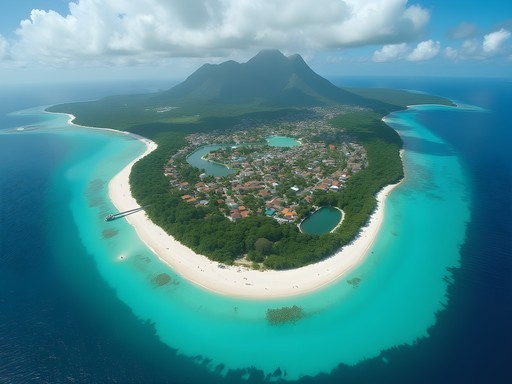
The rhythms of Ebeye caught me before my feet even touched its sandy shores. Like an unexpected syncopation in a familiar blues progression, this small island in the Kwajalein Atoll of the Marshall Islands disrupted my expectations and composed a new melody in my traveler's heart. I've wandered through temple courtyards in Thailand and danced to ceremonial drums in West Africa, but there's something about the cadence of life in the Marshall Islands that resonates on an entirely different frequency. After decades producing music in New Orleans and rebuilding my life in Reno post-Katrina, I've learned to listen for the authentic pulse of a place. Here in Ebeye—where azure waters orchestrate the daily movements of island life and locals conduct their routines with the timing of a well-rehearsed ensemble—I discovered that paradise doesn't require platinum budgets. This tiny 80-acre island may not grace the covers of luxury travel magazines, but for the soul-seeking traveler willing to embrace its unfiltered rhythms, Ebeye offers a week of genuine Pacific immersion for less than the cost of one night at a resort on nearby Kwajalein.

Getting There: The First Movement of Your Marshall Islands Symphony
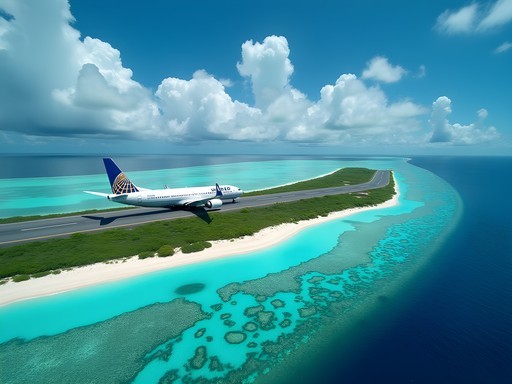
Let me be straight with you—reaching Ebeye requires patience and determination, but isn't that the prelude to any worthwhile musical composition? Most travelers fly into Majuro (the capital) via United Airlines' Island Hopper route that connects Hawaii to Guam with several Micronesian stops along the way. From Majuro, you'll need to catch a domestic Air Marshall Islands flight to Kwajalein Atoll.
Here's where the budget-conscious improvisation begins: while tourists typically stay on the more developed Kwajalein Island (which hosts a U.S. military base and requires special permits), I chose Ebeye for its authentic Marshallese experience and significantly lower costs.
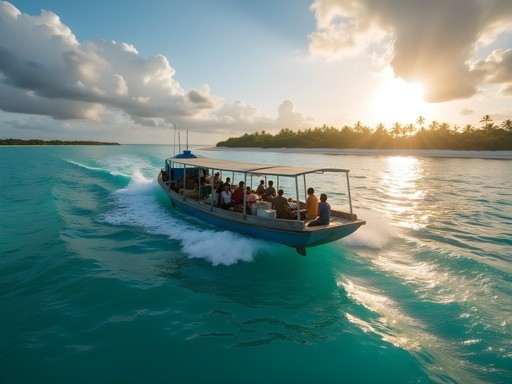
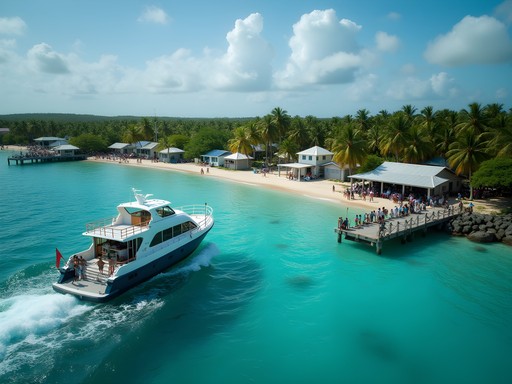
The ferry between Kwajalein and Ebeye costs just $1.50 each way—a bargain overture to your budget adventure. I'll never forget my first crossing, seated beside local women with hair adorned with plumeria blossoms, their laughter carrying over the engine's hum like soprano notes above a steady bass line.
Pro tip: Pack your gear in a durable waterproof backpack. Mine protected my audio recording equipment during an unexpected rain shower on the open-air ferry. The Marshall Islands' tropical climate can shift from sunshine to downpour faster than a quick key change, and conventional luggage is impractical for island hopping.
💡 Pro Tips
- Book the United Island Hopper well in advance for the best rates (aim for $1200-1500 roundtrip from the U.S.)
- Bring cash in small denominations—ATMs are scarce and many places don't accept cards
- Consider bringing a few small gifts for locals who help you—I brought jazz CDs from New Orleans that were a huge hit
Accommodation: Finding Your Rhythm in Simple Quarters
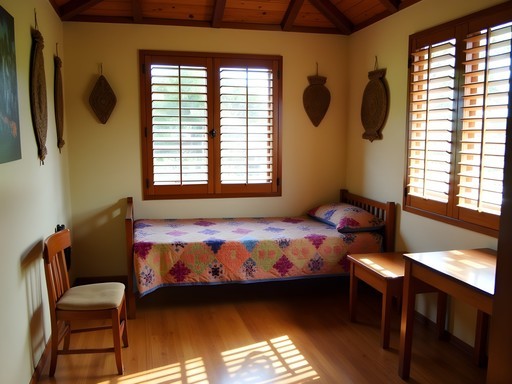
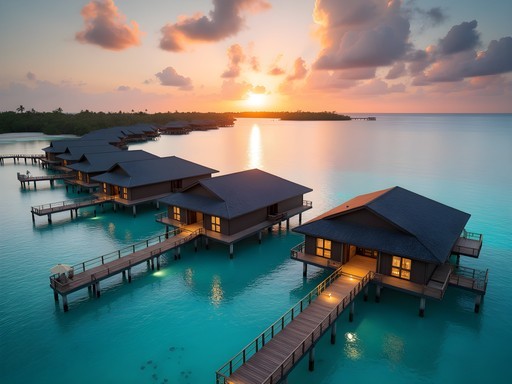
Forget five-star resorts with turndown service—Ebeye's accommodations echo the island's unvarnished reality. The Ebeye Hotel (locally called the 'Ebje Hotel') offers basic rooms starting around $30 per night. Is it luxurious? Mais non, my friends. But it's clean, secure, and authentically Marshallese.
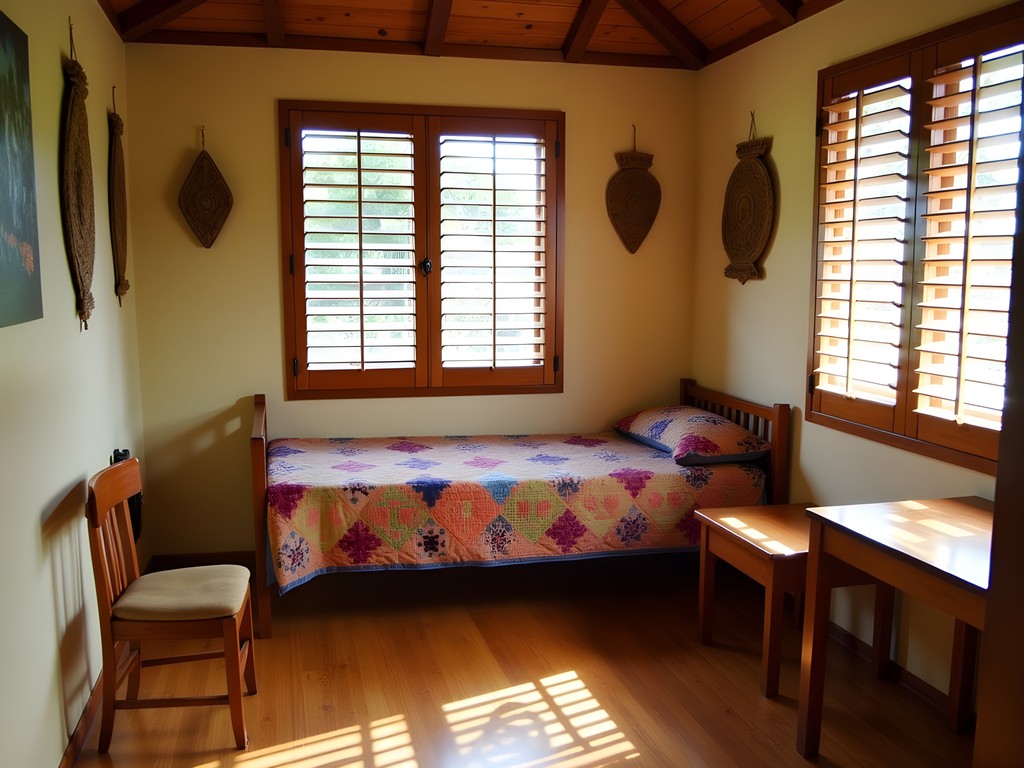
My room featured simple furnishings, a functional bathroom, and ceiling fans that hummed like gentle percussion throughout the night. What it lacked in amenities, it made up for in location—just steps from the water and centrally located on this small island.
For those seeking deeper cultural immersion, homestays with local families can be arranged through community connections for $20-25 per night, often including breakfast. During my stay, I spent three nights with the Jetnil family, sleeping on a woven pandanus mat in their modest home. Each morning, their grandmother would sing traditional chants while preparing breakfast—the melodies intertwining with the sounds of waves like the most beautiful duet.
While accommodations are simple, a good night's sleep is essential for full days of exploration. I never travel without my travel pillow for those nights when the local pillows are too flat or firm. This particular model cradles your neck and chin, making it possible to rest even in the most basic conditions—something I've learned through years of backpacking across Southeast Asia and Central America.
💡 Pro Tips
- Request a room with a working fan at Ebje Hotel—air conditioning is rare and the tropical heat can be intense
- Bring a lightweight sleep sheet for homestays where bedding may be limited
- Pack earplugs—roosters serve as Ebeye's natural alarm clocks, starting well before dawn
Island Cuisine: A Melody of Flavors on a Budget
The Marshall Islands' cuisine composes a unique harmony of Pacific traditions with American influences—a culinary reflection of the region's complex history. On Ebeye, eating affordably isn't just possible; it's almost unavoidable.
Local food stands dot the main road, offering plates of rice topped with fresh fish for $3-5. My favorite spot became Mama Emi's stand near the dock, where $4 bought a generous portion of rice with mackerel in coconut milk that sang with flavors as vibrant as a brass section in full swing.
For the budget traveler, the rhythm of eating in Ebeye follows the local pattern: substantial breakfast, light lunch, and communal dinner. The island's small market stocks basics like bread, canned goods, and occasionally fresh produce. I supplemented my meals with papayas and bananas purchased directly from locals for pocket change.
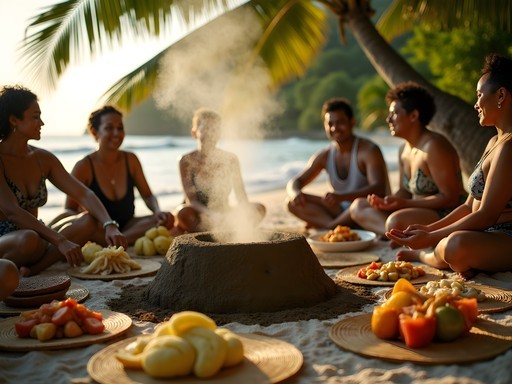
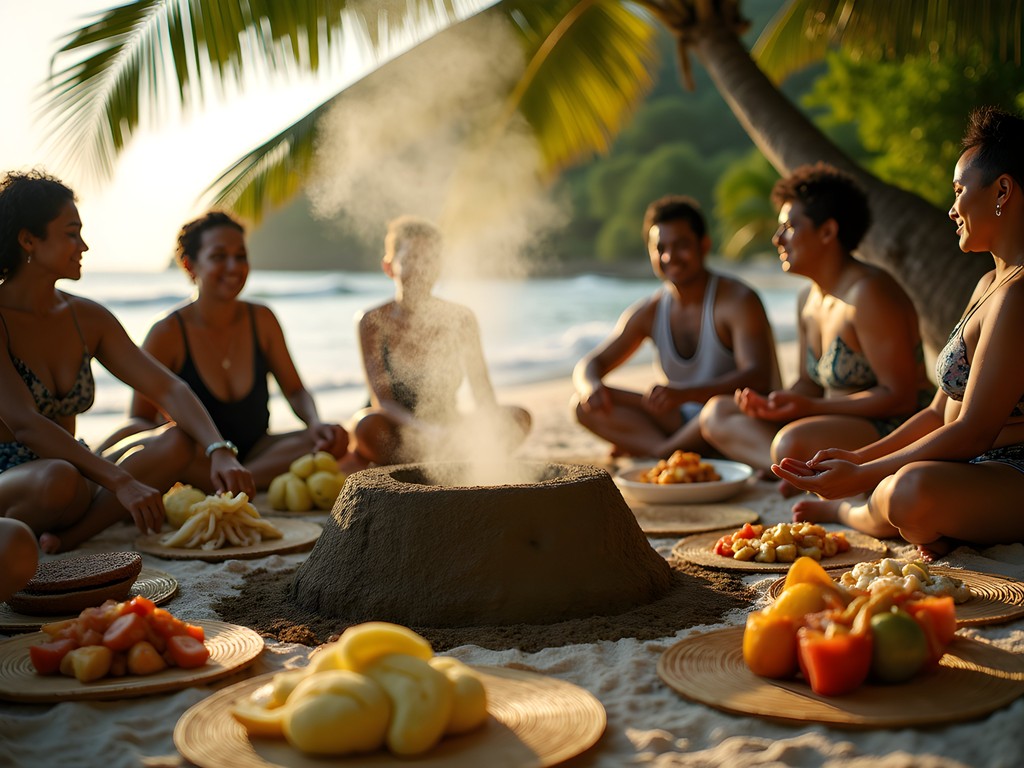
One culinary highlight was participating in a traditional jāājmi feast on Sunday after church. These community gatherings feature food cooked in an underground oven called an um. The slow-cooked pork and breadfruit emerged from the earth with a smoky perfume that would make any New Orleans barbecue master tip their hat in respect.
I always travel with my portable water filter which proved invaluable on Ebeye where tap water isn't potable. This bottle filters as you drink, saving both money and plastic waste—essential for an island already struggling with environmental challenges.
💡 Pro Tips
- Eat where the locals eat—follow the crowds to find the freshest food at the best prices
- Try breadfruit chips as an affordable snack—they're the potato chips of the Pacific
- Bring some shelf-stable favorites from home for comfort food moments (I packed New Orleans hot sauce that became a prized possession)

Local Transportation: Dancing Through the Island Chain
The Marshall Islands consist of 29 coral atolls comprising over 1,200 islands and islets—a geographic composition as intricate as a complex jazz arrangement. From Ebeye, the budget-conscious traveler can explore nearby islands through local boat services that operate like informal water taxis.
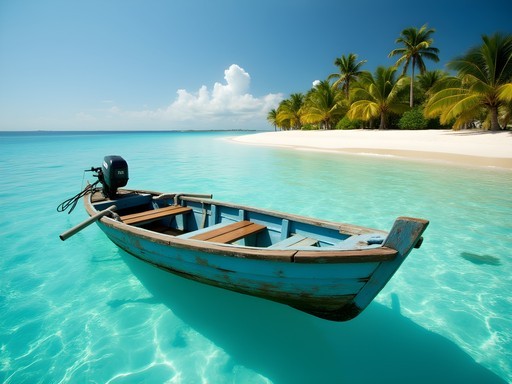
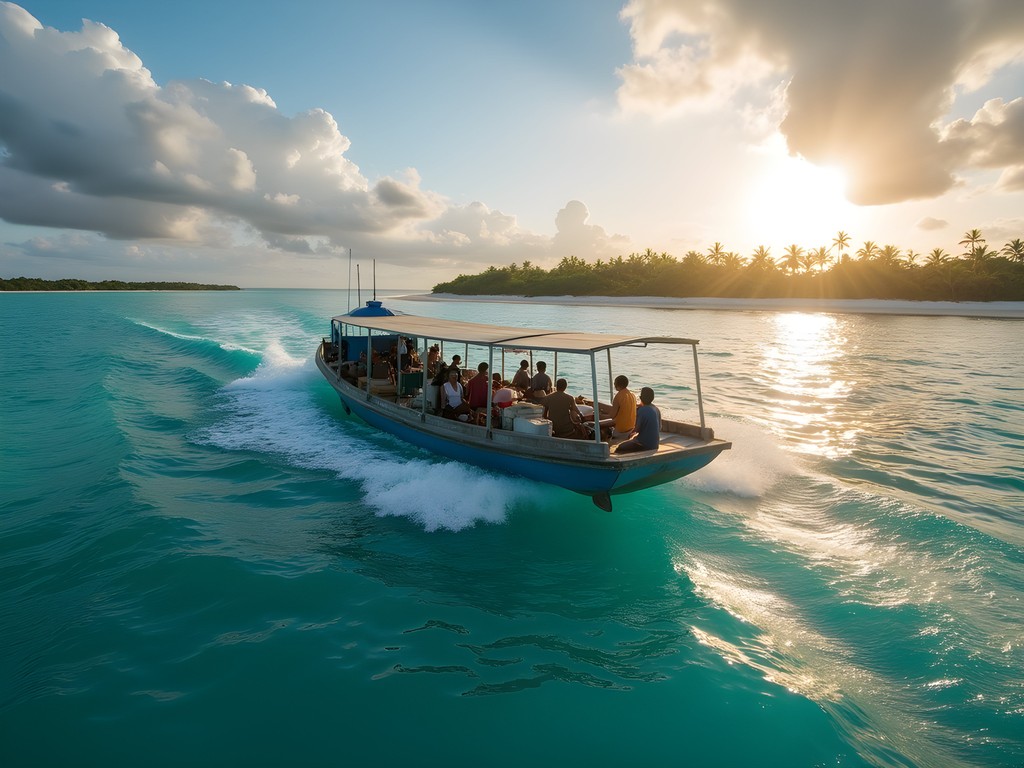
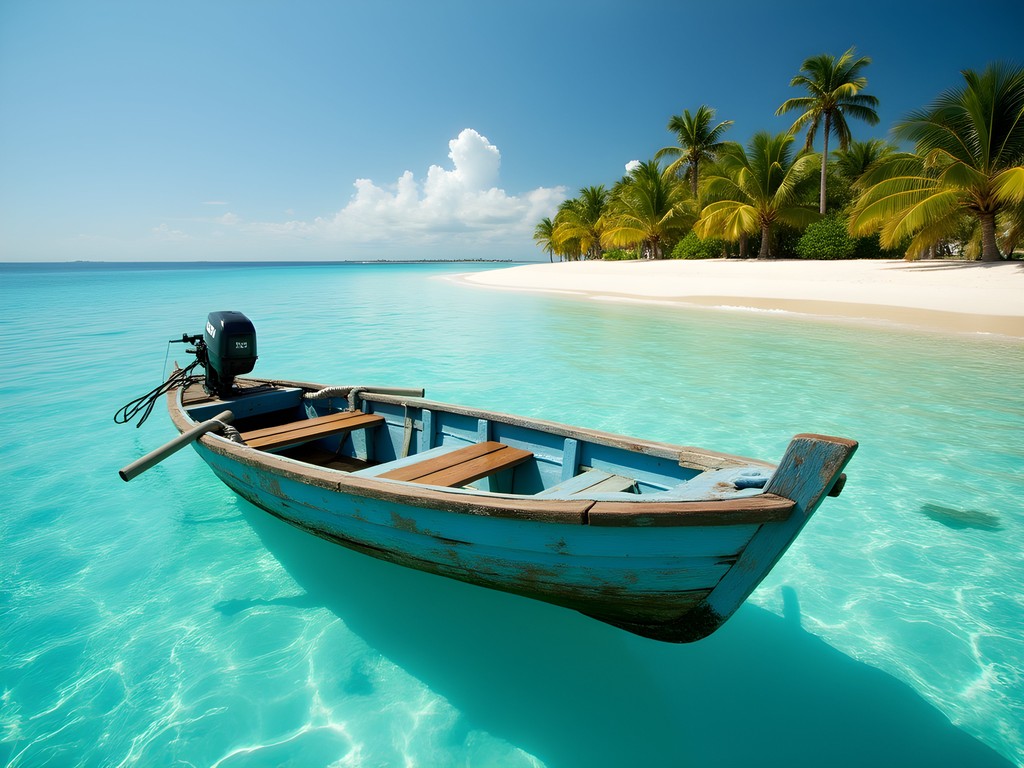
For just $5-10 round trip, local fishermen will take you to uninhabited islands within the Kwajalein Atoll. I spent one magical afternoon on a tiny motu (islet) that had no name on any map. There, I recorded the perfect percussion of waves against coral and the whispered melodies of wind through palm fronds—sounds that will find their way into my next production project back in Reno.
On Ebeye itself, transportation is primarily by foot—the island is only about half a mile long. This pedestrian rhythm connects you intimately with daily life. Children run alongside you, elders nod from porches, and the boundaries between visitor and local blur with each step.
For longer distances within the atoll, the Kwajalein-Ebeye ferry ($1.50 each way) runs regularly, though schedules follow what locals jokingly call "Marshall Islands Time"—more suggestion than commitment.
One afternoon, I chartered a small boat with three other travelers to visit Carlos Island, splitting the $40 cost. Our captain, a man named Toma with skin weathered by decades at sea, pointed out reef passages with the precision of a veteran studio musician hitting marks on a complex arrangement. His knowledge of these waters was ancestral—passed down through generations like the oral traditions that preserve Marshallese music.
💡 Pro Tips
- Always confirm return times when taking boats to other islands—some run only once daily
- Carry a dry bag for your valuables during boat trips—water splashes are inevitable
- Learn basic Marshallese phrases to negotiate boat fares—a little language goes a long way
Cultural Immersion: The Spiritual Overtones of Island Life
Like the resonant depths beneath a surface melody, Ebeye's spiritual life provides the foundation for its cultural identity. Despite decades of outside influence, traditional beliefs harmonize with the predominantly Christian faith introduced by missionaries.
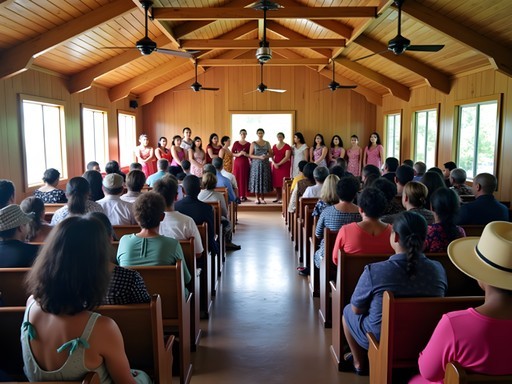
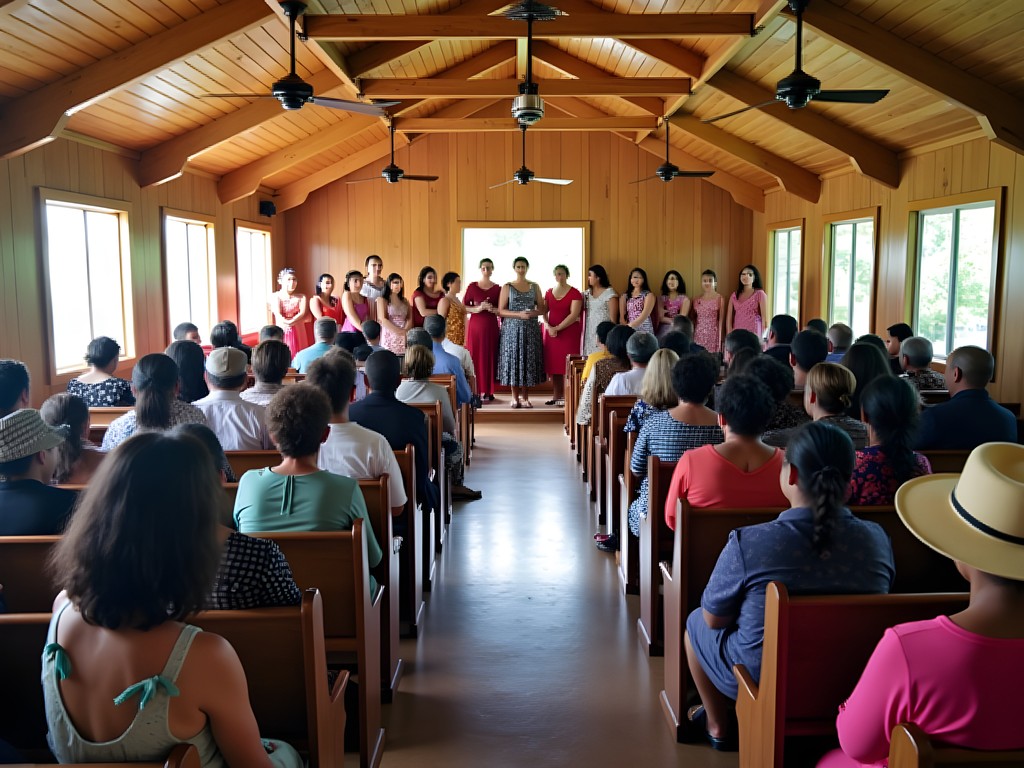
The island's churches—particularly the United Church of Christ—welcome visitors with the same warmth that characterized my childhood church in New Orleans' Seventh Ward. Sunday services feature hymns sung in Marshallese that flow with rhythmic patterns reminiscent of ancient chants. The harmonies are tight, the emotion authentic, and the community connection palpable.
Beyond organized religion, traditional spiritual practices persist in subtle ways. I was privileged to witness a healing ceremony where an elder used coconut oil, prayers, and gentle massage to treat a child's illness. The reverent silence punctuated by soft chanting created a sacred space that transcended any single faith tradition.
For those interested in Marshallese handicrafts, the Women's Handicraft Cooperative sells traditional woven items. I purchased a beautiful pandanus mat for $15 that now serves as my meditation space back home. Each precise weave represents hours of work and generations of knowledge.
To document these cultural experiences, I relied on my field recorder to capture the sounds that define Ebeye—from church harmonies to the stories of elders. As a music producer, I've found that a location's authentic soundscape often reveals more than photographs ever could.
My most treasured memory came when local teenagers taught me their contemporary dance moves that blend traditional Marshallese stick dancing with hip-hop influences—a perfect metaphor for this culture in transition, finding ways to preserve its core while embracing new rhythms.
💡 Pro Tips
- Dress modestly when visiting churches or homes—women should cover shoulders and knees
- Ask permission before recording or photographing ceremonies or individuals
- Bring small gifts when visiting homes—practical items like tea, coffee, or fishing hooks are appreciated
Environmental Realities: The Dissonant Notes of Paradise
A truthful travel narrative acknowledges both harmony and discord. Ebeye presents stark environmental challenges that the responsible traveler must recognize. Often called the "Slum of the Pacific," this densely populated island struggles with waste management, limited fresh water, and the looming threat of rising sea levels.
During my week there, I joined local environmental activists for a beach cleanup. What began as community service evolved into a profound conversation about climate justice. These islands contributed virtually nothing to global carbon emissions yet face existential threats from climate change. The activists spoke of their work with the same passionate determination I once heard in the voices of New Orleans musicians returning after Katrina—people refusing to surrender their cultural homeland without a fight.
Fresh water is precious here. The desalination plant frequently breaks down, leaving residents dependent on rainwater collection and imported bottled water. As visitors, our responsibility is to minimize our impact by conserving water and properly disposing of waste.
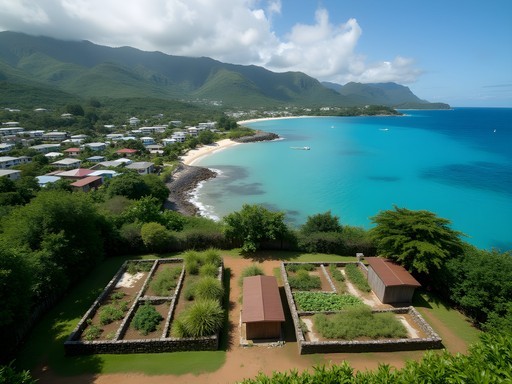
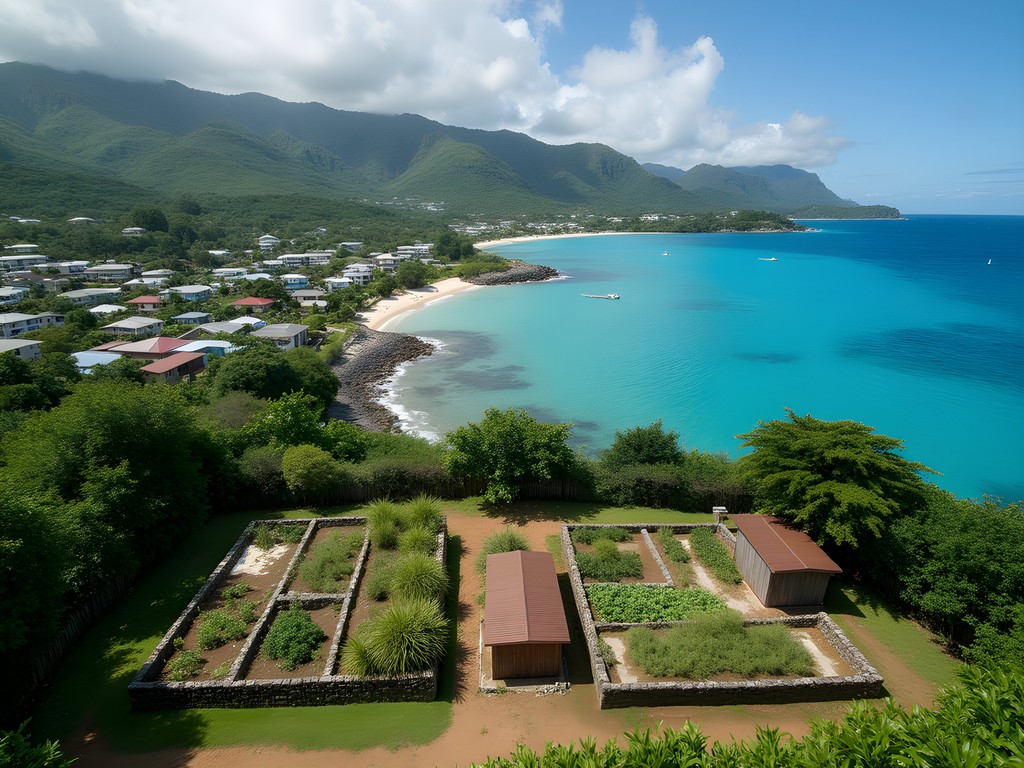
Despite these challenges, innovative solutions are emerging. I visited a small community garden where residents use composting and rainwater harvesting to grow fresh vegetables in raised beds—a hopeful counterpoint to the environmental difficulties.
For day trips to outer islands, I carried my dry bag backpack which doubles as a collection bag for any trash I generated or found. This leave-no-trace approach is essential in a place where waste management infrastructure is limited.
The environmental realities of Ebeye provide important context for budget travelers. The lower costs here reflect genuine economic challenges, not merely "good deals." Travel with awareness, respect, and a commitment to treading lightly on this vulnerable paradise.
💡 Pro Tips
- Bring a reusable water bottle and purification method to reduce plastic waste
- Pack out what you pack in—especially non-biodegradable items
- Support local environmental initiatives with donations or volunteer time
Final Thoughts
As my week in Ebeye drew to a close, I found myself sitting on the ferry dock at sunset, recording the gentle lapping of waves against the concrete pilings. A group of children nearby sang a traditional Marshallese song their grandmother had taught them, their young voices carrying across the water like prayers. In that moment, I understood that Ebeye's true wealth isn't measured in resort amenities or tourist attractions—it's found in the resilient spirit of its people and the unvarnished authenticity of daily life.
Traveling here on less than $50 a day isn't just possible; it's preferable. A larger budget might insulate you from the very experiences that make these islands worth visiting. By embracing simple accommodations, local foods, and community connections, you'll discover the Marshall Islands that exist beyond the limited imagination of conventional tourism.
As we navigate our changing world, places like Ebeye remind us that meaningful travel isn't about consumption but connection. When you come, bring an open heart, a willingness to listen, and respect for a culture finding its way forward on its own terms. Yokwe (love and blessing) from the Marshall Islands—may its rhythms stay with you long after you've returned home.
✨ Key Takeaways
- Budget travel in Ebeye connects you more authentically to local culture than luxury options would
- Environmental awareness is essential when visiting these vulnerable islands
- The Marshall Islands offer profound cultural experiences despite—or perhaps because of—their limited tourism infrastructure
📋 Practical Information
Best Time to Visit
December to April (dry season)
Budget Estimate
$40-50 per day including accommodation, food, and local transportation
Recommended Duration
5-7 days
Difficulty Level
Moderate

Comments
Frank Garcia
Really interesting read, Jasmine. I'm curious about the practical side - how did you handle internet connectivity? I need to keep up with some remote work while travelling and the Pacific islands can be hit or miss. Also, what's the situation with ATMs? I've been caught out before in remote locations assuming cards would work everywhere.
globeninja
Good question! I'd also want to know about this
globeninja
Wait, you can actually do the Marshall Islands on $50/day?? I always thought this was one of those super expensive Pacific destinations. The ferry info is really helpful - I tried looking up schedules online before and couldn't find anything current. Did you have any issues with the military base proximity? I've heard some parts of Kwajalein are restricted.
Frank Garcia
Not the author but I looked into this last year - Ebeye is separate from the US base on Kwajalein proper. You can't access the base without permission but Ebeye itself is fine for tourists. The ferry restrictions Jasmine mentioned are legit though.
globenomad
Adding this to my list!
starhero
How's the wifi situation? Need to keep up with some remote work.
Jasmine Hayes
Pretty spotty honestly. There's wifi at some spots but it's slow and unreliable. I'd say this is more of a disconnect-and-unplug destination. Maybe not ideal for remote work deadlines!
Nicole Russell
YES! So happy to see Ebeye getting some love! I passed through briefly last year on my way to Majuro and immediately regretted not planning more time there. Your point about the local food scene is so important - that's where the real savings are. The imported stuff at the stores is ridiculously expensive. Bookmarking this for when I make it back to the Marshalls!
waveguy
Is it safe for solo travelers? This would be my first time in the Pacific islands.
Nicole Russell
I've done tons of solo travel in the Pacific and smaller islands like Ebeye are generally very safe. Just use common sense like anywhere. The tight-knit community vibe usually means people look out for each other.
dreambackpacker
Quick question - you mentioned guesthouses but didn't name any. Can you share which one you stayed at? Trying to plan my budget and want to make sure I'm looking at the right places.
Jasmine Hayes
I stayed with a local family through word-of-mouth recommendation. Try asking at the small shop near the ferry dock when you arrive - they usually know who has rooms available. Much cheaper than anything online!
Kimberly Murphy
Brilliant post, Jasmine! The Marshall Islands are criminally underrated. I spent time in Majuro a few years back and loved the laid-back vibe. Your budget breakdown is spot on - Pacific islands don't have to break the bank if you eat local and stay flexible. The musical metaphors throughout are lovely too! Did you manage to catch any traditional navigation demonstrations while you were there? That's one thing I regret missing.
Jasmine Hayes
Thanks Kimberly! I didn't see formal demonstrations but chatted with some fishermen about the stick charts. Absolutely fascinating stuff. Would love to go back and dive deeper into that.
sunnylegend
Love this! Never even heard of Ebeye before.
wanderlegend
This is awesome! Been looking for info on Ebeye forever. Most people just focus on Majuro. Did you find the locals welcoming? I've heard mixed things about visiting Ebeye since it's so close to the US base. Also curious about the ferry schedule to other islands - is it reliable or more of a whenever-it-goes situation?
Jasmine Hayes
Super welcoming! Just be respectful and ask before taking photos. Ferry runs pretty regularly to Kwajalein but you need a pass. Other islands are more flexible timing-wise.
wanderlegend
Thanks! Good to know about the pass.
Venture X
Premium card with 2X miles, $300 travel credit, Priority Pass