


Disclosure: This article contains affiliate links. We may earn a commission from purchases at no extra cost to you, which helps our travel content.
Living in Madison, I've come to appreciate the quiet majesty of Midwestern lakes—bodies of water that mirror the night sky with surprising clarity. Plymouth, Minnesota, just west of Minneapolis, offers families an accessible introduction to lake life without the crowds of more famous destinations. These waters have taught my children as much about nature's rhythms as any telescope ever could. What strikes me most about Plymouth's lakes is their democratic accessibility: you don't need expensive equipment or expert skills to enjoy them, just curiosity and a willingness to get your feet wet.

Medicine Lake: Plymouth's Crown Jewel
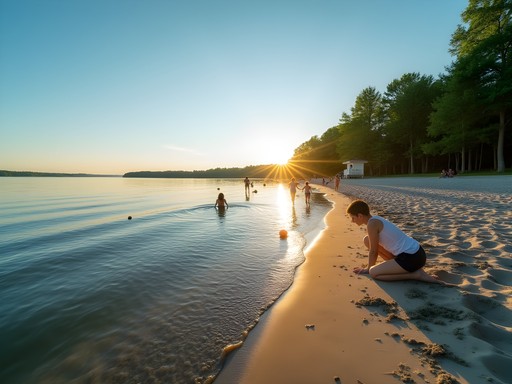
Medicine Lake stretches across 1,531 acres, making it the largest lake entirely within Plymouth's boundaries. The public beach on the lake's northwest shore offers families a perfect base camp for weekend water exploration. What I appreciate from a scientific perspective is the lake's relatively shallow depth—averaging just 35 feet—which allows the water to warm quickly in summer, creating comfortable swimming conditions even for younger children.
The beach features a designated swimming area with lifeguards on duty during peak season, along with a playground that kept my kids entertained between swimming sessions. The sandy bottom extends gradually, making it ideal for beginners learning to swim. I've found the best time to visit is early morning, around 8 AM, when the water surface acts like a mirror—perfect for teaching kids about reflection and light refraction. Bring a waterproof phone pouch to capture those teaching moments without worrying about expensive electronics meeting an untimely aquatic end.
💡 Pro Tips
- Arrive before 10 AM on weekends to secure parking and prime beach spots
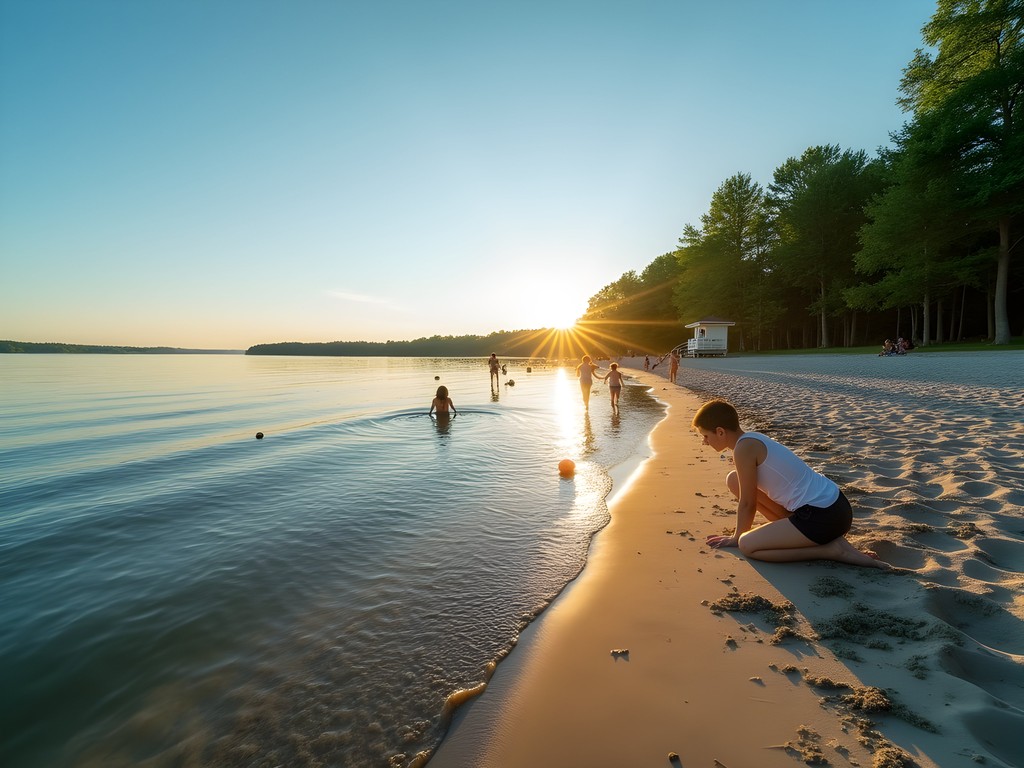
- The west-facing beach offers spectacular sunset views—stay late for a natural light show
- Pack a mesh beach bag that allows sand to filter out and wet items to dry quickly
Parkers Lake: The Hidden Gem for Kayaking
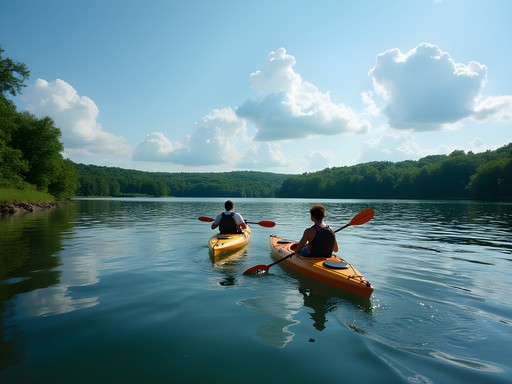
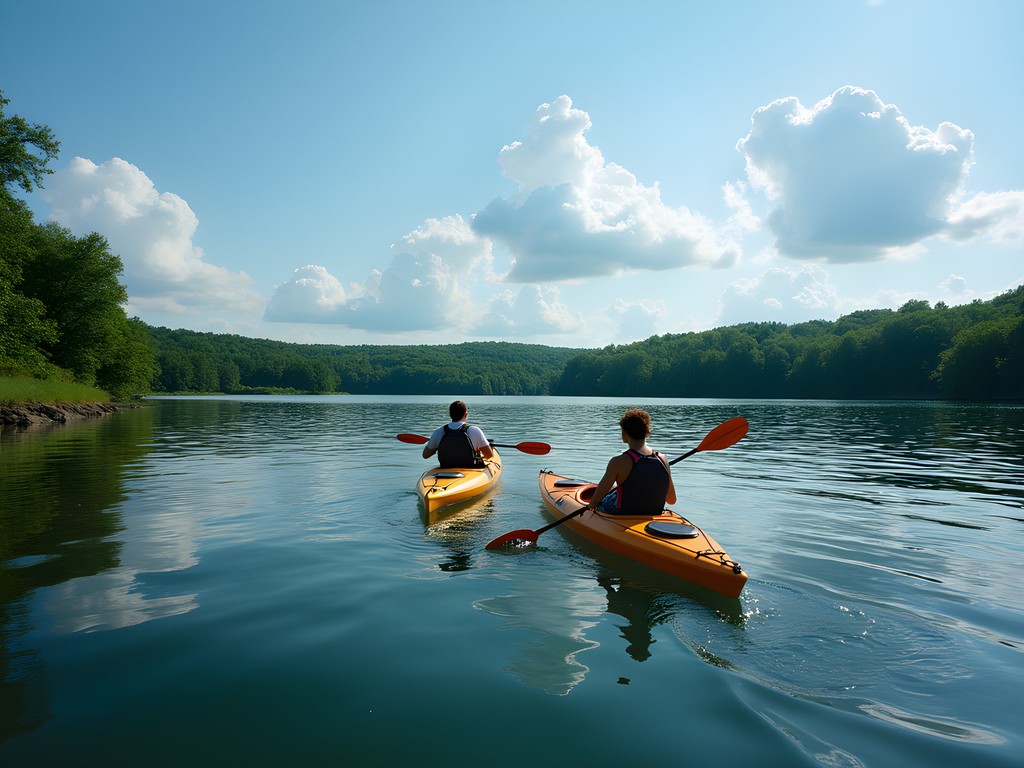
While Medicine Lake draws the crowds, Parkers Lake offers a more intimate experience for families ready to explore beyond the beach blanket. This 384-acre lake features a public access point on its eastern shore, ideal for launching kayaks or canoes. The irregular shoreline creates protected coves perfect for beginners learning paddle techniques.
I've spent several afternoons here teaching basic navigation using the sun's position—a practical astronomy lesson that doesn't require darkness. The lake's relatively small size means you can circumnavigate it in about two hours of leisurely paddling, giving families a sense of accomplishment without exhausting young arms. The water clarity here surprises many visitors; on calm days, you can observe fish and aquatic plants several feet below the surface, turning your paddle into an impromptu biology lesson. For families new to paddling, I recommend starting with a stable inflatable kayak that's forgiving for beginners and easy to transport in a standard vehicle.
💡 Pro Tips
- Launch from the Parkers Lake Park access point where parking is free and plentiful
- Paddle clockwise around the lake to keep the sun at your back during afternoon sessions
- Bring a dry bag for phones, snacks, and field guides
Plymouth Creek: Wading and Stream Exploration
Not all water activities require lakes. Plymouth Creek winds through several city parks, offering families a different aquatic experience entirely. The creek's shallow waters—typically 6 to 18 inches deep during summer—provide safe conditions for young children to explore stream ecology firsthand.
My favorite access point is at Plymouth Creek Park, where the stream flows over a gravel bed that's easy on bare feet. Here, kids can hunt for crayfish under rocks, observe water striders demonstrating surface tension, and learn about watershed dynamics in the most hands-on way possible. The creek's flow rate varies with rainfall, so check recent weather before visiting. After heavy rains, the current can be surprisingly strong, but during typical summer conditions, it's gentle enough for toddlers. I always bring a aquatic net for catch-and-release observation—it transforms a simple creek walk into a field research expedition that rivals any museum visit.

💡 Pro Tips
- Wear water shoes or old sneakers; the creek bed contains some sharp rocks
- Visit 2-3 days after rainfall for optimal flow without dangerous currents
- Bring a white bucket or container to temporarily observe caught creatures against a neutral background

Practical Planning: Making the Most of Your Weekend
Plymouth's water activities work best as part of a structured weekend itinerary that balances activity with rest. I recommend dedicating Saturday morning to Medicine Lake's beach scene, breaking for lunch at one of Plymouth's family-friendly restaurants, then spending late afternoon at Parkers Lake for kayaking when the wind typically calms. Sunday morning is ideal for creek exploration at Plymouth Creek Park before the day heats up.
Budget considerations are straightforward here. Beach access is free, parking is free at all locations, and if you don't own kayaks, several Minneapolis-area outfitters rent equipment for $30-50 per day. Pack lunches from grocery stores rather than relying on concessions to keep costs down. For sun protection, invest in a quality reef-safe sunscreen that won't harm aquatic ecosystems—teaching environmental responsibility starts with the products we choose. A insulated cooler bag keeps drinks and snacks cold without the bulk of traditional coolers, perfect for beach hopping.

💡 Pro Tips
- Download the Minnesota DNR Lake Finder app for real-time water quality and temperature data
- Most Plymouth lakes have restroom facilities, but bring hand sanitizer as backup
- Check the City of Plymouth website for current beach conditions and any temporary closures
Connecting Water and Sky: Nighttime Bonus Activities
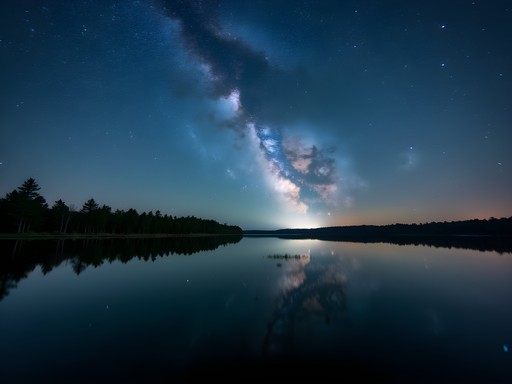
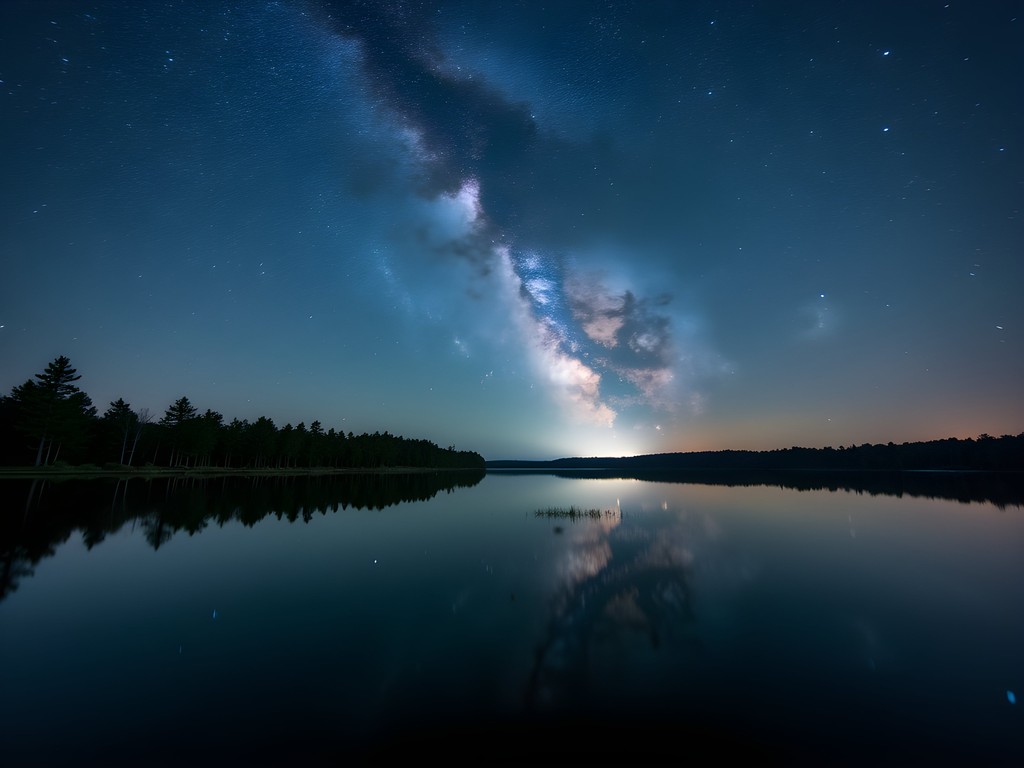
Here's where my two passions converge: Plymouth's lakes offer surprisingly good stargazing opportunities for an urban-adjacent location. After a day on the water, return to Medicine Lake's beach around 10 PM during new moon phases. The lake's open horizon provides clear views of the southern sky, and the water's surface eliminates ground-level light pollution.
I've spent memorable evenings here teaching my children to find the Summer Triangle—Vega, Deneb, and Altair—reflected in the lake's mirror-like surface. It's a powerful lesson in perspective: the same water that cooled us during the day now shows us light that traveled for decades to reach our eyes. Bring a red flashlight to preserve night vision while consulting star charts. The connection between daytime water play and nighttime cosmic observation isn't obvious to most families, but it's precisely this integration of experiences that creates lasting educational impact.
💡 Pro Tips
- Check moon phase calendars and visit during new or crescent moon for best stargazing
- Bring blankets and insect repellent for comfortable evening observation
- Download the SkySafari app to identify constellations and planets visible from your location
Final Thoughts
Plymouth's lakes taught me something unexpected: you don't need exotic destinations to create transformative family experiences. The same principles that draw me to Chilean observatories or New Zealand's dark sky reserves apply here—it's about curiosity, accessibility, and willingness to look deeper than surface appearances.
These waters won't appear in glossy travel magazines, and you won't find crowds of international tourists. But for families seeking an affordable weekend introduction to water activities, Plymouth offers something more valuable: a low-stakes environment where beginners can build confidence without intimidation. The beaches are forgiving, the lakes are manageable, and the learning opportunities are everywhere if you know how to look.
Start with a single day trip. Pack simple gear, lower your expectations of perfection, and let the water teach its own lessons. Whether your family discovers a passion for paddling, develops confidence in swimming, or simply learns to appreciate the way afternoon light dances on lake surfaces, Plymouth provides the stage. The performance is up to you.
✨ Key Takeaways
- Medicine Lake offers the best full-service beach experience with lifeguards and amenities for families
- Parkers Lake provides ideal conditions for families learning kayaking and paddle sports
- Budget-conscious families can enjoy a full weekend of water activities for under $100 including equipment rentals
📋 Practical Information
Best Time to Visit
June through August for warmest water temperatures; July offers most consistent weather
Budget Estimate
$50-150 for a family weekend including food, equipment rentals, and incidentals
Recommended Duration
2-3 days for a relaxed exploration of multiple lakes
Difficulty Level
Easy








Comments
springmate
Anyone know if you can rent kayaks at Parkers Lake? Planning a trip in June with my kids and don't want to haul ours from Iowa.
freebuddy981
Medicine Lake is awesome! Been going there for years.
Michael Harris
It really is! Do you have a favorite spot on the lake?
freebuddy981
northwest corner near the park, less crowded
Venture X
Premium card with 2X miles, $300 travel credit, Priority Pass