



Disclosure: This article contains affiliate links. We may earn a commission from purchases at no extra cost to you, which helps our travel content.
As someone who spends her days analyzing urban infrastructure, I find myself instinctively drawn to spaces where community design and natural landscapes intersect. Plymouth, Minnesota—just 15 minutes northwest of Minneapolis—exemplifies thoughtful suburban planning that balances modern amenities with preserved natural spaces. Having visited my university colleague who relocated here last summer, I discovered a suburb that defies the cookie-cutter stereotype, offering surprisingly rich experiences for the curious urban explorer.

Plymouth's Architectural Evolution: Where Function Meets Community
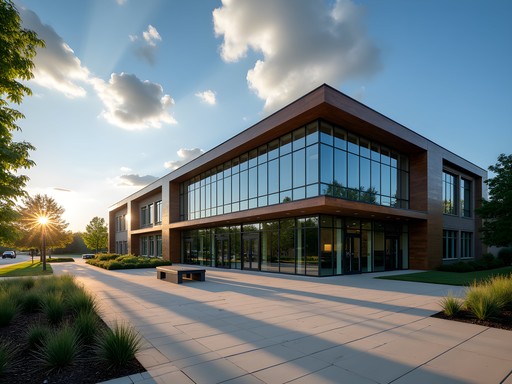
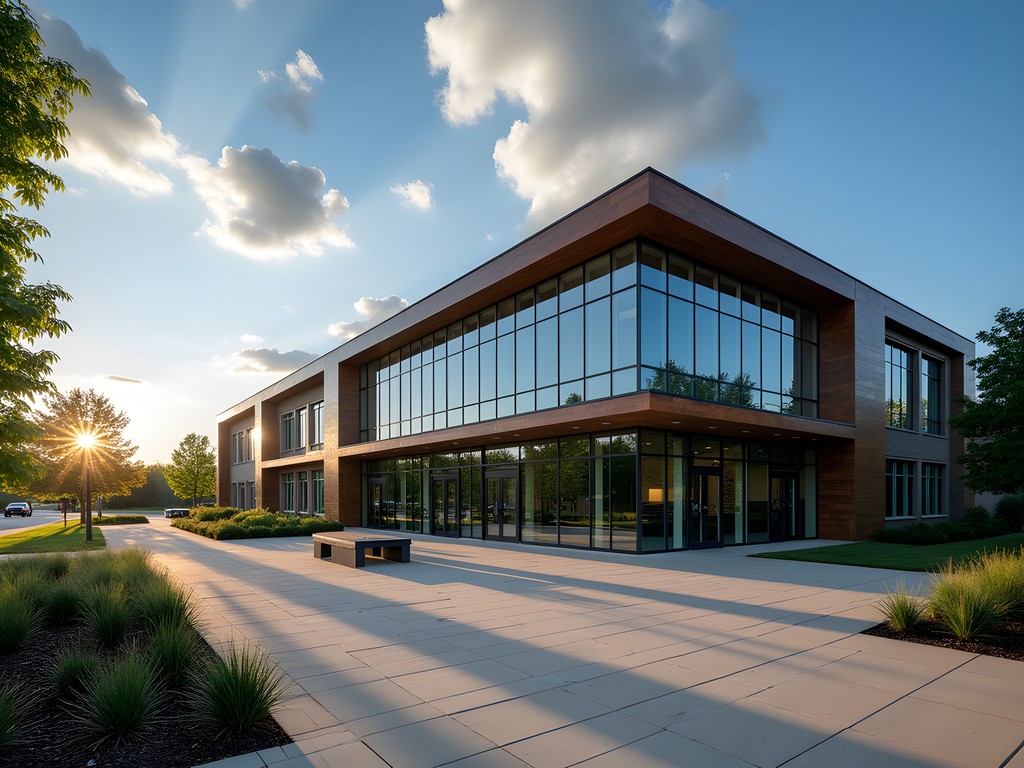
Plymouth represents an interesting case study in suburban development that prioritizes community gathering spaces. The Plymouth City Center, anchored by its distinctive City Hall with its modern glass façade and geometric lines, demonstrates how civic architecture can create a sense of place in suburban environments. What struck me most was how the building's transparency—quite literally with its glass elements—reflects the community's values of governmental accessibility.
Nearby, the Plymouth Library branch showcases sustainable design elements that would make any engineer appreciate the thoughtful integration of form and function. The building's positioning maximizes natural light while minimizing energy consumption—a principle I've advocated for in my own projects.
For those interested in architectural exploration, I recommend bringing along a field notebook to sketch interesting structural elements or jot down design observations. My weatherproof notebook has survived everything from unexpected Minnesota summer showers to coffee spills at lakeside cafés.
💡 Pro Tips
- Visit City Hall on weekday mornings when light floods through the eastern glass panels
- The Plymouth Library offers free architectural tours on the first Saturday of each month
- Parker's Lake Pavilion provides excellent examples of how recreational architecture can blend with natural landscapes
Green Corridor Exploration: Engineering Meets Nature
What truly distinguishes Plymouth from other Minneapolis suburbs is its commitment to integrating green spaces within the urban fabric. The city maintains over 170 miles of trails and 1,200 acres of parkland—numbers that would impress even the most data-driven engineer.
Medicine Lake Regional Trail offers a fascinating study in how transportation corridors can double as recreational assets. The trail's construction incorporates sustainable drainage systems that manage stormwater runoff while providing habitat corridors for local wildlife—a brilliant example of multifunctional infrastructure design.
For family exploration of these green spaces, I recommend packing a compact picnic blanket that unfolds to seat a family of four yet packs down smaller than a smartphone. When my colleague's children tired from our nature walks, this ultralight blanket transformed any grassy spot into an instant rest area.
French Regional Park deserves special mention for its playground that incorporates principles of inclusive design. The play structures accommodate varying physical abilities while still providing challenging elements for development—something I deeply appreciate as someone who evaluates infrastructure for accessibility compliance.

💡 Pro Tips
- Visit Clifton E. French Regional Park early on weekdays to avoid crowds at the swimming beach
- The Medicine Lake Regional Trail is best explored by bicycle—rentals available at Plymouth Station
- Eagle Lake Regional Park offers the most peaceful walking paths for quiet contemplation
Plymouth's Culinary Landscape: Community Through Food
Urban exploration inevitably leads to culinary discoveries, and Plymouth offers surprising diversity beyond chain restaurants. The Sioux Chef's Indigenous Food Lab at Parker's Lake represents a fascinating intersection of cultural preservation and modern gastronomy. Their educational programs exploring indigenous food systems align perfectly with my interest in sustainable practices and cultural authenticity.
For families seeking budget-friendly dining options, Plymouth Farmers Market (Wednesdays, 2:30-6:30pm at Parkers Lake Park) offers local produce and prepared foods that showcase Minnesota's agricultural bounty. My colleague's children were particularly enchanted by the honey harvested from local apiaries—a sweet introduction to concepts of local food systems.
When exploring Plymouth's culinary landscape with children, I found my collapsible food containers invaluable for storing farmers market finds and packing snacks for our adventures. The silicone construction eliminates plastic waste while keeping food fresh during our day-long explorations.
Don't miss Rock Elm Tavern, where the architecture of the space—with its exposed structural elements and thoughtful acoustic design—creates distinct dining zones while maintaining an open, communal atmosphere. The engineering principles applied to create this social environment are as impressive as their locally-sourced menu.

💡 Pro Tips
- Plymouth Farmers Market vendors often offer samples—a great way for children to try new foods
- Rock Elm Tavern's happy hour (3-6pm weekdays) offers excellent value for families on a budget
- The Honey & Mackie's ice cream shop uses locally-sourced dairy and offers engineering-themed flavors during National Engineering Week

Family-Friendly Urban Discovery: Engaging the Next Generation
Plymouth excels at creating spaces where children can engage with concepts of urban design and community planning. The Millennium Garden adjacent to the Community Center incorporates interactive elements that teach principles of water conservation through play—a brilliant example of educational infrastructure design.
For families visiting Plymouth, I recommend the travel scavenger hunt cards to transform your urban exploration into an engaging activity. My colleague's children became enthusiastic urban observers once we turned our walk into a game of spotting different architectural features and infrastructure elements.
The Hilde Performance Center represents another thoughtful integration of community space, with its amphitheater designed to maximize acoustic properties while creating intimate gathering spaces. During summer months, the free concert series offers an excellent opportunity to observe how well-designed public spaces facilitate community connection across generations.
Nearby, the Plymouth Creek Center's interpretive trail system demonstrates how educational signage can transform a simple walk into an immersive learning experience about watershed management and native ecosystems—concepts central to sustainable urban development.

💡 Pro Tips
- Visit the Millennium Garden water features between 1-4pm when they're most active
- Check Plymouth's community calendar for free outdoor movies at the Hilde Performance Center during summer months
- The Plymouth Creek Center offers free 'Junior Engineer' activity sheets that guide children through infrastructure observations
Final Thoughts
Plymouth may not appear on typical urban exploration itineraries, but this suburban landscape offers rich insights into how thoughtful planning creates livable communities. As an engineer who has analyzed urban spaces across continents, I find myself increasingly drawn to these 'middle landscapes' where the theoretical principles of sustainable development are put into everyday practice. Plymouth demonstrates how suburban environments can transcend utilitarian design to create meaningful places that foster community connection and environmental stewardship.
For families seeking an accessible introduction to urban exploration, Plymouth provides an ideal laboratory—safe, navigable, and filled with discoverable elements that reveal the infrastructure supporting our daily lives. Whether you're analyzing the sustainable drainage systems along Medicine Lake Trail or observing how the Hilde Performance Center's design facilitates community gathering, Plymouth rewards the observant explorer with insights into thoughtful placemaking.
I encourage you to approach your visit with an engineer's eye for detail and a child's sense of wonder. The most meaningful urban explorations happen when we look beyond the surface to understand the systems and stories that shape our built environment.
✨ Key Takeaways
- Plymouth offers accessible urban exploration opportunities perfect for introducing children to concepts of design and community planning
- The suburb's green infrastructure demonstrates innovative approaches to sustainability that balance development with environmental preservation
- Budget-friendly cultural and recreational opportunities abound for families seeking meaningful weekend experiences
📋 Practical Information
Best Time to Visit
June through August
Budget Estimate
$150-300 for a weekend family visit
Recommended Duration
2-3 days
Difficulty Level
Easy




Comments
Brian Torres
This brought back great memories of our Plymouth visit! We stumbled upon it almost by accident while staying with family in Minneapolis. What struck me most was exactly what you captured here—how intentional the community design felt. The culinary scene surprised us too. We found this amazing Vietnamese restaurant in a strip mall that became our go-to spot for three days straight. It's these unexpected discoveries in 'ordinary' places that make family travel so rewarding. My kids still talk about the bike trails we explored there. Sometimes the best travel experiences aren't in guidebooks.
triplover
Love this! Your photos make suburban exploring look actually interesting lol
journeyblogger5844
Did you find Plymouth kid-friendly? Traveling with a 6yo and 9yo in August and looking for stuff beyond the usual tourist spots.
Brian Torres
Absolutely! My kids were 5 and 8 when we went. The green spaces are perfect for letting them run around, and there's something about exploring 'regular' neighborhoods that they found fascinating. We turned it into a scavenger hunt looking for different architectural features. Way less crowded than Minneapolis attractions too.
journeyblogger5844
oh the scavenger hunt idea is perfect!! thanks
islandbackpacker
how long would you recommend spending there? thinking about adding it to my midwest trip
Brian Torres
Not Amanda, but we spent a full day there with our kids last summer. The parks alone could fill an afternoon, and if you're into the architecture side, maybe add another half day. It's close enough to Minneapolis that you could easily do both.
Michael Cook
Amanda, this is such a refreshing take on urban exploration. I've been documenting similar patterns in German suburbs around Frankfurt—the way post-war planning created these hybrid spaces between urban and rural. Plymouth's green corridor concept reminds me of the Grüngürtel systems we have here. The intersection of infrastructure and community design is often overlooked in travel writing, but these spaces tell us so much about how people actually live. Would love to know more about the specific architectural styles you encountered in Plymouth's evolution.
triplover
this is why i love this blog, learning stuff i never thought about!
adventureguy
Never thought about exploring suburbs like this! Really cool perspective.
coffeeace
Thanks for sharing this! Definitely adding it to my Minnesota list.
globeninja
Love the photos! Really captured the vibe.
Ana Ahmad
This is exactly the kind of content I wish more travel writers would produce. The intersection of urban planning and everyday exploration is fascinating. I've been documenting similar suburban landscapes across the Midwest, and Plymouth's approach to integrating green spaces into residential design is notably ahead of many comparable cities. Your section on the culinary landscape particularly resonated—these community gathering spaces often reveal more about a place's character than traditional tourist attractions. Have you considered exploring similar planned communities in the Twin Cities metro area? Eden Prairie and Minnetonka have comparable design philosophies worth analyzing.
happymate
Going there next month with my kids (7 and 9). Any specific spots you'd recommend for families?
coffeeace
Not Amanda but we took our kids to the trails last fall and they loved it! Super easy walks.
happymate
awesome thanks!
Venture X
Premium card with 2X miles, $300 travel credit, Priority Pass