
Disclosure: This article contains affiliate links. We may earn a commission from purchases at no extra cost to you, which helps our travel content.
The Atlantic whispers stories to those willing to listen—tales of adventure, resilience, and the delicate dance between human spirit and natural power. After months documenting traditional weaving techniques in Guatemala, I found myself drawn to North Carolina's coastline, seeking the counterbalance that only water-based adventure provides to my typically contemplative travels. Wilmington revealed itself not just as a picturesque coastal town, but as an unexpected playground where adventure and mindfulness converge in the most surprising ways.

Paddling the Intersection of History and Wilderness
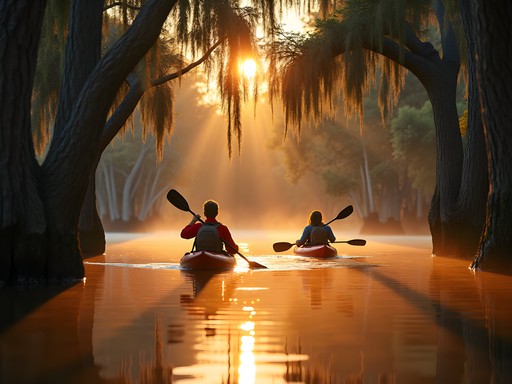
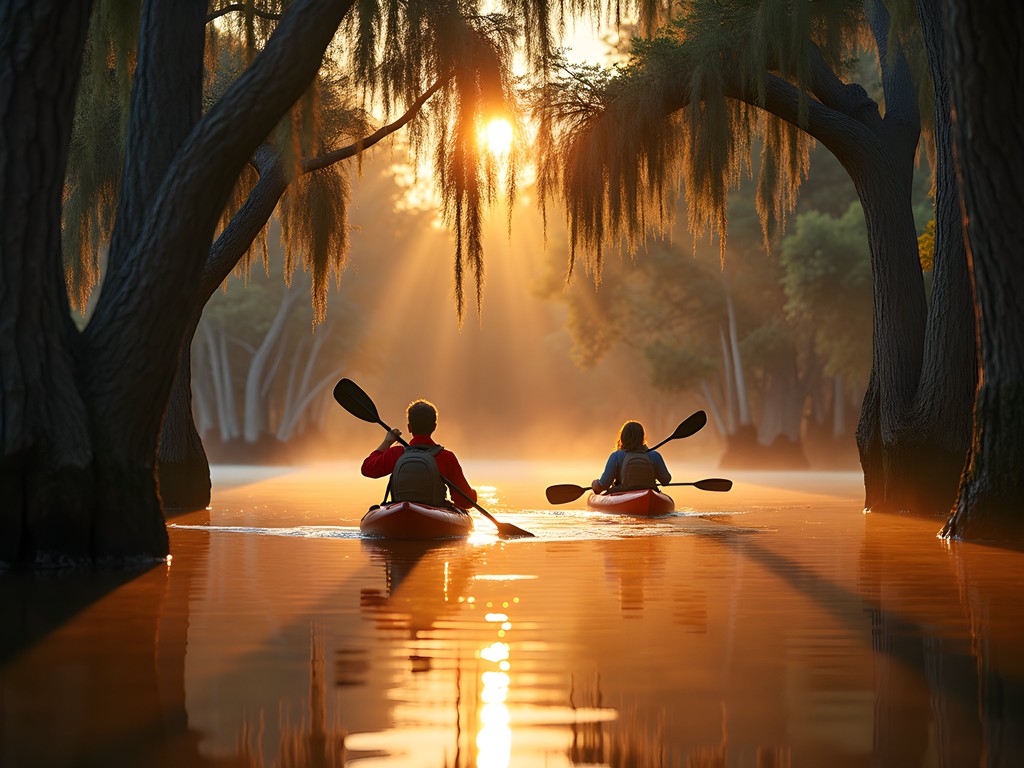
Wilmington's waterways offer more than just recreation—they're liquid highways connecting the region's complex past with its vibrant present. On my second morning, I joined a small group for a sunrise kayaking expedition through the blackwater cypress swamps of the Cape Fear River Basin. Our guide, Marcus—a fourth-generation fisherman turned environmental educator—navigated us through narrow channels where Spanish moss created ethereal canopies overhead.
The physical rhythm of paddling became meditative as we glided past remnants of rice plantations, their presence a somber reminder of the area's complicated history. I found myself applying the same mindful awareness I use when studying traditional textile patterns—observing how natural and human narratives intertwine across time.
For this journey, my waterproof dry bag proved invaluable, keeping my journaling materials and recording equipment safe from the occasional splash. The morning light filtering through cypress trees created perfect conditions for reflection—both literal and metaphorical.
💡 Pro Tips
- Book kayak tours for early morning when wildlife is most active and the water is calmest
- Layer clothing as morning temperatures can be surprisingly cool even in summer
- Bring a waterproof camera mount to document your journey hands-free
Surfing Wrightsville Beach: Finding Flow State in Atlantic Waves
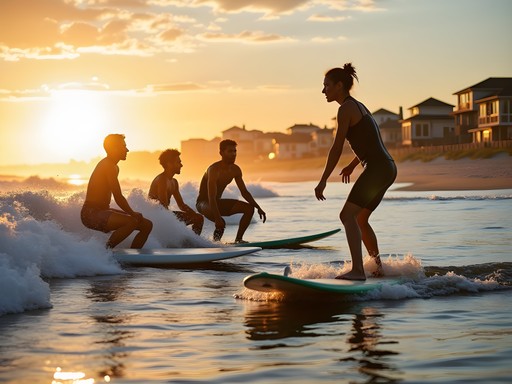
The textile traditions I document around the world often reveal how communities develop deep relationships with their natural environments. In Wilmington, I witnessed this connection most profoundly through the local surf culture at Wrightsville Beach, where wave riders of all ages demonstrate an intimate knowledge of ocean patterns that rivals any weaver's understanding of their loom.
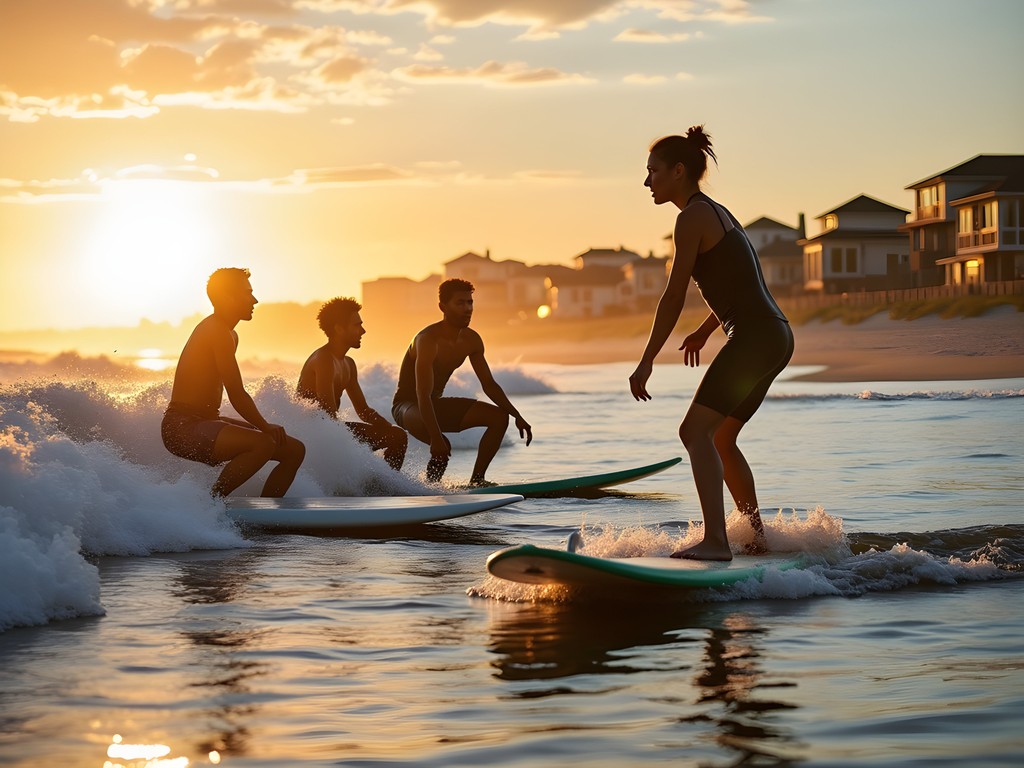
As someone who grew up landlocked in Baltimore, surfing has always intimidated me. But after watching the easy grace of locals—from silver-haired veterans to preschoolers—I signed up for a three-day progressive surf clinic with Odysea Surf School. My instructor, Kai, approached surfing instruction with the same patient philosophy I've encountered in meditation retreats across Southeast Asia: presence over perfection.
"The wave doesn't care about your ego," Kai reminded us as we practiced pop-ups on the sand. "It only responds to balance, timing, and respect."
By day three, I experienced my first true flow state on a board—that magical moment when overthinking dissolves into pure motion. I've since added my rash guard to my permanent packing list, a testament to newfound ocean addiction.
💡 Pro Tips
- Book multi-day surf lessons rather than a single session to build actual skills
- Wrightsville Beach's south end typically offers gentler waves for beginners
- Apply reef-safe sunscreen 30 minutes before entering the water to protect both your skin and the marine ecosystem
Carolina Beach State Park: Carnivorous Plant Trails and Coastal Climbing
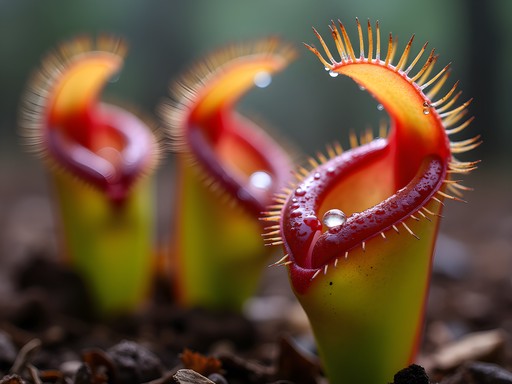
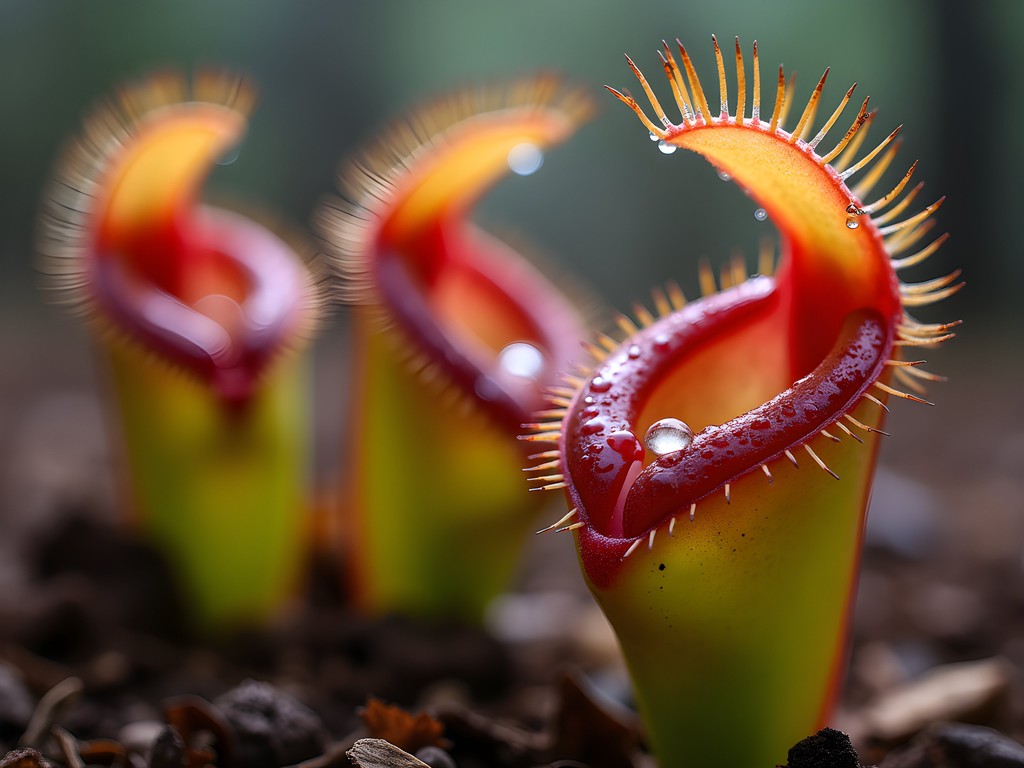
While Wilmington's water adventures initially drew me in, the region's terrestrial ecosystems proved equally captivating. Carolina Beach State Park—home to the rare Venus flytrap in its only native habitat worldwide—offers a fascinating intersection of botanical wonders and physical challenges.
I joined a guided ecology hike led by Dr. Amara Wilkes, a botanist specializing in carnivorous plants. As we carefully navigated the Flytrap Trail, Dr. Wilkes revealed how these specialized plants have adapted to thrive in nutrient-poor soil—a brilliant evolutionary strategy not unlike how traditional textile communities adapt their techniques to available materials.
"Notice how they don't waste energy growing in places they can't flourish," she noted, a philosophy that resonated with my post-burnout approach to life.
The park's diverse terrain also offers surprising climbing opportunities. The Sugarloaf Dune—a 50-foot sand dune stabilized by maritime forest—provides a natural training ground for those preparing for more technical climbs. I spent an afternoon with a local bouldering group who use the dune's steep face for conditioning workouts.
For both the delicate plant observation and the more strenuous climbing, my trail running shoes provided the perfect balance of grip and sensitivity. After a particularly challenging route, we cooled off with a plunge in the Cape Fear River at the park's swimming area—the perfect natural ice bath for tired muscles.
💡 Pro Tips
- Visit the Flytrap Trail in early morning when humidity makes the tiny plants more visible
- Bring a magnifying glass or macro lens to truly appreciate the carnivorous plant adaptations
- Pack extra water—the sandy soil and humidity create surprisingly dehydrating conditions

Mindful Thrills: Kiteboarding Meditation at Cape Fear
My most profound Wilmington experience came unexpectedly through kiteboarding—an activity that initially seemed at odds with my usual contemplative travel style but ultimately reinforced my belief in adventure as moving meditation.
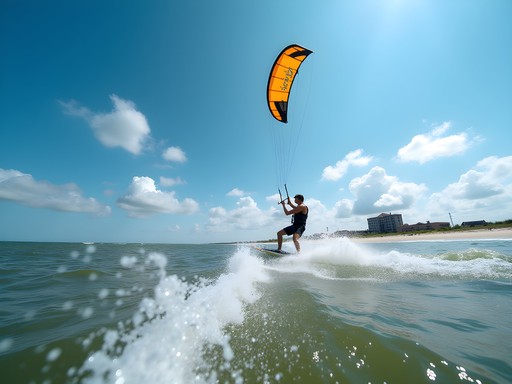
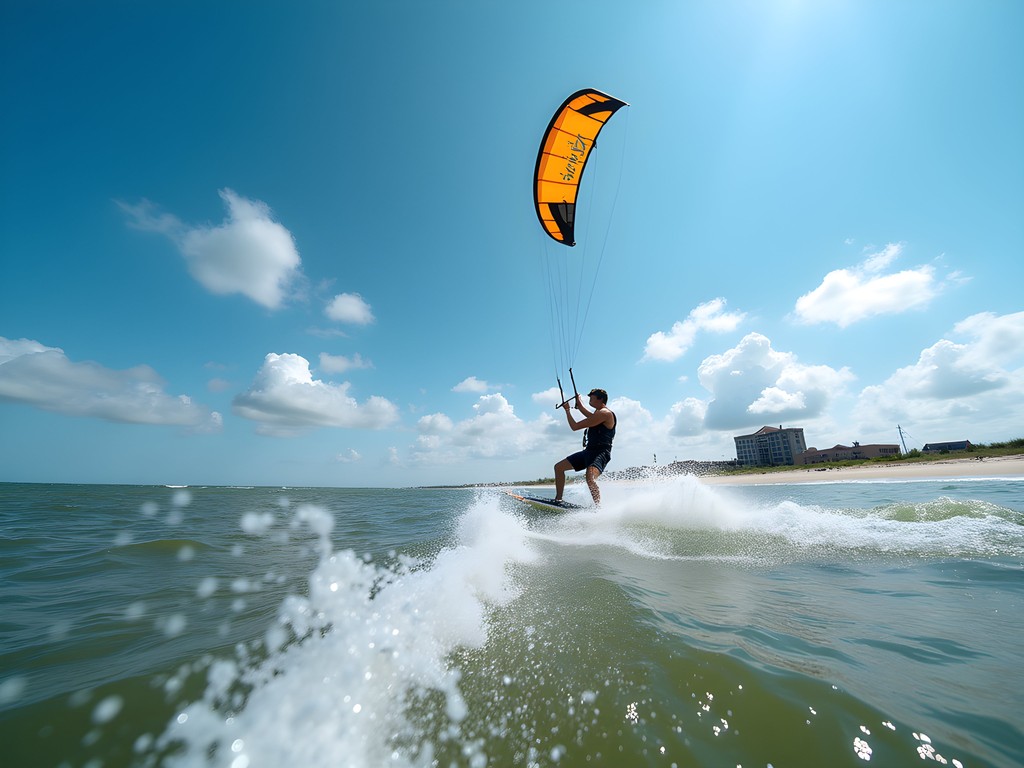
At the recommendation of a local textile artist I'd connected with, I booked a three-day progressive kiteboarding course with Blown Kiteboarding at the Fort Fisher Recreation Area. My instructor, Mia, immediately recognized my hesitation.
"You're overthinking it," she observed during our first land-based kite handling session. "Your body already knows how to respond to the wind—just like your breath in meditation."
Her insight shifted my entire approach. Rather than seeing kiteboarding as conquering nature, I began experiencing it as a conversation with the elements. By our final session, I was making short, controlled rides parallel to the shore, experiencing that rare state where focus becomes so complete that self-consciousness dissolves.
The physical demands were considerable—my compression leggings provided much-needed muscle support during long sessions in and out of the water. And my polarized sunglasses proved essential for tracking the kite against bright coastal skies while protecting against intense glare off the water.
What struck me most was how kiteboarding's requirement for complete presence mirrored the mindfulness I've studied in traditional textile communities—where artisans achieve flow state through repetitive, focused movements that demand both technical precision and intuitive response.
💡 Pro Tips
- Book kiteboarding lessons as a multi-day package—single sessions rarely provide enough time to develop actual skills
- Choose a school that offers radio helmet coaching for real-time feedback while you're on the water
- Practice kite control on land until it feels second-nature before attempting water launches
Coastal Foraging: Adventure for the Culinary Curious
My final Wilmington adventure combined my interest in traditional knowledge systems with unexpected culinary delights. Through connections at the local farmers market, I joined a small coastal foraging expedition led by Leah, a Lumbee tribe member and marine biologist who bridges indigenous wisdom with scientific understanding.
Our small group gathered at Shell Island at low tide, equipped with collection buckets, water shoes, and field guides. Leah's approach immediately resonated with my documentation work—she emphasized sustainability and reciprocity, teaching us to harvest selectively while leaving environments healthier than we found them.
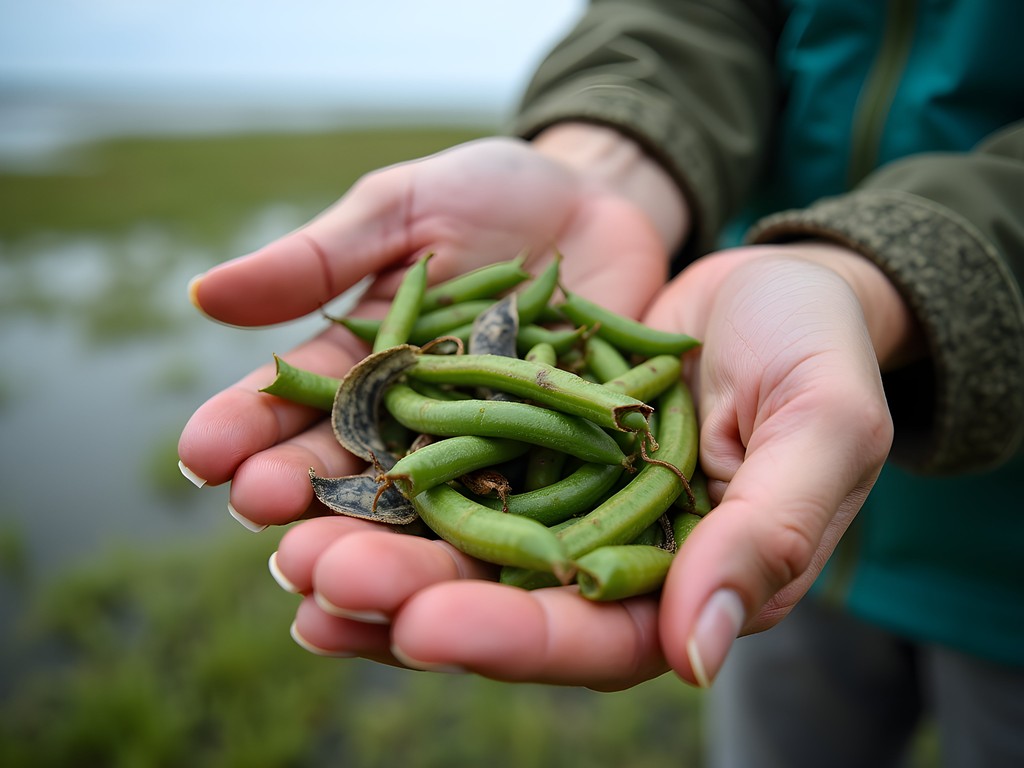
"We're not just taking," she explained as she demonstrated how to properly harvest a small portion of sea purslane without damaging the plant's ability to regenerate. "We're participating in relationships that predate any of us."
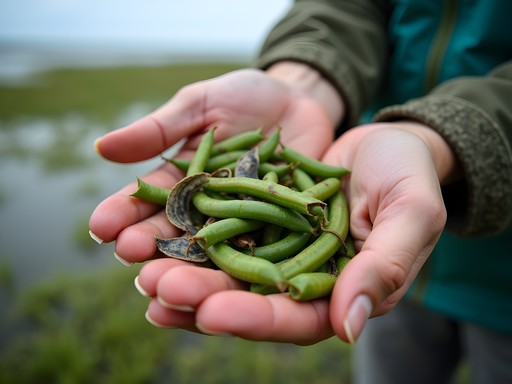
Over four hours, we collected edible seaweeds, sampled sea beans with their bright salinity, and learned to identify various shellfish. The expedition culminated in a beach cooking demonstration where Leah prepared our findings using traditional methods alongside contemporary techniques.
The experience connected deeply with my work documenting traditional textile practices—both involve intimate knowledge of natural materials, sustainable harvesting, and the transformation of raw elements into something that nourishes communities. I found myself using my foraging knife with the same reverent precision I've observed in weavers handling their tools across four continents.
💡 Pro Tips
- Book coastal foraging tours that emphasize sustainability and have proper permits
- Bring a waterproof notebook to record findings and preparation techniques
- Time your visit with spring tides (full and new moons) when low tides expose more foraging areas
Final Thoughts
Wilmington revealed itself to me not just as a destination for adrenaline seekers, but as a place where adventure becomes a gateway to deeper connection—with nature, with history, and with oneself. The region's waters and wilds offer that rare balance I'm always seeking in my travels: opportunities to push physical limits while creating space for meaningful reflection.
What surprised me most was how perfectly these coastal adventures complemented my usual focus on cultural preservation and mindfulness practices. Whether tracking the intricate patterns of Venus flytraps or finding flow state on a surfboard, each experience reinforced how traditional knowledge and present-moment awareness enhance our relationship with place.
As I packed my newly salt-crusted belongings for my return to Guadalajara, I realized Wilmington had offered me something I hadn't known I needed—a reminder that adventure itself can be a form of meditation when approached with intention and respect. For groups seeking more than just a beach vacation, this coastal region offers transformative experiences that balance excitement with meaning, leaving you changed in ways that typical tourist destinations rarely manage.
✨ Key Takeaways
- Wilmington's adventure offerings cater to various experience levels, making it ideal for mixed-ability groups
- Early morning activities provide both the best conditions and most meaningful experiences across water sports
- Combining physical adventures with ecological and historical education creates deeper connection to place
- Multi-day progressive lessons yield more satisfying results than one-off adventure experiences
📋 Practical Information
Best Time to Visit
Late May through early October, with September offering smaller crowds and warm water
Budget Estimate
$1,500-$2,200 per person for one week including accommodations, activities, and meals
Recommended Duration
5-7 days
Difficulty Level
Intermediate

Comments
winteradventurer
OMG THIS POST IS EVERYTHING!!! 🔥🔥🔥 I've been dreaming about visiting North Carolina's coast forever and your photos just sealed the deal! Those carnivorous plants look absolutely WILD and kiteboarding looks terrifying but amazing?! Definitely booking a trip for February - hoping the weather will still be decent for some of these adventures! CANNOT WAIT!!! 🏄♀️🌊🪂
smartninja
February might be pretty chilly for water sports, but the plant trails and hiking will be great! Maybe aim for April if you can?
winteradventurer
Thanks for the heads up! Maybe I'll push it back to spring break then. Can't wait either way!
Nicole Russell
Elena! You've captured the soul of Wilmington so beautifully! I solo-traveled there last fall and completely agree about the transformative power of these coastal adventures. The surfing at Wrightsville was challenging but SO rewarding - that feeling when you finally catch the perfect wave is indescribable! For anyone planning a trip, I found my waterproof backpack absolutely essential for those paddling excursions. Elena, did you explore any of the offshore islands? I'm heading back in January and looking to expand my Wilmington adventure map!
wanderlustbuddy2184
Thanks for sharing! This is super helpful.
moonphotographer
Been going to Wilmington for years and you really captured the essence of it! One tip I'd add - if you're doing the coastal climbing at Carolina Beach State Park, go on a weekday if you can. Weekends get pretty crowded especially in summer. Also the sunset paddles are unreal, especially in fall when the light gets that golden quality. I always bring my waterproof camera for those trips because the colors are just insane. The carnivorous plant trail is best in late spring/early summer when everything's actively growing!
Bryce Diaz
This takes me back to my own Wilmington adventure three summers ago. I remember standing on my board at dawn, watching dolphins arc through the waves at Wrightsville. What struck me most was exactly what you captured here - that intersection of thrill and tranquility. The Cape Fear region has this raw, untamed quality that forces you to be present. I spent a week there solo and came away feeling like I'd had a month-long meditation retreat. The coastal climbing at Carolina Beach was a highlight I didn't expect - those maritime forest routes are unique.
wanderlustphotographer
dolphins while surfing?? ok now i'm definitely going
roammaster
great photos! wrightsville beach looks perfect
Nicole Russell
YES to kiteboarding at Cape Fear! I did this solo last summer and it was absolutely transformative. The way you described it as 'meditation' is so accurate - there's this moment when everything clicks and you're just completely present. For anyone thinking about trying it, there are some great instructors right on the beach who'll get beginners up and going in a day. The wind conditions are really consistent there too. Also totally agree about Wrightsville Beach for surfing - the vibe there is so welcoming even if you're not great yet!
happylife
How hard is kiteboarding to learn? I've never done any water sports before but this sounds incredible!
Nicole Russell
It's definitely challenging at first but SO worth it! Take a lesson - don't try to teach yourself. Most people can get up on the board within 2-3 sessions.
hikingrider
Love the photos!
Megan Martin
Elena, this is beautifully written. I've been to Wilmington twice for conferences and always treated it as just a stopover, but you've completely changed my perspective. The way you connected the adrenaline rush with mindfulness really resonates. I'm particularly intrigued by the paddling routes through historic waterways - could you share which outfitter you used? I'm planning a return trip in spring specifically for the outdoor activities now.
Elena Hayes
Thank you, Megan! I used Mahanaim Adventures for the paddling tours - they're incredibly knowledgeable about the local ecology and history. Their sunset paddles are especially magical. You'll love spring there!
travelperson
Going there in March! Is the water too cold for surfing then or do you need a wetsuit?
Nicole Russell
Definitely bring a wetsuit for March! Water's still pretty chilly. I'd say 3/2mm should work fine.
Venture X
Premium card with 2X miles, $300 travel credit, Priority Pass