
Disclosure: This article contains affiliate links. We may earn a commission from purchases at no extra cost to you, which helps our travel content.
When most people think of winter getaways, they envision tropical beaches and umbrella drinks. But for those of us who embrace the exhilaration of sub-zero adventures, Timmins, Ontario is a data point worth plotting on your travel map. Located about 680 kilometers north of Toronto, this former gold mining hub transforms into a technological playground for winter enthusiasts when temperatures drop. Having grown up splitting my time between sunny Los Angeles and my mother's Korean family traditions, I've developed a unique appreciation for how different cultures adapt to extreme environments—and the tech they develop to thrive in them.

Snowmobiling: Network Engineering on Ice
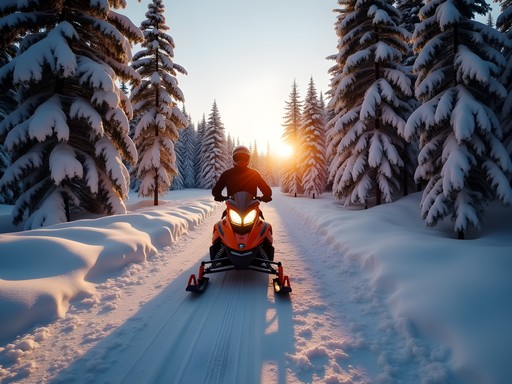
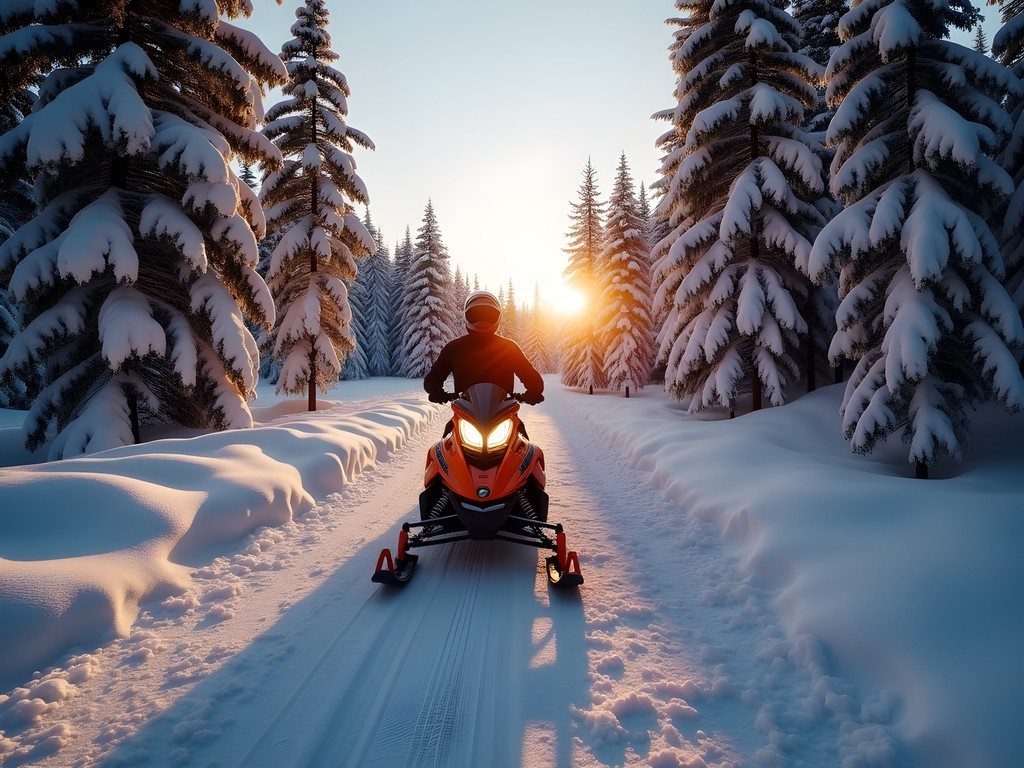
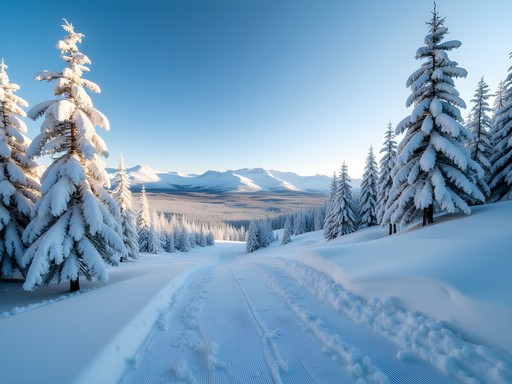
Timmins boasts over 440 kilometers of meticulously maintained snowmobile trails—essentially a physical network topology that would make any IT professional appreciate its elegant design. The Polar Bear Riders Snowmobile Club manages this impressive infrastructure with precision that rivals any network operations center I've worked in.
During my week in Timmins, I rented a 2023 Ski-Doo Renegade from Northern Wilderness Outfitters. Pro tip: these machines now come equipped with heated handgrips, GPS navigation, and even Bluetooth connectivity—allowing me to log ride data while streaming my carefully curated winter playlist. The heated insoles I packed were absolutely essential; they kept my extremities functioning while temperatures plummeted to -30°C.
The trails connect like a well-designed mesh network, with primary routes (trunk lines, if you will) branching into secondary paths that lead to frozen lakes, dense forests, and remote wilderness cabins. My favorite route was the A103, which connects to the Ontario Federation of Snowmobile Clubs' provincial trail system—essentially the backbone of winter transportation in this region.
💡 Pro Tips
- Download the OFSC Interactive Trail Guide app before your trip—it works offline when cell service inevitably disappears
- Pack extra power banks in internal pockets (body heat keeps them functioning longer)
- Rent a sled with the SHOT starting system—no pull cord means no removing gloves in frigid temperatures
Ice Fishing: The Original Remote Work Setup
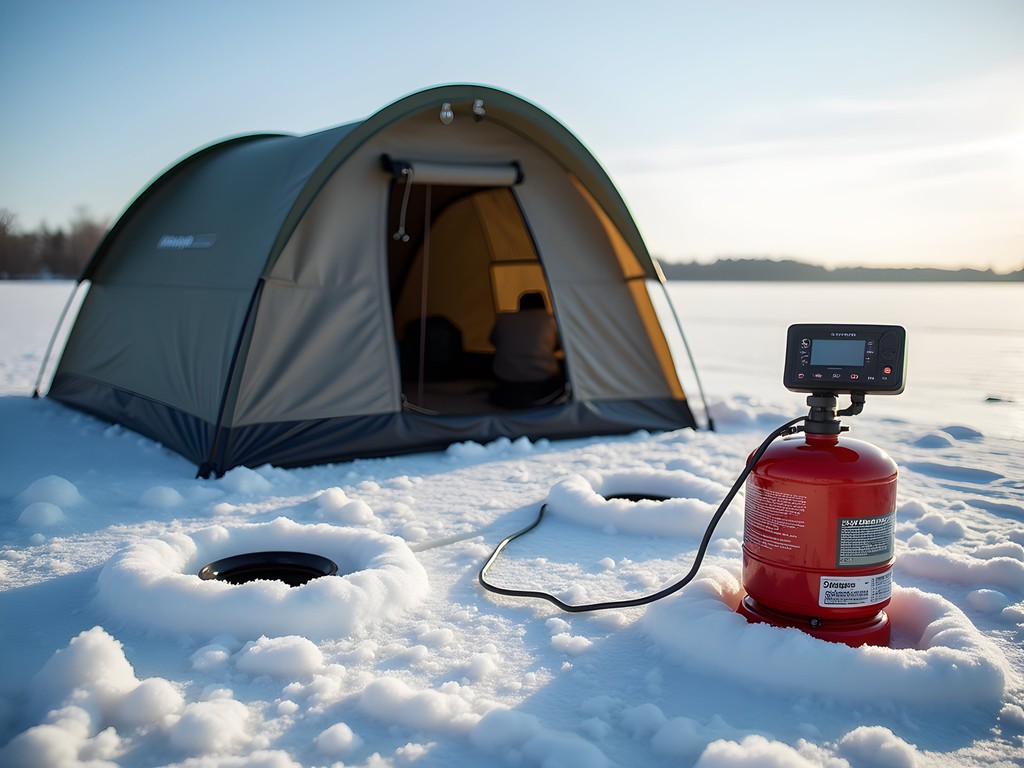
Ice fishing in Timmins is essentially the original remote work setup—isolated, requiring specialized equipment, and demanding both patience and technical expertise. I booked a guided expedition with Wild Exodus to Kamiskotia Lake, where the walleye and northern pike populations thrive beneath 3+ feet of ice.
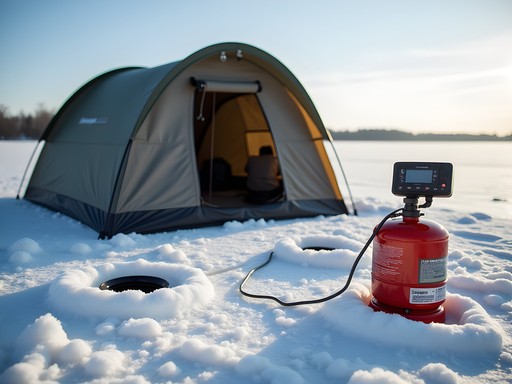
The technological evolution of ice fishing fascinated my engineer brain. Modern portable shelters deploy like pop-up network closets, while fish finders use sonar technology to visualize what's happening beneath the ice in real-time. My guide, Frank, a third-generation Timmins local, paired traditional knowledge with modern tech in a way that perfectly bridged the analog-digital divide.
While drilling through ice with a power auger (significantly more efficient than manual options), Frank explained how climate change has affected ice formation patterns over his lifetime—data points that no weather app could provide. We set up a portable propane heater inside our shelter, creating a microclimate that allowed me to shed layers while temperatures outside remained firmly below -20°C.
After four hours of fishing, our group had caught seven walleye and two pike—all carefully measured, photographed for my data collection, and released back through the ice.
💡 Pro Tips
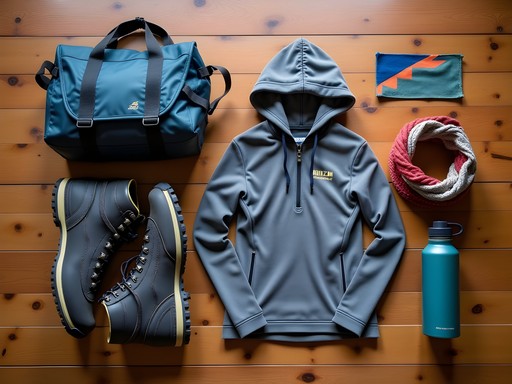
- Layer strategically: merino wool base, mid insulation layer, waterproof outer shell
- Bring hand warmers for your pockets AND camera batteries
- Pack high-calorie snacks—your body burns significantly more calories in extreme cold
Northern Lights: Nature's Ultimate Display Technology
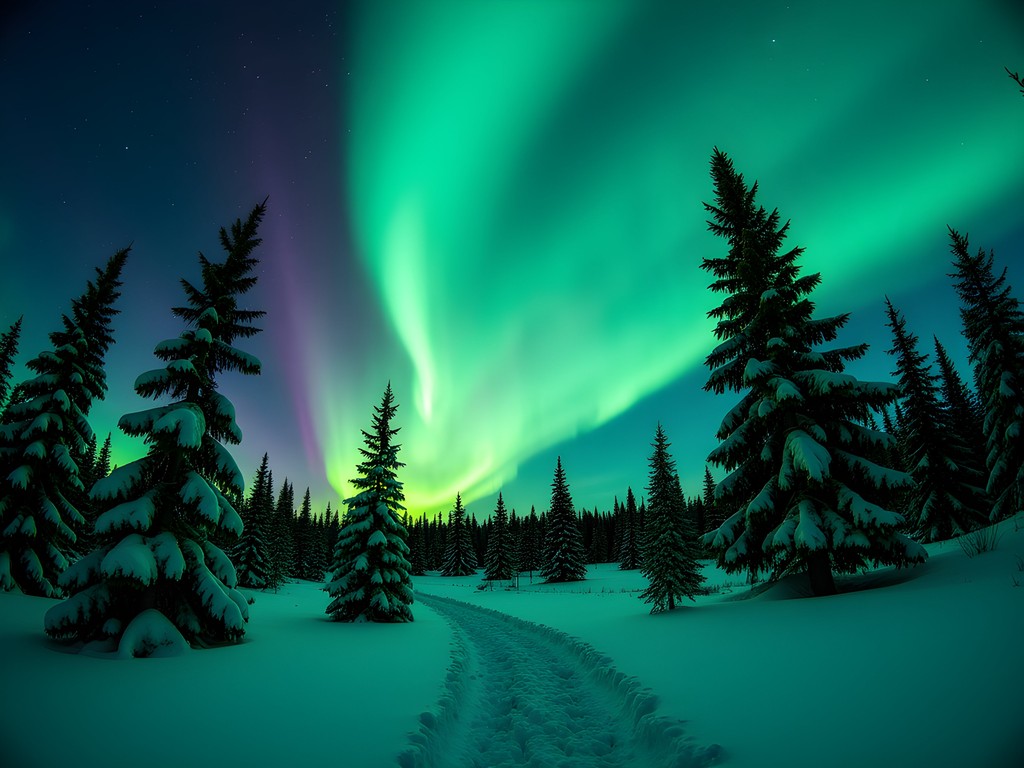
As a network engineer who spends hours staring at screens, witnessing the aurora borealis above Timmins was a humbling reminder that nature created the original immersive display technology. The Northern Ontario region sits under the auroral oval, making it prime territory for this atmospheric phenomenon.
During my week in Timmins, I used the aurora forecast app to track KP-index values and solar activity. When conditions showed high potential on my third night, I joined a small group from Northern Star Expeditions who transported us to Cedar Meadows Resort's wilderness property—far enough from city light pollution to optimize viewing conditions.
Capturing this phenomenon required specialized gear. My tripod with cold-weather grips prevented equipment slippage on icy surfaces, while my phone's night mode capabilities were pushed to their limits. Our guide provided rechargeable hand warmers that doubled as emergency power banks—an elegant dual-purpose solution for cold weather photography.
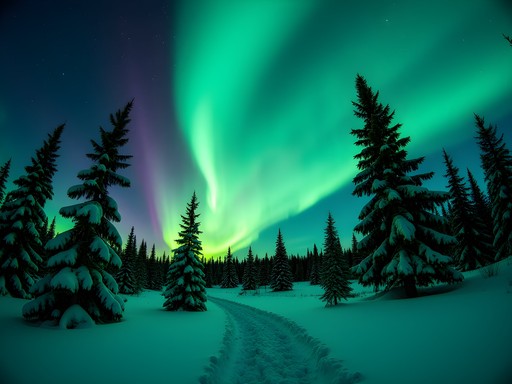
The technical explanation for the northern lights involves charged solar particles interacting with our atmosphere, but the experience transcends scientific understanding. As waves of green and purple danced across the sky, I found myself thinking of my Korean grandmother's stories about the night sky spirits—a beautiful intersection of my heritage and my scientific mindset.
💡 Pro Tips
- Use apps like My Aurora Forecast to predict activity levels
- Set camera exposure between 5-15 seconds for best aurora capture
- Bring a thermos of hot chocolate with peppermint schnapps—trust me on this one

Cultural Intersections: Mining Heritage Meets Winter Innovation
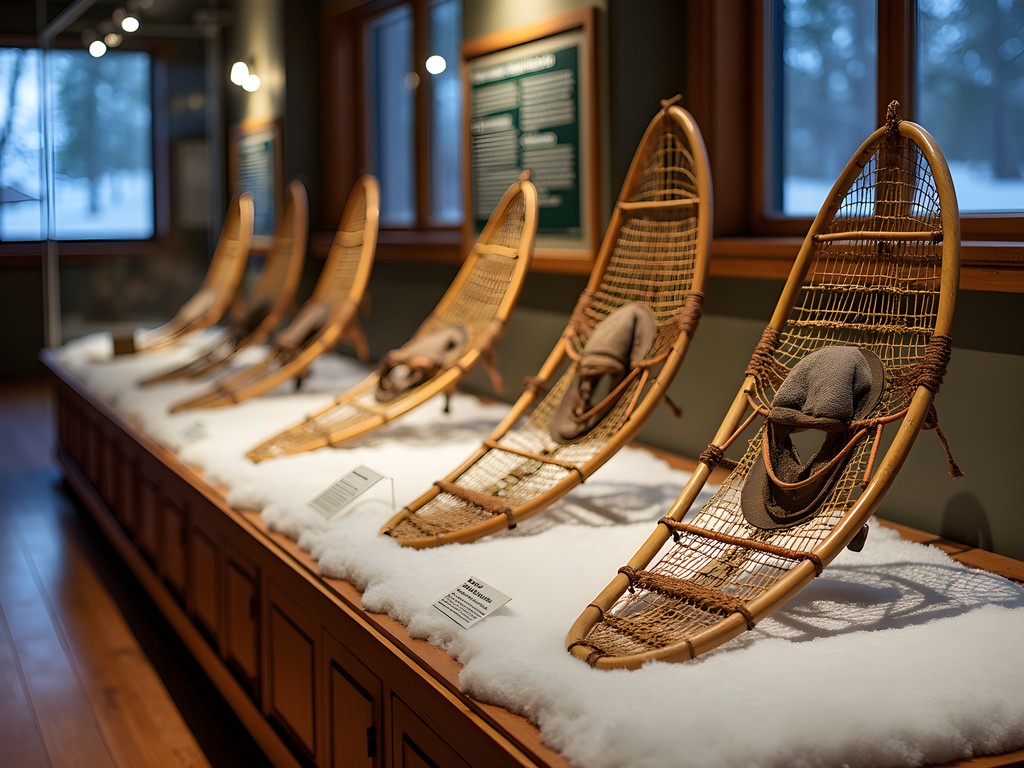
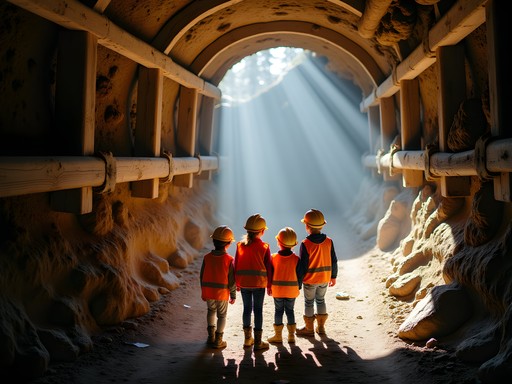
What fascinated me most about Timmins was the cultural intersection between its gold mining heritage and modern winter innovation. The Timmins Museum: National Exhibition Center offers a surprisingly tech-forward exploration of how mining shaped this region, with interactive displays showing how early technological innovations created the foundation for today's community.
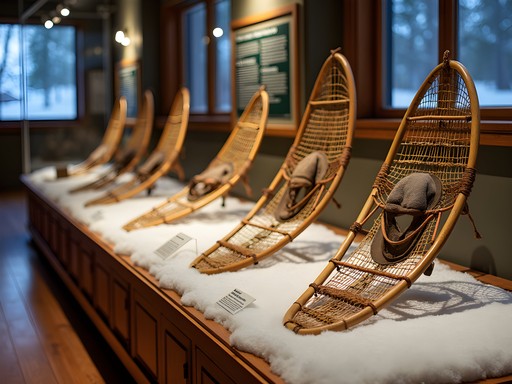
As someone with mixed heritage who's always looking for cultural connections, I appreciated how the museum highlighted Indigenous winter survival techniques alongside industrial developments. The Ojibway and Cree nations developed sophisticated methods for thriving in extreme environments long before European settlement—traditional snowshoes that inspired modern designs, ice fishing techniques that remain relevant, and natural navigation systems that predate GPS by centuries.
For a deeper dive into this cultural fusion, I visited the Cedar Meadows Resort's wilderness tour, where guides demonstrate how traditional knowledge and modern technology complement each other. Their winter survival kit combines heritage techniques with contemporary gear—a perfect metaphor for Timmins itself.
The evening dinner at Full Beard Brewing showcased another cultural intersection—traditional Canadian comfort foods reimagined with modern culinary techniques. Their venison stew paired with craft beer brewed using local ingredients created a perfect algorithmic match of flavors that warmed me from the inside out after a day in sub-zero temperatures.
💡 Pro Tips
- Visit the Timmins Museum on Wednesdays for free admission and guided tours
- Book the Indigenous cultural experience at Cedar Meadows at least 3 days in advance
- Try the seasonal flight at Full Beard Brewing—it changes based on available local ingredients
Final Thoughts
Timmins represents a perfect test case for how humans adapt to extreme environments using both ancestral knowledge and cutting-edge technology. As climate patterns shift globally, these northern communities offer valuable data points on resilience and innovation that we should all study carefully. The experience of racing across frozen lakes on a snowmobile, drilling through three feet of ice to connect with aquatic life below, and witnessing the electromagnetic symphony of the northern lights creates a full-sensory immersion that no VR system could ever replicate (trust me, I've tested many).
While this northern Ontario gem might not appear on typical travel algorithms, it deserves a prime spot in your winter adventure database. Just remember that in Timmins, the most reliable connections aren't Wi-Fi signals but the ones you forge with the natural world and the communities that have thrived here for generations. Pack your thermal layers, charge your batteries (literal and metaphorical), and prepare for a winter experience where the only thing that might crash is your previous understanding of cold weather adventure.
✨ Key Takeaways
- Timmins offers world-class snowmobiling with over 440km of maintained trails suitable for all experience levels
- Plan for extreme temperatures (-20°C to -30°C) with appropriate technical gear and emergency backups
- The cultural intersection of Indigenous knowledge and modern technology creates a unique winter adventure experience
- Northern lights viewing requires patience and planning but delivers an unparalleled natural spectacle
- Local guides provide essential context and safety in this challenging environment—don't attempt these activities solo if you're unfamiliar with extreme winter conditions
📋 Practical Information
Best Time to Visit
January to March (peak winter conditions)
Budget Estimate
$2,000-$3,500 for one week including accommodations, equipment rentals, and guided experiences
Recommended Duration
5-7 days minimum to experience all activities
Difficulty Level
Challenging (Requires Cold Weather Experience And Moderate Physical Fitness)
Comments
Claire Hawkins
Sage, this brought back so many memories! We took our two kids (7 and 9) to Timmins two winters ago and it was honestly one of our best family trips. The snowmobiling was incredible - we did a guided tour which was perfect since we'd never done it before. Our guide shared so many stories about the mining history while we rode through the trails. The kids were obsessed with ice fishing, even though we didn't catch much! One tip for families: bring extra hand warmers and layer like crazy. Even with all our prep, we underestimated how cold it gets. But that's part of the adventure! The Northern Lights made it all worth it - our daughter still talks about it.
freegal
Do you need your own gear for ice fishing or can you rent?
wavefan
Most outfitters up there rent everything including heated huts. Way easier than bringing your own stuff.
wildzone
What's the best time to see the Northern Lights there? Planning a trip for late January and wondering if that's good timing or should I aim for February?
Claire Hawkins
Late January is actually perfect! We visited in early February last year with our kids and saw them twice in 4 nights. The darker months (December-February) give you the best chance. Just make sure you're checking the aurora forecast and getting away from town lights. The mining heritage sites outside town are great viewing spots!
wildzone
Perfect thanks! Any specific spots you'd recommend?
wavefan
This looks amazing! Never thought about Timmins for winter travel.
freegal
Same! Always just drove through on the way north lol
Claire Hawkins
Sage, this is such a refreshing take on winter travel! I'm curious about the Northern Lights timing - when did you visit exactly? I'd love to bring my kids to see them but want to maximize our chances. Also, how family-friendly are the snowmobile tours? My oldest is 9 and would be absolutely thrilled, but wondering about age restrictions. The ice fishing sounds like it could be a hit with them too - there's something about the patience it requires that I think would be good for screen-addicted kids!
roamexplorer
following this! would love to know about the best months too
roamexplorer
Wow this looks amazing!! Never thought about Canada for winter trips
Claire Hawkins
Right? I'm always looking for winter destinations that aren't just ski resorts. This sounds like such a unique experience!
smartguy
Pro tip: book accommodations early. Timmins gets busy with winter tourists and mining conferences.
waveguy
This looks INCREDIBLE!! Adding to my bucket list right now!
wanderace
How cold are we talking? Like what kind of gear do you actually need?
Sage Dixon
Timmins gets down to -30°C regularly in winter. You'll want serious layering - thermal base layers, insulated pants, a proper parka rated for extreme cold, and definitely invest in good winter boots. I used my insulated boots on my northern trips and they're worth every penny when you're standing on ice for hours.
wanderace
Thanks! That's helpful, definitely more intense than I thought.
roamhero
Did you see the Northern Lights every night? Planning a trip but worried about timing it right!
Sage Adams
We saw them 2 out of 5 nights in February. There are aurora forecast apps that help a lot! Clear nights away from the town lights give you the best chance.
Haley Hamilton
I'd recommend planning for at least 5-7 nights in the region if seeing the aurora is your main goal. That way weather doesn't ruin your chances completely!
Venture X
Premium card with 2X miles, $300 travel credit, Priority Pass