Disclosure: This article contains affiliate links. We may earn a commission from purchases at no extra cost to you, which helps our travel content.
While most travelers come to Siem Reap with visions of ancient temples and sunrise at Angkor Wat, I've discovered there's a thrilling side to this Cambodian destination that many visitors miss entirely. During my recent winter getaway, I ventured beyond the well-trodden temple circuit to discover an adventure playground waiting in the surrounding countryside. Having visited Southeast Asia numerous times for cultural immersion, this trip marked my first dedicated adventure experience in Cambodia—and what a revelation it was. From racing ATVs through vibrant rice fields to soaring through jungle canopies, Siem Reap's rural landscapes offer heart-pumping experiences that provide both adrenaline rushes and authentic glimpses into local life. In this guide, I'll share how to balance your temple explorations with unforgettable adventures that showcase a completely different side of this fascinating destination.

Quad Biking Through Rural Villages and Rice Fields
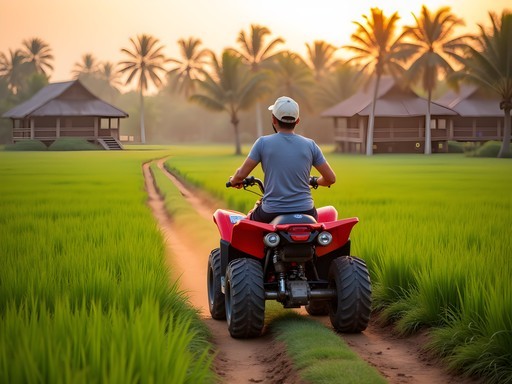
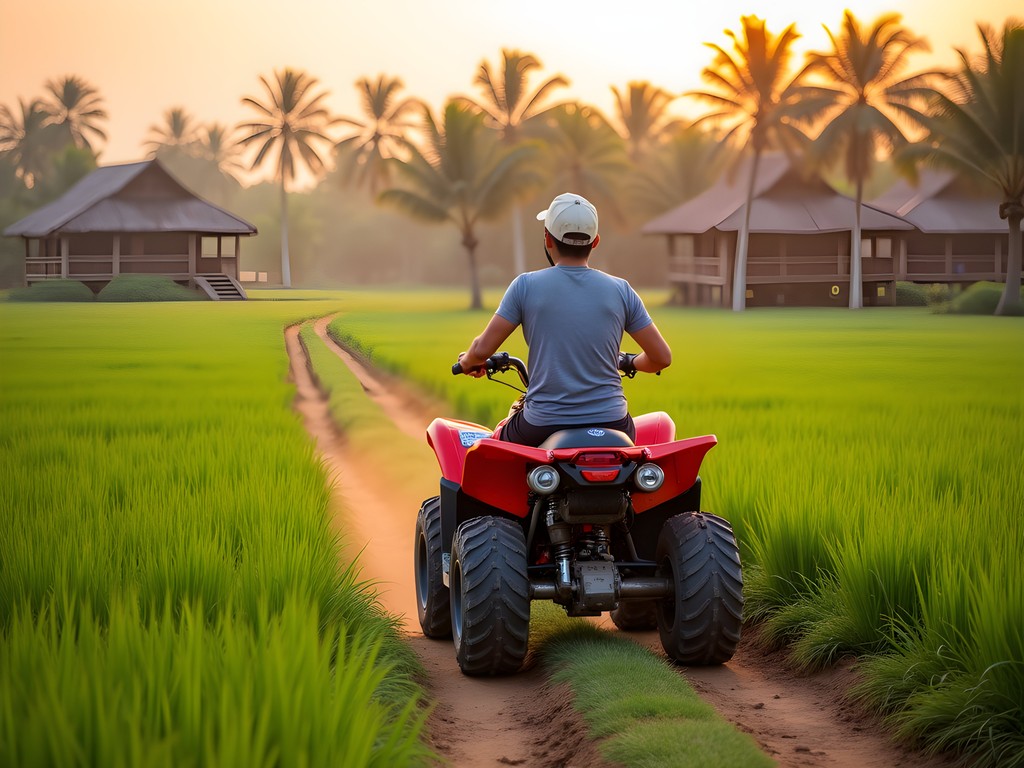
There's something incredibly liberating about the rumble of an ATV beneath you as you navigate the dusty red dirt roads that spider out from Siem Reap's center. My adventure began at a reputable quad bike operator just outside town, where after a thorough safety briefing, I was handed the keys to my very own four-wheeled freedom machine.
The guided tour took us far from the tourist crowds, weaving through a landscape that felt cinematically Cambodian. We passed emerald rice paddies stretching to the horizon, water buffalo cooling in muddy ponds, and children waving enthusiastically from the roadside. What struck me most was how quickly the scenery transformed—one moment we were kicking up dust on narrow paths between bamboo homes, the next we were crossing shallow streams with water splashing up around us.
The highlight came when we stopped at a small family-run rice farm. The farmer demonstrated traditional harvesting techniques that have remained unchanged for generations, allowing us to try our hand at the labor-intensive process. This cultural interaction, sandwiched between adrenaline-pumping rides, perfectly exemplifies what makes adventure travel in Siem Reap so special.
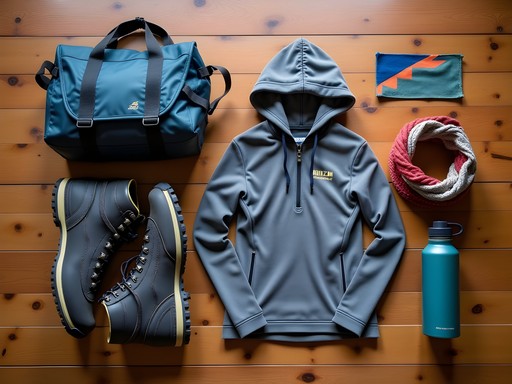
I recommend booking a sunset tour when possible—the golden hour light transforming the countryside into a photographer's dream is worth the extra dollars. Make sure to bring a neck gaiter to protect from dust, which becomes your constant companion on these rural roads. My breathable one was essential for comfort without overheating in Cambodia's humidity.
💡 Pro Tips
- Book quad tours at least a day in advance as the best operators fill up quickly
- Wear clothes you don't mind getting dirty—the red dust gets everywhere
- Choose a tour that includes village stops for a more cultural experience
Ziplining Through the Angkor Archaeological Park
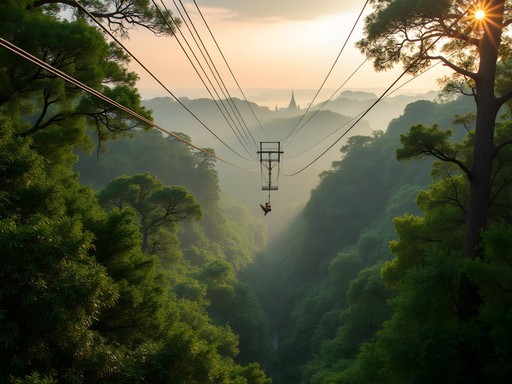
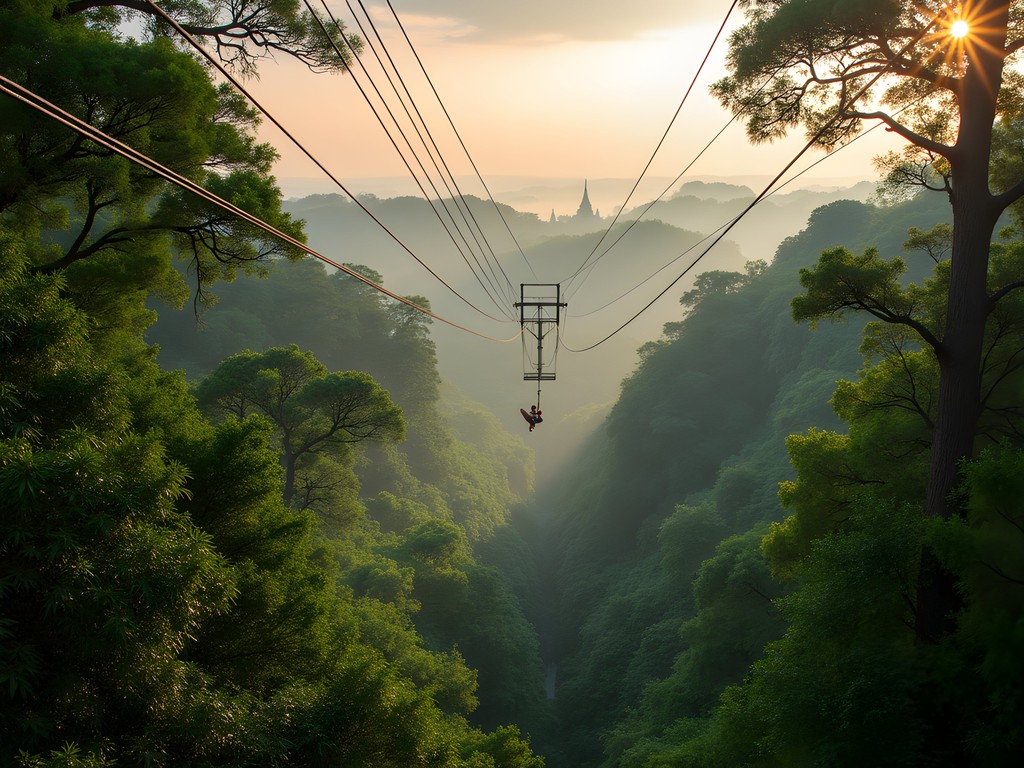
Few travelers realize that within the protected forests of the Angkor Archaeological Park lies an exhilarating canopy experience that offers a completely different perspective on this UNESCO World Heritage site. The Flight of the Gibbon zipline course—named for the endangered primates that sometimes make appearances—combines ecological education with pure adrenaline.
My morning began with pickup from my hotel (I stayed at the charming Shinta Mani Club, a boutique property with Khmer-inspired design that perfectly balances luxury with local character). After a short drive into the forest and comprehensive safety training, I was soon clipped into the first of ten ziplines that would carry me through the ancient forest canopy.
Soaring between platforms up to 50 meters high, I experienced moments of both heart-racing excitement and surprising tranquility. The longest line stretches over 300 meters, providing ample time to take in the sweeping views of the forest that has reclaimed much of the ancient Khmer Empire. Between zips, knowledgeable guides pointed out medicinal plants, wildlife, and explained the delicate ecosystem that exists alongside the famous temples.
What makes this adventure particularly special is the context—you're flying through the same forests that have witnessed the rise and fall of one of history's greatest civilizations. The experience is made even more memorable knowing that a portion of proceeds supports local conservation efforts.
For photography enthusiasts, I'd recommend bringing a action camera with a chest or helmet mount. My footage captured the exhilaration of the ziplines while keeping my hands free for safety—essential when you're suspended high above the forest floor!
💡 Pro Tips
- Book the earliest morning slot to increase chances of wildlife sightings
- Wear closed-toe shoes with good grip—flip-flops aren't allowed
- Consider the 'Sky Bridge' add-on for additional canopy walking experiences
Mountain Biking to Hidden Temples
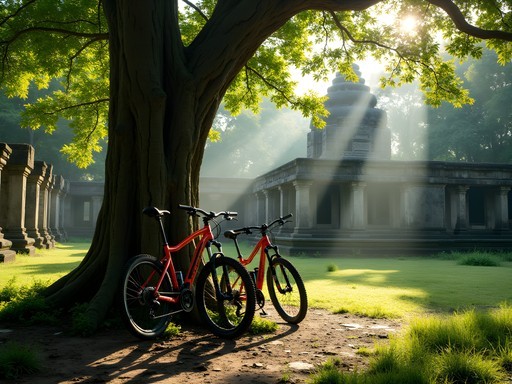
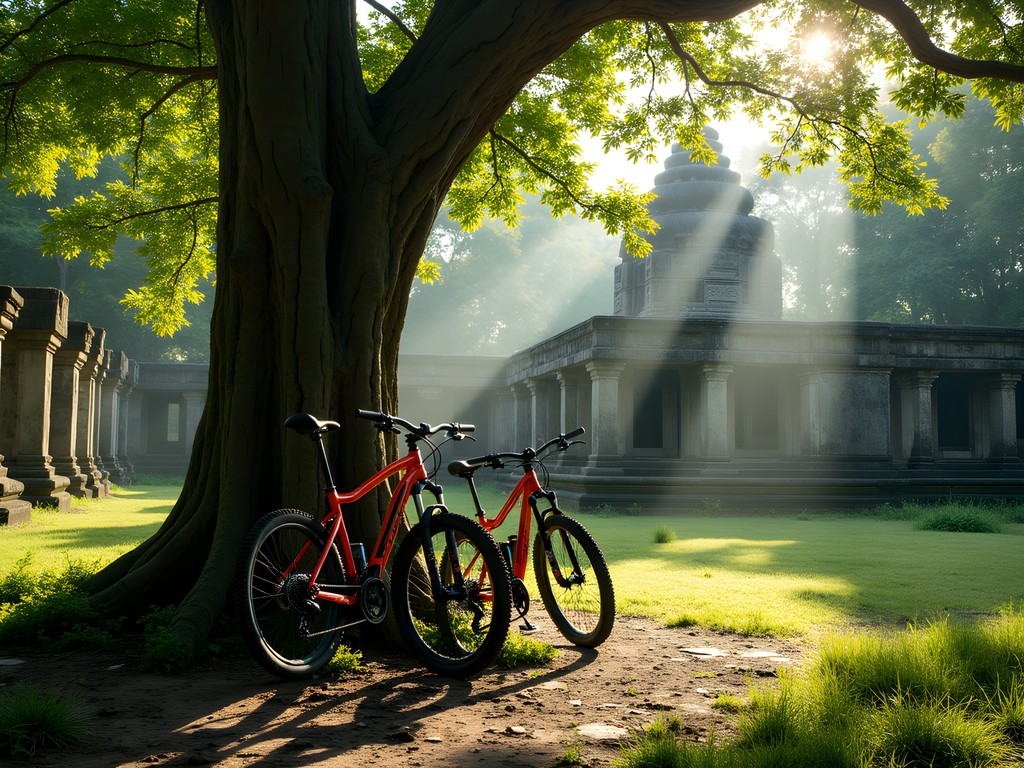
While Angkor's main temples draw millions of visitors annually, the archaeological park contains over 1,000 temples—many of which remain virtually unvisited. One of my favorite discoveries in Siem Reap was exploring these hidden gems on two wheels.
I joined a full-day mountain biking expedition that promised to reveal temples where we'd likely be the only visitors. Our journey began early, cycling out of town as the morning mist still clung to the rice fields. The quality of the mountain bikes provided was impressive—front suspension and reliable components made navigating the sometimes challenging terrain much more enjoyable than the basic rentals I've encountered elsewhere in Southeast Asia.
Our expert local guide, Sophal, led us through a network of dirt trails that wound through villages, forests, and farmland. The first temple we encountered, Banteay Ampil, was completely deserted—a stark contrast to the crowds at Angkor Wat. As I wandered through the moss-covered stones, hearing only birdsong and the rustle of leaves, I felt a connection to the ancient Khmer civilization that simply isn't possible at the more popular sites.
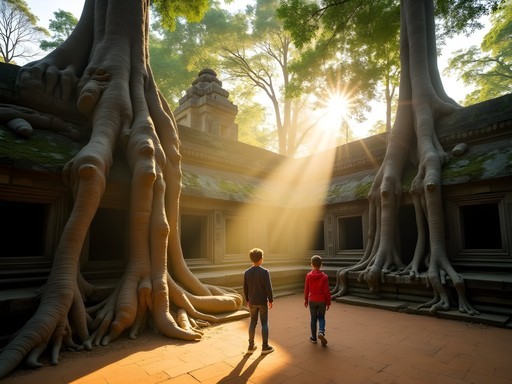
The cycling itself ranged from easy flat sections to more technical single-track trails that required concentration. We covered approximately 30km throughout the day, stopping at three different hidden temples, each with its own unique charm and state of preservation. One particularly memorable moment was when we emerged from a dense forest path to find ourselves facing a small temple partially reclaimed by massive strangler fig trees—a scene straight from an adventure film, yet completely authentic and untouched.
Lunch was a highlight: a picnic prepared by a local family, served on banana leaves in the shade of a centuries-old temple. The home-cooked Khmer dishes—fresh spring rolls, fragrant fish amok, and tropical fruits—tasted even better after a morning of cycling.
💡 Pro Tips
- Choose a tour with smaller groups (under 8 people) for a more intimate experience
- Apply sunscreen generously and reapply—the Cambodian sun is intense even in winter
- Bring at least 2 liters of water as the cycling can be strenuous in the humidity

Kayaking Through Floating Villages
Tonlé Sap Lake—Southeast Asia's largest freshwater lake—and its fascinating floating communities offer one of the most unique adventure experiences in the Siem Reap region. While many tourists visit these villages on larger boat tours, exploring by kayak provides an intimate perspective that larger vessels simply can't match.
I arranged a half-day kayaking expedition through my hotel concierge, opting for an afternoon departure to avoid the morning tour buses. After a 30-minute drive to the embarkation point at Kampong Phluk, I met my guide, a young man who had grown up in one of the floating villages and knew the waterways intimately.
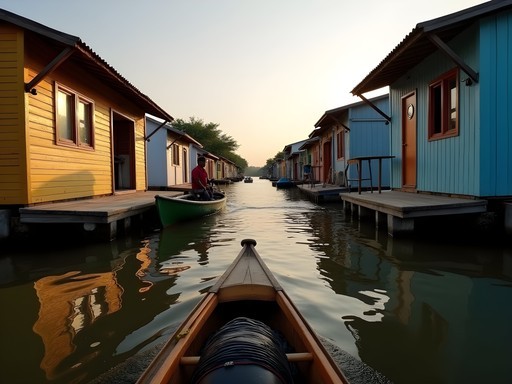
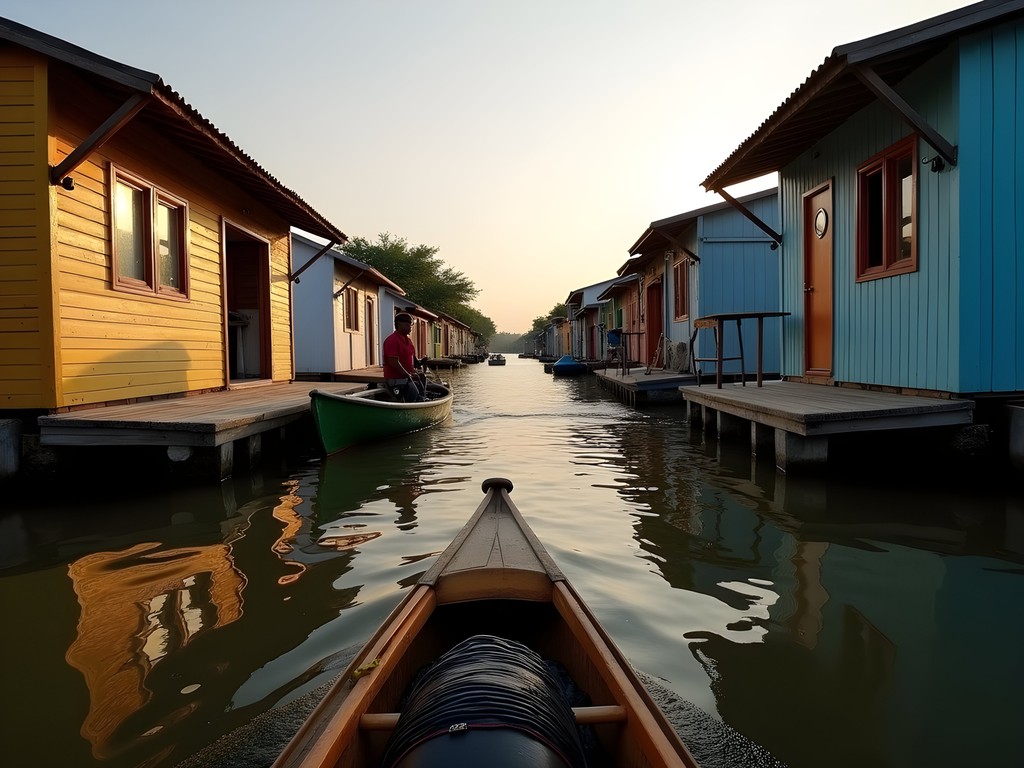
Paddling through the narrow channels between floating homes was a surreal experience. Life unfolds entirely on water here—children commute to floating schools by boat, markets operate from canoes, and families tend floating gardens. The kayak allowed me to navigate areas inaccessible to larger tour boats, including a mesmerizing flooded forest where we glided silently between partially submerged tree trunks.
What struck me most was how this adventure offered both physical activity and cultural immersion. My guide arranged a stop at a family home where I learned about the seasonal challenges of life on the lake—how the water level can fluctuate by up to 8 meters between dry and wet seasons, requiring homes to either float or stand on incredibly tall stilts.
The birdlife was extraordinary, particularly as we paddled toward sunset. Egrets, storks, and kingfishers darted around us, while fish jumped from the water's surface. I was thankful for my dry bag which kept my camera equipment safe from splashes while allowing me to capture these magical moments.
The experience culminated with watching the sunset over the vast expanse of Tonlé Sap—a kaleidoscope of oranges and pinks reflected perfectly in the still water, with silhouettes of fishing boats returning home completing the scene. It was a powerful reminder of how adventure travel can provide windows into ways of life so different from our own.
💡 Pro Tips
- Choose smaller, community-based tour operators that benefit local villages
- Bring small US dollar bills for purchasing snacks or crafts directly from floating vendors
- Apply mosquito repellent before setting out—the lake area has plenty of them, especially near sunset
Kulen Mountain Waterfall Trekking
For those seeking to combine adventure with natural beauty and spiritual significance, a trek to the sacred waterfalls of Phnom Kulen (Mountain of Lychees) provides the perfect day trip from Siem Reap. Located about 50km northeast of town, this mountain holds special importance in Cambodian history as the birthplace of the Khmer Empire.
I arranged a guided trek through a local adventure outfitter, bypassing the standard tourist route for a more challenging path that promised both solitude and superior views. After paying the park entrance fee (a somewhat steep $20, but worth it), we began our ascent through dense jungle vegetation.
The moderate 7km trek took us along paths used primarily by local pilgrims and foragers. The humidity was palpable even in the winter season, with sweat quickly soaking through my moisture-wicking shirt. Our guide, Mr. Dara, enhanced the journey with his encyclopedic knowledge of the forest's medicinal plants and wildlife. He pointed out butterflies I'd never seen before and explained how certain tree barks are still used in traditional Khmer medicine.
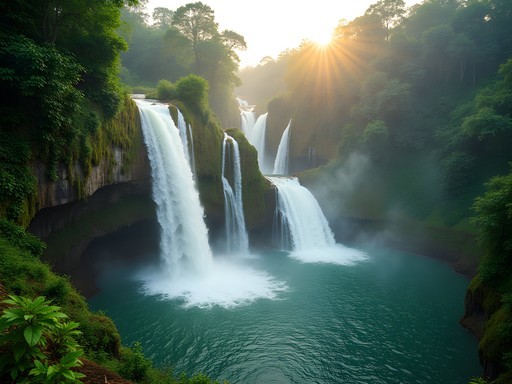
About two hours into our trek, the sound of rushing water signaled our approach to the first of Kulen's famous waterfalls. Unlike the main tourist area where visitors congregate at the larger falls, our route took us to a smaller, more secluded cascade where we had the entire pool to ourselves. The cool water was the perfect antidote to the humid trek, and I spent a blissful hour swimming and relaxing on sun-warmed rocks.
After lunch—a delicious packed meal of traditional Khmer dishes prepared by our guide's family—we continued to the mountain's plateau where ancient stone carvings known as the 'River of a Thousand Lingas' lie just beneath the water's surface. These 9th-century Hindu fertility symbols carved into the riverbed create fascinating patterns visible through the crystal-clear water.
Our final destination was the larger waterfall and its 16-meter drop, where I watched local families enjoying weekend picnics. Here, the adventure aspect merged beautifully with cultural observation. Unlike many adventure destinations that feel separated from local life, Kulen Mountain remains an important recreational and spiritual site for Cambodians.
For this trek, my hiking sandals proved invaluable—providing grip on slippery rocks while allowing quick drying after water crossings. They were far more practical than closed hiking boots in this environment where your feet will inevitably get wet.

💡 Pro Tips
- Start early in the morning to avoid both the heat and afternoon crowds
- Bring an extra set of clothes for after swimming at the waterfalls
- Consider visiting on weekdays when fewer local tourists visit the mountain
Final Thoughts
While Angkor Wat will always be Siem Reap's crowning glory—and rightfully so—I hope this guide inspires you to allocate at least half of your time to exploring the region's thrilling adventures. The contrast between contemplative temple visits and heart-pumping countryside expeditions creates a perfectly balanced itinerary that showcases Cambodia's multifaceted appeal. What struck me most during my week of adventures was how these activities connected me with local communities in ways that temple tourism alone couldn't achieve. Whether sharing laughs with farmers while covered in mud from ATV riding or learning about floating village life from a kayak, these experiences fostered genuine cultural exchange while satisfying my craving for active travel. So by all means, witness sunrise at Angkor Wat—but don't miss the sunrise from a mountain bike trail or the sunset from a kayak on Tonlé Sap. Your Cambodian adventure awaits beyond the temples.
✨ Key Takeaways
- Allocate at least 3-4 days for countryside adventures beyond temple visits
- Choose community-based tour operators that benefit local villages
- Winter (November-February) offers ideal weather for outdoor adventures with cooler temperatures
- Early morning departures provide the best experience for most activities
📋 Practical Information
Best Time to Visit
November to February (dry season with cooler temperatures)
Budget Estimate
$50-100 per day for activities plus $30-60 for accommodation
Recommended Duration
7 days (3-4 days for temples, 3-4 days for adventures)
Difficulty Level
Moderate

Comments
coffeelegend
going in august. can you do temples in morning and activities afternoon or too tiring?
luckyclimber
I'd split them up over different days tbh. The heat is no joke!
Ana Robinson
Timothy, this post resonates so much! We took our two kids (8 and 11) to Siem Reap last year and did the quad biking tour through the villages. It was honestly the highlight of our trip—even more than Angkor Wat for the kids. Our guide stopped at his family's home and the children got to help feed the chickens and try palm sugar candy. Those authentic moments of connection with local families are what travel is really about. We were nervous about the quad bikes at first, but they paired my younger one with a guide and it worked perfectly. The only thing I'd add to your excellent guide is to bring a buff or bandana—it gets dusty on those trails! Did you do the sunrise kayak tour? We ran out of time but heard amazing things.
coffeelegend
how much did the quad biking cost?
Ana Robinson
We paid around $45 per person for a half-day tour including hotel pickup. Totally worth it!
luckyclimber
This is AWESOME!! Had no idea you could zipline there!
Ana Robinson
Right?? We didn't do the ziplining but the quad biking was incredible with my kids. They're still talking about it months later!
nomadlife
Pro tip: if you do the kayaking tour, go in the morning. Way less crowded and better light for photos. Also the floating villages are less touristy if you go to Kampong Khleang instead of Chong Kneas - bit further but totally worth it.
Sophia Gomez
I visited Siem Reap last month on a work trip and managed to squeeze in the quad biking experience on my last afternoon. What struck me most was how it completely changed my perception of the region - suddenly it wasn't just an archaeological site but a living, breathing rural landscape. The guide shared stories about rice farming cycles and village life that gave so much context to everything I'd seen at the temples. If you're short on time like I was, the half-day quad tour is worth prioritizing. Just make sure to wear clothes you don't mind destroying - I made the mistake of wearing white sneakers!
nomadlife
Haha white sneakers on a quad bike tour, that's optimistic! 😂
sunnygal
Beautiful photos!! The floating village one is stunning 😍
exploreseeker
The mountain biking to Beng Mealea was epic! We did it last year and honestly it was better than seeing Angkor Wat at sunrise (controversial opinion I know haha). The temple is so overgrown and atmospheric, feels like you're discovering something. The ride itself is about 40km each way so bring water and snacks. We stopped at a local market halfway which was cool. Definitely rent a decent bike though - some of the paths are pretty rough!
Frank Garcia
Great post Timothy. I'd add that the best time for these activities is definitely November through February when it's cooler and drier. The kayaking through Kompong Phluk was fascinating from a cultural perspective - seeing how these communities have adapted to living on water year-round. One practical tip: book activities through your guesthouse rather than street vendors. Prices are similar but quality control is better. Also worth noting the zipline course requires reasonable fitness levels and they have weight restrictions (around 120kg max from memory).
exploreseeker
Good call on the guesthouse booking! Learned that lesson the hard way in Thailand.
explorechamp
Love this! Had no idea you could zipline there.
photomood
YES! The quad biking was honestly one of my favorite parts of the whole trip!! We went through these tiny villages and everyone was so friendly, kids waving at us. Got completely covered in mud during rainy season but it was SO much fun. The rice field views were incredible too. Highly recommend doing this early in your trip before you're all templed out lol. Also the guides know some really cool local spots for lunch.
sunnygal
Which company did you use? I'm going in September and want to book something good!
photomood
I booked through Quad Adventure Cambodia - they were great! Small group, good equipment, really safety conscious.
Venture X
Premium card with 2X miles, $300 travel credit, Priority Pass