
Disclosure: This article contains affiliate links. We may earn a commission from purchases at no extra cost to you, which helps our travel content.
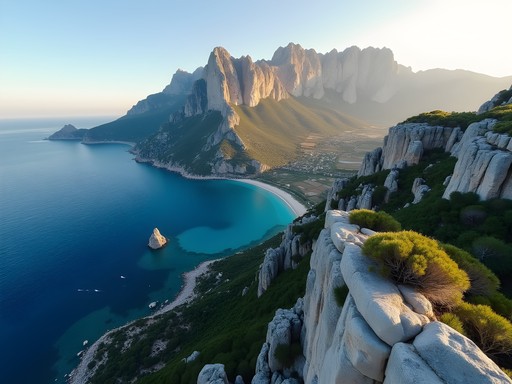
There is something profoundly humbling about standing atop limestone peaks that have witnessed centuries of human history while gazing out at the Mediterranean's azure expanse. My relationship with Mallorca's Serra de Tramuntana began nearly three decades ago during a financial conference in Palma, when I escaped for a day hike and found myself irrevocably enchanted. Since then, I've returned seven times to explore this magnificent mountain range, most recently with my dear friend Miguel, a fellow finance executive with an equally insatiable appetite for challenging trails and cultural immersion.
Understanding the Serra: A Financial Analyst's Appreciation for Value
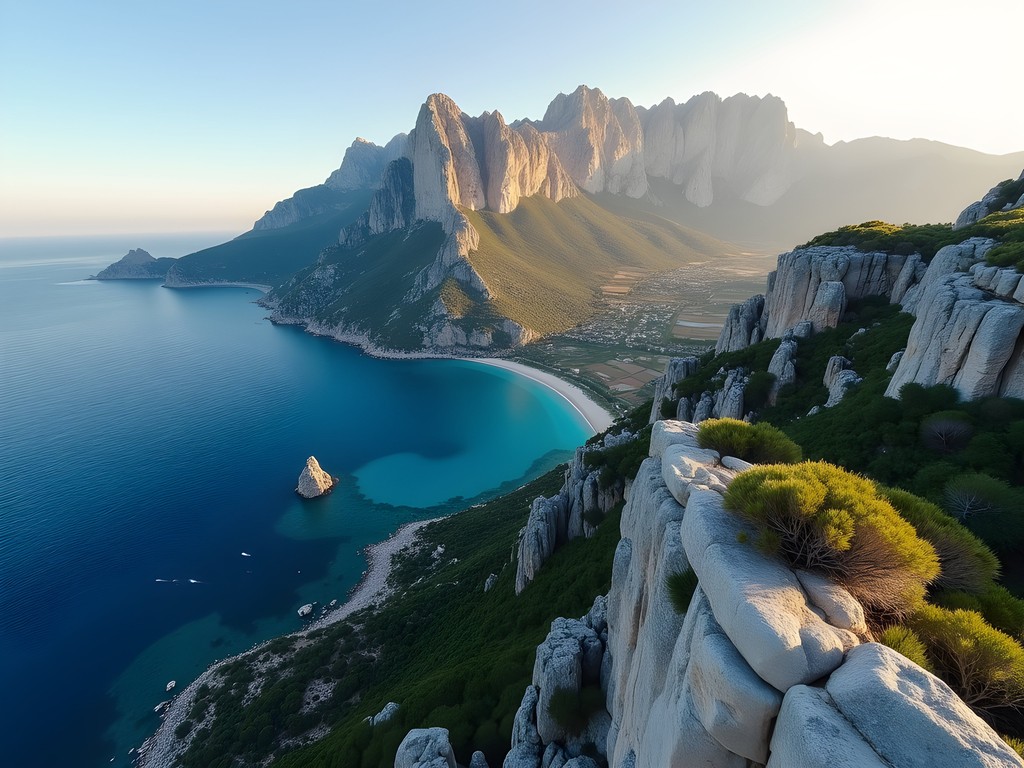
As someone who has spent a lifetime analyzing value propositions, I can state with confidence that the Serra de Tramuntana offers one of the finest returns on investment in the hiking world. This limestone mountain range stretches approximately 90 kilometers along Mallorca's northwestern coast, earning its UNESCO World Heritage status in 2011 for the remarkable way humans have transformed the steep terrain into agricultural land without compromising its ecological integrity.
The range's highest peak, Puig Major, stands at 1,445 meters (4,741 feet), though military restrictions make its neighbor, Puig de Massanella (1,364 meters), the tallest accessible summit. What makes these mountains truly exceptional is their dramatic proximity to the sea—creating microclimates that support diverse ecosystems from Mediterranean pine forests to high alpine terrain.
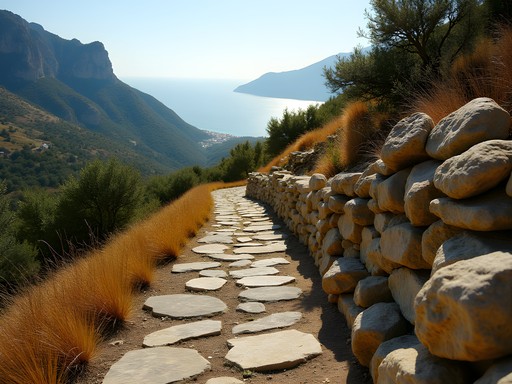
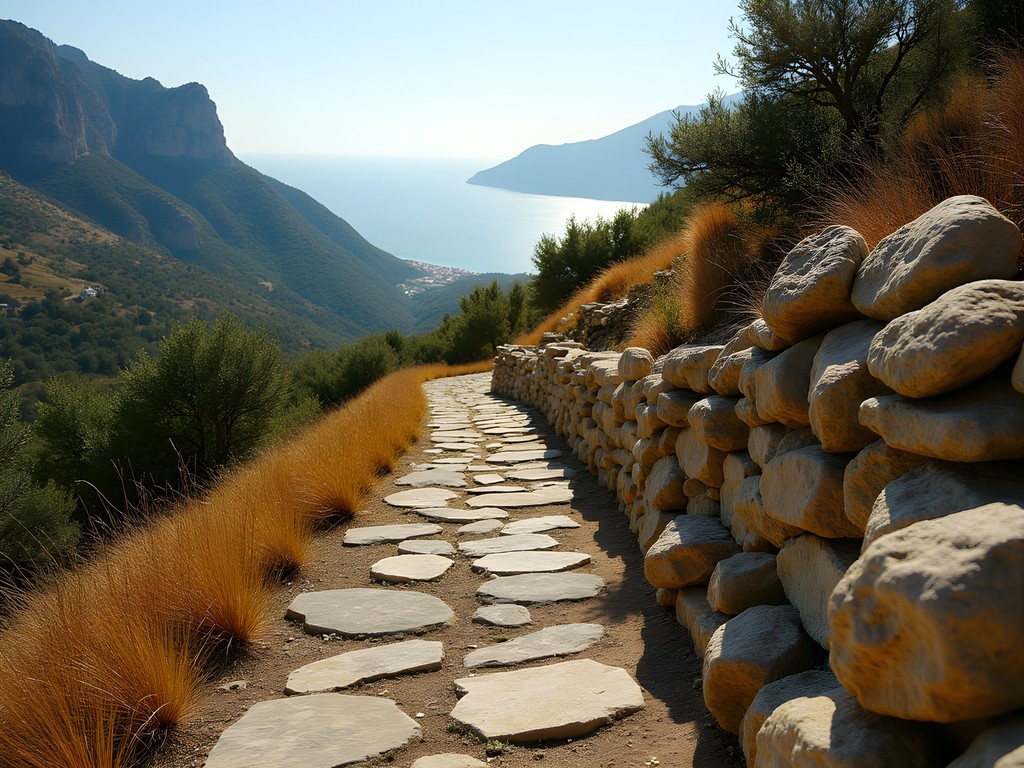
The ancient dry stone walls and irrigation systems built by Arab settlers centuries ago remain functional today, demonstrating a sustainable approach to land management that predates our modern sustainability conversations by nearly a millennium. For the analytical mind, there's something deeply satisfying about witnessing such efficient design persist through centuries.
💡 Pro Tips
- The Serra's northern slopes receive significantly more rainfall than the southern side, affecting trail conditions dramatically—plan accordingly.
- Cell service is unreliable throughout much of the range; download offline maps before departing.
- Consider hiring a local guide for your first visit—their knowledge of the terrain and history adds immeasurable value to the experience.
Essential Trails: A Strategic Portfolio for the Serious Hiker
After multiple expeditions across these mountains, I've developed what I consider a balanced portfolio of trails that offer optimal diversity and return on physical investment. For a comprehensive week of hiking, I recommend the following allocation:
1. The GR-221 (Dry Stone Route) Segments
This long-distance path spanning approximately 140km forms the backbone of any Serra de Tramuntana hiking plan. Rather than attempting the entire route, I suggest selecting key segments:
-
Valldemossa to Deià (Day 1): A moderate 10km stretch offering exceptional coastal views and passing through olive groves that have produced oil for centuries. The path follows ancient communication routes between villages.
-
Deià to Sóller (Day 2): Continue another 10km through terraced landscapes to the charming town of Sóller, where the orange groves produce some of the island's finest citrus.
2. Summit Challenges
- Puig de Massanella (Day 3): The highest accessible peak demands respect. This 12km round trip with approximately 800m elevation gain requires an early start. The trekking poles I've used for the past five years have proven invaluable on the limestone scrambles near the summit.
3. Coastal Drama
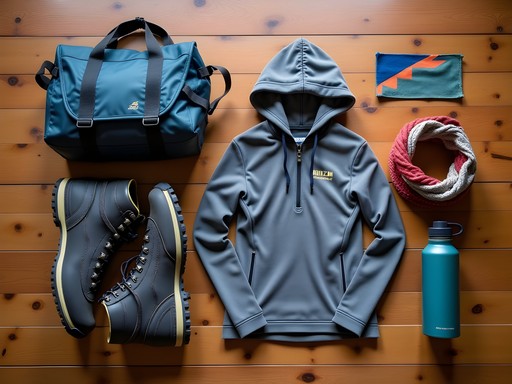
- Torrent de Pareis Gorge (Day 5): This challenging route through a limestone canyon to Sa Calobra beach is not technically a mountain hike, but offers a dramatic perspective of how water has shaped this landscape over millennia. Proper approach shoes with sticky rubber are essential for the slick limestone surfaces you'll encounter.
💡 Pro Tips
- The GR-221 refuges require advance booking, especially during peak season (September-October).
- Water management is critical—carry at least 2-3 liters per person on summit days.
- Start all hikes early; the afternoon sun can be unforgiving even in autumn.
Cultural Dimensions: The Street Performer's Perspective
My fascination with street performance has taught me to appreciate how public spaces become stages for cultural expression. The Serra de Tramuntana, while seemingly removed from urban performance traditions, offers its own theater of cultural display.
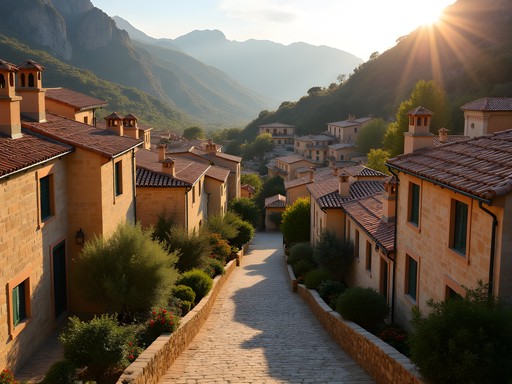
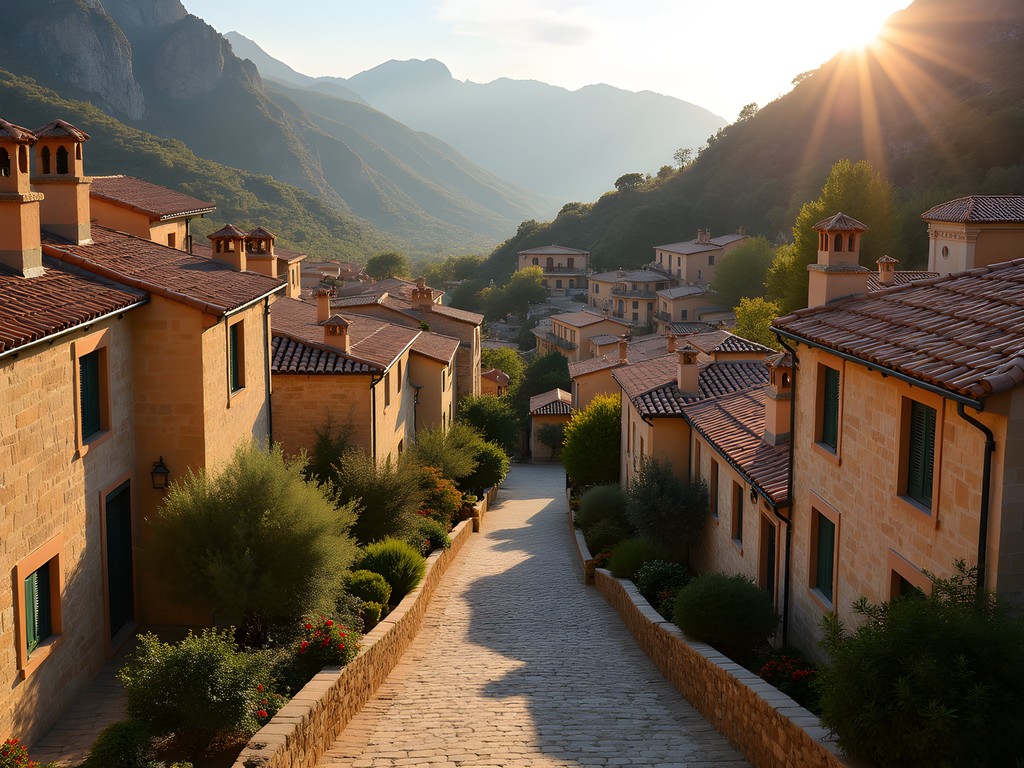
In villages like Fornalutx and Sóller, I've witnessed impromptu performances of ball de bot, traditional Mallorcan folk dances, during autumn festivals. These performances aren't staged for tourists but represent authentic community expressions that have persisted through centuries of outside influence.
The mountain range itself has long inspired artists—I recommend visiting Can Prunera Museum in Sóller, where works by Picasso, Kandinsky, and local artists demonstrate how these landscapes have influenced artistic expression. My compact binoculars have proven invaluable not just for wildlife spotting but for appreciating the detailed stonework of distant monasteries and the architectural elements of hillside villages.
Don't miss the opportunity to visit local artisans who maintain traditional crafts. In Deià, I spent a fascinating afternoon with a basket weaver who creates using techniques unchanged since the 16th century. The precision and mathematical patterns in these functional art pieces would impress any financial analyst accustomed to finding patterns in complex data.
💡 Pro Tips
- Village festivals often occur in September after tourist season—check local calendars for authentic cultural experiences.
- Learn basic Catalan phrases; locals appreciate the effort even if they respond in Spanish or English.
- Respect private property—many beautiful stone structures are on working farms.

Practical Preparations: The CFO's Approach to Efficient Adventure
My career as a CFO taught me that thorough preparation maximizes return while minimizing risk—a principle equally applicable to mountain adventures. For the Serra de Tramuntana, this translates to careful planning around three key variables: accommodations, equipment, and logistics.
Strategic Accommodations
I recommend establishing two bases for your week-long exploration rather than changing accommodations daily. Sóller makes an excellent northern hub, while Valldemossa works well for southern explorations. This approach reduces transit time and allows deeper engagement with local communities.
The travel backpack I've carried for the past decade continues to serve me well—its compact profile meets European carry-on requirements while accommodating all necessary gear for a week of varied hiking conditions.
Essential Equipment
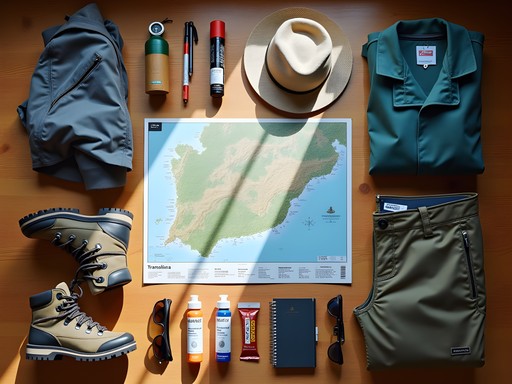
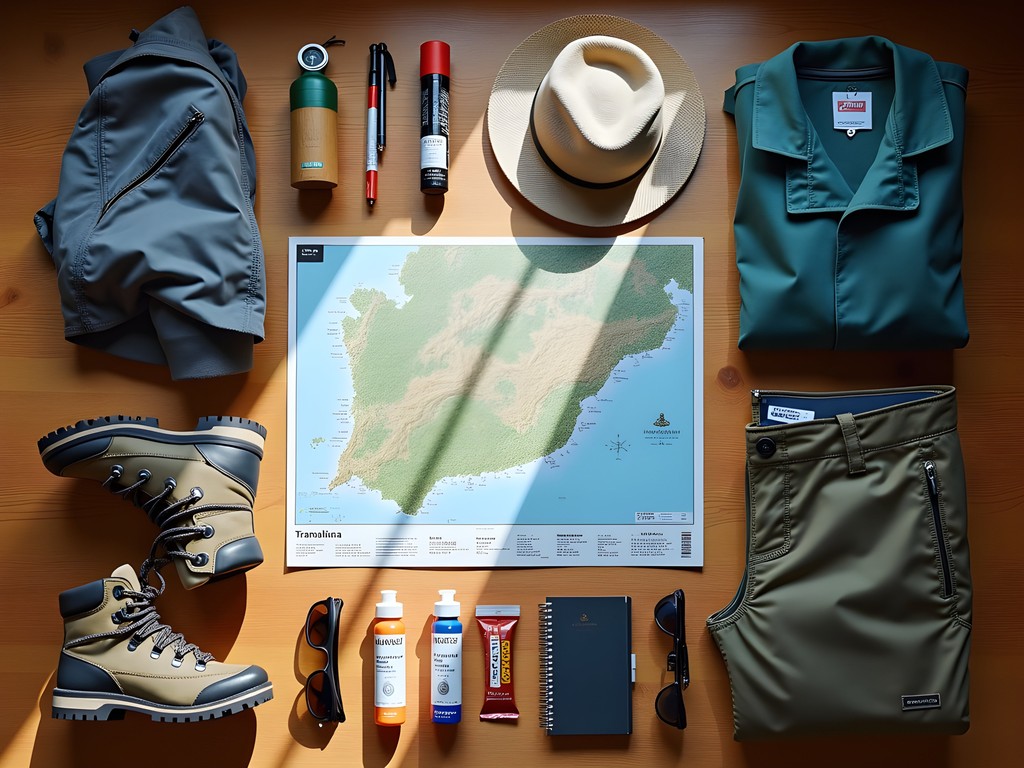
Autumn in the Serra brings variable conditions requiring thoughtful layering. Mornings often begin at 10-12°C (50-54°F) but can reach 25°C (77°F) by midday. My standard packing list includes:
- Moisture-wicking base layers
- A lightweight mid-layer fleece that's served me reliably for years
- Waterproof shell jacket (rain is always possible)
- Dedicated hiking pants with zip-off legs
- Minimum 2-liter water capacity
- First aid kit with blister treatment
Logistical Efficiency
Renting a car provides maximum flexibility, though the mountain roads demand confident driving. The public bus network is surprisingly comprehensive, connecting major trailheads to Palma and primary villages. For longer point-to-point hikes, I've found local taxi services to be reasonably priced when booked in advance through accommodations.
💡 Pro Tips
- Pre-download the Wikiloc app with Serra de Tramuntana trails for offline navigation.
- Book accommodations at least 3 months in advance for autumn visits—quality options are limited.
- Consider the 'Targeta Verda' discount card if planning multiple museum visits and bus journeys.
Culinary Rewards: Refueling the Adventure
After decades of business dinners across five continents, I've developed a discerning palate that appreciates authentic regional cuisine. The Serra de Tramuntana offers remarkable culinary diversity that reflects its unique position at the crossroads of multiple Mediterranean influences.
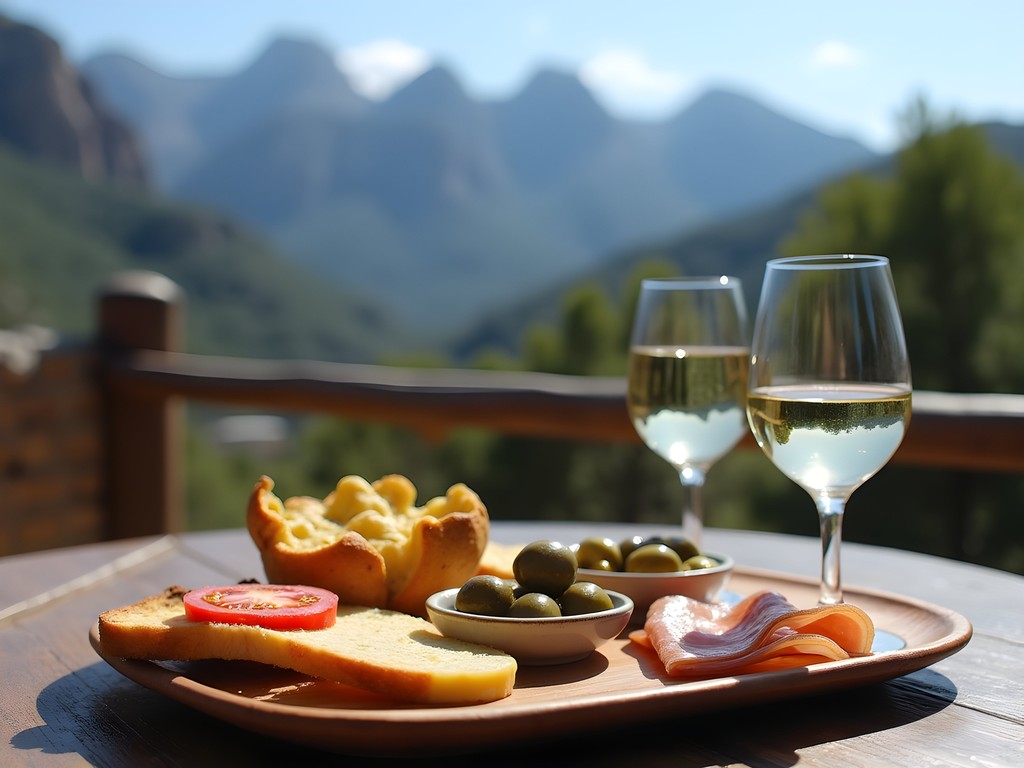
In mountain villages, seek out restaurants serving arròs brut ("dirty rice")—a hearty game and vegetable paella-like dish perfectly suited to replenishing energy after a demanding hike. The pa amb oli (bread with olive oil) appears deceptively simple but showcases the exceptional local olive oils produced from trees that cling to these steep hillsides.
My financial analyst's appreciation for value leads me to recommend lunch as your main meal. Many restaurants offer a menú del día at remarkably reasonable prices (€15-20) that include three courses and wine. This approach not only optimizes your budget but aligns with the local eating schedule.
Don't miss the opportunity to visit olive oil producers—many offer tastings and demonstrations of traditional pressing methods. I particularly recommend Olis Sóller, where the fifth-generation owner explained how different elevations within the Serra produce oils with distinctly different flavor profiles. My insulated water bottle has proven perfect for carrying not just water but occasionally a chilled local white wine to enjoy with a sunset picnic after a successful day on the trails.
💡 Pro Tips
- Carry small denominations of cash for village shops and cafes—many don't accept cards or have high minimum charges.
- Reservations are essential for quality restaurants in smaller villages, especially during weekend evenings.
- When ordering local wine, try the white Prensal Blanc grape varieties that thrive in Mallorca's unique climate.
Final Thoughts
As I've discovered over decades of global travel, there are destinations that offer fleeting excitement and those that fundamentally alter how we perceive landscapes and human history. The Serra de Tramuntana firmly belongs in the latter category. This mountain range represents a masterclass in sustainable human adaptation to challenging environments—lessons that resonate whether you're managing a corporate budget or planning a personal adventure.
I find myself returning to these limestone peaks not just for the physical challenge or spectacular vistas, but for the profound perspective they offer. In a world increasingly defined by rapid change and digital acceleration, the Serra de Tramuntana stands as a testament to patient, generational thinking. The dry stone walls and ancient water systems built by hands over centuries continue to function effectively—perhaps the ultimate long-term investment.
As my friend Miguel remarked during our final sunset from Mirador de ses Barques: "We spend our careers measuring quarterly returns, but here we're witnessing the returns of centuries." I invite you to experience this remarkable landscape for yourself—to walk these ancient paths and perhaps discover, as I have, that the most valuable dividends are those paid in perspective and wonder.
✨ Key Takeaways
- The Serra de Tramuntana offers an optimal balance of physical challenge, cultural immersion, and natural beauty for experienced hikers
- Strategic planning around two accommodation bases (Sóller and Valldemossa) maximizes hiking time while minimizing logistical complications
- Autumn (September-October) provides ideal hiking conditions with moderate temperatures and fewer tourists
- The region's UNESCO World Heritage status recognizes not just natural beauty but the harmonious interaction between human activity and landscape over centuries
📋 Practical Information
Best Time to Visit
Mid-September to late October
Budget Estimate
€100-150 per day including accommodations, meals and local transportation
Recommended Duration
5-7 days
Difficulty Level
Moderate To Challenging

Comments
Frank Garcia
Great breakdown Oliver. I spent three weeks hiking the GR221 last autumn and your point about the cultural dimension really resonates. The mountain villages like Deià and Valldemossa aren't just scenic stops - they're essential to understanding why this landscape matters. One tip I'd add: start trails early (6-7am) especially in summer months. The limestone reflects heat intensely by midday. Also, water sources are limited on some sections, so carrying 3L minimum is crucial. The refugios are basic but atmospheric - staying at Muleta was a highlight.
vacationclimber
Did you book the refugios in advance or just show up?
Frank Garcia
Definitely book ahead, especially for weekends or peak season. They fill up fast and there aren't many alternatives once you're on the trail.
skylife
Amazing photos!! Adding this to my bucket list
vacationclimber
How difficult would you say the trails are? Planning to go in April and wondering if I need to be super fit or just regular hiking shape?
Frank Garcia
April's actually perfect timing - not too hot. Most trails are moderate but the GR221 sections can be challenging with some steep ascents. If you can handle 6-8 hours of hiking with elevation gain, you'll be fine. The technical difficulty isn't extreme, it's more about endurance.
vacationclimber
Thanks! That's really helpful
happychamp
Beautiful photos! Really captures the landscape
Frank Garcia
Solid guide! For budget backpackers: wild camping is technically not allowed but there are some designated bivouac areas if you ask at the refugios. I stayed at the refugios for about €15-20/night which included dinner and breakfast - way cheaper than I expected and the food was actually decent. The GR-221 is well-marked but I'd still recommend downloading offline maps. My GPS watch saved me once when fog rolled in near Puig Roig. Public buses from Palma to trailheads are reliable and cheap if you're trying to keep costs down.
coffeelife
15 euros a night?? thats awesome
coolmaster
Did this last year and totally agree about the cultural aspect. We stopped in Valldemossa and the whole vibe was different from typical tourist spots. The locals were super friendly when we asked about trails. One guy at a cafe drew us a custom route on a napkin that ended up being better than what we found in guidebooks lol. Also the sunset from Puig de Galatzó was unreal.
Megan Martin
Oliver, your analytical approach to trail selection is refreshing! I visited Serra de Tramuntana last fall while extending a business trip and can confirm your assessment of the region's value proposition is spot-on. For those planning a visit, I'd add that proper footwear is non-negotiable on these limestone trails. My hiking boots were perfect for the terrain - especially during that unexpected rainfall on day two. The section on cultural dimensions resonated deeply - those small villages along the route offer such authentic experiences that contrast beautifully with Palma's more commercial atmosphere. One additional tip: the local buses between hiking points are reliable but infrequent, so screenshot schedules beforehand as cell service can be spotty in the mountains.
dreamwanderer
what time of year did you go? trying to figure out best season
Frank Garcia
Not Oliver but I've done it twice - spring (April-May) or autumn (Sept-Oct) are ideal. Summer is brutally hot with little shade and winter can be surprisingly cold with snow on higher peaks.
Sarah Powell
Oliver, your CFO approach to planning really resonates! I did a 5-day trek through the Serra last spring and found that the same analytical mindset helped immensely. One thing I'd add: book the refugios at least 2-3 months ahead if you're going in peak season. I made the mistake of trying to wing it in May and ended up having to adjust my entire route. The Tossals Verds refugio was particularly difficult to get into. Also, the weather can shift dramatically - I experienced everything from 25°C sunshine to sudden fog and rain in the same afternoon. Layering is absolutely essential.
mountainvibes
Did you do the full GR-221? Wondering about water sources along the route
Oliver Takahashi
Yes! Water sources can be tricky in summer. The refugios are reliable, but I'd carry at least 2-3 liters between stops. Some villages have fountains but don't count on them all working.
mountainvibes
thanks! heading there in april so hopefully better
Venture X
Premium card with 2X miles, $300 travel credit, Priority Pass