
Disclosure: This article contains affiliate links. We may earn a commission from purchases at no extra cost to you, which helps our travel content.
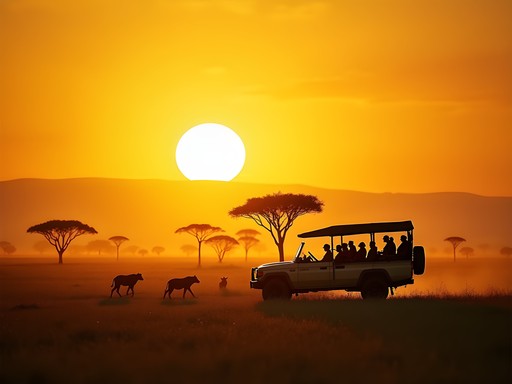
After years of scaling European rock faces and exploring colonial cities across Latin America, I found myself drawn to a different kind of adventure entirely—one that would connect me to my ancestral continent in ways I never imagined. Last summer, my dear friend Elaine (a fellow history enthusiast) and I embarked on what can only be described as the quintessential African experience: a luxury safari through Tanzania's legendary Serengeti National Park in search of the famed 'Big Five.' What followed was a week of dawn-to-dusk wildlife encounters that left this history professor-turned-adventurer utterly speechless—and that's saying something!

Choosing the Right Safari Experience
After tutoring sessions wrapped up for the summer term, I devoted weeks to researching the perfect Serengeti experience. Having traveled extensively, I've learned that the guide makes all the difference between a tourist experience and a transformative journey. We ultimately selected a private safari with a boutique operator recommended by my Tanzanian student's family—a choice that proved invaluable.
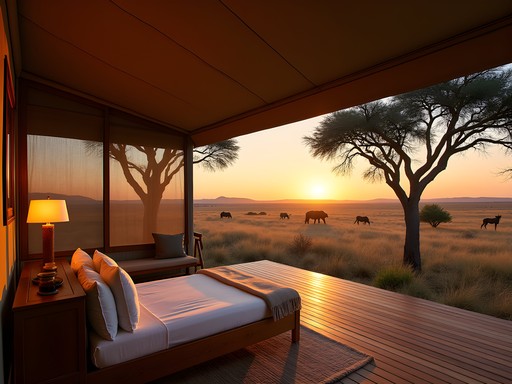
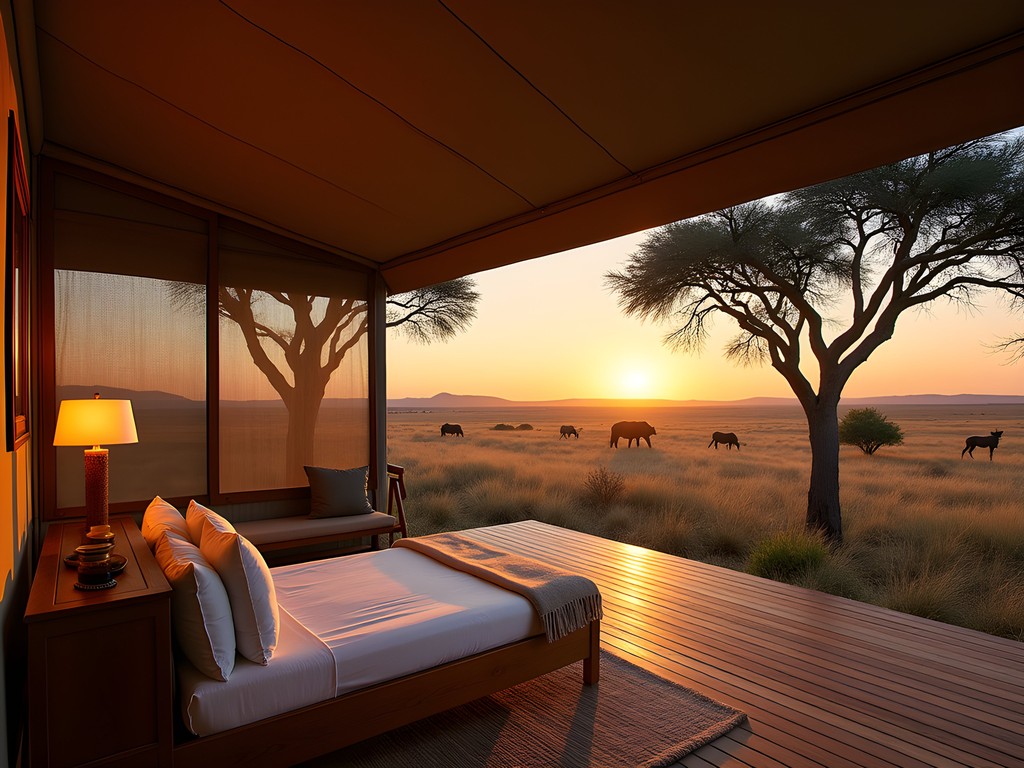
Our accommodations alternated between luxury tented camps and eco-lodges, striking that perfect balance between authentic immersion and comfortable retreat. The portable solar charger I packed proved essential for keeping cameras and devices powered during our extended game drives. When selecting your safari experience, consider whether you prefer the intimacy of a mobile tented camp that follows wildlife migrations or the amenities of a permanent lodge. Each offers distinct advantages depending on your comfort preferences.
I'm not typically one for luxury travel—my rock climbing adventures have accustomed me to far more rustic conditions—but witnessing a pride of lions from your private deck while sipping morning coffee creates memories worth every penny.
💡 Pro Tips
- Book with a company that employs local guides with deep ecological knowledge
- Request a private vehicle if your budget allows—the flexibility to linger at sightings is priceless
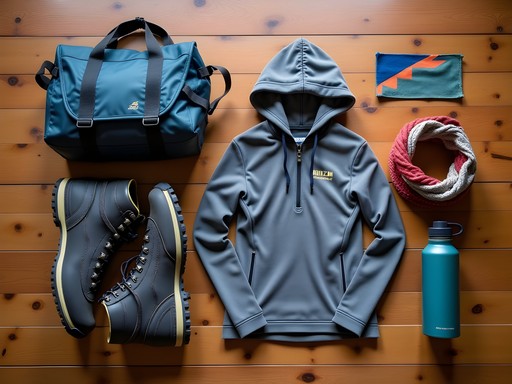
- Pack neutral-colored clothing (khakis, olives, tans) to blend with the environment
Tracking the Big Five: Patience and Persistence
My academic background taught me that the most valuable discoveries require patience—a lesson equally applicable to wildlife tracking. The 'Big Five' (lion, leopard, rhinoceros, elephant, and Cape buffalo) earned their collective name not for their size but for the difficulty and danger involved in hunting them historically. Today, thankfully, the only 'shooting' involves cameras.
Our guide Jabari, with 22 years of experience, possessed an almost supernatural ability to spot wildlife. While my anti-glare binoculars helped tremendously, his naked eye could distinguish a leopard's tail hanging from a distant acacia when I saw only branches. The tracking process itself became a fascinating lesson in ecosystem interconnection—watching how vultures circling might indicate a recent kill, or how certain bird calls signal predator movements.
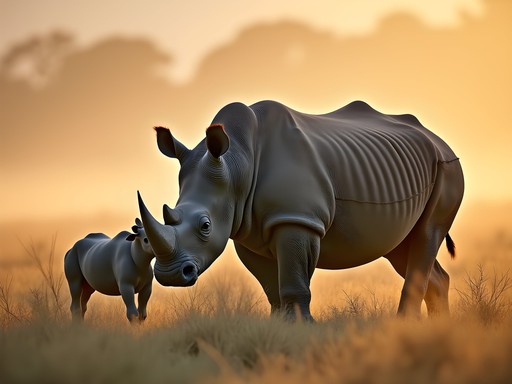
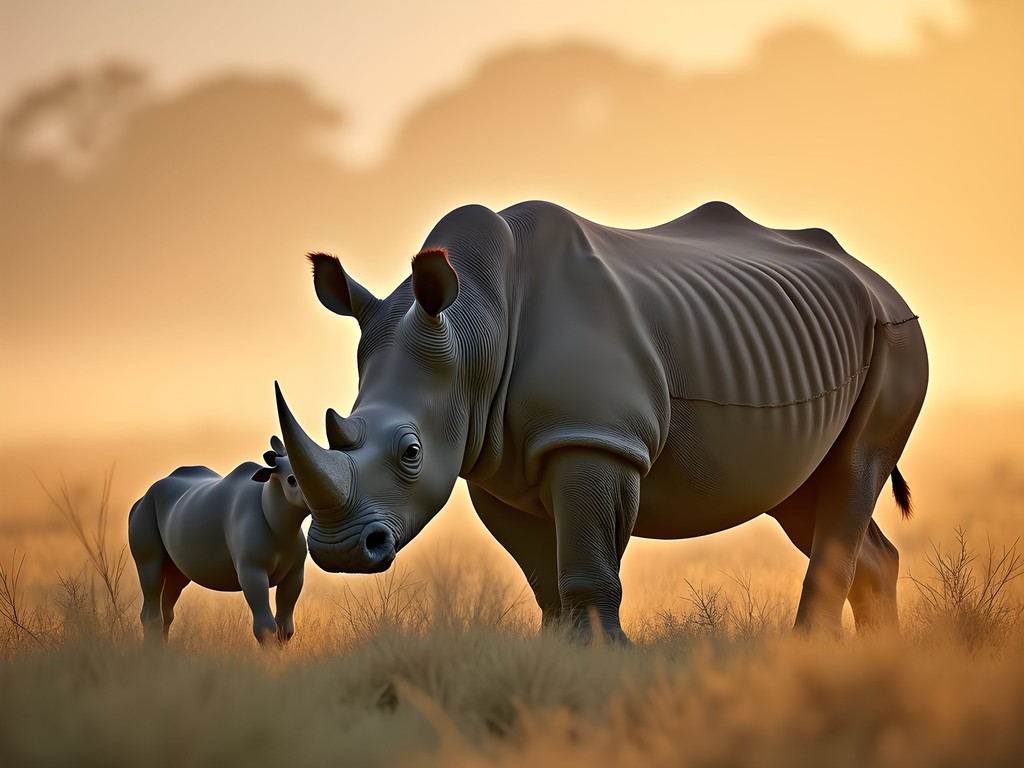
The most challenging find was the critically endangered black rhino. After four days of searching specific territories, we finally spotted a mother and calf in the misty morning light. I'm not embarrassed to admit I wept at the sight of these prehistoric-looking creatures, knowing fewer than 6,000 remain in the wild. Elaine and I sat in reverent silence, our wildlife field journal pages open but temporarily forgotten as we absorbed the magnitude of the moment.
💡 Pro Tips
- Rise early—dawn game drives offer the best predator sightings
- Learn to identify tracks and dung—they tell stories about recent animal movements
- Respect wildlife viewing distances; binoculars allow observation without disturbance
Beyond the Big Five: The Serengeti's Lesser-Known Wonders
While the Big Five justifiably command attention, the Serengeti's lesser-celebrated residents equally captivated this history professor's heart. The complex social structures of elephant herds reminded me of the matriarchal societies I've studied throughout history—watching grandmothers teach calves which plants are edible felt remarkably familiar to human knowledge transmission.
Birding, something I'd never particularly pursued in Europe, became a daily delight. The quick-reference bird guide we carried helped identify over 100 species during our stay. The lilac-breasted roller's rainbow plumage and the imposing martial eagle became favorite sightings.
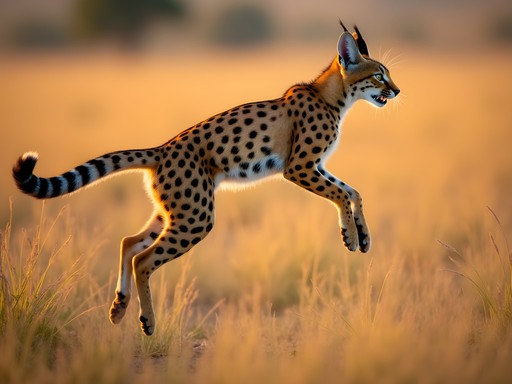
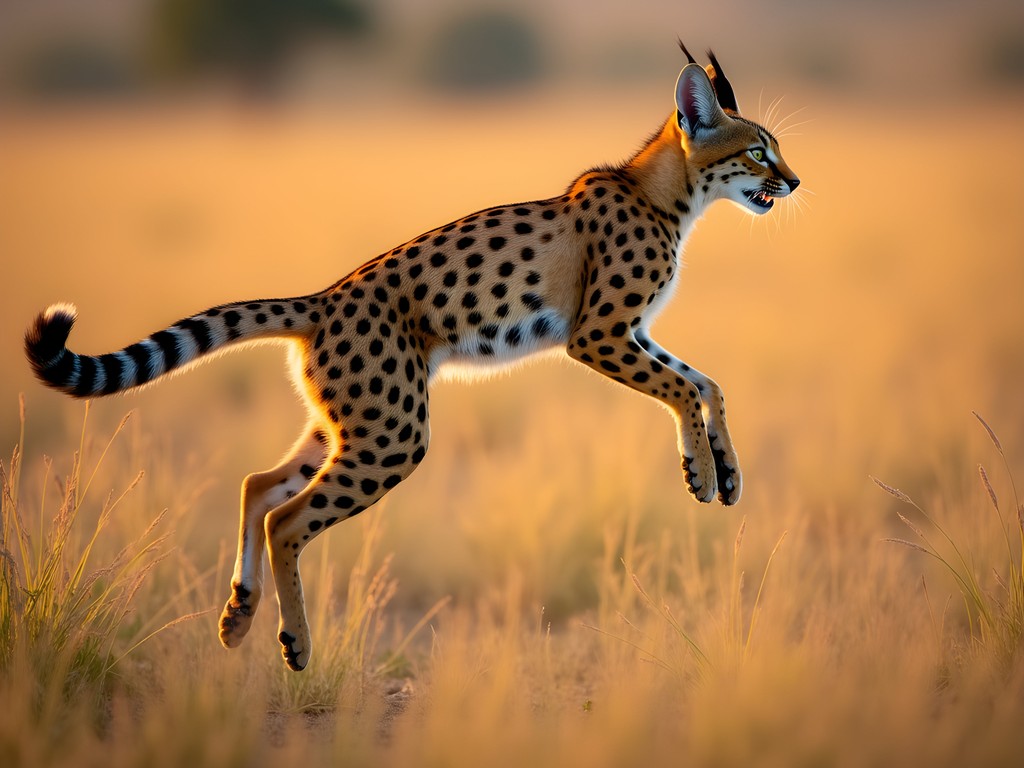
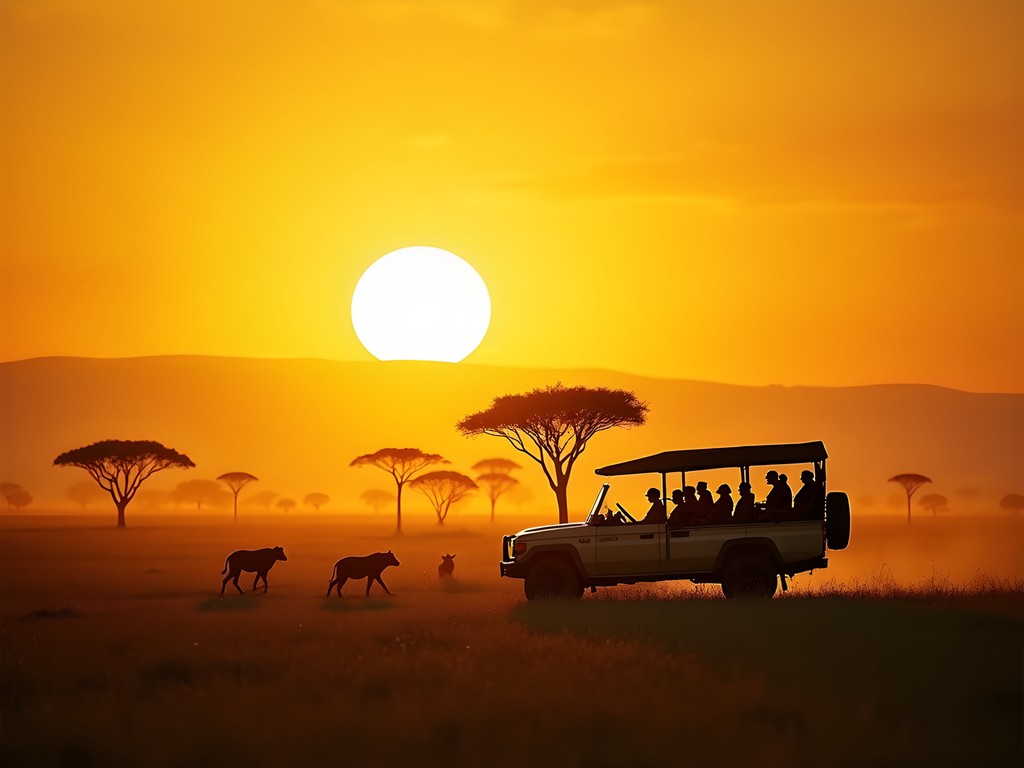
Our most unexpected encounter came during an evening game drive when we happened upon a serval cat hunting in the tall grass. This elegant, spotted feline—rarely seen due to its nocturnal habits—performed a spectacular vertical leap to catch a rodent. Jabari explained this remarkable predator can jump up to 10 feet high from a standing position! Such moments reminded me how much remains to be discovered beyond the famous safari checklist species.
💡 Pro Tips
- Pack a dedicated camera for bird photography with good zoom capabilities
- Request night drives when available for nocturnal species sightings
- Learn about smaller mammals like genets, civets and servals before your trip

Cultural Connections: Beyond Wildlife
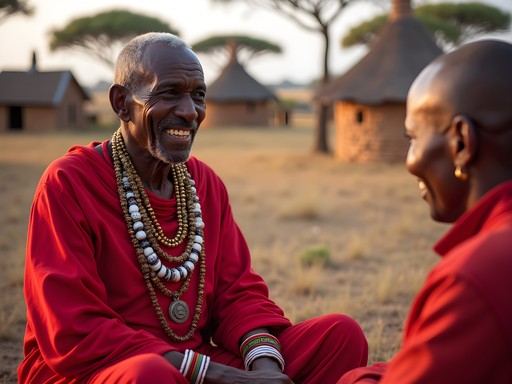
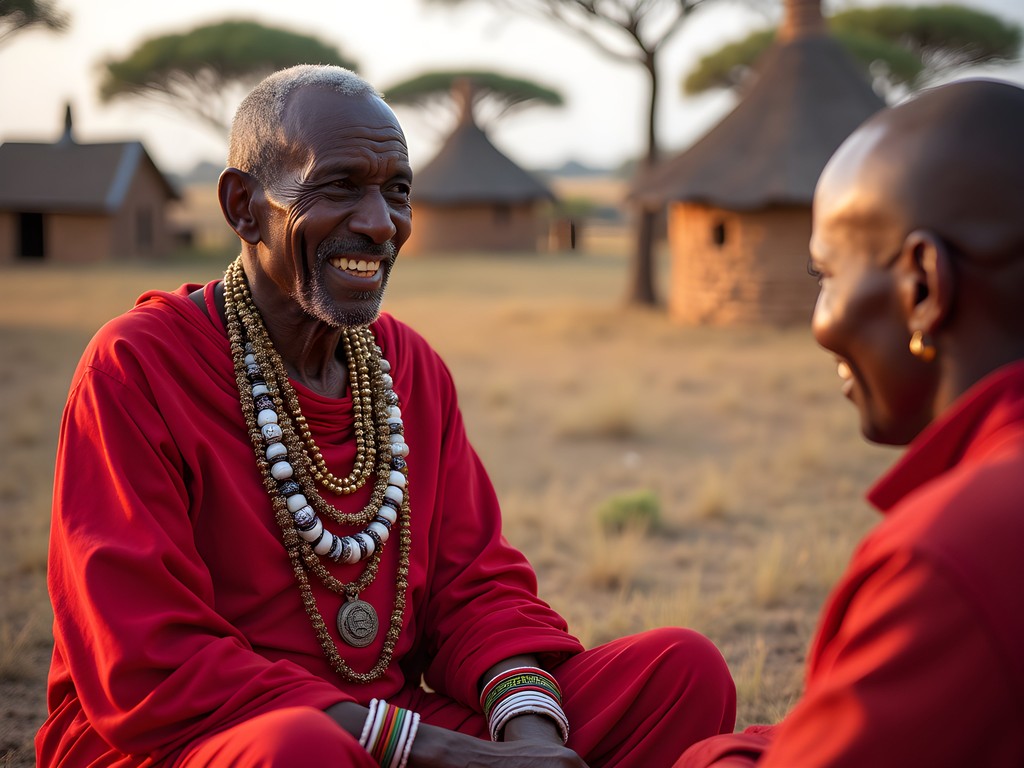
As a historian fascinated by colonial impacts, I couldn't visit Tanzania without exploring the human elements that shape this landscape. We arranged a visit to a Maasai community through our lodge—an experience approached with both eagerness and caution, as cultural tourism requires thoughtful consideration.
What made this exchange meaningful was its reciprocal nature. Rather than a performative display, we engaged in genuine conversation with community elders about land conservation challenges and climate change impacts on traditional pastoralism. I was particularly moved by discussions about education initiatives for girls, a topic close to my heart as a former professor and current tutor.
The experience prompted me to reflect on the complex relationship between tourism and cultural preservation. I highly recommend reading indigenous perspectives before visiting to understand these nuances better.
One evening at camp, we joined a fireside talk by conservationists working on anti-poaching initiatives. Their night vision monocular equipment demonstration showed how technology assists wildlife protection efforts. Supporting such conservation work has become increasingly important to me as I witness firsthand the threats facing these magnificent ecosystems.
💡 Pro Tips
- Research cultural visit options carefully and choose those benefiting local communities directly
- Learn basic Swahili greetings as a sign of respect
- Ask permission before photographing people and be prepared to pay a small fee when appropriate
Practical Safari Preparations: Lessons from a First-Timer
Despite decades of global travel, my first safari required specific preparations I hadn't encountered before. The most valuable investment was undoubtedly our clothing choices. The convertible safari pants I purchased served perfectly for changing temperatures between chilly mornings and hot afternoons. Layering proved essential, as did a wide-brimmed hat with chin strap for those windy open-vehicle game drives.
Health preparations deserve serious attention. Beyond standard vaccinations, our insect-repellent clothing provided additional protection in an area where mosquito-borne illnesses remain a concern. I also recommend bringing twice the memory cards you think you'll need for photography—wildlife opportunities are boundless!
Perhaps most surprising was how emotional this journey became. Witnessing animals I'd only seen in documentaries—moving freely in their natural habitat—stirred something profound. I found myself reaching for my journal each night, processing experiences that transcended mere sightseeing. This wasn't just travel; it was reconnection with something primordial that we modern humans rarely encounter.
💡 Pro Tips
- Pack a headlamp with red light function for nighttime camp navigation without disturbing wildlife
- Bring a lightweight scarf that can protect from both sun and dust during game drives
- Consider motion sickness remedies if you're sensitive—game drive vehicles can bounce considerably on rough terrain
Final Thoughts
As our small aircraft lifted from the dirt airstrip on our final morning, I pressed my face against the window to capture one last aerial view of the Serengeti's sprawling plains. The landscape below—a patchwork of golden grasslands, meandering rivers, and scattered acacia trees—had fundamentally altered something within me. At 59, I've been fortunate to witness many of our world's wonders, but few have affected me as deeply as this encounter with Africa's wild heart.
For couples considering a luxury safari experience, I cannot overstate its value as an investment in shared memories. Elaine and I found ourselves discussing our daily wildlife encounters late into the evening, glasses of South African Pinotage in hand, connecting more deeply through our shared wonder. Whether you're celebrating a milestone anniversary or simply seeking an adventure beyond ordinary travel experiences, the Serengeti delivers transformative moments in abundance.
As a historian, I'm accustomed to looking backward, examining how the past shapes our present. But in Tanzania, I found myself looking forward—contemplating what we must collectively do to ensure these magnificent creatures and ecosystems survive for future generations. Perhaps that's the most valuable souvenir any of us can bring home from the Serengeti: a renewed commitment to preservation and a deeper understanding of our place within the natural world.
✨ Key Takeaways
- The Big Five are magnificent, but unexpected wildlife encounters often become your most treasured memories
- A private safari guide with deep local knowledge transforms your experience from tourist viewing to meaningful connection
- Balance wildlife viewing with cultural experiences for a more complete understanding of Tanzania
- Luxury safari experiences, while expensive, offer unparalleled access and comfort that enhances wildlife viewing opportunities
📋 Practical Information
Best Time to Visit
June to October (dry season) for easiest wildlife viewing; December to March for wildebeest calving season
Budget Estimate
$800-1500 per person per day for luxury safari experience (all-inclusive)
Recommended Duration
Minimum 6 nights, ideally 8-10 days
Difficulty Level
Moderate (Requires Early Mornings, Some Long Drives, And Basic Physical Fitness)
Comments
Kimberly Murphy
Coming back to this post as I'm planning another Tanzania trip! Naomi, I really appreciated your section on connecting with local communities. On my last trip, the cultural experiences ended up being just as memorable as the wildlife. We visited a local school supported by our tour company and it was incredibly moving. For anyone planning a trip, I'd highly recommend researching tour operators that give back to local communities and conservation efforts. Has anyone here done the walking safaris with Maasai guides? Considering that for my next adventure!
backpackninja3306
Did a walking safari near Lake Natron last year. Totally different experience than vehicle safaris - you notice so much more of the small stuff. Highly recommend!
skyguide
Your section on photography tips was so helpful! I'm heading there next month and just upgraded to a telephoto lens after reading your advice. Can't wait to capture those golden hour shots with the acacia trees!
springlover
How many days would you recommend for a first-timer? Is a week enough?
redlegend
I'd say minimum 5 days in Serengeti if you really want to increase your chances of seeing everything. Add 2-3 more if you want to include Ngorongoro Crater too!
Douglas Bradley
I'd add that the time of year matters significantly. During migration season (roughly June-October), you might want longer to follow the herds. In the dry season, animals concentrate around water sources, making them easier to spot in less time. The Serengeti ecosystem is roughly the size of Belgium, so having adequate time to explore different regions is key. Consider your priorities - if you're dead set on seeing specific animals or events, allow buffer days for weather and luck factors.
redlegend
Just got back from Tanzania last month and your post captures the magic perfectly! We spent 5 days in the Serengeti and 3 in Ngorongoro. Managed to see all the Big Five but the rhinos were definitely the hardest to spot. The cultural visit to the Maasai village was a highlight for me too - really puts everything in perspective. One tip for future travelers: we found the early morning game drives (like 5:30am starts) yielded the best sightings. Worth the early wake-up call!
Kimberly Murphy
Naomi, your post brought back so many memories! I did a similar safari last year and was blown away by the migration. One thing I'd add for anyone planning a trip - consider staying at one of the mobile camps that follow the migration if your budget allows. We stayed at Serengeti Under Canvas and waking up to the sounds of wildebeest outside our tent was absolutely magical. The guides' tracking skills were incredible too - our guide Francis could spot a leopard in a tree from what seemed like a mile away! Did you have any favorite specific areas within the park?
Naomi Sullivan
Thanks Kimberly! I loved the Seronera Valley area - the diversity of wildlife there was incredible. And I completely agree about the mobile camps - such an authentic experience!
sunsethero
Going there in February! Any tips on what to pack?
Naomi Sullivan
Definitely pack lightweight, neutral-colored clothing that you can layer. February can be hot during the day but cooler at night. Don't forget a good hat, sunscreen, and insect repellent. And if you're into photography, bring a zoom lens!
skyguide
I was there last year and would add binoculars to that list! You'll want them for spotting distant wildlife. Also, a good camera with at least 300mm zoom if possible.
backpackninja3306
Incredible photos! The Serengeti has been on my bucket list forever. That lion shot is absolutely stunning.
Timothy Jenkins
Wonderful piece, Naomi. I particularly appreciated your focus on the cultural aspects beyond the wildlife - that's something I try to emphasize in my own travels as well. The Serengeti is extraordinary, but the human stories surrounding it are equally compelling. I spent time with several Maasai communities during my visit last year, learning about the complex relationship between conservation efforts and traditional pastoral lifestyles. It's not always an easy balance. Your mention of the lesser-known species is spot on too - everyone wants the Big Five, but I found myself equally captivated by the secretary birds and the smaller dramas playing out in the grass.
nomadbuddy
Yes! The birds were incredible. Saw so many eagles and vultures
adventureway
Did you do this during the migration season? Trying to figure out the best time to go
greenninja
This looks amazing!! What camera did you use for the wildlife shots? Planning my first safari and trying to figure out what gear to bring
Timothy Jenkins
Not Naomi but I've done several safaris - a decent zoom lens is essential. I use my telephoto lens and it's perfect for wildlife. But honestly even a good phone camera can capture great memories if you're on a budget!
Venture X
Premium card with 2X miles, $300 travel credit, Priority Pass