


Disclosure: This article contains affiliate links. We may earn a commission from purchases at no extra cost to you, which helps our travel content.
As someone who grew up exploring the Great Plains and now calls Miami home, I've developed a profound appreciation for Florida's diverse ecosystems. While most visitors flock to our state's famous beaches, my medical training has taught me to look beyond the obvious - to examine the intricate systems that sustain life in often overlooked places. Port St. Lucie, just a two-hour drive north of Miami, represents one of these hidden treasures. When my siblings and I needed a rejuvenating winter escape last December, I chose this underappreciated gem for our family adventure. What we discovered was a network of pristine waterways teeming with wildlife and ecological wonders that rival any beach destination. This guide shares how couples can experience the therapeutic power of nature while paddling through Port St. Lucie's aquatic wilderness during winter - the perfect prescription for connection and adventure.

The North Fork: A Cardiovascular System of Waterways
The North Fork of the St. Lucie River functions much like the human cardiovascular system - a central channel branching into smaller tributaries that bring life-sustaining resources to the surrounding ecosystem. During our winter visit, this waterway network revealed itself as the perfect prescription for couples seeking both tranquility and adventure.
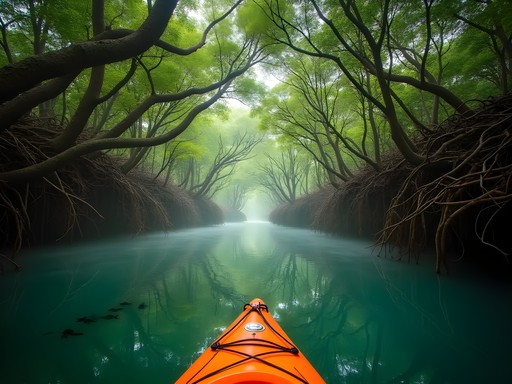
We launched our kayaks from Veterans Park at Rivergate, where the morning light filtered through Spanish moss-draped cypress trees. The winter water levels were ideal - high enough for easy navigation but low enough to concentrate wildlife into observable areas. As we paddled, I explained to my siblings how the mangrove systems function similarly to the body's filtration systems, purifying water and creating nurseries for marine life.
The North Fork's brackish waters create a unique transition zone where both freshwater and saltwater species thrive. Winter brings exceptional clarity to these waters, with visibility extending several feet below the surface. We spotted schools of mullet, the occasional snook, and even a southern stingray gracefully gliding beneath our kayaks.
For photography enthusiasts, I recommend bringing a waterproof camera with good underwater capabilities. The morning light creates stunning refractions through the tannin-stained waters, illuminating the underwater ecosystem in ways that simply can't be appreciated from shore.

💡 Pro Tips
- Launch early (7-9 AM) for the best wildlife viewing and calmest water conditions
- Pack binoculars for spotting birds perched high in the cypress canopy
- Bring at least 2 liters of water per person - the Florida winter sun still dehydrates quickly
Savannas Preserve: The Respiratory System of Port St. Lucie
If the North Fork represents Port St. Lucie's cardiovascular system, then Savannas Preserve State Park functions as its respiratory system. This 5,400-acre freshwater marsh ecosystem serves as the region's lungs, producing oxygen, filtering pollutants, and supporting an astonishing diversity of life forms.
Winter transforms the Savannas into an ideal kayaking destination. The typically high water levels recede slightly, revealing a mosaic of marsh grasses and lily pads while still maintaining navigable channels. The cooler temperatures also dramatically reduce insect activity - a welcome relief for paddlers.
We accessed the water via the Savannas Recreation Area launch, where staff provided excellent guidance on current conditions. The basin stretches nearly 10 miles north to south but maintains a relatively narrow width, creating an intimate paddling experience where wildlife is never far away.
As a doctor, I'm fascinated by how this ecosystem parallels human respiratory function. The marsh vegetation extracts carbon dioxide and releases oxygen just as our lungs do, while simultaneously filtering particulates from the water column. I shared this comparison with my siblings as we glided past stands of pickerelweed and arrowhead.
For this environment, I recommend a sit-on-top kayak rather than a traditional sit-inside model. The stable platform allows for easier wildlife photography, and the elevated seating position provides better visibility across the marsh prairie. During our December visit, we observed over 30 bird species including the elusive purple gallinule and painted bunting - winter migrants that make this season particularly special for birders.

💡 Pro Tips
- Reserve a guided tour with park rangers for the best ecological insights
- Bring a field guide to Florida birds - winter brings unique migratory species
- Pack a dry bag for electronics - afternoon winter showers can appear quickly
The Oxbow Eco-Center: Understanding the Science Behind the Scenery
No prescription for exploring Port St. Lucie would be complete without including the Oxbow Eco-Center. This 225-acre preserve along the North Fork serves as both a launch point for exceptional paddling and an educational resource that explains the scientific principles behind the region's natural wonders.
Before taking my siblings on the water, we spent a morning at the Eco-Center's interactive exhibits, which provided valuable context for our adventures. The center offers excellent winter programming specifically focused on the seasonal changes in Florida's ecosystems and the migratory patterns they influence.
From the Oxbow launch, we paddled a 3-mile loop that showcases the incredible biodiversity of the area. Winter brings exceptional water clarity, allowing us to observe the underwater habitat structures that support juvenile fish populations. The cypress knees rising from the water create a surreal landscape that feels primeval.
As we navigated this section, I explained to my siblings how these waterways function like the lymphatic system in the human body - collecting, filtering, and redistributing essential nutrients throughout the ecosystem. The winter season reveals this process more clearly, as deciduous cypress trees drop their needles, which decompose and release nutrients back into the water column.
For those seeking to document their adventure, I recommend bringing a waterproof dry bag to protect cameras and phones. The winter light creates dramatic shadows and highlights on the water's surface, perfect for photography enthusiasts.

💡 Pro Tips
- Visit the Eco-Center first to gain knowledge that enhances your paddling experience
- Ask staff about recent wildlife sightings before launching
- Consider renting a tandem kayak for couples to share the paddling workload

C-24 Canal: The Circulatory Pathway to Wildlife Encounters
While natural waterways offer undeniable charm, Port St. Lucie's man-made C-24 Canal provides a fascinating study in how human-engineered systems can evolve into vital wildlife corridors. During winter, this straight waterway becomes a circulatory highway for some of Florida's most iconic species.
We accessed the canal at Rivergate Park, where the launch facilities are well-maintained and accessible. Unlike the winding natural waterways, the C-24 offers a more predictable paddling experience - perfect for couples of varying skill levels. The winter water levels remain consistent due to flood control management, ensuring reliable navigation.
What makes the C-24 exceptional in winter is the wildlife concentration. As a doctor, I'm trained to observe patterns, and the behavioral adaptations of animals along this waterway are remarkable. The canal's deeper, cooler waters attract manatees seeking thermal refuge during cold snaps. During our December paddle, we encountered a mother and calf resting near a warm water outflow - a moment of connection that left my siblings speechless.
Alligators also frequent the canal banks, especially during winter mornings when they emerge to thermoregulate in the sun. Their behavior parallels how our own bodies adjust blood flow to maintain temperature homeostasis - a comparison I couldn't help sharing with my wildlife-enthusiastic siblings.
For this stretch, I recommend a polarized sunglasses to cut glare and enhance underwater visibility. The canal's straight orientation creates significant surface reflection, and quality polarized lenses make spotting submerged wildlife significantly easier.

💡 Pro Tips
- Maintain at least 50 feet distance from manatees - it's both safer and legally required
- Paddle quietly along canal edges where wildlife tends to concentrate
- Bring a waterproof wildlife identification chart to enhance your experience
Ten Mile Creek: The Digestive System of the Watershed
Our final day of exploration took us to Ten Mile Creek, a tributary that functions like the digestive system of Port St. Lucie's watershed. This meandering waterway breaks down organic matter and distributes nutrients throughout the ecosystem - a process particularly visible during winter months when water levels drop slightly and clarity improves.
We launched from the Ten Mile Creek Preserve access point, where the morning silence was broken only by the occasional call of pileated woodpeckers. Winter paddling here offers distinct advantages - reduced vegetation allows access to narrow side channels that might be impassable during summer growth, and the cooler temperatures keep the notorious Florida insects at bay.
As we navigated the creek's gentle curves, I explained to my siblings how this waterway processes fallen leaves and organic matter much like our digestive system breaks down food. Microorganisms convert complex materials into nutrients that fuel the entire ecosystem - a beautiful parallel to human physiology that reinforced our connection to this natural space.
The winter season reveals Ten Mile Creek's ecological importance through enhanced visibility. The tannin-stained waters maintain their amber hue but become remarkably clear, allowing glimpses of freshwater turtles, various fish species, and occasionally river otters that return to these waters during cooler months.
For this intimate paddling experience, maneuverability matters more than speed. We found the creek's narrow passages easier to navigate in shorter recreational kayaks rather than longer touring models. The morning light filtering through the winter-bare branches created spectacular photography opportunities that would be obscured by summer foliage.

💡 Pro Tips
- Bring a detailed waterproof map as the creek has multiple unmarked branches
- Pack a thermos with hot tea or coffee - winter mornings can be surprisingly chilly on the water
- Consider a guided tour for first-time visitors as navigation can be challenging
Final Thoughts
Port St. Lucie's hidden waterways offer couples a winter escape that transcends typical Florida tourism. As both a doctor and passionate naturalist, I've found profound parallels between these aquatic ecosystems and human physiology - both complex systems working in harmony to sustain life. Winter transforms these waterways into their most accessible and wildlife-rich state, with comfortable temperatures, improved visibility, and unique seasonal visitors. My siblings and I returned from our week of exploration with a deeper connection not just to each other, but to the intricate natural systems that sustain us all. Whether you're seeking adventure, education, or simply a peaceful retreat with your partner, Port St. Lucie's waterways offer a prescription for reconnection that no beach vacation can match. As with any good medicine, the proper dosage matters - I recommend at least a full week to properly absorb the healing these waters provide.
✨ Key Takeaways
- Winter (December-February) offers ideal paddling conditions with cooler temperatures, reduced insects, and concentrated wildlife
- Port St. Lucie's diverse waterways provide options for all skill levels, from beginner-friendly canals to more challenging creek systems
- The region's ecosystem functions mirror human physiology, creating educational opportunities alongside adventure
📋 Practical Information
Best Time to Visit
December through February
Budget Estimate
$800-1200 for a week (accommodations, kayak rentals, meals)
Recommended Duration
5-7 days
Difficulty Level
Intermediate

Comments
travelone
how hard is kayaking? ive never done it before but this looks amazing
Oliver Duncan
Super easy! These waterways are calm and flat. If you can ride a bike, you can kayak. Just take it slow at first.
wanderfan
My husband and I did this exact trip in January for our anniversary! We're not super outdoorsy but the guides at Savannas Preserve made it so easy. Saw an alligator from like 20 feet away which was terrifying and amazing at the same time lol. The whole experience was so peaceful though. Way better than just sitting on a beach for a week. Thanks for capturing it so well Drew!
Gregory Boyd
Solid write-up. I appreciate how you've framed the waterways through biological systems - makes the interconnectedness really clear. From a practical standpoint, the North Fork offers the best wildlife-to-effort ratio I've found in South Florida. Spent five days there documenting bird species and logged 47 different types. The Oxbow Eco-Center is worth visiting even if you don't kayak - their educational programs are top-notch. One tip: if you're serious about wildlife photography on the water, invest in a decent dry bag. I used my waterproof case and it protected my gear through some unexpected rain squalls.
journeyexplorer
YES!! Finally someone writes about the real Florida! We did the C-24 Canal last February and saw THREE manatees!! It was absolutely magical. The photos don't even do it justice Drew. Everyone needs to experience this.
travelone
wait manatees?? are they safe to be around?
journeyexplorer
totally safe! they're super gentle, just don't touch them. keep your distance and they'll sometimes come check you out
mountainace
Love this! Adding to my list
Oliver Duncan
Brilliant post, Drew! I spent three weeks exploring Florida's lesser-known waterways last winter and Port St. Lucie was definitely a highlight. The Savannas Preserve reminded me so much of the wetlands back home in NZ - that same feeling of being completely immersed in nature while still being close to civilization. I camped nearby and paddled out at sunrise most mornings. The bird life was incredible - saw more wading birds in a week than I'd seen in months elsewhere. For anyone going, bring insect repellent and go early morning or late afternoon. The midday sun can be brutal even in winter.
backpackdiver
do you need your own kayak or can you rent there? never been to port st lucie
wanderfan
There are rentals at the Oxbow Eco-Center! Pretty affordable too, like $25-30 for a few hours if I remember right.
backpackdiver
awesome thanks!
hikingchamp
Great pics! Thanks for sharing
islandbackpacker
THIS IS EXACTLY WHAT I'VE BEEN LOOKING FOR!! So tired of the same old beach vacation recommendations. Your photos are incredible and I love how you explained the ecosystem connections. Definitely doing this in February!
wavegal
Question about the C-24 Canal - is it suitable for beginners? I've only kayaked a few times and don't want to get in over my head. Also are there rental places nearby or should I bring my own?
Sophia Gomez
The C-24 is pretty calm - I paddled it between business meetings last spring and it was super chill. There's a rental spot right at the Oxbow Eco-Center. My dry bag came in handy for keeping my phone and wallet safe though!
Venture X
Premium card with 2X miles, $300 travel credit, Priority Pass