


Disclosure: This article contains affiliate links. We may earn a commission from purchases at no extra cost to you, which helps our travel content.
The first time I stood at the edge of Tad Fane waterfall, watching twin 120-meter cascades plunge into the misty jungle below, I knew the Bolaven Plateau was something special. Qué belleza increíble! This highland region just east of Pakse has somehow remained under the radar for many travelers rushing through southern Laos. As someone who's spent years helping clients discover authentic experiences that don't drain their bank accounts, I'm almost hesitant to share this gem. But the Bolaven Plateau deserves more love – a place where your senses come alive with the earthy aroma of coffee plantations, the thundering symphony of waterfalls, and the genuine warmth of ethnic minority villages that dot the landscape. Whether you're a solo adventurer with just a weekend to spare or looking to extend your Southeast Asian journey, this guide will help you navigate this magical corner of Laos without breaking the bank.

Planning Your Bolaven Plateau Motorbike Loop
If there's one piece of advice I give every client heading to the Bolaven Plateau, it's this: rent a motorbike and do the loop yourself. Sure, you can book tours from Pakse, but nothing beats the freedom of exploring at your own pace. The classic loop ranges from a quick 2-3 day adventure to a more leisurely 4-5 day journey, depending on how many coffee stops and swimming breaks you want to enjoy.
Pakse serves as the perfect launching point, with plenty of guesthouses offering motorbike rentals for around 50,000-80,000 LAK per day (roughly $5-8 USD). I recommend the semi-automatic scooters which offer the perfect balance of power for the hills without requiring motorcycle experience. The roads are generally well-maintained, though some sections near smaller waterfalls can get rough during rainy season.
Before setting off, I always download the region on offline maps since cellular service can be spotty in more remote areas. The standard loop follows Route 16 east from Pakse to Paksong, then continues to Thateng, down to Attapeu, and back via Route 13. However, I prefer the shorter loop for weekend warriors, which cuts back west after Thateng toward Pakse.
My personal route recommendation starts with an early departure from Pakse, heading straight to Paksong for a mid-morning coffee tour, then hitting Tad Fane and Tad Yuang waterfalls before overnighting in the Paksong area. Day two takes you further east to the stunning Tad Lo waterfall area, where you'll find my favorite guesthouses of the entire loop.

💡 Pro Tips
- Bring a rain jacket even in dry season – weather can change quickly at higher elevations
- Negotiate motorbike rental prices and always check brakes and tires before departing
- Carry small denominations of kip for entrance fees and coffee purchases in remote areas
Chasing Waterfalls: The Must-See Cascades
The Bolaven Plateau boasts dozens of waterfalls, but with limited time, you'll want to focus on the most spectacular. Having visited nearly all of them (some multiple times during different seasons), I can confidently guide you to the ones worth your precious hours.
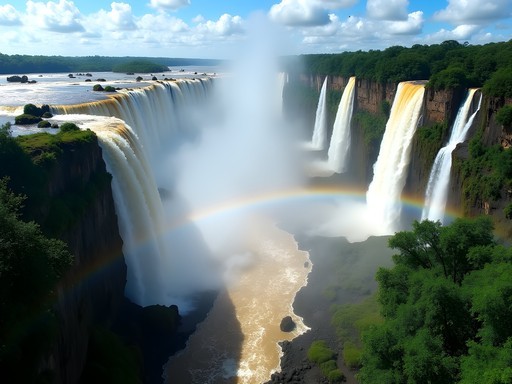
Tad Fane stands as the undisputed champion with its dramatic twin falls dropping 120 meters into a lush gorge. While you can't swim here, the viewing platform offers spectacular photo opportunities, especially in the morning when rainbows often form in the mist. The entrance fee is 20,000 LAK ($2), and I suggest bringing a zoom lens if you're into photography – the falls are set back from the viewpoint and the zoom really captures the impressive scale.
Tad Yuang is my personal favorite for a complete experience. Just a short drive from Tad Fane, this 40-meter waterfall not only offers stunning views from above but also allows you to hike down to swim in the refreshing pool at its base. The 10,000 LAK ($1) entrance fee is a bargain for the natural paradise you'll experience. I've spent entire afternoons here, swimming in the cool waters and drying off on the smooth rocks while watching local families enjoy weekend picnics.
Tad Lo is actually a series of three waterfalls (Tad Hang, Tad Lo, and Tad Suong) near a charming village that makes for a perfect overnight stop. While smaller than the others, the swimming here is excellent, and the surrounding community offers a more authentic glimpse into local life. During my last visit, I was invited to join a Lao family's riverside picnic, sharing sticky rice and grilled fish while communicating mostly through smiles and gestures – estos momentos son los que más valoro.
For the adventurous souls with extra time, seek out Tad Tayicseua (Tiger Waterfall), a less-visited cascade requiring a short jungle trek. The effort rewards you with likely having the entire place to yourself – a rarity in Southeast Asia these days.

💡 Pro Tips
- Visit waterfalls early in the morning (before 9am) to avoid crowds and catch the best light for photos
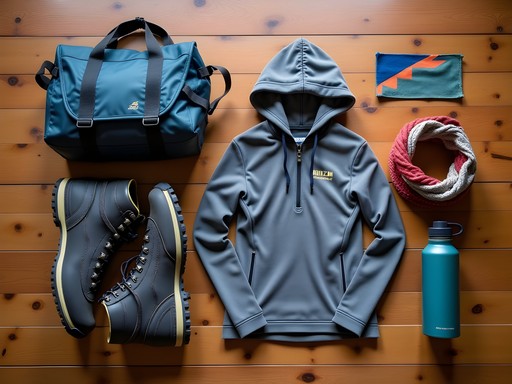
- Bring quick-dry clothing and water shoes for swimming at Tad Yuang and Tad Lo
- Pack a small towel and change of clothes in a waterproof bag for your motorbike journey
Coffee Culture: Farm Tours and Tastings
What many travelers don't realize is that the Bolaven Plateau produces some of Southeast Asia's finest coffee. The volcanic soil, high elevation (1,000-1,300 meters), and cool climate create perfect growing conditions for robust Arabica and Robusta beans. As someone who starts each day with a strong cup of café, exploring these plantations was a highlight of my journey.
The area around Paksong is the heart of coffee country, with numerous farms offering tours and tastings. My top recommendation is Jhai Coffee House, a social enterprise that works directly with local farmers and returns profits to community projects. Their 2-hour tour (60,000 LAK/$6) walks you through the entire process from bean to cup, and the final tasting will revolutionize how you think about coffee. The owners speak excellent English and can explain how the region's unique microclimate influences the flavor profile.
For a more immersive experience, Mr. Vieng's Coffee Farm offers overnight homestays where you can actually participate in the harvesting process (during season from November to February). Sleeping in the simple wooden farm houses and waking to the sound of roosters and the smell of fresh coffee being roasted is an experience I still dream about months later.
Don't miss Sinouk Coffee Resort if you prefer comfort with your caffeine education. Their manicured gardens and professional tour give excellent insight into commercial production while still supporting local growers. The attached restaurant serves delicious Lao-French fusion dishes that pair perfectly with their signature brews.
While exploring these farms, I always pick up several bags of beans to bring home. The direct-from-farm prices are incredible compared to what we pay for specialty coffee in the States, and it makes for perfect gifts that actually support the local economy. Un café que cuenta historias – coffee that tells stories – is how my grandmother would describe these beans with their complex connection to the land and people.

💡 Pro Tips
- Coffee harvest season (November-February) offers the most complete farm experience
- Bring small US dollar bills if you want to purchase coffee beans – many farms offer vacuum-sealed packaging for travel
- Ask farmers about their preferred brewing method for their specific beans – each has unique recommendations

Village Encounters: Cultural Connections
Beyond the natural wonders and coffee experiences, what truly makes the Bolaven Plateau special are the diverse ethnic communities that call this region home. The plateau is primarily populated by Laven people (for whom the plateau is named), along with Alak, Katu, and Suay ethnic groups – each with distinct traditions that have remained largely intact despite modernization elsewhere in Laos.
The village of Ban Houay Houn near Tad Lo offers an accessible glimpse into traditional life without feeling like a human zoo – something I'm always conscious of as a responsible traveler. The community-based tourism project here allows visitors to join in daily activities like rice pounding, basket weaving, or even helping prepare the evening meal. The modest fee (usually around 50,000 LAK/$5) goes directly to families and community development.
During my visit, I spent an afternoon learning traditional fishing techniques with an elderly gentleman who spoke no English but communicated perfectly through demonstration and our shared laughter at my clumsy attempts. These unscripted moments of connection transcend language barriers and remind me why I travel in the first place.
In the smaller villages along the loop, I've found that simply stopping for a cold drink and attempting a few basic Lao phrases opens doors to genuine interactions. Children often approach with curious smiles, and before you know it, you're being shown family photo albums or invited to join a game of petanque (a French-influenced bowling game that's wildly popular throughout Laos).
One important note on etiquette: always ask permission before photographing people, dress modestly (shoulders and knees covered), and remove shoes when entering homes. Small gifts of practical items like sewing needles, pencils for children, or coffee from another region are appreciated but never expected. El respeto abre todas las puertas – respect opens all doors – as my grandmother would say.

💡 Pro Tips
- Learn a few basic Lao phrases like 'sabaidee' (hello) and 'khop jai' (thank you)
- Carry small denomination bills for village purchases – nobody will have change for large notes
- Visit village morning markets (usually 6-8am) for the most authentic local experience
Where to Stay: Budget-Friendly Gems
The beauty of the Bolaven Plateau loop is that accommodation options, while limited, offer incredible value and often come with the kind of authentic experiences you can't find in more developed destinations. After multiple trips around the loop, I've discovered several standout places that won't strain your budget.
In Paksong, the coffee capital of the plateau, Sinouk Coffee Resort offers comfortable bungalows set among manicured coffee gardens for around $25-35 per night. While this might seem splurgy for Laos, the beautiful setting and excellent restaurant make it worthwhile for your first night on the loop. For budget travelers, Paksong Guesthouse provides simple but clean rooms from $10, with the added bonus of the owner being a wealth of local information.
My absolute favorite area to stay is around Tad Lo waterfall, where a cluster of rustic guesthouses offer riverside bungalows with waterfall views. Tad Lo Lodge strikes the perfect balance of comfort and authenticity with traditional wooden houses on stilts (from $15-25). The sound of the waterfall lulls you to sleep, and their restaurant serves excellent Lao-European fusion dishes. For those on tighter budgets, Saise Guesthouse offers simple fan rooms from $8 and a lovely common area where travelers naturally gather to share stories each evening.
For a truly immersive experience, I highly recommend the homestay at Mr. Vieng's Coffee Farm near Paksong. For around $15 including dinner and breakfast, you'll sleep in a family home on the plantation and wake to the process of coffee production. The accommodations are basic (think mattress on the floor with mosquito net) but the cultural exchange is priceless.
I always travel with my own sleep sheet for these more rustic stays. It adds a layer of comfort and cleanliness that helps me sleep soundly even in the most basic accommodations. For the more remote sections of the loop, having a headlamp is essential as power outages are common and pathways between bungalows and common areas are often unlit.

💡 Pro Tips
- Book accommodation directly when possible – many places offer discounts for direct bookings
- Request rooms away from generators if staying in villages with limited electricity hours
- Pack earplugs for roosters' early morning wake-up calls in village homestays
Final Thoughts
As I rode back toward Pakse on my final day, the scent of coffee blossoms and the distant thunder of waterfalls followed me like cherished memories. The Bolaven Plateau offers something increasingly rare in our hyper-connected world – a chance to experience a place that still feels authentically itself. Whether you're swimming beneath cascading waters, sipping coffee literally meters from where it was grown, or sharing a meal with a family whose language you don't speak but whose hospitality transcends words, this highland region rewards those willing to venture beyond the standard Southeast Asian circuit. Las mejores aventuras siempre están un poco fuera del camino – the best adventures are always a bit off the path. So rent that motorbike, pack light, and give yourself the gift of discovery on the Bolaven Plateau. The loop awaits, and I promise, your future self will thank you for making the journey.
✨ Key Takeaways
- The Bolaven Plateau loop can be completed in a weekend but is better with 3-4 days if time allows
- Combining waterfall visits with coffee farm tours provides the perfect balance of adventure and cultural experience
- Staying in local guesthouses and homestays enhances the authentic experience while supporting local communities
- Winter (November-February) offers ideal weather and coincides with coffee harvesting season
📋 Practical Information
Best Time to Visit
November to February (dry season and coffee harvest)
Budget Estimate
$25-40 per day including motorbike rental, accommodation, food and entrance fees
Recommended Duration
2-4 days (minimum 2 full days)
Difficulty Level
Intermediate

Comments
happyfan
How many days do you recommend for the loop? We only have 3 days in Pakse total and trying to figure out if we can do it. Also is the road condition okay? Saw some posts saying it gets muddy in rainy season.
Hunter Thompson
3 days is perfect actually - that's what I did. Day 1 to Tad Lo, Day 2 around to Paksong area, Day 3 back to Pakse hitting any waterfalls you missed. Roads are mostly good but yeah avoid July-September if you're not confident on a bike in wet conditions
Hunter Thompson
Brilliant guide Peter! I did this loop last year and it's honestly one of the best motorbike routes in Southeast Asia. One tip I'd add - don't skip Tad Yuang waterfall. It's smaller than Tad Fane but you can actually swim there and it's way less crowded. Also the guesthouse at Tad Lo is perfect for breaking up the journey. The family there cooks incredible food. Did you make it to any of the Katu villages? Would love to go back and spend more time in those communities.
happyfan
tad yuang is def the best for swimming! so refreshing after riding in the heat
greenblogger
Love this! Going in March
moonbackpacker
OMG the coffee farms!!! We visited one near Paksong and it was AMAZING. The owner showed us the whole process from bean to cup and we got to try like 5 different roasts. Bought way too much coffee to bring home lol. Your photos are bringing back such good memories Peter!
happyfan
which farm did you go to? looking for recommendations
moonbackpacker
It was called Mystic Mountain Coffee I think? Small family-run place, super friendly. They don't have a website but just ask around Paksong, everyone knows it
wanderpro
how hard is it to rent a motorbike in pakse? never done it before
Hunter Thompson
Super easy mate! There's loads of rental shops along the main road near the bridge. I paid about 100,000 kip per day for a semi-automatic. Just make sure you check the brakes properly - some of those descents to the waterfalls are steep! Most places don't even ask for an international license but technically you should have one.
wanderpro
thanks! that helps a lot
redgal
Just got back from doing this exact route last week! Tad Yuang waterfall was my favorite - you can actually swim there and it's way less crowded than Tad Fane. We stayed at a homestay in Tat Lo which was super cheap and the family cooked amazing food. Pro tip: bring a rain jacket even in dry season because the mist from the waterfalls will soak you. Also the coffee at Sinouk Coffee Resort is incredible, bought like 5 bags to bring home lol. Two days felt rushed, three would be perfect.
beachway
ooh good to know about the swimming spot!
vacationguy
Great photos!
Douglas Bradley
Excellent guide, Peter. I did this loop back in 2024 and your waterfall rankings are spot on - Tad Fane really is spectacular. One thing I'd add for readers: the coffee farm tours vary significantly in quality. Mr. Vieng's farm near Paksong offers the most authentic experience with detailed explanations of the processing methods. Also worth noting that accommodations fill up quickly during peak season (November-February), so booking ahead is wise. The cultural aspect you touched on regarding the ethnic minority villages deserves emphasis - these communities have fascinating agricultural traditions beyond just coffee.
happybuddy
thanks for the farm tip! definitely want to do a coffee tour
beachway
Going there in March! How hard is it to rent a motorbike in Pakse? I've never driven one before lol
Douglas Bradley
If you've never ridden before, the Bolaven loop might be challenging - it's about 200km with some steep sections. Consider hiring a driver or doing a guided tour instead. The roads can be tricky during rainy season.
redgal
agree with douglas! we hired a driver and it was way less stressful. got to actually enjoy the views instead of white knuckling the whole time haha
happybuddy
This looks amazing!! Adding to my bucket list right now
Venture X
Premium card with 2X miles, $300 travel credit, Priority Pass