
Disclosure: This article contains affiliate links. We may earn a commission from purchases at no extra cost to you, which helps our travel content.
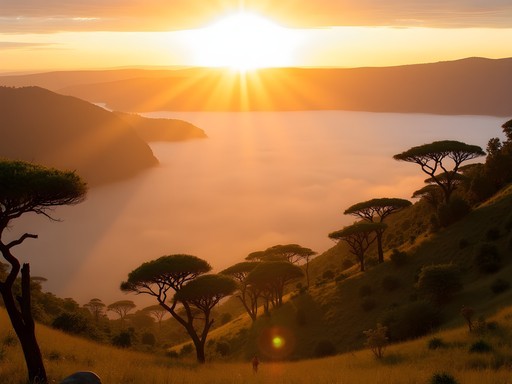
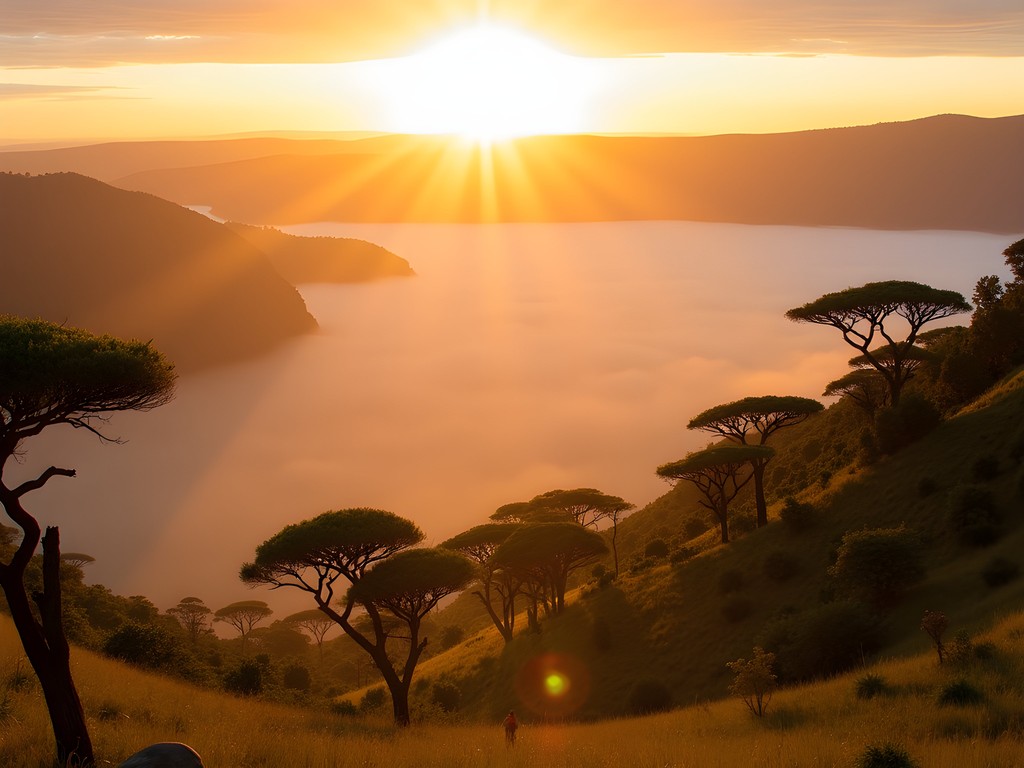
The first rays of sunrise spill over the crater's edge, illuminating a landscape that feels both primordial and sacred. After navigating oceans for a quarter-century, I've discovered that Tanzania's Ngorongoro Crater offers a different kind of navigation—one through an ecosystem that functions much like the self-contained world of a ship at sea. This massive caldera, formed when a volcano collapsed on itself millions of years ago, cradles one of Africa's most concentrated wildlife sanctuaries within its 100-square-mile embrace. As someone who's charted courses across the world's waterways, I find myself equally captivated charting paths through this natural wonder, where the Big Five roam freely against a backdrop that feels like stepping into Earth's distant memory. My recent winter expedition—a luxury safari with surprisingly moderate temperatures and spectacular wildlife viewing—proved to be the perfect escape for couples seeking both adventure and intimacy in one of nature's most magnificent settings.

Planning Your Ngorongoro Expedition
Like plotting a course through challenging waters, planning a Ngorongoro safari requires strategic thinking and local knowledge. After researching numerous options, I settled on a private 5-day luxury safari that balanced wildlife viewing with cultural experiences. The Ngorongoro Conservation Area differs fundamentally from national parks—it's a multiple land-use area where the Maasai people continue their traditional lifestyle alongside wildlife conservation efforts.
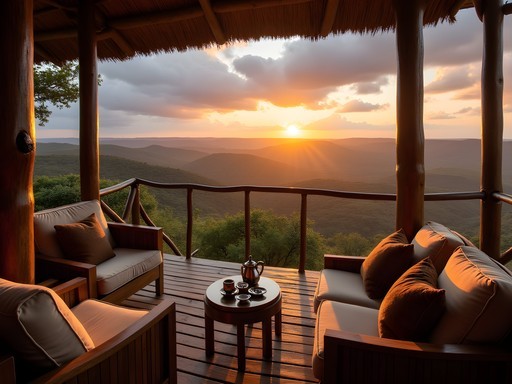
I chose to stay at a lodge perched on the crater rim, providing breathtaking panoramic views and easy access for early morning descents into the crater. The perspective reminded me of standing on a ship's bridge, surveying the vast ocean below—except here, the ocean was a verdant ecosystem teeming with life.
While the term 'luxury safari' might conjure images of colonial-era extravagance, today's high-end experiences focus on sustainability and meaningful connections. My accommodation featured solar power, water conservation systems, and partnerships with local Maasai communities—proving that responsible tourism and comfort can indeed coexist.
For couples planning this journey, I recommend booking 8-10 months in advance, especially if traveling during the popular June-October dry season. My winter visit (December-February) offered fewer crowds and the lush green landscape following the short rains, with temperatures comfortable for exploration.
💡 Pro Tips
- Book a private safari vehicle if your budget allows—the flexibility to linger at wildlife sightings is invaluable
- Pack neutral-colored clothing (khakis, olives, tans) to blend with the environment
- Choose accommodations on the crater rim for spectacular views and quicker access to morning game drives
Descending into Nature's Perfect Sanctuary
The journey down into the crater feels like passing through a portal to another time. The steep descent along the access road—a marvel of engineering cutting through dense montane forest—brings you from the cool highlands to the crater floor in less than an hour. As a ship captain, I've navigated treacherous passages, but this descent requires similar respect and skill from your driver-guide.
Once on the crater floor, the vastness of this ecosystem reveals itself. Unlike the open ocean where wildlife remains largely hidden beneath the surface, here the abundance is immediately apparent. The crater walls create a natural enclosure that concentrates wildlife in extraordinary numbers—over 25,000 large animals share this relatively small space.
During my five days exploring the region, I established a rhythm that will serve other travelers well: early morning crater drives when predators are active, midday rest periods at the lodge (perfect for couples to enjoy private time), and afternoon excursions focusing on specific areas of interest. This approach prevents safari fatigue while maximizing wildlife encounters.
For capturing these once-in-a-lifetime moments, I relied on my telephoto zoom lens, which proved invaluable for photographing distant wildlife without disturbing their natural behaviors. The lens's image stabilization was particularly helpful when shooting from a moving vehicle.
The crater's flat, open landscape offers relatively easy wildlife spotting compared to other safari destinations, making it ideal for first-time safari-goers or those who prefer a more accessible wildlife experience.
💡 Pro Tips
- Bring a good pair of binoculars for each person—sharing means someone always misses something
- Prepare for dusty conditions with camera protection gear and allergy medication if sensitive
- Early morning drives (6-9 AM) offer the best predator sightings and photographic light
Wildlife Encounters in Earth's Eden
The concentration of wildlife within Ngorongoro defies imagination. Having sailed to some of the world's most remote marine sanctuaries, I thought I understood biodiversity—but the crater offers a masterclass in ecological interconnection visible to the naked eye.
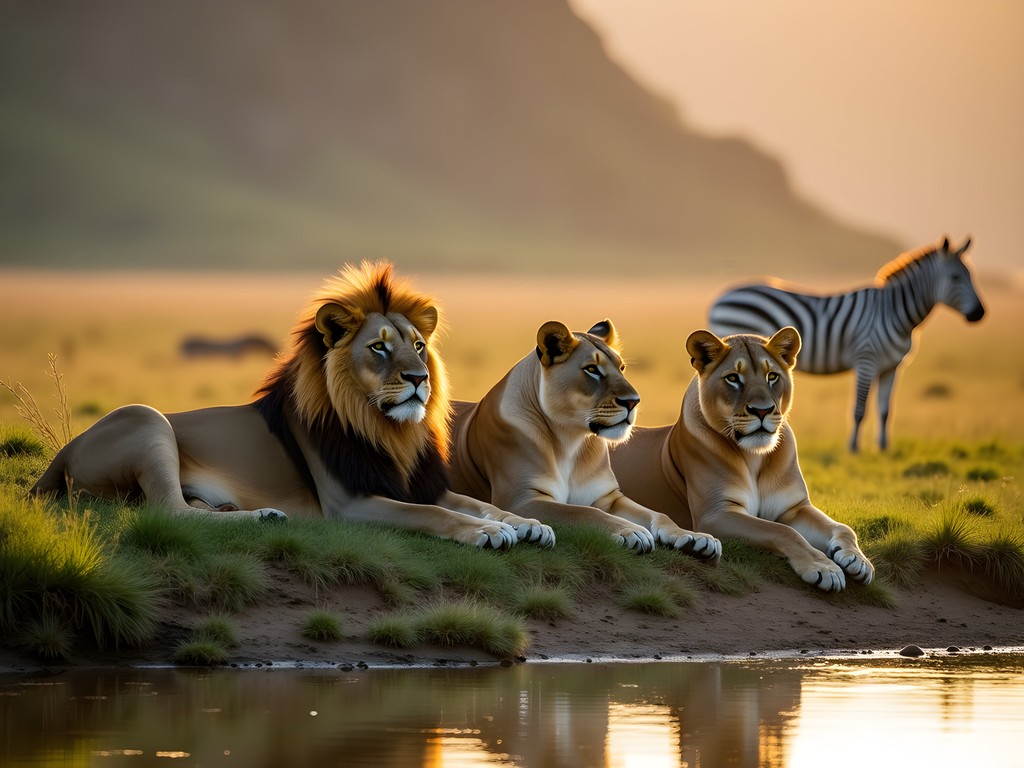
The crater floor hosts approximately 25,000 large animals, including around 70 lions, 30 black rhinos, and enormous herds of zebra, wildebeest, and gazelle. Unlike the seasonal migrations that characterize the Serengeti, most of Ngorongoro's wildlife remains year-round, sustained by the permanent water sources and varied habitats within the crater walls.
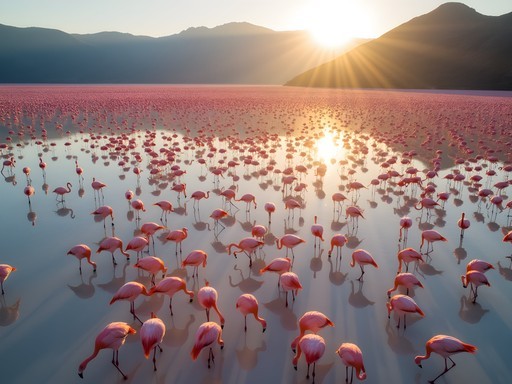
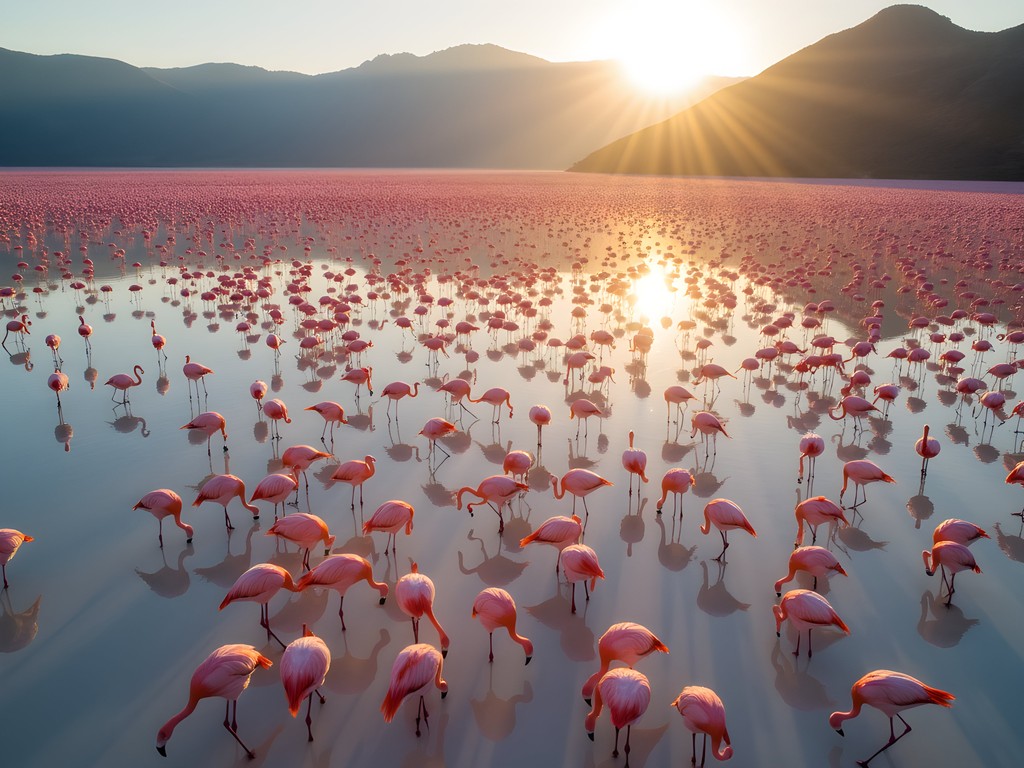
During my winter visit, I witnessed several remarkable moments that exemplify why this destination deserves its legendary status. At Lake Magadi, thousands of pink flamingos created a living coral reef of sorts across the alkaline waters, their synchronized movements resembling ocean currents. Nearby, a black rhino and her calf emerged from the marsh vegetation—a sighting so rare that even our experienced guide grew emotional.
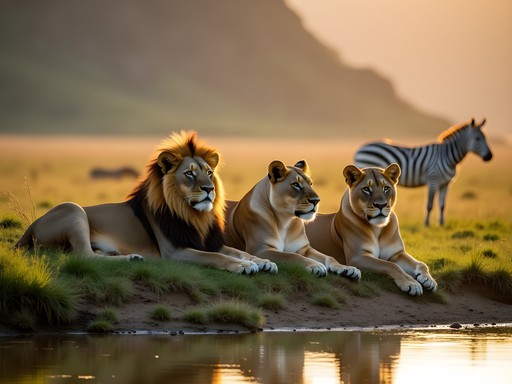
The crater's compact nature creates unique predator-prey dynamics. One morning, we followed a cheetah stalking Thomson's gazelles across the open plains, the hunt unfolding like a tactical maritime operation. The following day, we encountered a pride of lions with cubs feeding on a freshly killed buffalo—nature's raw power and tenderness displayed simultaneously.
For couples, these shared wildlife experiences create powerful bonds and conversations that continue long after the safari ends. There's something profoundly connecting about witnessing life's fundamental rhythms together, far removed from daily distractions.
💡 Pro Tips
- Maintain respectful distances from wildlife—ethical guides will position vehicles appropriately
- Learn to read animal behavior to anticipate photographic moments
- Ask your guide about specific species you're interested in—they can tailor your experience accordingly

Cultural Connections: The Maasai and Conservation
What distinguishes Ngorongoro from many wildlife sanctuaries is its dual mandate: protecting natural heritage while supporting the indigenous Maasai people who have inhabited these highlands for centuries. As someone who's witnessed coastal communities worldwide adapting to changing environmental conditions, I find the Ngorongoro Conservation Area's approach particularly compelling.
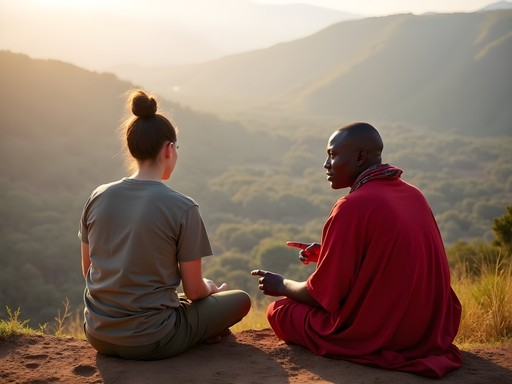
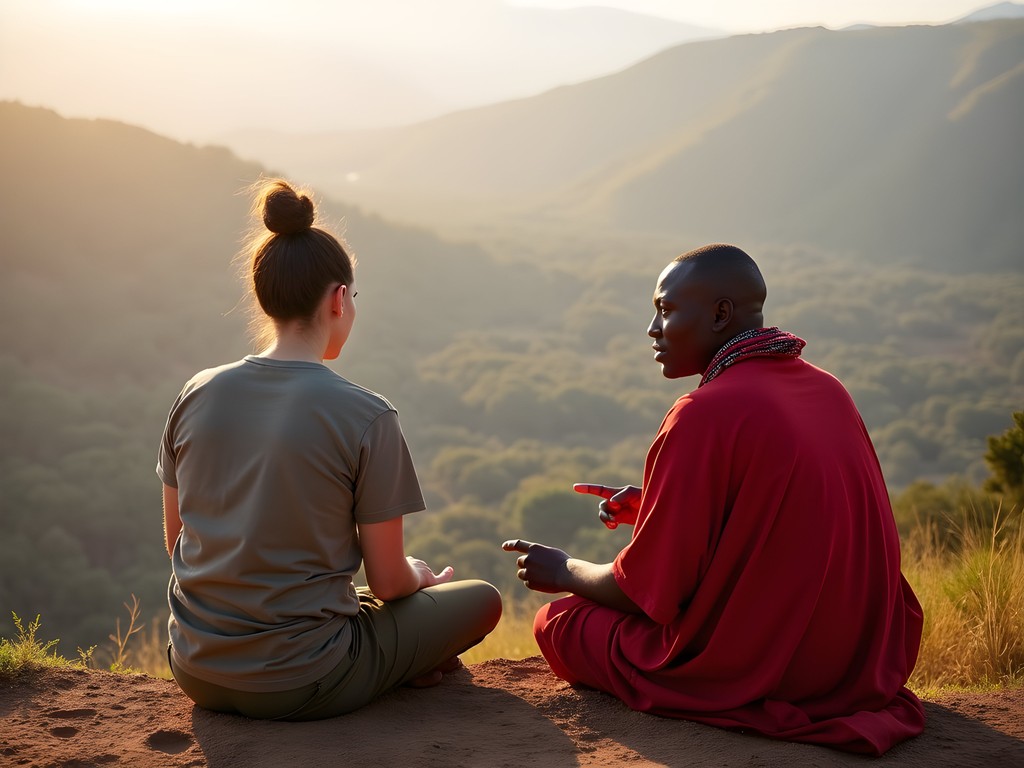
During my expedition, I arranged a cultural visit to a nearby Maasai boma (village) through my lodge. Unlike performative cultural tourism that can feel exploitative, this experience was arranged through a community-based organization where proceeds directly benefit local schools and healthcare initiatives.
My guide, Lenana, a young Maasai man educated in conservation management, shared insights into how his community balances traditional pastoralist practices with modern conservation challenges. Their relationship with the land reminded me of ancient mariners who navigated by intimate knowledge of currents and stars rather than GPS.
The Maasai's traditional conservation ethics—which protected these lands for generations before formal conservation designations—offer valuable lessons for our modern environmental challenges. They understand, as any good captain must, that survival depends on respecting natural boundaries and living within sustainable limits.
For visitors seeking deeper connections, I recommend bringing a quality journal to document conversations and reflections. Some of my most treasured travel memories come from notes taken during cultural exchanges like these, where wisdom shared transcends the momentary experience.
Remember that photography in Maasai communities requires explicit permission and often a fee. Rather than focusing on capturing images, I found greater value in simply being present and engaging in genuine conversation.
💡 Pro Tips
- Research Maasai culture before visiting to ask informed questions
- Consider bringing appropriate gifts like school supplies for community schools rather than candy or small items
- Support cooperatives selling authentic Maasai crafts rather than airport souvenirs
Luxury Accommodations & Mindful Moments
After days filled with adventure and discovery, retreating to thoughtfully designed accommodations becomes essential for processing the experiences. My chosen lodge—perched on the crater rim with panoramic views—provided that perfect balance of luxury and authenticity that discerning couples seek.
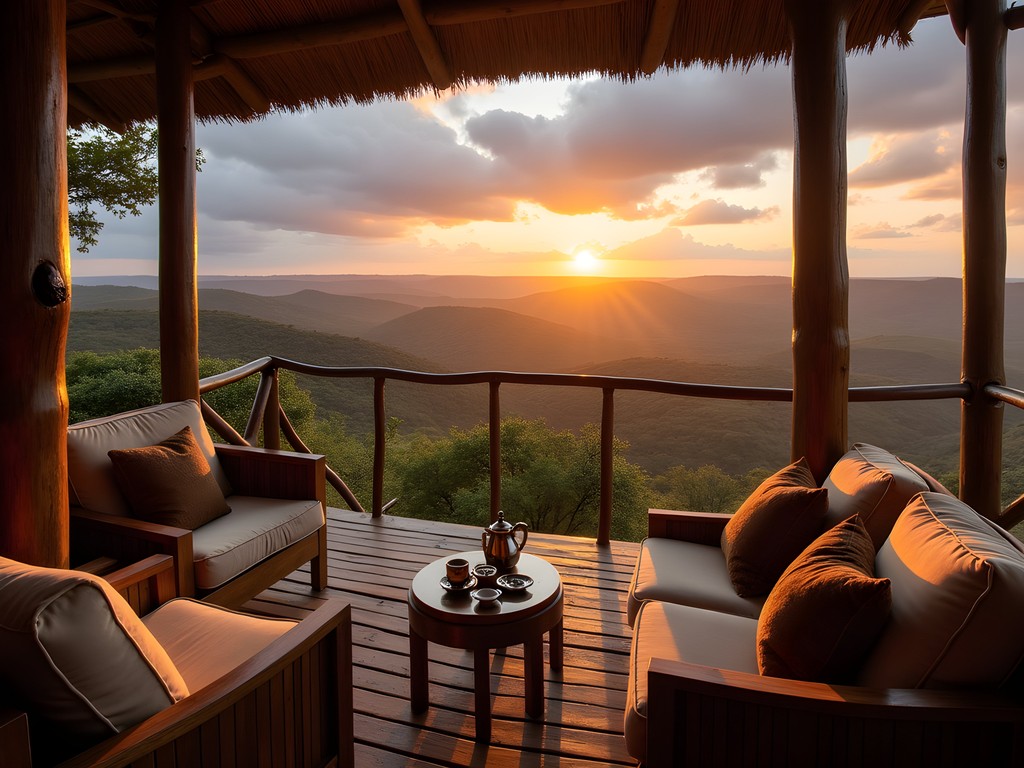
My suite featured floor-to-ceiling windows framing the crater vista, a private deck for morning tea rituals, and design elements that honored local craftsmanship while providing modern comforts. The lodge's commitment to sustainability was evident in everything from water conservation systems to farm-to-table dining featuring ingredients from their organic gardens.
Each evening, I established a ritual that married my maritime habits with this new landscape: watching the sunset transform the crater while enjoying a pot of locally grown tea. These moments of stillness—so rare in our hyperconnected world—became as valuable as the wildlife encounters themselves.
For couples, the romantic potential of these settings is unmatched. Imagine private dinners under star-filled skies, with the sounds of distant wildlife providing nature's soundtrack. Several lodges offer special experiences like bush breakfasts or sundowners at scenic viewpoints—well worth the splurge for celebrating special occasions.
To enhance these mindful moments, I recommend bringing a quality travel blanket for chilly evenings on your private deck. The crater rim sits at over 7,000 feet elevation, making evenings cool even when days are warm.
While luxury accommodations come with premium pricing, the value lies not just in thread counts and amenities but in the thoughtful integration with the environment and the quality of guides provided. The best lodges employ guides with decades of experience and academic training in ecology, elevating your safari from simple wildlife viewing to comprehensive natural and cultural immersion.
💡 Pro Tips
- Request rooms with crater views when booking—the premium is worth it for the sunrise experience
- Pack layers for cool evenings at crater rim accommodations
- Schedule at least one spa treatment incorporating local ingredients and traditions
Final Thoughts
As we lifted off from the airstrip on our departure, the crater receded below us like a ship disappearing over the horizon. In my years navigating both waters and lands, Ngorongoro stands as a rare confluence—where geological wonder, wildlife abundance, cultural heritage, and conservation efforts create something greater than their sum. For couples seeking both adventure and connection, this ancient caldera offers a perfect microcosm of Africa's magic. The crater teaches us what mariners have always known: that we are small parts of something magnificently larger, and that this perspective brings both humility and wonder. Whether tracking a black rhino through morning mist or sharing stories with Maasai elders as the sun sets, Ngorongoro offers moments that transcend ordinary travel. As you plan your own expedition to this remarkable sanctuary, remember that the true luxury lies not in thread counts or amenities, but in the privilege of witnessing one of Earth's most perfect natural systems—and perhaps, in finding deeper connection with both nature and each other.
✨ Key Takeaways
- Ngorongoro offers unparalleled wildlife density in a compact, accessible setting ideal for couples seeking both adventure and intimacy
- Winter visits (December-February) provide lush landscapes, fewer crowds, and comfortable temperatures
- Balancing wildlife experiences with cultural connections creates a more meaningful safari experience
- Investing in quality accommodations on the crater rim enhances both wildlife viewing opportunities and romantic moments
📋 Practical Information
Best Time to Visit
June-October (dry season) or December-February (green season)
Budget Estimate
$800-1,200 per person per day for luxury experience
Recommended Duration
4-5 days minimum
Difficulty Level
Moderate
Comments
Bryce Diaz
Kayla, your description of descending into the crater brought back so many memories from my visit in 2019. That moment when you reach the rim and see the entire caldera spread out below - it's like stepping into another world. I spent three days there and still felt like I barely scratched the surface. The density of wildlife is just staggering. I remember sitting at a waterhole at dawn, watching elephants, zebras, and wildebeest all drinking together while a couple of lions lounged maybe 50 meters away. Pure magic. Did you get to spend time with the Maasai communities? That cultural exchange was one of the highlights of my trip - hearing their perspectives on conservation and land management really changed how I think about wildlife tourism.
happyfan
How crowded was it when you went? Worried about too many safari vehicles.
Bryce Diaz
Go in shoulder season if you can - April/May or November. We went in November and it was perfect. Still saw other vehicles but not overwhelming. The crater floor is huge so there's plenty of space.
happyfan
Those sunrise photos are incredible! Adding this to my bucket list.
Bryce Diaz
You won't regret it! The crater is unlike anywhere else I've been.
travelphotographer7816
Just got back from Ngorongoro last month! Saw all the Big Five in one day - absolutely magical place. Your description of the sunrise is spot on!
springseeker
That's amazing! Any photography tips for a first-timer?
travelphotographer7816
Bring a good zoom lens and a bean bag to stabilize it on the vehicle. Most drivers are happy to position for the best shots if you ask nicely!
springseeker
Beautiful post! How did you manage the photography challenges? I'm an amateur photographer worried about capturing wildlife from a moving vehicle.
Riley Griffin
Your post brought back so many memories! I took my kids (12 and 14) to Ngorongoro last summer and it was the highlight of our Tanzania adventure. The moment when we first peered over the crater rim, my daughter whispered "it looks like Jurassic Park" - which perfectly captured the primeval feeling of the place. One tip for families considering this trip: bring good binoculars for everyone. I bought my kids their own pairs of compact binoculars before we left, and it made all the difference in their engagement level. The Maasai village visit was also incredible - my son still corresponds with a boy he met there. Kayla, did you do any walking safaris while you were in the conservation area?
Kayla Jackson
What a special experience with your kids, Riley! I did do a short walking safari in the highlands area outside the crater with an armed ranger and Maasai guide. It gives you a completely different perspective than vehicle safaris.
skyguide
First-time safari planner here! How physically demanding was the trip? And did you stay inside the crater or on the rim?
Kayla Jackson
Not very demanding at all! Most of the time you're in a vehicle. I stayed at a lodge on the rim - the views are spectacular and it's cooler at night. There are no accommodations inside the crater itself, just day visits.
Morgan Cunningham
Fascinating read, Kayla. Your comparison of the crater to a ship is quite apt - it does have that contained ecosystem feeling, like a world unto itself. I visited Ngorongoro last year as part of a longer East African journey and was struck by the density of wildlife. The interplay between conservation efforts and the Maasai communities is particularly complex, and I appreciate your nuanced take on it. Did you manage to spot any black rhinos during your visit? They were frustratingly elusive during my time there, though the compensation of seeing over 30 lions in a single day more than made up for it.
Kayla Jackson
Thanks Morgan! I was fortunate enough to spot two black rhinos, but they were quite far in the distance. Our guide had an amazing spotting scope that made all the difference. 30 lions in one day is incredible though!
escapeblogger
Hey Kayla, what time of year did you visit? I'm planning a trip and wondering about the best season for wildlife viewing.
Kayla Jackson
I went in late June which was fantastic - dry season means animals gather around water sources making them easier to spot. The crater floor wasn't too crowded with vehicles either!
escapeblogger
Thanks so much! That's really helpful. I'm thinking about May now.
sunnylover
Those sunrise photos are absolutely breathtaking! Ngorongoro has been on my bucket list for years.
journeyace
Thanks for this post! Did you book your safari through a tour company or arrange it independently? We're trying to figure out the best way to do this without breaking the bank.
Kayla Jackson
I went through a local operator based in Arusha - much more affordable than international companies. You can't drive into the crater without a licensed guide anyway, so definitely worth booking at least the crater days through someone reputable. Happy to share my contact if you DM me!
journeyace
That would be awesome, sending you a message now!
Venture X
Premium card with 2X miles, $300 travel credit, Priority Pass